Is Madagascar Safari Worth It? Wildlife vs East Africa 2026
Madagascar safari costs $2,000–$4,500 and offers unique lemurs and endemic wildlife. Compare with East Africa safaris to decide which suits your travel goals in 2026.

Is Madagascar Safari Worth It in 2026?
Last updated: July 2026
Madagascar safaris cost $2,000–$4,500 per person and offer unique wildlife like lemurs and chameleons you won't find in East Africa. The best time to visit is May through October for cooler weather and better visibility. Madagascar suits nature lovers seeking a slower, more intimate experience than traditional big game safaris. Compare packages on SafariFind to find verified operators and read authentic traveler reviews before booking.
At a Glance
- Cost: $2,000–$4,500 per person for 7–10 days
- Best time: May to October (dry season, comfortable temperatures)
- Duration: 7–10 days recommended for diverse experiences
- Getting there: International flights to Antananarivo, then domestic flights or road transfers
- Best for: Nature enthusiasts, wildlife photographers, solo travelers, adventure seekers
- Wildlife highlights: Lemurs, chameleons, geckos, rare bird species, baobab trees
Is Madagascar Safari Worth It? Wildlife vs East Africa Comparison
Madagascar safari in 2026 offers unique wildlife and experiences that differ significantly from traditional East African safaris. The island is not a copy of Kenya or Tanzania. Instead, it provides a slower nature trip with several short wildlife experiences where you track lemurs in forests, explore dry landscapes, and rest beside the Indian Ocean. This mix makes the island experience distinctly valuable for certain travelers.
The primary question isn't whether Madagascar is better than East Africa—it's whether Madagascar matches your travel goals. East Africa excels at big game viewing with lions, elephants, and buffalo roaming open plains. Madagascar specializes in endemic species found nowhere else on Earth. Over 90% of Madagascar's wildlife exists only on this island, making it irreplaceable for biodiversity enthusiasts.
Wildlife Comparison: Madagascar vs East Africa
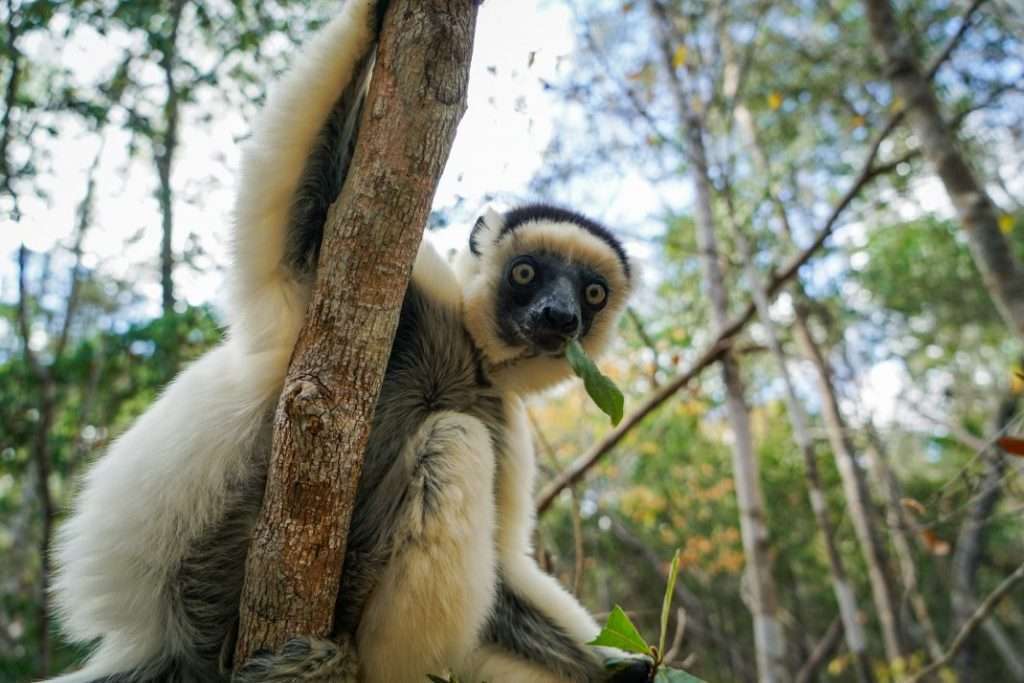
Madagascar is truly a dream destination for wildlife lovers. Travelers encounter an astounding number of chameleons, geckos, and snakes throughout the island. You won't see lions or zebras in Madagascar—these animals don't exist here. Instead, you'll find 100+ lemur species, 300+ bird species, and countless reptiles that evolved in isolation.
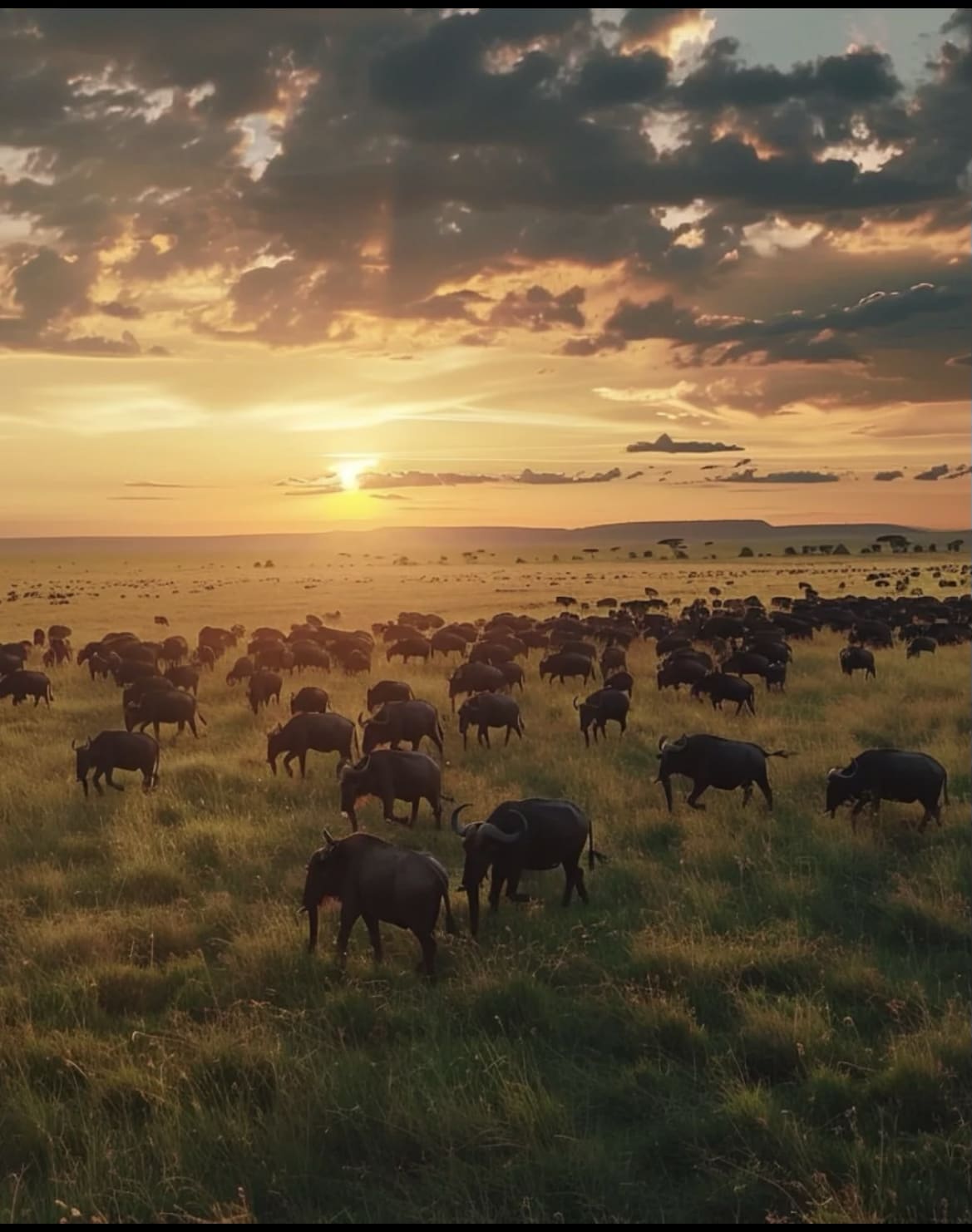
East Africa delivers the famous Big Five: lions, leopards, elephants, buffalo, and rhinoceros. The Great Migration brings 1.5 million wildebeest across the Mara River between July and October. This spectacle is unmatched globally. However, East Africa's wildlife is more common across Africa, whereas Madagascar's endemic creatures exist nowhere else.
| Feature | Madagascar | East Africa (Kenya/Tanzania) |
|---|---|---|
| Big Five | None present | All present |
| Lemurs | 100+ species (endemic) | None |
| Unique species | 90% endemic | Shared across Africa |
| Safari style | Hiking, tracking, intimate | Vehicle-based game drives |
| Cost range | $2,000–$4,500 | $2,500–$6,000 |
| Best for | Nature lovers, solo travelers | Big game enthusiasts, families |
The choice depends on your priorities. Want to see lions hunting zebras? Choose East Africa. Want to track ring-tailed lemurs in rainforests? Choose Madagascar. Both are worth experiencing, but they serve different travel desires.
What Makes Madagascar Safari Unique and Different?
Madagascar safari differs fundamentally from East Africa in pace, wildlife, and cultural elements. The island offers a slower nature trip where you experience multiple short wildlife encounters rather than long vehicle drives seeking the Big Five. This approach appeals to travelers seeking depth over dramatic predator-prey encounters.
Endemic Wildlife You Can't Find Elsewhere
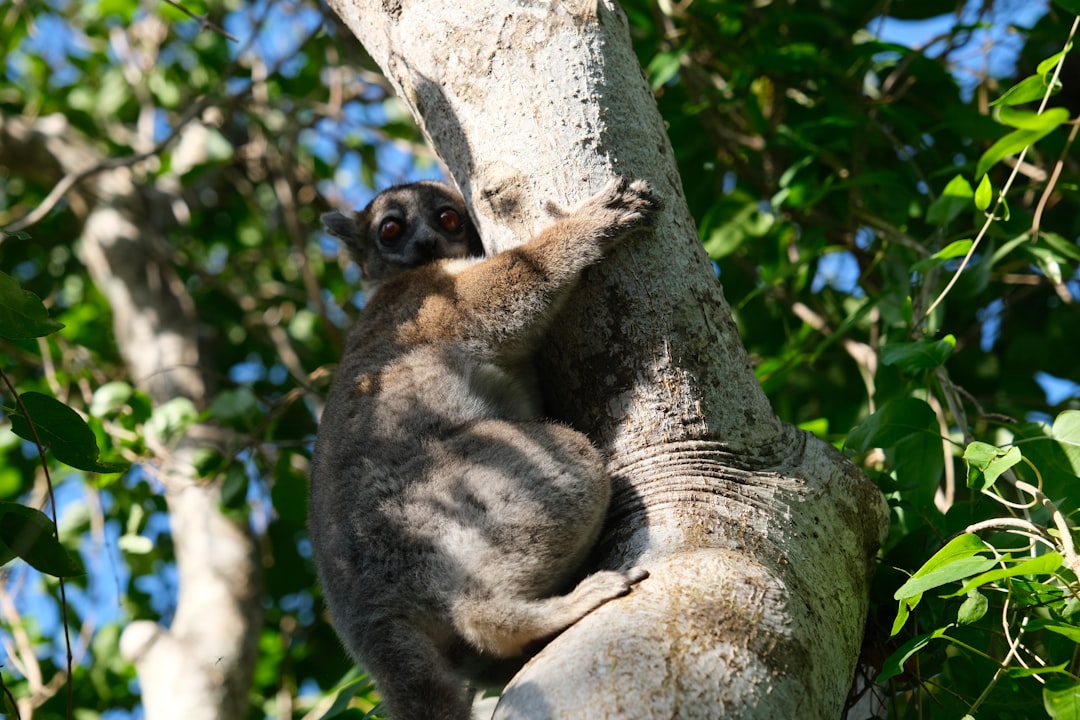
Madagascar is a biodiversity hotspot with more endemic species than any other African nation. The island's lemurs are the most recognizable endemic animals—these primates evolved uniquely on Madagascar and exist nowhere wild in the world. Ring-tailed lemurs, indri lemurs, and mouse lemurs represent just a fraction of the 100+ species you might encounter.
Beyond lemurs, Madagascar hosts chameleons in remarkable diversity. Travelers report encountering astounding numbers of chameleon species, from tiny pygmy chameleons to large panther chameleons with vibrant colors. The island also features unique geckos, tree boas, fossas (cat-like predators), and 300+ bird species. This endemic richness makes Madagascar irreplaceable for biodiversity-focused travelers.
Slower, More Intimate Safari Experience
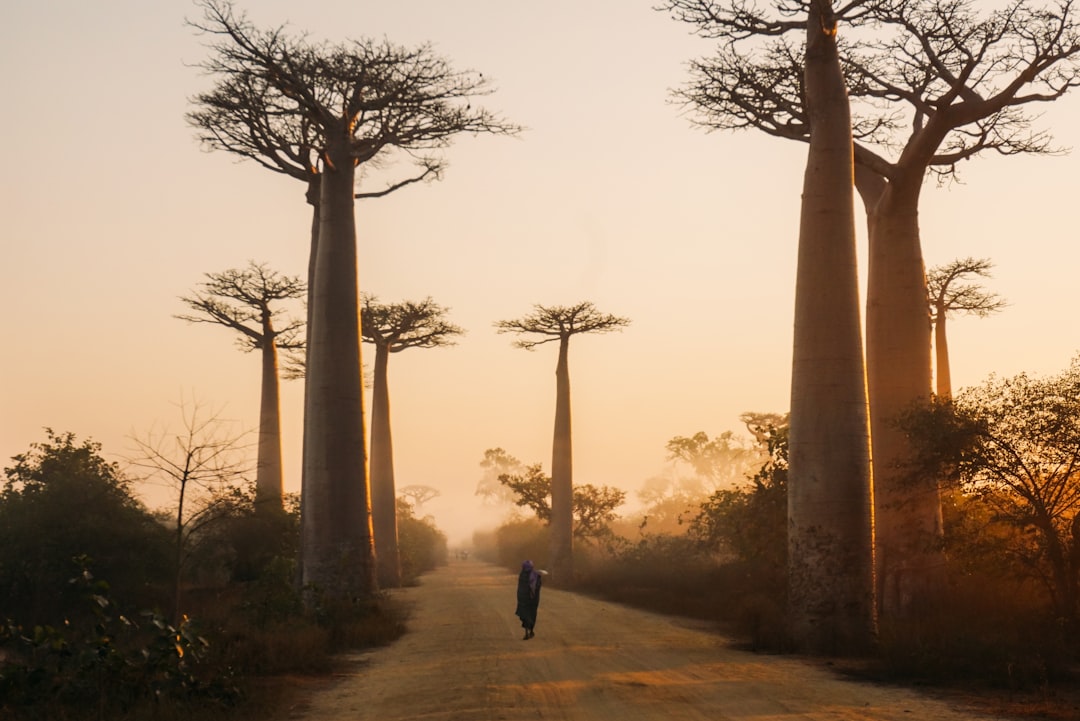
Madagascar safaris emphasize hiking, tracking, and close observation rather than vehicle-based game drives. You trek through rainforests seeking lemurs, walk through spiny forests observing baobabs, and rest beside the Indian Ocean. This slower pace allows deeper nature immersion and personal connection with landscapes.
The experience suits solo travelers and small groups better than large safari convoys. You're not competing with dozens of vehicles to spot the same lion. Instead, you're tracking specific lemur troops with experienced guides who know individual animals by name and behavior.
Cultural Tourism Differences
East Africa has a clear advantage in cultural tourism. The local people of East Africa are much more involved in the tourism industry, offering opportunities to witness Maasai or Samburu tribal living. These cultural interactions are deeply integrated into East African safari experiences.
Madagascar's cultural tourism is developing but less established. The island has rich Malagasy culture, but tourism infrastructure around cultural experiences lags behind East Africa. If cultural immersion is your priority, East Africa offers more developed, authentic opportunities.
Cost Breakdown: Is Madagascar Safari Affordable in 2026?
Madagascar safari costs range from $2,000 to $4,500 per person for 7–10 days, making it competitive with East African safaris when comparing quality experiences. Budget varies based on accommodation level, group size, activities included, and operator reputation.
Pricing Components
Your Madagascar safari cost includes several elements. Accommodation ranges from budget lodges at $30–50 per night to luxury camps at $200–400 per night. Guide services, park entrance fees, meals, and transportation between sites add approximately $60–120 daily. International flights to Antananarivo typically cost $800–1,500 from North America or Europe.
A typical 7-day Madagascar safari breaks down as follows: accommodation ($300–1,400), guides and activities ($500–800), park fees ($200–300), meals ($250–400), and internal transportation ($200–400). This totals $1,450–3,300 before international flights. Adding flights pushes most packages to $2,000–4,500 per person.
Comparing Madagascar to East Africa Pricing
East African safaris in 2026 typically cost $2,500–6,000 per person for similar durations. Tanzania and Kenya offer more expensive luxury options due to higher demand and established infrastructure. Madagascar offers better value for budget-conscious travelers seeking unique experiences without premium pricing.
However, Madagascar's lower base costs don't guarantee better overall value. You're paying for different experiences. East Africa delivers iconic big game viewing; Madagascar delivers endemic wildlife and intimate nature immersion. Compare Madagascar safari vs Kruger to understand value differences across African destinations.
Browse verified Madagascar safari packages on SafariFind to compare operators and pricing. Read authentic reviews from travelers who've experienced these tours firsthand. This helps you assess whether specific packages deliver value matching your expectations and budget.
Practical Planning: Getting Started with Your Madagascar Safari
Planning a Madagascar safari requires attention to visas, health requirements, and logistics specific to this island destination. Proper preparation ensures smooth travel and maximizes your experience.
Visa and Entry Requirements
Most international travelers receive a tourist visa on arrival at Antananarivo's Ivato airport. The process is straightforward for citizens of major countries, though requirements vary by nationality. Check Madagascar entry requirements for international travelers specific to your citizenship to confirm documentation needed.
If you're a British citizen, review Madagascar visa requirements for British citizens before booking flights. German citizens should check Madagascar visa information for German citizens. Having correct documentation prevents delays at arrival.
Health and Vaccination Requirements
Malaria prevention is essential for Madagascar travel. The island has malaria risk in most regions, requiring prophylaxis medication. Yellow fever vaccination isn't required for entry, but health authorities recommend it. Consult your doctor 4–6 weeks before departure about appropriate vaccinations.
British travelers should review vaccinations and health rules for Madagascar for British citizens. US citizens should check vaccinations and health rules for Madagascar for US citizens. These resources provide current health guidance specific to your nationality.
Getting There and Moving Around
Arrival transfers from Antananarivo's Ivato airport to your hotel are typically provided by hired minivan, especially if you book through established tour operators. Most Madagascar safaris involve a mix of domestic flights between regions and vehicle transfers on roads.
Antananarivo serves as the main gateway. From here, you fly or drive to safari regions like Andasibe-Mantadia, Ranomafana, or Isalo National Park. Internal flights between parks are common and necessary, adding $100–200 per flight to your budget. Allow extra time for travel days—Madagascar's infrastructure means longer journey times than East Africa.
Best Time to Visit
May through October represents the ideal season for Madagascar safaris. Dry season weather provides comfortable temperatures (15–25°C), better hiking conditions, and excellent wildlife visibility. Rainfall decreases significantly, making forest trails accessible and reducing insect activity.
November through April brings rainy season conditions. Roads become muddy and potentially impassable. However, some travelers prefer this period for lower costs and lush green landscapes. Always check current park accessibility before booking during rainy months.
Is Madagascar Safari Worth It? Final Value Assessment
Madagascar safari is worth it if you prioritize unique endemic wildlife, intimate nature experiences, and slower-paced travel over big game viewing. The destination excels for specific traveler types and falls short for others.
Who Should Choose Madagascar?
Madagascar safari suits nature photographers seeking unusual subjects. Lemurs, chameleons, and geckos provide distinctive photography opportunities unavailable in East Africa. Adventure seekers enjoy hiking through diverse ecosystems—rainforests, dry forests, spiny forests, and coastal areas—within a single trip.
Solo travelers appreciate Madagascar's safety and intimate group experiences. Budget-conscious adventurers benefit from lower costs than East Africa without sacrificing quality. Families with older children enjoy the educational value of Madagascar's unique biodiversity and endemic species focus.
Who Should Choose East Africa Instead?
Big game enthusiasts should choose East Africa. If seeing lions, elephants, and buffalo is your safari dream, Tanzania and Kenya deliver superior experiences. Travelers seeking dramatic predator-prey interactions find them reliably in East Africa's open plains.
Families with young children may prefer East Africa's vehicle-based safaris, which require less physical exertion than Madagascar's hiking. Travelers with limited time benefit from East Africa's concentrated wildlife viewing—you see more animals in less time.
Cultural tourism enthusiasts should prioritize East Africa. Maasai and Samburu cultural experiences are well-developed, authentic, and deeply integrated into safari itineraries. Madagascar's cultural tourism, while growing, remains less established.
The Real Answer: It Depends on Your Goals
Madagascar safari is worth it as a unique, valuable experience—but not as a replacement for East African safaris. Both destinations offer distinct value. Madagascar excels at endemic wildlife immersion and intimate nature experiences. East Africa excels at big game viewing and cultural interactions.
The best approach is choosing based on your travel priorities. Want lemurs and chameleons? Madagascar wins. Want lions and the Great Migration? East Africa wins. Want both experiences? Plan separate trips to each destination across multiple years.
Request quotes from verified Madagascar safari operators on SafariFind. Read authentic reviews from travelers who've experienced these tours. Compare packages and prices to find operators matching your budget and travel style. This research transforms the abstract question "Is it worth it?" into a concrete decision based on your specific goals and preferences.
Key Takeaways
- Book Madagascar safaris 3–6 months ahead to secure preferred dates and receive 10–15% discounts on early-bird rates.
- Expect to pay $2,000–$4,500 per person for 7–10 days, making Madagascar competitive with East African safari costs while offering unique endemic wildlife.
- Choose Madagascar for lemurs, chameleons, and intimate hiking experiences; choose East Africa for lions, elephants, and big game viewing.
- Visit during May to October dry season for comfortable weather, accessible trails, and excellent wildlife visibility.
- Verify visa requirements, vaccinations, and malaria prevention specific to your citizenship before departure to ensure smooth travel to Madagascar.
Frequently Asked Questions
How much does a Madagascar safari cost in 2026?
Madagascar safaris range from $2,000 to $4,500 per person for 7–10 days, including accommodation, guides, activities, and meals. This cost is competitive with East African safaris when comparing quality experiences. Budget varies based on lodge level, group size, and operator reputation. Add $800–1,500 for international flights from North America or Europe.
What wildlife will I see on a Madagascar safari?
Madagascar safaris feature 100+ lemur species, 300+ bird species, chameleons, geckos, tree boas, fossas, and baobab trees. Over 90% of Madagascar's wildlife is endemic, meaning it exists nowhere else on Earth. You won't see lions, elephants, or buffalo—these animals don't live in Madagascar. The experience focuses on unique, rare species found nowhere else.
Is Madagascar safari safer than East Africa for solo travelers?
Madagascar is generally safe for solo travelers with proper planning. The island has lower crime rates in safari regions compared to some East African destinations. Tour operators provide experienced guides and established safety protocols. However, always book through verified operators and follow local safety recommendations. Review authentic traveler experiences on SafariFind before selecting your operator.
What's the best time to visit Madagascar for a safari?
May through October is the ideal season for Madagascar safaris. Dry season weather provides comfortable temperatures (15–25°C), accessible hiking trails, and excellent wildlife visibility. Rainfall decreases significantly, making forest trekking enjoyable. November through April brings rainy season conditions with muddy roads and higher insect activity, though some travelers prefer lower costs and lush landscapes.
Should I choose Madagascar or East Africa for my safari?
Choose Madagascar for unique endemic wildlife, intimate hiking experiences, and slower-paced nature immersion. Choose East Africa for big game viewing, the Great Migration, and established cultural tourism. Both destinations offer distinct value. Madagascar suits nature photographers, adventure seekers, and budget-conscious travelers. East Africa suits big game enthusiasts and families with young children. Compare verified packages on SafariFind to find the perfect match for your travel goals.
Do I need special vaccinations for Madagascar safari travel?
Malaria prevention is essential for Madagascar. Consult your doctor 4–6 weeks before departure about appropriate antimalarial medication. Yellow fever vaccination isn't required but is recommended. Your citizenship may affect vaccination requirements, so check specific guidance for your country. Review health requirements before booking to ensure you're fully prepared for safe travel.
How can I find verified Madagascar safari operators and read reviews?
SafariFind connects you with verified Madagascar safari operators and authentic traveler reviews. Browse available packages, compare prices and durations, and request quotes directly from operators. Read detailed reviews from previous travelers to assess quality and value. This research helps you choose operators matching your budget, travel style, and experience expectations before committing to your booking.
Conclusion
Madagascar safari is worth it as a unique, valuable travel experience—but it serves different goals than East African safaris. The island delivers unmatched endemic wildlife with 100+ lemur species and 300+ bird species found nowhere else on Earth. Madagascar's slower, intimate nature approach suits photographers, adventure seekers, and solo travelers seeking depth over dramatic big game encounters.
In 2026, Madagascar safaris cost $2,000–$4,500 per person for 7–10 days, making them competitive with East African pricing while offering distinctive experiences. The best time to visit is May through October, when dry season weather provides comfortable conditions and excellent wildlife visibility. Plan your trip with proper visa documentation, malaria prevention, and vaccinations specific to your citizenship.
The real question isn't whether Madagascar is worth it—it's whether Madagascar matches your travel goals. Want lemurs and chameleons? Yes, it's absolutely worth it. Want lions and the Great Migration? East Africa is better. Want both? Plan separate trips to each destination.
Start your Madagascar safari planning today by exploring verified packages on SafariFind. Compare operators, read authentic reviews from travelers who've experienced these tours, and request quotes that fit your budget. SafariFind's marketplace helps you find the perfect operator and package, ensuring your Madagascar safari delivers the unique, memorable experience you're seeking. Your dream safari awaits—whether that's tracking lemurs through rainforests or witnessing the Great Migration across open plains.
Plan Your Safari with SafariFind
These recommendations use real data from SafariFind, where you can compare operators, browse packages, and read verified traveler reviews before you book.
Recommended Safari Operators from SafariFind
Recommended Safari Packages from SafariFind
What Travelers Say (SafariFind Reviews)
References
- Southern Africa vs. East Africa: Comparing and Contrasting the Safari Experience | African Wildlife Foundation
- The Best of Madagascar: A Biodiversity Hotspot | Road Scholar
- Is Madagascar Good for Safari? 2026 Wildlife, Parks & Value | SafariFind
- 6 Madagascar Wildlife Safari Tours for 2026–2027 | Adventure Life
- 10 Best Madagascar Tours & Trips 2026/2027 | TourRadar
- Most Popular Private Safaris in Africa | African Budget Safaris
- Madagascar Safari Tour Guide Reviews | TripAdvisor
- Gorilla Trekking vs Safaris – Best East Africa Experience | Shadows of Africa
 Ask Tembo about this guide
Sources
- Southern Africa vs. East Africa: Comparing and Contrasting the Safari Experience
- The Best of Madagascar: A Biodiversity Hotspot
- Is Madagascar Good for Safari? 2026 Wildlife, Parks & Value
- 6 Madagascar Wildlife Safari Tours for 2026–2027
- 10 Best Madagascar Tours & Trips 2026/2027
- Most Popular Private Safaris in Africa
- Madagascar Safari Tour Guide – All You Should Know Before Going 2026
- Gorilla Trekking vs Safaris – Best East Africa Experience
Related to
Ready to start your safari adventure?
Explore curated safari packages and find your perfect African adventure with verified operators.