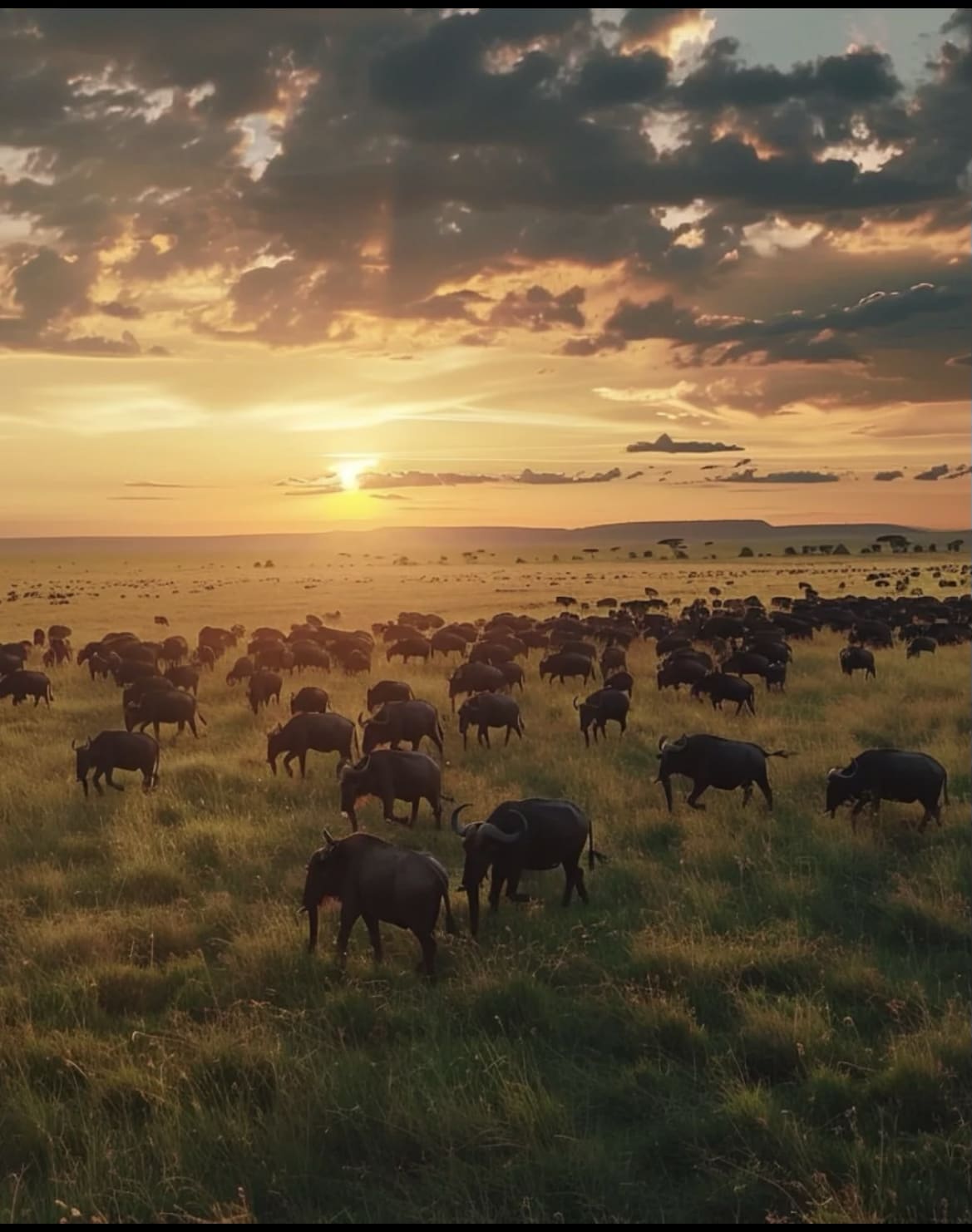
Is Madagascar Good for Safari? 2026 Wildlife, Parks & Value
Discover Is Madagascar Good for Safari? 2026 Wildlife, Parks & Value - Expert guide to safari tourism and wildlife destinations.
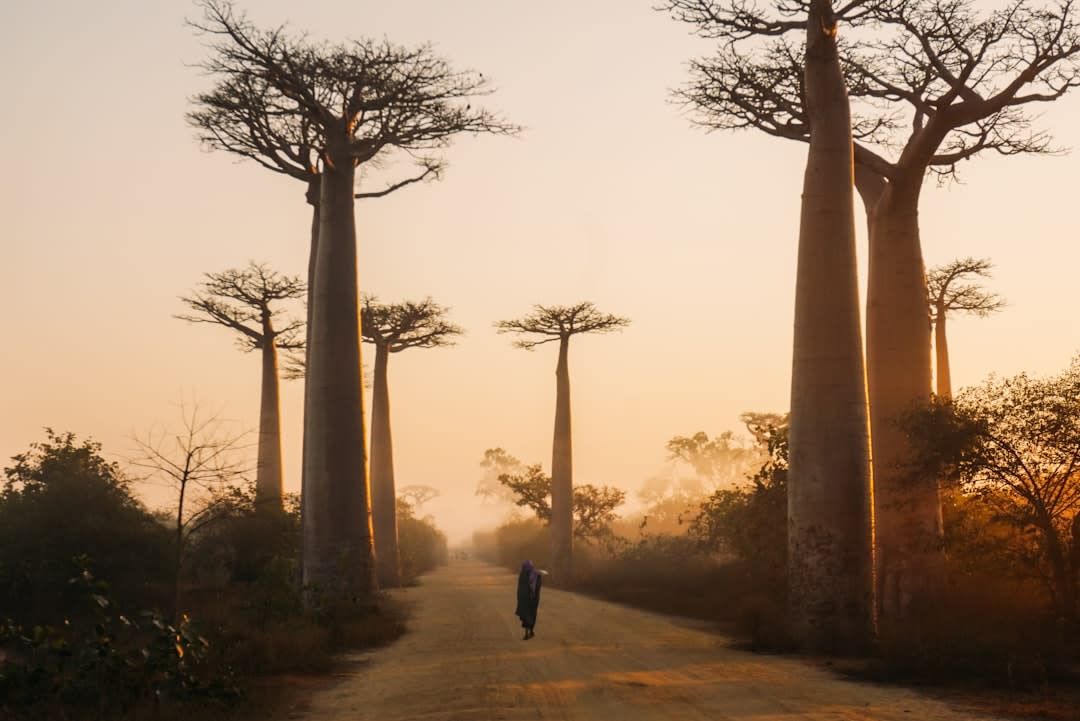
Is Madagascar Good for Safari? 2026 Wildlife & Value
Last updated: July 2026
Is Madagascar Good for Safari? 2026 Wildlife, Parks & Value is a strong choice for travelers who want rare wildlife, rainforest walks, and beach time. A 10-day Madagascar safari costs about $2,000–$4,500 per person in 2026. Visit from July to September for cooler weather and whale watching, or May to October for the wider dry season.
Madagascar protects at least 20 national parks, yet its most famous animals live nowhere else on Earth.
Madagascar Safari at a Glance
- Cost: $2,000–$4,500 per person for a 10-day safari in 2026
- Best time: July–September for cooler days and whale watching
- Dry season: May–October for safaris, hiking, and beach combinations
- Duration: 10 days gives time for parks, travel, and nature activities
- Best for: Lemur lovers, photographers, hikers, and beach travelers
- Wildlife highlights: Lemurs, rare birds, rainforest species, and marine life
Introduction: Is Madagascar Good for Safari?
Is Madagascar Good for Safari? 2026 Wildlife, Parks & Value is a useful question for travelers planning an unusual African trip. Madagascar is good for safari when your priority is rare wildlife and varied landscapes. The island offers rainforest hikes, wildlife-viewing boat rides, and optional snorkeling.
Madagascar is not a copy of Kenya or Tanzania. Instead, it offers a slower nature trip with several short wildlife experiences. You may track lemurs in forest, explore dry landscapes, and then rest beside the Indian Ocean. That mix makes the island especially appealing to curious travelers.
Quick answer: Madagascar is good for safari in 2026 if you value endemic animals, walking, and small-scale nature experiences. Plan around $2,000–$4,500 per person for 10 days. Travel from May to October for the dry season, with July to September offering cooler weather and strong whale-watching chances.
This guide explains what makes Madagascar different, which parks matter, what the trip costs, and how to plan. It also shows where value can improve. SafariFind connects travelers with verified tour operators, package details, and authentic reviews, so you can compare before paying a deposit.
What Makes Madagascar Good for Safari in 2026?
Madagascar is good for safari because its wildlife is highly unique and its parks cover several distinct ecosystems. The island has 20 national parks listed in current SafariFind research, while other travel listings count 22 national parks and reserves. These areas support forest walks, dry-country trips, and coastal wildlife experiences.
Overview of the wildlife experience
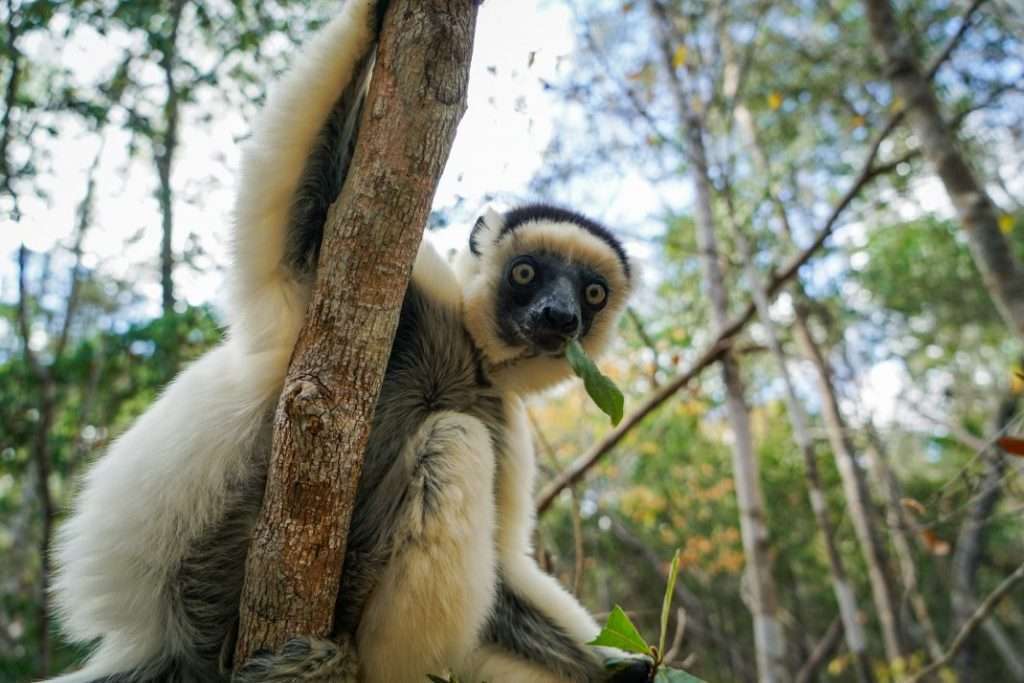
Lemurs are Madagascar’s main wildlife draw. You can search for different lemur species in forest habitats, often alongside rare birds and other native animals. The experience feels more active than a standard vehicle safari because many routes use trails, short walks, and local guides.
Madagascar’s varied ecosystems create a strong mix of nature encounters. San Diego Zoo Wildlife Alliance Adventures describes rainforest hikes, wildlife-viewing boat rides, and possible snorkeling on its 2026 itinerary. Rainforests can also feel hot and humid, so travelers should prepare for warm walks and sudden changes in comfort.
Key features that set the island apart
- Endemic wildlife: Lemurs and rare birds are central to the experience.
- Forest exploration: Rainforest hikes add movement and close nature views.
- Mixed landscapes: Popular areas include Ranomafana, Isalo, and Andasibe.
- Coastal options: Some itineraries add boat rides, snorkeling, or beach stays.
- Flexible activity levels: Physical activities can be optional on some organized trips.
Andasibe, Ranomafana, and Isalo appeal to different types of travelers. Andasibe suits visitors seeking forest wildlife. Ranomafana works well for rainforest hikes. Isalo adds open, rocky scenery and a change of pace. Shadows of Africa lists all three among Madagascar’s popular destinations.
Known for: Madagascar is known for endemic lemurs, forest wildlife, rare birds, and combined wildlife-and-beach routes.
Best for: Madagascar is best for photographers, hikers, wildlife fans, and travelers who prefer unusual destinations over classic Big Five trips.
Ready to compare real options? Explore Madagascar safari packages from verified operators and review each itinerary before you request a quote.
Why this distinction matters
Madagascar matters because it gives you a different definition of safari. The island rewards patience, walking, and careful observation. It also lets you combine wildlife with culture, forests, and beaches within one holiday. However, travelers who want long game drives and large herds may prefer East or Southern Africa instead.
What Are the Main Parks and Wildlife Highlights?
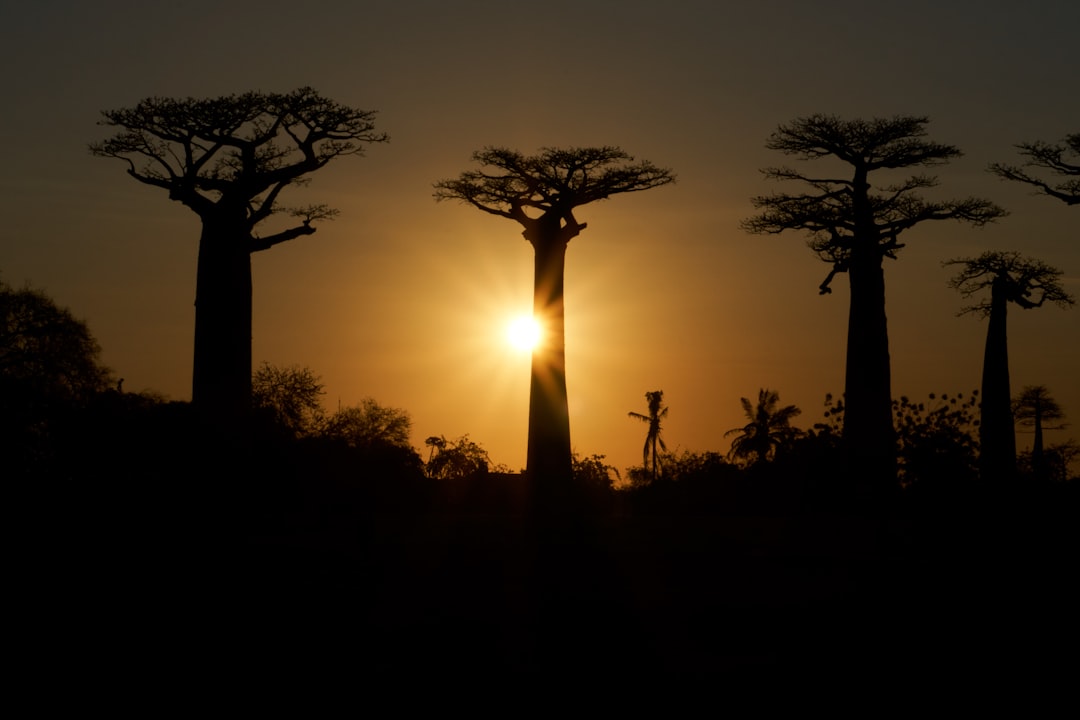
Madagascar’s main safari parks offer different habitats rather than one single wildlife circuit. Ranomafana, Isalo, and Andasibe are among the best-known destinations, while wider itineraries can add coastal areas and rainforest stops. Your ideal route depends on whether you prefer lemurs, hiking, photography, or a beach finish.
Andasibe: forest wildlife and easy access
Andasibe is a popular forest destination in Madagascar. It suits travelers who want a strong first taste of rainforest wildlife without building an entire trip around remote travel. Forest walks can make the experience more personal, especially for visitors who enjoy listening and searching rather than simply scanning open plains.
Ranomafana: rainforest walks and humid conditions
Ranomafana is known for rainforest scenery and active walking routes. The park fits travelers who enjoy hiking and close views of forest life. Conditions may feel hot and humid, so light clothing, water, and good walking shoes are useful choices.
Isalo: a different landscape
Isalo gives a Madagascar safari more landscape variety. Its inclusion alongside Ranomafana and Andasibe shows how the island combines forest and open terrain within one trip. Isalo works well for travelers who want scenic walks and a break from dense rainforest.
Wildlife beyond the parks
Madagascar itineraries can include wildlife-viewing boat rides and optional snorkeling. These activities add value for travelers who want more than land mammals. They also make the island a practical choice for a mixed holiday, especially when you want wildlife, water, and rest in one plan.
Whale watching is an important seasonal draw. July to September is identified as a favorable period for whale watching and cooler temperatures. Travelers planning around marine life should therefore check a route’s coastal days, not only its park list.
For a month-by-month view, read this guide to Madagascar safari in September 2026 and peak whale watching. August also has a dedicated planning guide for travelers focused on whales and dry-season travel.
How Madagascar compares with classic safari destinations
Madagascar offers a more unusual wildlife profile than Kenya, Tanzania, or Botswana. The island focuses on lemurs, forest habitats, rare birds, and mixed nature activities. Kenya and Tanzania may suit travelers who want a more classic savanna plan. Botswana may appeal to visitors seeking premium wilderness travel. Compare the priorities, not just the destination names.
| Name | Price | Duration | Rating | Best For |
|---|---|---|---|---|
| Madagascar safari | $2,000–$4,500 | 10 days | Compare current listings | Endemic wildlife and mixed nature trips |
| Kenya safari | Check current package | Compare itineraries | Compare reviews | Classic savanna wildlife |
| Tanzania safari | Check current package | Compare itineraries | Compare reviews | Large parks and migration-focused routes |
| Botswana safari | Check current package | Compare itineraries | Compare reviews | Remote wilderness and premium trips |
Read this detailed comparison of Madagascar versus Kenya for wildlife, cost, and value before choosing your route.
How Much Does a Madagascar Safari Cost in 2026?
A 10-day Madagascar safari costs about $2,000–$4,500 per person in 2026. The final price depends on the route, accommodation, transport, guide service, and number of activities. Treat this figure as a planning range, then compare exact inclusions in each package.
Price range and value
Madagascar can offer good value because one trip may combine parks, rainforest, boat rides, and beaches. Budget research also highlights central highland areas near Antsirabe and Ranomafana for lower-cost guesthouses and wildlife viewing. If you want comfort, a private vehicle, or more remote parks, expect the price to move higher.
Adventure Life currently lists six Madagascar wildlife safari tours for 2026–2027. That number shows the value of comparing route styles before booking. A shorter itinerary may lower the cost, while a longer route can spread transport time across more wildlife areas.
What to check before booking
- Accommodation: Confirm whether the price includes guesthouses, lodges, or upgraded rooms.
- Transport: Ask how the operator handles road travel between parks.
- Activities: Check whether hikes, boat rides, and snorkeling are included or optional.
- Meals: Review the number of meals included each day.
- Guiding: Confirm whether a local guide stays with you throughout the route.
- Season: Check whether the quoted rate applies to your chosen travel month.
Compare price limits with care. Five-day Madagascar safari itineraries under $2,000 may suit travelers with less time, while a 10-day trip offers a broader mix of parks and activities.
Price range: $2,000–$4,500 per person for a 10-day Madagascar safari in 2026.
Value tip: Compare what each package includes, not only its headline price. SafariFind helps you compare verified tour operators, read authentic traveler reviews, and request a quote based on your dates.
Who gets the best value?
Couples and small groups often gain value from combining several activities in one route. Families should check walking lengths and optional activity rules. Solo travelers should compare single-room costs and transport plans. Every traveler should ask for a clear list of inclusions before paying.
For broader planning, compare Madagascar with Tanzania using this guide to Madagascar versus Tanzania wildlife and cost. Then compare Madagascar tour operators with verified reviews and request quotes that match your budget.
When and How Should You Plan a Madagascar Safari?
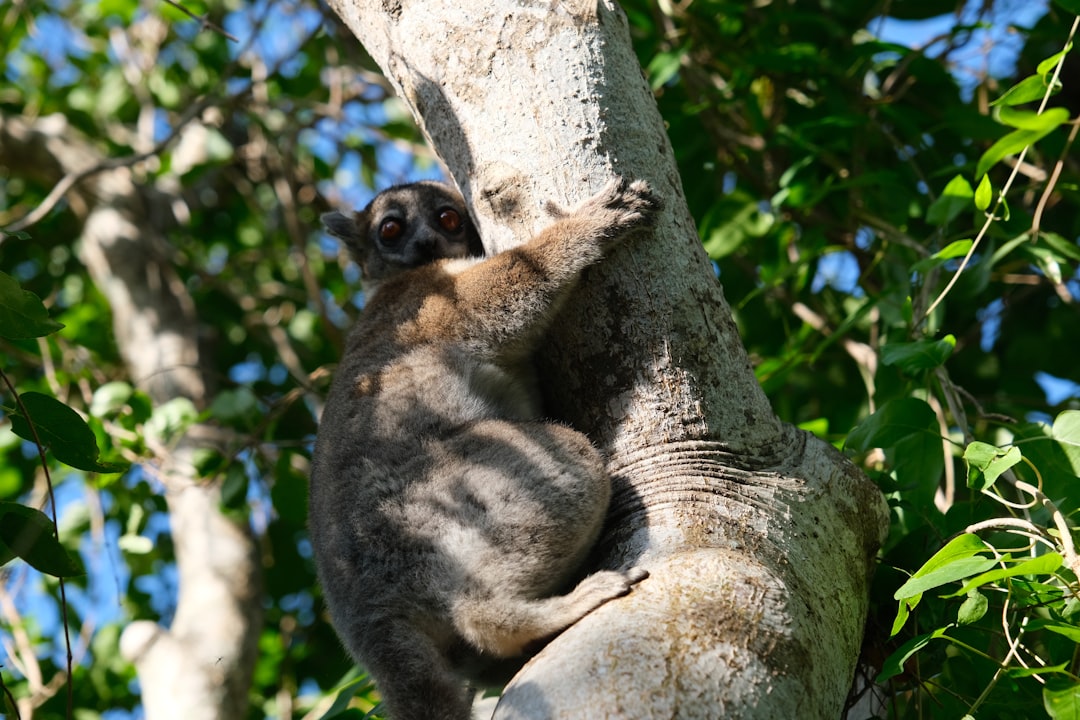
The best overall period for a Madagascar safari is May to October, the island’s dry season. July to September adds cooler temperatures and favorable whale-watching conditions. These months work well for travelers who want a balance of wildlife, hiking, and possible beach time.
Choose your travel month
- May–June: The dry season begins and can suit travelers seeking a quieter route.
- July–September: Cooler conditions and whale watching make this a strong choice.
- October: The dry season ends, but it remains part of the best overall travel window.
Seasonal choice should follow your main goal. Choose July to September for cooler days and whale watching. Choose the wider May to October window for a safari, hiking, and beach combination. Check the exact route before booking, because island trips can include several local conditions.
Build a practical itinerary
- Choose your main wildlife goal, such as lemurs, rainforest, or rare birds.
- Select two or three regions instead of trying to cover the whole island.
- Add hiking days if you enjoy active travel.
- Include boat rides or snorkeling if you want coastal variety.
- Leave room for travel between parks and rest days.
- Ask the operator which activities are optional.
Physical activities are optional on the San Diego Zoo Wildlife Alliance itinerary. This is useful for mixed groups, where some travelers want longer walks and others prefer shorter outings. Ask each operator about trail length, walking time, and fitness needs before you confirm.
What should you pack?
Pack light, breathable clothing for warm and humid rainforest conditions. Add sturdy walking shoes, sun protection, insect protection, and a small day bag. A waterproof layer can help during forest walks. Your operator can provide the final list because route conditions and activities differ.
Madagascar travel rewards a flexible mindset. Road transfers may take time, and wildlife sightings depend on patient searching. A good guide can help you understand animal behavior and local habitats. Read reviews for comments about guiding, timing, communication, and vehicle comfort.
Safety and responsible travel
Responsible planning means using verified operators and following guide instructions. Stay on marked routes, keep a respectful distance from wildlife, and avoid feeding animals. Choose operators that explain local rules and support communities near parks.
Solo travelers can also review practical planning advice in this Madagascar safari safety guide for solo travelers. SafariFind’s catalog lets you compare operator information and authentic reviews before you request a quote.
Key Takeaways
- Choose May to October for the dry season and better conditions for safaris, hiking, and beach combinations.
- Travel from July to September for cooler temperatures and whale-watching opportunities.
- Budget $2,000–$4,500 per person for a 10-day Madagascar safari in 2026.
- Compare Andasibe, Ranomafana, and Isalo to match forest walks, hiking, and landscape interests.
- Check every inclusion before booking, including transport, meals, guides, hikes, boat rides, and snorkeling.
Frequently Asked Questions
Is Madagascar good for safari in 2026?
Madagascar is good for safari in 2026 if you want endemic wildlife, lemurs, rainforest walks, and coastal activities. It is especially suited to travelers who enjoy active nature trips and unusual destinations rather than only classic savanna game drives.
How much does a Madagascar safari cost?
A 10-day Madagascar safari costs about $2,000–$4,500 per person in 2026. Compare accommodation, transport, meals, guide service, and optional activities because these inclusions affect the final value.
What is the best month for a Madagascar safari?
July to September is a strong period for a Madagascar safari because it offers cooler temperatures and favorable whale-watching conditions. May to October is the wider dry-season window for safaris, hiking, and beach combinations.
Which parks should I visit in Madagascar?
Andasibe, Ranomafana, and Isalo are popular Madagascar destinations. Andasibe and Ranomafana suit forest and rainforest experiences, while Isalo adds a different landscape and hiking focus.
What activities can I do besides wildlife viewing?
Madagascar itineraries can include rainforest hikes, wildlife-viewing boat rides, and optional snorkeling. Some organized trips make physical activities optional, so ask about walking times and fitness needs before booking.
How can I book a reliable Madagascar safari?
SafariFind connects travelers with verified tour operators, safari packages, and authentic reviews. Compare routes and prices on SafariFind, then request a quote from an operator that matches your dates, budget, and activity preferences.
Conclusion: Is Madagascar Worth Visiting for Safari?
Madagascar is worth visiting for safari in 2026 when unique wildlife matters more than classic savanna scenery. The island combines lemurs, rainforest hikes, rare birds, boat rides, and optional snorkeling in one varied trip. A 10-day itinerary costs about $2,000–$4,500 per person.
Choose May to October for the dry season. Choose July to September for cooler temperatures and whale watching. Build your route around two or three regions, then check transport times and activity levels. Andasibe, Ranomafana, and Isalo are strong places to compare.
Start with verified operators, clear inclusions, and recent traveler feedback. Compare verified safari packages on SafariFind, read authentic reviews, and request a quote that fits your 2026 plans. Madagascar remains one of Africa’s most distinctive wildlife choices, and careful planning will help you enjoy more of its rare natural experiences.
Plan Your Safari with SafariFind
These recommendations use real data from SafariFind, where you can compare operators, browse packages, and read verified traveler reviews before you book.
Recommended Safari Operators from SafariFind
Recommended Safari Packages from SafariFind
What Travelers Say (SafariFind Reviews)
References
- Madagascar Wildlife Adventure 2026, San Diego Zoo Wildlife Alliance Adventures
- Is Madagascar Good for Safari? Safety & Wildlife, SafariFind
- Best Time to Visit Madagascar, African Budget Safaris
- 6 Madagascar Wildlife Safari Tours for 2026–2027, Adventure Life
- 5 Best Cheap Madagascar Tours & Trips 2026/2027, TourRadar
- Madagascar Wildlife, Shadows of Africa
 Ask Tembo about this guide
Sources
- Madagascar Wildlife Adventure 2026, San Diego Zoo Wildlife Alliance Adventures
- Is Madagascar Good for Safari? Safety & Wildlife, SafariFind
- Best Time to Visit Madagascar, African Budget Safaris
- 6 Madagascar Wildlife Safari Tours for 2026–2027, Adventure Life
- 5 Best Cheap Madagascar Tours & Trips 2026/2027, TourRadar
- Madagascar Wildlife, Shadows of Africa
Related to
Ready to start your safari adventure?
Explore curated safari packages and find your perfect African adventure with verified operators.