Madagascar Safari vs Kenya: Wildlife, Cost & Which Wins 2026
Compare Madagascar vs Kenya safaris: wildlife, costs $1,500–$4,000, best seasons & logistics. Choose based on budget, animals & travel ease.

Madagascar Safari vs Kenya: Which Wins 2026
Last updated: July 2026
Madagascar safaris cost $1,500–$2,500 for 7 days and feature unique lemurs and rare birds found nowhere else on Earth. Kenya safaris range $2,500–$4,000 and offer the Big Five and the Great Migration. Kenya has better infrastructure, but Madagascar delivers incredible biodiversity at lower prices. Choose Madagascar for rare wildlife and budget-friendly trips; pick Kenya for classic safari experiences and easier travel logistics.
At a Glance
- Madagascar Cost: $1,500–$2,500 per person for 7 days
- Kenya Cost: $2,500–$4,000 per person for 7 days
- Madagascar Best Time: July–September (dry season, whale watching)
- Kenya Best Time: July–October (Great Migration)
- Madagascar Best For: Budget travelers, wildlife photographers, bird watchers
- Kenya Best For: Big Five hunters, first-time safari goers, culture enthusiasts
What Is Madagascar Safari vs Kenya: Wildlife, Cost & Which Wins 2026?
Madagascar safari vs Kenya is a key choice for African travelers in 2026. Both destinations deliver amazing wildlife and unforgettable experiences, but they offer very different trips. Kenya safaris focus on the Big Five and the Great Wildebeest Migration, while Madagascar safaris showcase lemurs, chameleons, and bird species found nowhere else on the planet.
The price difference matters. Madagascar safaris cost roughly $1,000 less per person than Kenya safaris. If your budget is tight, Madagascar wins on price. However, Kenya offers better roads, more lodges, and easier logistics for first-time safari travelers.
Choosing between them depends on your priorities. Do you want rare animals and lower costs? Pick Madagascar. Do you want classic safari moments and the Big Five? Choose Kenya. Both are worth visiting, but your budget and interests will decide which one is right for you.
Why This Comparison Matters Now
In 2026, more travelers are comparing safari destinations to get the best value. Prices, seasonal timing, and wildlife opportunities change yearly. This guide helps you compare Madagascar and Kenya fairly so you book the right trip for your needs and budget.
SafariFind connects you with verified tour operators in both destinations. You can browse packages, read authentic traveler reviews, and request quotes to compare prices directly. This transparency helps you make the best choice for your safari adventure.
Wildlife: What Animals Will You See?
Madagascar and Kenya offer completely different wildlife experiences. The animals you see depend on where you go. Kenya showcases iconic African species, while Madagascar features creatures found nowhere else on Earth.
Kenya's Big Five and Beyond
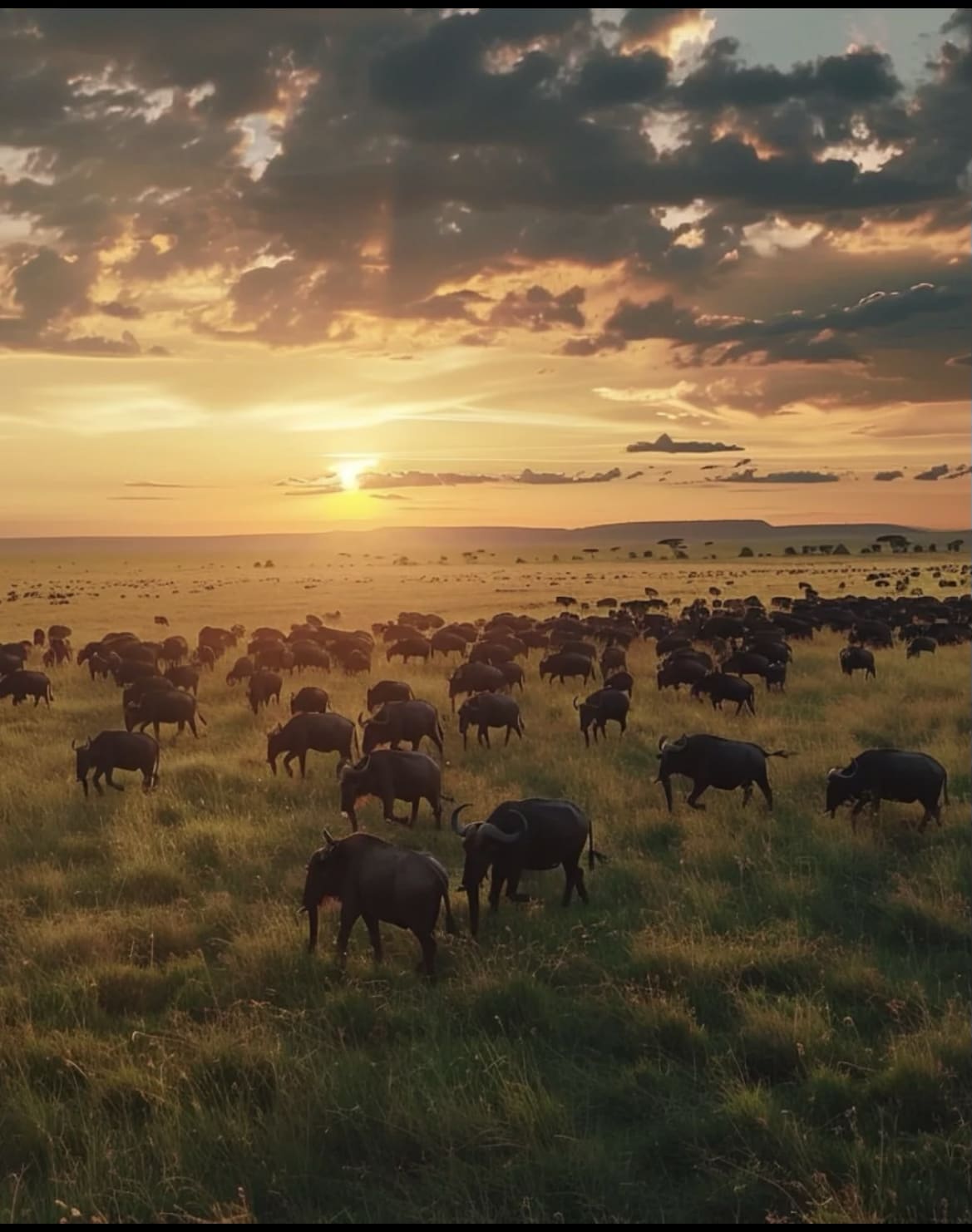
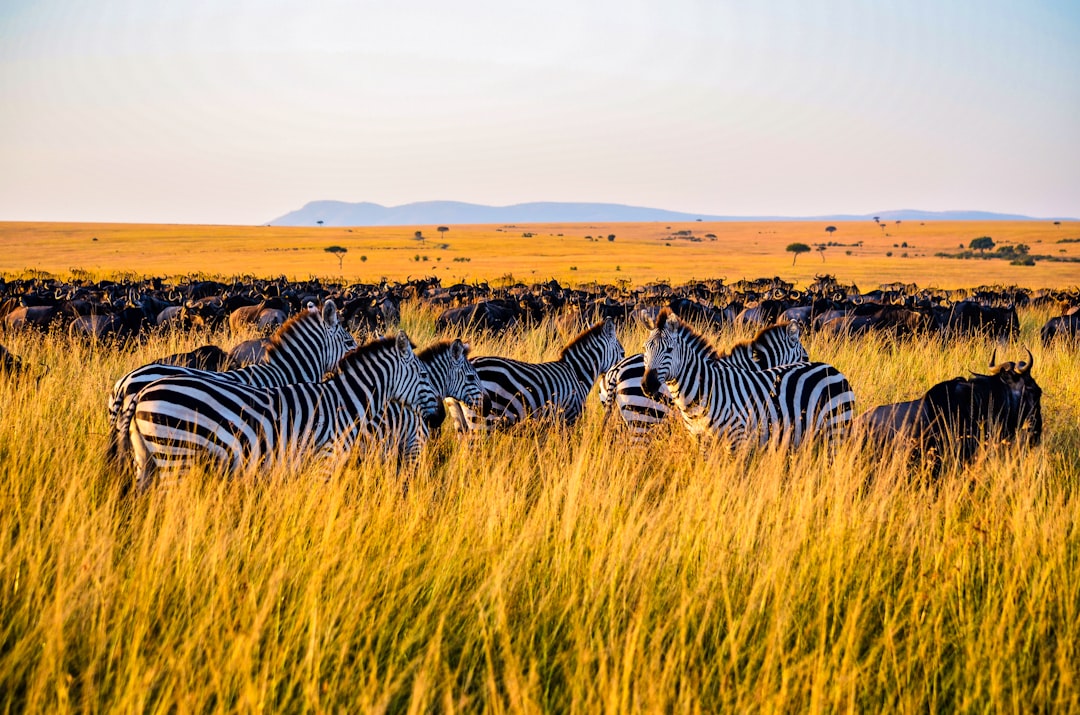
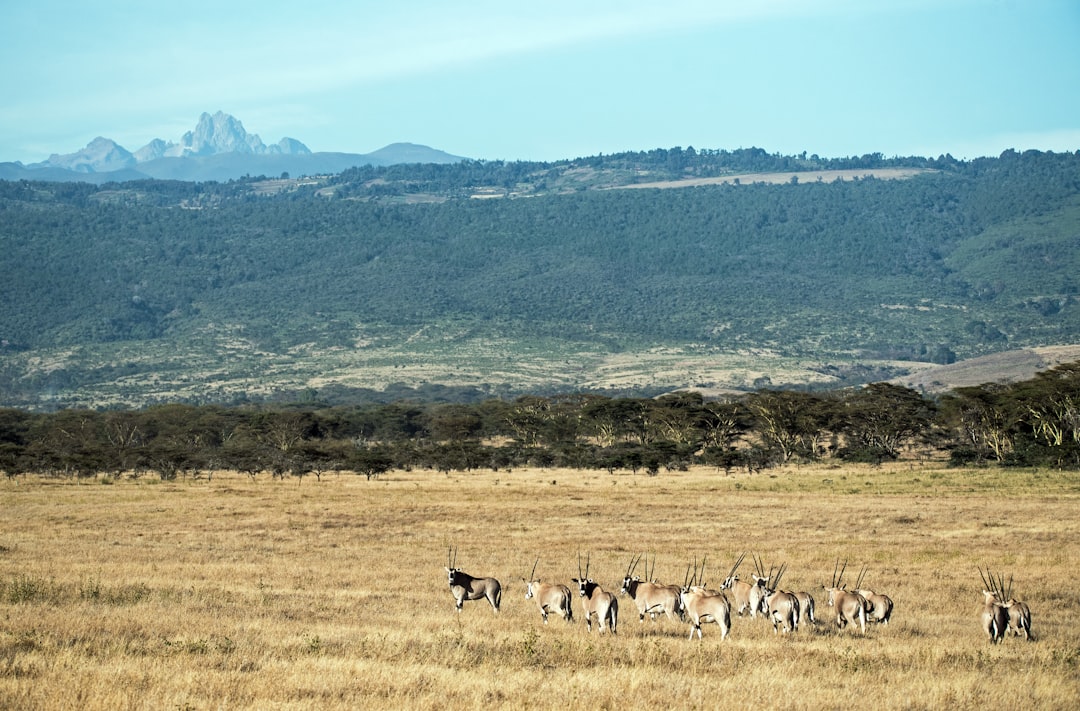
Kenya safaris focus on the Big Five: lions, leopards, buffalo, elephants, and rhinos. You'll also see zebras, giraffes, wildebeest, and countless birds. The Masai Mara National Reserve is Kenya's top wildlife destination, especially during the July–October Great Migration when 1.5 million wildebeest cross the Mara River.
Kenya's wildlife is easier to spot because animals gather in large herds. Game drives typically last 3–4 hours, and you'll see multiple species in a single drive. The animals are habituated to vehicles, making photography easier for visitors.
Kenya also offers cultural experiences with the Maasai people. You can visit traditional villages and learn about their pastoral lifestyle. This combination of wildlife and culture makes Kenya popular with first-time safari travelers.
Madagascar's Unique Endemic Species
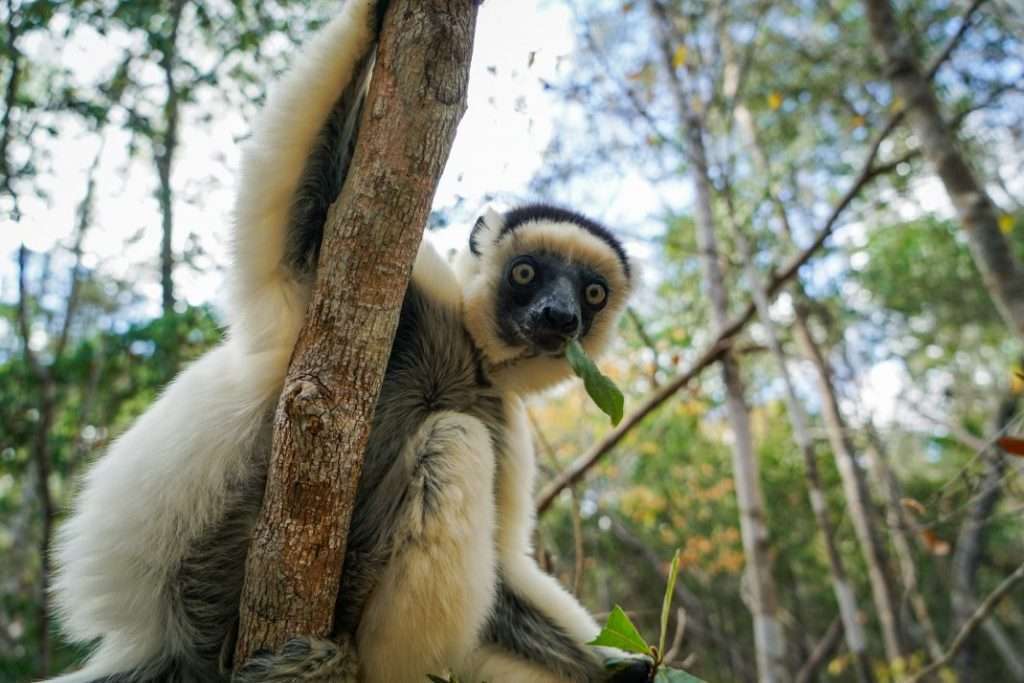
Madagascar safari animals are unlike anywhere else. Lemurs dominate the wildlife experience—over 100 lemur species live only in Madagascar. You'll see ring-tailed lemurs, indri lemurs, and mouse lemurs. The island also hosts chameleons, fossas (Madagascar's largest predator), and dozens of bird species found nowhere else.
Madagascar doesn't have the Big Five. There are no lions, leopards, or elephants. Instead, you'll focus on smaller, more unusual animals. This makes Madagascar ideal for wildlife photographers and nature enthusiasts who want truly rare sightings.
Whale watching is another Madagascar specialty. From July to September, humpback whales migrate through Malagasy waters. You can take boat tours to see whales, which is impossible in Kenya. This unique experience attracts marine wildlife lovers to Madagascar.
| Wildlife Feature | Kenya | Madagascar |
|---|---|---|
| Big Five | Yes (lions, leopards, buffalo, elephants, rhinos) | No |
| Lemurs | No | 100+ species (endemic) |
| Great Migration | Yes (1.5 million wildebeest, July–October) | No |
| Whale Watching | No | Yes (July–September) |
| Bird Watching | Good (500+ species) | Excellent (300+ endemic species) |
| Ease of Wildlife Spotting | Very easy (habituated animals) | Moderate (animals more elusive) |
Cost Breakdown: Safari Prices in 2026
Cost is a major factor when choosing between Madagascar and Kenya safaris. Madagascar is significantly cheaper, but Kenya offers more budget options too. Let's break down what you'll actually pay in 2026.
Madagascar Safari Costs
Madagascar safaris range from $1,500 to $2,500 per person for a 7-day trip. Budget safaris start at $1,500 and include basic lodges, meals, and game drives. Mid-range safaris cost $1,800–$2,000 and offer comfortable accommodations and experienced guides. Luxury safaris reach $2,500 and include premium lodges and private guides.
What's included in Madagascar safari packages? Most include accommodation, meals, game drives, park fees, and an English-speaking guide. International flights are not included—you'll pay $600–$1,200 extra for flights from the US. Tips for guides and staff typically add $100–$150 to your total cost.
Madagascar is cheaper because the country has fewer tourists and lower operating costs. Local guides earn less than Kenyan guides, and fuel costs are lower. This savings gets passed to travelers, making Madagascar the budget-friendly choice.
Kenya Safari Costs
Kenya safaris cost $2,500–$4,000 per person for 7 days. Budget safaris start at $2,500 with basic lodges in smaller parks. Mid-range safaris cost $2,800–$3,500 and include quality lodges near the Masai Mara. Luxury safaris reach $4,000+ with premium tented camps and private game drives.
Kenya safari packages typically include accommodation, meals, game drives, park entry fees, and a professional guide. International flights cost $700–$1,300 from the US. Tips for guides and staff add $150–$200 to your budget.
Kenya is more expensive because it's a mature safari destination with established infrastructure. The Masai Mara is world-famous and attracts many tourists, driving up prices. Kenya also has better roads and more lodging options, which increases operating costs for tour operators.
Price Comparison Table
| Cost Category | Madagascar 7 Days | Kenya 7 Days | Difference |
|---|---|---|---|
| Budget Safari | $1,500 | $2,500 | Kenya +$1,000 |
| Mid-Range Safari | $1,800–$2,000 | $2,800–$3,500 | Kenya +$1,000–$1,500 |
| Luxury Safari | $2,500 | $4,000+ | Kenya +$1,500+ |
| International Flights | $600–$1,200 | $700–$1,300 | Similar |
| Tips & Extras | $100–$150 | $150–$200 | Kenya +$50 |
Want to compare specific safari packages and operators? Browse verified Madagascar and Kenya safari packages on SafariFind to see current prices and read authentic reviews from travelers who've booked these trips.
Best Time to Visit: When Should You Go?
Timing affects wildlife sightings, weather, and prices. Madagascar and Kenya have different peak seasons. Choosing the right month makes a huge difference in your safari experience.
Madagascar's Peak Season
Madagascar's best time is July–September (dry season). During these months, rainfall is minimal, roads are passable, and wildlife congregates near water sources. July and August are peak months for whale watching—humpback whales migrate through Malagasy waters. Temperatures range from 60°F to 75°F, which is cool and comfortable.
September is excellent for lemur spotting. The weather is still dry, and animals are active as the dry season ends. You might also see baby lemurs, which are born in August and September.
Avoid Madagascar's rainy season (November–March). Roads become muddy and impassable. Many lodges close during this period. If you do visit in the rain, prices drop significantly—but wildlife viewing becomes difficult.
For detailed planning, read about Madagascar Safari in September 2026: Whale Watching Peak + Wildlife to see what you'll experience during peak season.
Kenya's Peak Season
Kenya's best time is July–October. This is when the Great Migration happens. Over 1.5 million wildebeest cross the Mara River from Tanzania into Kenya. It's the most dramatic wildlife event on Earth. Temperatures range from 65°F to 80°F, which is pleasant.
July and August are peak months. Lodges fill up quickly, and prices are highest. However, wildlife sightings are almost guaranteed. You'll see massive herds and dramatic predator-prey interactions.
September and October are slightly quieter but still excellent. Fewer tourists visit, and prices drop 10–15%. Wildlife is still abundant, making these months ideal for budget travelers.
Kenya also has a secondary migration season (January–February), but it's less dramatic than the main migration. The rainy season (April–May) is not ideal for safaris—roads are muddy and animals scatter.
Season Comparison Table
| Destination | Peak Season | Temperature | Main Event | Prices |
|---|---|---|---|---|
| Madagascar | July–September | 60°F–75°F | Whale watching, lemur viewing | High |
| Kenya | July–October | 65°F–80°F | Great Migration (1.5M wildebeest) | Highest July–August; lower Sep–Oct |
Infrastructure & Travel Logistics
Getting to and around your safari destination matters. Kenya has superior infrastructure, while Madagascar requires more flexibility. Let's compare travel logistics for both destinations.
Getting to Kenya
Kenya's main airport is Jomo Kenyatta International Airport (JKIA) in Nairobi. Major airlines fly from the US to Nairobi daily. Flight times are 15–17 hours with one stop. Once you land, you can fly to safari destinations like the Masai Mara on domestic flights (2 hours). Roads are paved and well-maintained.
Kenya has excellent lodging options ranging from budget to ultra-luxury. Hundreds of safari camps and hotels operate in the Masai Mara and other parks. Internet and electricity are reliable. Mobile networks work well in most areas.
Getting around Kenya is straightforward. Tour operators provide transportation from lodges to game drive areas. Roads are good, and game drives are comfortable. Most travelers have no logistics issues.
Getting to Madagascar
Madagascar's main airport is Ivato International Airport in Antananarivo. Fewer direct flights operate to Madagascar, so you'll likely need a connection through Europe or Africa. Total travel time is 18–24 hours. Domestic flights to safari areas (Andasibe, Masoala) require additional 2–3 hours.
Madagascar has fewer lodges than Kenya. Many are small, locally-owned operations. Internet and electricity are less reliable—expect occasional outages. Mobile networks exist but can be spotty in remote areas.
Roads in Madagascar are challenging. Many are unpaved and rough. Game drives take longer and can be bumpy. This requires more patience but also gives you a more authentic, off-the-beaten-path experience.
For solo travelers, Madagascar requires more planning. Read Madagascar Safari Safety 2026: Honest Review for Solo Travelers to understand what to expect and how to stay safe.
Infrastructure Comparison
| Factor | Kenya | Madagascar |
|---|---|---|
| International Flights | Many daily options | Limited options, more connections |
| Total Travel Time | 15–17 hours | 18–24 hours |
| Domestic Flights | Frequent, reliable | Less frequent, weather-dependent |
| Road Quality | Paved, well-maintained | Unpaved, rough in remote areas |
| Lodging Options | Hundreds (budget to luxury) | Dozens (mostly mid-range) |
| Internet & Electricity | Reliable everywhere | Spotty in remote areas |
| Ease for First-Timers | Very easy | Requires flexibility |
Which Destination Wins? Final Verdict
Madagascar safari vs Kenya depends on your priorities. Neither destination is objectively "better"—they offer different experiences for different travelers.
Choose Madagascar If You Want:
- Lower prices ($1,500–$2,500 vs $2,500–$4,000)
- Unique, rare wildlife (lemurs, chameleons, endemic birds)
- Whale watching experiences (July–September)
- An off-the-beaten-path adventure
- Wildlife photography of unusual species
Choose Kenya If You Want:
- The Big Five and classic safari animals
- The Great Migration (1.5 million wildebeest)
- Easy travel logistics and reliable infrastructure
- Cultural experiences with the Maasai people
- Your first safari experience to be hassle-free
In 2026, Madagascar offers incredible value for budget-conscious travelers. Kenya delivers the quintessential African safari experience. Both are worth visiting—many travelers do both over their lifetime.
Compare verified Madagascar and Kenya safari packages on SafariFind to see current availability, prices, and authentic reviews. You can request quotes from verified operators in both countries to make an informed decision based on real, current pricing.
Key Takeaways
- Book Madagascar safaris 2–3 months ahead to save $200–$300 on mid-range packages. Early booking unlocks discounts before peak season (July–September) sells out.
- Madagascar costs $1,000–$1,500 less per person than Kenya for 7-day safaris in 2026. If budget is your main concern, Madagascar delivers incredible value without compromising wildlife quality.
- Visit Kenya during July–October to witness the Great Migration with 1.5 million wildebeest crossing the Mara River. This is the most dramatic safari moment on Earth and justifies Kenya's premium prices.
- Choose Madagascar for whale watching (July–September) and lemur spotting—wildlife you cannot see anywhere else on the planet. These unique experiences make Madagascar ideal for nature photographers and wildlife enthusiasts.
- Request quotes from 3–5 verified tour operators on SafariFind before booking to compare prices, inclusions, and traveler reviews. This transparency ensures you get the best value and authentic experience for your chosen destination.
Frequently Asked Questions
How much does a Madagascar safari cost compared to Kenya in 2026?
Madagascar safaris cost $1,500–$2,500 per person for 7 days, while Kenya safaris range $2,500–$4,000. Madagascar is roughly $1,000–$1,500 cheaper per person. Both prices include accommodation, meals, game drives, and guides. International flights ($600–$1,300) are additional.
What wildlife will I see on a Madagascar safari?
Madagascar safaris feature 100+ lemur species, chameleons, fossas, and 300+ endemic bird species found nowhere else on Earth. You won't see the Big Five (lions, leopards, buffalo, elephants, rhinos) because they don't live in Madagascar. Whale watching is available July–September.
What wildlife will I see on a Kenya safari?
Kenya safaris showcase the Big Five: lions, leopards, buffalo, elephants, and rhinos. You'll also see zebras, giraffes, wildebeest, and 500+ bird species. July–October brings the Great Migration—1.5 million wildebeest cross the Mara River, creating the most dramatic wildlife spectacle on Earth.
When is the best time to visit Madagascar vs Kenya?
Madagascar's peak season is July–September (dry season, whale watching, cool temperatures 60°F–75°F). Kenya's peak season is July–October (Great Migration, temperatures 65°F–80°F). Both destinations are excellent during these months, though Kenya is slightly hotter.
Is Kenya or Madagascar easier for first-time safari travelers?
Kenya is easier for first-timers. Roads are paved, lodges are abundant and reliable, and logistics are straightforward. Madagascar requires more flexibility—roads are rough, lodges are fewer, and travel takes longer. However, both destinations are safe and manageable with reputable tour operators from SafariFind.
Can I see both the Great Migration and whale watching on one trip?
No. The Great Migration happens in Kenya (July–October), while whale watching occurs in Madagascar (July–September). You'd need separate trips to both destinations. However, you can combine Madagascar's whale watching with lemur viewing in a single 7–10 day trip.
How do I book the best Madagascar or Kenya safari package?
Browse verified safari packages on SafariFind to compare prices, durations, and ratings. Request quotes from 3–5 verified operators to compare inclusions and reviews. SafariFind's authentic reviews from past travelers help you choose a reputable operator that matches your budget and interests.
Conclusion
Madagascar safari vs Kenya is not about choosing a "winner"—it's about choosing the right experience for you. Madagascar delivers rare wildlife, whale watching, and exceptional value at $1,500–$2,500 per person. Kenya offers the Big Five, the Great Migration, and easier logistics at $2,500–$4,000 per person.
If you're budget-conscious and crave unique animals, Madagascar wins. If you want classic safari moments and easier travel, Kenya wins. Many experienced travelers visit both destinations over their lifetimes because each offers something irreplaceable.
In 2026, the best way to decide is to compare real packages and prices. Compare Madagascar and Kenya safari packages on SafariFind to see current availability, verified operator ratings, and authentic traveler reviews. Request quotes from multiple operators to find the perfect fit for your budget, travel dates, and safari dreams.
Whether you choose Madagascar's lemurs or Kenya's Big Five, you'll experience Africa's incredible wildlife. Start your journey today by exploring verified safari packages and connecting with experienced tour operators who will make your safari unforgettable.
Plan Your Safari with SafariFind
These recommendations use real data from SafariFind, where you can compare operators, browse packages, and read verified traveler reviews before you book.
Recommended Safari Operators from SafariFind
Recommended Safari Packages from SafariFind
What Travelers Say (SafariFind Reviews)
References
- Madagascar Wildlife Adventure 2026 | San Diego Zoo Wildlife Alliance Adventures
- Madagascar vs Kenya Safari: Wildlife, Cost & Value | SafariFind
- Tanzania Safari Cost vs Kenya Safari Cost - What to Find in 2026
- What Does an African Safari Cost? | 2026 Guidelines
- Guide to Kenya Safari Cost 2026/2027 – Budget, Mid-Range & Luxury Price Breakdown
Sources
- Madagascar Wildlife Adventure 2026 | San Diego Zoo Wildlife Alliance Adventures
- Madagascar vs Kenya Safari: Wildlife, Cost & Value | SafariFind
- Tanzania Safari Cost vs Kenya Safari Cost - What to Find in 2026
- What Does an African Safari Cost? | 2026 Guidelines
- Guide to Kenya Safari Cost 2026/2027 – Budget, Mid-Range & Luxury Price Breakdown
Related to
Ready to start your safari adventure?
Explore curated safari packages and find your perfect African adventure with verified operators.