Is Mozambique Good for Safari? 2027 Parks, Costs and Tips
Discover Is Mozambique Good for Safari? 2027 Parks, Costs and Tips - Expert guide to safari tourism and wildlife destinations.
Is Mozambique Good for Safari? 2027 Parks, Costs and Tips
Last updated: November 2026
Mozambique's Gorongosa National Park lost much of its wildlife during the 1977 to 1992 civil war, then began a major conservation recovery. That history gives a Mozambique safari a rare sense of place. You see wildlife, but you also see a park being rebuilt.
Is Mozambique Good for Safari? 2027 Parks, Costs and Tips answers yes, especially if you want a quieter safari with a beach stay. Expect about USD 350 to USD 900 per person per night at named camps, while wider 2027 estimates reach USD 660 to USD 2,750. May to October offers the best weather and access.
At a glance
- Cost: USD 350 to USD 900 per person per night at Chitengo Camp and Lugenda Wilderness Camp; wider 2027 estimates reach USD 660 to USD 2,750.
- Best time: May to October for dry weather and better wildlife viewing.
- Remote access: Some parks need a 4x4 transfer or a charter flight.
- Best for: Travelers who want wildlife, fewer visitors, and a beach or marine extension.
- Wildlife: Elephants, antelope, lions, whale sharks, and humpback whales in suitable areas.
- Safari style: Off-the-beaten-track trips in Gorongosa, Niassa, and other reserves.
What is Is Mozambique Good for Safari? 2027 Parks, Costs and Tips?
Mozambique is good for safari when you value remote parks, conservation stories, and time on the coast. It is less suited to travelers who want the largest safari road network or the easiest budget trip. Gorongosa, Niassa, and other reserves offer a quieter alternative to Kenya, Tanzania, and South Africa.
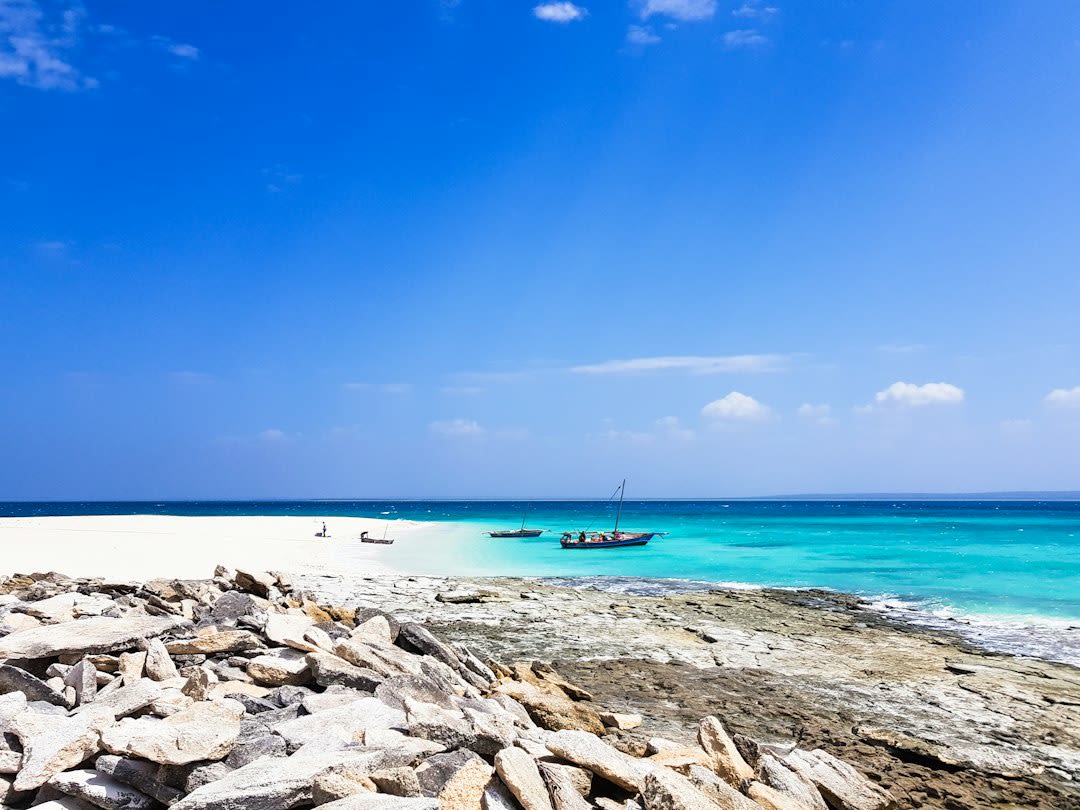
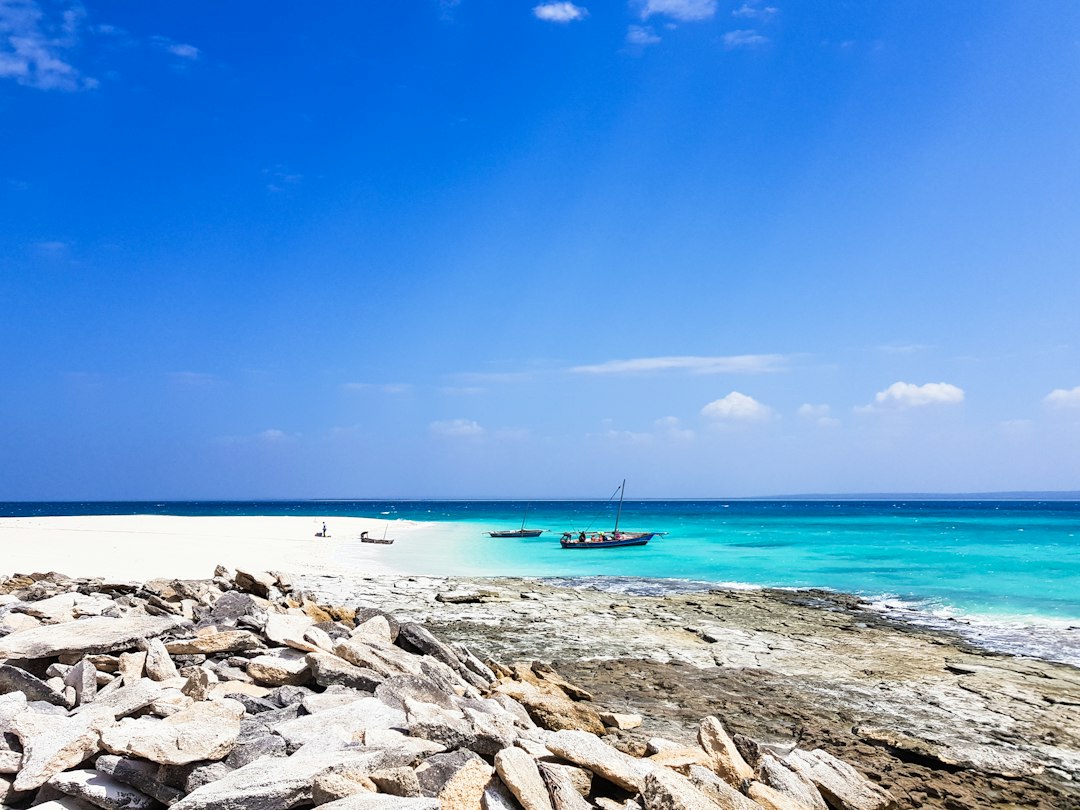
Known for: Mozambique combines inland wildlife with beaches and marine life. The country can add whale sharks and humpback whales to a trip that starts with elephants, antelope, and recovering lion populations. That bush-and-beach mix is the main reason to choose it.
Why the conservation story matters
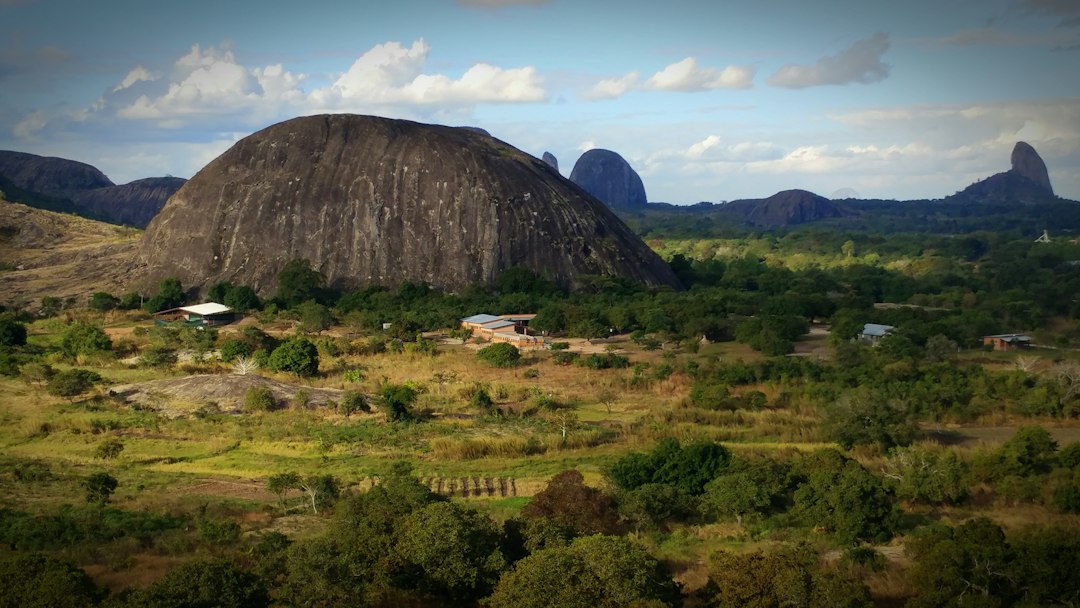
Gorongosa National Park was heavily damaged during Mozambique's civil war. Wildlife hunting supplied food and ivory between 1977 and 1992. A government and Carr Foundation partnership later began the park's restoration. The result is a safari destination where conservation work remains easy to understand.
Gorongosa National Park is therefore more than a wildlife viewing area. It is a living recovery project. Numbers and sightings change as the park restores habitat and animal populations, so guides often explain the work behind each game drive.
Gorongosa National Park also gives travelers a strong first choice for a Mozambique safari. It has a known camp, a clear conservation story, and better access than the country's most remote areas. That makes it useful for a first trip, especially when you want to add a coastal stay.
Compare Gorongosa safari packages and 2027 prices before choosing your dates, camp, and transport plan.
Which traveler benefits most?
Best for: curious travelers, repeat safari visitors, photographers, and people who dislike crowded game-viewing routes. Mozambique is also a good fit for a traveler who wants to combine a wildlife trip with an island or coastal break.
Kenya and Tanzania remain stronger choices for a classic first safari with large visitor networks and famous migration routes. Mozambique works better when the journey itself matters. Roads can be rough, flights can cost more, and planning needs care. In return, the trip feels less standard.
Are there safaris in Mozambique?
Yes, Mozambique has safaris in Gorongosa National Park, Niassa, and other reserves. These trips focus on elephants, antelope, lions, birds, and conservation. Mozambique also links inland wildlife with coastal areas such as the Bazaruto Archipelago, where marine activities can include whale shark and humpback whale encounters.
Which parks and regions should you consider?
| Area | Known for | Best for | Planning point |
|---|---|---|---|
| Gorongosa National Park | Conservation recovery, elephants, antelope, and returning lions | First Mozambique safari and conservation-focused travel | Chitengo Camp rates about USD 350 to USD 420 per person per night |
| Niassa | Remote wilderness and large natural areas | Experienced safari travelers seeking solitude | Lugenda Wilderness Camp rates about USD 600 to USD 900 per person per night |
| Bazaruto Archipelago | Beaches and marine experiences | Safari-and-beach holidays | Plan it as a coastal extension rather than a classic game-drive park |
| Maputo National Park | Coastal conservation and walking safari options | Shorter trips linked with southern Mozambique | Review walking safari plans and access before booking |
Gorongosa National Park is the clearest place to start. Niassa is the stronger choice for remoteness, but its distance raises transport costs. The Bazaruto Archipelago is better for the beach half of a combined trip. You can also compare the Mozambique destination guide for ideas beyond the main parks.
What will you see?
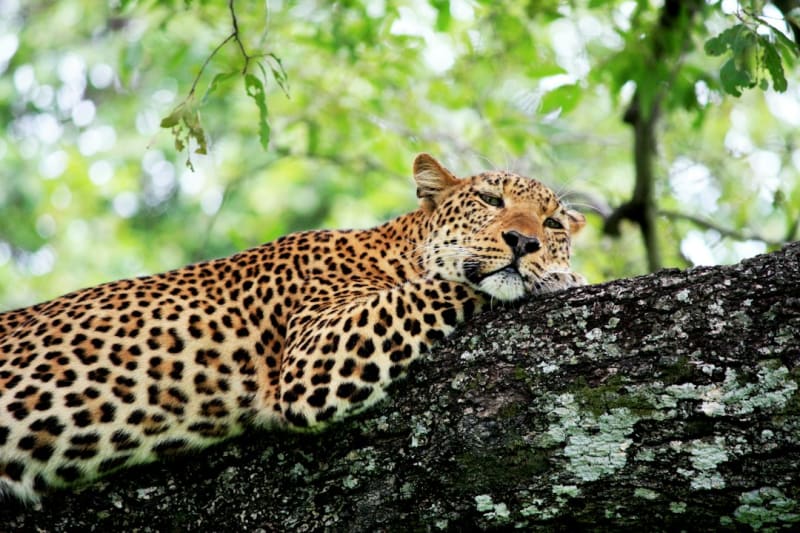
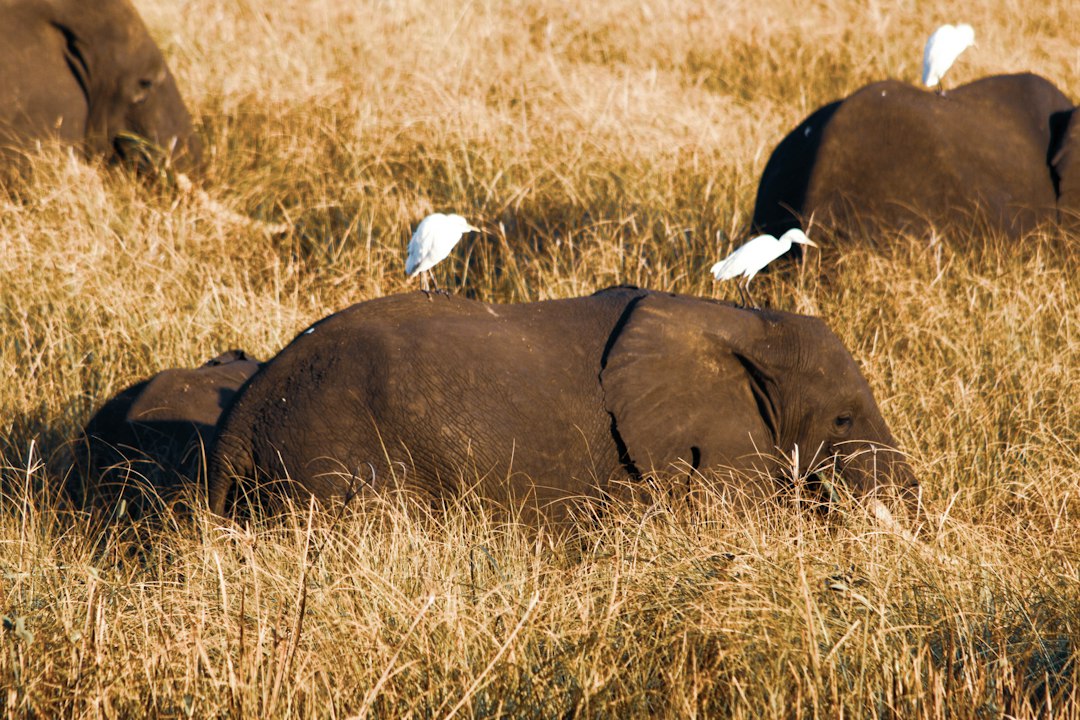
Mozambique's safari wildlife includes elephants, antelope, and a strong comeback of lions. Sightings depend on the park, season, water, and recent conservation work. A good guide matters because remote reserves do not offer the same road density as established safari circuits.
Marine wildlife changes the shape of the trip. Mozambique's coastline adds beaches, whale sharks, and humpback whales to the land-based safari experience. That combination is a real strength, especially for couples or families who want different activities during one holiday.
Beira can work as a route point for central Mozambique, while Pemba may suit travelers heading toward northern beaches and wilderness areas. The Beira travel guide and Pemba destination guide can help you compare possible extensions.
How much does a Mozambique safari cost in 2027?
A Mozambique safari costs about USD 350 to USD 900 per person per night at two named camps, while a broader 2027 guide gives USD 660 to USD 2,750 per person per night. The final price reflects camp level, season, park location, flights, road transfers, and remote logistics.
Price range by camp and trip style
Chitengo Camp in Gorongosa costs approximately USD 350 to USD 420 per person per night. The listed rate is fully inclusive. This makes it one of the clearer starting points for a traveler who wants a real park stay without choosing the most remote camp in the country.
Lugenda Wilderness Camp in Niassa costs approximately USD 600 to USD 900 per person per night. The higher rate largely reflects remote logistics. Charter flights and long transfers can add a large amount to the total, so the nightly camp rate does not tell the whole story.
Mozambique's wider 2027 safari price range is USD 660 to USD 2,750 per person per night. That guide links the price to season, comfort level, location, and transport. Treat the lower camp figures and the wider guide as different planning tools, not as one fixed market rate.
| Budget reference | Price per person per night | What it indicates |
|---|---|---|
| Chitengo Camp | USD 350 to USD 420 | Fully inclusive Gorongosa camp stay |
| Lugenda Wilderness Camp | USD 600 to USD 900 | Remote Niassa camp with higher logistics costs |
| Wider 2027 estimate | USD 660 to USD 2,750 | Different seasons, comfort levels, locations, and transport plans |
What pushes the price higher?
- Charter flights to remote camps.
- 4x4 transfers on rough or long routes.
- High-end camps with small guest numbers.
- Dry-season demand between June and October.
- A combined safari and island stay.
SafariFind connects travelers with verified tour operators, so you can compare what each package includes. Review Mozambique safari and beach holiday costs for 2027 before requesting a quote. Read the inclusions closely. A low headline rate can exclude the flight that makes the camp reachable.
Use the Mozambique safari lodge rate guide to set a realistic budget for comfort, access, and coastal add-ons.
When is the best time to visit Mozambique for safari?
May to October is the best general time for a Mozambique safari because the weather is drier and wildlife viewing is easier. June to October is the preferred period for access to at least one remote destination, while rainy-season trails can become impassable. Always match dates with the park and road plan.
Dry-season planning
May and June can suit travelers who want drier access and the start of the cooler season. July through October offers the most useful planning window for many safari areas. Roads still need checking, especially when your itinerary includes a remote camp or a long 4x4 transfer.
Rain changes the trip in a practical way. Trails can become impassable in the wet season at some remote destinations. A cheaper green-season rate is not helpful if the route takes much longer or the vehicle cannot reach camp.
Marine plans need separate date checks. Beaches, whale sharks, and humpback whales are part of Mozambique's wider appeal, but the best timing depends on the exact coast and activity. Ask the operator to match your safari dates with the marine experience you want.
Is it safe to travel to Mozambique?
Travel safety in Mozambique depends on the exact province, route, and current security advice, so confirm conditions before booking. The research for this guide does not establish a current countrywide safety rating. Check your government's travel advisory, local park advice, and your operator's transfer plan.
How should you prepare?
Use a verified operator for remote parks and ask how the company handles road changes, flights, and emergency support. Keep copies of your passport, insurance, booking details, and local contact numbers. Follow park rules and listen to your guide around wildlife.
Safety questions are not a reason to dismiss the country. They are a reason to plan by region. A coastal resort, a national park, and a remote northern camp can involve very different routes and services. Confirm each one rather than relying on a general answer.
Is it safe to drive to Mozambique?
Driving to Mozambique requires route-specific planning, a suitable vehicle, and current border and road advice. Some safari destinations need 4x4 access, and one listed route involves flying to Quelimane before a drive of about four hours. Confirm road conditions and the transfer plan before self-driving.
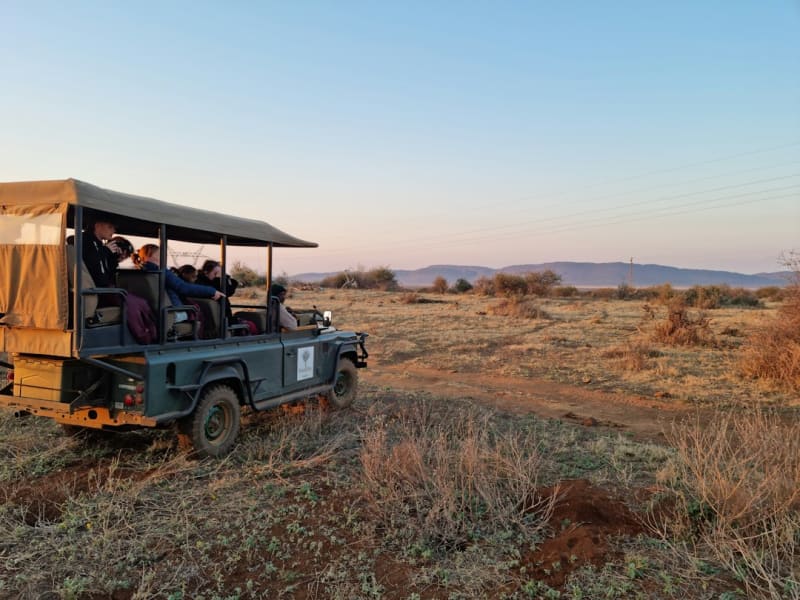
For remote safari areas, a guided transfer is usually the simpler choice. Ask who drives, where the vehicle starts, how fuel is handled, and what happens if rain blocks a road. Do not assume a normal rental car can reach every park.
What should you know before booking?
Book a Mozambique safari around access first, then choose the camp. Limited tourism infrastructure affects roads, flights, and travel time. A camp that looks close on a map may still need a charter flight or a long 4x4 transfer.
Build the route in the right order
- Choose the wildlife area, such as Gorongosa or Niassa.
- Check the dry-season access window.
- Confirm road, flight, and transfer times.
- Match the camp price with your total transport budget.
- Add a beach or marine stay only after the safari route works.
Gorongosa National Park is the practical starting point for many first-time visitors. Niassa suits travelers who accept longer logistics for a wilder setting. A beach extension can then move south or north, depending on your flight plan.
Santa Carolina Island and the Bazaruto Archipelago suit travelers who want island time after wildlife viewing. Tofo and Barra offer other coastal choices. You can browse the Bazaruto Archipelago guide, then compare the Tofo destination guide and Barra travel guide.
What should you pack?
- Light layers for cool early drives and warm afternoons.
- Closed shoes for uneven ground and walking activities.
- Sun protection, insect protection, and a refillable water bottle.
- Binoculars and spare batteries for remote camps.
- Soft luggage if your itinerary uses small aircraft.
Keep luggage simple. Remote camps often have tight weight limits on charter flights. Your operator should confirm those limits before departure, along with any medical, visa, or insurance needs.
What to buy in Mozambique
Common travel purchases include local crafts, carved items, woven goods, and coastal souvenirs, but the research used here does not verify specific products, prices, or legal export rules. Buy from reputable sellers, avoid wildlife products, and confirm customs rules before taking anything home.
Nampula, Tete, and Lake Chiuta can appear in wider Mozambique travel plans, but they need their own route checks. The Nampula guide, Tete guide, and Lake Chiuta guide can help you see how far your proposed route extends.
Key takeaways
- Choose Gorongosa for a first Mozambique safari and budget about USD 350 to USD 420 per person per night at Chitengo Camp.
- Choose Niassa for remote wilderness and budget about USD 600 to USD 900 per person per night at Lugenda Wilderness Camp.
- Travel between May and October for drier weather and easier wildlife access.
- Allow for charter flights and 4x4 transfers because remote parks have limited infrastructure.
- Combine wildlife with beaches or marine activities if you want a wider Mozambique holiday.
Frequently asked questions
Are there safaris in Mozambique?
Yes, Mozambique has safaris in Gorongosa National Park, Niassa, and other reserves. These trips focus on elephants, antelope, lions, and conservation, while the coast adds beaches, whale sharks, and humpback whales.
Is it safe to travel to Mozambique?
Travel safety depends on the province and route, so check current government advice before booking. Ask a verified operator about park access, road conditions, transfers, and local support. The research for this guide does not establish a current countrywide safety rating.
Is it safe to drive to Mozambique?
Driving to Mozambique requires current border, road, and route advice. Some safari areas need a 4x4, and one route includes a flight to Quelimane followed by a drive of about four hours. Confirm the vehicle and road plan before self-driving.
Is it safe to work in Mozambique?
The research for this safari guide does not assess employment safety or work permits in Mozambique. Check current government advice, local labor rules, insurance needs, and employer support before accepting work. A safari holiday safety answer cannot replace professional or official work guidance.
Is it safe to live in Mozambique?
The research for this guide does not assess long-term living conditions in Mozambique. Anyone planning a move should check current regional advice, housing, health care, visas, and security support with official authorities and trusted local professionals.
What should I buy in Mozambique?
Travelers often look for local crafts, woven goods, carved items, and coastal souvenirs, but check prices, seller reputation, customs rules, and wildlife-product restrictions before buying. The research used here does not verify a current shopping list or export rules. SafariFind can help you plan a Mozambique itinerary and request information from verified operators.
Conclusion
Mozambique is good for safari when you want remote wildlife, a visible conservation story, and access to beaches or marine life. Gorongosa is the best starting point for many travelers. Chitengo Camp costs about USD 350 to USD 420 per person per night, while Lugenda Wilderness Camp costs about USD 600 to USD 900.
Plan for May to October, then confirm every road and flight connection. Remote access is part of the price and the experience. It also means a careful operator can make a real difference to your trip.
SafariFind connects travelers with verified tour operators and authentic traveler reviews. Compare verified Mozambique safari and beach packages for 2027, check what each rate includes, and request a quote before you commit. In 2027, Mozambique remains a strong choice for travelers who want a safari that feels different from the usual circuit.
Plan Your Safari with SafariFind
These recommendations use real data from SafariFind, where you can compare operators, browse packages, and read verified traveler reviews before you book.
What Travelers Say (SafariFind Reviews)
References
 Ask Tembo about this guide
Sources
Related to
Ready to start your safari adventure?
Explore curated safari packages and find your perfect African adventure with verified operators.