Kenya Safari Cost 2026: Real Prices by Park & Operator
Kenya safari costs $150–$1,500+ per day in 2026. Mid-range 5–7 day packages run $2,000–$5,000. Compare prices by park, season, and operator on SafariFind.

Kenya Safari Cost 2026: Real Prices by Park
Last updated: July 2026
A Kenya safari costs $150–$1,500+ per person per day in 2026, with mid-range packages running $2,000–$5,000 for 5–7 days. Accommodation makes up 40–60% of total costs, while park fees add another 30%. Book 3–6 months ahead to save 15–20% on peak season rates through verified operators on SafariFind.
At a Glance
- Cost per day: $150–$1,500+ per person depending on luxury level
- 5–7 day package: $2,000–$5,000 mid-range; $5,000–$15,000+ luxury
- Best time to visit: July–October for Great Migration; January–February for calving season
- Park fees: $30–$80 per day (roughly 30% of total cost)
- Duration recommended: 5–7 days for optimal wildlife viewing
- Best for: Budget travelers, families, couples, first-time safari-goers, luxury seekers
What Drives Kenya Safari Costs in 2026?
Kenya safari pricing depends on four main factors: accommodation quality, park location, season, and operator reputation. A Kenya safari cost breakdown shows accommodation typically consumes 40–60% of your total budget, while park entrance fees add roughly 30% more. Transportation, meals, and guide services make up the remaining costs.
The best balance of cost and experience comes from choosing a mid-range safari near key wildlife areas like Masai Mara, staying 4–5 days minimum, and working with an experienced local operator. Luxury safaris in premium lodges can exceed $1,500 per person daily, while budget options start around $150–$250 per day with basic accommodation.
Park fees in Kenya are non-negotiable and significant. With park fees being around 30% of your total safari cost, any increase to entrance charges directly raises the price of a typical safari. This means a $3,000 budget safari suddenly costs $3,900 if park fees spike 30%.
How Much Does a Kenya Safari Cost by Park?
Masai Mara National Reserve Pricing
The Masai Mara National Reserve is Kenya's most visited safari destination, attracting over 300,000 tourists annually. Park entry fees run $80 per adult daily. A typical 3-day Masai Mara package costs $1,200–$2,500 per person with mid-range lodges, or $3,500–$8,000+ for luxury accommodations.
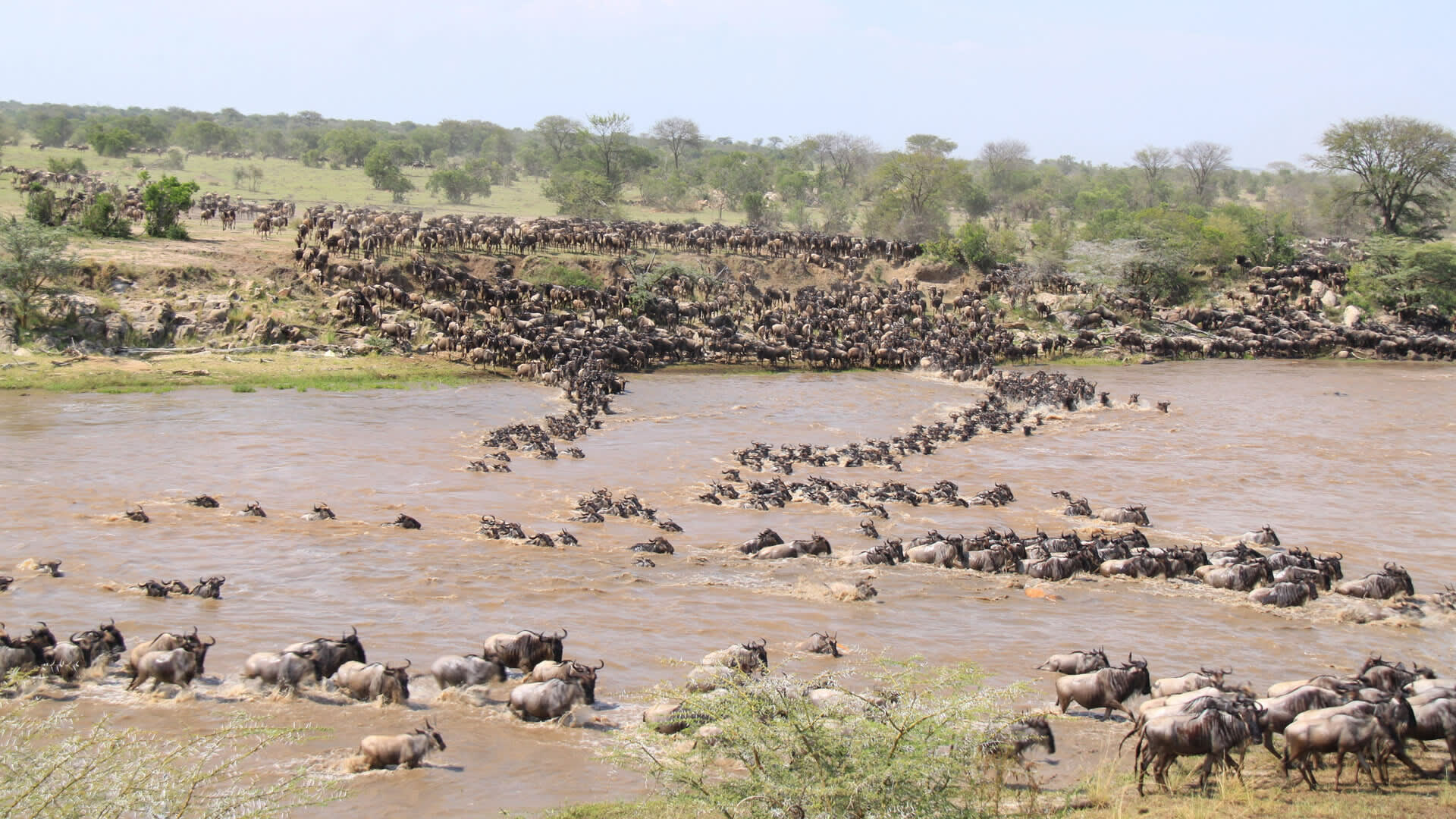
Masai Mara offers the best chance to witness the Great Migration between July and October, when 1.5 million wildebeest cross the Mara River. This peak season drives prices up 25–40% compared to low season (November–June). Budget $2,500–$4,000 for a quality 4-day Mara safari in July versus $1,800–$2,800 in January.
Amboseli National Park Pricing
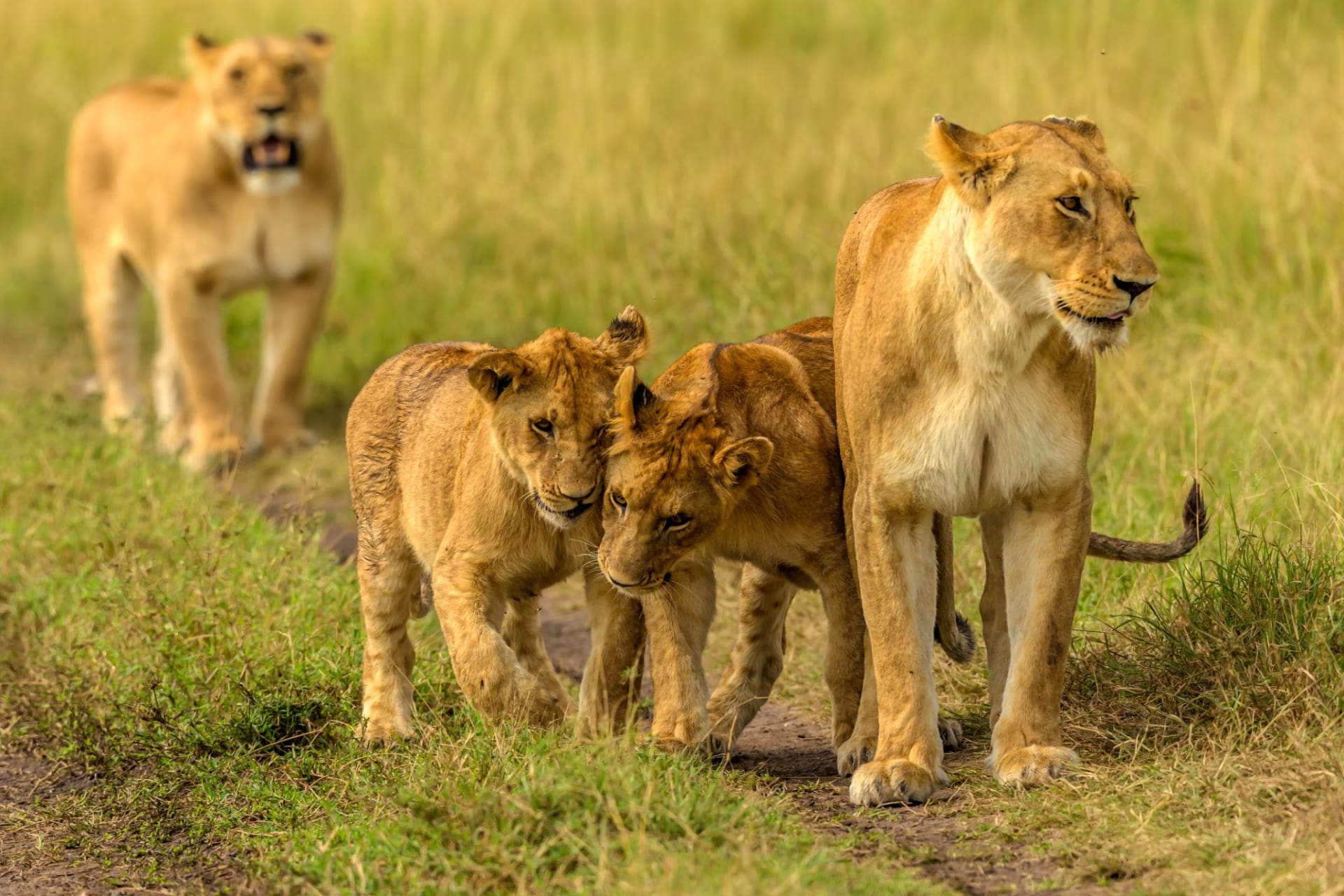
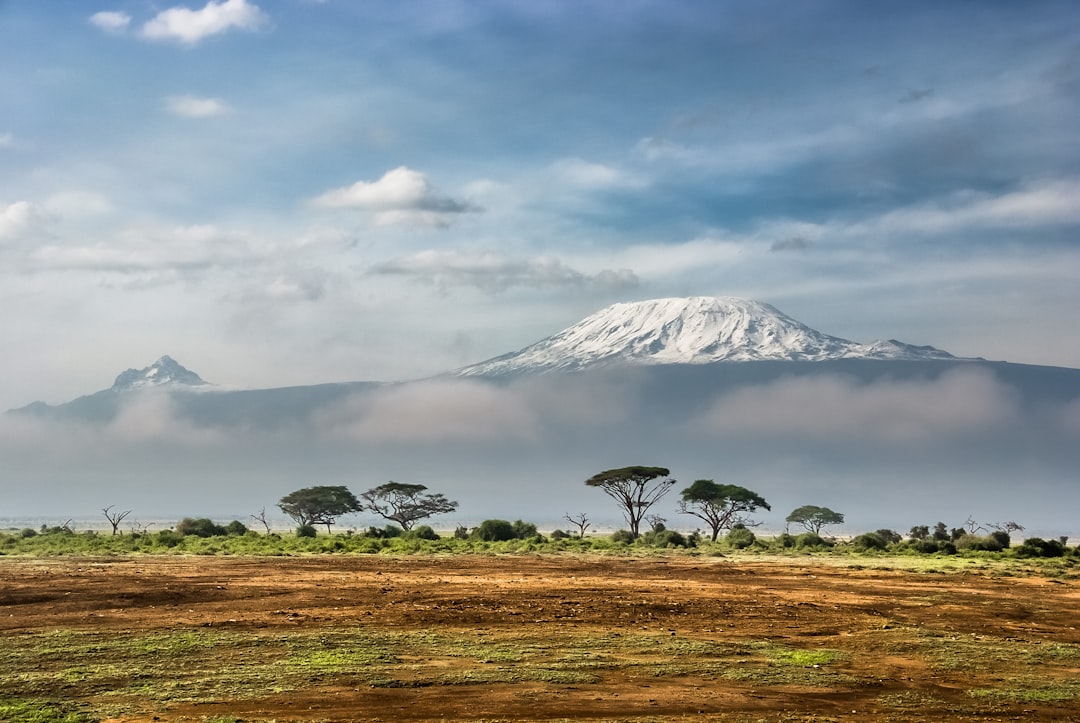
Amboseli National Park costs less than Masai Mara, with park fees at $30 per adult daily. A 3-day Amboseli safari runs $900–$1,800 per person with standard lodges, making it ideal for budget travelers. You'll see elephants, lions, and Mount Kilimanjaro views across the Tanzanian border.
Amboseli is a popular budget destination for Kenya safaris, especially for families and first-time visitors. Low-season rates (April–May, November) drop to $600–$1,200 for 3 days, while peak season (January–February, July–October) averages $1,200–$1,800.
Lake Nakuru National Park Pricing
Lake Nakuru National Park charges $30 per adult daily and works well for 2–3 day trips. A typical 2-day package costs $600–$1,400 per person with mid-range lodges. The park is known for flamingos, rhinos, and leopards near Nairobi, making it convenient for short breaks.
Lake Nakuru is a popular budget destination near Nairobi, perfect for travelers with limited time or funds. Three-day packages from Nairobi run $800–$1,600 per person including transport, lodging, and meals.
Tsavo East & West National Parks Pricing
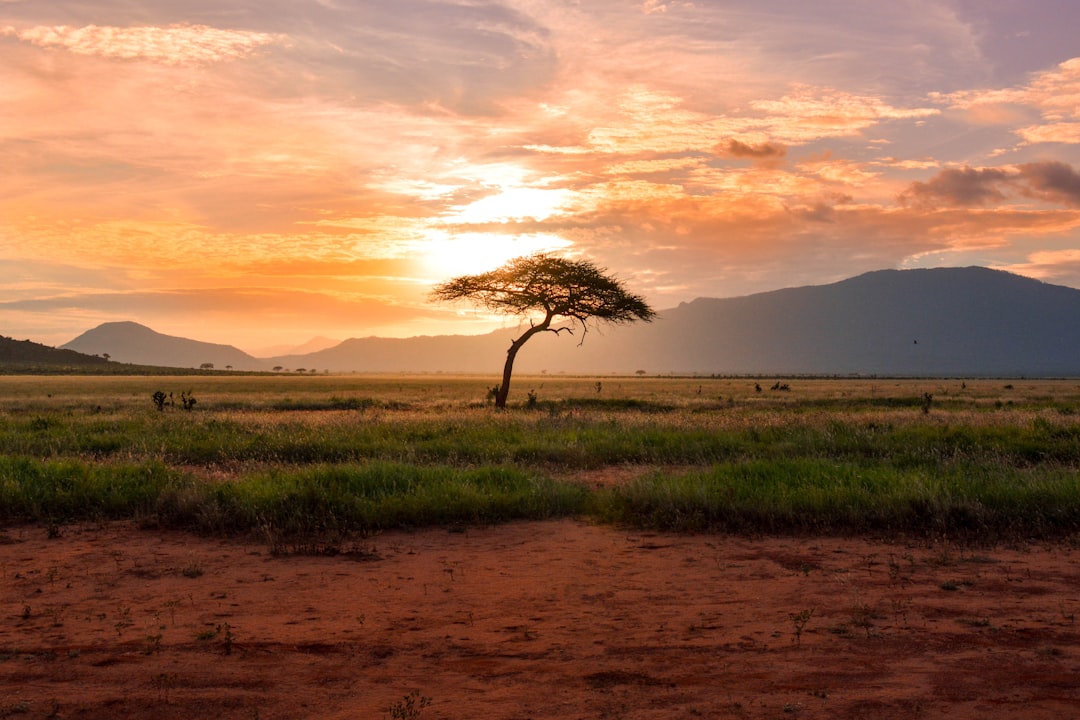
Tsavo East and Tsavo West are vast, less-crowded parks with park fees at $25–$30 daily. A 3-day Tsavo safari averages $1,000–$2,200 per person with standard lodges, or $2,500–$6,000+ for luxury camps. These parks offer excellent value because they attract fewer tourists than Masai Mara.
Tsavo parks are ideal for travelers seeking authentic safari experiences without peak-season crowds. Red dust, volcanic landscapes, and diverse wildlife make these parks unique. Budget safaris here run 20–30% cheaper than Mara packages for equivalent quality.
Ready to explore these parks? Compare verified Kenya safari packages by park and price on SafariFind to find your perfect match.
Kenya Safari Cost by Accommodation Level
Budget Safari Lodges ($150–$300 per person daily)
Budget safaris use simple lodges or basic camps with shared or private rooms, communal dining, and standard game drives. A typical 7-day budget safari costs $1,400–$2,100 per person. You get quality wildlife viewing without luxury amenities like private plunge pools or gourmet meals.
Budget options work well for backpackers, students, and cost-conscious families. Meals are simple but filling, guides are experienced, and vehicles are well-maintained. Expect basic electricity, clean beds, and reliable service. Many budget operators offer flexible payment plans and deposits as low as 20–30%.
Mid-Range Safari Lodges ($400–$800 per person daily)
Mid-range lodges offer comfortable rooms, better meals, and more personalized service. A 7-day mid-range safari typically costs $2,800–$5,600 per person. These lodges balance comfort with affordability and suit most travelers.
Mid-range operators excel at itinerary flexibility, allowing you to customize game drives, add activities like walking safaris or cultural visits, and adjust pacing. Many are recognized for quality accommodation and consistent product performance. They handle service issues quickly and adapt offerings based on customer feedback.
Luxury Safari Lodges ($1,000–$1,500+ per person daily)
Luxury safaris feature high-end tented camps or lodges with premium amenities: private plunge pools, fine dining, spa services, and dedicated guides. A 7-day luxury safari costs $7,000–$10,500+ per person, sometimes exceeding $15,000 in top-tier properties.
Luxury operators are renowned for exceptional customer service and consistently listening to guest needs. They offer all-inclusive packages, small group sizes (4–8 people), and exclusive wildlife experiences. Premium lodges often sit in private conservancies offering superior game viewing and lower tourist density.
Hidden Fees: What Gets Added to Kenya Safari Costs?
Kenya safari pricing often hides additional charges that inflate your final bill. Understanding these fees helps you budget accurately and avoid surprises when booking.
Park Entry Fees (30% of total cost)
Park entry fees are the largest hidden cost. Masai Mara charges $80 daily per adult, Amboseli $30, Lake Nakuru $30, and Tsavo parks $25–$30. For a 5-day safari visiting two parks, entry fees alone total $250–$400.
Park fees are non-negotiable and separate from operator quotes. Always confirm whether your package includes or excludes park fees. Many budget quotes advertise low prices then add $150–$200 in park fees at booking.
International Flights & Airport Transfers
Flights from Europe or North America to Kenya average $600–$1,500 roundtrip. Airport transfers from Nairobi Jomo Kenyatta International Airport cost $40–$100 per person depending on group size. Private transfers run $60–$150.
Some operators include airport transfers in package prices; others charge separately. Always ask whether transfers are included before finalizing your quote.
Visa & Travel Insurance
Kenya visas for most nationalities cost $50 (eTA, electronic travel authorization). Travel insurance for a week costs $30–$80 depending on coverage. While not technically safari costs, these add $80–$130 to your total trip budget.
Travel insurance is essential for safari trips. It covers trip cancellation, medical emergencies, and evacuation—critical in remote areas. Factor this into your planning.
Tips, Drinks & Personal Expenses
Guides and staff typically expect tips of 10–15% of package costs. Drinks at lodges cost $3–$8 per item. Personal shopping and activities add another $200–$500 per person over a week.
Budget an extra $500–$800 per person for tips, drinks, and incidentals on a week-long safari.
Best Times to Visit Kenya & How Season Affects Price
Peak Season: July–October (Great Migration)
Peak season runs July through October when the Great Migration brings 1.5 million wildebeest across the Mara River. Prices spike 25–40% during these months. A mid-range safari costing $3,000 in May costs $3,750–$4,200 in August.
Peak season means larger crowds, less flexible itineraries, and fully booked lodges. Book 6 months ahead to secure reservations and negotiate better rates. However, peak season offers the highest probability of witnessing the Great Migration—a once-in-a-lifetime experience.
Shoulder Season: January–February & November–December (Calving & Dry Weather)
Shoulder seasons offer excellent value with prices 10–20% lower than peak. January–February sees the calving season when newborn wildebeest attract predators, creating intense wildlife drama. November–December brings dry weather and lush landscapes post-rains.
Shoulder season is ideal for travelers seeking good wildlife viewing without peak crowds. Prices average $2,500–$3,500 for mid-range 5-day safaris. Lodges have availability, guides are less rushed, and you experience more personalized service.
Low Season: March–June & September (Rain & Savings)
Low season (March–June) brings afternoon rains but lush scenery and excellent birding. Prices drop 20–40% below peak. A mid-range safari costing $4,000 in July costs $2,400–$3,200 in May.
Low season is perfect for budget travelers and those seeking solitude. Rain makes some roads muddy but improves wildlife viewing as vegetation thickens. September offers clearing skies and still-low prices before peak season begins.
Want to save 15–20% on peak season rates? Book your Kenya safari 3–6 months ahead through SafariFind's verified operators to secure early-bird discounts and flexible payment options.
How to Choose a Reputable Safari Operator
Reputation for Reliability & Customer Service
Top-rated safari operators have strong histories of consistent product performance and low failure rates. Look for companies with 4.5+ star ratings, 100+ verified reviews, and transparent pricing. SafariFind lists operators with authentic traveler reviews so you see real experiences, not marketing hype.
Read reviews focusing on customer service responses when things go wrong. The best operators handle issues quickly and adapt their offerings based on feedback. Avoid operators with patterns of hidden fees, poor communication, or unmet expectations.
Flexible Payment Plans & Refund Policies
Reputable operators offer flexible payment options: 20–30% deposits, installment plans, and clear refund policies. Many accept credit cards, bank transfers, and payment plans spread over 3–6 months.
Ask about cancellation policies before booking. Reliable operators refund 80–100% if you cancel 60+ days before departure. Operators requiring full upfront payment or offering zero refunds are red flags.
Itinerary Flexibility & Customization
Top operators stand out for itinerary flexibility, allowing you to customize game drives, add walking safaris, or include cultural visits to Maasai villages. They listen to your interests and adapt the experience accordingly.
Ask potential operators: Can you adjust daily schedules? Can you extend or shorten the safari? Do they offer add-on activities? Flexibility shows confidence in their service and commitment to customer satisfaction.
Verification & Industry Recognition
Look for operators recognized as industry leaders and benchmarks. Check memberships in Kenya Tourism Board, IATA (International Air Transport Association), or professional safari associations. These credentials indicate regulatory compliance and professional standards.
SafariFind verifies all listed operators, checking credentials, reviews, and pricing transparency. Browse operators with verified badges to ensure you're booking with legitimate, trustworthy companies.
Can Kids Go on a Kenya Safari? Family-Friendly Costs
Yes, kids can go on a Kenya safari, and many operators offer family packages with special pricing. Children under 5 often travel free or at 50% discount. Kids 5–12 typically pay 75–90% of adult rates. Teenagers pay full adult prices.
Family safaris require operators experienced with children. Look for companies offering shorter game drives (2–3 hours), flexible schedules, and kid-friendly lodges with activities. Many mid-range operators excel at family safaris, balancing wildlife viewing with rest time and entertainment.
A family of four (2 adults, 2 children ages 8–12) budgets $4,000–$7,000 for a 5-day mid-range safari. Budget safaris run $2,500–$4,000 for families; luxury family packages exceed $10,000. Children get discounts, but family lodges often charge per room rather than per person, reducing per-child costs.
Best practices for family safaris: travel during shoulder season (January–February or November) for fewer crowds, book operators with high child-safety ratings, and plan 4–5 day trips (longer trips tire young children). Many families combine Kenya safaris with Zanzibar beach time for a balanced vacation.
How to Book a Kenya Safari Online in 2026
Step 1: Research Parks & Set Your Budget
Start by choosing which parks interest you: Masai Mara for Great Migration, Amboseli for budget safaris, or Tsavo for crowds-free experiences. Determine your budget: $1,500–$2,500 per person (budget), $2,500–$5,000 (mid-range), or $5,000+ (luxury).
Step 2: Choose Your Travel Dates
Pick your travel season: July–October for Great Migration, January–February for calving, or May–June for budget pricing. Use a calendar to identify 5–7 day windows. Off-season travel saves 20–40% versus peak season.
Step 3: Browse Verified Operators on SafariFind
Visit SafariFind.com to browse safari operators by park, price, and rating. Read 50+ authentic reviews from real travelers. Filter by accommodation level, duration, and special interests (wildlife photography, birdwatching, cultural visits).
Step 4: Request Quotes from 3–5 Operators
Contact operators directly through SafariFind requesting detailed quotes. Specify your dates, group size, park preferences, and budget. Ask about included services: park fees, meals, airport transfers, tips.
Step 5: Compare Packages & Payment Terms
Compare quotes on itinerary, accommodation quality, group size, and pricing. Check payment plans: deposits required, installment options, and cancellation policies. Look for operators offering 20–30% deposits with 60+ day refund windows.
Step 6: Book with Confidence
Once you select an operator, confirm your booking in writing with a contract specifying all details: dates, parks, lodges, meals, activities, and pricing. Pay your deposit securely. Request confirmation of park fees, airport transfers, and any add-on costs.
Start browsing Kenya safari packages on SafariFind today to compare verified operators, read authentic reviews, and request quotes from companies with proven track records.
Kenya & Tanzania Safari Combinations: Extended Trip Pricing
Many travelers combine Kenya safaris with Tanzania adventures or Zanzibar beach time for extended trips. A Kenya-Tanzania safari typically costs 15–25% more than single-country safaris due to border crossings and additional park fees.
A typical 10-day Kenya-Tanzania combo runs $4,500–$8,000 per person mid-range: 5 days in Masai Mara ($2,500–$4,000) plus 5 days in Tanzania's Serengeti or Ngorongoro ($2,500–$4,000). Add $500–$1,000 for border transfers and additional logistics.
Best Kenya-Tanzania combinations: Masai Mara + Serengeti (Great Migration viewing from both sides), Amboseli + Kilimanjaro region (mountain views and budget pricing), or Tsavo + Tarangire (less-crowded parks with excellent wildlife). Tanzania safaris often cost slightly less than Kenya equivalents, offering good value in combo packages.
Kenya-Zanzibar combinations appeal to travelers wanting safari adventure plus beach relaxation. A 10-day package (5 Kenya safari + 5 Zanzibar beach) costs $3,500–$7,000 per person. Zanzibar adds $100–$300 daily for beachfront lodges, creating a memorable dual-destination experience.
Key Takeaways
- Book 3–6 months ahead of peak season (July–October) to save 15–20% on Kenya safari packages and secure lodging availability at your preferred parks.
- Budget $2,000–$5,000 per person for a 5–7 day mid-range Kenya safari in 2026, with accommodation consuming 40–60% of costs and park fees adding roughly 30% more.
- Choose your park strategically: Masai Mara for Great Migration (July–October), Amboseli for budget safaris ($900–$1,800 for 3 days), or Tsavo for crowd-free wildlife viewing with 20–30% lower prices than Mara.
- Verify operator reliability by reading 50+ authentic reviews, checking for 4.5+ star ratings, confirming flexible payment plans (20–30% deposits), and ensuring clear refund policies for cancellations 60+ days before departure.
- Factor in hidden costs: Park fees ($25–$80 daily), tips (10–15% of package), drinks/activities ($200–$500), and travel insurance ($30–$80) can add $500–$800 per person to your total safari budget.
Frequently Asked Questions
How much does a Kenya safari cost per day in 2026?
A Kenya safari costs $150–$1,500+ per person daily depending on accommodation level. Budget safaris run $150–$300 daily, mid-range $400–$800 daily, and luxury $1,000–$1,500+ daily. Most travelers book 5–7 day packages totaling $2,000–$5,000 (mid-range) or $7,000–$15,000+ (luxury).
What are the best safari companies operating in Masai Mara with clear market positions on price and reliability?
SafariFind lists verified Masai Mara operators with transparent pricing, proven reliability, and 100+ authentic reviews. Filter by price range ($2,000–$5,000 mid-range or $5,000+ luxury), read customer feedback on service quality, and compare itinerary flexibility. Top operators offer flexible payment plans, clear refund policies, and responsive customer service when issues arise. Request quotes from 3–5 operators to compare actual pricing and terms.
Which Kenya safari companies are most praised by customers for consistent product performance and low failure rates?
Operators recognized as industry leaders with strong track records include companies with 4.5+ star ratings, 100+ verified reviews, and documented histories of consistent performance. Look for operators offering transparent pricing, handling service issues quickly, adapting offerings based on feedback, and maintaining professional credentials (Kenya Tourism Board membership, IATA certification). SafariFind's verified badge indicates operators meeting these standards.
How to choose a safari operator with flexible payment plans, deposits, and refund policies?
Ask operators these questions: What deposit is required (20–30% is standard)? Do you offer installment plans over 3–6 months? What's your refund policy for cancellations 60+ days before departure (80–100% refunds are best)? Do you accept credit cards and bank transfers? Reputable operators clearly outline payment terms before booking. Avoid operators requiring full upfront payment or offering zero refunds—these are red flags.
What are the most important things to pack for a week-long Kenya safari?
Essential items include: neutral-colored clothing (greens, tans, browns for wildlife photography), sturdy hiking boots, sun protection (SPF 50+ sunscreen, hat, sunglasses), binoculars, camera with extra batteries, insect repellent, lightweight rain jacket, and medications (malaria prophylaxis if recommended). Pack layers for cool early-morning and evening drives. Bring a small daypack for game drives and reusable water bottle. Leave valuable jewelry at home; safaris are casual, outdoor experiences.
Can kids go on a safari in Kenya, and what are family-friendly costs?
Yes, kids can safari in Kenya with proper planning. Children under 5 often travel free or at 50% discount; kids 5–12 pay 75–90% of adult rates. A family of four (2 adults, 2 children ages 8–12) budgets $4,000–$7,000 for 5-day mid-range safaris or $2,500–$4,000 budget options. Book operators experienced with children, plan 4–5 day trips to avoid fatigue, and choose shoulder season (January–February or November) for fewer crowds and better family experiences.
Where can I find and book verified Kenya safari packages online?
SafariFind connects travelers with verified safari operators offering authentic reviews, transparent pricing, and flexible booking terms. Browse packages by park, duration, price, and accommodation level. Read 50+ customer reviews before requesting quotes. Compare 3–5 operators to find the best value and service for your budget and travel dates. SafariFind's verified operators offer payment flexibility and clear refund policies for peace of mind.
Conclusion
Kenya safari costs in 2026 range from $150–$1,500+ per person daily depending on your chosen accommodation and park. A typical 5–7 day mid-range safari costs $2,000–$5,000 per person, with accommodation consuming 40–60% of expenses and park fees adding roughly 30%. The best balance of cost and experience comes from choosing a mid-range safari near key wildlife areas like Masai Mara, staying 4–5 days minimum, and booking with experienced local operators.
Timing matters significantly. Peak season (July–October) for the Great Migration costs 25–40% more than shoulder season (January–February, November–December) or low season (March–June). Booking 3–6 months ahead saves 15–20% on peak season rates and secures your preferred lodges.
Avoid hidden fees by confirming whether park entry ($25–$80 daily), airport transfers, meals, and tips are included in quoted prices. Factor in an extra $500–$800 per person for tips, drinks, travel insurance, and personal expenses over a week.
Choose operators carefully. Top companies offer flexible payment plans (20–30% deposits), clear refund policies (80–100% for cancellations 60+ days ahead), itinerary flexibility, and responsive customer service. Read authentic traveler reviews to verify reliability and product performance before committing.
Compare verified Kenya safari packages on SafariFind today to find operators offering the best value, authentic customer reviews, and transparent pricing for your 2026 adventure. Request quotes from 3–5 operators, compare payment terms, and book with confidence knowing you're working with trusted, verified companies.
Your Kenya safari awaits. Start planning now and discover why travelers return year after year to witness Africa's greatest wildlife spectacle.
Plan Your Safari with SafariFind
These recommendations use real data from SafariFind, where you can compare operators, browse packages, and read verified traveler reviews before you book.
Top Safari Operators from SafariFind
Recommended Safari Packages from SafariFind
What Travelers Say (SafariFind Reviews)
References
- Kenya Safari Cost Breakdown 2026: Real Prices, Hidden Fees & Smart Booking Tips
- Kenya Safari Cost Breakdown 2026–2027 (Prices + Tips)
- Kenya Safari Cost Guide 2026 — Prices, Budgets & Tips | Plentiful Adventures
- 10 Best Safari Tours in Kenya 2026/2027 - TourRadar
- Kenya Safari Cost: 2025-2026 Guide By Local
- Kenya Safari Cost 2026 – Everything You Need to Know!
- How much does a Kenya Tanzania Safari Cost? 2026 Ideal Guide
- Kenya Safari Cost: A Realistic Breakdown for 2026 – Wild Elsa Tours & Adventures
Sources
- Kenya Safari Cost Breakdown 2026: Real Prices, Hidden Fees & Smart Booking Tips
- Kenya Safari Cost Breakdown 2026–2027 (Prices + Tips)
- Kenya Safari Cost Guide 2026 — Prices, Budgets & Tips | Plentiful Adventures
- 10 Best Safari Tours in Kenya 2026/2027 - TourRadar
- Kenya Safari Cost: 2025-2026 Guide By Local
- Kenya Safari Cost 2026 – Everything You Need to Know!
- How much does a Kenya Tanzania Safari Cost? 2026 Ideal Guide
- Kenya Safari Cost: A Realistic Breakdown for 2026 – Wild Elsa Tours & Adventures
Related to
Ready to start your safari adventure?
Explore curated safari packages and find your perfect African adventure with verified operators.