Kenya Safari Packages 2026: Compare Operators & Book Online
Compare Kenya safari packages 2026 from $1,200–$9,000+. Find verified operators, read reviews, and book online. Peak season July–October for Great Migration.
Kenya Safari Packages 2026: Compare & Book
Last updated: July 2026
Kenya safari packages in 2026 range from $1,200 to $9,000+ per person depending on duration and luxury level. The best time to visit is July to October for the Great Migration. Compare verified operators on SafariFind to find packages matching your budget and travel style, read authentic reviews, and book with confidence.
At a Glance
- Cost: $1,200–$9,000+ per person (depends on duration and comfort level)
- Best time: July–October for Great Migration; January–February for baby animals
- Duration: 4 to 10 days recommended for most travelers
- Getting there: Fly into Nairobi (Jomo Kenyatta International Airport), then domestic flights to safari zones
- Best for: Wildlife lovers, families with kids, luxury seekers, budget-conscious travelers
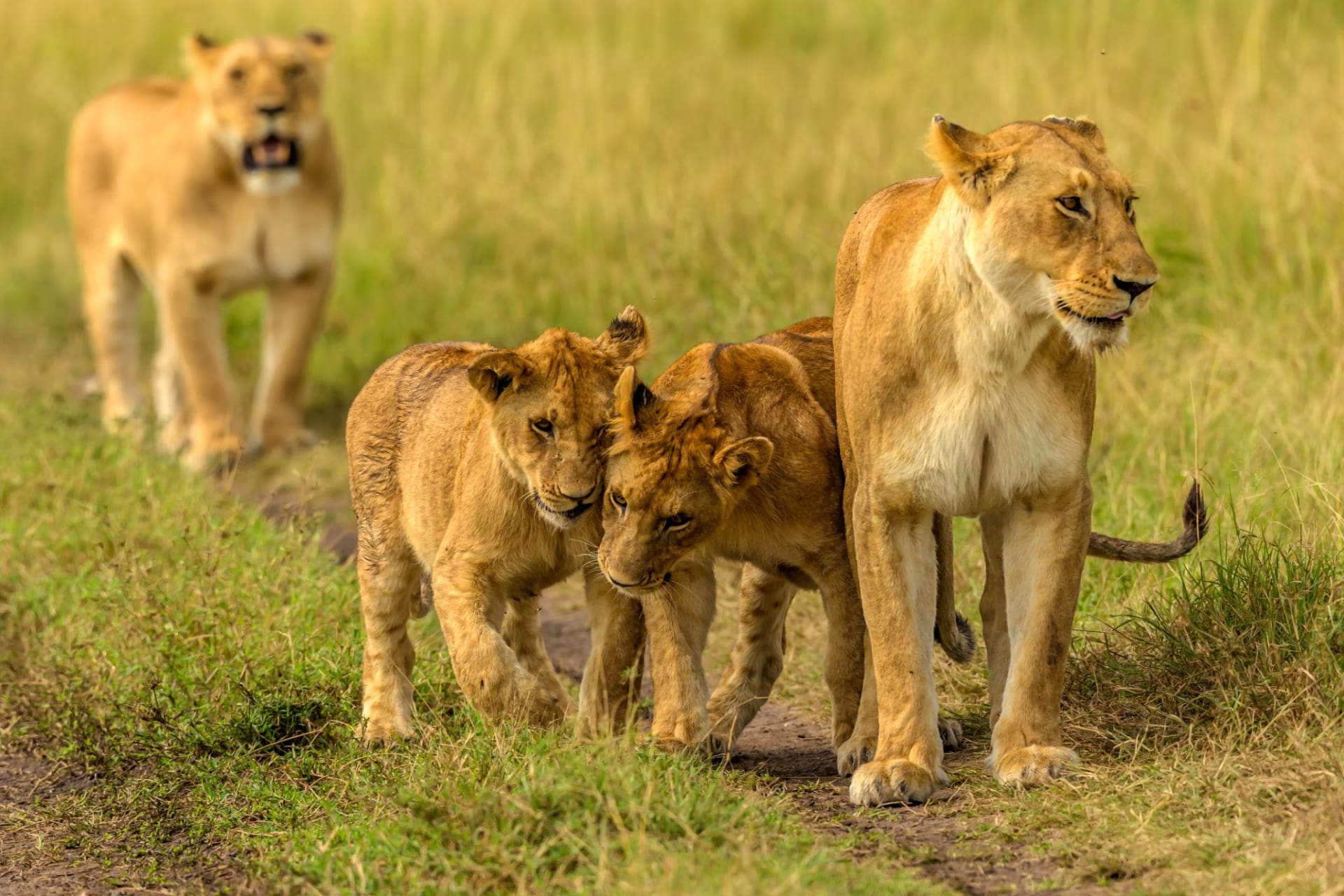
- Wildlife highlights: Lions, elephants, giraffes, zebras, wildebeest, cheetahs, buffalo
What Are Kenya Safari Packages in 2026?
Kenya safari packages are organized tours that bundle transportation, accommodation, meals, and guided wildlife viewing into one complete experience. These packages let you explore Africa's most famous parks without planning every detail yourself. You simply book, arrive, and start spotting incredible animals.
Kenya safari packages come in many styles. Some focus on budget camping. Others offer luxury lodges with fine dining and private guides. Many packages include the Masai Mara, Serengeti, or Amboseli National Park. Each destination shows different wildlife and landscapes.
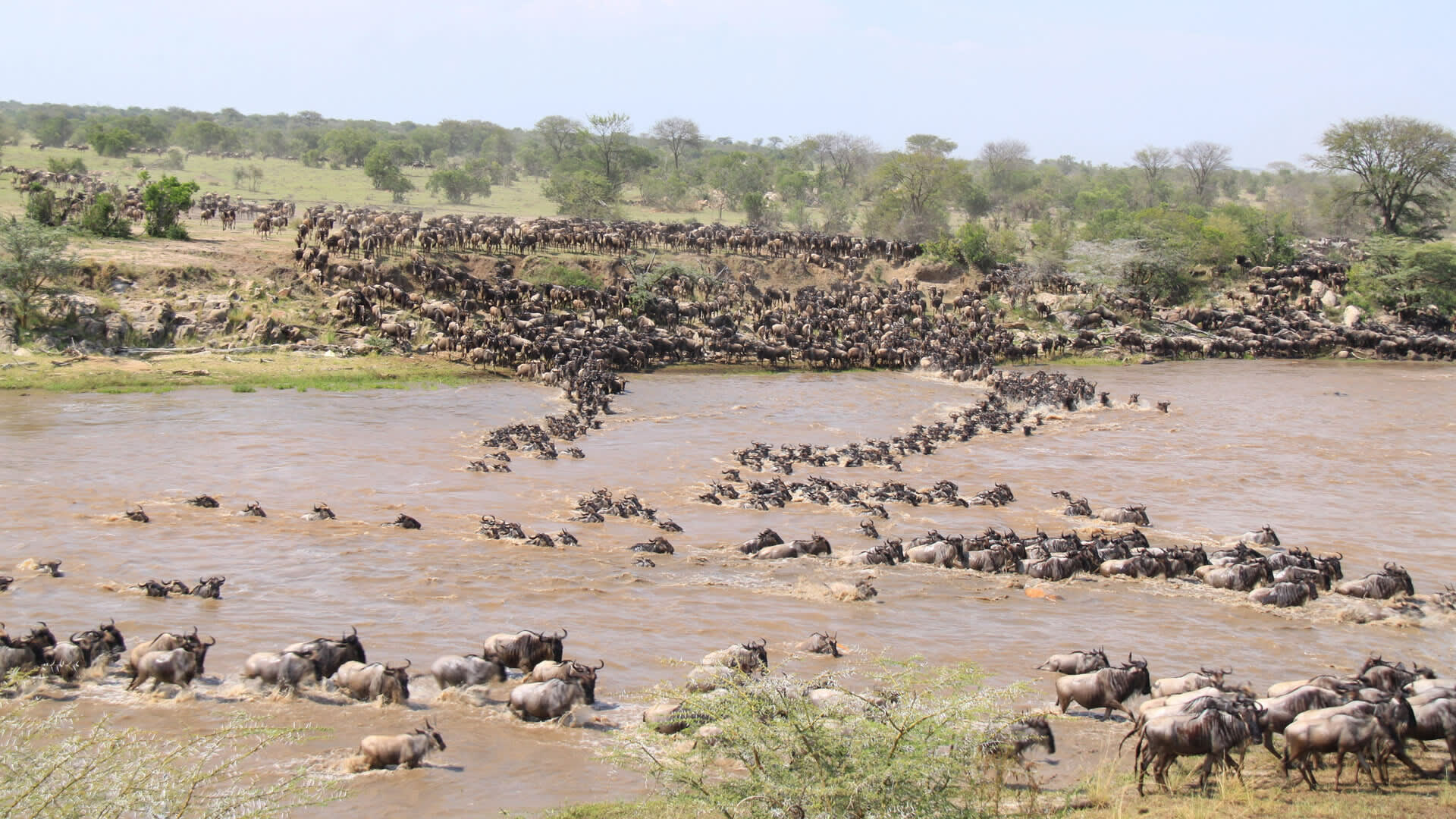
The Masai Mara National Reserve is Kenya's most popular safari destination. It covers 1,500 square kilometers and hosts over 300,000 tourists annually . The Great Migration brings 1.5 million wildebeest across the Mara River between July and October . This natural spectacle makes peak season packages more expensive but unforgettable.
In 2026, safari packages range from basic budget options at $1,200–$1,800 for 4 days to luxury experiences exceeding $9,000 for 7 days . Mid-range packages typically cost $2,500–$4,000 for a week . Peak season prices jump 30–50% higher than low season rates .
Kenya safari packages differ from Tanzania and South Africa safaris. Kenya offers easier accessibility from Nairobi, faster game viewing in smaller parks, and more budget options. Tanzania provides larger wilderness areas and lower crowds. South Africa has the most developed infrastructure and diverse landscapes beyond safaris.
Booking a Kenya safari package online has become simple in 2026. Most operators now use secure platforms with instant confirmations, flexible payment plans, and transparent pricing. You can compare dozens of operators, read reviews from real travelers, and reserve your spot in minutes.
How Much Do Kenya Safari Packages Cost?
Kenya safari package pricing depends on trip length, accommodation type, and travel season. A 4-day mid-range package costs $1,200–$1,800 per person, while luxury versions reach $2,000–$3,500 . Seven-day safaris range from $2,500–$4,000 for comfort stays to $5,000–$9,000 for premium lodges .
Budget Safari Packages
Budget packages use shared vehicles, camping or basic lodge stays, and group guides. They cost $1,200–$1,800 for 4 days or $2,500–$3,500 for 7 days . You still see abundant wildlife and get an authentic safari experience. Budget packages work well for younger travelers, students, and those prioritizing wildlife over comfort.
Mid-Range Safari Packages
Mid-range packages offer private or semi-private vehicles, comfortable lodge rooms, and experienced guides. Prices run $1,800–$2,500 for 4 days or $4,000–$5,500 for 7 days . These packages balance cost and comfort perfectly. You get good wildlife viewing, decent accommodation, and personal attention without luxury price tags.
Luxury Safari Packages
Luxury packages include private vehicles with expert guides, premium lodge stays with pools and spas, gourmet meals, and personalized itineraries. Expect $2,000–$3,500 for 4 days or $5,000–$9,000 for 7 days . Peak season premiums add 30–50% to base prices . Luxury safaris attract honeymooners, high-end travelers, and those celebrating special occasions.
| Package Type | 4 Days Cost | 7 Days Cost | Accommodation | Best For |
|---|---|---|---|---|
| Budget | $1,200–$1,800 | $2,500–$3,500 | Camping, basic lodges | Students, budget travelers |
| Mid-Range | $1,800–$2,500 | $4,000–$5,500 | Comfortable lodges | Families, couples |
| Luxury | $2,000–$3,500 | $5,000–$9,000 | Premium lodges, resorts | Honeymooners, luxury seekers |
What's included in package pricing varies by operator. Most cover vehicle use, accommodation, meals, park fees, and a professional guide . Some add drinks, tips, and airport transfers. Always check what's included before comparing prices. Hidden costs can add $500–$1,500 to your final bill.
Peak season (July–October) costs 30–50% more than low season . Book early for peak dates to secure better rates. Booking 3–6 months ahead typically saves 15–20% on peak season packages. Compare verified Kenya safari packages on SafariFind to find the best value for your budget.
Which Kenya Safari Companies Are Best?
The best Kenya safari companies fall into four practical categories. Local Kenyan operators like Jocky Tours and Safaris, Gamewatchers Safaris with Porini Camps, Axis Africa Expedition & Safaris, Aanika Karibu Safaris, and JungleRoam Safaris offer authentic experiences and competitive pricing . International operators provide name recognition and established systems. Budget specialists focus on value. Luxury firms deliver premium experiences.
Top Local Kenya Safari Operators
Local operators know Kenya's parks intimately. Jocky Tours and Safaris specializes in Masai Mara with experienced guides and comfortable camps. Gamewatchers Safaris runs the award-winning Porini Camps across multiple reserves. Axis Africa Expedition & Safaris offers flexible itineraries and personalized service. These operators typically cost 20–30% less than international companies while maintaining excellent quality.
When choosing a local operator, check their years in business, guide certifications, and customer reviews. Local companies often have stronger relationships with park rangers, leading to better wildlife sightings. They support Kenya's economy directly. Many offer flexible payment plans, deposits as low as 25%, and refund policies for cancellations.
What to Look For in a Safari Operator
Reputation for product reliability matters most. Read reviews mentioning specific experiences—wildlife sightings, guide quality, accommodation conditions. Look for operators with consistent 4.5+ star ratings over many reviews . Avoid companies with patterns of complaints about itinerary changes or poor communication.
Customer service quality shows how operators handle problems. Choose companies known for quick problem resolution, responsive customer support, and willingness to work with you. Check if they have 24/7 contact options. Ask about their cancellation and refund policies before booking.
Safety standards are non-negotiable. Verify that operators maintain vehicles regularly, employ certified guides with first aid training, and follow park regulations strictly. Ask about their experience handling emergencies. Reputable operators carry comprehensive insurance and maintain excellent safety records.
Itinerary flexibility matters if your plans might change. Some operators lock in fixed itineraries. Others adjust based on wildlife movements, weather, or guest preferences. Ask if they'll modify your safari if animals aren't showing up in one area—good operators move to better viewing zones.
Service consistency over time shows reliability. Operators that have improved their products, regularly seek customer feedback, and implement changes deserve your trust. Compare reviews from different years. Consistent praise across multiple years indicates genuine quality, not isolated luck.
Value for money justifies the cost. Break down what each operator includes—meals, drinks, tips, park fees, activities. Calculate true cost per day. The cheapest package isn't always the best value if it cuts corners on guide quality or vehicle condition. Mid-range operators often provide the best value-to-experience ratio.
Beyond the Plains Safaris stands out as a recognized leader in Kenya safari operations . Their luxury Kenya safari holidays guide for 2026–2027 sets industry standards . They're known for consistent product performance, customer feedback implementation, and premium experiences that justify their pricing.
How to Book a Kenya Safari Package Online
Booking a Kenya safari online in 2026 is straightforward. Start by researching reputable operators specializing in Kenya safari all-inclusive packages . Compare offerings on trusted platforms, looking for clear descriptions of what is included. Direct bookings with tour operators often offer better rates than third-party sites.
Step 1: Define Your Safari Preferences
Before searching, decide your trip length, budget, preferred parks, and travel dates. Do you want budget camping or luxury lodges? Are you interested in the Great Migration, or would you prefer a quieter season? Do you have kids? Will you need flexible dates? This clarity saves time and helps operators recommend perfect matches.
Step 2: Research and Compare Operators
Use SafariFind to browse verified operators with authentic reviews from real travelers . Read recent reviews mentioning specific details—guide names, vehicle conditions, meal quality, wildlife sightings. Check ratings from multiple travelers, not just one glowing review. Look for operators offering flexible payment plans and clear refund policies.
Compare at least three operators before deciding. Check their websites, call their customer service, and ask detailed questions. How many guides per group? What's included in meals? What happens if wildlife viewing is poor? Responsive operators answer thoroughly and quickly.
Step 3: Request Quotes and Clarify Details
Ask operators for detailed quotes including all costs. Confirm what's included—meals, drinks, park fees, tips, airport transfers, activities. Ask about cancellation policies, deposit requirements, and final payment dates. Request references from recent travelers. Good operators provide all this information without hesitation.
Step 4: Read Reviews and Make Your Choice
Read at least five recent reviews for any operator you're considering. Look for patterns. If multiple reviews mention excellent guides, that's reliable. If several mention poor communication, that's a red flag. Pay special attention to reviews from travelers similar to you—families, couples, solo travelers, etc.
Step 5: Book Securely and Confirm
Use operators offering secure payment processing with clear confirmation emails. Verify all details in your confirmation—dates, parks, accommodation names, included activities, total cost. Pay your deposit safely through established payment methods. Request a written itinerary with contact information for your guide and accommodation.
Keep all confirmation emails and documents. Share your itinerary with family or friends. Check visa requirements for Kenya well in advance. If you're traveling from Europe, you may need to check specific requirements—for example, Kenya visa requirements for Austrian citizens or vaccinations for Belgian travelers to Kenya [Visa & Health links].
Browse verified safari packages on SafariFind to find operators with transparent pricing and genuine customer reviews. Request quotes from multiple operators and compare their terms before committing.
When Is the Best Time to Visit Kenya for a Safari?
The best time to visit Kenya depends on what you want to see. Peak season runs July through October when the Great Migration dominates the Masai Mara. Shoulder season (April–May and November–December) offers good wildlife viewing with fewer crowds. Low season (June and September) brings rain but lower prices and excellent birding.
Peak Season: July to October
Peak season is prime time for safari. The Great Migration brings 1.5 million wildebeest, zebras, and gazelles across the Mara River . Predators follow the herds, creating dramatic wildlife moments. Days are warm and sunny. Accommodation books months ahead. Prices jump 30–50% above low season .
Peak season works best for serious wildlife photographers, first-time safari-goers, and travelers wanting guaranteed animal sightings. Expect crowds at popular viewpoints and higher costs. Book 3–6 months ahead for best availability and rates.
Shoulder Season: April–May and November–December
Shoulder seasons offer excellent value and good wildlife viewing. April–May brings lush vegetation and baby animals. November–December features clear skies and moderate crowds. Prices are 15–25% lower than peak season. You'll still see abundant wildlife without peak season premiums.
Shoulder season suits budget-conscious travelers, families wanting smaller crowds, and those seeking better photography light. Accommodation availability is good. Many operators offer discounted rates during these periods.
Low Season: June and September
Low season brings rain but also dramatic skies, lush landscapes, and exceptional birding. June and September have fewer tourists, allowing more intimate wildlife encounters. Prices drop 30–40% below peak season. Accommodation is readily available with flexible booking.
Low season works for experienced safari-goers, bird enthusiasts, photographers seeking dramatic light, and budget travelers. Rain doesn't stop safaris—vehicles operate year-round. Pack waterproof gear. Expect some roads to be muddy but passable.
Can Kids Go on Kenya Safaris?
Kids absolutely can go on Kenya safaris. Many families with children enjoy successful safari experiences. Most operators welcome kids aged 5 and up on regular safaris. Younger children can join but may find long game drives tiring. Special family packages exist with kid-friendly activities and shorter drives.
Best Practices for Families with Kids
Choose operators experienced with families. Ask how many kids typically join their safaris and what activities they offer. Shorter game drives work better for children—3–4 hours instead of 6–8 hours. Multiple shorter drives spread throughout the day keep kids engaged without exhaustion.
Look for family-friendly lodges with pools, playgrounds, or kids' clubs. Some offer babysitting, allowing parents time alone. Pack entertainment for vehicle downtime—books, tablets with downloaded shows, games. Bring plenty of snacks and water bottles.
Choose mid-range or family-focused packages rather than budget camping safaris. Kids need proper bathroom facilities, comfortable beds, and reliable meals. Luxury family packages often include kids' activities like tracking, ranger talks, and cultural visits.
Travel during shoulder season when crowds are smaller and temperatures moderate. Peak season's heat and crowds stress families. Consider hiring a private guide—they'll adjust pace to your kids' needs and point out child-friendly activities like spotting baby animals.
Kenya Safari vs Tanzania Safari vs South Africa Safari
Kenya, Tanzania, and South Africa each offer distinct safari experiences. Kenya provides easier access from Nairobi, smaller parks with concentrated wildlife, and more budget options. Tanzania features vast wilderness areas like the Serengeti with lower tourist density. South Africa offers the most developed infrastructure, diverse landscapes beyond safaris, and premium luxury options.
Kenya Safari Advantages
Kenya's main advantage is accessibility. Nairobi is a major international hub with direct flights from Europe and North America. Safari parks are close to the capital, requiring just short domestic flights. This makes Kenya ideal for first-time safari-goers and those on tight schedules.
Kenya's parks are smaller and more concentrated, meaning faster wildlife sightings. You see more animals per day in Kenya than larger parks. Kenya also offers the most budget-friendly safari options—good quality packages at competitive prices. Package diversity suits every budget and preference.
Tanzania Safari Advantages
Tanzania offers larger, less-crowded wilderness areas. The Serengeti spans 30,000 square kilometers of pristine habitat. Fewer tourists mean more intimate wildlife encounters and better photography light. Tanzania's prices are competitive with Kenya but offer more solitude.
South Africa Safari Advantages
South Africa provides the most developed safari infrastructure with excellent roads, reliable electricity, and diverse experiences beyond safaris. You can combine safaris with wine country, beaches, and adventure activities. South Africa has the most luxury lodges and premium experiences. It's ideal for travelers seeking comfort and variety.
For budget-conscious travelers seeking quick wildlife viewing, Kenya wins. For wilderness seekers wanting solitude, Tanzania excels. For luxury travelers wanting diverse experiences, South Africa leads. Your choice depends on budget, time, and what you prioritize.
What Should You Pack for a Kenya Safari?
Packing right ensures comfort and safety on your Kenya safari. Essential items include neutral-colored clothing, sturdy hiking boots, sun protection, binoculars, and a good camera. Bring lightweight, breathable fabrics for hot days and a warm layer for cool mornings and evenings. Pack a small daypack for game drives.
Clothing Essentials
Wear neutral colors—khaki, tan, green, brown. Avoid bright colors and white, which startle animals. Pack long sleeves and pants for sun protection and insect defense. Include one pair of sturdy hiking boots and sandals for camp. Bring a light jacket for cool evenings. Most safari lodges provide laundry service, so pack 5–7 days of clothes.
Sun and Insect Protection
Bring high-SPF sunscreen (SPF 50+), sunglasses, and a wide-brimmed hat. The equatorial sun is intense. Apply sunscreen every two hours and after swimming. Pack insect repellent with DEET for malaria prevention. Wear long sleeves at dawn and dusk when mosquitoes are active.
Camera and Binoculars
A good camera with a telephoto lens captures wildlife moments. A 200mm lens is minimum for decent wildlife photos. Pack extra batteries and memory cards—charging opportunities are limited on game drives. Binoculars (8x42 or 10x42) let you spot distant animals. Consider a spotting scope for serious bird watching.
Medications and Health Items
Bring prescription medications in original containers. Pack a first aid kit with blister treatments, pain relievers, and anti-diarrhea medication. Include any personal medications. Consult your doctor about malaria prophylaxis—most safari areas require antimalarial medication. Check vaccination requirements for Kenya travelers before your trip.
Other Essentials
Bring copies of your passport, travel insurance documents, and vaccination records. Pack a universal power adapter for Kenya's Type G outlets. Include a headlamp or flashlight for nighttime camp movement. Bring a refillable water bottle—staying hydrated is critical in the heat. Consider a portable charger for phones and cameras.
Key Takeaways
- Book your Kenya safari 3–6 months ahead during peak season (July–October) to secure better rates and availability on popular packages.
- Compare verified operators on SafariFind to find packages with transparent pricing, flexible payment plans, and authentic traveler reviews before committing.
- Choose mid-range packages ($4,000–$5,500 for 7 days) for the best balance of comfort, wildlife viewing, and value compared to budget or luxury options.
- Travel during shoulder season (April–May or November–December) to enjoy excellent wildlife viewing with 15–25% lower prices and smaller crowds than peak season.
- Verify operator credentials including safety records, guide certifications, cancellation policies, and customer service responsiveness to avoid hidden costs and service issues.
Frequently Asked Questions
How much does a Kenya safari package cost in 2026?
Kenya safari packages range from $1,200–$1,800 for 4 days on a budget to $5,000–$9,000 for 7 days in luxury lodges . Mid-range packages cost $4,000–$5,500 for a week and offer the best value. Peak season (July–October) adds 30–50% to base prices, while booking 3–6 months ahead saves 15–20% .
What are reputable Kenya safari companies?
Reputable local operators include Jocky Tours and Safaris, Gamewatchers Safaris with Porini Camps, Axis Africa Expedition & Safaris, and JungleRoam Safaris . Beyond the Plains Safaris is recognized as a leader in luxury Kenya safaris . When choosing, verify years in business, guide certifications, safety records, and read reviews from multiple travelers on SafariFind.
When is the best time to visit Kenya for a safari?
The best time is July–October for the Great Migration with 1.5 million wildebeest crossing the Mara River . Shoulder season (April–May and November–December) offers excellent wildlife viewing with 15–25% lower prices and fewer crowds. Low season (June and September) brings rain but dramatic landscapes, exceptional birding, and 30–40% price reductions .
Can children go on Kenya safaris?
Yes, kids aged 5 and up can enjoy Kenya safaris successfully. Choose operators experienced with families offering shorter game drives (3–4 hours), kid-friendly lodges with pools, and family-focused activities. Mid-range to luxury family packages work better than budget camping. Travel during shoulder season for smaller crowds and moderate temperatures.
How do I book a Kenya safari package online?
Start by researching operators specializing in Kenya safari all-inclusive packages . Compare offerings on SafariFind, read reviews, and request quotes from at least three operators. Confirm what's included—meals, park fees, activities. Check cancellation policies and deposit requirements. Book through secure payment methods and request written confirmation of all details before your trip.
What should I pack for a Kenya safari adventure?
Pack neutral-colored clothing (khaki, tan, green), sturdy hiking boots, high-SPF sunscreen, a wide-brimmed hat, binoculars, and a good camera with telephoto lens. Bring insect repellent, light jacket for cool evenings, medications, first aid kit, and copies of important documents. Check vaccination requirements for Kenya and pack any recommended antimalarial medication.
How do I choose the right safari operator with good customer service?
Look for operators with consistent 4.5+ star ratings across multiple reviews . Read reviews mentioning specific experiences—guide quality, wildlife sightings, accommodation conditions. Check if they respond quickly to questions, offer flexible payment plans, and have clear refund policies. Ask about their problem resolution process. Operators known for seeking customer feedback and implementing improvements deserve your trust. Browse verified operators on SafariFind to compare customer service ratings.
Conclusion
Kenya safari packages in 2026 offer incredible wildlife experiences at every budget level. From $1,200 budget safaris to $9,000 luxury adventures, options exist for every traveler . The best time to visit is July–October for the Great Migration, though shoulder season offers better value with fewer crowds .
Success starts with choosing the right operator. Research companies with proven safety records, experienced guides, and excellent customer service. Read authentic reviews from real travelers. Compare at least three operators before booking. Verify what's included in pricing to avoid hidden costs.
Book 3–6 months ahead for peak season to secure better rates and preferred dates. Mid-range packages ($4,000–$5,500 for 7 days) deliver the best value, balancing comfort and cost. Families with kids should choose operators experienced with children and kid-friendly lodges.
Whether you're a first-time safari-goer, wildlife photographer, or luxury traveler, Kenya delivers unforgettable experiences. Compare verified Kenya safari packages on SafariFind today to find your perfect match. Read authentic reviews, request quotes from multiple operators, and book with confidence in 2026.
Plan Your Safari with SafariFind
These recommendations use real data from SafariFind, where you can compare operators, browse packages, and read verified traveler reviews before you book.
Top Safari Operators from SafariFind
Top Safari Packages from SafariFind
What Travelers Say (SafariFind Reviews)
References
- Best African Safari Companies & Tour Operators 2026 - Africa Tour Operators
- Top 7 Kenya Safari All Inclusive Packages For 2026 Adventures - Explorest Travel
- Luxury Kenya Safaris & Holidays: 2026/2027 Guide - Beyond the Plains Safaris
- Best Kenya Safari Companies: How to Choose the Right One - African Safari Magazine
- Kenya Safari Packages: Types, Costs & What's Included - Tazama Africa Holidays
- Kenya Safari Packages Under $3,000: Compare Verified Operators - SafariFind
- 10 Best Safari Tours in Kenya 2026/2027 - TourRadar
Sources
- Best African Safari Companies & Tour Operators 2026
- Top 7 Kenya Safari All Inclusive Packages For 2026 Adventures
- Luxury Kenya Safaris & Holidays: 2026/2027 Guide
- Best Kenya Safari Companies: How to Choose the Right One
- Kenya Safari Packages: Types, Costs & What's Included
- Kenya Safari Packages Under $3,000: Compare Verified Operators
- 10 Best Safari Tours in Kenya 2026/2027
Related to
Ready to start your safari adventure?
Explore curated safari packages and find your perfect African adventure with verified operators.