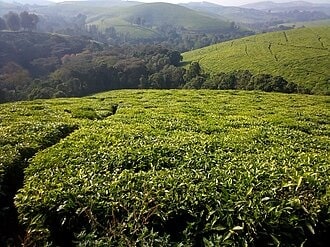
Kigwena Nature Reserve Tours 2027: Cost and Best Time
Discover Kigwena Nature Reserve Tours 2027: Cost and Best Time - Expert guide to safari tourism and wildlife destinations.
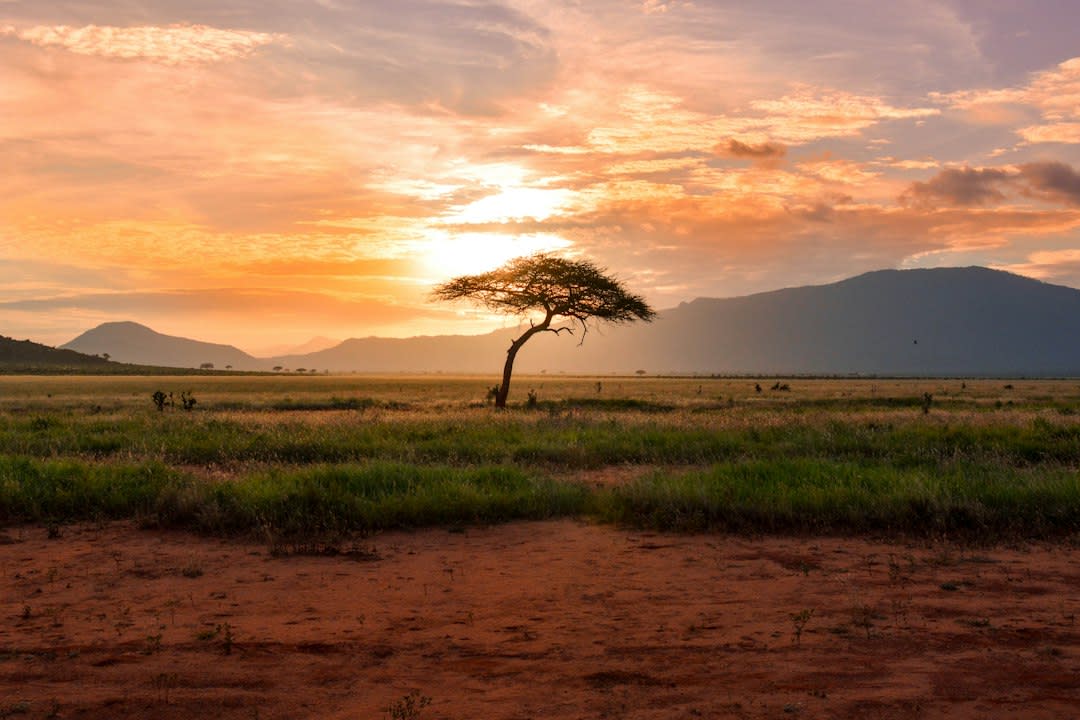
Kigwena Nature Reserve Tours 2027: Cost and Best Time
Last updated: November 2026
A reserve of about 3,000 hectares sits beside Burundi's National Route No. 3, giving travelers a low-cost forest trip near Rumonge.
Kigwena Nature Reserve Tours 2027: Cost and Best Time planning centers on a daily budget of about US$28 to US$74. The best time is June to August or December to February, when drier weather supports forest walks and wildlife viewing. Use a dated quotation to confirm entry fees, guides, transport, and accommodation.
At a glance
- Cost: About US$28 to US$74 per visitor per day
- Best time: June to August and December to February
- Guide and entry: About US$5 to US$15 per day, paid in cash
- Accommodation: About US$10 to US$30 per night in Rumonge during high season
- Location: Rumonge Commune, beside National Route No. 3
- Wildlife: Baboons and other monkey species
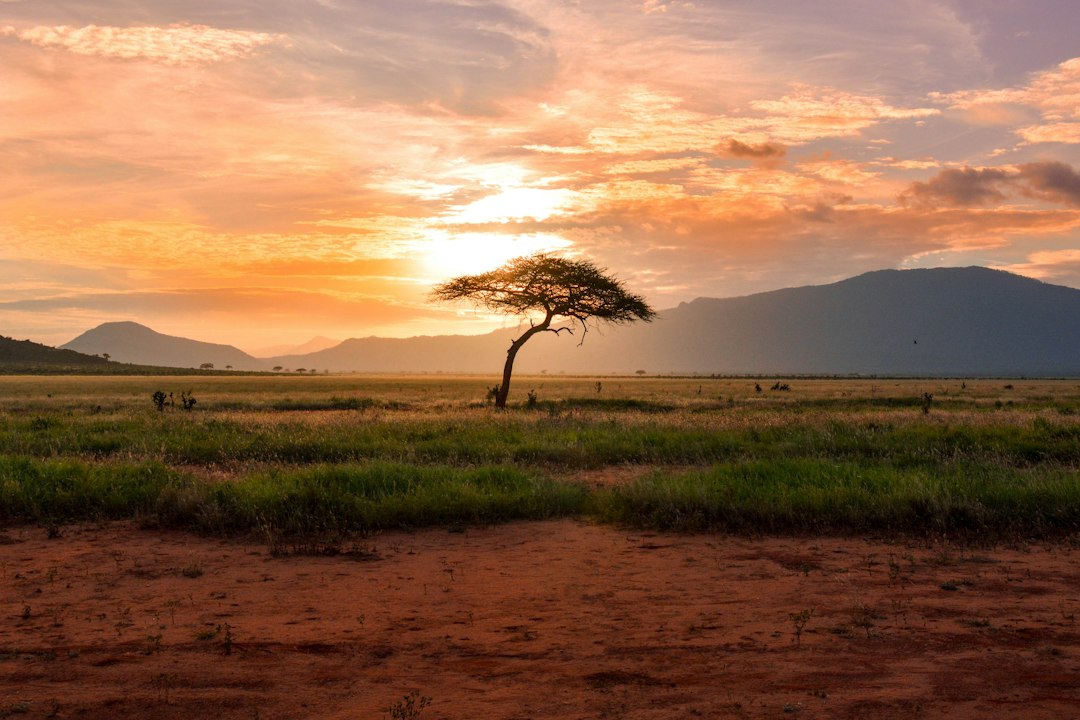
Introduction to Kigwena Nature Reserve Tours 2027
Kigwena Nature Reserve Tours 2027: Cost and Best Time planning is easiest when you treat the reserve as a simple forest day trip. Kigwena Natural Forest Reserve lies in Rumonge Commune along Burundi's National Route No. 3. It covers about 3,000 hectares and offers a chance to walk through forest habitat near Lake Tanganyika.
Kigwena Nature Reserve is a good choice for travelers who want a quiet Burundi safari stop. It is less about long game drives and more about a local guide, forest paths, monkeys, and time outdoors. Baboons and other monkey species are among the wildlife reported in the reserve.
Quick answer: A Kigwena visit costs about US$28 to US$74 per person per day when entry, a local guide, lodging, food, transport, and small expenses are included. June to August and December to February are the best planning windows. Confirm fees and access conditions before departure.
Prices in this guide use information available in November 2026 for travel in 2027. A tour operator may bundle transport, meals, guiding, and lodging into one quote. That package price can differ from the simple daily visitor budget.
SafariFind connects travelers with verified tour operators and authentic traveler reviews. You can compare Burundi itineraries before choosing between a Kigwena day trip, a wider Rumonge route, or a longer national park tour.
What is Kigwena Nature Reserve known for?
Kigwena Nature Reserve is a 3,000-hectare forest reserve in Rumonge Commune, Burundi. Its location beside National Route No. 3 makes it practical for a road itinerary. The reserve is known for forest walks and reported sightings of baboons and other monkey species.
Overview
Kigwena Natural Forest Reserve gives visitors a close look at a protected forest area rather than a classic savanna safari. The setting suits travelers who enjoy walking, bird sounds, tree cover, and short wildlife searches. Your guide remains important because local knowledge helps you read tracks and find active areas.
National Route No. 3 places Kigwena within a wider southern Burundi travel plan. Visitors can combine the reserve with Rumonge, Lake Tanganyika, and nearby cultural or nature stops. The route also makes a one-day visit more realistic than a long stay inside the forest.
Key features
- Forest habitat: Kigwena covers approximately 3,000 hectares.
- Wildlife: Reported animals include baboons and other monkey species.
- Access: The reserve sits along National Route No. 3 in Rumonge Commune.
- Tour style: A local guide leads a forest visit, often with walking as the main activity.
- Trip length: Most travelers can plan Kigwena as a day visit within a larger Burundi route.
Why it matters to a Burundi itinerary
Kigwena matters because protected areas need visitors who spend money locally and respect forest rules. A guide fee can support local work, while lodging and meals in Rumonge spread visitor income beyond the reserve entrance. Protected-area tourism also helps travelers understand why forest habitat needs care.
The reserve will not suit every safari goal. If you want large herds, open plains, or repeated predator sightings, Kigwena is the wrong match. If you want a small forest reserve with a local guide and a modest budget, it fits well.
Compare Kigwena and Burundi safari packages for 2027 to match forest walks with transport, lodging, and other nature stops.
How much do Kigwena Nature Reserve tours cost in 2027?
Kigwena Nature Reserve tours cost about US$28 to US$74 per person per day in 2027 when common visitor expenses are combined. The total includes entry, accommodation, local transport, food, and small extra costs. A dated quote remains the safest way to confirm the final amount.
Typical price range
A budget visitor should plan around the lower end of the range. A traveler using better lodging, private transport, or extra services should plan closer to the upper end. These figures describe daily spending, not a fixed published package rate.
| Expense | Reported 2027 planning amount | What it covers |
|---|---|---|
| Entry and local guide | US$5 to US$15 per day | Reserve access and a local guide, usually paid in cash |
| Rumonge accommodation | US$10 to US$30 per night | Room costs during high season |
| Total daily visitor budget | US$28 to US$74 per person | Entry, lodging, transport, food, and miscellaneous costs |
The guide and entry estimate is about US$5 to US$15 per day. Cash payment at the site is reported, so carry suitable local currency or confirm accepted payment before leaving. Reserve fees can change, and a guide published on 1 November 2026 advises visitors to confirm them on arrival.
What changes the final tour price?
- Transport: A private vehicle costs more than joining a route already traveling through Rumonge.
- Room choice: Rumonge lodging is reported at about US$10 to US$30 per night in high season.
- Guide needs: A longer walk or private guiding arrangement may change the quote.
- Food: Meals and drinks add to the daily amount.
- Extra stops: A Lake Tanganyika visit or another nature site raises the total itinerary cost.
SafariFind lets you compare tour operators, package inclusions, and traveler reviews in one place. Request a quote from verified Burundi safari operators when you need transport and lodging included.
When is the best time to visit Kigwena?
The best time to visit Kigwena is June to August or December to February. These dry-season windows usually offer more pleasant travel weather and better conditions for forest walks and wildlife viewing. Local weather can change, so confirm road and reserve conditions near your travel date.
June to August
June through August is one of the strongest windows for Kigwena Nature Reserve tours. Drier weather can make walking more comfortable and reduce the chance of heavy rain interrupting a short visit. This period also works well for travelers building a southern Burundi road trip.
High-season accommodation rates may affect your budget. Rumonge rooms are reported at about US$10 to US$30 per night during high season. Book the room and transport together if you want one clear price for the day.
December to February
December through February is the second suggested dry-season window. It gives travelers another chance to plan forest walks during a generally easier travel period. Holiday demand can affect availability, so early planning is sensible for 2027 trips.
The two dry seasons are planning guides, not guarantees. Rain, road conditions, and local access can change. Ask for current information when you request a quote, especially if your visit includes a longer walk or several rural stops.
When should you avoid fixed plans?
A fixed schedule becomes risky when it leaves no time for weather changes. Build a little flexibility into your Burundi itinerary. That matters even more when you connect Kigwena with Lake Tanganyika activities or distant reserves.
Kigwena is best for travelers who value a calm nature stop. It is less suitable for visitors who expect a large safari camp, a fixed wildlife checklist, or daily game drives. Set that expectation before booking, and the reserve becomes easier to enjoy.
How do you plan a Kigwena Nature Reserve tour?
Start a Kigwena tour by choosing your travel month, route, transport, and guide plan. Then confirm the reserve fee, cash needs, lodging, and road conditions in a dated quotation. This simple order prevents small costs from becoming last-minute problems.
Getting started
- Choose a season: Select June to August or December to February for a drier travel window.
- Set a budget: Use US$28 to US$74 per person per day as a starting estimate.
- Plan the route: Place Kigwena on a Rumonge road itinerary along National Route No. 3.
- Arrange a guide: Confirm whether the entry estimate includes local guiding.
- Reserve lodging: Use the US$10 to US$30 Rumonge high-season range for early planning.
- Carry cash: The reported entry and guide payment is cash at the site.
- Confirm close to travel: Ask about current fees, access, weather, and road conditions.
What should you pack?
- Comfortable walking shoes with firm grip
- Light clothing that covers shoulders and legs
- Rain protection, even during a dry-season visit
- Water and simple snacks for the walk
- Insect repellent and sunscreen
- Cash for entry, guiding, food, and small purchases
- A phone or camera with spare power
Safety and local planning
Travelers asking, "Is Burundi safe to travel to?" should check current government advice before booking. Conditions can change by region and by date. Use a trusted local operator, follow the guide's instructions, and avoid making remote travel plans without checking current access information.
The question "How safe is Burundi?" has no single answer for every route. Kigwena planning should focus on the exact road, reserve, town, and travel date. Your operator should explain transport arrangements and any local rules before departure.
Do not treat online comments as a substitute for current advice. Ask clear questions about pickup, lodging, guide contact, emergency support, and payment. A written itinerary makes those details easier to check.
How to make the most of the visit
Arrive with time for a slow walk. Forest wildlife can stay hidden, and rushing through the reserve reduces your chance of seeing monkeys. Listen for movement, follow the guide's pace, and keep a respectful distance from animals.
Pairing Kigwena with another Burundi attraction can make transport more efficient. Travelers may compare it with a Lake Tanganyika route, the Lake Tanganyika snorkeling package guide, or a wider Burundi safari budget plan for 2027.
What other places can you add near Kigwena?
Kigwena works best as one stop in a southern Burundi itinerary. Travelers can add Lake Tanganyika activities, Rumonge-area nature sites, or a city transfer. The right choice depends on your available days, transport budget, and interest in forest, beach, or cultural stops.
Lake Tanganyika
Lake Tanganyika gives a Kigwena route a change of pace after a forest walk. Travelers can plan time near the water or compare snorkeling options before choosing a boat package. Keep transport time in the budget when adding lake activities.
Other nature stops
SafariFind's Burundi catalog also includes places such as Mugara Burundi Forest Reserve and Mount Twinyoni. These links help you compare the type of experience you want before building a multi-stop route.
Travelers interested in waterfalls can review Nyakai I Waterfalls. Visitors focused on beaches can consider Saga Beach. Each added stop changes the transport plan, so ask operators to show the full route.
Longer Burundi itineraries
A longer trip can include forest, lake, and national park experiences. SafariFind also lists planning information for a 7-day Kibira National Park itinerary. Kibira and Kigwena offer different forest settings, so compare travel time before choosing both.
Accommodation can shape the route as much as wildlife. The Kibira lodge guide can help travelers understand how lodging affects a longer Burundi safari budget.
Key takeaways
- Plan US$28 to US$74 per person per day for entry, lodging, transport, food, and small expenses.
- Visit between June and August or December and February for the best dry-season conditions.
- Carry cash for the reported US$5 to US$15 entry and local-guide cost.
- Use US$10 to US$30 per night as a high-season Rumonge accommodation guide.
- Confirm reserve fees, access, weather, and road conditions in a dated 2027 quotation.
Frequently asked questions
How much do Kigwena Nature Reserve tours cost in 2027?
Kigwena Nature Reserve tours cost about US$28 to US$74 per person per day in 2027. This planning amount includes entry, accommodation, local transport, food, and miscellaneous costs. Entry and local guiding alone are reported at about US$5 to US$15 per day.
What is the best time to visit Kigwena Nature Reserve?
The best time to visit Kigwena Nature Reserve is June to August or December to February. These dry-season windows usually offer easier conditions for forest walks and wildlife viewing. Confirm local weather and access shortly before travel because conditions can change.
Where is Kigwena Nature Reserve?
Kigwena Nature Reserve is in Rumonge Commune, Burundi, along National Route No. 3. The reserve covers approximately 3,000 hectares. Its road location makes it suitable for a day visit within a southern Burundi itinerary.
What animals can you see in Kigwena Nature Reserve?
Kigwena Nature Reserve is reported to contain baboons and other monkey species. The experience centers on forest walking and local guiding rather than open-country game drives. Wildlife sightings are never guaranteed, so allow time for a slow search.
Is Burundi safe to travel to for a Kigwena tour?
Check current government travel advice before visiting Burundi because conditions can change by region and date. Use a verified local operator, confirm the route, follow guide instructions, and ask about current access and transport arrangements before departure.
How should I book Kigwena Nature Reserve tours?
Book through SafariFind to compare verified tour operators, package prices, and authentic traveler reviews. Ask for a dated quotation that lists transport, guide fees, lodging, meals, reserve access, and payment terms for your 2027 travel dates.
Conclusion
Kigwena Nature Reserve tours in 2027 are a practical choice for travelers who want a forest visit near Rumonge. Plan about US$28 to US$74 per person per day, with entry and guiding often estimated at US$5 to US$15. June to August and December to February offer the best starting windows.
The reserve is small enough to add to a wider Burundi route, yet large enough to give a real forest experience. Expect baboons, other monkey species, walking, and local guiding. Do not expect a savanna game-drive program.
Confirm fees, lodging, transport, and road conditions close to departure. Compare verified safari packages on SafariFind, read authentic reviews, and request a quote that fits your 2027 dates. Careful planning in 2026 will give you a clearer trip and fewer surprises in 2027.
Plan Your Safari with SafariFind
These recommendations use real data from SafariFind, where you can compare operators, browse packages, and read verified traveler reviews before you book.
Recommended Safari Packages from SafariFind
What Travelers Say (SafariFind Reviews)
References
 Ask Tembo about this guide
Sources
Related to
Ready to start your safari adventure?
Explore curated safari packages and find your perfect African adventure with verified operators.