Leopard Conservation in Botswana 2026: Status & Action
Leopards remain an important but poorly quantified part of Botswana's wildlife heritage. The species is globally Vulnerable, while Botswana's main conservation priorities are protecting habitat and prey, reducing livestock conflict, and maintaining reliable monitoring.

Quick answer: The African leopard (Panthera pardus) is listed as Vulnerable on the IUCN Red List and included in CITES Appendix I. Botswana banned sport hunting in 2014, but leopards still face human persecution, habitat fragmentation, prey depletion, illegal killing and livestock conflict. Botswana-specific national population figures are not provided in the available research, so the most responsible 2026 assessment is that leopard conservation depends on better monitoring, protected-area management and coexistence with rural communities.
Last reviewed July 2026. Conservation data changes — see the cited sources for the latest figures.
Why leopard conservation matters in Botswana
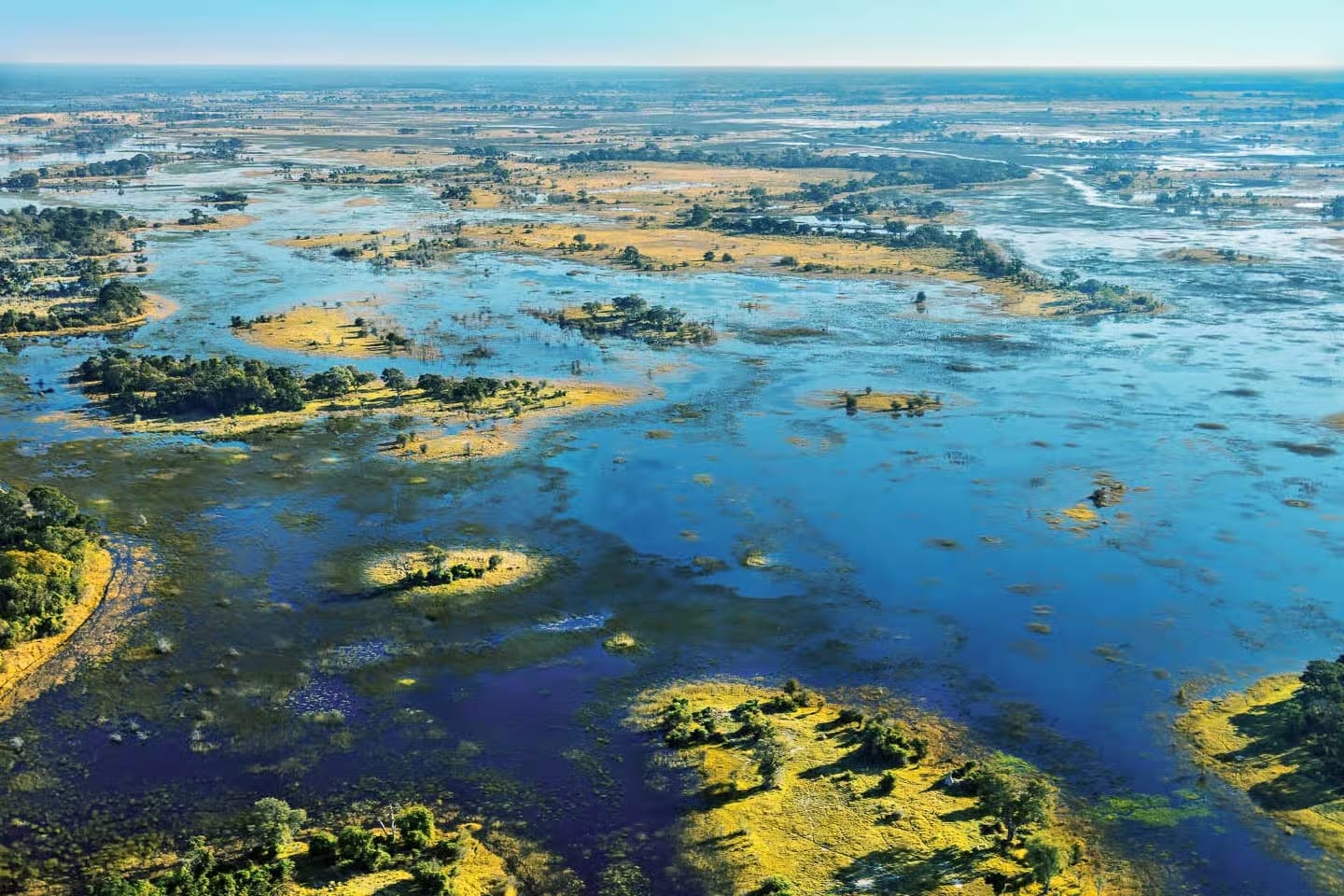
Botswana is one of Africa's best-known wildlife destinations, with leopard habitat extending across a mosaic of national parks, private concessions, community areas and livestock landscapes. Leopards are adaptable predators: they can use different habitats and prey species, but that flexibility does not make them immune to human pressure. The IUCN/SSC Cat Specialist Group identifies persecution, habitat loss and fragmentation, prey depletion, illegal wildlife trade, retaliatory killing and poorly managed trophy hunting as the species' principal threats.
For Botswana, the conservation question is therefore broader than whether visitors see a leopard beside a waterhole. A viable leopard population needs connected habitat, sufficient natural prey and tolerance from people living with carnivores. It also needs management decisions based on ecological boundaries and robust density estimates rather than assumptions drawn from sightings alone. The Cat Specialist Group specifically recommends stronger population surveys and monitoring to understand leopard status and assess the sustainability of any harvest.
Important landscapes for Botswana's wider carnivore conservation story include the Chobe region, Ngamiland and the Central District. Research on human–wildlife coexistence identifies Ngamiland and Central District as Botswana's highest-conflict areas, while northern regions near major protected areas such as Chobe are also highlighted as hotspots requiring stakeholder coordination. Travellers often ask which conservation organisations protect Botswana's wildlife; leopard work is frequently connected to broader programmes for large carnivores, livestock protection and habitat management rather than to one nationwide leopard-only project.
Leopard conservation status in Botswana in 2026
There is no scientifically supported Botswana-wide leopard population number in the supplied research. That absence is important: it would be misleading to publish a precise national total or claim a confirmed increase or decline without a documented survey covering the relevant range.
The available evidence supports three clear conclusions:
- The African leopard is globally classified as Vulnerable, and its overall population is described as decreasing or uncertain in conservation summaries.
- Leopard range has contracted substantially across Africa. One conservation factsheet reports a loss of 48–67% of the species' historic range since 1750, with Southern Africa experiencing an estimated 28–51% regional loss.
- Botswana has banned sport hunting since 2014, but a hunting ban alone does not resolve habitat loss, prey decline, illegal killing or conflict with livestock owners.
A separate estimate reports that 29% of the leopard's extant range in Botswana is protected. That figure describes the proportion of range under protection, not the proportion of Botswana covered by protected areas and not the percentage of leopards protected. Protected areas are essential, but leopards also move through unprotected and community-managed landscapes, where cooperation with livestock owners is particularly important.
The main threats to leopards in Botswana
Retaliatory killing after livestock losses
Livestock predation is one of the most direct ways that leopard conservation intersects with rural livelihoods. Cheetah Conservation Botswana's farmer surveys around New Xade identified lions, wild dogs, leopards, jackals and caracals as the five carnivore groups farmers regarded as major livestock threats. The organisation also reported that many farmers kraaled livestock at night, although stragglers could remain vulnerable.
National coexistence research states that elephants and leopards account for more than 80% of reported human–wildlife conflict incidents in Botswana. It identifies Ngamiland and Central District as the most significant conflict areas. These findings do not mean that every incident results in a leopard being killed, nor do they provide a leopard-specific national mortality total. They do show why rapid response, better livestock husbandry, fair reporting systems and locally credible prevention measures are conservation priorities.
Habitat loss and fragmentation
Leopards need access to cover, prey and dispersal routes. Roads, settlements, agricultural expansion and other forms of land-use change can divide habitat into smaller areas and increase encounters with people. The IUCN/SSC Cat Specialist Group lists habitat loss and fragmentation among the main anthropogenic causes of leopard population reduction.
Fragmentation is especially significant because a leopard's range does not stop at a park boundary. A protected-area strategy that ignores adjacent ranches, farms, community lands and wildlife corridors can leave animals exposed when they disperse or follow prey. The available research does not provide a Botswana-specific map of leopard corridors or a quantified annual habitat-loss rate, so conservation planning should avoid presenting unsupported national figures.
Prey depletion
Leopards depend on a functioning prey base. When wild prey becomes less abundant because of habitat change, competition, disease, hunting or other pressures, leopards may switch to livestock or move closer to settlements. Prey depletion is identified by the Cat Specialist Group as one of the principal threats to the species.
Maintaining prey is therefore a leopard measure as well as a general wildlife-management measure. Anti-poaching patrols, responsible land management and protection of productive habitat can benefit several carnivores at once. However, the research supplied does not quantify prey trends specifically for Botswana's leopard landscapes.
Illegal killing, trade and poorly managed hunting
Leopards are threatened by illegal wildlife trade and persecution, including killing in response to livestock losses. The species is listed in CITES Appendix I, which places international commercial trade in specimens under the strictest level of CITES regulation.
Botswana's 2014 sport-hunting ban removed legal sport hunting as a source of leopard offtake in the country, according to the Cat Specialist Group. That policy should not be confused with proof that the leopard population has recovered. The Cat Specialist Group warns that sustainable hunting, where it is permitted elsewhere, requires robust density estimates, thorough monitoring and quotas distributed according to ecological rather than merely administrative boundaries. Those principles also explain why Botswana needs dependable monitoring even under a ban: managers must know whether protection measures are working and where pressure remains highest.
Climate and environmental change
Climate-related pressure can compound competition for land and water, but the supplied sources do not provide a Botswana-specific estimate of climate-driven leopard population change. The coexistence research describes climate-related pressures as a factor that can intensify competition for space and resources in human–wildlife systems more broadly. In Botswana, the practical conservation response is to protect connected habitat, retain natural prey and include local communities in landscape planning, rather than attach an unsupported numerical climate impact to leopards.
What is being done to protect leopards
Protected areas and landscape-level management
Botswana's protected areas provide core habitat for wildlife, but leopard conservation must operate across a wider landscape. The most useful approach combines national parks and reserves with private concessions, community areas and livestock zones. This is particularly relevant around Chobe and in the northern and central conflict hotspots identified by coexistence research.
Effective landscape management should include habitat connectivity, prey protection, reliable reporting of livestock losses and coordination between government agencies, conservation organisations, safari operators and communities. The coexistence research emphasises that wildlife impacts are not uniform across Botswana and that strong engagement and coordination are needed in the areas experiencing the greatest conflict.
Research and monitoring
Leopard research in Botswana includes regional work on hunting quota systems and studies in places such as the Northern Tuli Game Reserve. The existence of regional studies does not amount to a complete national population assessment, but it demonstrates the value of site-level research.
Camera traps, individually recognisable coat patterns, spoor information and repeated surveys can help establish occupancy, density and trends when they are designed and analysed rigorously. The Cat Specialist Group recommends robust density estimates and thorough monitoring programmes, especially where management decisions could affect leopard survival. A key 2026 priority is therefore not simply collecting more photographs, but converting records into comparable long-term data.
Conflict reduction and farmer engagement
Cheetah Conservation Botswana has worked with farmers and committees to investigate predation risk and develop cost-efficient approaches intended to reduce livestock losses while improving cattle-post productivity. Its New Xade survey work was conducted with the chairperson of the New Xade Farmers Committee, illustrating the importance of local participation in conservation planning.
Measures such as night-time kraaling and preventing livestock from straying can reduce exposure to carnivores, but they must be practical for farmers and adapted to local conditions. Conservation organisations should also recognise the economic and emotional costs of livestock losses. Coexistence is more credible when communities have a meaningful role in decisions, reporting and evaluation.
Regional conservation partnerships
The Endangered Wildlife Trust's Carnivore Conservation Programme works on Africa's threatened large carnivores, including leopards, through collaborative action, research, education, technology and legislative support. Its broader work operates across several southern African countries, including Botswana. Such regional partnerships matter because wildlife populations and threats do not follow national borders.
The IUCN's African Wildlife Initiative has supported conservation organisations, protected and conserved areas, wildlife-protection patrols and sustainable livelihoods across Africa. Its published results cover a broad portfolio of species and landscapes rather than a Botswana-specific leopard project, so those programme-wide figures should not be presented as leopard outcomes in Botswana.
Community conservation and safari tourism
Safari tourism can contribute to leopard conservation when it creates durable value for protected areas, private concessions, community conservancies, guides, researchers and local businesses. The mechanism is not automatic: visitors' spending must be connected to effective management, fair local benefits and transparent conservation priorities.
Tourism can support the salaries and equipment of field staff, habitat management, monitoring, education and community partnerships, but the available research does not provide a Botswana-specific figure for tourism revenue allocated to leopards. Readers interested in the wider funding model can consult how safari tourism funds conservation in Botswana.
For travellers, leopard sightings are best treated as a privilege rather than a guarantee. Responsible guides keep a respectful distance, avoid crowding an animal, do not pressure drivers to leave established tracks and never encourage baiting or other behaviour that changes a leopard's natural routine. Choosing operators that explain their conservation partnerships and community commitments is more meaningful than selecting a trip solely because it advertises frequent sightings.
Travellers can book conservation-supporting safaris on SafariFind, while comparing the operator's actual practices, concession arrangements and stated community benefits. Safari prices vary widely by accommodation and season; visitors researching how much a safari in Botswana costs should also ask what is included in the price and whether conservation or community levies are identified transparently.
Results and setbacks: what the evidence shows
The clearest policy result is Botswana's 2014 sport-hunting ban, which removed sport hunting from the country's leopard-management framework. There is also evidence of practical engagement with farmers, including surveys around New Xade and efforts to identify ways of reducing predation risk.
At the same time, the available research does not demonstrate a Botswana-wide leopard population recovery, does not provide a current national population estimate and does not quantify the number of leopards killed annually in conflict or illegal activity. Those are major evidence gaps, not proof that conservation has failed.
The wider conservation picture remains difficult. Across Africa, leopard range has contracted substantially, and the species continues to face habitat loss, persecution, prey depletion, illegal trade and poorly managed offtake. Botswana's ban and protected areas provide important safeguards, but long-term success will depend on whether leopards can persist beyond park boundaries and whether monitoring can detect changes early enough to guide action.
How travellers can help responsibly
- Choose safari operators that identify their conservation partners, community benefits and wildlife-viewing code of conduct.
- Support guides who prioritise animal welfare over close photographs or prolonged sightings.
- Do not request baiting, feeding, chasing or blocking a leopard's route.
- Respect park rules and report suspected illegal wildlife activity through the official channels provided by the operator or protected area.
- Support conservation organisations working on carnivores, farmer engagement, habitat protection and monitoring rather than funding unverified "leopard experiences".
- Share accurate information: Botswana has no supported national leopard population figure in the research reviewed for this article, so avoid repeating speculative counts.
Leopard conservation in Botswana is ultimately a coexistence challenge. Protecting core wildlife areas matters, but so do prey, connected landscapes, evidence-based monitoring and the people who live alongside carnivores. A credible 2026 strategy should measure progress honestly, recognise the value of Botswana's hunting ban and protected areas, and address the continuing risks outside them.
 Ask Tembo about this guide
Frequently Asked Questions
What is the conservation status of leopards in Botswana in 2026?
Botswana's leopard population does not have a supported national estimate in the available research. The African leopard is globally classified as Vulnerable, and its main threats include persecution, habitat fragmentation, prey depletion, illegal killing and poorly managed hunting.
Are leopards endangered in Botswana?
The African leopard is classified globally as Vulnerable rather than Endangered. Botswana-specific status cannot be assessed precisely without a current national population survey, but leopards remain exposed to conflict, habitat change and prey depletion.
Is leopard hunting banned in Botswana?
Botswana banned sport hunting in 2014. That policy removed sport hunting as a source of leopard offtake in Botswana, but it does not eliminate illegal killing, retaliatory killing or other threats.
Where are leopards found in Botswana?
Leopards occur across suitable habitats associated with Botswana's protected areas and wider wildlife landscapes. The supplied research specifically identifies the Chobe region, Ngamiland and Central District in discussions of wildlife and human–wildlife conflict, but it does not provide a complete leopard distribution map.
What are the biggest threats to leopards in Botswana?
The main threats are human persecution, livestock conflict, habitat loss and fragmentation, declining wild prey, illegal wildlife trade and illegal killing. The IUCN/SSC Cat Specialist Group identifies these as major threats to leopards generally, while Botswana research highlights conflict hotspots in Ngamiland and Central District.
How does livestock conflict affect leopard conservation in Botswana?
Leopards can be viewed as livestock threats, creating pressure for retaliatory killing. Surveys around New Xade identified leopards among the five carnivores farmers considered major livestock threats, and many farmers reported kraaling livestock at night while noting that stragglers remained vulnerable.
Can safari tourism help protect leopards in Botswana?
Safari tourism can help when revenue supports protected-area management, monitoring, community benefits and responsible wildlife operations. The available research does not provide a Botswana-specific amount of tourism funding allocated to leopards, so travellers should ask operators how conservation and community contributions are used.
How can I help leopard conservation on a Botswana safari?
Choose operators with transparent conservation and community partnerships, follow guide instructions, avoid crowding or chasing leopards, reject baiting and feeding, and support credible organisations working on habitat, monitoring and human–wildlife coexistence.
Why is leopard monitoring important in Botswana?
Monitoring is needed because Botswana does not have a supported national leopard population estimate in the available research. The IUCN/SSC Cat Specialist Group recommends robust density estimates and thorough monitoring to guide sustainable management and detect population changes.
Does Botswana's leopard hunting ban mean the species has recovered?
No. The research confirms the 2014 sport-hunting ban but does not demonstrate a Botswana-wide leopard population recovery. Habitat loss, prey depletion, conflict and illegal killing can continue even when sport hunting is prohibited.
Sources
- Living Species - Leopard | IUCN Cat Specialist Group
- African leopard
- Human-Wildlife Coexistence in Botswana and Beyond
- African Leopard - Humane World for Animals
- News - Cheetah Conservation Botswana
- Endangered Wildlife Trust Integrated Report 2022-2023
- African Wildlife Initiative Rapid Action Grants 2019-2024
- The Ecology of Leopards (Panthera pardus) in the Northern Tuli Game Reserve, Botswana(official)
Related to
Ready to start your safari adventure?
Explore curated safari packages and find your perfect African adventure with verified operators.