Conservation Organisations Protecting Botswana's Wildlife 2026
Botswana's wildlife is protected by a coordinated network of government agencies, international NGOs, and community-based organisations. Over 40% of the country is designated for conservation, supported by partnerships that generated US$7.8 million in protected area revenue in the first year of reformed fee structures.

Conservation Organisations Protecting Botswana's Wildlife 2026
Quick Answer: Botswana protects wildlife through a multi-stakeholder model involving the Department of Wildlife and National Parks, international conservation organisations (African Parks, Conservation International, Wildlife Conservation Network), transboundary partnerships (KAZA TFCA), and community-based natural resource management programmes. This integrated approach has secured over 40% of Botswana's land for conservation and generated substantial reinvestable revenue from reformed park fees.
Why Botswana's Conservation Network Matters
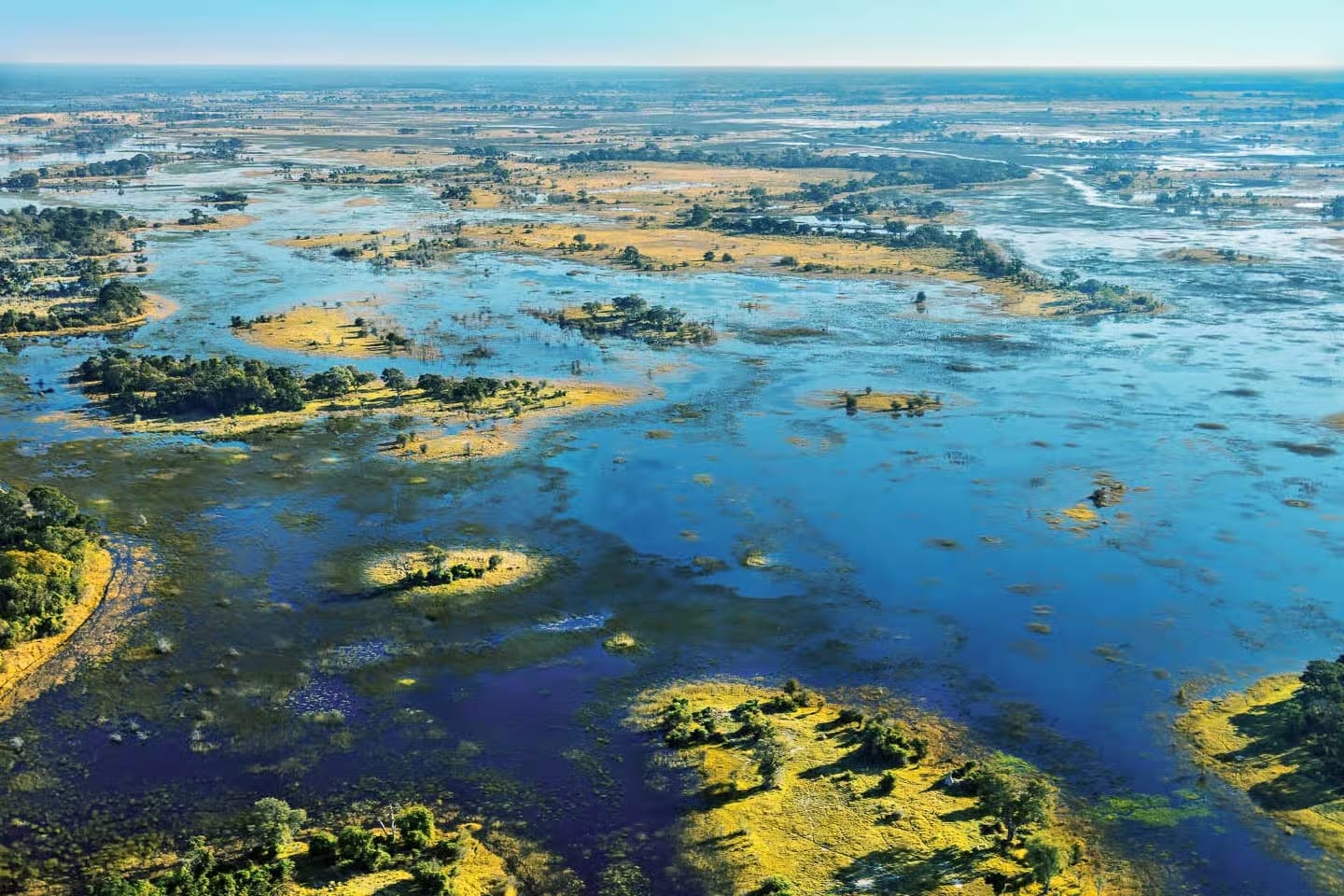
Botswana has established itself as a conservation leader in Africa, designating over 40% of its land surface area to national parks and game reserves. This commitment reflects a deliberate strategy: in situ conservation of iconic biodiversity alongside socio-economic benefits through high-value, low-volume tourism to places like the Okavango Delta and Chobe National Park.
However, conservation success depends on collaboration. Botswana's wildlife faces threats both inside and outside protected areas—from poaching, habitat fragmentation, human-wildlife conflict, and climate vulnerability. No single organisation can address these challenges alone. Instead, a sophisticated network of government bodies, international NGOs, research institutions, and community groups works together to monitor ecosystems, enforce protection, fund operations, and ensure local communities benefit from conservation.
This article examines the key organisations and partnerships driving Botswana's conservation efforts in 2026, their funding mechanisms, and the real-world impact on species and communities.
Government Leadership: Department of Wildlife and National Parks
The Department of Wildlife and National Parks (DWNP) is Botswana's primary government conservation agency, responsible for managing national parks, game reserves, and wildlife policy across the country. In 2026, the DWNP continues to be the backbone of protected area governance, supported by strategic partnerships with international bodies.
A critical 2026 achievement came through the BIOFIN (UNDP Biodiversity Finance Initiative) partnership. BIOFIN Botswana worked with the Government to revise protected area fee structures, increasing annual revenue from a projected US$1.8 million to US$7.8 million in the first year alone. These funds are reinvested directly into conservation infrastructure, ranger operations, and community support programmes—creating a sustainable financing model that reduces dependency on donor grants.
The DWNP also leads Botswana's participation in the Kavango Zambezi Transfrontier Conservation Area (KAZA TFCA), a Treaty-based initiative established on 18 August 2011 and signed by Angola, Botswana, Namibia, Zambia, and Zimbabwe. KAZA covers approximately 520,000 km², making it the largest terrestrial transfrontier conservation area in the world. This regional framework enables coordinated wildlife management across borders, intelligence-sharing on poaching networks, and joint anti-trafficking operations.
International Conservation Partnerships
African Parks: Protected Area Management & Anti-Poaching
African Parks is a critical partner in Botswana's conservation landscape. The organisation manages protected areas and delivers anti-poaching operations, ranger training, and technology deployment across multiple sites in the region. Their work includes:
- Intelligence-led anti-poaching patrols and law enforcement training
- Ranger recruitment, training, and community security initiatives
- Evidence management and support to judicial systems, resulting in increased wildlife crime convictions
- Technology deployment for wildlife monitoring and communication
- Regional collaboration with other security and conservation partners
African Parks receives substantial support from the Elephant Crisis Fund (ECF), a joint initiative of Save the Elephants and the Wildlife Conservation Network. Since 2015, the ECF has contributed more than US$7.6 million to African Parks, funding critical surveillance, intelligence-based protection, and human-elephant conflict mitigation for threatened elephant populations.
Conservation International & EarthRanger Technology
Conservation International partners with Botswana's DWNP and other regional governments to strengthen protected area management through advanced monitoring technology. In July 2022, a new project began deploying EarthRanger, a software platform that combines real-time data from ranger patrols, remote imaging, and sensors to improve conservation-related decision-making.
The EarthRanger project in Botswana is funded by a US$2.4 million GEF (Global Environment Facility) grant and US$4.8 million in co-financing, operating from July 2022 to March 2026. In Botswana, the technology is deployed in Chobe National Park, one of Africa's most biodiverse protected areas. The system helps park managers, ecologists, and rangers make informed decisions about wildlife protection, habitat monitoring, and community safety.
Wildlife Conservation Network & Species-Focused Initiatives
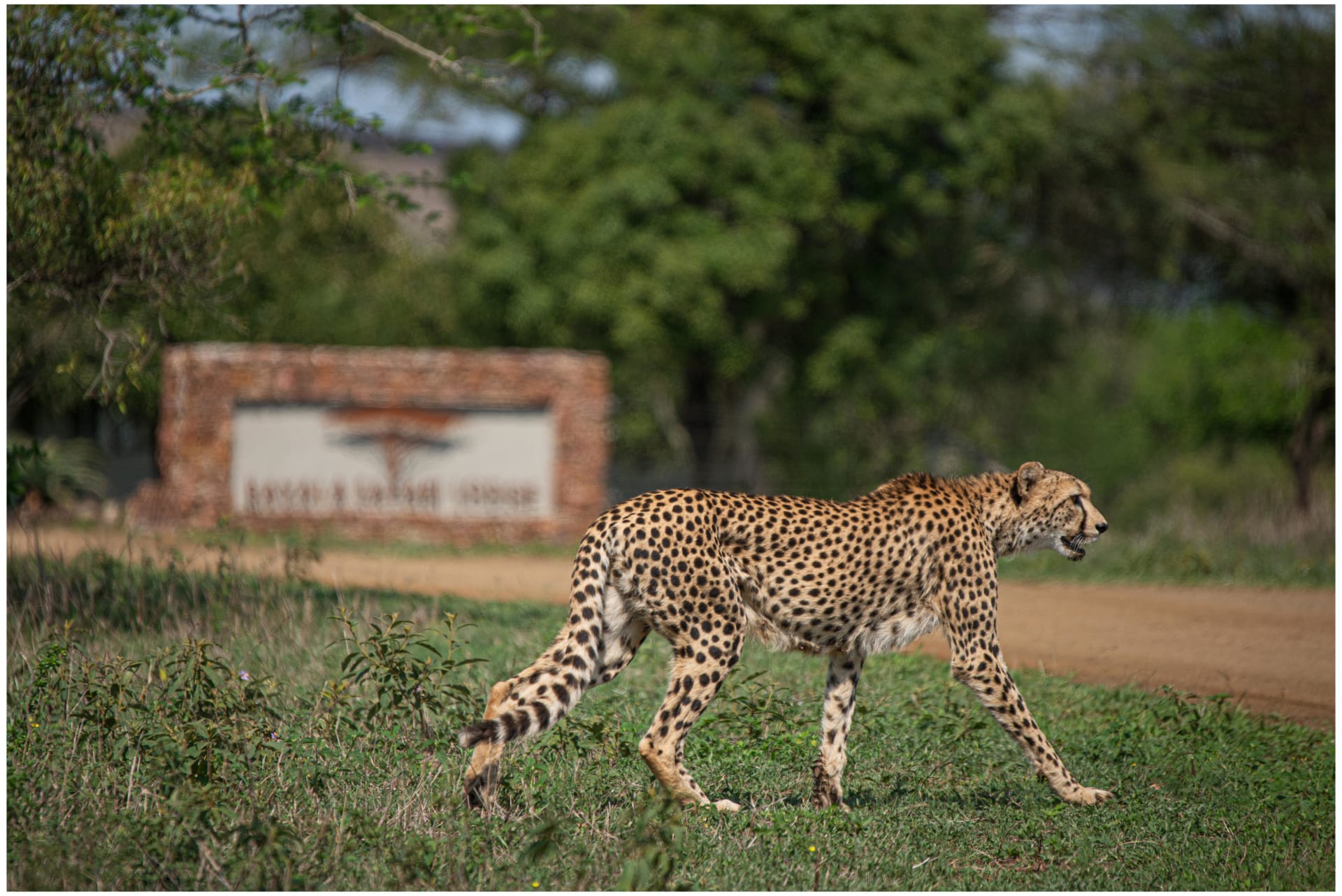
Wildlife Conservation Network (WCN) supports multiple species-focused programmes in Botswana. In 2024, WCN partnered with the Botswana Cheetah Conservation Fund (led by Dr. Laurie Marker) and Cheetah Conservation Botswana (led by Rebecca Klein), targeting research, community engagement, and habitat protection for one of Africa's most iconic predators.
WCN also invests in transboundary species protection. The Painted Dog Fund, supported by WCN, invested in projects across seven critical rangelands in Africa, including Botswana, targeting areas with no previous focused protections for painted dogs and forming the foundations of long-term, transformational initiatives for the species.
SCI Foundation: Leopard Research & Sustainable Hunting Data
The SCI (Safari Club International) Foundation has partnered with Botswana's Department of Wildlife since October 2022 to estimate leopard density and inform sustainable harvest levels. In 2020, SCI Foundation adopted the Dr. Ralph Cunningham leopard conservation strategy, recognising that leopard populations in southern Africa are among the world's most abundant and stable, but that improved large-scale abundance data is essential for ensuring sustainability.
This partnership reflects a broader reality in Botswana: wildlife management integrates scientific research with sustainable-use conservation. Botswana lifted its hunting ban in 2019 (after a 2014 moratorium) in response to demands from local communities for income and human-wildlife conflict mitigation. Data-driven harvest limits, generated through partnerships like this, help ensure that hunting revenue benefits conservation and communities without depleting wildlife stocks.
Transboundary & Regional Frameworks
KAZA TFCA: Coordinated Cross-Border Conservation
The Kavango Zambezi TFCA is more than an administrative boundary; it is a living conservation partnership. The agreement formalises cooperation on:
- Joint wildlife monitoring and disease surveillance protocols
- Coordinated anti-poaching and intelligence operations
- Sustainable natural resource management across multiple land uses (national parks, conservancies, wildlife management areas, agricultural zones, and human settlements)
- Community engagement and livelihood integration
In June 2026, the SADC TFCA Network held its annual meeting, reviewing progress and strengthening partnerships across southern African transboundary areas. The 2026 meeting, scheduled for November 10–12 at Kruger National Park in South Africa, emphasises ecosystem integrity, community engagement, and innovative financing mechanisms.
A recent practical output: in June 2026, Dr. Chris Foggin prepared a Protocol for Sampling Wildlife Diseases in KAZA TFCA, with USAID VukaNow funding. This field guide provides veterinarians and rangers with standardised techniques for wildlife disease surveillance, particularly for elephants, enabling early detection of zoonotic disease threats that could affect both wildlife and human health across borders.
UNESCO World Heritage Partnerships: Okavango Delta
The Okavango Delta is a UNESCO World Heritage Site, and its conservation is guided by the World Heritage Centre and a stakeholder-driven strategy. In recent years, conservation efforts have focused on addressing four major threats identified through stakeholder consultations with approximately 270 participants from civil society organisations:
- Veld fires
- Unsustainable harvesting of natural resources (terrestrial and aquatic)
- Habitat loss and destruction
- Water pollution
The COMPACT Site Strategy was developed to address these threats through small grants supporting clusters of community-based activities, ensuring that conservation accommodates traditional resource use, user access rights, cultural rights, and opportunities for local participation in the tourism sector.
Research & Academic Partnerships
Virginia Tech CARACAL Project
In February 2024, Virginia Tech (USA) formalised a major partnership with the Botswana government to strengthen wildlife conservation capacity and combat wildlife crime. Virginia Tech's CARACAL programme enables undergraduate and graduate students from the United States to work alongside Batswana students and community members in research and conservation activities, particularly in Chobe National Park.
The partnership includes a groundbreaking initiative: the construction of a wildlife forensic center in Botswana. This facility will support:
- Development of programmes to combat illegal wildlife trafficking
- Research on zoonotic disease reduction
- Investigation of critical conservation and security challenges affecting sub-Saharan Africa
President Mokgweetsi Masisi emphasised the strategic importance: "This collaborative effort is a desire for us to join forces to secure human health and counter natural and man-made threats to our citizens, natural assets, agricultural resources, and economies through strategic, complementary partnerships as well as evidence-based operations."
IUCN ESARO: Regional Capacity & Policy Influence
The IUCN (International Union for Conservation of Nature) Eastern and Southern Africa Regional Office (ESARO) plays a convening and capacity-building role across the region, including Botswana. IUCN's 2023 Annual Report highlights noteworthy achievements in:
- Strengthening protected areas management
- Significant advancements in anti-poaching measures
- Collaborative initiatives that bolster conservation capacity
- Habitat restoration that enhances biodiversity and supports local livelihoods through sustainable practices
IUCN ESARO's work directly benefited approximately 225,000 women, 112,500 men, and 12,500 people in vulnerable and marginalised situations across the region, working through 10 partner organisations (5 women's organisations and 5 conservation organisations).
Community-Based Natural Resource Management (CBNRM)
Botswana pioneered Community-Based Natural Resource Management (CBNRM) in the 1990s, establishing a model now recognised globally. The approach transfers resource management responsibilities to local communities, enabling them to benefit directly from wildlife through sustainable harvesting, tourism, and conservation payments.
Key institutional support includes:
- Community Conservation Fund (CCF): Established by the Government of Botswana as a significant commitment to CBNRM, providing finance for community projects, management planning, and marketing
- BOCOBONET (Botswana Community-Based Organisation Network): An advocacy and communication forum for community organisations involved in CBNRM, supporting knowledge-sharing and coordinated policy engagement
- Natural Selection Foundation: Since 2016, this conservation funder has supported or led nearly 160 conservation and community initiatives across Botswana, Namibia, South Africa, and Madagascar. In Botswana specifically, Natural Selection has partnered with 42 communities living alongside wildlife and 12 non-profit organisations, providing logistical support and contributing 1.5% of their total turnover to conservation
Natural Selection's model exemplifies best practice: "At the heart of every project lies a clear truth: lasting impact comes from strong, sustainable partnerships among tourism businesses, local communities, government, and our dedicated NGO partners."
Funding & Financial Mechanisms
BIOFIN Revenue Growth Model
As noted earlier, BIOFIN Botswana's fee reform is a quantifiable success. The total net financial gains from all implemented solutions (where quantification was possible) are projected as follows:
| Year | Projected Net Financial Gain (Pula) |
|---|---|
| 2020 | P37 million |
| 2022 | P63 million |
| 2026–2028 | P33–36 million (stabilised) |
| Cumulative (10 years) | P474 million (≈ US$45.2 million) |
These figures represent only three of eight quantifiable solutions; the actual gains are likely higher. Climate change funds have emerged as a significant additional revenue source.
International Donor & Foundation Support
Multiple international sources fund Botswana's conservation:
- GEF (Global Environment Facility): US$2.4 million grant for EarthRanger technology (with US$4.8 million co-financing)
- Elephant Crisis Fund: US$7.6+ million to African Parks since 2015
- USAID: Funds Forest Conservation Botswana, an US$8 million conservation project providing grants to NGOs for forest conservation. Also funds CARACAL and VukaNow initiatives,
- European Commission & European Union: Historical taxonomic surveys and ongoing protected area support,
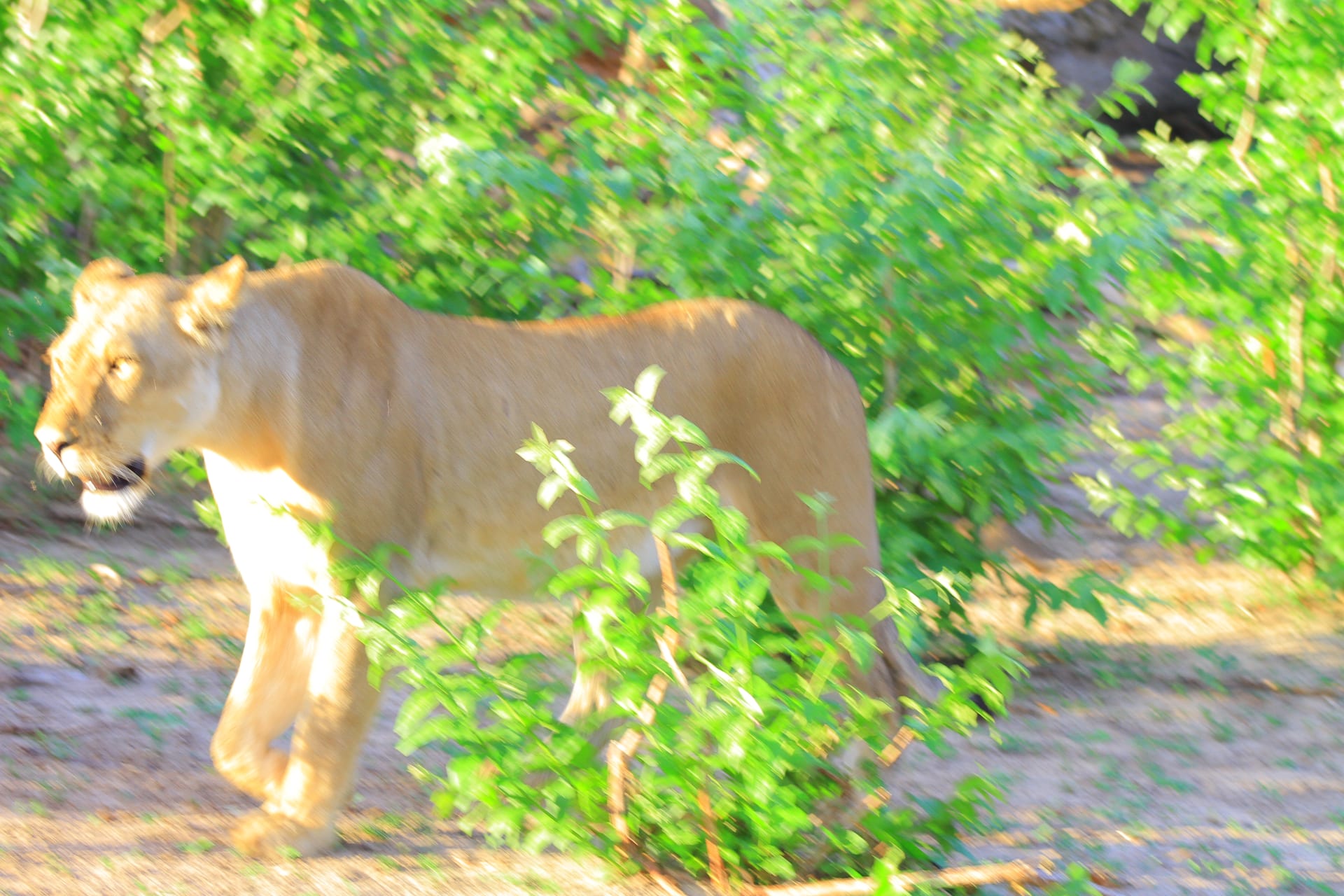
- Wildlife Conservation Fund & Lion Recovery Fund: Provided US$300,000 across 3 years to Kalahari Research and Conservation for habitat protection and human-lion conflict mitigation
- Chinese Embassy: In 2015, donated US$1.7 million worth of goods for wildlife protection and funded the relocation of 500 animals (400 wildebeest, 100 eland) into Central Kalahari Game Reserve
Specific Protected Areas & Conservation Successes
Chobe National Park: Megafauna & Technology Leadership
Chobe National Park is Botswana's flagship protected area, renowned for elephant and predator populations. The park is a focal point for multiple conservation initiatives:
- EarthRanger deployment: Real-time monitoring and ranger patrol data integration (GEF-funded, 2022–2026)
- Virginia Tech CARACAL research: Long-term studies on wildlife ecology and human-wildlife interactions
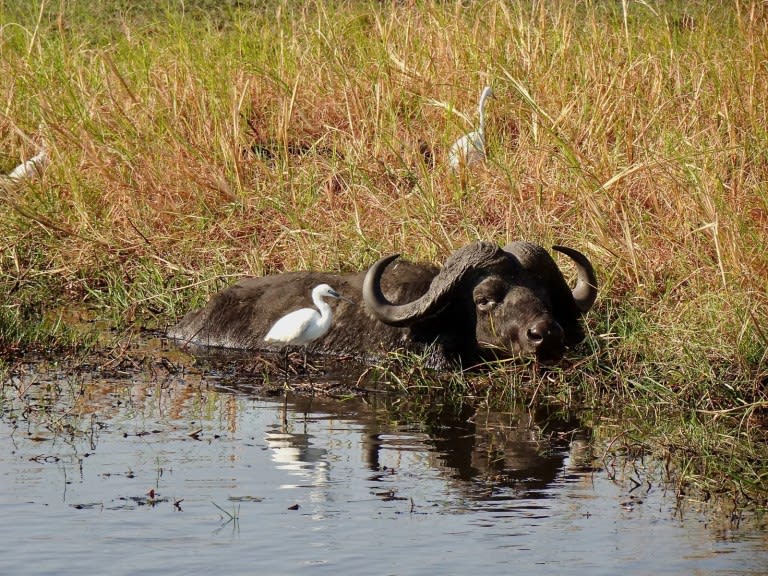
- Visitor observations: Virginia Tech visitors reported witnessing numerous African elephants, lions, leopards, and buffalo, demonstrating the park's conservation success
Central Kalahari Game Reserve: Painted Dogs & Community Integration
Central Kalahari Game Reserve is a focus area for painted dog conservation and community-based research. Key partnerships include:
- SAVE Wildlife Conservation Fund & Central Kalahari and Makgadikgadi Research Group (CKMRG): Created SAVE Botswana, a regional organisation dedicated to wildlife research, capacity development, and environmental education for children
- Kalahari Research and Conservation Botswana: Undertaking wildlife projects focused on wild dogs, lions, and wildebeest
- Wildlife translocation: In 2015, 500 animals (including 400 wildebeest and 100 eland) were relocated into the reserve, enhancing ecosystem recovery
Threats & Ongoing Challenges
Despite these achievements, Botswana's wildlife faces persistent threats:
- Poaching & Illegal Wildlife Trade: Requires continued intelligence-led operations and cross-border coordination through KAZA TFCA
- Habitat Loss & Fragmentation: Veterinary cordon fencing and land-use pressures continue to fragment ecosystems, particularly in the Okavango Panhandle
- Human-Wildlife Conflict: As noted in UNESCO's Okavango assessment, unsustainable resource harvesting and habitat destruction drive conflict between communities and wildlife. Human-wildlife conflict mitigation remains a priority for organisations like the Lion Recovery Fund and SCI Foundation
- Climate Vulnerability: The UN Cooperation Framework for Botswana (2022–2026) identifies climate change as a core challenge, requiring integrated management of natural resources and food security
- Funding Fragmentation: While progress is evident, some communities receive strong NGO support while others struggle with limited resources, highlighting the need for persistent, high-quality facilitation
Cultural Frameworks & Modern Conservation
In May 2026, researchers Otshabile Bahetoleng and Amanda Stronza published "Botho: A Cultural Framework for Resilient Human–Wildlife Coexistence in Botswana". This work explores how traditional Setswana values of botho (humaneness, community, and dignity) can inform modern conservation practice, ensuring that wildlife protection is grounded in local culture and not imposed externally.
This framework represents a maturation of Botswana's conservation approach: moving beyond purely technical interventions toward conservation that respects and integrates community values and knowledge systems.
How Travellers Support Conservation
Visitors to Botswana directly fund conservation through tourism revenue. When you book a safari in Botswana:
- Park fees are reinvested into ranger operations, anti-poaching, and infrastructure (thanks to BIOFIN's revenue reforms, these fees now generate US$7.8 million annually)
- Lodge conservation levies support community projects and NGO partnerships (e.g., Natural Selection's 1.5% turnover contribution)
- Employment is created for local guides, rangers, lodge staff, and researchers, incentivising community support for wildlife protection
- Research funding flows to universities and organisations like Virginia Tech's CARACAL, strengthening long-term conservation science
When booking a safari in Botswana on SafariFind, you can choose lodges and operators that are transparent about their conservation contributions, ensuring your visit directly supports the organisations and communities protecting Botswana's wildlife.
Before travelling, ensure you have the appropriate vaccinations and health preparations for Botswana, and check visa requirements for your nationality.
The Road Ahead: 2026 & Beyond
Botswana's conservation model is not without flaws, but it demonstrates that sustainable wildlife protection requires:
- Diversified funding: Government revenue, international donors, private philanthropy, and tourism fees
- Transboundary cooperation: Regional frameworks like KAZA TFCA that transcend national borders
- Community partnership: CBNRM and local leadership, not top-down conservation
- Scientific rigour: Research institutions and data-driven management (EarthRanger, leopard surveys, disease protocols)
- Adaptive governance: Periodic policy reform (e.g., hunting ban lift, fee restructuring) based on evidence and stakeholder feedback
The UN Cooperation Framework for Botswana (2022–2026) sets ambitious targets: by 2026, Botswana should sustainably use and actively manage its diverse natural resources, improve food security, and effectively address climate change vulnerability. The conservation organisations and partnerships profiled here are the mechanisms through which these goals will be achieved.
Last reviewed July 2026. Conservation data changes — see the cited sources for the latest figures.
 Ask Tembo about this guide
Frequently Asked Questions
What is Botswana's conservation commitment in terms of protected land?
Botswana has designated over 40% of its land surface area to national parks and game reserves for in situ conservation. This includes iconic sites like the Okavango Delta and Chobe National Park, managed under a high-value, low-volume tourism model to balance wildlife protection with community livelihoods.
What is the KAZA TFCA and why does it matter for Botswana?
The Kavango Zambezi Transfrontier Conservation Area (KAZA TFCA) is a Treaty-based partnership among Angola, Botswana, Namibia, Zambia, and Zimbabwe, established in 2011. It covers approximately 520,000 km², making it the world's largest terrestrial transfrontier conservation area. It enables coordinated wildlife management, anti-poaching operations, and disease surveillance across borders.
How much revenue do protected area fees generate for Botswana's conservation?
Following BIOFIN's fee reform, annual revenue from protected areas increased from a projected US$1.8 million to US$7.8 million in the first year. Over 10 years, the total cumulative net financial gains from all implemented solutions are projected at approximately P474 million (US$45.2 million), which is reinvested into conservation infrastructure and community programmes.
What role does Virginia Tech play in Botswana's conservation?
Virginia Tech's CARACAL programme partners with the Botswana government and Department of Wildlife to enable U.S. and Batswana students to conduct research and conservation activities in protected areas like Chobe National Park. Virginia Tech is also constructing a wildlife forensic center in Botswana to combat illegal wildlife trafficking and research zoonotic diseases.
What is EarthRanger and how is it used in Botswana?
EarthRanger is a real-time monitoring software platform that combines ranger patrol data, remote imaging, and sensors to improve wildlife protection decisions. Funded by a US$2.4 million GEF grant, it is deployed in Chobe National Park (July 2022–March 2026) to enhance anti-poaching effectiveness and ecosystem monitoring.
What organisations are leading conservation in Botswana?
Key organisations include the Department of Wildlife and National Parks (government), African Parks (protected area management and anti-poaching), Conservation International (technology and monitoring), Wildlife Conservation Network (species-focused programmes), IUCN ESARO (regional capacity-building), and community-based natural resource management groups. These work together through formal partnerships and the KAZA TFCA framework.
What is CBNRM and how does it work in Botswana?
Community-Based Natural Resource Management (CBNRM) transfers resource management responsibilities to local communities, enabling them to benefit directly from wildlife through sustainable harvesting, tourism, and conservation payments. Botswana pioneered this model in the 1990s, supported by institutions like the Community Conservation Fund and BOCOBONET (Botswana Community-Based Organisation Network).
How do international donors fund Botswana's conservation?
Major funding sources include the Global Environment Facility (GEF, US$2.4 million for EarthRanger), USAID (US$8 million for Forest Conservation Botswana), the Elephant Crisis Fund (US$7.6+ million to African Parks), the European Commission, and private foundations. These funds support anti-poaching, research, technology, and community initiatives.
What are the main threats to Botswana's wildlife in 2026?
Key threats include poaching and illegal wildlife trade, habitat loss and fragmentation (especially from veterinary cordon fencing), human-wildlife conflict, and climate vulnerability. The Okavango Delta also faces unsustainable resource harvesting, veld fires, and water pollution. Conservation organisations address these through intelligence-led operations, habitat restoration, and community engagement.
How does tourism support conservation in Botswana?
Tourism generates revenue through park fees, lodge conservation levies, and employment for local guides and rangers. These funds are reinvested into anti-poaching operations, research, and community projects. By choosing conservation-supporting lodges when booking a safari, visitors directly fund the organisations protecting Botswana's wildlife.
What is the Elephant Crisis Fund and how does it help Botswana?
The Elephant Crisis Fund is a joint initiative of Save the Elephants and the Wildlife Conservation Network that supports organisations working to secure a future for elephants in Africa. Since 2015, it has contributed more than US$7.6 million to African Parks, funding surveillance, intelligence-based protection, and human-elephant conflict mitigation in Botswana and the wider region.
What does the SCI Foundation's leopard project contribute to Botswana?
The Safari Club International Foundation has partnered with Botswana's Department of Wildlife since October 2022 to estimate leopard density and inform sustainable harvest levels. This research generates scientific data essential for ensuring that sustainable hunting, a source of community income and conflict mitigation, does not deplete leopard populations.
Sources
- Botswana | BIOFIN
- BIOFIN Botswana – Key Results & Finance Solutions
- TFCA Network – Repository
- World Heritage Centre – Engaging Local Communities in Conservation of Okavango Delta
- Conservation, Communities, and Covid-19 | PERC
- Significant Progress in Leopard Conservation Project – SCI Foundation
- Strategic Funding Partners | African Parks(official)
- New Project Deploys EarthRanger to Strengthen Protected Areas in Africa | GEF
- Forging the Global Land-Grant Mission – Virginia Tech News
- IUCN ESARO 2023 Annual Report
- 2024 Annual Report – Wildlife Conservation Network
- Community-Based Natural Resource Management in Botswana and Namibia
- About Us – Natural Selection Foundation
- Central Kalahari Game Reserve | Indigenous Rights and Protected Areas
- UN Cooperation Framework – Botswana 2022–2026
Related to
Ready to start your safari adventure?
Explore curated safari packages and find your perfect African adventure with verified operators.