Lion Conservation in Burundi (2026) — Status & Threats
Lions are extinct in Burundi as of 2026. Once native to the region, they vanished due to habitat loss, human-wildlife conflict, and armed instability. Learn what led to their disappearance and how regional conservation efforts aim to restore big cats across East Africa.
Quick Answer: Lions in Burundi Are Extinct
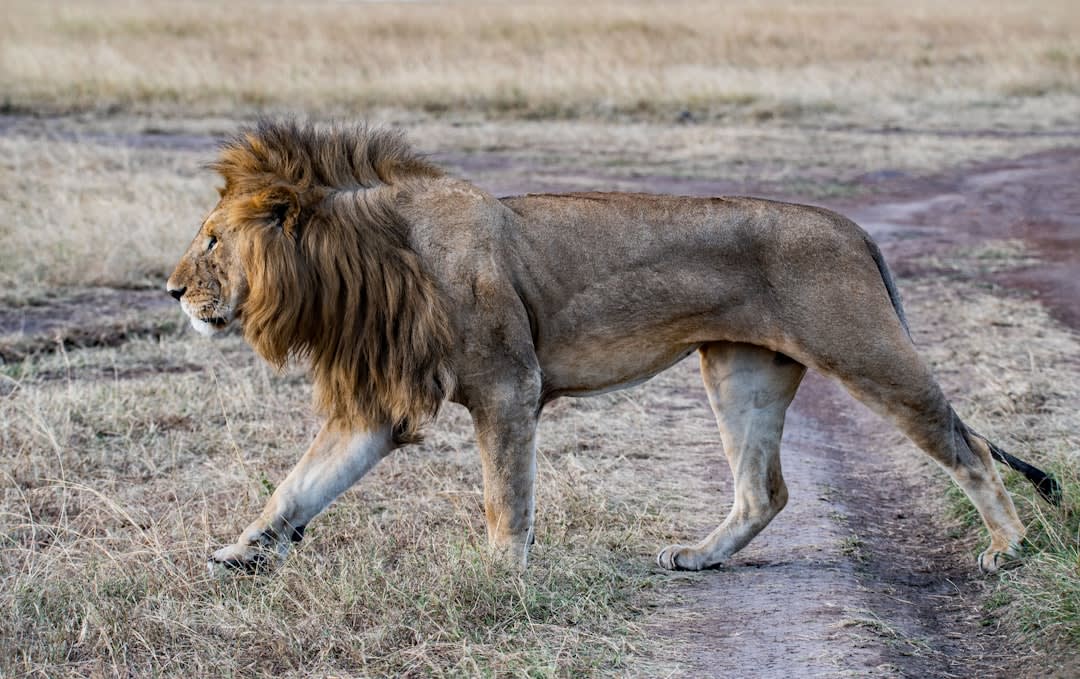
Lions are functionally extinct in Burundi as of 2026. The species has disappeared from the country due to a combination of habitat destruction, human-wildlife conflict, poaching, and decades of civil unrest. Unlike some African nations where lion populations are stabilizing or recovering, Burundi has lost all wild lions and currently hosts no active lion conservation programmes within its borders.
Background: Lions and Burundi's Conservation Crisis
Burundi, a densely populated East African nation with approximately 470 people per square kilometre, has experienced profound ecological decline over the past 50 years. Natural forests once covered 30–50 percent of the country's territory, providing habitat for large carnivores including lions. However, rapid population growth (3.3 percent annually over two decades), small-scale agriculture, and 87 percent rural settlement have systematically converted wildlife habitat into farmland and human settlements.
The disappearance of lions from Burundi reflects a broader continental catastrophe: African lion populations have declined by 43 percent since 2001. In just 50 years, the species plummeted from approximately 92,000 individuals across Africa in the 1970s to around 23,000 today, occupying just 8 percent of their historical range. Burundi's loss of lions is part of this larger pattern of range collapse across Central, West, and East Africa.
Lions are apex predators that play a pivotal ecological role by controlling herbivore populations and maintaining ecosystem balance. Their extinction from Burundi represents not only the loss of an iconic species but also a symptom of broader environmental degradation affecting the entire region.
Why Lions Disappeared from Burundi
Habitat Loss and Land-Use Change
The primary driver of lion extinction in Burundi is habitat destruction. With over 470 people per square kilometre—making Burundi the second most densely populated country in Africa—natural grasslands and open woodlands have been systematically converted to agriculture, settlements, and infrastructure. Lions require large, contiguous territories to hunt and breed; fragmented or cleared landscapes cannot support viable populations.
Human-Wildlife Conflict
Lions that preyed on livestock in pastoral and agricultural communities became targets for retaliatory killing. The human-wildlife conflict in Burundi intensified as agricultural expansion reduced wild prey availability, forcing lions to hunt domestic animals and triggering deadly responses from communities protecting their livelihoods.
Armed Conflict and Instability
Burundi experienced prolonged civil unrest and armed conflict, particularly from 1993 onwards, which severely disrupted conservation efforts and law enforcement. During periods of instability, wildlife protection becomes a low priority, and poaching escalates unchecked. The combination of civil strife, weak governance, and resource scarcity created conditions incompatible with large carnivore survival.
Poaching and Bushmeat Hunting
Snaring and poaching for bushmeat have depleted wild prey species across Burundi and the broader region. As plains game and ungulates disappeared, lions lost their primary food sources, making survival increasingly impossible. Snares set for other species also trap and kill lions incidentally.
Regional Context: The Broader East African Lion Crisis
Burundi's lion extinction must be understood within the context of severe decline across East and Central Africa. According to the IUCN Cat Specialist Group, lions are extinct or possibly extinct in 26 African nations, including Burundi, Chad, Congo, and many others. In countries where lions persist, populations are fragmented and under intense pressure.
The Greater Virunga Landscape, which spans the Democratic Republic of Congo and Uganda, represents one of the few remaining transboundary lion strongholds in Central Africa. Protected areas in Burundi's neighbouring countries such as Uganda's Queen Elizabeth National Park (QENP) support only 50 lions or fewer, demonstrating how precarious survival has become even in formally protected areas.
Conservation Status and Global Assessment
The IUCN Red List classifies lions globally as Vulnerable. However, this assessment masks the severity of regional extinctions: the African Lion Database and IUCN Cat Specialist Group document that lions have vanished entirely from Burundi and 25 other African nations. A 2025 synthesis of lion numbers confirmed Burundi among the 26 African countries where wild lions are extinct.
The loss of Burundi's lions is permanent without active reintroduction—a costly and logistically complex intervention that requires long-term political commitment, secure protected areas, and substantial funding. To date, only Rwanda and Malawi have attempted lion reintroductions, and these programmes maintain heavily managed, fenced populations rather than truly wild populations.
What Is Being Done: Regional and Continental Efforts
Transboundary Conservation in East Africa
Although Burundi itself has no active lion conservation programme, regional initiatives in neighbouring countries aim to stabilize and recover populations that could eventually benefit the broader East African ecosystem. The Rusizi National Park and other protected areas in Burundi focus on other species (elephants, rhinos, hippos) but represent infrastructure that could support future carnivore recovery.
In Uganda's Queen Elizabeth National Park, the Kyambura Lion Monitoring Project (KLMP), part of the Volcanoes Safaris Partnership Trust, conducts annual census work and daily monitoring of the remaining 50 lions. The Denver Zoo Conservation Alliance (DZCA) supports KLMP through funding and training of local Ugandan scientists in monitoring techniques. This transboundary work demonstrates how regional cooperation and international funding can stabilize populations—a model that could be scaled to include Burundi if political and security conditions improve.
International Lion Recovery Initiatives
Panthera, the global wild cat conservation organisation, operates four landscape-scale lion population recovery projects across Africa. In Zambia's Kafue National Park, four years of rigorous counter-poaching operations led by the Department of National Parks and Wildlife have stabilized lion numbers, showing that intensive protection works. In Senegal, Panthera and the Directorate of National Parks have doubled the population of Critically Endangered West African lions.
The IUCN Cat Specialist Group, coordinated through WildCRU (Oxford University's Wildlife Conservation Research Unit), leads the African Lion Database and regional conservation strategies. Dr Hans Bauer's team works across West, Central, and Horn of Africa on capacity building, policy dialogue, and community engagement. While Burundi is not currently a focus area, these continental frameworks provide templates for future intervention if conditions allow.
Ranger Training and Anti-Poaching
Across Africa, wildlife rangers are the frontline of carnivore protection. Tusk, a UK-based conservation organisation, has invested over £130 million since 1990 to support more than 250 local partner organisations and wildlife ranger units across 25 African countries, including East Africa. Ranger professionalization, equipment, and welfare are critical to effective anti-poaching work. Burundi's ranger capacity remains limited due to resource constraints and historical instability, but regional ranger networks could provide support for future recovery efforts.
Financing the Gap
A critical barrier to lion conservation in Burundi and across Africa is chronic underfunding. Protected areas with lions are expensive to manage, and conservation work is "largely underfunded and severely limits conservation management." In developing regions, conservation funding competes with infrastructure, education, and public health priorities. The Lion's Share Fund, a UNDP-managed mechanism, provides grants for community-based conservation action, but Burundi's participation in such initiatives remains minimal.
The Role of Tourism and Community Engagement
Although lions are extinct in Burundi, wildlife tourism—including safari packages to regional destinations—generates revenue that funds conservation across East Africa. Tourism provides economic incentives for communities to protect wildlife and creates employment that competes with poaching as a livelihood strategy.
Community-based conservation is recognised as essential to large carnivore recovery. When local communities receive direct benefits—through tourism revenue-sharing, employment, or compensation for livestock losses—they are more likely to tolerate predators and support protection efforts. The IUCN emphasises that "human-lion conflict can be minimised through appropriate livestock management measures which include mechanisms for compensating livestock losses."
Travellers booking conservation-supporting safaris through platforms like SafariFind help fund ranger salaries, anti-poaching operations, and community programmes across East Africa. Visiting protected areas in Uganda, Tanzania, or Kenya generates revenue that indirectly supports regional ecosystem recovery—work that benefits all species, including the apex predators that once roamed Burundi.
Honest Assessment: Setbacks and Remaining Challenges
The reality is sobering: there are no lions in Burundi, and recovery would require extraordinary political will and resources. Key obstacles include:
- Habitat scarcity: Burundi's extreme population density (470/km²) and agricultural dominance leave virtually no space for large carnivores.
- Governance and funding: Conservation is underfunded and competes with development priorities. Burundi's government capacity for wildlife management remains constrained.
- Regional instability: Ongoing security challenges in the broader region limit transboundary conservation initiatives.
- Knowledge gaps: "There is very little funding made available for crucial nationwide population surveys conducted to adequate standards." Burundi lacks baseline data on carnivore ecology and community attitudes toward reintroduction.
- Reintroduction complexity: Reintroduced populations in Rwanda and Malawi are heavily managed and fenced, not truly wild. Establishing a self-sustaining wild population in Burundi would require decades of work and millions in funding.
The IUCN and conservation community recommend that lion status be "closely monitored, with a reassessment after a minimum three-year period or as soon as new information emerges." For Burundi, this means tracking regional population trends and assessing whether habitat restoration or political stability could create conditions for future reintroduction—currently an unlikely scenario.
What Can Be Done Now: A Path Forward
While lions cannot return to Burundi in the near term, several actions could lay groundwork for long-term recovery:
- Habitat restoration: Protecting and expanding forest reserves like the Mugara Burundi Forest Reserve maintains ecological infrastructure and provides habitat for prey species.
- Transboundary cooperation: Strengthening links with conservation initiatives in Uganda, Tanzania, and the Democratic Republic of Congo ensures that regional lions are protected and monitored.
- Community engagement: Building local capacity and demonstrating conservation benefits through community conservancies creates political support for wildlife protection.
- Funding mobilisation: Accessing mechanisms like the Lion's Share Fund or bilateral conservation agreements could direct resources to Burundi-specific programmes.
- Research and baseline surveys: Conducting feasibility studies on lion reintroduction and prey species availability would inform long-term strategy.
How Travellers Can Help
Although Burundi currently lacks lions, conservation-minded travellers can support regional recovery:
- Book ethical safaris: Choose operators and lodges that invest profits in conservation, ranger training, and community programmes. SafariFind helps identify conservation-supporting safari packages across East Africa.
- Support transboundary areas: Visiting protected areas in neighbouring Uganda and Tanzania generates revenue that funds research and protection across the broader ecosystem.
- Donate to regional organisations: Groups like Panthera, the Endangered Wildlife Trust, and the Lion Recovery Fund conduct research and protection work across East Africa, including monitoring of populations near Burundi's borders.
- Advocate for policy: Support international agreements and funding mechanisms that prioritise carnivore conservation and habitat protection in developing regions.
- Learn and share: Understanding Burundi's conservation challenges helps travellers make informed decisions and communicate the importance of wildlife protection to others.
The Bigger Picture: Lion Conservation Across Africa
Burundi's loss of lions is emblematic of a continental crisis. The global lion population has declined 43 percent in two decades, with only 22,000–23,000 individuals remaining in the wild. However, the story is not uniformly bleak: in Zambia, Senegal, and parts of East Africa, intensive protection and community engagement have stabilized or grown populations. These successes demonstrate that recovery is possible—but only with sustained funding, political commitment, and community support.
For Burundi to host lions again, the nation would need to reverse decades of habitat loss, achieve political stability, and secure long-term conservation funding. In the current context, this remains aspirational. Yet conservation is a long game. As regional populations stabilize and transboundary initiatives strengthen, the possibility of restoring lions to Burundi—and to other nations from which they have vanished—may emerge in future decades.
Last reviewed August 2026. Conservation data changes — see the cited sources for the latest figures.
Frequently Asked Questions
Are there lions in Burundi?
No. Lions are extinct in Burundi as of 2026. The species has disappeared due to habitat loss, human-wildlife conflict, poaching, and decades of armed instability. Burundi is listed among 26 African nations where wild lions are no longer present.
When did lions disappear from Burundi?
The exact date of local extinction is not documented in available records, but lions have been absent from Burundi for decades. The disappearance reflects cumulative pressures from habitat destruction, civil conflict (particularly from 1993 onwards), and human-wildlife conflict that made survival impossible.
What caused lion extinction in Burundi?
Multiple factors drove lions to extinction: extreme habitat loss due to Burundi's high population density (470/km²) and agricultural expansion; retaliatory killing by communities protecting livestock; poaching and bushmeat hunting that depleted prey species; and armed conflict that disrupted conservation efforts and law enforcement.
Can lions be reintroduced to Burundi?
Reintroduction is theoretically possible but currently impractical. It would require secure protected areas, stable governance, substantial long-term funding, and community support. Only Rwanda and Malawi have attempted reintroductions, resulting in heavily managed, fenced populations. Burundi lacks the habitat and resources for a self-sustaining wild population at present.
What is the current status of lions across Africa?
African lion populations have declined 43 percent since 2001. Approximately 22,000–23,000 lions remain in the wild, occupying only 8 percent of their historical range. Lions are extinct in 26 African nations (including Burundi) and possibly extinct in 6 others. The IUCN classifies lions globally as Vulnerable.
Which organisations work on lion conservation in East Africa?
Key organisations include Panthera (four landscape-scale recovery projects across Africa), the IUCN Cat Specialist Group (African Lion Database and policy dialogue), WildCRU (Oxford University's research programmes in West, Central, and Horn of Africa), the Denver Zoo Conservation Alliance (supporting the Kyambura Lion Monitoring Project in Uganda), and Tusk (funding ranger units and community programmes across 25 African countries).
How do safari tourists help lion conservation?
Wildlife tourism generates revenue that funds ranger salaries, anti-poaching operations, and community programmes across protected areas in East Africa. When travellers book conservation-supporting safaris and lodge stays, a portion of fees often supports habitat protection, species monitoring, and community benefit-sharing—all essential to large carnivore survival.
What is the African Lion Database?
Established by the Endangered Wildlife Trust under the IUCN Cat Specialist Group with support from the Lion Recovery Fund and National Geographic, the African Lion Database continuously collects data on lion abundance and distribution across Africa. It promotes collaboration among stakeholders and informs conservation planning and policy decisions.
Are lions protected by international law?
Lions are listed as Vulnerable on the IUCN Red List. The Convention on the Conservation of Migratory Species of Wild Animals (CMS) monitors their conservation status. However, protection and enforcement vary by country. Some African nations permit trophy hunting; others have banned it. International agreements and the Lion's Share Fund (UNDP) provide mechanisms for funding conservation.
What is the Lion's Share Fund?
The Lion's Share Fund, managed by UNDP, allocates grants for wildlife and habitat conservation in middle and low-income countries. It supports community-based conservation action, emergency response to wildlife crises, and transformative partnerships. The fund recognises that effective conservation requires coordinated action among civil society, the private sector, and government.
How has Burundi's population growth affected wildlife?
Burundi has approximately 470 people per square kilometre (the second highest density in Africa) with annual population growth of 3.3 percent. This has driven conversion of natural forests and grasslands—once 30–50 percent of the country—into agricultural and residential land, eliminating habitat for large carnivores and their prey.
What is human-lion conflict and how is it addressed?
Human-lion conflict occurs when lions prey on livestock, prompting retaliatory killing by communities. The IUCN recommends mitigation through appropriate livestock management, problem animal control, and compensation mechanisms for livestock losses. Community engagement and benefit-sharing from conservation also reduce conflict by demonstrating wildlife's economic value.
V2Ui.sources
- Living Species - Lion | IUCN CatSG
- Living Species - Lion | IUCN CatSG — Conservation Actions
- Africa - Denver Zoo Conservation Alliance
- Four elderly lions get a second chance in New Zealand | IFAW
- Lion | Panthera
- Panthera's Lion Program — Goals & Successes
- Closing the gap — IUCN Conservation Financing
- The Lion's Share Fund — UNDP
- A 2025 Synthesis of Lion Numbers in Africa and Range States
- Burundi — World Bank Project Appraisal Document
- Lion conservation in West, Central and Horn of Africa | WildCRU
- Threats & Solutions — Tusk
- Conservation Status of the African Lion | CMS
- World Lion Day | World Animal Protection
- World Lion Day • Protecting the Pride of Africa | Sheldrick Wildlife Trust
Related to
Ready to start your safari adventure?
Explore curated safari packages and find your perfect African adventure with verified operators.