Lion Conservation in Tanzania 2026: Status & Efforts
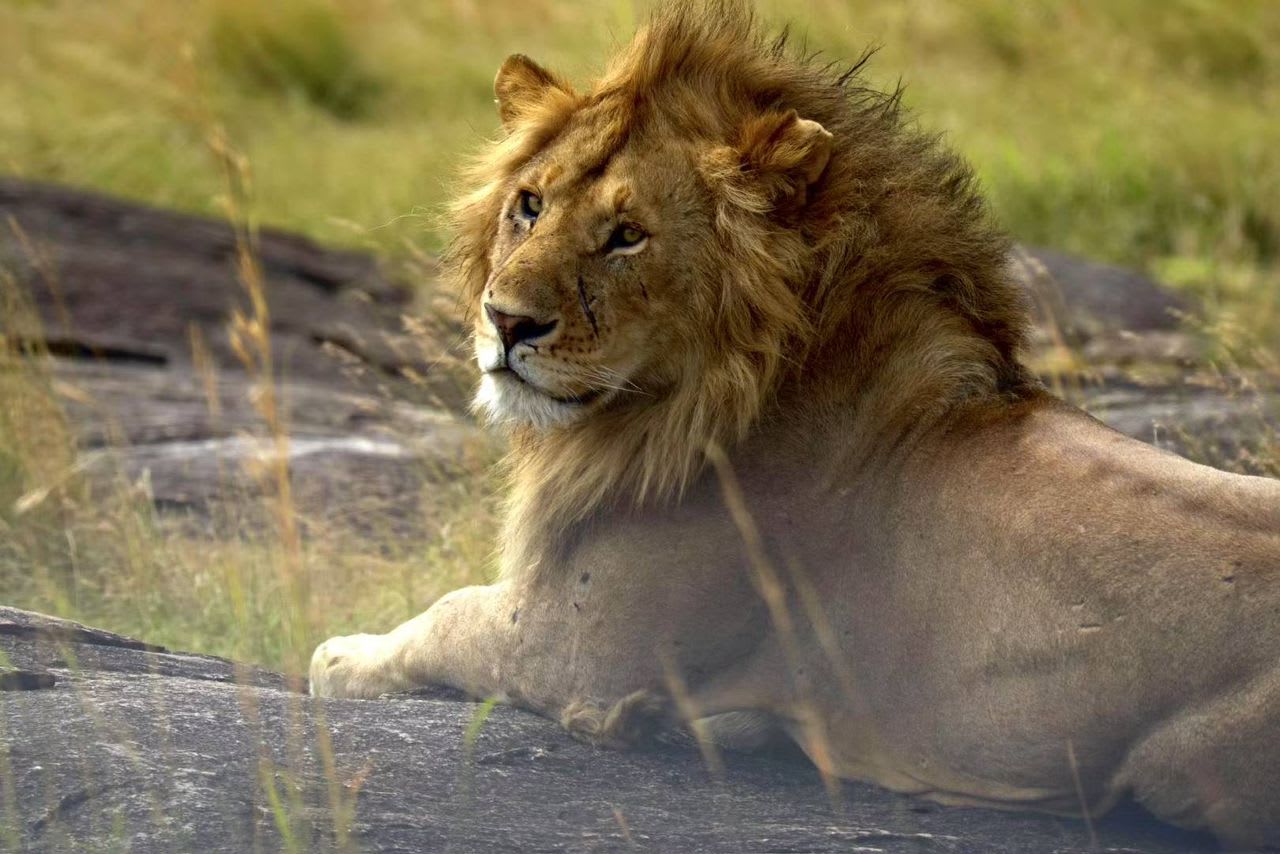
Tanzania harbours approximately 17,200 lions—the world's largest wild population—but faces mounting threats from habitat loss, human-wildlife conflict, and poaching. Strategic programmes by Lion Landscapes, WildAid, and government agencies are delivering measurable results.

Quick Answer: Tanzania's Lion Population Status in 2026
Tanzania is home to the world's largest remaining wild lion population, estimated at approximately 17,200 individuals , representing roughly 50% of sub-Saharan Africa's lions . Despite this critical stronghold status, lions face escalating threats from habitat fragmentation, retaliatory killings linked to livestock predation, and snaring. However, coordinated conservation programmes—including community-based coexistence initiatives, anti-poaching patrols, and livestock protection innovations—are beginning to stabilize and grow populations in key landscapes .
Why Tanzania Matters for Global Lion Conservation
Lions are keystone species: apex predators that regulate herbivore populations, control disease through selective predation on vulnerable individuals, and maintain ecosystem health across grasslands and woodlands . Tanzania's Rungwa-Ruaha landscape alone covers over 50,000 km² and supports one of the world's largest remaining lion populations —a testament to the country's vast protected wilderness areas and conservation infrastructure.
Historically, African lion populations plummeted from approximately 200,000 in the mid-1970s to fewer than 20,000 today , a 90% decline in just five decades. Tanzania's continued success in maintaining robust numbers offers both hope and essential lessons for conservation strategies across the continent. The species' future—and that of countless co-dependent wildlife and ecosystems—hinges largely on what happens in Tanzania.
Key Protected Areas Protecting Tanzania's Lions
Tanzania's lion populations are distributed across several critical protected areas:
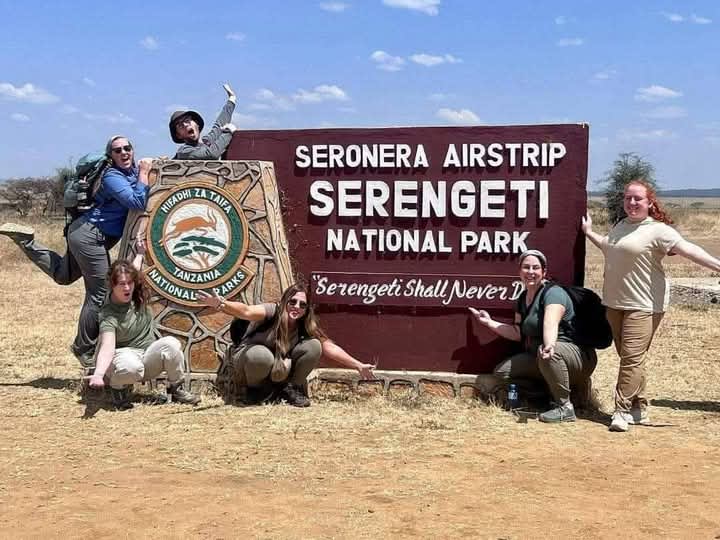
- Serengeti National Park: Contains one of Earth's largest lion populations and is threatened by snaring and human-wildlife conflict .
- Ruaha National Park: Located in southern Tanzania, covering over 20,000 km², and recognized as a key stronghold for lion conservation .
- Ngorongoro Conservation Area: Supports significant lion numbers and provides critical habitat for coexistence with pastoral communities .
- Selous Game Reserve / Nyerere National Park: One of Africa's largest protected areas with a significant but incompletely surveyed lion population .
- Katavi National Park: A focal landscape for population monitoring and density assessment .
These protected areas collectively represent millions of hectares of critical habitat, yet face budget constraints and management pressures that threaten their effectiveness.
The Threats Facing Tanzania's Lions in 2026
Habitat Loss and Fragmentation
Urban and agricultural expansion have eliminated vast swathes of lion habitat. Former territories have been fenced off or converted to human settlement, forcing lions into increasingly fragmented landscapes and closer contact with pastoral and agricultural communities . Climate change compounds this pressure, causing drought and unpredictable weather that destabilize both lion prey populations and human livelihoods, escalating conflict .
Retaliatory Killing and Human-Wildlife Conflict
When lions prey on livestock—a critical livelihood asset for Maasai, Wagogo, and Wahehe pastoral communities—villagers often respond with lethal retaliation, poisoning or spearing the predators . This remains one of the primary drivers of lion mortality across Tanzania. Traditional Maasai bomas (livestock enclosures) constructed from thorny acacia branches offer only limited protection, allowing lions, hyenas, and leopards to dig underneath or exploit gaps .
Snaring and Poaching
Wire snares set for bushmeat and other wildlife kill lions indiscriminately. In Serengeti and other landscapes, snaring remains a pervasive threat. More than 80% of known snare zones have yet to be fully surveyed and cleared , meaning tens of thousands of snares likely remain active across Tanzania's protected areas and village lands.
Prey Depletion
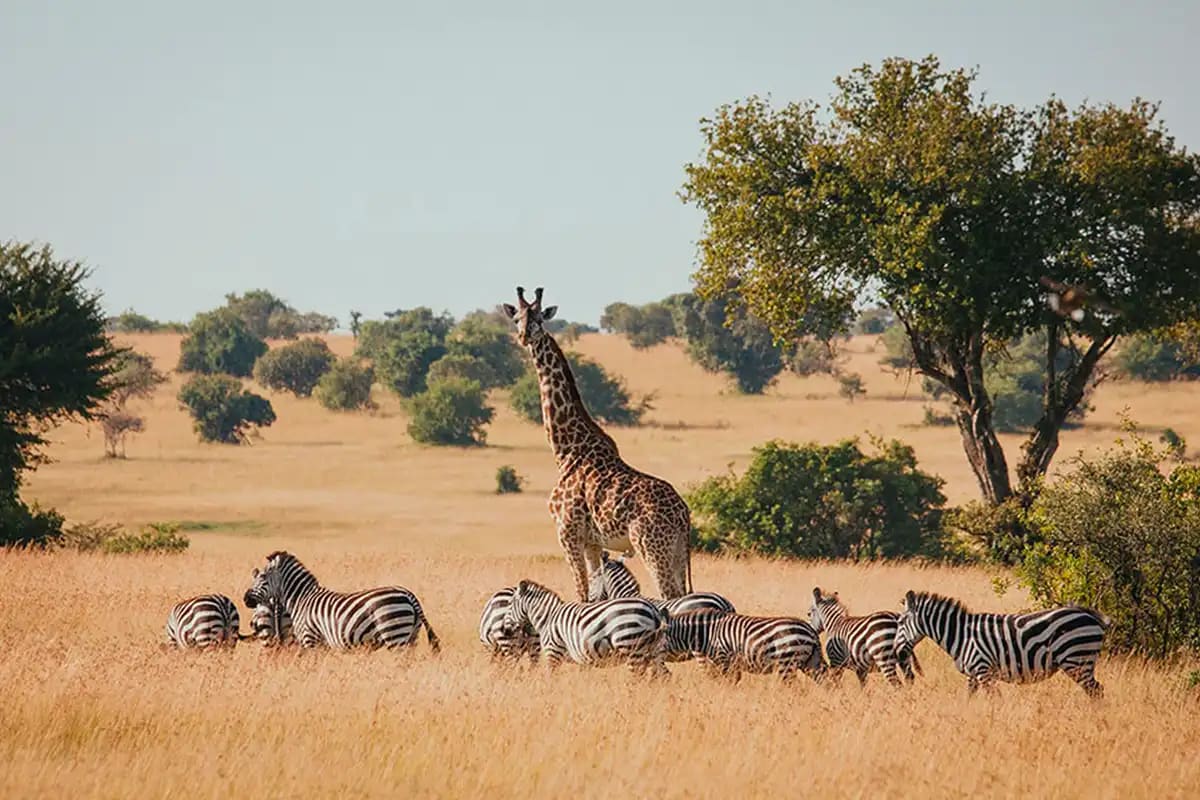
Lions depend on abundant herbivore populations (zebra, wildebeest, buffalo). Unregulated hunting and habitat degradation have reduced prey availability in many areas, forcing lions to hunt livestock and increasing human-wildlife conflict .
Conservation Programmes Delivering Results
Lion Landscapes: Community-Centred Coexistence
Lion Landscapes operates across critical Tanzanian landscapes—Ruaha, Rungwa, Selous-Nyerere—employing over 18 Lion Defenders in the Ruaha region alone . These trained community members respond rapidly to human-wildlife conflict events, reducing hostility and the likelihood of retaliatory lion kills. The programme has prevented multiple lion deaths since inception and is expanding to Selous-Nyerere with plans to train and employ at least 10 additional Lion Extension Officers by 2026 .
Lion Landscapes also trains Lion Rangers to use mobile phone applications for real-time data collection and incident reporting in the field, enabling faster response to conflicts and more informed conservation decisions . Community coexistence training has been conducted in high-conflict villages, addressing traditional beliefs and promoting non-lethal conflict resolution.
Solar-Powered Livestock Protection
In partnership with conservationist Patricia Vaughn, CFACT has expanded the deployment of solar-powered flashing lights around livestock bomas across Tanzania—near Tarangire National Park, Ruaha, the Enduimet Wildlife Management Area, and communities such as Sinya, Kimotorok, and Makao . Each boma is typically equipped with about a dozen lights spaced roughly ten paces apart and reinforced with wire. Field results show that predators now avoid the enclosures entirely, eliminating attacks that historically triggered revenge killings .
Anti-Snaring and Prey Monitoring
WildCRU (Oxford University's Wildlife Conservation Research Unit) and Lion Landscapes, in collaboration with Tanzania's protected area authorities TAWA, TANAPA, and TAWIRI, have deployed GPS collars on lions and wild dogs to track movement through high-risk areas and inform de-snaring patrols . Regular camera trap surveys monitor population trends and prey densities, providing the robust data necessary for adaptive management.
The Lion Recovery Fund (LRF) has supported snare removal across Tanzania, with 39,914 snares removed to date . However, the scale of remaining snares demands sustained funding and ranger deployment to complete full landscape clearance.
Bushmeat Demand Reduction and Public Awareness
WildAid is launching an evidence-based Urban Bushmeat Demand Reduction Campaign in Tanzania to raise awareness, shift consumer behaviour, and reduce snare-setting that endangers lions . The Lion Recovery Fund has also funded WildAid communications campaigns to raise public awareness of lion conservation threats and the importance of coexistence .
Government and Institutional Support
Tanzania's wildlife management authorities, including TANAPA (Tanzania National Parks Authority) and TAWIRI (Tanzania Wildlife Research Institute), have prioritized lion protection through the Tanzania Carnivore Conservation Action Plan . This strategic framework emphasizes radio collaring, camera traps, and spoor counts to monitor population dynamics and guide management decisions. Protected area staff, funded through conservation grants and government budgets, conduct regular patrols and anti-poaching operations.
Population Trends and Recent Monitoring Data
Recent census and monitoring efforts provide encouraging signals alongside ongoing concerns:
| Landscape / Park | Key Finding | Source |
|---|---|---|
| National estimate | ~17,200 lions (June 2026) | |
| Serengeti National Park | One of Earth's largest populations; threatened by snaring | |
| Katavi National Park | 42 lions observed in 38% of park surveyed; sex ratio 1:2 (male:female) | |
| Ruaha-Rungwa landscape | Major stronghold; benefiting from Lion Landscapes intervention | |
| Selous / Nyerere | Status incompletely known; significant population; high snaring threat |
A Katavi study found that 67% of lions responding to call-back stations were female, with only six cubs observed, suggesting reproductive challenges in that landscape . This underscores the need for continued monitoring to detect population declines early and inform intervention.
The Role of Tourism and Community Livelihoods
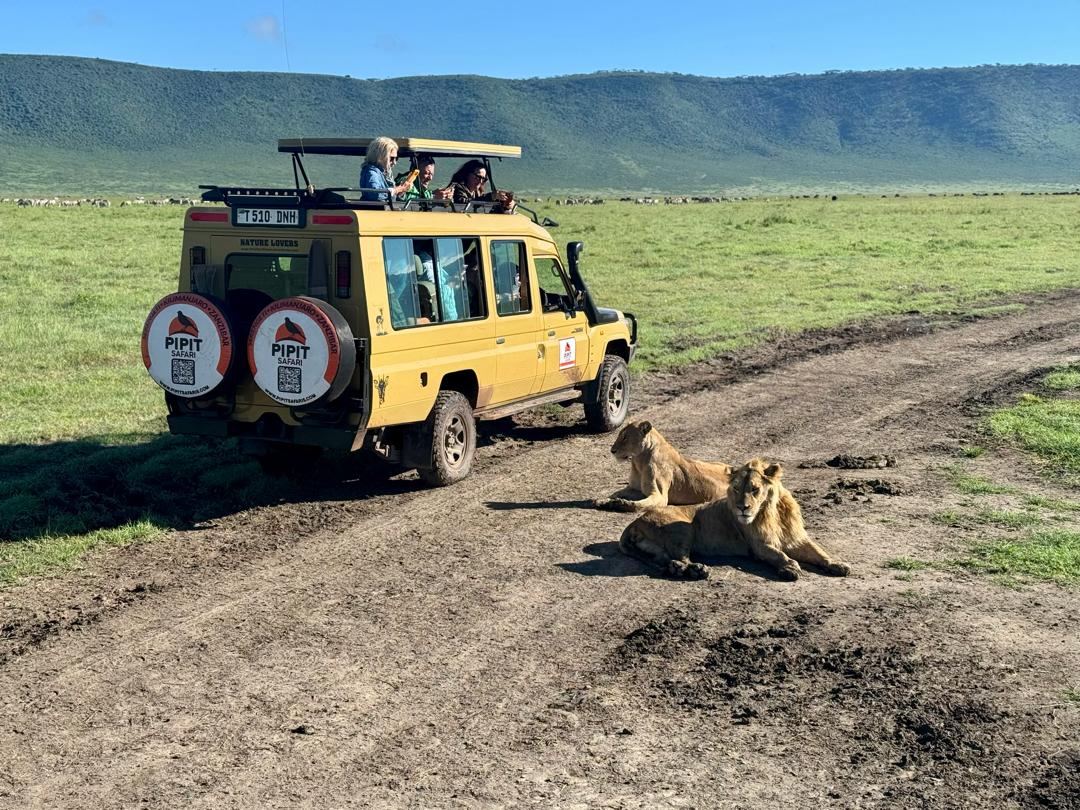
Lions are woven into Tanzania's identity and are a primary draw for tourism, generating substantial revenue that sustains local communities and funds conservation . Responsible safari operators contribute directly to protected area management through park fees and conservation partnerships. When travellers book safaris through ethical operators committed to wildlife protection, they help finance anti-poaching patrols, ranger salaries, and community coexistence programmes.
Tourism dollars also incentivize local communities to view lions as valuable assets rather than threats, reducing retaliatory killing and supporting livelihood alternatives to subsistence hunting. However, the COVID-19 pandemic demonstrated the fragility of this model: tourism collapse led to funding crashes, increased poaching pressure, and economic desperation that drove wildlife killings .
Funding Gaps and Ongoing Challenges
Despite Tanzania's conservation achievements, funding remains inadequate. Africa's protected areas with lions receive a minimum of $381 million in total annual funding, yet this falls short of the $1 billion+ annually needed for effective conservation across the continent . Tanzania, which supports ~40% of the global lion population, has median protected area funding of $200/km², well below levels needed for intensive anti-poaching and community engagement .
Key challenges persist:
- Snare removal backlog: More than 80% of known snare zones remain uncleared due to resource constraints .
- Climate-driven conflict: Drought and unpredictable weather intensify pressure on both lions and human communities, escalating conflict .
- Land subdivision and habitat fragmentation: Ongoing subdivision of village lands and fencing reduces available habitat and increases human-lion encounters .
- Monitoring gaps: Selous/Nyerere's lion population status remains incompletely known, hampering adaptive management .
- Ranger capacity and morale: Conservation staff depend on sustained funding for salaries and operational support; budget cuts threaten continuity .
Success Stories and Momentum for Change
Despite these challenges, momentum is building. Lion Landscapes' Lion Defenders programme has prevented multiple lion killings and is expanding. Solar-powered boma lights are now deployed across multiple landscapes with measurable success in reducing predator attacks. Community coexistence training is reaching high-conflict villages, shifting attitudes toward non-lethal conflict resolution.
Regional successes offer hope: in Kenya, the Lion Guardians programme—led by conservationist Leela Hazzah—has helped stabilize and grow lion populations through similar community-centred approaches, demonstrating that retaliatory killing can be reversed when communities see lions as assets rather than threats .
Tanzania's government and conservation partners recognize that protecting lions protects livelihoods and heritage. The country's commitment to continued anti-poaching operations, community engagement, and habitat protection positions it as a model for lion conservation across Africa.
How Travellers Can Support Lion Conservation
When planning a safari to Tanzania, you can directly support lion conservation:
- Book through certified ethical operators: Choose safari companies that contribute to protected area management and community conservation programmes.
- Visit key lion landscapes: Safaris to Serengeti, Ruaha, and Ngorongoro generate park fees that fund anti-poaching patrols and ranger salaries.
- Support community-based conservation: Community conservancies and lodges that employ Lion Defenders and fund coexistence training directly benefit local people and lions.
- Learn and advocate: Understanding the threats and successes equips you to advocate for continued funding and policy support for lion conservation when you return home.
- Donate to frontline organisations: The Lion Recovery Fund, Lion Landscapes, and WildAid are directly funding the programmes described in this article.
Before travelling, check current health and vaccination requirements and visa regulations to ensure smooth entry into Tanzania.
Last reviewed July 2026. Conservation data changes—see the cited sources for the latest figures and programme updates.
 Ask Tembo about this guide
Frequently Asked Questions
How many lions are in Tanzania in 2026?
Tanzania is home to approximately 17,200 lions, the largest wild lion population in the world. This represents roughly 50% of all lions remaining in sub-Saharan Africa .
What are the main threats to lions in Tanzania?
The primary threats are retaliatory killing (when lions prey on livestock), snaring and poaching, habitat loss and fragmentation due to agricultural expansion, prey depletion, and climate-driven drought that intensifies human-wildlife conflict .
What is the Lion Landscapes programme and how does it work?
Lion Landscapes is an NGO that operates across Tanzanian landscapes including Ruaha, Rungwa, and Selous-Nyerere. It trains and employs Lion Defenders (community members) to respond rapidly to human-wildlife conflict events, reducing retaliatory killings. The programme also trains Lion Rangers to collect field data via mobile apps and conducts coexistence training in high-conflict villages .
How do solar-powered lights protect livestock from lions?
Solar-powered flashing lights are deployed around livestock bomas (enclosures) in patterns that deter predators from approaching. Field results show that lions, hyenas, and leopards now avoid illuminated enclosures entirely, eliminating attacks that historically triggered revenge killings .
Which national parks in Tanzania have the most lions?
Serengeti National Park contains one of Earth's largest lion populations. Ruaha National Park (covering over 20,000 km²) is a major stronghold. Ngorongoro Conservation Area, Selous Game Reserve/Nyerere National Park, and Katavi National Park also support significant populations .
How has the global lion population changed in recent decades?
African lion populations have declined by approximately 90% in the past five decades, from around 200,000 in the mid-1970s to fewer than 20,000 today. Tanzania's continued success in maintaining robust numbers is exceptional and critical to the species' future .
What role does tourism play in lion conservation in Tanzania?
Tourism generates substantial revenue through park fees and lodge operations that fund anti-poaching patrols, ranger salaries, and community programmes. Tourism also incentivizes communities to view lions as valuable assets, reducing retaliatory killing. However, tourism funding is vulnerable to economic shocks like the COVID-19 pandemic .
How much funding does lion conservation in Tanzania currently receive?
Tanzania's protected areas receive a median of approximately $200/km² in annual funding. While this is higher than many African countries, experts estimate over $1 billion annually is needed continent-wide for effective large carnivore conservation. Tanzania, supporting ~40% of global lions, faces significant funding shortfalls .
What is the Lion Recovery Fund and what has it accomplished?
The Lion Recovery Fund (LRF) supports conservation projects across Africa. In Tanzania, LRF funding has supported snare removal (39,914 snares removed to date), community coexistence training, ranger employment, and public awareness campaigns through partners like Lion Landscapes and WildAid .
Are lion populations in Tanzania growing or declining?
Recent estimates show Tanzania's lion population at approximately 17,200 individuals, reflecting the country's position as a global stronghold. However, populations remain under pressure from snaring, retaliatory killing, and habitat loss. Conservation programmes are beginning to stabilize and grow populations in key landscapes, but sustained effort is essential .
How can I support lion conservation when I visit Tanzania on safari?
Book through ethical safari operators committed to wildlife protection, visit key lion landscapes (Serengeti, Ruaha, Ngorongoro), support community conservancies that employ Lion Defenders, and donate to frontline organisations like the Lion Recovery Fund and Lion Landscapes. Park fees and responsible tourism directly fund conservation .
What research methods are used to monitor lion populations in Tanzania?
The Tanzania Carnivore Conservation Action Plan emphasizes radio collaring, camera traps, and spoor counts. Radio collaring is considered the only method capable of providing comprehensive data on ranging patterns and population dynamics. GPS collars on lions and wild dogs help track movement through high-risk areas and inform de-snaring patrols .
Sources
- African Lion - Carnivore Conservation Compendium (Tanzania Census June 2026)
- Does Tanzania have a wild lion population? (H.O.M.E.)
- Lion Landscapes Strategic Plan 2022-2026
- Protecting the World's Largest Wild Lion Population: How Tanzania Holds the Future (WildAid, December 2025)
- Update: CFACT partnership expands lion conservation efforts in Tanzania (March 2026)
- African Lion (Global Conservation)
- Lion Recovery Fund Progress Report (August 2020)
- Watch the New Documentary 'Tanzania: Land of the Lion' (Wildlife Conservation Network)
- Estimates of Density and Population Size of African Lions in the Katavi National Park, Tanzania
- Success for Lion Guardians in Kenya: the Lion Population is Growing (Future For Nature, June 2026)
- Helping People and Lions Co-Exist (Brevard Zoo)
- Tanzania's lions need protecting in one of the species' last remaining strongholds (WildCRU, July 2026)
- Tanzania Carnivore Conservation Action Plan
- More than $1 billion needed annually to secure Africa's protected areas with lions (PMC)(official)
Related to
Ready to start your safari adventure?
Explore curated safari packages and find your perfect African adventure with verified operators.