Madagascar Safari Animals: 15 Species Beyond Lemurs (2026)
Discover Madagascar Safari Animals: 15 Species Beyond Lemurs (2026) - Expert guide to safari tourism and wildlife destinations.

Madagascar Safari Animals: 15 Species Beyond Lemurs (2026)
Last updated: July 2026
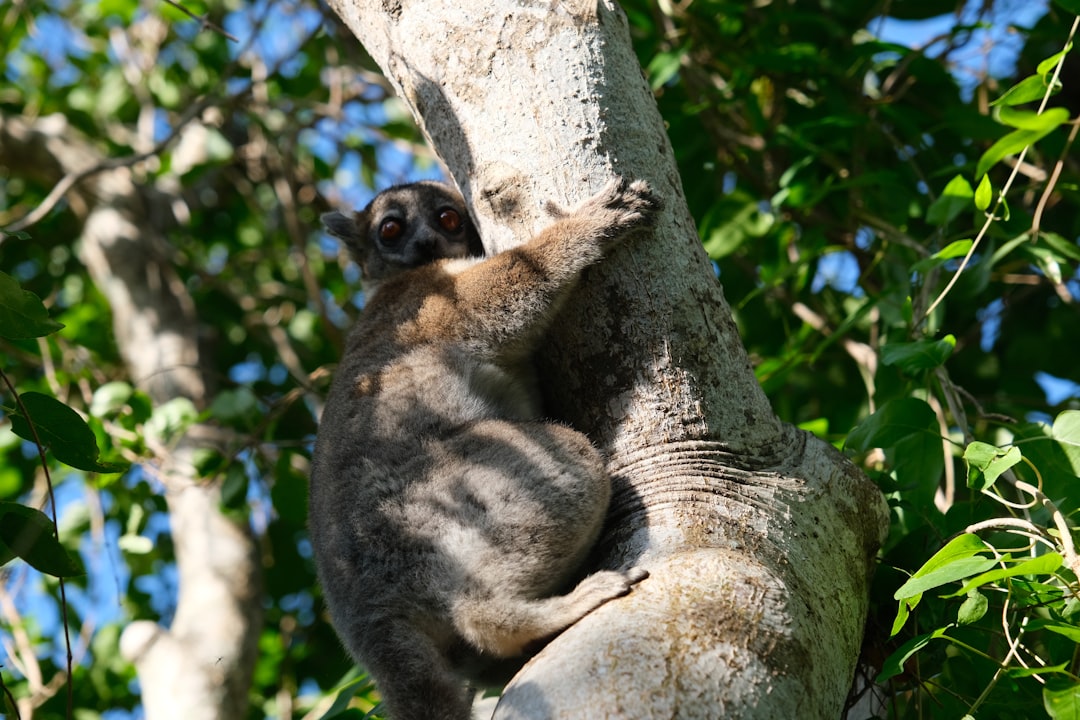
Madagascar contains wildlife found nowhere else, including fossas, chameleons, tenrecs, and rare frogs.
Madagascar Safari Animals: 15 Species Beyond Lemurs (2026) is a practical wildlife guide for travelers visiting rainforests, dry forests, and sandstone landscapes. Plan 10–14 days for the best mix of animals. April through October offers strong wildlife activity. Package prices vary by route and operator, so compare verified SafariFind options and request current quotes.
At a Glance
- Wildlife focus: Fossas, chameleons, tenrecs, frogs, tortoises, geckos, birds, and other island species
- Best time: April through October for active wildlife sightings
- Recommended duration: 10–14 days for several habitats and animal groups
- Best locations: Kirindy Forest, Berenty Reserve, and Andasibe-Mantadia National Park
- Best for: Wildlife photographers, birders, families, and travelers seeking rare species
- Price range: No single fixed rate; compare current operator quotes by route, lodge, and transport
What Are Madagascar Safari Animals Beyond Lemurs?
Madagascar Safari Animals: 15 Species Beyond Lemurs (2026) covers the island’s wider wildlife, not only its famous primates. Madagascar is home to fossas, chameleons, tenrecs, unusual birds, endemic frogs, tortoises, geckos, and many other animals. Its rainforests, dry forests, wetlands, and sandstone areas create very different viewing conditions.
Madagascar is famous for lemurs, but the island’s wildlife story is much larger. A published taxonomy lists 15 lemur genera and 99 lemur species and subspecies . That scale helps explain why visitors often focus on lemurs first. However, the animals beyond lemurs add more variety to each park visit.
Madagascar’s wildlife is special because isolation shaped its animal life over thousands of years. The island has many endemic animals. Endemic means that a species lives naturally in one place and nowhere else. This makes each sighting valuable, especially when habitat loss threatens small populations.
Known for: predators, reptiles, frogs, and small mammals
Madagascar is known for the fossa, its top land predator, as well as colorful chameleons and unusual tenrecs. The Duke Lemur Center also highlights the golden mantella and radiated tortoise among the island’s endangered biodiversity . These animals offer different safari moments, from a quiet forest search to a slow reptile encounter.
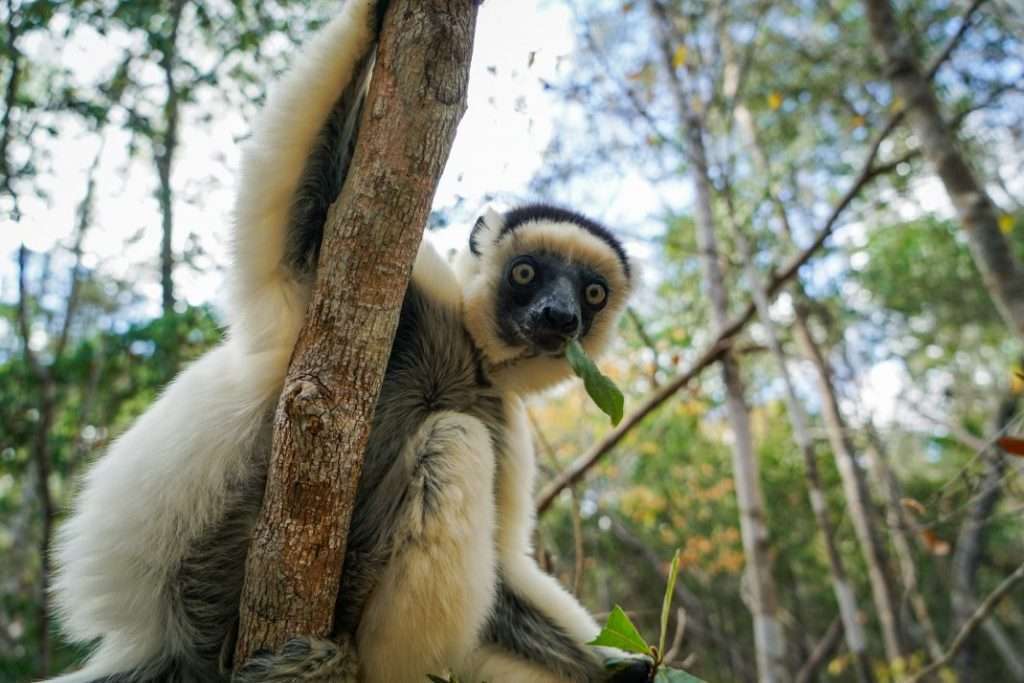
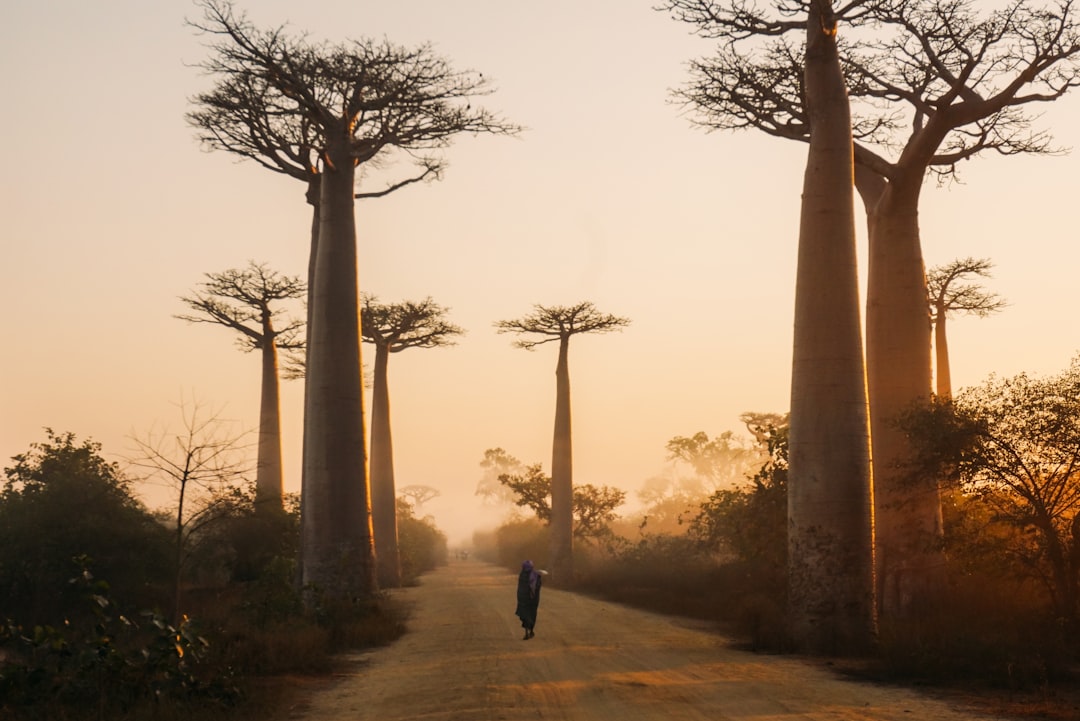
Madagascar is also known for strong habitat contrasts. A 2026 wildlife itinerary describes rainforests with diademed sifakas, indris, fossas, and tenrecs. It also describes sandstone deserts with baobabs and pachypodia . These landscapes create a trip that feels more like a natural history journey than a standard Big Five safari.
Why this wider wildlife list matters
Madagascar’s non-lemur wildlife matters because many animals face pressure from habitat change. Humans arrived on Madagascar roughly 2,000 years ago. Human impacts reduced lemur diversity by at least 15 species, according to WildMadagascar . This history shows why careful tourism and local conservation work matter.
Madagascar is therefore best for travelers who enjoy patient wildlife watching. You may spend several minutes searching leaves for a chameleon. You may scan a dry forest for a fossa. You may also find a rare frog beside a stream. The reward comes from detail, not only from large animals.
Explore Madagascar safari packages with verified operators and compare routes, reviews, and current availability.
Which 15 Madagascar Safari Animals Should You See?
The 15 wildlife subjects below give travelers a balanced checklist beyond lemurs. The list includes predators, reptiles, amphibians, birds, and small mammals. Some are named directly in current Madagascar wildlife itineraries, while others represent the wider animal groups that make the island a major specialist destination.
| Name | Price | Duration | Rating | Best For |
|---|---|---|---|---|
| Fossa | Route quote required | Often included in 10–14 days | Not applicable | Predator sightings |
| Chameleons | Route quote required | Flexible | Not applicable | Close-up photography |
| Tenrecs | Route quote required | Best with forest stays | Not applicable | Night walks |
| Golden mantella | Route quote required | Flexible | Not applicable | Frog specialists |
| Radiated tortoise | Route quote required | Flexible | Not applicable | Dry forest visits |
| Leaf-tailed geckos | Route quote required | Forest stay needed | Not applicable | Camouflage lovers |
| Madagascar ground boas | Route quote required | Flexible | Not applicable | Reptile watchers |
| Tomato frogs | Route quote required | Wet-season interest | Not applicable | Amphibian photography |
| Madagascar fish eagle | Route quote required | Wetland route needed | Not applicable | Birders |
| Madagascar pochard | Route quote required | Wetland route needed | Not applicable | Rare bird searches |
| Madagascar harrier-hawk | Route quote required | Forest route needed | Not applicable | Bird photography |
| Hissing cockroach | Route quote required | Flexible | Not applicable | Families and children |
| Nile crocodile | Route quote required | Wetland route needed | Not applicable | Waterway wildlife |
| Pachypodium-associated insects | Route quote required | Dry forest route needed | Not applicable | Macro photography |
| Forest and desert birds | Route quote required | 10–14 days recommended | Not applicable | Complete wildlife trips |
1. Fossa
The fossa is Madagascar’s leading predator and one of the island’s most exciting sightings. Kirindy Forest is promoted for fossa encounters and baobabs . Fossas move through dry forest habitat, so guides often rely on local knowledge, fresh tracks, and careful scanning.
2. Chameleons
Chameleons are among Madagascar’s most recognizable reptiles. Their slow movement and strong camouflage reward close observation. A night walk can offer a better chance to find small reptiles resting on leaves, although sightings depend on habitat and guide skill.
3. Tenrecs
Tenrecs are small mammals with unusual shapes and habits. Current 2026 wildlife itineraries include tenrecs among the rainforest highlights . They are a strong reason to add a guided forest walk, especially when your trip includes more than one habitat.
4. Golden mantella
The golden mantella is a small red-orange frog linked with Madagascar’s threatened biodiversity . Its bright color makes it memorable, but its small size requires patience. Travelers should follow guide rules and avoid touching frogs or entering sensitive breeding areas.
5. Radiated tortoise
The radiated tortoise is another important conservation species highlighted by the Duke Lemur Center . Its patterned shell suits Madagascar’s dry southern landscapes. A visit to dry forest habitat can combine tortoise searches with baobabs, birds, and reptiles.
6–15. Reptiles, birds, and smaller wildlife
Leaf-tailed geckos and ground boas show how well Madagascar reptiles blend into forest and dry habitats. Tomato frogs add a bright amphibian subject. Hissing cockroaches offer an easy-to-understand example of the island’s unusual small wildlife.
Madagascar’s birds also deserve a dedicated search. Wetlands and forest edges support specialist birding routes, while sandstone landscapes add a striking setting. A longer itinerary gives guides more time to visit varied habitats rather than rushing between parks.
These 15 wildlife subjects should work as a flexible checklist, not a guarantee. Wild animals move freely, and no responsible operator can promise every sighting. The best plan combines skilled guides, several habitats, and enough nights in each region.
Where Can You Find These Madagascar Safari Animals?
Kirindy Forest, Berenty Reserve, and Andasibe-Mantadia National Park form a strong wildlife base. Kirindy suits fossa searches and baobabs. Berenty suits ring-tailed lemurs and dry spiny forest. Andasibe-Mantadia suits indris, birds, rainforest walks, and wider forest wildlife .
Kirindy Forest: best for fossas and dry forest
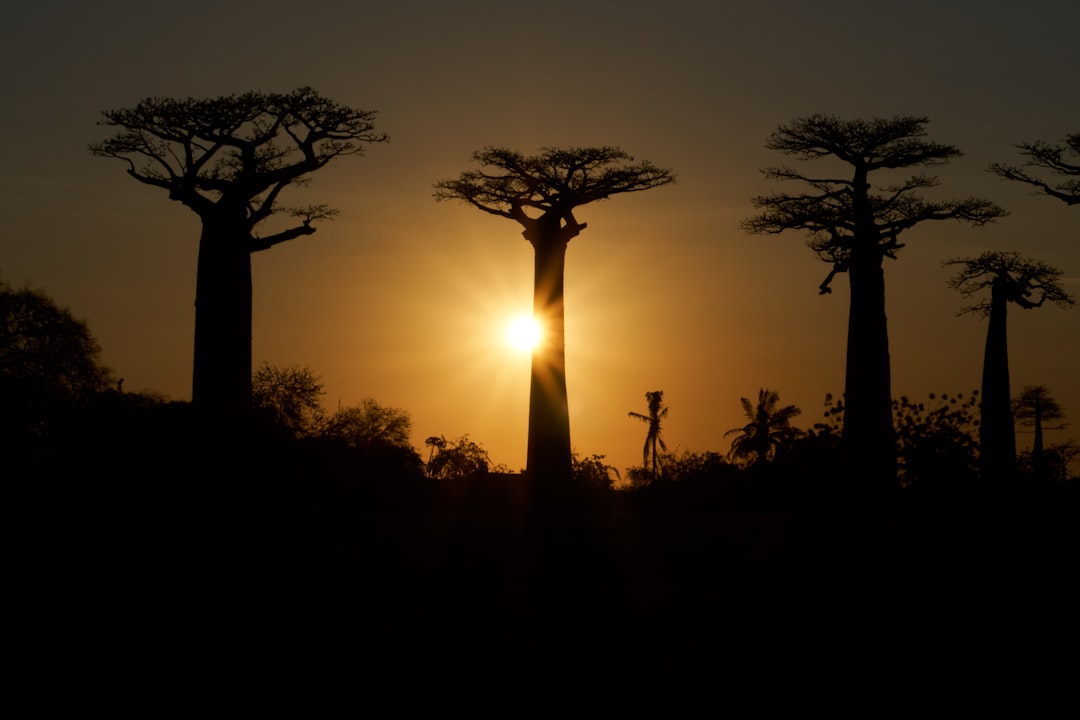
Kirindy Forest is promoted as a fossa destination with baobabs . The dry forest setting feels very different from eastern rainforest parks. Add Kirindy when your priority is a predator search, unusual plants, and a landscape shaped by seasonal change.
Berenty Reserve: best for southern habitats
Berenty Reserve is known for ring-tailed lemurs and dry spiny forest . Although ring-tailed lemurs are not part of this beyond-lemurs checklist, the reserve helps show how much Madagascar’s habitats differ. Dry forest routes can also support searches for tortoises, reptiles, birds, and smaller animals.
Andasibe-Mantadia: best for rainforest wildlife
Andasibe-Mantadia National Park is promoted for indris and birds . Its rainforest setting also suits searches for tenrecs, chameleons, frogs, and other forest animals. Add guided night walks when the operator and park rules allow them.
How should you combine the parks?
A 10–14-day trip gives you the best chance to combine lemurs, fossas, chameleons, and unusual birds . The route should balance driving time with wildlife time. A shorter trip can work, but it usually requires sharper choices between rainforest, dry forest, and southern reserves.
Madagascar landscapes include rainforests, sandstone deserts, baobabs, and pachypodia . This variety makes route planning important. Review a comparison of Madagascar’s 7-day safari itineraries before choosing a shorter journey.
When Is the Best Time for a Madagascar Wildlife Safari?
The best time for a Madagascar wildlife safari is April through October. SafariFind identifies these months as the strongest period for wildlife activity . This window can work well for travelers who want to combine forest walks, dry-country wildlife, birds, fossas, and reptiles.
April through October
April through October is the main recommended wildlife season in the supplied 2026 guidance. Different parks still produce different sightings. Dry forest conditions, rainforest access, and animal behavior can change by location, so ask operators for a route-specific plan.
How long should you stay?
Plan 10–14 days when wildlife variety is your main goal. SafariFind recommends this length for combining lemurs, fossas, chameleons, and unusual birds . Longer stays reduce the pressure to cross the island quickly and allow more time for dawn drives and night walks.
What should you pack?
- Neutral clothing for forest and dry habitats
- Closed walking shoes with good grip
- A small flashlight for approved night walks
- Binoculars for birds and distant wildlife
- A camera with a close-focus or telephoto option
- Light rain protection for rainforest areas
- Reusable water storage and sun protection
Wildlife photography requires calm behavior. Keep a respectful distance, follow the guide, and never handle animals. Avoid loud sounds and bright flashes unless your guide confirms that flash use is safe and allowed.
Costs depend on transport, accommodation, park visits, guide services, and route length. Use the Madagascar safari cost guide for 2026 to understand budget categories before requesting quotes.
Compare Madagascar safari packages by duration, route, and verified traveler reviews before you choose your operator.
How Can You Plan a Responsible Madagascar Wildlife Trip?
A responsible Madagascar wildlife trip uses local guides, respects park rules, and spreads visitor spending across conservation-focused services. Choose an operator that explains animal behavior, follows viewing limits, and avoids touching or feeding wildlife. These steps help protect fragile habitats and improve the quality of your sightings.
Start with your wildlife priorities
Write down your top three targets before booking. You might choose fossa, chameleons, and frogs. Another traveler may prefer birds, tortoises, and tenrecs. Clear priorities help an operator build a route with the right habitats and realistic expectations.
Choose guides with local knowledge
Local guides can improve searches for small and well-camouflaged animals. They know forest trails, recent sightings, and safe viewing points. Ask operators how they support local guides and communities before you pay a deposit.
Check the real trip details
- Ask how many nights the route spends in each wildlife area.
- Confirm whether park fees and guide fees are included.
- Check the transport type and expected road conditions.
- Ask whether night walks follow park rules.
- Request a clear list of included meals and accommodation.
- Read authentic reviews before selecting an operator.
Plan health and entry documents
Health and entry rules change by nationality and travel date. Italian travelers can review the current Madagascar vaccinations and health rules for Italians. Check official requirements again before departure, even when a blog or operator gives general advice.
SafariFind connects travelers with verified tour operators and authentic reviews. Compare what each package includes, request a quote, and ask direct questions about wildlife priorities before booking.
Key Takeaways
- Visit April through October to align your trip with the recommended period for wildlife activity .
- Plan 10–14 days to combine fossas, chameleons, tenrecs, birds, and several habitats .
- Add Kirindy Forest when fossa sightings and baobabs rank among your top priorities .
- Use Andasibe-Mantadia for rainforest wildlife, birds, tenrecs, frogs, and chameleon searches .
- Compare current quotes because route, transport, accommodation, and park services shape the final safari cost.
Frequently Asked Questions
What are the best Madagascar safari animals beyond lemurs?
The best Madagascar safari animals beyond lemurs include fossas, chameleons, tenrecs, golden mantellas, radiated tortoises, unusual birds, frogs, and geckos. Fossas are especially important for predator-focused trips, while chameleons and frogs suit travelers who enjoy close wildlife photography.
When is the best time to see Madagascar wildlife?
The best time to see Madagascar wildlife is April through October. SafariFind recommends this period for active wildlife viewing in 2026 . Your exact sightings still depend on the park, habitat, guide, weather, and time spent in the field.
How many days do I need for a Madagascar wildlife safari?
You need about 10–14 days for a broad Madagascar wildlife safari. SafariFind recommends this length to combine lemurs, fossas, chameleons, and unusual birds . A seven-day trip can work, but it requires fewer parks and more focused wildlife goals.
Where can I see fossas in Madagascar?
Kirindy Forest is promoted for fossa sightings and baobabs . Fossa sightings are never guaranteed because these predators move through natural forest. A skilled local guide and several nights in the area can improve your chances.
Are Madagascar’s chameleons and frogs endangered?
Some Madagascar reptiles and amphibians face conservation pressure, and the Duke Lemur Center highlights endangered biodiversity such as the golden mantella . Travelers should never touch, feed, or remove wildlife. Follow park rules and guide instructions during every encounter.
How do I book a Madagascar safari with a trusted operator?
Book through a marketplace that shows verified operators, package details, and authentic traveler reviews. SafariFind helps you compare Madagascar safari packages, request quotes, and review trip inclusions before booking in 2026.
Conclusion: Build Your 2026 Madagascar Wildlife Checklist
Madagascar is one of the world’s strongest destinations for rare wildlife beyond lemurs. Fossas, chameleons, tenrecs, golden mantellas, radiated tortoises, birds, frogs, and reptiles add depth to every route. April through October is the recommended wildlife period, while 10–14 days gives you time to explore more than one habitat.
Choose Kirindy Forest for fossa searches and baobabs. Choose Andasibe-Mantadia for rainforest wildlife and birds. Add Berenty when dry spiny forest and southern landscapes matter to your plan. Ask each operator about travel time, guide experience, park fees, and realistic sightings.
Compare verified Madagascar safari packages on SafariFind, read authentic reviews, and request a quote that matches your wildlife checklist. In 2026, careful planning can make your island journey richer, more flexible, and better for the places and animals you came to see.
Plan Your Safari with SafariFind
These recommendations use real data from SafariFind, where you can compare operators, browse packages, and read verified traveler reviews before you book.
Recommended Safari Operators from SafariFind
Recommended Safari Packages from SafariFind
What Travelers Say (SafariFind Reviews)
References
- Lemurs of Madagascar — taxonomy, genera, and species data
- Duke Lemur Center — Beyond Lemurs: Madagascar’s Endangered Biodiversity
- San Diego Zoo Wildlife Alliance Adventures — Madagascar Wildlife Adventure 2026
- WildMadagascar — Lemurs of Madagascar
- SafariFind — Madagascar Safari Animals: 2026 Wildlife Checklist
- Nature Travel Africa — Madagascar Wildlife Safari

 Ask Tembo about this guide