Malawi Safari Camps: Wellness vs Game Drives 2026
Compare wellness walking safaris ($1,800–$2,500) and game drives ($2,200–$3,500) in Malawi. Best time: July–October. Book verified camps on SafariFind.

Malawi Safari Camps: Wellness vs Game Drives
Last updated: July 2026
Malawi safari camps in 2026 offer two distinct experiences: wellness walking safaris emphasize nature immersion and relaxation starting at $1,800–$2,500 per person, while traditional game drives focus on wildlife viewing from vehicles at $2,200–$3,500 per person. The best time to visit both is July through October. Book through SafariFind to compare verified operators and read authentic traveler reviews.
At a Glance
- Wellness Safari Cost: $1,800–$2,500 per person for 5–7 days
- Game Drive Cost: $2,200–$3,500 per person for 5–7 days
- Best Time to Visit: July through October (dry season, peak wildlife viewing)
- Duration: 5–7 days recommended for either experience
- Best for: Wellness seekers want relaxation; game drive enthusiasts want wildlife photography
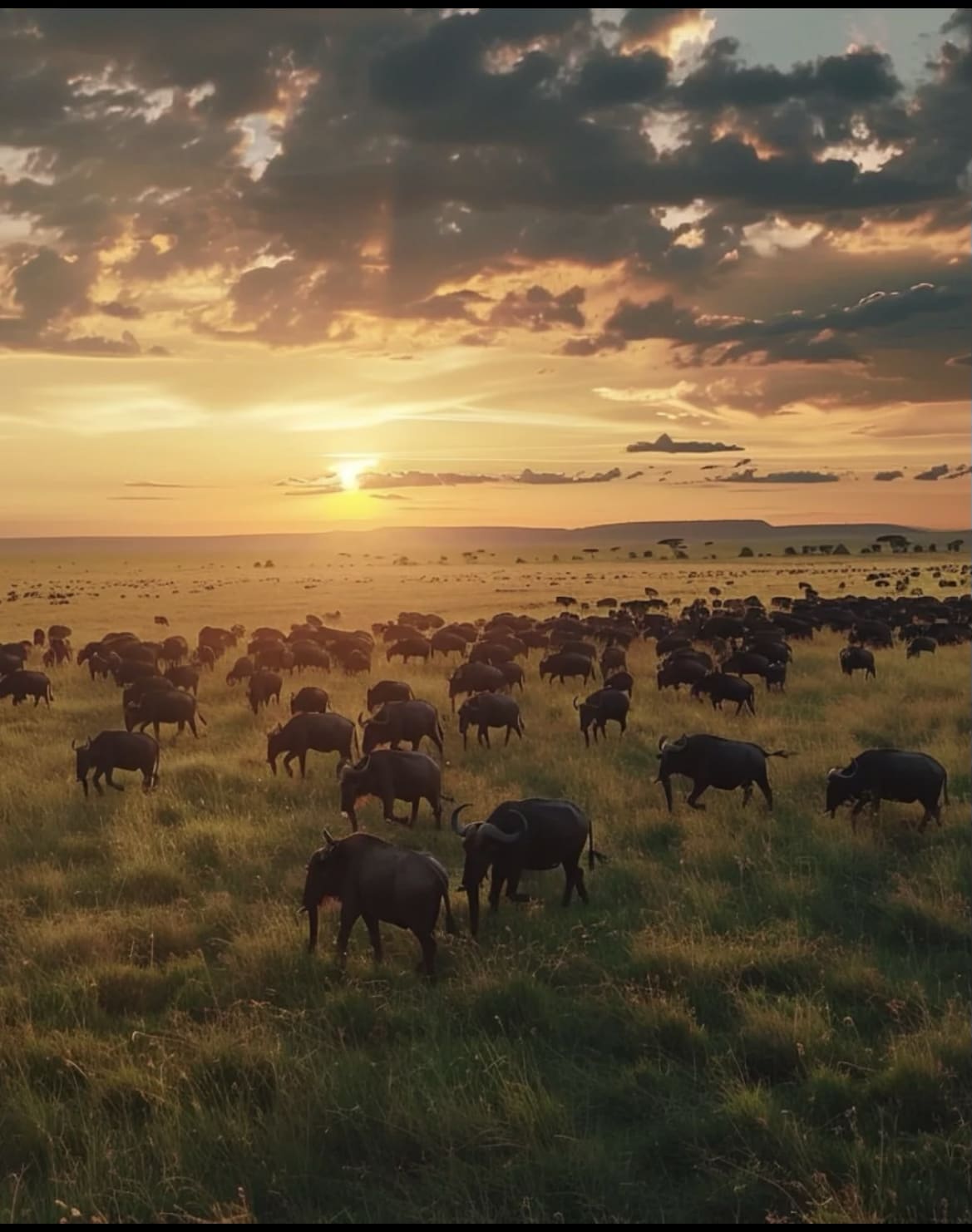
- Wildlife Highlights: Elephants, buffalo, leopards, hyenas, wild dogs in Liwonde and Majete parks
What Are Malawi Safari Camps: Wellness vs Game Drives?
Malawi safari camps in 2026 offer two contrasting ways to experience Africa. Wellness walking safaris let you explore nature on foot with trained guides, focusing on fitness, mindfulness, and nature immersion. Game drives keep you in a vehicle, maximizing wildlife spotting opportunities with expert guides who track animals across the savanna.
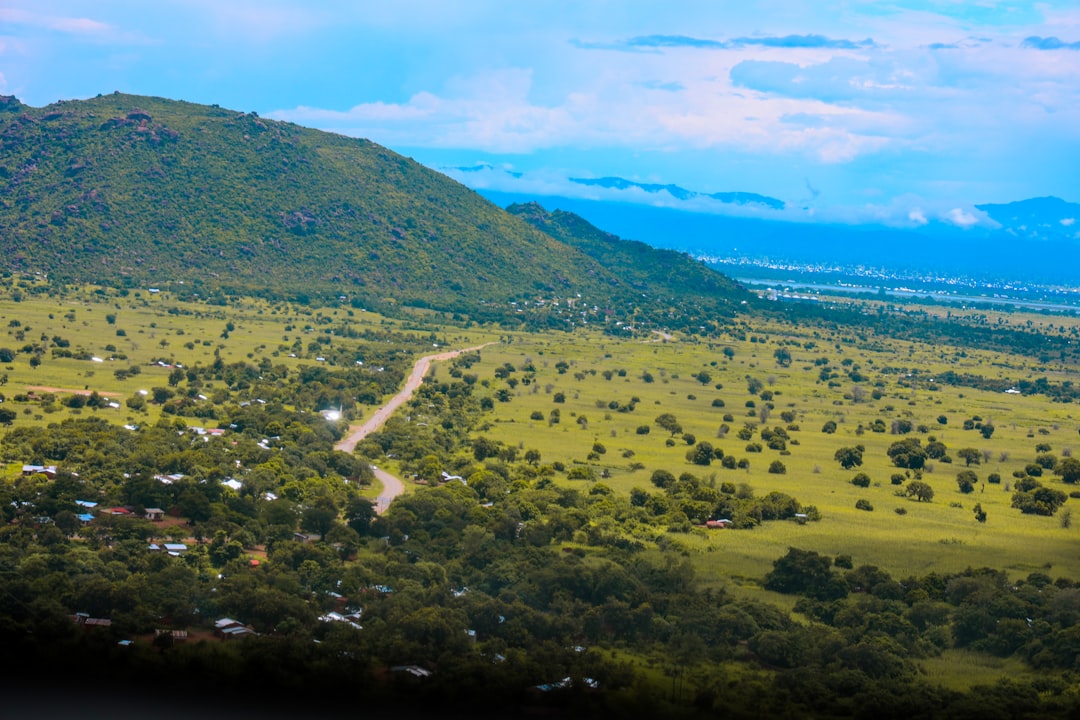
The choice depends on your travel goals. Wellness walking safaris emphasize nature immersion and relaxation, starting at $1,800–$2,500 per person, while traditional game drives focus on wildlife viewing from vehicles at comparable or slightly higher prices. Both experiences take place in Malawi's protected parks, particularly Liwonde National Park and Majete Wildlife Reserve.
Why Choose Between These Experiences?
Each safari style suits different travelers. Wellness camps appeal to those seeking stress relief, fitness, and a slower pace. Game drives attract wildlife photographers and animal enthusiasts who want maximum sightings. The sheer variety of Malawi safari tours on offer is what sets Malawi apart—from traditional 4x4 game drives and boat safaris along the Shire River to walking safaris, canoe excursions, and mountain biking.
Your fitness level, schedule, and interests should guide your decision. A wellness safari demands more walking but rewards you with intimate nature moments. A game drive requires less physical effort but keeps you in a vehicle for hours. Many travelers combine both experiences in one trip for balance.
The Malawi Advantage
One of Malawi's greatest advantages as a safari destination is Lake Malawi. A week in the south can comfortably combine Liwonde National Park with a few nights on the lake—the classic Malawi "bush and beach" safari. This flexibility lets you mix wellness activities with game drives and relaxation.
Malawi remains less crowded than Kenya or Tanzania, meaning fewer tourists and more wildlife encounters. The country's warm, welcoming locals and affordable pricing make it ideal for both first-time and experienced safari travelers. Malawi safari lodges in 2026 offer bases for every budget, from luxury wellness retreats to affordable game drive camps.
Wellness Walking Safaris: Nature Immersion and Relaxation
Wellness walking safaris combine exercise, nature therapy, and guided exploration. You'll walk through the bush with expert naturalists who teach you about plants, insects, bird calls, and animal behavior. These safaris slow you down, letting you notice details vehicle safaris miss.
What Happens on a Wellness Walking Safari?
Your day starts early with a cup of coffee, then a 2–4 hour guided walk through the park. Guides stop frequently to point out wildlife, plants, and natural features. You'll return to camp by mid-morning for breakfast, rest, and activities like yoga, meditation, or massage therapy.
Afternoons often include optional activities: bird watching from camp, nature journaling, photography lessons, or simply relaxing by a river. Evening brings group dinners where guides share stories about the day's wildlife encounters. Night walks let you experience nocturnal animals and insects under starlight.
Physical Demands and Fitness Level
Wellness safaris require moderate fitness. Daily walks cover 5–8 kilometers on uneven terrain at a slow, deliberate pace. You don't need to be athletic, but comfortable walking shoes and reasonable stamina help. Most camps accommodate varying fitness levels by offering shorter routes or rest breaks.
Guides adjust pace to match your group. If someone needs to slow down, everyone does. This creates intimate wildlife moments and a relaxed atmosphere impossible on rushed game drives. Many travelers report that walking safaris feel more meditative and restorative than vehicle-based experiences.
Price Range and What's Included
Wellness walking safaris cost $1,800–$2,500 per person for 5–7 days, including accommodation, meals, and guided walks. This pricing reflects smaller group sizes, expert naturalist guides, and camp amenities like yoga spaces or massage services. Some camps charge extra for spa treatments or specialized wellness programs.
Budget-friendly wellness camps start at $1,800 per person. Mid-range options ($2,000–$2,300) add yoga classes, nutritionist-designed meals, or wellness workshops. Luxury wellness retreats ($2,500+) offer private guides, spa facilities, and personalized wellness plans. Compare verified operators on SafariFind to find camps matching your budget and wellness interests.
Best Parks for Walking Safaris
Any safari in Malawi is fantastic. You could choose to watch wildlife on foot or by bike in Nyika National Park or Kuti Wildlife Reserve, for example, where you'll notice smaller animals and their behaviors up close. Nyika National Park offers cooler temperatures and montane forests ideal for walking.
Liwonde National Park is the most popular choice, with diverse wildlife and experienced walking guides. Majete Wildlife Reserve attracts fewer tourists and offers a more exclusive experience. Compare Majete, Liwonde, and Nkhotakota parks for your Malawi safari to find the best fit for walking.
Traditional Game Drives: Wildlife Spotting and Photography
Game drives are the classic safari experience. You sit in an open-sided vehicle while expert guides navigate the park, tracking animals and positioning you for optimal viewing and photography. This method covers more ground and increases wildlife sightings compared to walking safaris.
How Game Drives Work
Your guide drives slowly through the park, watching for movement, animal tracks, and bird activity. When wildlife appears, the vehicle stops, and the guide explains the animal's behavior, diet, and role in the ecosystem. Early morning and late afternoon drives are most productive, as animals are active during cooler hours.
You'll spend 6–8 hours daily in the vehicle across two drives (morning and afternoon). Midday breaks at camp let you rest, eat, and cool off. Experienced guides use radio communication to share wildlife sightings with other vehicles, coordinating group locations for major animals like leopards or wild dogs.
Wildlife Viewing Opportunities
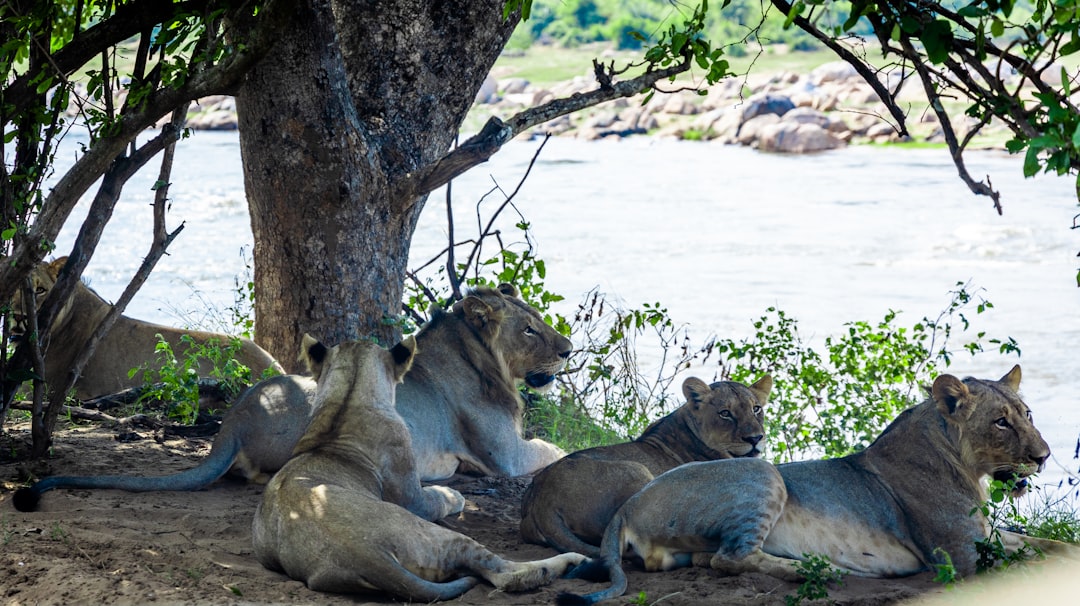
Game drives maximize wildlife encounters. Traditional game drives focus on wildlife viewing from vehicles at $2,200–$3,500 per person for 5–7 days. You'll see elephants, buffalo, impala, kudu, zebras, hyenas, and wild dogs. Big cat sightings (leopards, lions in some parks) are less common but possible.
Photography enthusiasts prefer game drives because vehicle positioning allows better camera angles and steady shooting platforms. Guides position vehicles to avoid casting shadows on animals or blocking other photographers. Patient guides wait quietly for behavioral moments—hunting, mating, or feeding—that create unforgettable photos.
Price Range and Inclusions
Game drive safaris cost $2,200–$3,500 per person for 5–7 days, covering accommodation, meals, and guided drives. Premium operators with top-rated guides charge toward the higher end. Budget camps offer solid experiences at $2,200–$2,600. Luxury operators with 4x4 vehicles, expert naturalists, and gourmet meals reach $3,500+.
Most packages include all meals, accommodation, guided game drives, and park fees. Some charge extra for activities like boat safaris on the Shire River or night drives. Ask about group size—smaller groups (4–6 people) offer better wildlife viewing than larger groups (8–12 people).
Best Parks for Game Drives
Liwonde National Park is Malawi's premier game drive destination, with the largest elephant population and diverse predators. Majete Wildlife Reserve offers excellent game drives with fewer tourists. Nkhotakota Wildlife Reserve provides a more remote, less-crowded experience. Learn about 12 Malawi safari animals you can spot in 2026 to set realistic expectations.
Choose based on your interests. Liwonde suits first-time safari visitors and those seeking maximum wildlife diversity. Majete attracts photographers seeking predators and dramatic landscapes. Nkhotakota appeals to travelers wanting exclusivity and fewer crowds.
Comparing Wellness Safaris vs Game Drives: Head-to-Head
Both safari styles deliver authentic African experiences, but they differ in pace, cost, physical demand, and wildlife encounters. Your ideal choice depends on your priorities, fitness level, and travel style.
| Factor | Wellness Walking Safari | Game Drive Safari |
|---|---|---|
| Cost | $1,800–$2,500 per person | $2,200–$3,500 per person |
| Physical Demand | Moderate (5–8 km walks daily) | Low (sitting in vehicle) |
| Pace | Slow, meditative, immersive | Faster-paced, more ground covered |
| Wildlife Sightings | Fewer but more intimate encounters | More frequent and diverse sightings |
| Photography | Challenging angles, slower subjects | Optimal vehicle positioning, steady platform |
| Best For | Stress relief, nature lovers, fitness seekers | Photographers, wildlife enthusiasts, mobility issues |
| Group Size | Usually 4–8 people | 4–12 people per vehicle |
| Wellness Activities | Yoga, meditation, spa, nature therapy | Minimal, focused on wildlife |
Choosing Your Safari Style
Choose a wellness walking safari if you want relaxation, fitness, and nature immersion. Choose a game drive safari if you prioritize wildlife sightings, photography, or have mobility concerns. Many travelers book 5–7 day trips combining both: 3 days of game drives plus 2–3 days of wellness activities.
Explore 5 Malawi safari itineraries for every traveler in 2026 to see how operators blend both styles. SafariFind lets you compare packages offering mixed experiences, so you don't have to choose just one.
Best Time to Visit Malawi Safari Camps
Timing your safari affects wildlife viewing, comfort, and pricing. Malawi's dry season (July–October) offers the best wildlife viewing for both wellness and game drive safaris.
The Dry Season: July–October
The dry season is peak safari season in Malawi. Animals congregate around water sources, making wildlife encounters more frequent. Vegetation is sparse, so spotting animals is easier. Temperatures are cool and comfortable (15–25°C), ideal for walking safaris without excessive heat.
Game drives are excellent during this period because animals are active and visible. Wellness walking safaris are most comfortable in July and August when temperatures are coolest. October marks the end of dry season with rising temperatures but still good wildlife viewing.
July through October is when most international tourists visit, so expect higher prices and more crowded camps. Book 3–6 months in advance to secure preferred dates and camps. Compare private vs group trip costs for Malawi safaris in 2026 to find budget-friendly options during peak season.
The Rainy Season: November–March
The rainy season (November–March) brings lush vegetation, cooler prices, and fewer tourists. Birdwatching is excellent as migratory birds arrive. However, heavy rains make some roads impassable, and animals disperse across the landscape, reducing sighting frequency.
Wellness walking safaris are possible but muddy and slippery. Game drives face similar challenges. Many camps close during peak rain (December–February). If you visit during rainy season, expect 30–40% lower prices but fewer guaranteed wildlife encounters.
Shoulder Seasons: April–June
The shoulder season (April–June) offers moderate weather, decent wildlife viewing, and lower prices than dry season. Vegetation is still green, so animals blend into the landscape. This period suits budget travelers willing to trade sighting frequency for savings.
Booking Your Malawi Safari Camp Experience
Booking a Malawi safari requires planning. Here's how to find the right camp, compare options, and secure the best rates.
Finding and Comparing Camps
SafariFind lists verified Malawi safari camps with authentic traveler reviews. Search by safari style (wellness vs game drive), park location, and price range. Read reviews from past guests to learn about guide quality, food, accommodation, and wildlife sightings.
Request quotes from multiple operators. Most camps provide detailed itineraries, pricing breakdowns, and answers to specific questions. Ask about group size, guide experience, vehicle types, and included activities. Verify that wellness camps have certified yoga instructors or massage therapists if those amenities matter to you.
Budget Considerations
Beyond nightly rates, budget for flights to Malawi, travel insurance, visa (if required), and tips for guides. International flights from North America or Europe typically cost $800–$1,500. Domestic flights within Malawi add $150–$300. Travel insurance (especially for adventure activities) costs $100–$300.
Tips for guides are customary—$10–$20 per person per day is standard. Park entrance fees are usually included in package prices but verify with your operator. Compare 7 Malawi safari holiday styles in 2026 to understand what's included in different price tiers.
Booking Timeline
Book wellness and game drive safaris 3–6 months in advance for July–October travel. Peak season camps fill quickly, and early booking often secures 5–15% discounts. Last-minute bookings (2–4 weeks before travel) are possible but limit camp choices and may cost more.
Confirm all details in writing: dates, included activities, meal plans, accommodation type, guide assignments, and cancellation policies. Verify travel documents (passport, visas, vaccinations) at least 6 weeks before departure.
Key Takeaways
- Book wellness walking safaris ($1,800–$2,500) for nature immersion and relaxation, or game drives ($2,200–$3,500) for maximum wildlife sightings and photography opportunities.
- Plan your Malawi safari for July through October to experience peak dry season with optimal wildlife viewing and comfortable temperatures for both safari styles.
- Combine both experiences in a 7-day trip: 3 days of game drives plus 2–3 days of wellness activities with yoga, meditation, and guided nature walks.
- Book your safari 3–6 months ahead to secure preferred dates, access better rates, and choose from the widest range of verified camps on SafariFind.
- Request detailed quotes from multiple operators covering flights, accommodation, meals, guides, park fees, and tips so you understand total costs before committing.
Frequently Asked Questions
What's the difference between wellness walking safaris and game drives in Malawi?
Wellness walking safaris emphasize slow-paced nature exploration on foot, focusing on fitness, meditation, and intimate wildlife encounters. Game drives use vehicles to cover more ground and increase wildlife sightings. Wellness safaris cost $1,800–$2,500 per person; game drives cost $2,200–$3,500. Choose based on your fitness level, interests, and safari goals.
How much does a Malawi safari cost in 2026?
Malawi safaris cost $1,800–$3,500 per person for 5–7 days, depending on the camp, season, and safari style. Wellness walking safaris start at $1,800; game drives start at $2,200. Prices include accommodation, meals, and guided activities. Budget an additional $800–$1,500 for international flights, $150–$300 for domestic flights, and $100–$300 for travel insurance.
When is the best time to visit Malawi safari camps?
The best time is July through October during the dry season. Wildlife congregates around water sources, making sightings frequent. Temperatures are cool (15–25°C), ideal for walking safaris. Game drives are excellent year-round, but dry season offers superior viewing. Book 3–6 months ahead for peak season; rainy season (November–March) offers 30–40% lower prices but fewer wildlife guarantees.
Do I need to be fit for a wellness walking safari?
You need moderate fitness. Daily walks cover 5–8 kilometers on uneven terrain at a slow pace. Most camps accommodate varying fitness levels with shorter routes or rest breaks. You don't need to be athletic, but comfortable walking shoes and reasonable stamina help. If you have mobility concerns, choose game drives instead.
Can I combine wellness activities and game drives in one trip?
Yes, absolutely. Many travelers book 5–7 day trips combining both: 3 days of game drives plus 2–3 days of wellness activities with yoga, meditation, and nature walks. This balanced approach lets you maximize wildlife viewing while also enjoying relaxation and fitness. SafariFind lists camps offering mixed experiences—search for "combination" or "hybrid" safari packages.
How do I book a Malawi safari camp and compare operators?
Use SafariFind to browse verified Malawi safari camps, read authentic traveler reviews, and request quotes from multiple operators. Compare prices, group sizes, guide experience, and included activities. Ask about wellness amenities (yoga, massage) if relevant. Request detailed itineraries and pricing breakdowns. Book 3–6 months in advance for the best selection and rates during peak season.
Conclusion
Malawi safari camps offer two compelling experiences in 2026: wellness walking safaris prioritize relaxation and nature immersion starting at $1,800–$2,500 per person, while traditional game drives maximize wildlife viewing and photography at $2,200–$3,500 per person. Both deliver authentic African adventures in less-crowded parks than Kenya or Tanzania.
Choose wellness walking safaris if you seek stress relief, fitness, and meditative nature time. Choose game drives if wildlife photography and maximum sightings matter most. Better yet, combine both in a 7-day trip that balances adventure with relaxation.
July through October is peak season for both safari styles, offering excellent wildlife viewing and comfortable temperatures. Book 3–6 months in advance to secure your preferred camp and dates. Compare verified operators on SafariFind to find packages matching your budget, interests, and travel style. Read authentic reviews from past travelers to make confident decisions.
Ready to book your Malawi safari? Browse Malawi safari packages on SafariFind to find verified camps offering wellness, game drives, or combination experiences. Request quotes, compare prices, and read traveler reviews to find your perfect safari in 2026.
Plan Your Safari with SafariFind
These recommendations use real data from SafariFind, where you can compare operators, browse packages, and read verified traveler reviews before you book.
What Travelers Say (SafariFind Reviews)
References
- Malawi — Wikipedia
- Malawi — The World Bank
- Malawi — Commonwealth Secretariat
- Malawi Safari Camps 2026: Wellness vs Game Drives — SafariFind
- The Complete Guide to Safari in Malawi (2026) — CAWS Malawi
- Malawi Vacations & Safaris in 2026 & 2027 — Responsible Vacation
- Malawi Safari 2026/27 — Far & Wild Travel
 Ask Tembo about this guide
Sources
- Malawi — Wikipedia
- Malawi — The World Bank
- Malawi — Commonwealth Secretariat
- Malawi Safari Camps 2026: Wellness vs Game Drives — SafariFind
- The Complete Guide to Safari in Malawi (2026) — CAWS Malawi
- Malawi Vacations & Safaris in 2026 & 2027 — Responsible Vacation
- Malawi Safari 2026/27 — Far & Wild Travel
Related to
Ready to start your safari adventure?
Explore curated safari packages and find your perfect African adventure with verified operators.