Malawi Safari Seasons 2026: When Wildlife Viewing Is Best
Discover Malawi Safari Seasons 2026: When Wildlife Viewing Is Best - Expert guide to safari tourism and wildlife destinations.

Malawi Safari Seasons 2026: Best Wildlife Viewing Times
Last updated: July 2026
Malawi Safari Seasons 2026: When Wildlife Viewing Is Best depends mainly on the dry season from May to October. Wildlife viewing is usually strongest during these cooler, drier months because animals are easier to spot. Malawi has no single fixed safari price, so compare current operator quotes for Liwonde, Nyika, and Kasungu National Parks.
Hook: Malawi has two clear travel seasons, yet the best wildlife viewing window lasts only about six months each year.
At a Glance
- Best time: May to October, during Malawi’s dry season
- Wet season: November to April, with peak rainfall and storms in late March
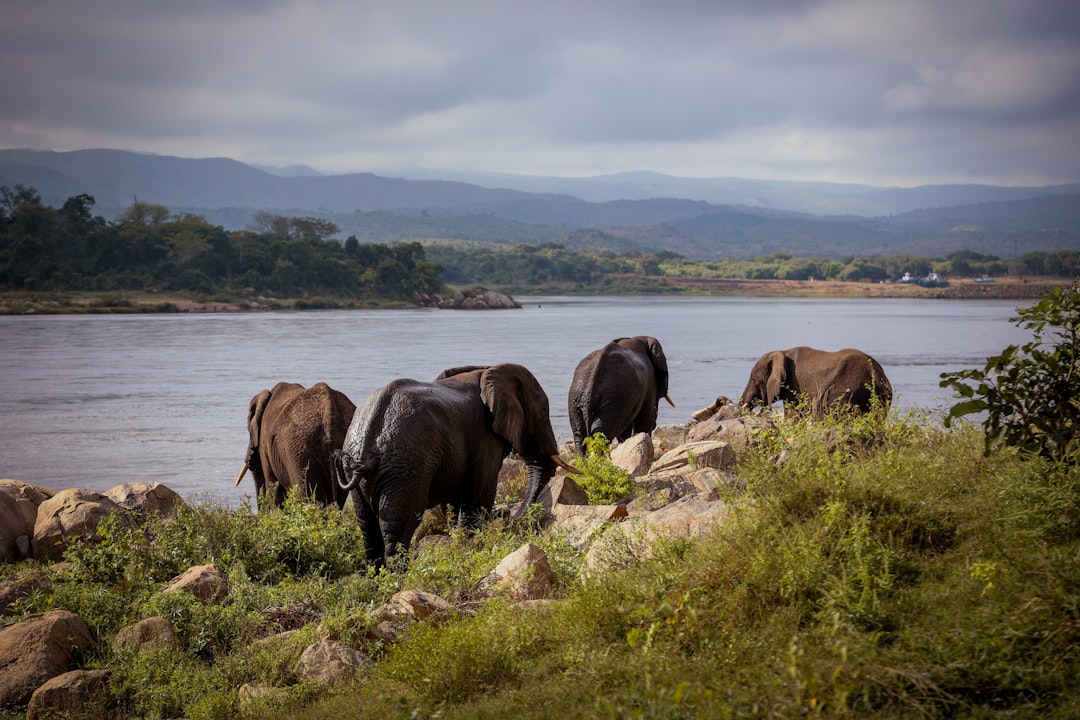
- Wildlife highlights: Elephants, hippos, waterbuck, reedbuck, and sable antelope
- Top parks: Liwonde, Nyika, and Kasungu National Parks
- Cost: No single fixed rate; request current quotes from verified operators
- Getting there: Malawi is landlocked and borders Mozambique, Zambia, and Tanzania
Introduction: What Are Malawi Safari Seasons 2026?
Malawi Safari Seasons 2026: When Wildlife Viewing Is Best is a guide to choosing the right month for a game drive, walking safari, or park stay. Malawi has two main seasons. The dry season runs from May to October. The wet season runs from November to April.
Malawi’s dry months are generally the best choice for first-time safari visitors. Most of the country receives little or no rain from May to October. Animals also become easier to find as water sources shrink. The result is clearer travel planning and better chances of seeing wildlife in open areas.
Quick answer: Visit Malawi between May and October for the most reliable wildlife viewing in 2026. The weather is drier, many roads are easier to use, and animals gather near remaining water. Choose November to April for green scenery and birdlife, but expect rain, storms, and less predictable game viewing.
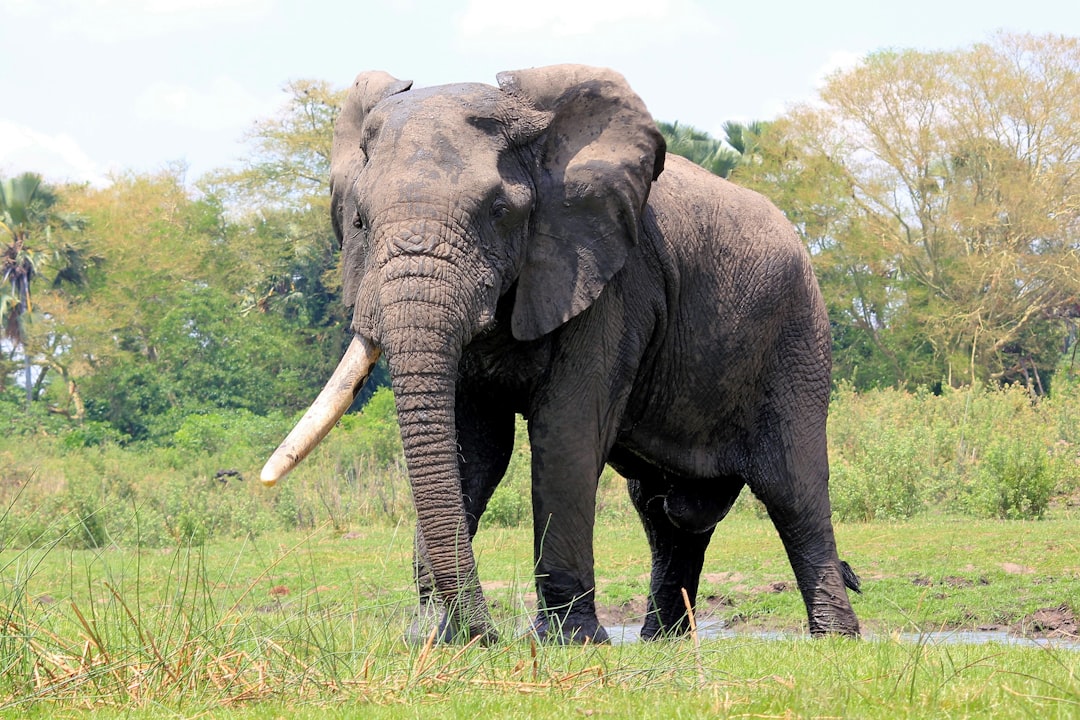
Malawi is a strong choice for travellers who want a quieter safari. Its notable wildlife areas include Liwonde, Nyika, and Kasungu National Parks. The country is home to elephants, hippos, waterbuck, reedbuck, and sable antelope. Lake Malawi also adds a relaxed beach and boating option before or after your safari.
This guide explains what each season means in practice. It covers weather, wildlife, park access, trip planning, and health preparation. It also shows how to compare current safari packages without guessing prices that change by operator, park, and travel date.
What Makes the Dry Season Best for Wildlife Viewing?
The dry season from May to October is Malawi’s best wildlife-viewing period. Rainfall is low across most of the country, vegetation becomes less dense, and animals often move toward reliable water. Cooler conditions also make early morning and late afternoon game drives more comfortable.
Why May to October Works Well
Malawi’s dry season starts in May and ends in October. During these months, most areas receive little to no rainfall. This pattern helps keep many safari roads more usable and reduces the chance that heavy storms will change a planned activity.
Animals are often easier to locate during dry weather. Water becomes more limited, so elephants, hippos, antelope, and other wildlife may spend more time near rivers, lagoons, and known waterholes. Guides can then focus searches around these key areas.
Temperatures also matter. Malawi is generally hot and humid from October through April around Lake Malawi and in the Lower Shire Valley. May, June, July, and August usually offer more comfortable conditions for long drives and walking activities.
What Each Dry-Season Month Offers
| Month | Season | Wildlife viewing | Best for |
|---|---|---|---|
| May | Start of dry season | Improving as rain decreases | Green landscapes with better road conditions |
| June | Dry season | Strong and increasingly predictable | Cooler mornings and classic game drives |
| July | Dry season | Strong in many parks | Comfortable safari days and walking trips |
| August | Dry season | Strong near water sources | Reliable dry-weather planning |
| September | Late dry season | Strong, with heat rising | Wildlife near rivers and lagoons |
| October | End of dry season | Useful, but hotter | Travellers who accept heat for dry conditions |
May and June suit travellers who want a balance of fresh scenery and dry weather. July and August are strong choices for cooler mornings. September and October can offer good animal viewing, but temperatures rise, especially in lower areas.
Compare Malawi dry-season safari packages and request current operator quotes before you choose dates, parks, and travel services.
Which Parks Are Best During Malawi’s Safari Seasons?
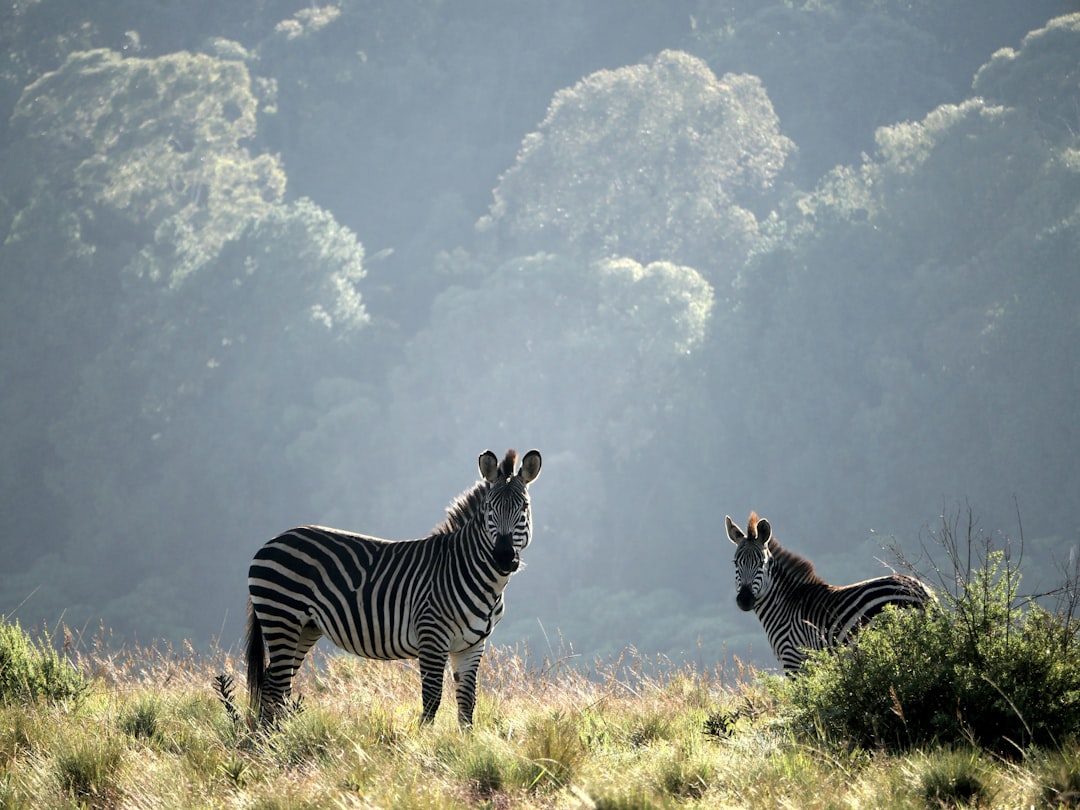
Liwonde, Nyika, and Kasungu National Parks are Malawi’s key wildlife destinations. Each park offers a different setting, so the best choice depends on your target species, preferred activities, and tolerance for changing weather. A multi-park route gives you a wider view of Malawi’s landscapes and wildlife.
Liwonde National Park
Liwonde National Park is a leading choice for river-based wildlife viewing. The park is associated with elephants and hippos, while waterbuck and other antelope add variety to game drives. Its setting makes it useful for travellers who want both land safaris and time near water.
The dry season can make Liwonde easier to plan. Animals may gather near rivers and remaining water sources as rainfall falls. Morning drives and boat activities can also feel more comfortable from May through August, before the hottest late-dry-season months.
Nyika National Park
Nyika National Park is known for its highland setting and open scenery. Higher ground can feel cooler than Malawi’s low-lying areas. This makes Nyika a useful option for travellers who prefer walking, wide views, and a different climate from the Lower Shire Valley.
Nyika also shows why altitude matters when planning Malawi Safari Seasons 2026. Temperatures vary across the country, and northern highlands are more temperate than low-lying southern areas. Pack warm layers for early mornings, even when lower parks feel hot.
Kasungu National Park
Kasungu National Park is another notable wildlife destination in Malawi. The park forms part of the country’s wider safari network and can suit travellers who want a quieter park experience. Dry-season conditions support clearer road planning and more focused wildlife searches.
Choosing One Park or Several
A one-park trip works well when you have limited time. Liwonde is a practical choice for travellers focused on elephants and hippos. Nyika suits highland scenery and cooler conditions. Kasungu can add a less crowded feel to a longer route.
A multi-park itinerary gives you more variety. However, extra transfers add time and planning needs. Ask each operator about road conditions, internal transfers, activity schedules, and the number of nights in each park.
Malawi is landlocked and shares borders with Mozambique, Zambia, and Tanzania. That location makes regional travel possible, but border crossings and transfer plans need careful checking before booking.
SafariFind connects travellers with verified tour operators and authentic reviews. Review available packages, compare park combinations, and ask operators which route fits your dates and wildlife goals.
How Should You Plan a Malawi Safari in 2026?
Start by matching your travel dates with the season, park, and activity you want. Choose May to October for the clearest dry-season wildlife plan. Choose November to April for greener scenery and a wetter, less predictable trip. Then confirm transport, park access, health rules, and the exact services included.
Step 1: Choose Your Main Travel Goal
Wildlife viewing is the main reason to choose the dry season. Cooler months make long drives easier, while dry roads simplify daily planning. If you want green landscapes and a different photographic mood, the wet season offers stronger plant growth and dramatic skies.
Late March is a key wet-season point. Rainfall and thunderstorms peak around late March, then rainfall drops quickly. This does not make March the best month for predictable game drives, but it helps explain why wet-season conditions can change within days.
Step 2: Match the Park to Your Interests
- Choose Liwonde for river settings, elephants, hippos, and water-based activities.
- Choose Nyika for highland scenery, cooler temperatures, and open landscapes.
- Choose Kasungu for a quieter park option and wider route planning.
- Choose several parks when you want varied landscapes and have enough travel time.
Step 3: Check Costs and Inclusions
Safari prices do not have one universal figure for Malawi. The final quote depends on the operator, park, accommodation, transport, activities, and travel dates. Confirm whether the price includes park fees, meals, transfers, guides, boat trips, walking safaris, and airport pickup.
Read the current guide to Malawi safari costs in 2026 before comparing quotes. Also check the latest information on Malawi national park fees and availability. These steps help you compare like with like.
Compare Malawi safari operators with current availability and transparent inclusions when your budget and travel dates are fixed.
Step 4: Prepare for Entry and Health Rules
Entry documents and health rules can affect your departure date. British travellers can review the latest Malawi entry requirements for 2026 before booking flights. British citizens should also check the dedicated guide to the Malawi visa requirements.
Vaccination advice depends on your country and personal health needs. Read the guide to Malawi vaccine rules for British travellers and speak with a qualified health professional. American travellers can also review the guide to Malawi vaccinations and health rules.
Step 5: Pack for the Season
- Pack light layers for cool, early dry-season mornings.
- Carry sun protection for long drives and open vehicles.
- Use breathable clothes for hot areas in September and October.
- Bring waterproof protection during November to April.
- Take sturdy shoes for walking activities and uneven ground.
Finally, check safety advice before travel. The guide on Malawi safari safety in 2026 can help you prepare questions for your operator.
What Are the Main Seasonal Trade-Offs?
The dry season offers the most dependable wildlife viewing, while the wet season offers greener scenery and more changeable conditions. Neither season suits every traveller. Your best month depends on whether you value predictable game drives, cooler weather, green landscapes, or a flexible travel plan.
| Season | Months | Strengths | Important considerations | Best for |
|---|---|---|---|---|
| Dry season | May to October | Less rain, clearer wildlife searches, cooler months | Late season can be hot | First-time safari visitors and game viewing |
| Wet season | November to April | Green scenery and changing landscapes | Rain, storms, and less predictable viewing | Flexible travellers and landscape lovers |
Dry-Season Benefits
The dry season gives you a simple planning advantage. You can expect less rain across most of Malawi from May through October. Roads and daily activities are less likely to face rain-related changes, although local conditions still need confirmation.
Wildlife can also become more concentrated around water. This pattern does not guarantee a sighting, but it gives guides useful areas to search. Morning drives may feel cooler, while afternoon drives can provide softer light and changing animal behaviour.
Wet-Season Benefits
The wet season transforms the landscape. Rain supports greener vegetation and can make scenic areas feel fresh. However, heavy rain can affect roads, activity times, and visibility. Rainfall peaks in late March, so travellers seeking stable conditions should avoid relying on that month for a fixed safari schedule.
Wet-season travel can work for repeat visitors or travellers with flexible plans. Ask operators how they handle rain, road changes, park access, and alternative activities. A strong operator should explain these details before you pay a deposit.
How to Choose Your Dates
- Choose May to August for cooler dry-season conditions.
- Choose September or October for late dry-season wildlife viewing.
- Choose November to February only if you accept rain risk.
- Treat March and April as changeable transition months.
- Ask for a written plan covering weather-related changes.
SafariFind helps you compare verified operators rather than relying on one untested quote. Read authentic traveller reviews, check what each package includes, and request a clear answer about seasonal access before you book.
Key Takeaways
- Travel from May to October for Malawi’s driest months and more reliable wildlife viewing.
- Choose June to August for cooler mornings and comfortable game-drive conditions.
- Plan Liwonde, Nyika, or Kasungu around your main wildlife and landscape interests.
- Expect rain from November to April, with rainfall and storms peaking in late March.
- Compare written safari quotes that list park fees, transport, accommodation, meals, and activities.
Frequently Asked Questions
When is the best time for a Malawi safari in 2026?
The best time for a Malawi safari in 2026 is May to October. This dry season brings little to no rainfall across most of the country, and animals are often easier to find near remaining water sources. June to August also offers cooler conditions for game drives and walks.
Is Malawi good for wildlife viewing during the rainy season?
Malawi can provide wildlife viewing during the rainy season, but conditions are less predictable. The wet season runs from November to April. Rain and storms can affect roads and activities, while late March brings peak rainfall and thunderstorms. Flexible travellers may still enjoy greener scenery.
Which Malawi national park is best for a first safari?
Liwonde National Park is a strong first-safari choice for travellers interested in elephants, hippos, waterbuck, and river settings. Nyika National Park suits highland scenery and cooler conditions. Kasungu National Park offers another notable wildlife area for a quieter route.
What animals can I see on a Malawi safari?
Malawi is home to elephants, hippos, waterbuck, reedbuck, and sable antelope. Liwonde, Nyika, and Kasungu National Parks are among the country’s notable wildlife destinations. Sightings depend on the park, season, guide, habitat, and daily conditions.
What is the rainy season in Malawi?
Malawi’s rainy season runs from November through April. Rainfall and thunderstorms peak in late March, after which rainfall decreases quickly. The country is generally hot and humid from October through April around Lake Malawi and in the Lower Shire Valley.
How can I book the right Malawi safari for 2026?
Use SafariFind to compare verified tour operators, review current packages, and read authentic traveller reviews. Check dates, park access, transport, accommodation, activities, and included fees before requesting a quote. This process helps you match your Malawi safari to the right season.
Conclusion: Choosing Your Malawi Safari Season
Malawi’s best wildlife-viewing season is May to October, when dry weather supports clearer planning and easier animal searches. Liwonde, Nyika, and Kasungu National Parks offer different settings, from river wildlife to cool highland scenery. The wet season from November to April suits travellers who prefer green landscapes and flexible schedules.
For a first trip in 2026, consider June to August for cooler dry-season conditions. September and October also work well if you can manage higher heat. Before booking, compare what each operator includes and confirm park access for your dates.
Compare verified Malawi safari packages for your 2026 travel dates, read authentic reviews, and request a quote from a trusted operator. SafariFind makes it easier to choose with clear information as Malawi’s safari season continues through 2026.
Structured Data
Plan Your Safari with SafariFind
These recommendations use real data from SafariFind, where you can compare operators, browse packages, and read verified traveler reviews before you book.

 Ask Tembo about this guide