Malawi Safari vs Kenya 2026: Wildlife Density & Real Costs
Compare Malawi safaris ($150-$300/day) vs Kenya ($250-$1,500+/day). Explore wildlife density, real costs, and which destination suits your 2026 adventure.
Malawi Safari vs Kenya 2026: Wildlife & Costs
Last updated: July 2026
Malawi safaris cost $150-$300 per person daily and offer intimate wildlife experiences in less crowded parks. Kenya safaris range $250-$1,500+ daily with premium infrastructure and the legendary Great Migration. Choose Malawi for budget-friendly adventures and Kenya for iconic wildlife spectacles. Compare verified packages on SafariFind to find your perfect fit.
At a Glance
- Malawi daily cost: $150-$300 per person
- Kenya daily cost: $250-$1,500+ per person
- Malawi best time: May-November (dry season, cooler)
- Kenya best time: July-October (Great Migration)
- Malawi wildlife density: Lower crowds, intimate experiences
- Kenya wildlife density: Higher concentrations, Big Five guaranteed
- Best for Malawi: Budget travelers, wildlife photographers, nature lovers
- Best for Kenya: Premium seekers, migration enthusiasts, first-time safari goers
What Is Malawi Safari vs Kenya 2026: Wildlife Density & Real Costs?
Choosing between Malawi and Kenya for your 2026 safari depends on your budget, wildlife priorities, and travel style. Malawi safaris cost $150-$300 per person daily, while Kenya safaris range $250-$1,500+ daily depending on accommodation and park choice . Malawi offers exceptional value with intimate game drives and fewer tourists, whereas Kenya delivers world-class infrastructure and the chance to witness the Great Migration's 1.5 million wildebeest .
Why Compare These Two Destinations?
Both East African nations deliver incredible safari experiences, but they serve different traveler needs. Malawi is affectionately known as the "warm heart of Africa" and features stunning scenery, Lake Malawi's pristine waters, and abundant wildlife without the crowds . Kenya attracts safari enthusiasts seeking the Big Five, premium lodges, and guaranteed wildlife encounters with large lion prides, over 200 cheetahs, and healthy leopard populations .
Your choice affects not just your budget but your entire experience. Malawi suits travelers seeking authenticity and affordability. Kenya appeals to those wanting luxury amenities and iconic moments. Understanding the real costs helps you make an informed decision that aligns with your expectations and wallet.
Key Differences at a Glance
Malawi features lower population density in its parks, meaning you'll encounter fewer safari vehicles and more peaceful wildlife viewing. Kenya's parks have higher animal concentrations, especially during migration season. Wildlife density differs significantly: Kenya guarantees Big Five sightings, while Malawi offers more subtle, rewarding encounters with diverse species in their natural habitat.
Accommodation costs drive the price gap. Kenya's luxury lodges and tented camps command premium rates. Malawi's mid-range camps and lodges keep daily expenses low while maintaining comfort and quality guiding. Both nations employ experienced guides, but Kenya's infrastructure supports higher operational costs.
Malawi Safari Costs & Wildlife Density Explained
Malawi safaris cost between $150-$300 per person per day when mixing accommodation styles and seasons . This makes Malawi the more affordable option for budget-conscious travelers. During shoulder season (May-September), expect to pay $525-$575 nightly for moderate accommodation with safari and beach options . Premium lodges cost $600-$650 nightly. High season (October-April) prices rise to $570-$675 for moderate and $700-$800 for premier properties .
Wildlife Density in Malawi Parks
Malawi's national parks offer intimate wildlife experiences because fewer international tourists visit compared to Kenya. Liwonde National Park and Majete Wildlife Reserve host elephants, hippos, lions, and diverse bird species in quieter settings. You'll share the landscape with fewer safari vehicles, allowing more personal connections with guides and wildlife moments.
The trade-off is lower animal density. You may spend more time searching for specific species. However, when you find wildlife, the encounter feels more authentic and less staged than Kenya's high-traffic areas. Malawi's strength lies in quality over quantity—fewer sightings mean more meaningful observations.
What's Included in Malawi Prices
Malawi safari costs typically include accommodation, meals, professional guides, and game drives . Most packages cover park entry fees and transportation between lodges. Additional costs include international flights, optional activities like boat safaris on Lake Malawi, and gratuities for guides. Many travelers budget an extra $100-$200 for optional excursions and tips.
Accommodation quality varies by price tier. Budget lodges offer basic comfort with reliable guiding. Mid-range properties add amenities like swimming pools and better dining. Premium camps provide luxury tents, gourmet meals, and exclusive game drive areas. Your daily budget directly reflects these choices.
To find the best Malawi packages for your budget, compare private versus group trip costs and explore 5 routes designed for every traveler type.
Kenya Safari Costs & Wildlife Density Explained
Kenya safaris range from $250-$1,500+ per person per day depending on accommodation class and season . Budget safaris start at $150 daily in basic camps. Mid-range experiences cost $500-$800 daily. Luxury safari lodges exceed $1,500 daily. Kenya's higher costs reflect superior infrastructure, premium lodge amenities, and guaranteed Big Five encounters .
Wildlife Density in Kenya's Prime Parks
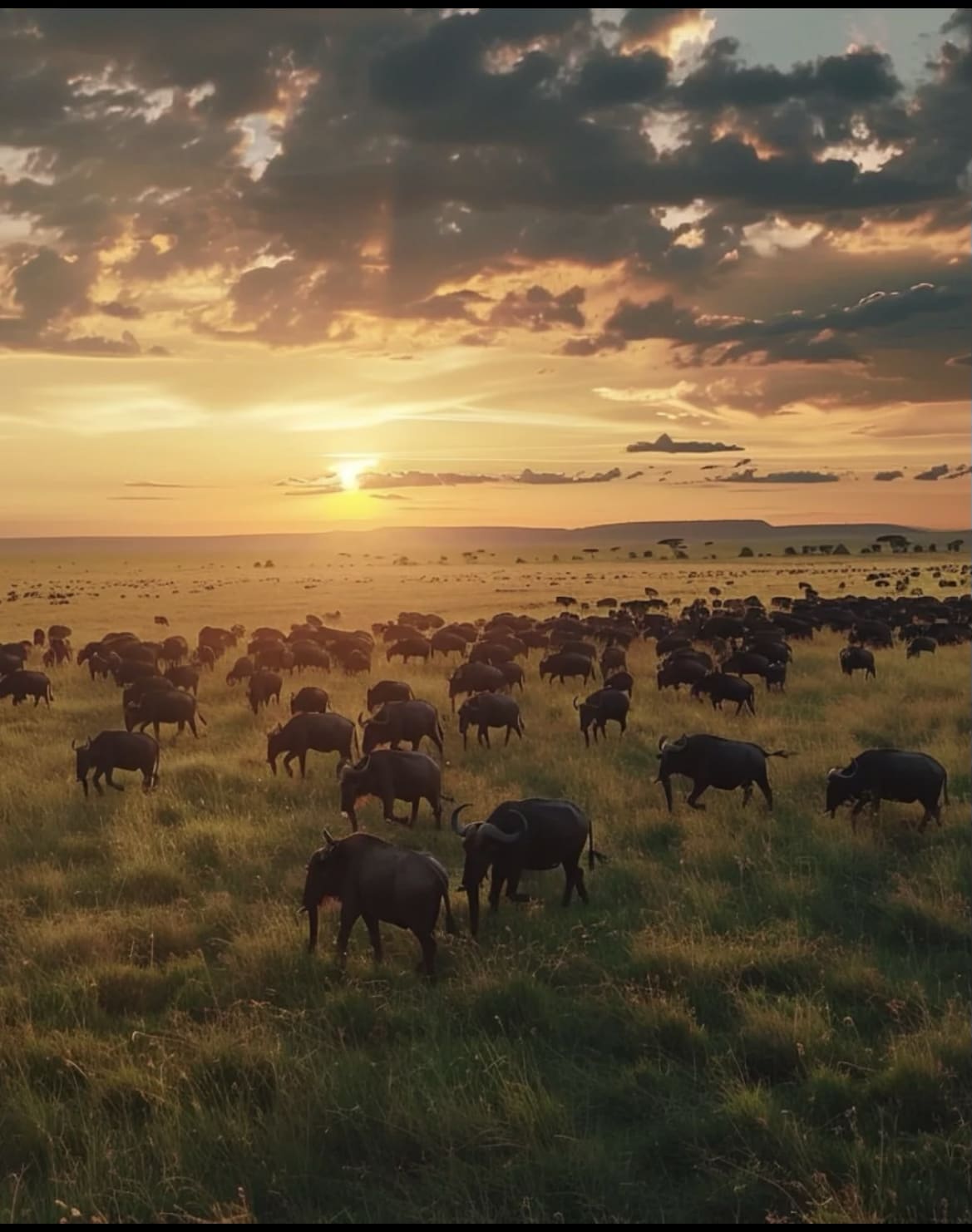
Kenya's Masai Mara and Serengeti ecosystems host the highest wildlife concentrations in East Africa. Large lion prides thrive here alongside over 200 cheetahs and healthy leopard populations . During July-October, the Great Migration brings 1.5 million wildebeest and 250,000 zebras across the Mara River, creating unparalleled wildlife spectacles .
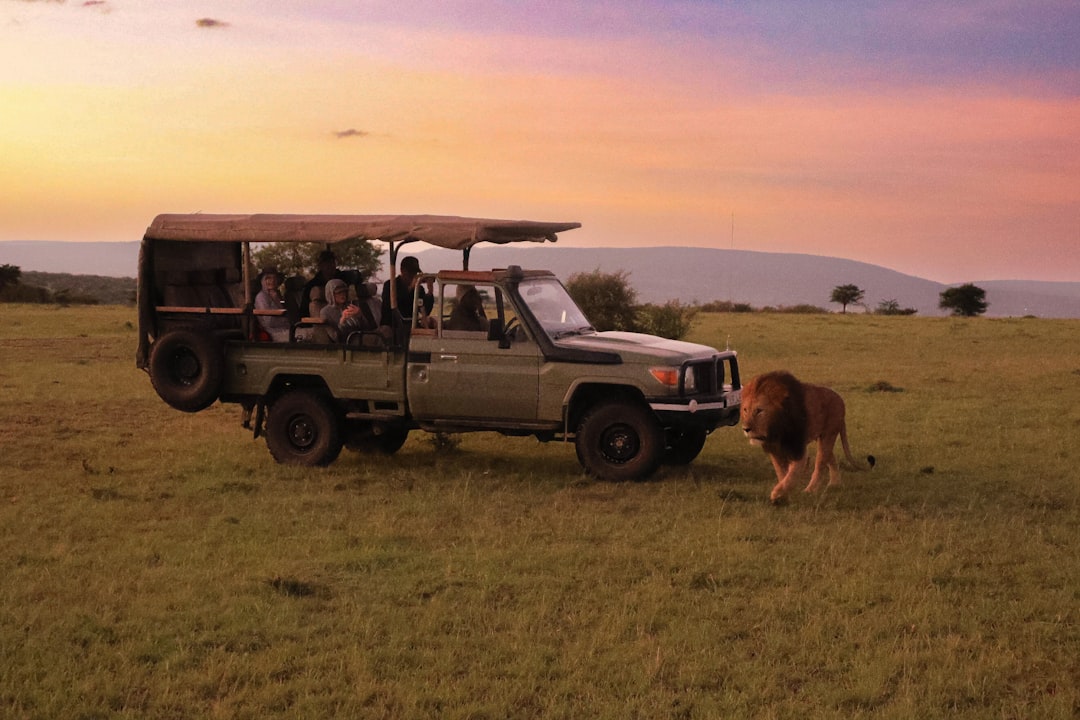
Higher animal density means more frequent sightings and shorter search times. You'll encounter multiple predator-prey interactions daily. This appeals to first-time safari goers who want guaranteed memorable moments. However, popular parks attract many vehicles, sometimes surrounding single animals during peak season.
What's Included in Kenya Prices
Kenya safari packages include accommodation, meals, professional guides, game drives, and park entry fees . Premium lodges add extras like spa treatments, premium beverages, and exclusive game drive areas. Costs vary by season—peak migration season (July-October) commands higher rates than shoulder months.
Kenya's infrastructure supports higher operational costs. Lodges offer world-class dining, comfortable furnishings, and reliable electricity. Guides often speak multiple languages and provide deeper wildlife knowledge. These premium services justify higher daily rates compared to Malawi.
Kenya's Great Migration is the primary draw for many travelers. This natural phenomenon creates unmatched safari drama, making Kenya the ideal choice for travelers seeking iconic experiences worth premium pricing.
Wildlife Density Comparison: Malawi vs Kenya
Wildlife density directly impacts your safari experience and photo opportunities. Kenya's parks concentrate animals in smaller areas, creating frequent sightings. Malawi's parks spread wildlife across larger territories, requiring more patience but rewarding with authentic encounters . Population density data shows Kenya has 261.5 people per square kilometer while Malawi has 626 people per square kilometer —counterintuitively, Malawi's human population is denser, but its wildlife parks remain less congested than Kenya's.
Big Five Guarantee: Kenya Wins
Kenya guarantees Big Five sightings (lion, leopard, elephant, buffalo, rhino) in premium parks. Malawi offers sightings but without guarantees. If seeing all five species is essential, Kenya delivers. Most Kenya operators promise Big Five encounters within your stay or offer partial refunds.
Malawi features four of the Big Five (missing rhinos in most parks). You'll see elephants, lions, buffalo, and leopards. Substitute wildlife includes hippos, wild dogs, and diverse antelope species. For photographers seeking the complete Big Five checklist, Kenya is the safer choice.
Birdwatching & Unique Species
Malawi excels in birdwatching with over 650 bird species recorded. Lake Malawi adds aquatic birds and fish eagles. Malawi's diverse habitats support species you won't find in Kenya. If birdwatching ranks high in your priorities, Malawi offers superior experiences at lower costs.
Kenya also hosts excellent birdwatching (over 1,000 species), but focuses more on large mammals. Kenya's Rift Valley lakes attract flamingos and wading birds. Both destinations satisfy serious birders, but Malawi's intimate lakeside setting enhances the experience.
Crowd Factor & Photography
Malawi's lower tourist numbers mean fewer vehicles surrounding wildlife. Photographers get cleaner shots without competing safari cars. Game drives feel more intimate and less commercial. Kenya's popular parks sometimes feature 5-10 vehicles around a single lion, compromising photo composition and experience quality.
If solitude and pristine photography matter, Malawi delivers. If you prioritize frequency of sightings, Kenya wins. Consider your priorities: do you want many encounters or deep, uninterrupted moments with fewer animals?
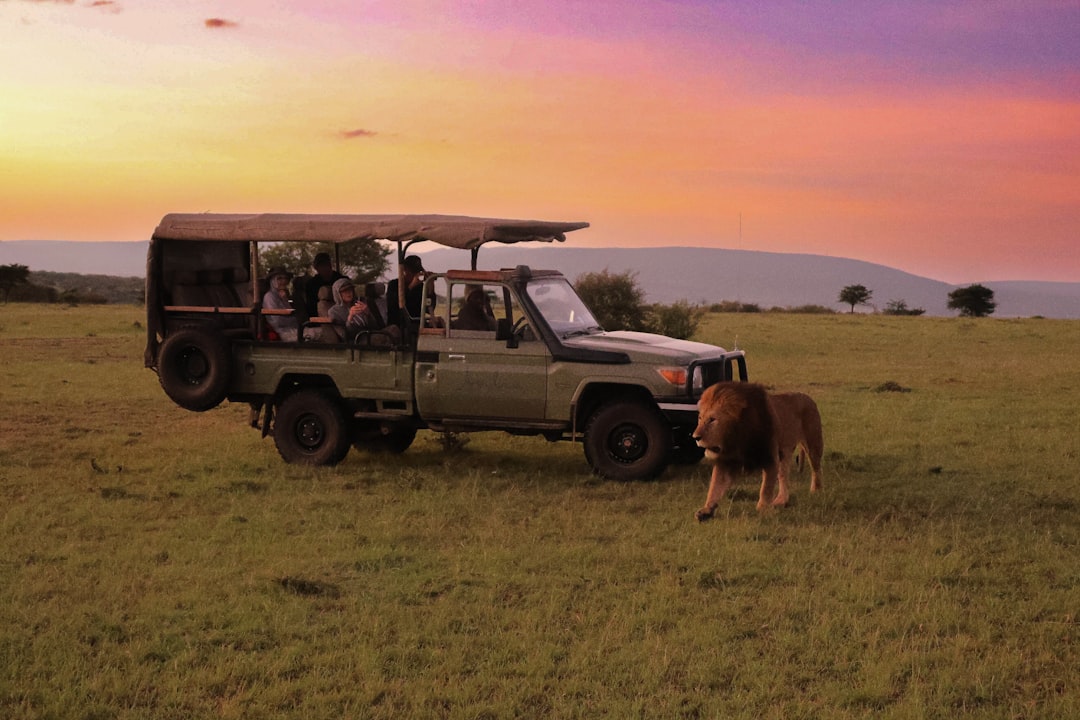
Real Cost Breakdown: Daily Expenses in 2026
Understanding actual daily costs helps you budget accurately. A typical 7-day Malawi safari costs $1,050-$2,100 total ($150-$300 daily) . A comparable Kenya safari costs $1,750-$10,500 ($250-$1,500 daily) . These figures exclude international flights, visas, and travel insurance but include accommodation, meals, and game drives.
Malawi Budget Breakdown
Daily costs split into accommodation (60%), meals (20%), and activities (20%). Budget lodges cost $50-$80 nightly. Mid-range properties cost $100-$150 nightly. Premium camps exceed $200 nightly. Meals typically cost $15-$30 daily in all-inclusive packages. Game drives, included in most packages, add $30-$50 daily value.
A 7-day Malawi safari for one person costs approximately $1,200 in a mid-range lodge package. Couples save per-person costs through shared accommodation. Group tours offer additional savings of 10-15% compared to private safaris.
Kenya Budget Breakdown
Kenya's daily expenses split similarly but at higher rates. Budget safari camps cost $100-$150 nightly. Mid-range lodges cost $300-$500 nightly. Luxury properties exceed $800 nightly. Meals cost $25-$50 daily depending on lodge quality. Premium beverages and activities add $50+ daily.
A 7-day Kenya safari for one person costs approximately $2,500-$4,000 in mid-range lodges . Peak season (July-October) adds 20-30% premiums. Early booking saves 15-20% on rates. Group safaris offer savings compared to private arrangements.
Hidden Costs in Both Destinations
International flights from the US cost $800-$1,500 roundtrip to either destination. Travel insurance adds $50-$150. Visas cost $50-$100. Airport transfers, gratuities, and optional activities add $200-$500. Budget these separately from daily safari costs for accurate total trip expenses.
Both destinations offer flexibility. You can reduce costs by choosing budget accommodation, traveling in shoulder season, or joining group tours. Premium experiences command higher prices but offer superior comfort and exclusive access to wildlife areas.
Best Time to Visit: Seasons & Wildlife Patterns
Timing your safari dramatically affects costs and wildlife encounters. Malawi's dry season (May-November) offers the best wildlife viewing at moderate prices. Kenya's migration season (July-October) commands premium rates but delivers unmatched spectacle. Understanding seasonal patterns helps you choose the optimal timing for your priorities and budget.
Malawi's Seasonal Guide
May-August offers cool, dry weather with excellent wildlife viewing. Animals concentrate around water sources, making sightings easier. Accommodation prices stay reasonable at $525-$575 nightly for moderate lodges . September-October sees rising temperatures but fewer tourists and lower rates.
November-April brings rain, lush vegetation, and nesting birds. Game viewing becomes challenging as animals disperse. Prices drop 20-30%, making budget safaris even more affordable. Serious wildlife watchers avoid rainy season.
Kenya's Seasonal Guide
July-October delivers the Great Migration spectacle. Millions of wildebeest cross the Mara River daily. Accommodation rates peak at $1,500+ nightly for premium lodges. Expect crowded parks and higher daily costs. This season justifies Kenya's premium pricing through iconic experiences.
November-June offers better value with fewer tourists. Wildlife viewing remains excellent outside migration season. Accommodation costs drop 30-40%. December-January brings holiday crowds and moderate rate increases. February-March offers the best value for budget-conscious travelers.
For maximum savings, visit Malawi May-July or Kenya February-March. For iconic experiences, visit Kenya July-September despite higher costs. Both destinations reward flexible travelers with better rates during shoulder seasons.
How to Choose: Decision Framework for 2026
Your choice depends on five key factors: budget, wildlife priorities, experience style, time available, and crowd tolerance. Malawi suits budget travelers seeking authentic experiences. Kenya appeals to those prioritizing iconic moments and premium comfort. Use this framework to align your preferences with the right destination.
Choose Malawi If You:
- Have a budget under $2,000 for a 7-day safari
- Value solitude and fewer tourists
- Enjoy birdwatching and diverse wildlife
- Prefer intimate lodge experiences
- Want authentic, less-commercialized safaris
- Seek value without compromising quality
Choose Kenya If You:
- Want guaranteed Big Five sightings
- Prioritize the Great Migration experience
- Prefer luxury lodge amenities
- Value premium infrastructure and services
- Budget $3,000+ for a 7-day safari
- Seek iconic, bucket-list moments
Hybrid Option: Combine Both
Consider a 10-14 day trip combining both destinations. Spend 5 days in Malawi (budget $750-$1,500) for intimate wildlife experiences. Then fly to Kenya for 5-7 days ($1,750-$3,500) to witness the Great Migration. This approach costs $2,500-$5,000 total but delivers diverse experiences at both price points.
Ready to explore packages? Compare verified Malawi and Kenya safari packages on SafariFind to find options matching your budget and preferences. Read authentic reviews from past travelers to make confident decisions.
Booking Strategy: Getting the Best Value in 2026
Smart booking strategies save 15-30% on safari costs. Book 3-6 months in advance for better rates. Malawi packages offer consistent pricing year-round. Kenya rates fluctuate dramatically—book early for peak season or wait for shoulder season deals. Group bookings save 10-15% compared to solo travelers.
Timing Your Booking
For July-October Kenya safaris, book by March-April to secure rates before peak season increases. For Malawi safaris, book 2-3 months ahead for moderate savings. Last-minute bookings rarely offer discounts—operators fill spots at posted rates. Early planning pays dividends.
Comparing Operators
SafariFind lists verified operators with authentic reviews from past travelers. Compare ratings, review counts, and package inclusions. Mid-range operators often deliver better value than budget or luxury extremes. Read recent reviews focusing on guide quality, wildlife sightings, and accommodation comfort.
Request quotes from multiple operators. Prices vary 10-20% for identical itineraries. Negotiate package inclusions—ask about free airport transfers, beverage upgrades, or activity additions. Professional operators welcome negotiation on value-adds.
Package Inclusions Matter
Compare what's included: accommodation, meals, game drives, park fees, transfers, or guides. Some packages include flights; others don't. All-inclusive packages simplify budgeting. À la carte bookings offer flexibility but require careful cost tracking. Understand exactly what you're paying for before committing.
Read the fine print. Check cancellation policies, payment schedules, and what happens if wildlife sightings disappoint. Reputable operators offer flexibility and stand behind their promises.
Key Takeaways
- Book Malawi safaris 2-3 months ahead at $150-$300 daily to save 15% on shoulder season rates while enjoying intimate wildlife experiences with fewer tourists.
- Plan Kenya safaris March-April for July-October peak season at $250-$1,500+ daily, securing rates before 20-30% summer increases for the Great Migration.
- Choose Malawi for birdwatching and budget safaris under $2,000 per person weekly, featuring over 650 bird species and authentic encounters in less-crowded parks.
- Select Kenya for guaranteed Big Five sightings and iconic experiences costing $2,500-$4,000 weekly, with large lion prides, 200+ cheetahs, and the legendary 1.5 million wildebeest migration.
- Compare verified operators on SafariFind to find packages matching your budget and priorities, reading authentic reviews from past travelers to confirm guide quality and wildlife guarantees.
Frequently Asked Questions
How much does a Kenya safari cost per person in 2026?
A Kenya safari costs between $250-$1,500+ per person per day depending on accommodation level and season . A typical 7-day mid-range safari costs $2,500-$4,000 total per person. Peak season (July-October) commands premium rates. Budget safaris start at $150 daily; luxury properties exceed $1,500 daily. Prices include accommodation, meals, game drives, and park fees but exclude international flights.
How much does a Malawi safari cost per person in 2026?
A Malawi safari costs $150-$300 per person daily, making it significantly more affordable than Kenya . A 7-day mid-range safari costs $1,050-$2,100 total per person. Shoulder season rates range $525-$575 nightly for moderate accommodation . High season rates rise to $570-$675 for moderate and $700-$800 for premier properties. Prices include accommodation, meals, game drives, and park entry but exclude international flights.
Which destination has higher wildlife density: Malawi or Kenya?
Kenya has higher animal density in concentrated areas, guaranteeing frequent Big Five sightings, especially large lion prides and over 200 cheetahs . Malawi offers lower density with more dispersed wildlife, requiring patience but rewarding with intimate, less-crowded experiences. Kenya delivers more frequent encounters; Malawi delivers more authentic, solitary moments. Your choice depends on whether you prioritize quantity of sightings or quality of experiences.
What's the best time to visit Malawi and Kenya for safaris?
Malawi's best season is May-November (dry, cool weather) with moderate prices at $525-$575 nightly . Kenya's best season is July-October for the Great Migration with 1.5 million wildebeest, though rates peak at $1,500+ daily . For budget travel, visit Malawi May-July or Kenya February-March. For iconic experiences, visit Kenya July-September despite premium pricing. Both destinations offer excellent viewing November-April at reduced rates.
Should I choose Malawi or Kenya for my first safari?
Choose Kenya if you want guaranteed Big Five sightings and iconic experiences worth premium costs ($2,500-$4,000 weekly). Choose Malawi if you budget under $2,000 weekly and prefer intimate, less-commercialized experiences. Consider a hybrid trip combining both for 10-14 days ($2,500-$5,000) to experience diverse wildlife and price points. Request quotes from verified operators on SafariFind and read authentic reviews to guide your decision.
What's included in Kenya and Malawi safari packages?
Both destinations' safari packages typically include accommodation, meals, professional guides, and game drives . Park entry fees and vehicle transportation are standard. Premium packages add spa services, exclusive game drive areas, and premium beverages. Verify exactly what's included before booking—some operators charge separately for activities, transfers, or gratuities. Read package details carefully and ask operators about all-inclusive versus à la carte options to understand true daily costs.
How can I find the best safari deals on SafariFind?
Browse SafariFind's verified operators and compare Malawi and Kenya packages by price, duration, rating, and reviews. Request quotes from 2-3 operators to compare offerings. Read recent traveler reviews focusing on guide quality, wildlife sightings, and accommodation comfort. Book 2-6 months in advance for better rates. Shoulder season travel (May-June or February-March) offers 20-30% savings compared to peak season without sacrificing wildlife viewing quality.
Conclusion
Malawi and Kenya offer distinct safari experiences at different price points. Malawi delivers exceptional value at $150-$300 daily with intimate wildlife encounters, abundant birdwatching, and fewer crowds. Kenya commands premium pricing of $250-$1,500+ daily but guarantees Big Five sightings and the world-famous Great Migration spectacle .
Your choice depends on budget, priorities, and experience style. Budget travelers seeking authenticity choose Malawi. Premium seekers wanting iconic moments choose Kenya. Consider your wildlife priorities: Malawi excels in birdwatching and solitude; Kenya delivers Big Five guarantees and the legendary migration.
Booking strategy matters. Reserve 2-6 months ahead for best rates. Shoulder season travel (May-June or February-March) saves 20-30% compared to peak times. Group tours reduce per-person costs 10-15% versus solo travelers.
Ready to book your 2026 safari? Compare verified Malawi and Kenya safari packages on SafariFind to find options matching your budget and preferences. Read authentic reviews from past travelers, request quotes from multiple operators, and make confident decisions backed by real traveler feedback. Your perfect safari awaits—start exploring today.
Plan Your Safari with SafariFind
These recommendations use real data from SafariFind, where you can compare operators, browse packages, and read verified traveler reviews before you book.
What Travelers Say (SafariFind Reviews)
References
- Population density: Kenya vs Malawi compared
- Madagascar Safari vs Kenya: Wildlife & Cost 2026 | SafariFind
- How Much Does a Malawi Safari Cost? Malawi Pricing in 2026
- Kenya Safari Cost Breakdown 2026–2027 (Prices + Tips)
- Guide to Kenya Safari Cost 2026/2027 – Budget, Mid-Range & Luxury Price Breakdown
- 10 Best Places to Go on Safari in 2026 | African Safari Blog
- Best Safari Holidays: Our Top Picks for 2026/27
 Ask Tembo about this guide
Sources
- Population density: Kenya vs Malawi compared [2026]
- Madagascar Safari vs Kenya: Wildlife & Cost 2026 | SafariFind
- How Much Does a Malawi Safari Cost? Malawi Pricing in 2026
- Kenya Safari Cost Breakdown 2026–2027 (Prices + Tips)
- Guide to Kenya Safari Cost 2026/2027 – Budget, Mid-Range & Luxury Price Breakdown
- 10 Best Places to Go on Safari in 2026 | African Safari Blog
- Best Safari Holidays: Our Top Picks for 2026/27
Related to
Ready to start your safari adventure?
Explore curated safari packages and find your perfect African adventure with verified operators.