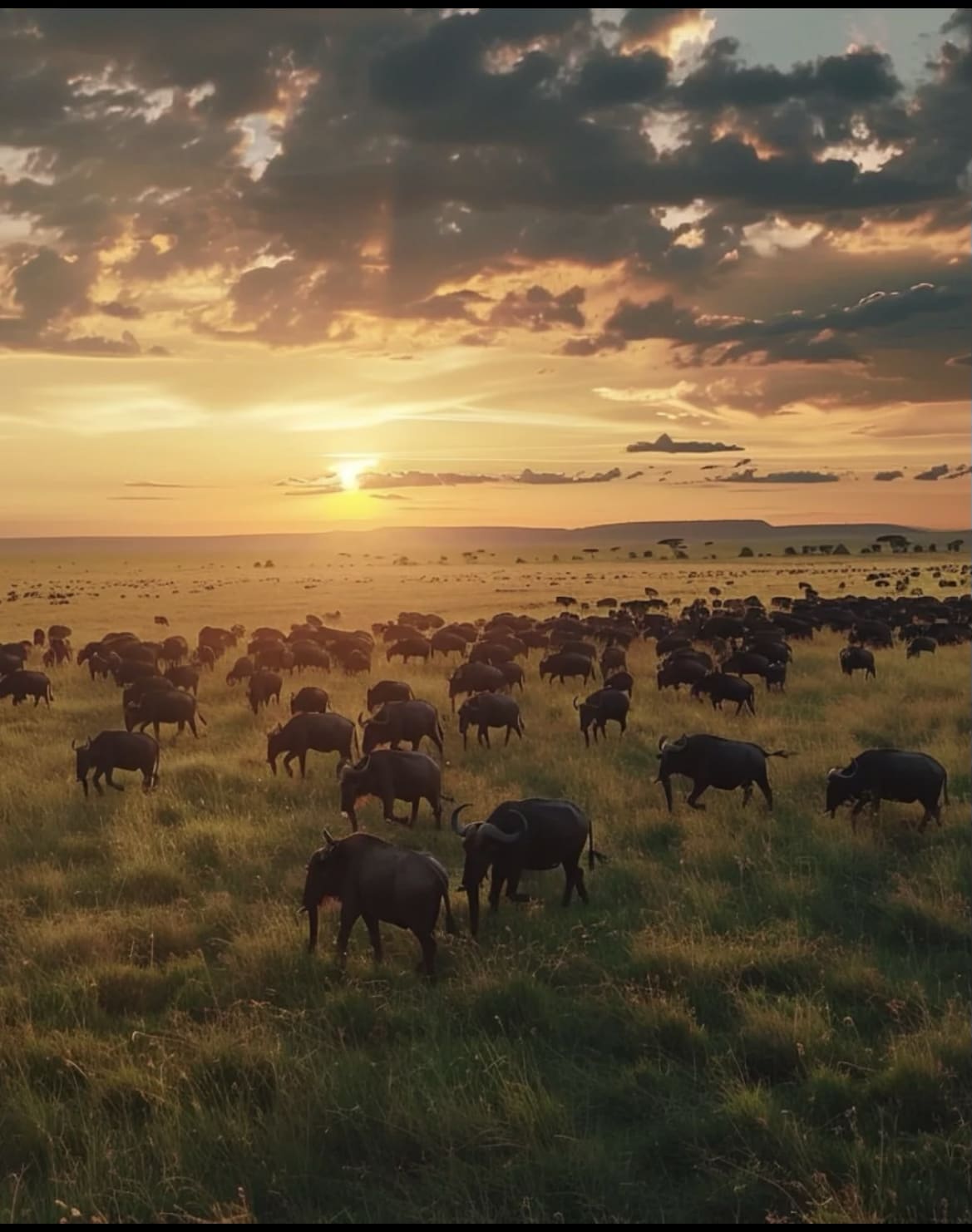
Malawi Safari Worth It? Cost vs Wildlife 2026
Malawi safari costs $150–$800/night with excellent wildlife viewing. July peak season offers elephants, hippos, Big Five. Budget-friendly alternative to Kenya. Book verified operators on SafariFind.

Malawi Safari Worth It? Cost vs Wildlife 2026
Last updated: July 2026
A Malawi safari in 2026 costs $150 to $800 per person per night, making it one of Africa's most affordable safari destinations. July offers peak wildlife viewing with elephants, hippos, and Big Five animals in parks like Liwonde and Majete. The experience is worth it for budget-conscious travelers seeking authentic wildlife without crowds. Book through verified operators on SafariFind to compare packages and read real traveler reviews.
At a Glance
- Cost per night: $150–$800 per person (budget to luxury)
- Best time to visit: May–October (dry season, peak wildlife)
- Recommended duration: 7–10 days
- Best for: Budget travelers, wildlife photographers, families
- Main parks: Liwonde, Majete, Nkhotakota
- Wildlife highlights: Elephants, hippos, leopards, buffalo, antelope
Is a Malawi Safari Worth It? The Real Answer for 2026
A Malawi safari is worth it if you want affordable wildlife viewing with fewer crowds than Kenya or Tanzania. The country offers excellent value for money, with costs ranging from $150 to $800 per person per night depending on your accommodation choice. Unlike popular safari destinations, Malawi provides authentic bush experiences without the premium prices or tourist congestion.
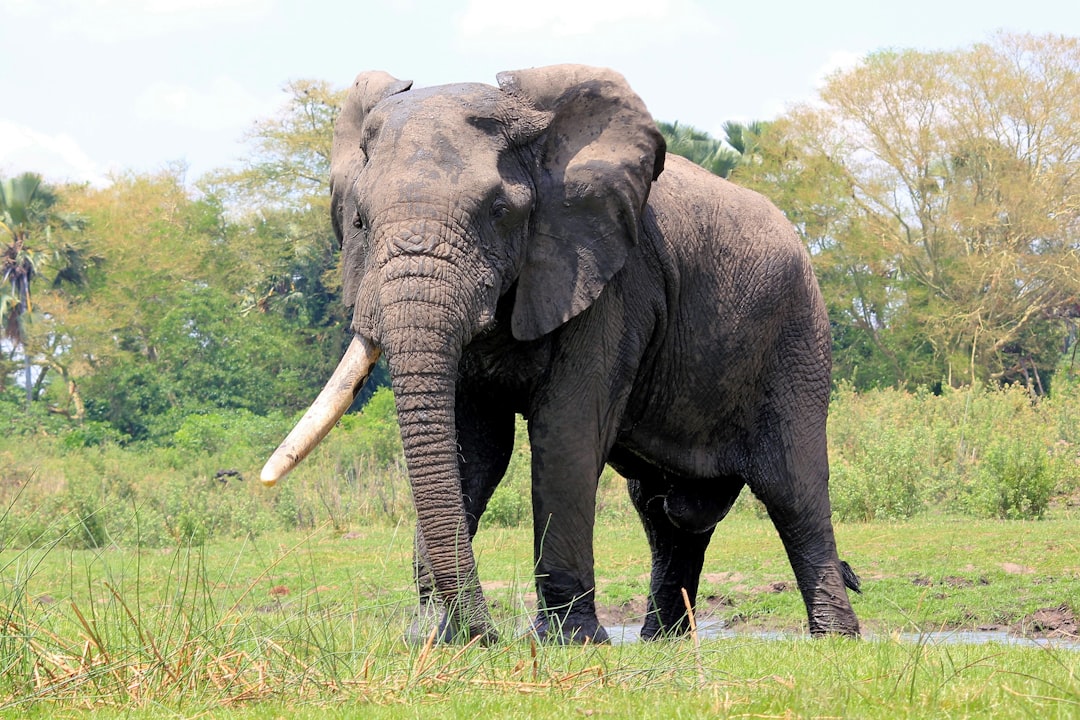
Malawi safaris deliver genuine wildlife encounters. During the dry season from July to October, animals concentrate around water sources, making spotting easier and more rewarding. You'll see elephants, hippos, leopards, buffalo, and various antelope species across protected parks like Liwonde and Majete.
The value proposition is clear: you pay less but still see remarkable wildlife. Budget accommodations start around $150 per night, mid-range lodges cost $300–$500, and luxury properties reach $800 or more. This flexibility means you control your spending while experiencing genuine African safari adventure.
Why Choose Malawi Over Kenya or Tanzania?
Malawi offers three major advantages: lower prices, fewer tourists, and more personal attention from guides. Kenya and Tanzania attract hundreds of thousands of visitors annually, creating crowded game drives and impersonal experiences. Malawi remains a hidden gem where you'll share the bush with fewer safari vehicles.
The wildlife quality is comparable. Malawi's parks contain the Big Five and diverse ecosystems. While Tanzania's Serengeti and Kenya's Masai Mara are famous for the Great Migration, Malawi provides consistent wildlife viewing year-round without seasonal migration spectacles.
Cost differences are substantial. A comparable 7-day safari costs $2,500–$5,000 in Kenya but $1,800–$3,500 in Malawi. This makes Malawi ideal for travelers with tight budgets or those wanting to extend their trip without breaking the bank. Explore our guide on Malawi safari vs Kenya 2026: Wildlife density and real costs to understand the full comparison.
What Makes Malawi Safari Unique?
Malawi combines traditional safari with water-based experiences. Lake Malawi is Africa's third-largest lake, offering boat safaris, fishing, and water wildlife viewing alongside land-based game drives. This variety appeals to travelers seeking diverse activities in one destination.
The landscape diversity is another strength. Malawi features highland plateaus, river valleys, and lakeside terrain. Each ecosystem supports different animal populations, so you experience varied habitats and wildlife during a single trip.
Accommodation quality surprises many visitors. Even budget camps offer comfortable beds, hot showers, and good food. Mid-range and luxury lodges provide stunning views, excellent service, and unique experiences like walking safaris or night drives. Learn more about options in our article on Malawi safari lodges 2026: Budget vs luxury by park.
Breaking Down Malawi Safari Costs in 2026
Malawi safari costs depend on accommodation type, park location, and tour length. In July 2026, daily costs range from $150 for budget camps to $800 for exclusive lodges. Understanding these breakdowns helps you plan a safari within your budget.
Budget Safari: $150–$300 Per Night
Budget accommodations offer clean rooms, basic meals, and reliable guides. You'll stay in tented camps or simple lodge buildings. Game drives use shared safari vehicles with other guests, reducing costs through group sharing. Budget safaris work well for travelers prioritizing wildlife over luxury amenities.
A 7-day budget safari typically costs $1,050–$2,100 per person for accommodation alone. Add meals, park fees, and activities, and total costs reach $1,800–$2,500. This makes Malawi Africa's most affordable safari destination for budget travelers.
Mid-Range Safari: $300–$500 Per Night
Mid-range lodges provide comfortable rooms, quality meals, and knowledgeable guides. You'll often have private or semi-private game drives. Accommodations include en-suite bathrooms, electricity, and sometimes WiFi. This category offers the best value for most travelers seeking comfort without excessive spending.
A 7-day mid-range safari costs $2,100–$3,500 per person including accommodation, meals, and activities. You experience genuine comfort while maintaining reasonable costs. Many families and couples choose this tier for the balance of quality and affordability.
Luxury Safari: $500–$800+ Per Night
Luxury lodges deliver premium experiences with upscale rooms, gourmet meals, and personalized service. You'll enjoy private game drives, spa treatments, and exclusive activities. These properties showcase Malawi's natural beauty while providing five-star comfort and attention to detail.
A 7-day luxury safari costs $3,500–$5,600+ per person. While expensive by Malawi standards, luxury safaris remain cheaper than comparable experiences in Kenya or Tanzania. This makes luxury Malawi safaris attractive for travelers willing to spend more but seeking better value than traditional safari destinations.
Additional Costs to Budget For
Park entrance fees typically cost $10–$30 per day depending on which parks you visit. International flights from the US or Europe range from $800–$1,500. Travel insurance costs $100–$300 for two weeks. Visas for Malawi are free or cost $50–$75 depending on your nationality.
Tips for guides and staff add $10–$20 per day. Activities like walking safaris, night drives, or boat safaris cost $50–$150 each. Budget these extras when calculating your total trip cost. Compare 7-day Malawi safari packages from $1,800 on SafariFind to see all-inclusive pricing options.
Wildlife Quality: What You'll Actually See
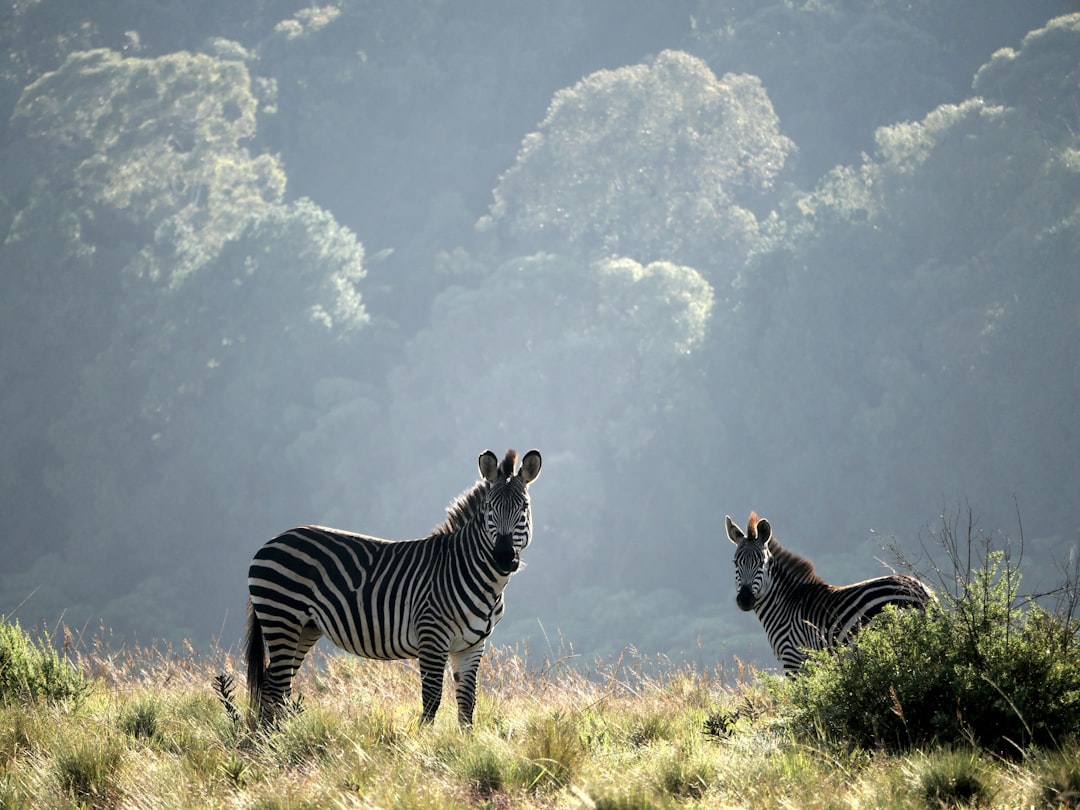
Malawi's wildlife is diverse and abundant during the dry season. From July to October, animals concentrate around remaining water sources, making them easier to spot than in wetter months. You'll encounter elephants, hippos, leopards, buffalo, zebras, giraffes, and various antelope species across protected parks.
Big Five Sightings in Malawi
Malawi has all five big game animals: lions, leopards, elephants, buffalo, and rhinos. However, sighting frequency differs from Kenya or Tanzania. Elephants are common in Liwonde and Majete parks. Hippos are abundant in rivers and waterholes. Leopards exist but are elusive, requiring patience and luck.
Lions are present but less frequently seen than in larger parks. Buffalo herds roam park areas regularly. Rhinos are rare and found only in Majete Wildlife Reserve. Overall, expect to see three to four of the Big Five during a 7-day safari. This is respectable for Malawi's smaller park system compared to massive reserves elsewhere.
The wildlife experience feels more intimate in Malawi. Smaller parks mean fewer safari vehicles competing for animal sightings. Your guide receives your full attention, and drives feel personalized rather than crowded. Learn about specific animals in our detailed guide on Malawi safari animals: 12 species and where to spot them.
Best Parks for Wildlife Viewing
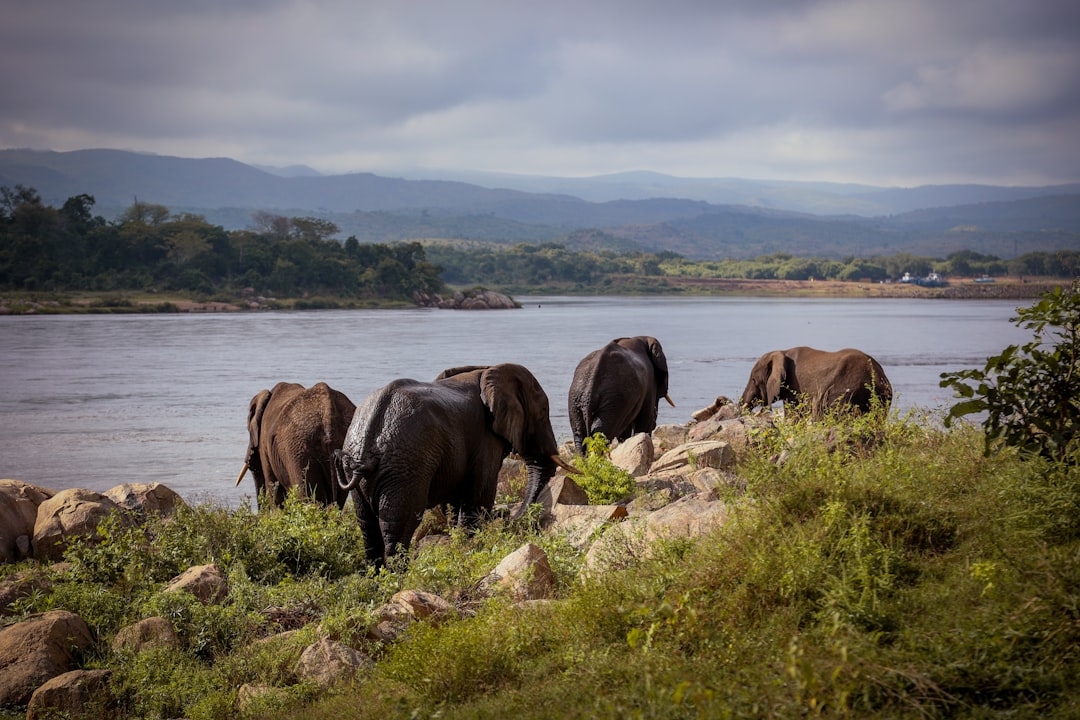
Liwonde National Park is Malawi's premier safari destination. It covers 548 square kilometers and hosts the largest elephant population in the country. Liwonde offers excellent hippo, buffalo, and antelope viewing. The Shire River runs through the park, attracting water-dependent wildlife.
Majete Wildlife Reserve protects 700 square kilometers in southern Malawi. It features diverse terrain and solid wildlife populations including elephants, leopards, and buffalo. Majete is less crowded than Liwonde and offers a more exclusive experience.
Nkhotakota Wildlife Reserve covers 1,800 square kilometers but receives fewer visitors. It offers remote safari experiences with good elephant and buffalo viewing. Nkhotakota appeals to adventurous travelers seeking solitude and authentic bush encounters.
Seasonal Wildlife Patterns
July and August are peak safari months. Dry conditions force animals to congregate near water sources, maximizing sighting chances. Temperatures are cool (60–75°F), making game drives comfortable. Vegetation is sparse, improving visibility. These months offer the best wildlife viewing and are worth the premium prices.
September and October remain excellent. Wildlife viewing is still strong, though animals spread wider as water becomes available. Temperatures begin warming. These shoulder months offer good value with slightly lower prices than July and August.
November to April is the rainy season. Vegetation grows thick, making wildlife spotting harder. However, bird watching is exceptional, and prices drop significantly. This season suits birders and budget travelers willing to trade wildlife frequency for lower costs.
Planning Your Malawi Safari: Practical Considerations
Planning a successful Malawi safari requires attention to timing, health precautions, and logistics. The dry season from May to October offers the best wildlife viewing and weather conditions. However, you should book 3–6 months ahead to secure preferred lodges and guides.
Best Time to Visit Malawi
July 2026 is an excellent safari month. Dry conditions concentrate animals, cool temperatures make drives pleasant, and vegetation is sparse for easy viewing. July is peak season with higher prices but guaranteed wildlife encounters. If budget is your priority, visit May, June, September, or October for similar experiences at lower costs.
Avoid November to April unless you're a birder or have extreme budget constraints. Rain makes roads impassable, parks close temporarily, and wildlife disperses. Humidity is high and malaria risk increases. These months are less favorable for traditional safari experiences.
Health and Safety Essentials
Malawi is generally safe for safari tourists. Violent crime against visitors is rare in national parks and established lodges. However, petty theft occurs in urban areas, so secure valuables and use official guides. Park rangers and lodge staff are professional and trained in guest safety.
Malaria is present in Malawi. Take antimalarial medication prescribed by your doctor. Use insect repellent, wear long sleeves at dawn and dusk, and sleep under mosquito nets provided by lodges. Most safari accommodations have screens and nets to prevent mosquito entry.
Get vaccinations for yellow fever, typhoid, and routine immunizations before traveling. Consult a travel medicine clinic 4–6 weeks before your trip. Malawi has adequate medical facilities in major towns, though serious cases may require evacuation to South Africa. Travel insurance with medical evacuation coverage is essential.
Getting to Malawi
Most international travelers fly into Lilongwe International Airport (LLW) or Blantyre International Airport (BLZ). These are Malawi's two main airports with international connections. Flights typically connect through hubs like Johannesburg, Nairobi, or Addis Ababa. Flight times from the US range from 18–24 hours with connections.
From the airport, you'll transfer to your lodge by road (2–4 hours) or domestic flight (1 hour). Many safari packages include airport transfers, simplifying logistics. Domestic flights are available but expensive. Road transfers are cheaper and let you see the Malawi landscape.
Visas for Malawi are free for many nationalities or cost $50–$75 for others. Check requirements for your passport country. Most travelers receive 30-day visitor permits on arrival. No yellow fever vaccination certificate is required unless you're arriving from endemic countries.
What to Pack for Your Safari
Pack neutral-colored clothing: khaki, tan, brown, and olive green help you blend into the landscape. Avoid white, bright colors, and patterns that startle wildlife. Bring lightweight, breathable fabrics for warm days and a warm layer for cool mornings and evenings.
Essential items include a good camera with a zoom lens, binoculars, sunscreen, hat, and sunglasses. Bring antimalarial medication, any personal medications, and a basic first aid kit. Toiletries are available in towns but may be limited at remote lodges, so bring what you need.
Pack a power bank for charging devices. Electricity is reliable at mid-range and luxury lodges but inconsistent at budget camps. Bring cash in Malawian Kwacha (MWK) for tips and small purchases. ATMs are available in major towns. Credit cards work at established lodges but not everywhere.
Is Malawi Safari Worth It? Final Verdict
A Malawi safari is worth it for most travelers, especially those prioritizing value and authenticity. You'll see quality wildlife at a fraction of the cost of Kenya or Tanzania. The experience feels personal and less commercialized than larger safari destinations.
Who Should Book a Malawi Safari?
Budget travelers: Malawi offers the best value in Africa. You get genuine safari experiences for $1,800–$2,500 for 7 days, compared to $2,500–$5,000 elsewhere. If cost matters most, Malawi is an obvious choice.
Families: Malawi's affordable prices let families spend longer in Africa. Kids thrive on the relaxed pace and personalized attention from guides. Mid-range lodges provide comfort without excessive luxury that bores children.
Photographers: Smaller parks and fewer safari vehicles mean better photo opportunities. Animals are less habituated to vehicles, creating authentic behavior. Intimate wildlife encounters produce powerful images.
First-time safari goers: Malawi's accessible prices and high-quality experiences make it ideal for safari debuts. You'll determine if safaris appeal to you without major financial commitment. Many return to Malawi or explore other African destinations afterward.
Travelers seeking solitude: Malawi attracts fewer tourists than Kenya or Tanzania. You'll enjoy peaceful game drives with minimal vehicle competition. The bush feels less crowded and more authentic.
When Malawi Might Not Be the Right Choice
If you're set on seeing the Great Migration, Malawi isn't suitable. This spectacle occurs only in Tanzania's Serengeti and Kenya's Masai Mara. Malawi has wildlife but no comparable migration event.
If you want guaranteed Big Five sightings, larger parks offer better odds. Malawi has all five species but lower sighting frequencies. Kenya and Tanzania's famous parks deliver more consistent big game encounters.
If you prefer developed infrastructure and extensive tourist amenities, Malawi feels remote. Roads are good but not as developed as Kenya. Lodges lack some luxuries found in established safari destinations. This remoteness appeals to adventure seekers but frustrates those wanting convenience.
Making Your Decision
Ask yourself these questions: What's your budget? Malawi wins for affordability. How much wildlife must you see? Malawi satisfies most travelers but not those seeking guaranteed Big Five encounters. Do you value solitude or convenience? Malawi offers solitude; Kenya offers convenience.
Request quotes from verified operators on SafariFind. Compare packages, read authentic reviews from past travelers, and ask operators specific questions about wildlife sightings and lodge quality. This research helps you decide confidently whether Malawi is right for you.
Most travelers conclude that Malawi safari is worth it. The combination of affordable costs, quality wildlife, authentic experiences, and personal attention delivers exceptional value. You'll create lasting memories while respecting your budget. Explore Malawi safari packages including night and river tours to see the full range of available experiences.
Key Takeaways
- Book your 7-day Malawi safari 3–6 months ahead during peak season to save 10–15% on early discounts and secure preferred lodges.
- Choose July or August for guaranteed peak wildlife viewing with animal concentrations around water sources, despite higher prices of $150–$800 per night.
- Budget $1,800–$2,500 per person for a quality 7-day safari including accommodation, meals, park fees, and activities in mid-range lodges.
- Visit Liwonde National Park for the best elephant sightings and Majete Wildlife Reserve for exclusive experiences with fewer tourists than competitors.
- Take antimalarial medication, get yellow fever vaccination, and purchase travel insurance with medical evacuation coverage before departing for Malawi.
Frequently Asked Questions
How much does a Malawi safari cost per day in 2026?
A Malawi safari costs $150–$800 per person per night depending on accommodation type. Budget camps cost $150–$300, mid-range lodges run $300–$500, and luxury properties reach $800 or more. A 7-day safari totals $1,800–$5,600 per person including all accommodations, meals, and park fees.
Is July a good time to visit Malawi for safari?
Yes, July is excellent for Malawi safaris. It's the peak dry season when animals concentrate near water sources, maximizing sighting chances. Temperatures are cool (60–75°F), making game drives comfortable. Vegetation is sparse, improving visibility. July offers the best wildlife viewing, though prices are highest. If budget matters, visit May, June, September, or October for similar experiences at lower costs.
What wildlife will I see on a Malawi safari?
Malawi has all five Big Five animals: lions, leopards, elephants, buffalo, and rhinos. You'll commonly see elephants, hippos, zebras, giraffes, and various antelope species. Leopards are elusive, lions less frequent than in larger parks, and rhinos rare. Expect to see three to four of the Big Five during a 7-day safari, plus numerous smaller mammals and birds.
Is Malawi safe for safari travel?
Malawi is generally safe for safari tourists. Violent crime against visitors in parks and lodges is rare. However, petty theft occurs in urban areas, so secure valuables. Malaria is present, so take antimalarial medication and use insect repellent. Get recommended vaccinations before traveling. Consult a travel medicine clinic 4–6 weeks before your trip and purchase travel insurance with medical evacuation coverage.
How does Malawi safari compare to Kenya or Tanzania?
Malawi offers lower prices ($1,800–$3,500 for 7 days vs. $2,500–$5,000 in Kenya), fewer tourists, and more personalized experiences. However, Kenya and Tanzania have larger parks with higher Big Five sighting frequencies and the famous Great Migration. Malawi suits budget travelers and those seeking solitude; Kenya and Tanzania appeal to those wanting guaranteed big game and famous safari experiences. Compare verified packages on SafariFind to find the best fit for your priorities.
When should I book my Malawi safari?
Book 3–6 months ahead for July or August travel to secure preferred lodges and guides. This advance booking also unlocks early-bird discounts of 10–15%. If visiting shoulder months (May, June, September, October), book 2–3 months ahead. For off-season travel (November–April), booking 4–8 weeks ahead is usually sufficient. Contact verified operators on SafariFind to request quotes and check availability for your preferred dates.
Conclusion
A Malawi safari is worth it in 2026 if you seek affordable wildlife experiences with fewer crowds. The country delivers authentic safari adventures at prices 30–40% lower than Kenya or Tanzania. You'll see quality wildlife, stay in comfortable lodges, and receive personalized attention from experienced guides. The value proposition is exceptional for budget travelers, families, and first-time safari goers.
July 2026 offers peak wildlife viewing with animals concentrated near water sources. Mid-range safaris costing $300–$500 per night provide the best balance of comfort and value. Budget safaris start at $150 per night for travelers with tight budgets. Luxury experiences reach $800 per night for those wanting premium amenities.
Plan your trip carefully: book 3–6 months ahead, take antimalarial medication, get recommended vaccinations, and purchase travel insurance. Visit Liwonde National Park for elephant encounters or Majete Wildlife Reserve for exclusive experiences. Pack neutral-colored clothing, bring quality binoculars and camera gear, and prepare for authentic African adventure.
Ready to explore Malawi safari packages? Compare verified operators on SafariFind to find the perfect package for your budget and preferences. Read authentic reviews from past travelers, request quotes from multiple operators, and make an informed decision. Your Malawi safari awaits—book your adventure today and experience Africa's best-kept wildlife secret at prices that won't strain your wallet.
Plan Your Safari with SafariFind
These recommendations use real data from SafariFind, where you can compare operators, browse packages, and read verified traveler reviews before you book.
What Travelers Say (SafariFind Reviews)
References
- Malawi Volunteer Elephant & African Wildlife Expedition | Biosphere Expeditions
- Malawi Safari July 2026: Peak Wildlife & Daily Costs | SafariFind
- Best Malawi Tours and Safari | Adventure Life
- Malawi Safari Vacation Packages 2026/2027 | Goway Travel
- Best Malawi Tours 2026/2027 - Save on Malawi Vacations | AffordableTours
 Ask Tembo about this guide
Sources
- Malawi Volunteer Elephant & African Wildlife Expedition | Biosphere Expeditions
- Malawi Safari July 2026: Peak Wildlife & Daily Costs | SafariFind
- Best Malawi Tours and Safari | Adventure Life
- Malawi Safari Vacation Packages 2026/2027 | Goway Travel
- Best Malawi Tours 2026/2027 - Save on Malawi Vacations | AffordableTours
Related to
Ready to start your safari adventure?
Explore curated safari packages and find your perfect African adventure with verified operators.