Marine & Coastal Conservation in Rwanda (2026): What Exists
Rwanda’s 2026 conservation agenda is focused on forests, wetlands, freshwater systems and protected landscapes rather than a documented marine or national coastal programme. Key priorities include ecosystem restoration, community partnerships, biodiversity finance and results-based investment in Gishwati–Mukura and Nyungwe national parks [3][4].
Quick answer: The available 2026 evidence does not identify a Rwandan marine protected area, coastline-management programme or ocean-conservation project. Rwanda’s documented conservation work instead focuses on terrestrial and freshwater ecosystems, including protected forests, wetlands, wildlife habitats and ecosystem services; current investment is being channelled through institutions such as the Rwanda Development Board (RDB), African Parks and community partnerships .
That distinction matters for travellers searching for marine and coastal conservation in Rwanda. Coastal ecosystems normally include saltwater habitats such as mangroves, estuaries, beaches, coral reefs and rocky shores . The Rwanda programmes covered in the available research address a different set of priorities: habitat restoration, endangered species protection, climate resilience, sustainable land and water management, and conservation finance .
Last reviewed August 2026. Conservation data changes — see the cited sources for the latest figures.
Why Rwanda’s conservation story is not a marine one
Rwanda’s conservation institutions and current financing proposals are organised around biodiversity-rich, climate-sensitive landscapes rather than ocean habitats. The proposed Rwanda Wildlife Conservation Bond (RWCB) is designed to support conservation, climate and livelihood outcomes across national landscapes, with implementation led by RDB in Gishwati–Mukura National Park and by African Parks through the Nyungwe Management Company in Nyungwe National Park .
The distinction should not reduce the importance of water. Rwanda’s Green Growth and Climate Resilience Strategy identifies sustainable land use and water-resource management as a strategic objective linked to food security, urban development, biodiversity and ecosystem services . In practical terms, protecting forests, wetlands and catchments can support water quality and climate resilience, even when the work is not classified as marine or coastal conservation .
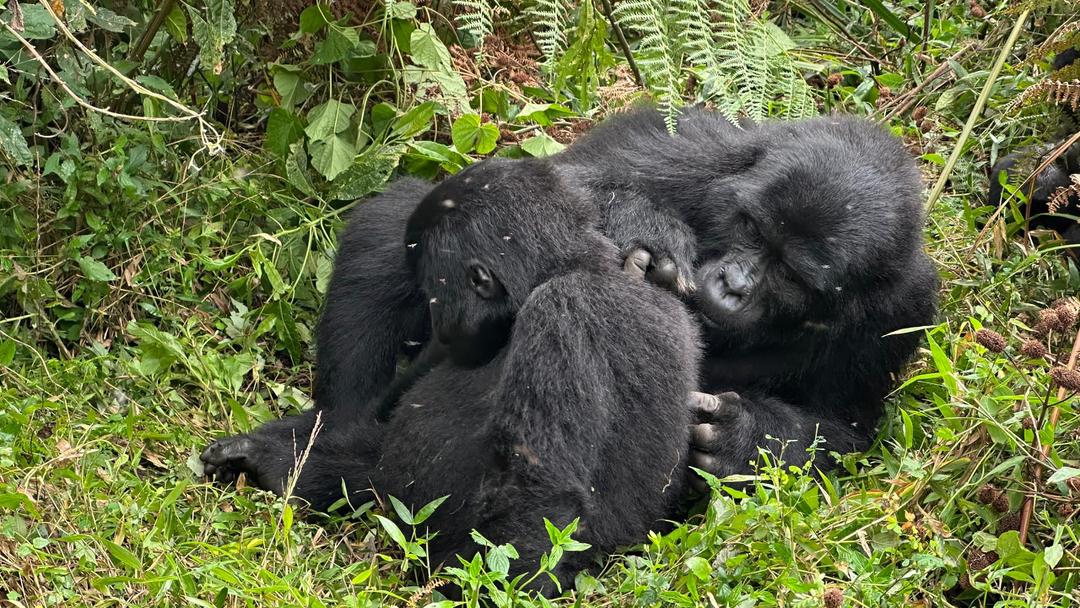
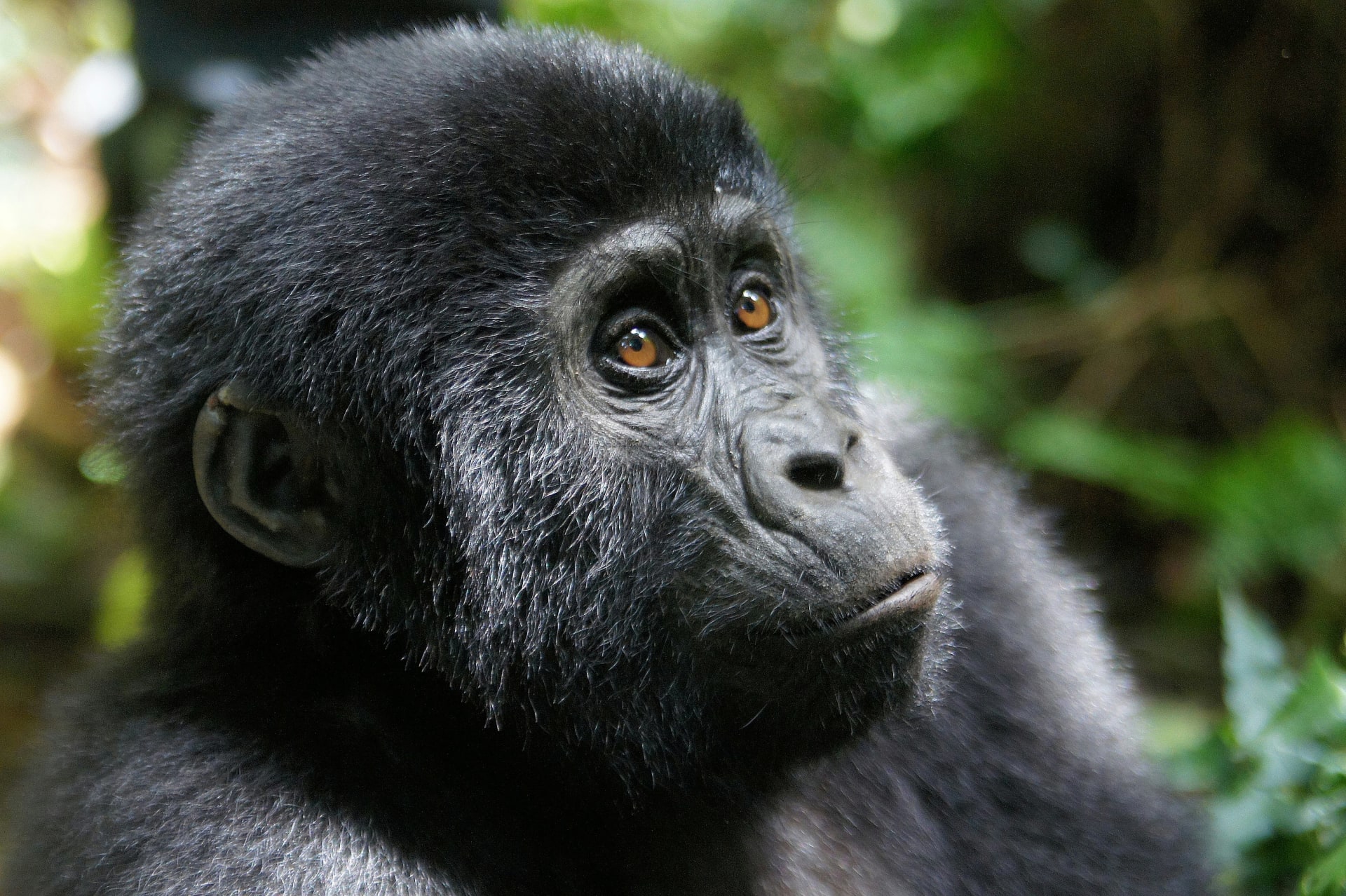
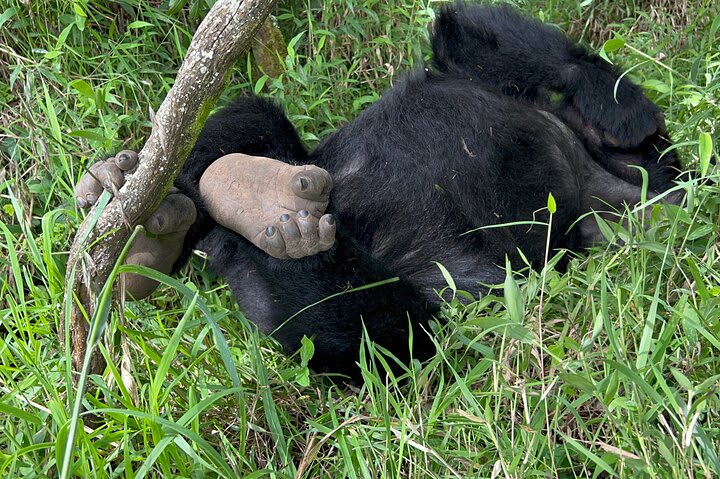
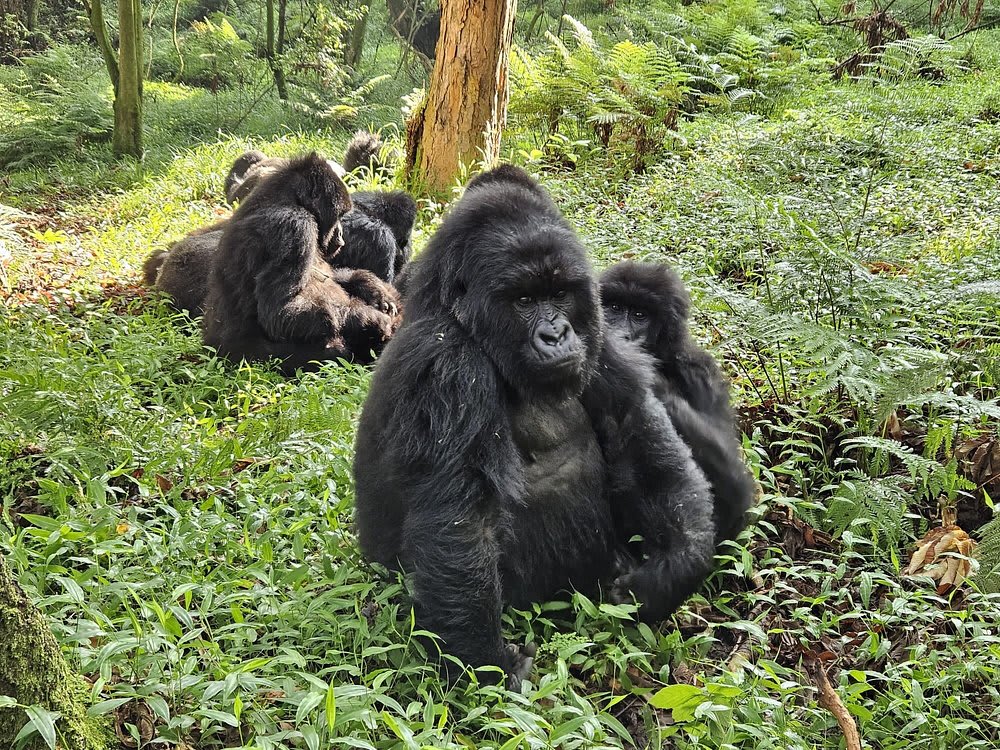
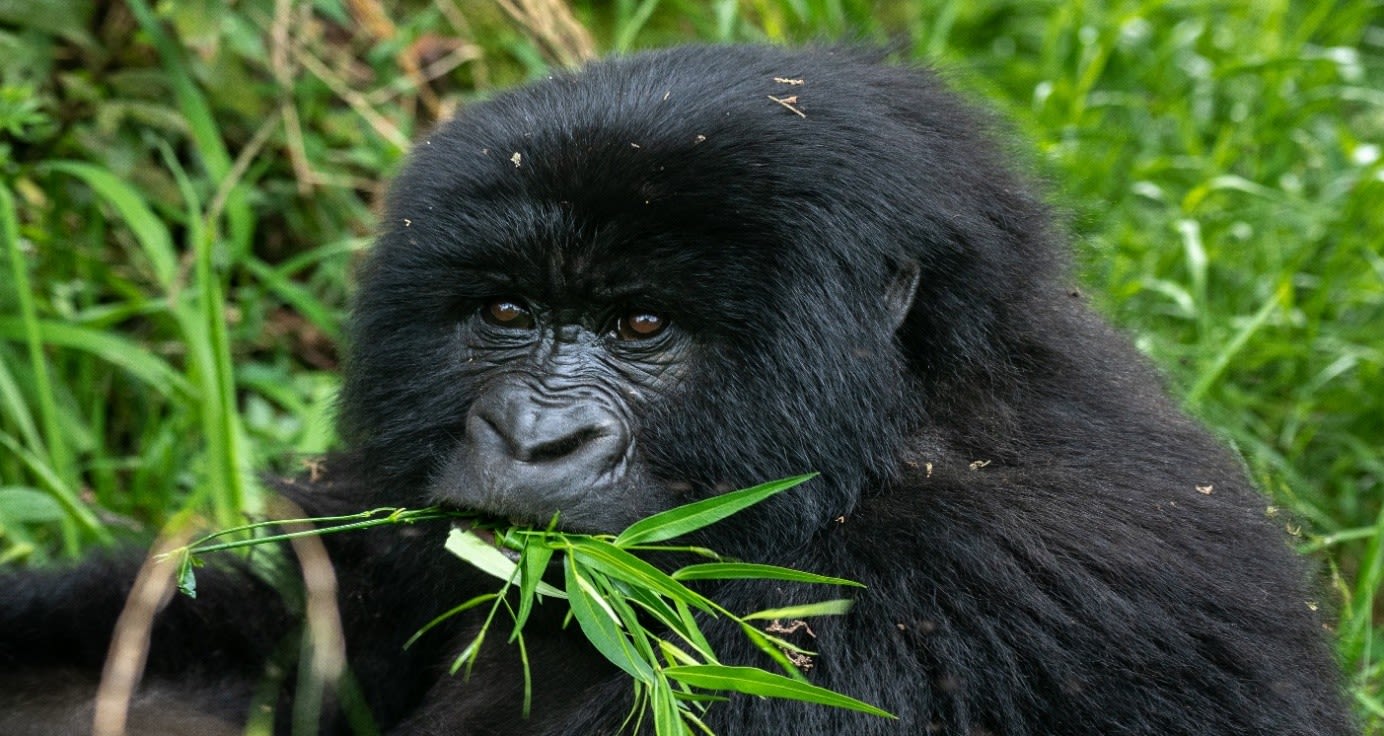
For wildlife travellers, this means that a Rwanda wildlife safari is primarily a forest, wetland and savannah conservation experience. The country’s documented conservation portfolio includes mountain-gorilla habitat, the Nyungwe forest landscape, Gishwati–Mukura and other threatened habitats, rather than a wildlife safari park on a marine coast .
Species and habitats at the centre of Rwanda’s work
Grey Crowned Crane protection
The Rwanda Wildlife Conservation Association (RWCA) was established in 2015 after Dr Olivier Nsengimana developed a project to end the illegal trade in Grey Crowned Cranes. The project began after he won a Rolex Award for Enterprise in 2014, which helped him start implementing the work .
Grey Crowned Cranes are culturally significant in Rwanda and face threats from habitat reduction and illegal trade. RWCA’s work combines protection of the cranes with restoration of the habitats on which they depend . This is a useful example of conservation that connects species protection with landscape management: the target is not only the bird, but also the wetlands and other habitats affected by land pressure.
Forest and protected-area restoration
The IUCN account of RWCA’s work describes reforestation and wider habitat restoration, while also noting the pressures created by Rwanda’s high population density, poverty and competition for land and natural resources . These pressures make conservation a social and ecological task rather than a simple enforcement exercise.
Nyungwe National Park and Gishwati–Mukura National Park are central to the 2026 conservation-finance proposal. The project builds on earlier ecosystem-restoration work under the Landscape Approach to Forest Restoration and Conservation (LAFREC) project and on Collaborative Management Partnerships, or CMPs . Travellers interested in forest conservation can also read SafariFind’s guide to wildlife corridors and habitats in Rwanda for broader context on habitat connectivity.
The main threats: land pressure, illegal trade and climate risk
Habitat loss and competition for land
RWCA identifies habitat reduction as a growing threat to Grey Crowned Cranes. IUCN also describes Rwanda as a biodiversity-rich country challenged by high population density, extreme poverty and competition between people and wildlife for limited land and resources . Those conditions can intensify pressure on wetlands, forests and other habitats, although the supplied research does not provide a single national habitat-loss figure for 2026.
Illegal wildlife trade
Illegal trade is a specific threat to Grey Crowned Cranes in Rwanda. RWCA’s founding conservation project was created to abolish that trade, which demonstrates why species protection requires both field action and changes in public behaviour and demand . The available sources do not provide a current national poaching total or a verified percentage change, so no numerical poaching claim should be made here.
Climate change and ecosystem degradation
Climate pressure is built into Rwanda’s current conservation planning. The RWCB proposal describes its target landscapes as both biodiversity-rich and climate-sensitive, while Rwanda’s Green Growth and Climate Resilience Strategy prioritises sustainable land and water management and adaptation-oriented production systems . The research does not quantify climate-related losses for Rwanda’s wetlands, forests or wildlife in 2026; the evidence supports describing climate change as an ongoing management challenge, not assigning an unsupported damage figure.
Conservation finance
Financing remains a structural challenge across African protected areas. An IUCN review estimated that available funding in the assessed African protected areas met only about 10–20% of management needs, while cautioning that requirements vary between protected areas and that the estimate was based on areas with lions . This regional evidence should not be presented as a Rwanda-specific budget gap, but it explains why Rwanda is exploring new finance mechanisms.
What is being done in 2026?
Results-based investment through the Rwanda Wildlife Conservation Bond
The Rwanda Wildlife Conservation Bond has an approval year of 2026, with the International Bank for Reconstruction and Development listed as implementing agency. The Climate Investment Funds project summary records USD 2 million in fund spending and USD 22 million in co-financing . The associated project proposal gives an expected implementation period from May 2026 to May 2031 .
The proposal is designed around results-based conservation finance. RDB leads delivery in Gishwati–Mukura National Park, while African Parks, through the Nyungwe Management Company, leads implementation in Nyungwe National Park . The model is intended to connect funding with measured conservation, climate and livelihood outcomes rather than relying only on short-term grants .
Because the bond is a newly approved 2026 project, its approval and financing commitments should not be confused with completed ecological results. The supplied research does not yet report final habitat-restoration, species-population or livelihood outcomes from the bond.
Community partnerships
Collaborative Management Partnerships are part of the institutional foundation cited by the RWCB proposal . The approach is important because Rwanda’s conservation pressures are closely linked to land competition and local livelihoods. The research supports describing CMPs as an established collaborative-management model, but it does not provide a national total for participating communities or a single verified income figure.
ACNR, the Association pour la Conservation de la Nature au Rwanda, is a non-profit membership organisation established in 1992. It promotes participatory and sustainable management of natural resources, advocates for biodiversity policies and laws, and works on climate-change adaptation with vulnerable communities . Its role illustrates the importance of civil-society participation alongside government and protected-area managers.
Research, restoration and conservation leadership
RWCA was founded by Dr Olivier Nsengimana to build on Grey Crowned Crane conservation and expand research and conservation work to other threatened species in Rwanda and the wider East African region . The organisation’s work links habitat restoration, species research and public action against illegal trade .
Wild Earth Allies also identifies Rwanda-based staff, including Joelle Rutagarama, its Rwanda Program Manager, and Eugène Rutagarama, listed as a Conservation Advisor . The source describes community-based partnerships and programmes in Rwanda, but does not provide marine or coastal project results for the country .
Community and tourism’s role
Tourism can contribute to conservation finance when visitor revenue is deliberately linked to protected-area management and local benefits. WWF’s conservation-finance guide identifies protected-area entry fees, tourism and recreation revenue, and Rwanda’s gorilla visit fee as examples of mechanisms that can support conservation finance . The guide is a general finance reference, however, and does not state how much Rwanda’s gorilla fee contributes to any particular park or programme.
Responsible wildlife tourism can therefore support Rwanda’s conservation economy, but visitors should avoid assuming that every booking directly funds a specific habitat or species. Ask operators how payments are distributed, whether community partnerships are documented, and which park authority or conservation organisation is responsible for the activity. SafariFind travellers can book conservation-supporting safaris on SafariFind while checking the operator’s current environmental and community policies.
For trip planning, SafariFind’s 2026 explanation of how safari tourism funds conservation in Rwanda provides complementary context. Travellers considering a forest-and-primate itinerary may also compare experiences in Volcanoes National Park, but conservation claims should always be checked against current park and operator information.
Results and setbacks: a balanced 2026 assessment
| Area | Documented progress | What remains uncertain or difficult |
|---|---|---|
| Grey Crowned Cranes | RWCA was created to combat illegal trade and restore and protect habitat . | The supplied research gives no current national population, poaching total or verified recovery percentage . |
| Protected landscapes | Gishwati–Mukura and Nyungwe have named implementation institutions under the RWCB proposal . | The bond is newly approved in 2026; completed ecological results are not yet reported . |
| Climate resilience | National strategy and project planning integrate sustainable land, water and biodiversity management . | The research does not quantify Rwanda-specific climate losses or adaptation results . |
| Community conservation | CMPs and civil-society organisations such as ACNR are part of the conservation framework . | Published sources supplied here do not provide a consolidated national total for beneficiaries or livelihood gains . |
The clearest conclusion is that Rwanda’s conservation system shows meaningful institutional continuity and new investment, but it is not evidence of marine conservation. The country’s measurable priorities in the supplied research are habitat restoration, wildlife protection, community-based management and climate-sensitive land and water stewardship .
How travellers can help responsibly
- Choose verified terrestrial conservation experiences. Ask whether your visit takes place in a recognised protected area and which authority or management organisation oversees it .
- Support local participation. Prefer operators that explain community partnerships and local employment or benefit-sharing arrangements rather than making vague claims about “giving back” .
- Do not purchase wildlife products. Illegal trade is a documented threat to Grey Crowned Cranes, so declining wildlife-derived souvenirs supports the conservation objective identified by RWCA .
- Follow park rules. Keep wildlife viewing ethical, maintain required distances and avoid actions that disturb animals or habitats. Ask the park or operator for current guidance before travel.
- Check finance claims. A project’s approval, funding commitment or conservation branding is not the same as a completed result. Look for published monitoring data and clearly identified implementing organisations .
- Use accurate language. Do not market Rwanda as a marine or coastal-conservation destination on the basis of forest, wetland or freshwater work. Accurate descriptions help direct attention and funding to the ecosystems actually being managed.
For a wider overview of organisations working across Rwanda’s conservation sector, see SafariFind’s guide to conservation organisations protecting Rwanda’s wildlife. The responsible choice in 2026 is to support well-documented terrestrial and freshwater conservation, recognise the limits of the available evidence, and treat future bond and restoration results as outcomes to be independently reported rather than assumed.
Frequently Asked Questions
Is there marine and coastal conservation in Rwanda?
The supplied 2026 research does not identify a Rwandan marine protected area, coastline-management programme or ocean-conservation project. It documents terrestrial and freshwater conservation focused on forests, wetlands, protected landscapes and wildlife habitats .
Does Rwanda have a coast?
The research supplied for this article does not provide a geographic source about Rwanda’s coastline. It does not identify a national coastal or marine conservation programme, so travel information should describe Rwanda’s documented conservation work as terrestrial and freshwater-focused.
What are the main conservation priorities in Rwanda in 2026?
The documented priorities are habitat restoration, protected-area management, endangered-species protection, climate resilience, sustainable land and water management, community partnerships and conservation finance .
Which species is RWCA protecting in Rwanda?
RWCA was founded around protection of the Grey Crowned Crane, including efforts to end illegal trade and restore the species’ habitat. The organisation also aims to expand research and conservation to other threatened species .
What is the Rwanda Wildlife Conservation Bond?
It is a 2026-approved conservation-finance project implemented by the International Bank for Reconstruction and Development, with RDB leading work in Gishwati–Mukura National Park and African Parks’ Nyungwe Management Company leading work in Nyungwe National Park .
How much money is attached to the Rwanda Wildlife Conservation Bond?
The Climate Investment Funds project summary records USD 2 million in fund spending and USD 22 million in co-financing . These are financing figures, not completed conservation results.
Which organisations are involved in Rwanda’s conservation work?
Named organisations include the Rwanda Development Board, African Parks, Nyungwe Management Company, Rwanda Wildlife Conservation Association and ACNR, the Association pour la Conservation de la Nature au Rwanda .
How can a safari support conservation in Rwanda?
Tourism and recreation revenue, including protected-area entry fees and Rwanda’s gorilla visit fee, are recognised conservation-finance mechanisms . Travellers should ask operators how revenue is allocated and whether community or park partnerships are documented.
What are the biggest threats to Rwanda’s wildlife?
The research identifies habitat reduction, illegal trade, competition for land and resources, high population pressure, poverty and climate-related risks to biodiversity-rich landscapes .
Are the Rwanda Wildlife Conservation Bond’s results already proven?
No. The bond was approved in 2026, and the supplied research describes its planned institutions, financing and implementation period but does not report final ecological or livelihood results .
V2Ui.sources
- IUCN Member RWCA celebrated 5 years in habitats restoration in Rwanda - Blog | IUCN
- Rwanda Wildlife Conservation Bond - Climate Policy Radar
- Nature, People and Climate Investment Program (NPC): Rwanda Wildlife Conservation Bond
- Marine conservation: terms & definitions
- Closing the gap
- Guide to Conservation Finance | WWF
- Core partner organisations - The Network's governing body | AF Civil Society Network
- 2026 Mid-Year Impact Report: How Local Action Is Reshaping Conservation - Wild Earth Allies
Related to
Ready to start your safari adventure?
Explore curated safari packages and find your perfect African adventure with verified operators.