Namibia Safari Packing List 2026: What Locals Actually Wear
Pack neutral clothing, SPF50+ sunscreen, and hiking boots for Namibia safaris. Learn what local guides actually wear for game drives and bush walks in 2026.

Namibia Safari Packing List 2026: What Locals Wear
Last updated: July 2026
Pack lightweight neutral-colored clothing, closed-toe walking shoes, and a warm jacket for Namibia safaris in 2026. Sun protection including SPF50+ sunscreen, a wide-brim hat, and UV sunglasses are essential year-round. Bring binoculars, insect repellent, and versatile layers to handle desert temperature swings from hot days to cool evenings. Compare safari packages on SafariFind to find operators who provide packing guides for your specific trip dates.
At a Glance
- Essential clothing colors: Khaki, beige, green, and neutral earth tones
- Key items: Lightweight long-sleeved shirts, closed-toe hiking boots, windproof jacket
- Sun protection must-haves: SPF50+ sunscreen, wide-brim hat, UV-blocking sunglasses
- Best for: Game drives, walking safaris, desert exploration, and Windhoek city visits
- Temperature range: Daytime 20-28°C, evenings 5-15°C depending on season
- Packing weight: Aim for carry-on luggage to avoid checked bag delays
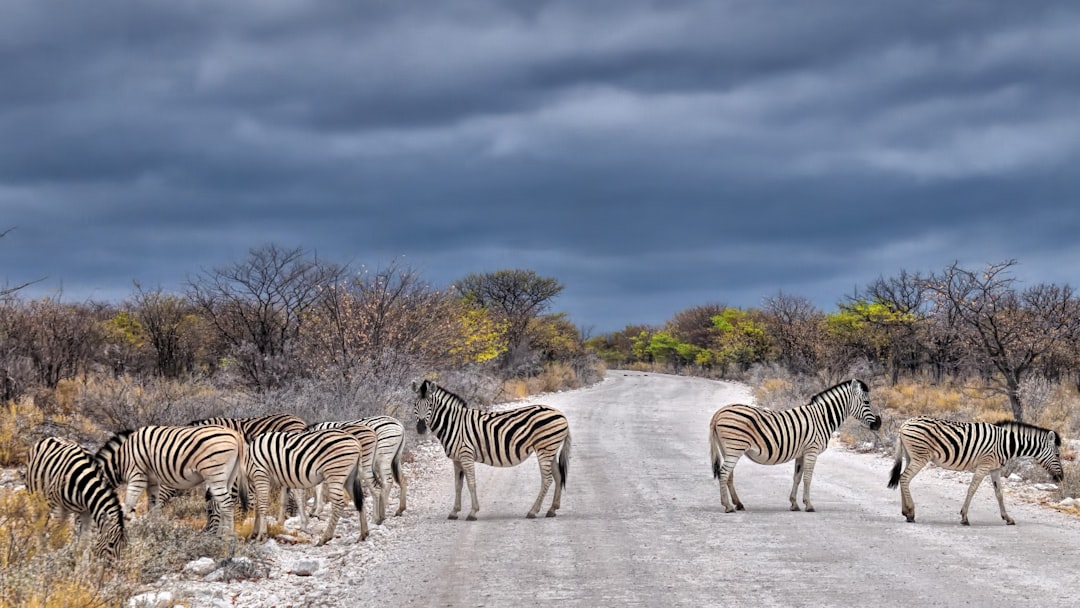
What Is a Namibia Safari Packing List 2026: What Locals Actually Wear?
A Namibia safari packing list 2026 is a curated guide showing what experienced travelers and local guides actually wear during game drives and bush walks. Unlike generic packing lists, this guide reflects real-world conditions in Namibia's desert landscape, seasonal temperature shifts, and wildlife viewing requirements. Locals prioritize function over fashion—neutral colors blend into the environment, lightweight fabrics handle heat, and layered clothing adapts to dramatic temperature swings.
The Namibian desert presents unique challenges. Daytime temperatures soar, but evenings drop dramatically, especially during winter months (May-August). Sun exposure is intense due to high altitude and minimal cloud cover. Walking safaris require sturdy footwear and insect protection. Game drive viewing from vehicles demands less rigid color rules than bush walks, but neutral tones still work best.
Why Packing Smart Matters for Your Safari
Proper packing directly affects your comfort, health, and wildlife viewing success. Uncomfortable clothing leads to early returns to camp, missed wildlife sightings, and wasted vacation time. Sun damage accumulates quickly in Namibia's climate—locals wear SPF50+ daily. Locals know that one wrong outfit choice can ruin an entire game drive if you're too cold or overheated.
SafariFind connects you with verified tour operators who provide destination-specific packing advice. When you explore safari packages on SafariFind, many operators include detailed packing guides tailored to your travel dates and activities.
What Sets Local Packing Wisdom Apart
Namibian safari guides and lodge staff have tested thousands of clothing combinations across seasons and activities. They know which brands hold up to dust, which fabrics dry fastest after unexpected water crossings, and which colors genuinely matter for wildlife viewing. Their recommendations prioritize durability and functionality over trendy outdoor gear.
Local packing advice emphasizes versatility. Namibian weather shifts unpredictably—a sunny morning can turn dusty and cool by afternoon. Layering allows quick adjustments without carrying excessive luggage. Locals avoid rigid outfits and instead mix-and-match pieces that work across multiple scenarios.
Essential Clothing: What Locals Actually Pack
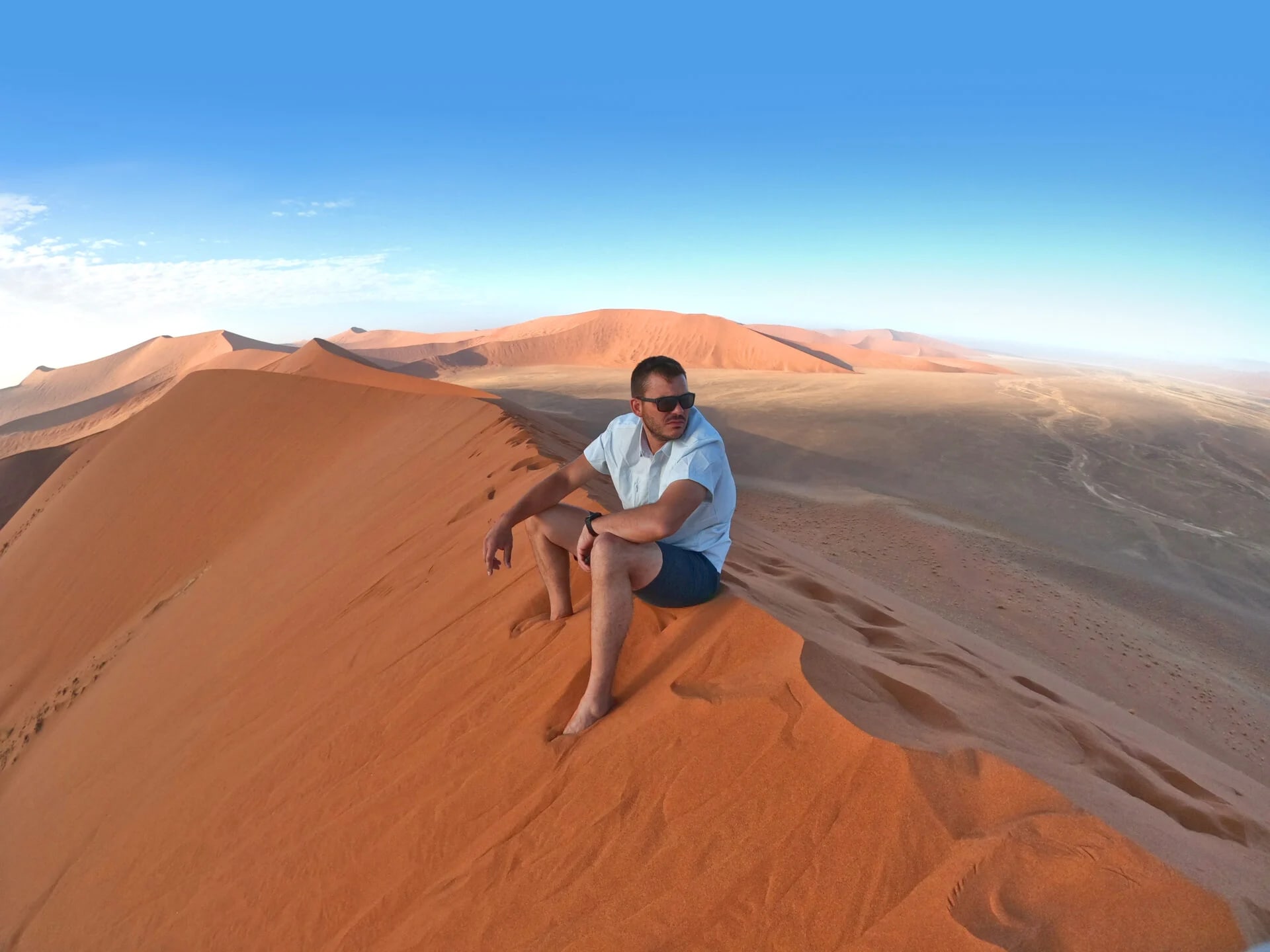
Locals wear clothes in khaki, green, beige, and neutral earth tones for game drives and bush walks. These colors blend with the landscape, reduce wildlife disturbance, and look professional in safari photos. Bright colors like neon pink or electric blue are visible to animals and reduce wildlife viewing quality. While vehicle-based game drives tolerate color flexibility, walking safaris demand strict neutral adherence.
Long-Sleeved Shirts for Sun and Insect Protection
Long-sleeved shirts form the foundation of Namibian safari wardrobes. They protect skin from intense UV radiation, offer some mosquito defense, and provide warmth during cool evenings. Locals choose lightweight, breathable fabrics that dry quickly if you sweat or encounter water. Cotton blends and moisture-wicking synthetic materials work best. Pack 3-4 long-sleeved shirts in neutral colors for a 7-day safari.
Fit matters for comfort during long game drives. Loose-fitting shirts allow air circulation and prevent chafing. Avoid tight-fitting designs that trap heat. Shirts with chest pockets are practical for storing sunglasses, lip balm, or small binoculars.
T-Shirts and Lightweight Layers
T-shirts provide versatility for camp time, morning coffee, and evening relaxation. Pack 2-3 neutral-colored t-shirts as backup layers under long-sleeved shirts. Lightweight merino wool or synthetic blends regulate temperature better than pure cotton. These layers work during cool mornings before game drives begin and during transitions between seasons.
Shorts, Pants, and Skirts
Shorts are acceptable around camp but not recommended for game drives or walking safaris. Exposed legs attract insects and receive unnecessary sun exposure. Lightweight safari trousers in khaki or beige are ideal for daytime game drives. Locals wear convertible pants with zip-off legs that adapt to temperature changes. For evenings and cooler days, pack jeans or heavier safari trousers that provide warmth.
Light skirts work for camp wear and Windhoek city visits, but choose longer lengths (knee or below) for insect protection during bush activities. Avoid flowing fabrics that catch on vegetation during walks.
Jackets and Sweaters for Temperature Drops
A windproof, lightweight jacket is essential for Namibian safaris. Early morning game drives (5:00-6:00 AM starts) require warm layers—temperatures often sit at 5-10°C before sunrise. Locals wear fleece jackets or synthetic insulated layers that pack small and weigh little. Choose neutral colors that coordinate with your safari wardrobe.
Pack one warm sweater or fleece for evenings around the campfire. Namibian nights drop significantly, especially in winter months. A quality merino wool or thermal synthetic layer handles both warmth and moisture management. Avoid heavy winter coats—Namibia rarely requires extreme cold-weather gear.
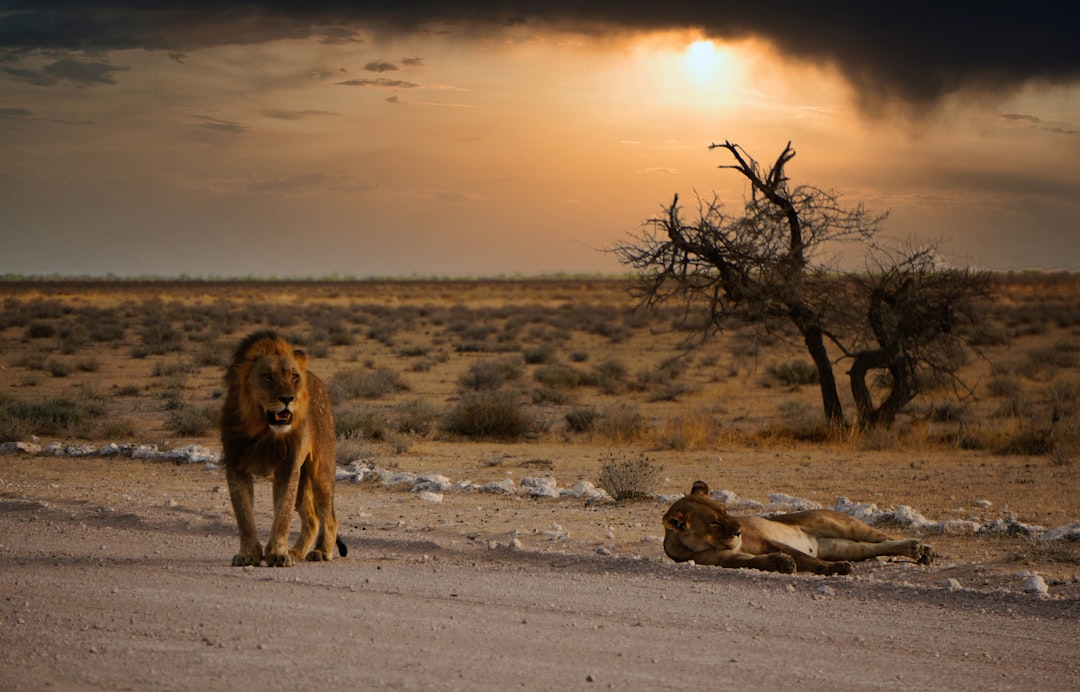
Footwear: Choosing the Right Shoes for Safari Activities
Comfortable closed-toe walking shoes or lightweight hiking boots are essential for walking safaris and uneven terrain. Your feet endure hours on sandy, rocky, and sometimes muddy ground. Poor footwear leads to blisters, fatigue, and missed wildlife opportunities. Locals prioritize supportive, broken-in shoes over new expensive gear.
Hiking Boots for Bush Walks
Lightweight hiking boots offer ankle support, traction, and protection from thorns and insects. Choose boots with breathable mesh panels for hot days. Ensure boots fit well before your trip—breaking in new footwear on safari is painful and impractical. Waterproof or water-resistant boots help during unexpected water crossings or rainy season walks.
Locals prefer boots with rubber soles that grip sandy terrain. Mid-height boots (ankle-covering) provide extra support on uneven ground. Avoid heavy mountaineering boots—Namibian terrain doesn't require extreme technical climbing gear.
Walking Shoes for Moderate Trails
If you prefer shoes over boots, pack quality walking shoes with arch support and protective toe caps. Trail running shoes or approach shoes work well for moderate walking safaris. Ensure soles have good grip for sandy surfaces. Test shoes on short walks before longer safari excursions.
Sandals and Slip-Ons for Camp Wear
For game drives and around camp, sandals or slip-ons give your feet a break. Locals wear Velcro sandals that slip on easily and provide foot ventilation. Avoid open-toed shoes during bush walks—insects, thorns, and snakes pose risks. Reserve sandals for camp relaxation and vehicle-based activities only.
Pack one pair of closed-toe shoes for Windhoek city visits and lodge dinners. Casual sneakers or loafers work for urban exploration and restaurant meals.
Sun Protection: Essentials for Namibia's Intense UV Rays
Namibia's high altitude and minimal cloud cover create intense sun exposure. Sunglasses, suntan lotion, lip balm with SPF, a shady hat, and insect repellent are all essentials. Locals apply SPF50+ sunscreen multiple times daily—skipping sun protection leads to painful burns, premature aging, and skin damage. The Namibian sun doesn't forgive carelessness.
Sunscreen and Lip Protection
Pack SPF50+ broad-spectrum sunscreen in quantities larger than you think necessary. You'll apply it before morning game drives, at midday, and after swimming. Bring lip balm with SPF to prevent chapped, burned lips. Locals reapply sunscreen every 2 hours and after water exposure. Consider reef-safe formulas if you visit coastal areas like Sandwich Bay.
Sunscreen sticks work well during game drives—easier to apply without removing gloves or binoculars. Bring extra supplies; sunscreen costs significantly more in Namibian shops than in your home country.
Wide-Brim Hats and UV Protection
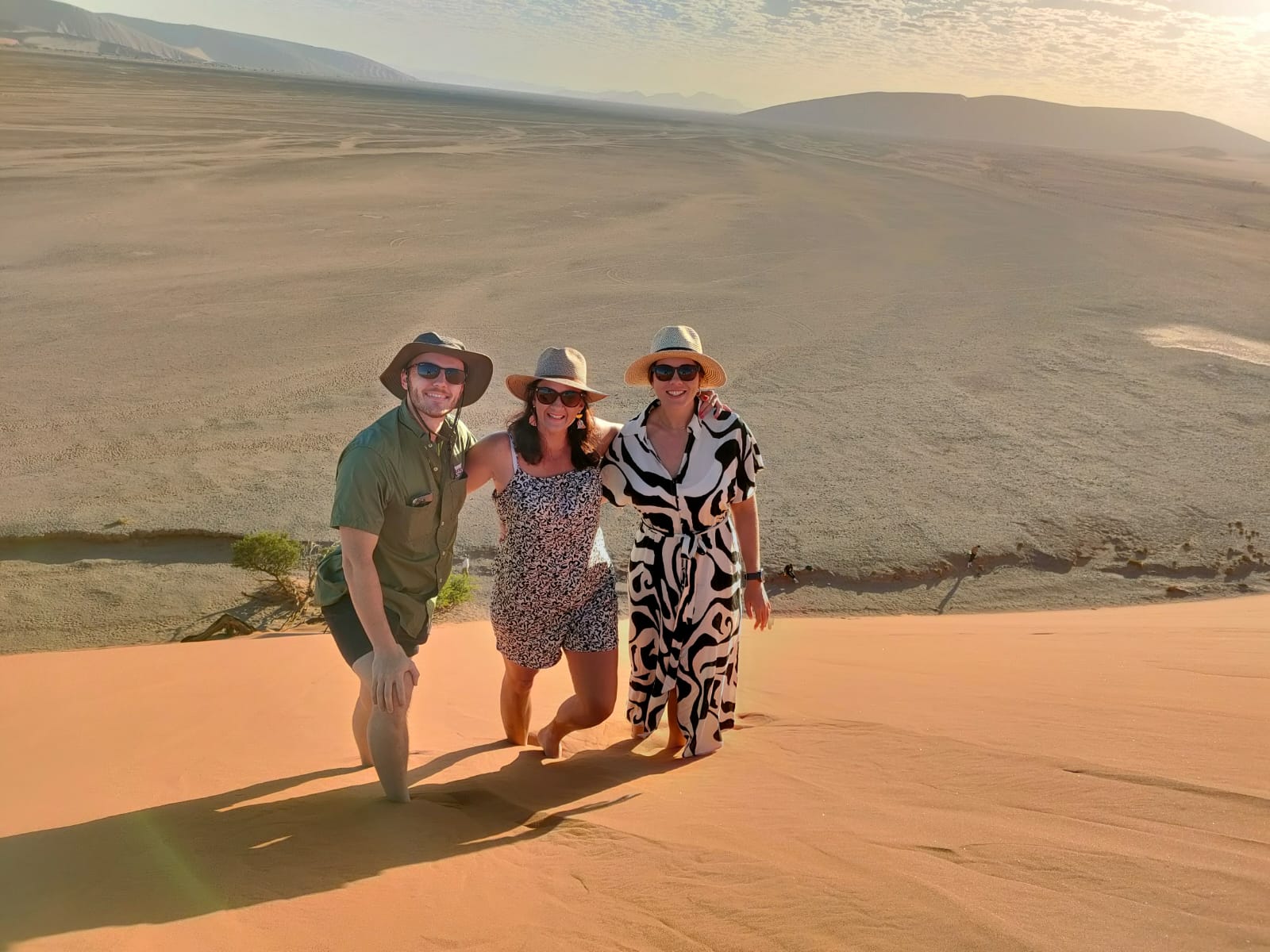
A wide-brim hat shading your face and neck is non-negotiable. Locals wear khaki or neutral-colored hats with 3-4 inch brims. Baseball caps provide insufficient protection. Choose hats with ventilation holes or mesh panels for airflow. Pack one hat for game drives and a second for city exploration and lodge activities.
Hat brims should shade your ears, the back of your neck, and your face. Wide brims reduce glare and improve wildlife viewing by reducing eye strain. Avoid decorative hats—function trumps fashion on safari.
UV-Blocking Sunglasses
Quality UV-blocking sunglasses protect your eyes and reduce glare during long game drives. Look for lenses blocking 99-100% of UVA and UVB rays. Polarized lenses reduce water and sand glare. Locals wear wraparound styles that shield eyes from all angles. Bring a backup pair in case your primary glasses break or get lost.
Secure your glasses with a retention strap during game drives. Windy conditions and vehicle movement can knock glasses off easily.
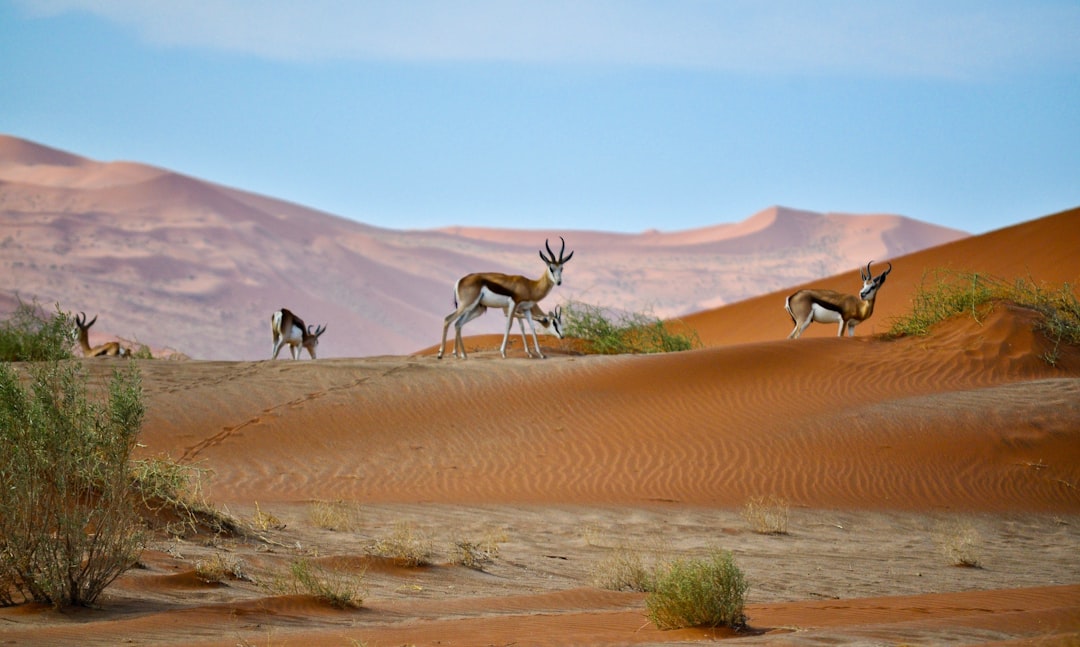
Accessories and Gear: What Locals Consider Essential
Beyond clothing and footwear, specific accessories dramatically improve your safari experience. Binoculars, animal guidebooks, torches, and insect repellent separate experienced travelers from unprepared ones. Locals always carry these items on game drives and walks.
Binoculars for Wildlife Viewing
Binoculars transform your safari experience. Distant animals become visible, behavior details emerge, and you spot birds others miss. Locals recommend 8x42 or 10x42 magnification for balance between magnification and field of view. Quality binoculars are expensive upfront but worth the investment for serious wildlife enthusiasts. Budget options exist if you prefer not to buy premium gear.
Compact binoculars pack easily and reduce neck strain during long game drives. Ensure binoculars have good light transmission for early morning and late evening viewing when wildlife is most active.
Animal and Bird Guidebooks
Guidebooks identifying Namibian wildlife enhance your experience and help you track sightings. Mobile apps like iNaturalist and Merlin Bird ID work well but require battery power. Physical guides don't need charging and provide detailed information. Many lodges provide complimentary guidebooks, but bringing your own ensures availability during early morning drives.
Insect Repellent and Malaria Prevention
Insect repellent with 20-30% DEET protects against mosquitoes, tsetse flies, and other insects. Locals apply repellent before and during game drives, especially during dawn and dusk when insects peak. Spray repellent on exposed skin and clothing. Some travelers prefer picaridin-based repellents as an alternative to DEET.
Consult your doctor about malaria prevention before travel. Certain Namibian regions carry malaria risk, especially during rainy season. Most safari lodges are in low-risk areas, but medical guidance is essential. Before booking, review vaccination requirements and health guidelines at Namibia health rules and vaccination information.
Torch or Headlamp
A torch or headlamp is essential for navigating camp after dark, finding items in your tent, and spotting nocturnal wildlife. Locals prefer headlamps that free both hands. LED torches are durable and energy-efficient. Pack extra batteries—finding replacements in remote safari areas is difficult.
Bring a small flashlight for reading at night without disturbing tent-mates. Red-light modes preserve night vision and reduce insect attraction.
Miscellaneous Essentials
Pack a lightweight scarf or neck gaiter for sun protection and dust control during open-vehicle game drives. Scarves also provide warmth during cool mornings. Include a small towel or sarong for beach visits and water activities. Moisture-wicking fabrics dry quickly in Namibia's arid climate.
Bring a reusable water bottle—staying hydrated is crucial in the desert. Most lodges refill water bottles at no charge. A small daypack holds essentials during game drives and walking safaris.
Seasonal Packing Adjustments: What Changes Throughout the Year
Namibia's climate varies significantly by season, requiring packing adjustments. Winter (May-August) brings cool evenings and mild days. Summer (November-March) features hot days, warm evenings, and occasional rain. Spring and autumn offer moderate temperatures and excellent wildlife viewing. Understanding seasonal patterns helps you pack appropriately.
Winter Season (May-August): Cold Nights, Mild Days
Winter in Namibia means daytime temperatures around 20-22°C and evening temperatures dropping to 5-10°C. Pack heavier fleece jackets, thermal layers, and warm sweaters. Long pants become standard rather than occasional. Locals wear multiple layers they can remove as temperatures rise during the day.
Winter offers excellent game viewing—animals congregate around water sources and vegetation is sparse, making wildlife easier to spot. This is peak safari season, so book early. If you're planning a Namibia safari in July 2026 during peak season, pack accordingly for cool mornings and mild afternoons.
Summer Season (November-March): Hot Days, Warm Evenings
Summer temperatures exceed 28°C during the day, with evenings staying warm (15-20°C). Pack lightweight, breathable clothing in maximum quantities. Shorts become acceptable during vehicle-based game drives. Bring extra sunscreen—sun exposure intensifies with higher temperatures. Lightweight rain jackets handle occasional summer showers.
Summer features lush vegetation and increased wildlife activity, but heat can be intense during midday. Many experienced travelers prefer winter or shoulder seasons for comfort.
Spring and Autumn (September-October, April): Moderate Temperatures
Spring and autumn offer moderate temperatures (18-26°C) and fewer tourists than winter. Pack layers that work across temperature ranges. These seasons provide excellent value and good wildlife viewing without extreme heat or cold.
Practical Packing Tips: How Locals Organize Their Luggage
Experienced travelers use specific strategies to pack efficiently for Namibian safaris. Rolling clothes instead of folding saves space. Organizing by activity (game drive clothes, camp wear, city clothes) prevents outfit confusion. Packing cubes compress clothing and create order in luggage.
Luggage Recommendations
Pack a soft-sided duffel bag or rolling suitcase that fits airline carry-on dimensions. Many safari lodges have weight restrictions for small aircraft transfers—checking luggage weight beforehand prevents costly excess fees. Duffel bags compress better than rigid suitcases and fit awkward vehicle spaces. Keep luggage weight under 20 kg (44 lbs) when possible.
Bring a small daypack (20-30 liters) for game drives and walking safaris. This carries water, camera gear, binoculars, and sun protection during activities.
Packing Order and Organization
Pack heavier items (shoes, toiletries) at suitcase bottoms. Clothing goes in the middle, and delicate items sit on top. Use packing cubes to organize by day or activity type. This system helps you find items quickly without unpacking everything in your tent.
Keep medications, important documents, and valuables in your carry-on luggage. Never pack these items in checked baggage.
What Not to Pack for Namibia Safaris
Avoid bright neon colors, camouflage patterns, and reflective materials. Skip heavy winter coats—Namibia's climate doesn't require them. Don't bring excessive formal clothing; Namibian lodges maintain relaxed dress codes. Avoid single-use plastics; pack reusable water bottles and bags instead. Leave high-heeled shoes and delicate fabrics at home—safari environments are dusty and rugged.
Don't overpack electronics. Focus on essentials like cameras, phones, and power banks. Most lodges offer charging stations, but remote camps may have limited power.
City Wear for Windhoek: Balancing Safari and Urban Exploration
Many Namibia trips include time in Windhoek, the capital city. Urban wear differs slightly from safari clothing. Windhoek has restaurants, shops, and cultural sites where safari khaki feels out of place. Pack 2-3 outfits suitable for city exploration and dining.
Day Wear for City Exploration
Lightweight pants or casual skirts work well for Windhoek's warm days. Long sleeves still provide sun protection and look appropriate in shops and museums. Comfortable walking shoes are essential—Windhoek has uneven sidewalks and sloped terrain. Neutral-colored casual clothing maintains your safari aesthetic while looking intentional rather than purely functional.
Evening Wear for Restaurants and Social Activities
Namibian restaurants welcome casual-to-smart-casual dress. You don't need formal clothing, but neat appearance is appreciated. Pack one pair of nicer pants or a dress suitable for evening dining. Closed-toe shoes work for restaurants and evening activities. A lightweight scarf or shawl adds elegance without bulk.
Windhoek's iconic Christuskirche church welcomes respectful visitors. Wear covered shoulders and knees when visiting religious sites. Your safari clothing often meets these requirements.
Sun Protection in the City
Windhoek's altitude (1,650 meters) intensifies UV exposure despite urban surroundings. Continue applying SPF50+ sunscreen, wearing your wide-brim hat, and using UV sunglasses. City exploration involves significant walking and sun exposure.
Packing for Specific Safari Activities: Game Drives vs. Walking Safaris
Different safari activities have specific clothing requirements. Vehicle-based game drives allow more clothing flexibility, while walking safaris demand stricter color adherence and supportive footwear. Understanding activity-specific needs helps you pack strategically.
Game Drive Clothing Requirements
Vehicle-based game drives tolerate modest color variation. While neutral tones remain ideal, muted colors work if you're inside a vehicle. Comfort during 4-6 hour drives matters more than strict color rules. Wear layers you can remove as temperatures rise. Bring a light jacket for early morning departures and evening game drives.
Secure loose items—winds in open vehicles can blow away sunglasses, hats, and small gear. Wear hats with retention straps and keep cameras in secure bags.
Walking Safari Clothing Requirements
Walking safaris demand strict neutral-colored clothing and sturdy footwear. You're at eye level with wildlife, so colors matter significantly. Wear long sleeves and long pants to protect from insects, thorns, and sun exposure. Closed-toe hiking boots with good grip are essential on uneven terrain.
Avoid jewelry, watches, or anything reflective that might startle animals. Move deliberately and quietly—your guide will explain proper walking techniques. Most walking safaris last 2-4 hours with experienced guides who know how to approach wildlife safely.
Water-Based Activities
If your safari includes boat tours or water activities, pack a quick-dry shirt and shorts. Bring a waterproof bag for cameras and valuables. Sandals or water shoes work for boat boarding. Bring a light cover-up for sun protection after water exposure.
Budget Packing Strategy: Buying Gear Locally vs. Bringing from Home
You can purchase some safari items in Windhoek and other towns, but prices are significantly higher than in your home country. Strategic shopping balances luggage weight against item cost and availability.
What to Buy Before Traveling
Purchase quality hiking boots, binoculars, and technical clothing at home where prices are lower. These items are expensive in Namibia and require proper fitting. Sunscreen costs 2-3 times more in Namibia—bring your preferred brand from home. Camera equipment, batteries, and electronics are pricier in Namibia.
Quality matters for items you'll use intensively (footwear, sun protection). Investing in good gear before travel prevents discomfort and performance issues.
What You Can Buy in Namibia
Casual clothing, light layers, and basic accessories are available in Windhoek shops and larger towns. If you overpack or need additional items, local stores provide options. However, selection is limited compared to major cities. Prices are higher but availability exists for emergencies.
Cost Savings Through Smart Packing
Packing strategically saves money by avoiding excess baggage fees (typically $25-50 per kilogram over limits). Choose versatile pieces that work across multiple days and activities. Neutral colors mix and match better than bright pieces, reducing the total items needed.
When comparing Namibia safari costs in 2026, factor in luggage fees and potential emergency purchases. Smart packing reduces these hidden costs.
Key Takeaways
- Pack neutral-colored clothing (khaki, beige, green) for game drives and walking safaris to minimize wildlife disturbance and maximize viewing opportunities.
- Bring SPF50+ sunscreen, a wide-brim hat, and UV-blocking sunglasses as non-negotiable sun protection items—apply sunscreen every 2 hours during outdoor activities.
- Include closed-toe hiking boots for walking safaris and lightweight sandals for camp wear, ensuring footwear is broken-in before your trip to prevent blisters.
- Pack a windproof lightweight jacket and warm fleece layer for temperature swings between hot daytime (20-28°C) and cool evenings (5-15°C depending on season).
- Bring binoculars, animal guidebooks, insect repellent, and a headlamp—these accessories significantly enhance your safari experience and safety during game drives and evening activities.
Frequently Asked Questions
What colors should I wear on a Namibia safari?
Wear neutral colors including khaki, beige, green, and light brown. These colors blend with the landscape and minimize wildlife disturbance during game drives and walking safaris. While vehicle-based game drives tolerate modest color variation, walking safaris demand strict adherence to neutral tones. Avoid bright neon colors, white, and camouflage patterns that appear unnatural to animals.
How much luggage can I bring on a Namibia safari?
Most airlines allow 1-2 checked bags (up to 23 kg each) and one carry-on bag. Safari lodges often have luggage weight restrictions for small aircraft transfers to remote camps—typically 20 kg maximum per person. Check with your tour operator about specific restrictions. Soft-sided duffel bags pack more efficiently than rigid suitcases and fit vehicle spaces better.
Do I need special footwear for walking safaris?
Yes, closed-toe hiking boots with good grip are essential for walking safaris. Boots provide ankle support, protect against thorns and insects, and offer traction on sandy and rocky terrain. Ensure boots are broken-in before your trip to prevent blisters during 2-4 hour walks. Lightweight hiking boots work better than heavy mountaineering boots for Namibian terrain.
What sun protection items are most important for Namibia?
SPF50+ broad-spectrum sunscreen, a wide-brim hat, and UV-blocking sunglasses are your most critical sun protection items. Namibia's high altitude and minimal cloud cover create intense UV exposure. Apply sunscreen every 2 hours and after water exposure. Locals use lip balm with SPF, wear long-sleeved shirts, and reapply protection throughout the day without exception.
Should I pack rain gear for a Namibia safari?
Namibia is extremely arid, receiving minimal rainfall except during summer months (November-March). If traveling during summer, pack a lightweight rain jacket or poncho for occasional showers. During dry seasons (May-October), rain gear is rarely necessary. Quick-dry fabrics work better than heavy waterproof jackets in Namibia's hot climate.
Can I buy safari clothing in Namibia if I forget items?
Yes, Windhoek and larger towns have shops selling casual clothing and basic accessories, but prices are significantly higher than in your home country. Selection is limited compared to major cities. Essential items like quality hiking boots, technical clothing, and sunscreen are better purchased before traveling. Emergency purchases are possible but expensive.
What should I pack for Windhoek city visits during my safari trip?
Pack 2-3 outfits suitable for urban exploration and restaurant dining. Lightweight pants or casual skirts work for daytime city exploration. For evening dining, wear neat casual-to-smart-casual clothing—formal attire isn't necessary. Continue wearing sun protection including hats and sunscreen. Comfortable walking shoes are essential for exploring Windhoek's streets. When visiting religious sites like Christuskirche, wear covered shoulders and knees.
Conclusion
Packing smart transforms your Namibia safari from uncomfortable to exceptional. Local wisdom prioritizes function over fashion—neutral colors, supportive footwear, and sun protection create the foundation for successful safari experiences. Layered clothing handles dramatic temperature swings between hot days and cool evenings. Accessories like binoculars, guidebooks, and insect repellent dramatically enhance wildlife viewing and personal safety.
Your packing strategy should reflect your specific activities, travel season, and personal comfort preferences. Winter safaris (May-August) require heavier layers and cold-weather gear, while summer visits (November-March) demand maximum sun protection and lightweight fabrics. Walking safaris need stricter color adherence and sturdy boots, while vehicle-based game drives allow more flexibility.
Before booking your Namibia safari, understand what's included in your package and what you need to provide. Different operators offer varying levels of packing guidance. Explore verified safari packages on SafariFind where tour operators provide detailed packing lists customized for your trip dates and activities. Compare operators who offer pre-trip guidance and support—this service adds significant value beyond pricing alone.
SafariFind's verified operators have tested their packing recommendations across hundreds of safari trips. Request quotes from verified safari operators and ask about their packing guidance before committing. Read authentic reviews from previous travelers who describe what actually worked during their Namibia adventures. This real-world feedback proves invaluable for final packing decisions.
As of July 2026, Namibia remains one of Africa's premier safari destinations. Proper packing ensures you're comfortable, safe, and ready to experience world-class wildlife viewing. Start your safari planning today by comparing packages, reading reviews, and connecting with operators who prioritize traveler preparation and satisfaction.
Plan Your Safari with SafariFind
These recommendations use real data from SafariFind, where you can compare operators, browse packages, and read verified traveler reviews before you book.
Recommended Safari Packages from SafariFind
What Travelers Say (SafariFind Reviews)
References
- Namibia Safari Packing List 2026 for First-Timers | SafariFind
- Safari Clothing Guide: What to Wear (2026) | Private Tours Cape Town
- Namibia Holiday and Safari Packing List | Expert Africa
- What to Wear in Namibia + Outfit Inspiration | The Blonde Abroad
- Namibia Packing List: What to Wear & What (Not) to Bring | Full Suitcase
- What You Need to Pack for Namibia: A Complete Guide | Be La Vie
- What to Wear in Windhoek — Sun, Layers & Outback-Ready Gear | Packfits
- Namibia - What Should I Pack? | andBeyond
 Ask Tembo about this guide
Sources
- Namibia Safari Packing List 2026 for First-Timers
- Safari Clothing Guide: What to Wear
- Namibia Holiday and Safari Packing List
- What to Wear in Namibia + Outfit Inspiration
- Namibia Packing List: What to Wear & What (Not) to Bring
- What You Need to Pack for Namibia: A Complete Guide
- What to Wear in Windhoek — Sun, Layers & Outback-Ready Gear
- Namibia - What Should I Pack?
Related to
Ready to start your safari adventure?
Explore curated safari packages and find your perfect African adventure with verified operators.