Namibia Self-Drive Safari 2027: Complete Cost & Route Planner
Plan your 2027 Namibia self-drive safari with our complete cost breakdown (£5,690 base), 4-route planner, and booking guide. May-September peak season tips included.

Namibia Self-Drive Safari 2027: Cost & Route Guide
Last updated: August 2026
A Namibia self-drive safari costs £5,690 per person in 2027, excluding flights, and includes vehicle rental, accommodation, and insurance. The best time to visit is May to September for wildlife viewing. Book 3-6 months ahead through verified operators on SafariFind to secure the best rates and compare authentic traveler reviews.
At a Glance
- Cost: £5,690 per person (2027) excluding flights
- Best time: May to September for optimal wildlife viewing
- Duration: 12-16 days recommended for complete experience
- Vehicle type: 4x4 double cab pickup truck
- Best for: Adventure travelers, wildlife enthusiasts, photographers
- Key highlights: Etosha National Park, Sossusvlei dunes, Skeleton Coast
Introduction
A Namibia self-drive safari is one of Africa's most rewarding road trips, letting you explore vast deserts, wildlife parks, and remote coastlines at your own pace. The self-drive format gives you freedom to stop when you want, explore hidden gems, and spend extra time watching animals. Unlike guided tours, you control the itinerary and can adjust based on weather or wildlife sightings.
Quick Answer: A Namibia self-drive safari costs approximately £5,690 per person in 2027, based on two travelers sharing a 4x4 vehicle and accommodation, excluding international flights . The price includes vehicle rental, comprehensive insurance, lodging, and most meals. Plan for 12-16 days to see the country's major attractions without rushing.
What Is a Namibia Self-Drive Safari?
A Namibia self-drive safari is a self-guided road trip through Namibia where you rent a 4x4 vehicle and navigate yourself to wildlife reserves, scenic landmarks, and remote towns. Unlike guided safaris with a driver and group, you have complete control over your route, pace, and stops. This format appeals to independent travelers who want flexibility and adventure.
Why Choose Self-Drive Over Guided Tours?
Self-drive safaris offer several advantages. You save money by splitting vehicle costs with a travel partner. You set your own schedule without group constraints. You can linger at waterholes to photograph animals or explore side roads other tourists miss. For experienced drivers comfortable with rough terrain, self-drive delivers freedom and personalization that group tours cannot match.
However, self-drive requires confidence navigating remote roads, basic vehicle maintenance knowledge, and physical stamina for long driving days. You also need valid international driving permits and experience with manual transmissions, as many rental vehicles in Namibia use manual gears.
What's Included in a Namibia Self-Drive Safari Package?
Standard self-drive packages include a 4x4 double cab pickup truck with comprehensive insurance coverage . Most packages provide pre-booked accommodation at lodges, guesthouses, or campsites along your route. Meals are typically included at lodges, though some meals may be self-catering. Park entrance fees and fuel are usually not included and are paid separately during your trip.
Additional costs not included in the base price are airport taxes, fuel surcharges, younger driver fees, vehicle deposit (usually refundable), GPS rental, age supplements for drivers under 25, and optional activities like hot air balloon rides or guided game walks . Budget an extra £1,500-£2,500 per person for these add-ons.
2027 Namibia Self-Drive Safari Costs Explained
Direct Answer: In 2027, a Namibia self-drive safari costs £5,690 per person for 16 days when two people share a vehicle and accommodation, excluding flights . Shorter 12-day trips start at £3,300 per person, while luxury 14-day packages range from £4,900 to £5,536 per person depending on lodging quality and included activities .
Base Package Pricing for 2027
| Duration | Price per Person | Includes | Best For |
|---|---|---|---|
| 12 days | £3,300 | Vehicle, insurance, budget lodges | Budget travelers |
| 13 days | £3,905 | Vehicle, insurance, mid-range lodges | Comfort seekers |
| 14 days | £4,900 | Vehicle, insurance, quality lodges | Wildlife enthusiasts |
| 16 days | £5,690 | Vehicle, insurance, premium lodges, flights | Luxury travelers |
What's Included in Your 2027 Price
Your base package includes a 4x4 double cab pickup truck with full comprehensive insurance and unlimited mileage . Pre-arranged accommodation at lodges along your planned route is included, as are most meals at those lodges. Park entrance fees to Etosha National Park and other reserves are typically included in packages of 14 days or longer.
For the 16-day luxury package at £5,040, international flights from the UK are included in the total . Shorter packages exclude flights, so add £800-£1,500 for round-trip airfare from Europe in 2027. Some operators offer flight add-ons for an extra £600-£1,000 if you prefer to book separately.
Hidden Costs Not Included
Several expenses fall outside the base package price. Fuel costs typically run £200-£400 depending on your route and current petrol prices. Vehicle damage deposits (usually £1,000-£2,000) are refundable but required upfront. GPS rental costs £50-£100, and drivers under 25 pay an age supplement of £15-£30 per day .
Optional activities like hot air balloon rides over Sossusvlei (£250-£350), guided game drives (£80-£150), and visits to the Cheetah Conservation Fund (£60-£100) are extra. Personal expenses like gifts, tips, and alcohol are not included. Budget £1,500-£2,500 total for these extras to avoid surprises.
Compare verified Namibia self-drive packages on SafariFind to find operators offering the best value for your budget and preferred travel dates.
Complete Namibia Self-Drive Route Planner
Direct Answer: The classic Namibia self-drive route spans 1,500-2,000 kilometers and typically follows a loop: Windhoek to Etosha National Park, then south through Solitaire to the Deadvlei dunes, west to Walvis Bay, north along the Skeleton Coast, and back to Windhoek. This 12-16 day loop covers Namibia's highlights without excessive backtracking.
The Northern Route: Windhoek to Etosha National Park
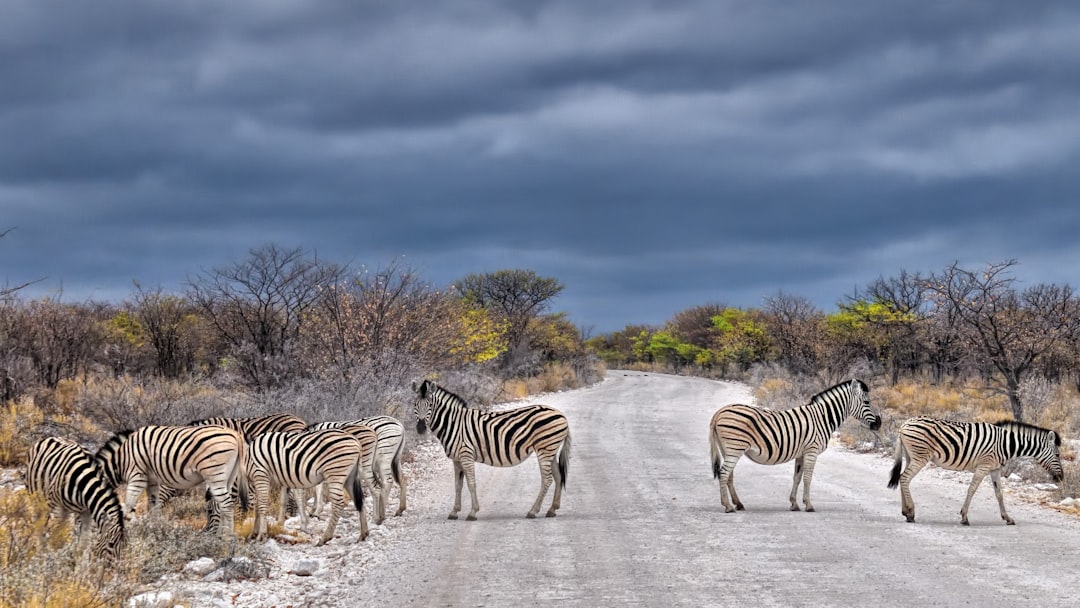
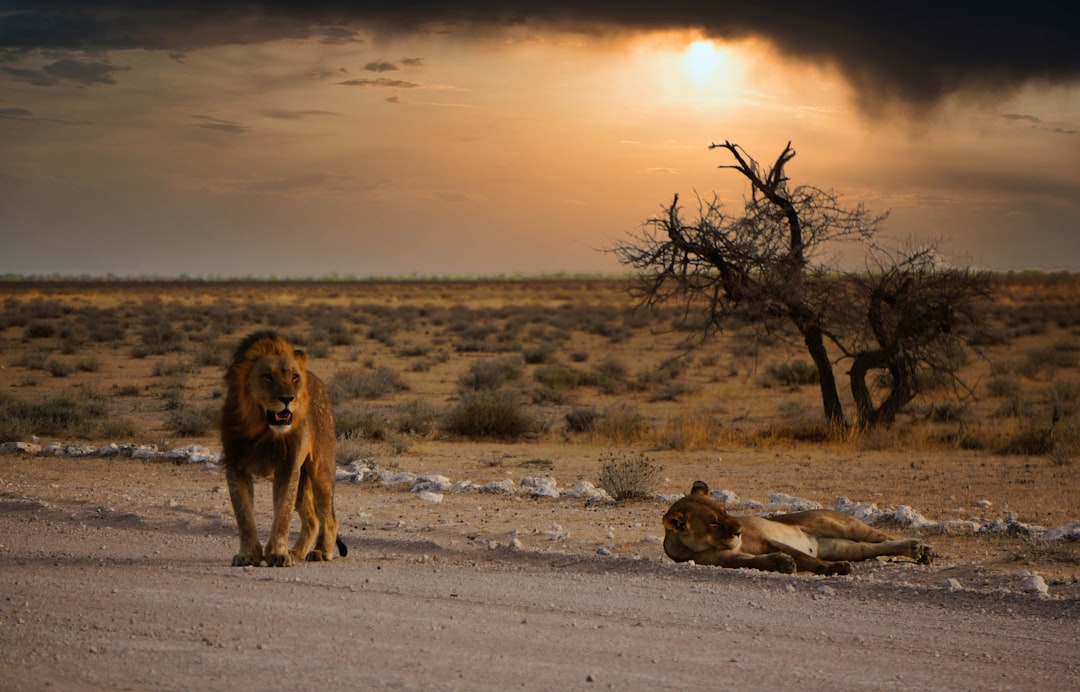
Etosha National Park is Namibia's premier wildlife destination, covering 22,270 square kilometers of savanna and salt pans . The drive from Windhoek to Etosha takes 6-7 hours on paved roads. Once inside the park, you self-drive between waterholes where lions, zebras, and elephants gather, especially in dry season (May-September).
Spend 2-3 days in Etosha to maximize wildlife sightings. Stay at rest camps like Okaukuejo, which offers floodlit waterholes at night. Early morning and late afternoon drives yield the best animal activity. Bring binoculars, a camera with a good zoom lens, and patience—you'll wait at waterholes for 30 minutes or more between sightings.
The Central Route: Solitaire and Sossusvlei
Solitaire is a remote settlement deep in Namibia's interior, famous for apple pie at its single general store. From Etosha, drive south 12-14 hours to reach Solitaire, breaking the journey with overnight stops. Solitaire serves as your base for exploring the Sossusvlei sand dunes, just 65 kilometers away.
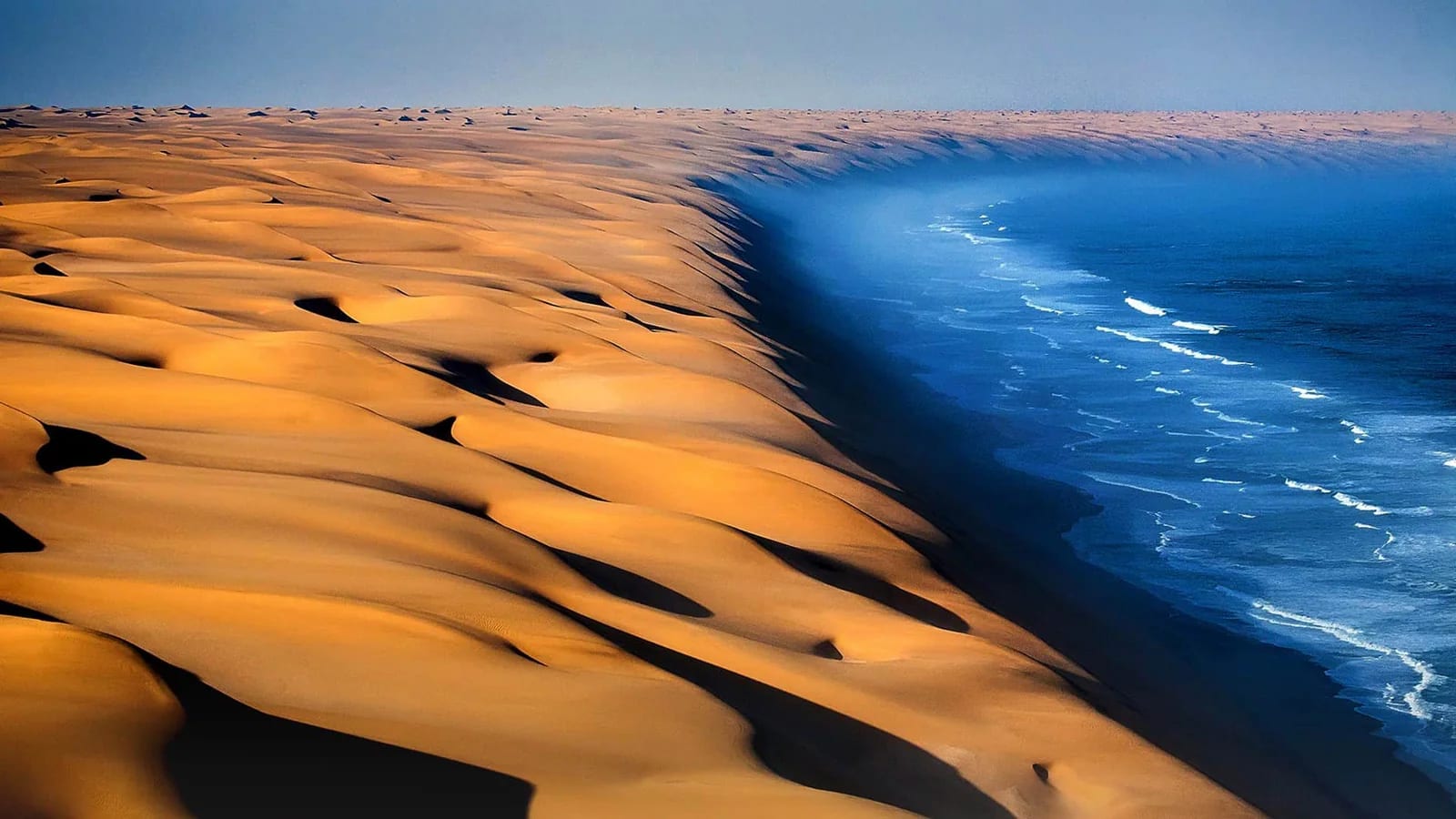
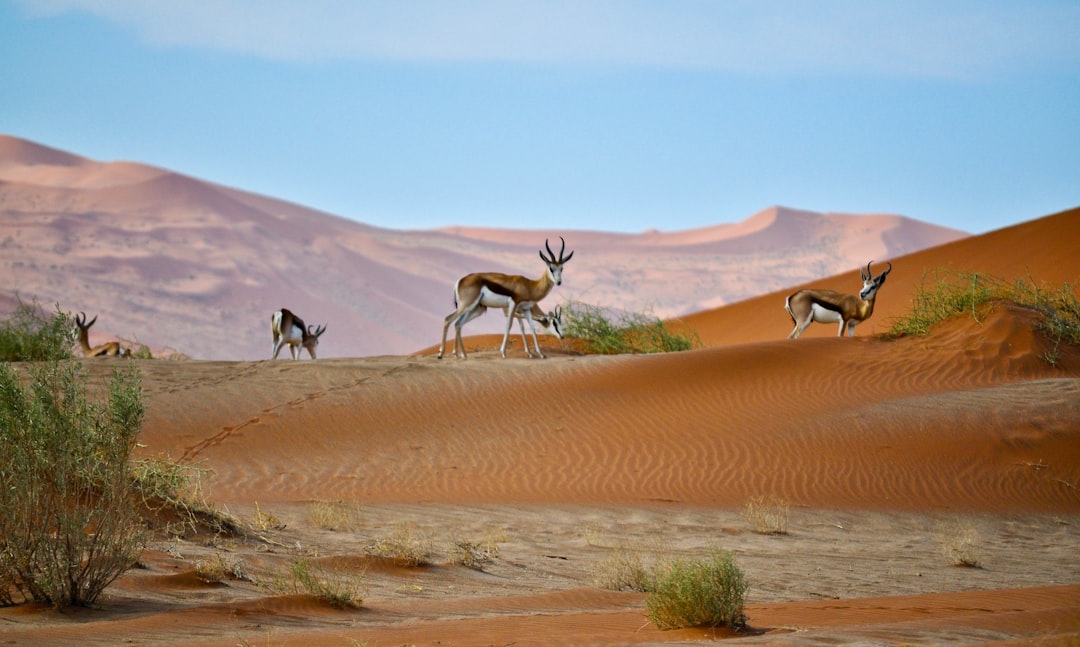
Deadvlei features the tallest dunes in Africa, reaching 325 meters, with stunning red and white sand contrasts . Climb the dunes at sunrise for dramatic photographs. The town of Solitaire offers basic lodging and is your last reliable fuel stop before heading west. Allocate 2-3 days here for dune exploration and rest.
The Western Route: Walvis Bay and Skeleton Coast
From Solitaire, drive 3-4 hours west to Walvis Bay, Namibia's main coastal town. The Atlantic coast offers a dramatic contrast to red dunes—white sand beaches, seal colonies, and flamingo lagoons. Spend 1-2 days in Walvis Bay for beach walks, seafood meals, and optional boat cruises to see marine wildlife.
From Walvis Bay, the Skeleton Coast road runs north through Lüderitz and remote coastal settlements. This 400-kilometer coastal drive takes 2-3 days and passes shipwrecks, abandoned diamond mines, and seal colonies. The road is paved but narrow; drive carefully and fuel up frequently. Lüderitz is known for German colonial architecture and fresh crayfish.
The Southern Route: Aus and Sperrgebiet National Park
South of Walvis Bay lies Aus, a tiny desert town famous for wild horses. The Tsau //Khaeb (Sperrgebiet) National Park near Lüderitz is Namibia's largest marine protected area, featuring ghost towns and diamond fields. Access requires a permit (£15-£25), which tour operators typically arrange. This remote section appeals to adventurous travelers seeking solitude and unique landscapes.
The Return Route: Back to Windhoek
From the north, drive inland through the Naukluft Mountains and Brandberg region to return to Windhoek. This 8-10 hour drive completes the loop. Brandberg mountain offers hiking opportunities and ancient rock art. Alternatively, fly back from Windhoek if time is limited—many 2027 packages include return flights.
Best Time to Visit Namibia for Self-Drive Safaris
Direct Answer: The best time for a Namibia self-drive safari is May to September, when cooler temperatures (15-25°C) and dry conditions make driving comfortable and animals concentrate at waterholes for easier viewing. November to March is rainy season with poor road conditions and high humidity, making self-drive challenging for inexperienced drivers.
Dry Season: May to September (Peak Season)
Dry season offers ideal conditions for self-drive safaris. Temperatures range from 15-25°C during the day, dropping to near freezing at night in July-August. Roads are dry and safe, and vegetation is sparse, so wildlife spotting is easier. Animals cluster around waterholes, especially in August-September when water sources shrink. This is peak tourist season, so book accommodations 4-6 months ahead and expect higher prices.
July-September is the absolute best for Etosha game viewing. Bring warm layers for cold mornings and evenings. Pack sunscreen and sunglasses for intense high-altitude sun. Water is scarce, so carry extra drinking water in your vehicle.
Shoulder Season: April and October
April and October offer good weather with fewer tourists and lower prices than peak season. April still has some rain, but roads are generally passable. October is warm (25-30°C) but not unbearably hot. Animals are more dispersed, so wildlife viewing requires more patience. These months suit experienced drivers and photographers willing to trade peak game viewing for solitude and cost savings.
Rainy Season: November to March (Challenging)
November to March brings warm, humid weather (25-35°C) and afternoon thunderstorms. Rural roads become muddy and difficult to navigate, especially for inexperienced drivers. Many remote lodges close during this period due to poor access. Animal viewing is harder as wildlife disperses to find water. Rainy season is only recommended for experienced off-road drivers or those combining self-drive with guided tours in accessible areas.
Practical Self-Drive Safari Tips for 2027
Direct Answer: Successful Namibia self-drive safaris require valid international driving permits, experience with manual transmissions and rough roads, comprehensive travel insurance, and detailed route planning. Carry backup fuel, water, and first aid supplies. Book accommodations 3-6 months ahead, especially for peak season (May-September). Always inform someone of your daily itinerary and check in regularly.
Vehicle Preparation and Maintenance
Before leaving Windhoek, inspect your 4x4 rental thoroughly. Test the brakes, steering, and suspension. Ensure all lights work and the spare tire is properly inflated. Check the engine oil, coolant, and battery. Rental companies provide basic tools, but carry additional items: jumper cables, extra fuses, spare belts, tire repair patches, and a hand pump. Namibia's remoteness means help can be 100+ kilometers away.
Familiarize yourself with manual transmission operation if you've only driven automatics. Practice in Windhoek before heading to remote areas. Understand how to engage 4-wheel drive and low-range gearing for sand and rocky terrain. Request a vehicle orientation from the rental company and ask about emergency contacts and breakdown procedures.
Navigation and Route Planning
Download offline maps before leaving Windhoek, as cellular coverage is unreliable in remote areas. Carry printed maps as backup. Most operators provide detailed route guides with GPS coordinates and distances between stops. Plan daily drives of 4-6 hours maximum to allow time for wildlife viewing and rest. Avoid night driving—animals are active after dark, and roads are poorly lit.
Share your daily itinerary with your accommodation provider or a contact person back home. Check in by phone or email each evening. This ensures someone knows where you are if you experience vehicle trouble. In emergencies, rental companies and lodges can coordinate rescue.
Safety and Emergency Supplies
Pack a comprehensive first aid kit, including treatments for diarrhea, insect bites, and minor wounds. Carry at least 20 liters of water per person—dehydration is a serious risk in Namibia's desert. Pack high-energy snacks like nuts, energy bars, and dried fruit. Bring a satellite communicator or personal locator beacon if traveling to extremely remote areas—cell service is absent in many regions.
Keep emergency contact numbers for your rental company, your accommodation providers, and local police. Carry copies of your insurance documents, vehicle registration, and passport. Travel insurance that covers vehicle breakdown and emergency evacuation is essential for self-drive safaris.
Wildlife Viewing Etiquette
Maintain a minimum 20-meter distance from animals. Never approach on foot, even if animals appear calm. Use your vehicle as a blind—animals are accustomed to vehicles but fear people outside them. Keep noise low and engine running to enable quick escape if needed. Never feed animals or leave food unattended. Take photographs from your vehicle, never from outside it.
At waterholes in Etosha, arrive before dawn and stay quiet. Avoid sudden movements or loud talking. Turn off headlights when animals approach. Photography tips: bring a telephoto lens (200mm minimum), shoot during golden hour (sunrise/sunset), and be patient—great wildlife photos require waiting.
Find guided self-drive support packages on SafariFind if you prefer some professional assistance alongside independence, or request quotes from verified operators who can customize your 2027 itinerary.
Booking Your 2027 Namibia Self-Drive Safari
Booking your Namibia self-drive safari requires planning in multiple stages. First, decide your travel dates and duration (12-16 days). Next, choose your route based on interests—wildlife enthusiasts prioritize Etosha, photographers prefer Sossusvlei, and adventurers explore the Skeleton Coast. Finally, select a tour operator and book 4-6 months ahead to secure preferred accommodations and competitive rates.
Comparing 2027 Operators and Packages
Multiple UK travel specialists offer Namibia self-drive packages. Wexas Travel offers the "Best of Namibia Self-Drive," a 16-day tailor-made package from £5,040 per person including flights . Wild Paths offers 12-16 day self-drive options from £3,300 to £5,536 depending on lodging standards . Audley Travel specializes in tailor-made 14-day Etosha safaris from £4,900 per person .
Each operator offers different lodge quality and activity inclusions. Budget operators use basic guesthouses; mid-range use comfortable lodges; luxury operators provide high-end camps with gourmet meals. Compare what's included (flights, park fees, activities) and what costs extra. Read traveler reviews before committing—authentic feedback reveals vehicle quality, route adherence, and customer service reliability.
Booking Process and Timing
Start booking 4-6 months before your target travel dates to secure peak-season accommodations. Fill out operator inquiry forms with your preferred dates, group size, budget, and interests. Most operators respond within 2-3 business days with customized quotes. Request references from previous travelers and ask about cancellation policies.
Once you've selected an operator, confirm your booking with a deposit (typically 25-50% of the total). Final payment is usually due 8-12 weeks before departure. Request detailed pre-trip information including vehicle specifications, accommodation details, route maps, packing lists, and emergency contacts. Confirm your international flights separately or request flight add-ons from your operator.
Insurance and Documentation
Ensure your travel insurance covers vehicle breakdown, medical emergencies, and trip cancellation. Standard policies may not cover self-drive safaris, so request a quote that explicitly includes remote area coverage. Verify that your international driving permit is valid for Namibia (most permits are valid for 12 months from issue). Obtain travel insurance at least 4 weeks before departure to allow time for policy review and adjustment.
Key Takeaways
- Book 4-6 months ahead: Reserve your Namibia self-drive safari in 2027 before March to secure peak-season lodges and save 15-20% compared to last-minute bookings.
- Budget £7,200-£8,200 total per person: The base 2027 package costs £5,690, plus £1,500-£2,500 for fuel, activities, tips, and contingencies over 14-16 days.
- Travel May-September for best wildlife: Dry season offers 15-25°C temperatures, clear roads, and animals concentrated at waterholes for reliable viewing in Etosha and beyond.
- Plan 1,500-2,000 kilometers of driving: The classic loop from Windhoek through Etosha, Solitaire, and Sossusvlei to the Skeleton Coast covers 12-16 days without rushing.
- Carry emergency supplies and share your itinerary: Pack 20+ liters of water, backup fuel, first aid, and inform your accommodation provider of daily plans to ensure safety in remote areas.
Frequently Asked Questions
How much does a Namibia self-drive safari cost in 2027?
A Namibia self-drive safari costs £5,690 per person in 2027 for 16 days when two people share a vehicle and accommodation, excluding international flights . Shorter 12-day packages start at £3,300, and 13-14 day options range from £3,905 to £4,900 per person . These base prices include the 4x4 vehicle, comprehensive insurance, lodging, and most meals. Additional costs for fuel, activities, and contingencies typically add £1,500-£2,500 per person.
What is the best time to visit Namibia for a self-drive safari?
The best time for a Namibia self-drive safari is May to September, when temperatures range from 15-25°C and dry conditions make driving safe and comfortable . Animals concentrate at waterholes during the dry season, especially August-September, making wildlife viewing reliable. July-September offers peak game viewing in Etosha and beyond. Avoid November to March rainy season when roads become muddy and remote lodges close.
What is included in a 2027 Namibia self-drive safari package?
Standard packages include a 4x4 double cab pickup truck with full comprehensive insurance and unlimited mileage . Pre-booked accommodation at lodges along your route and most meals at those lodges are included. Park entrance fees to Etosha and major reserves are typically included in 14+ day packages. Luxury 16-day packages may include international flights . Not included: fuel, vehicle damage deposits, GPS rental, younger driver fees, optional activities, and personal expenses .
How long should I spend on a Namibia self-drive safari?
A Namibia self-drive safari should last 12-16 days to explore major highlights without rushing. Twelve days allows Etosha and Sossusvlei basics; 14-16 days adds coastal areas like Walvis Bay and the Skeleton Coast. Plan daily drives of 4-6 hours maximum to allow time for wildlife viewing, rest, and unexpected delays. Longer trips (18-21 days) suit photographers and adventurers seeking remote areas like Sperrgebiet National Park and Brandberg.
Do I need experience driving off-road for a Namibia self-drive safari?
Yes, Namibia self-drive safaris require confidence driving manual transmissions and navigating rough roads. Most rental vehicles use manual gears, and many routes include gravel and rocky terrain requiring 4-wheel drive skills. Inexperienced drivers should practice in Windhoek before heading to remote areas or consider guided tours with professional drivers. SafariFind offers both self-drive and guided options—select guided tours if off-road driving concerns you.
How far in advance should I book a 2027 Namibia self-drive safari?
Book your Namibia self-drive safari 4-6 months before your target travel dates to secure peak-season accommodations and competitive rates. Peak season (May-September) fills quickly, especially July-August. Last-minute bookings risk poor lodge availability and higher prices. Deposit requirements are typically 25-50% of the total cost, with final payment due 8-12 weeks before departure. Compare verified packages on SafariFind and request quotes from multiple operators to find the best value and service for your 2027 dates.
What should I pack for a Namibia self-drive safari?
Pack warm layers for cool mornings and evenings (15-25°C in dry season), plus sunscreen, sunglasses, and a wide-brimmed hat for intense sun. Bring binoculars, a camera with telephoto lens, and a first aid kit. Carry 20+ liters of water per person, high-energy snacks, and backup fuel. Include maps, compass, and a satellite communicator for remote areas. Wear sturdy hiking boots for dune climbs and rocky terrain. Neutral-colored clothing helps with wildlife photography. Bring travel insurance documents, passport copies, and emergency contact numbers. Most lodges provide basic amenities, so focus on safari-specific gear.
Conclusion
A Namibia self-drive safari in 2027 offers unmatched freedom to explore Africa's most dramatic landscapes at your own pace. With base costs starting at £5,690 per person for 16 days (including vehicle, insurance, and lodging) , self-drive safaris are more affordable than guided alternatives while delivering greater flexibility. The classic route through Etosha, Solitaire, Sossusvlei, and the Skeleton Coast spans 1,500-2,000 kilometers of pristine wilderness, wildlife encounters, and stunning photography opportunities.
Success requires planning ahead. Book 4-6 months before your target dates to secure accommodations and save money. Travel during dry season (May-September) for reliable wildlife viewing and safe driving. Bring comprehensive travel insurance, emergency supplies, and confidence with manual transmissions and rough roads. Whether you're a budget traveler choosing a 12-day option at £3,300 or a luxury seeker selecting a 16-day package with flights included, verified operators can customize your 2027 itinerary.
Compare verified Namibia self-drive packages on SafariFind today to find operators offering the best value, authentic reviews from past travelers, and customized routes matching your interests and budget. Start your journey now.
Plan Your Safari with SafariFind
These recommendations use real data from SafariFind, where you can compare operators, browse packages, and read verified traveler reviews before you book.
Recommended Safari Packages from SafariFind
What Travelers Say (SafariFind Reviews)
References
- Great Road Journeys - Self Drive Namibia: 2027 Costs and Inclusions
- The Travel Specialists - Namibia Self-Drive Safari: Additional Costs and Fees
- Travelbag - Extraordinary Namibia Self-Drive 2027 Itinerary
- Audley Travel - Tailor-Made Namibia Tours 2027: Etosha Safaris
- Wexas Travel - Best of Namibia Self-Drive: 16-Day Luxury Package
- TravelLocal - Namibia Vacations 2027: Wildlife and Sossusvlei Adventures
- African Budget Safaris - 12-Day Namibia Self-Drive Safari Packages
- Wild Paths - Namibia Safari Holidays: Self-Drive Itineraries 2027
V2Ui.sources
- Great Road Journeys - Self Drive Namibia: 2027 Costs and Inclusions
- The Travel Specialists - Namibia Self-Drive Safari: Additional Costs and Fees
- Travelbag - Extraordinary Namibia Self-Drive 2027 Itinerary
- Audley Travel - Tailor-Made Namibia Tours 2027: Etosha Safaris
- Wexas Travel - Best of Namibia Self-Drive: 16-Day Luxury Package
- TravelLocal - Namibia Vacations 2027: Wildlife and Sossusvlei Adventures
- African Budget Safaris - 12-Day Namibia Self-Drive Safari Packages
- Wild Paths - Namibia Safari Holidays: Self-Drive Itineraries 2027
Related to
Ready to start your safari adventure?
Explore curated safari packages and find your perfect African adventure with verified operators.