Namibia Self Drive Safari: 6 Campsites Worth Booking in 2026
Discover Namibia Self Drive Safari: 6 Campsites Worth Booking in 2026 - Expert guide to safari tourism and wildlife destinations.

Namibia Self Drive Safari: 6 Campsites to Book in 2026
Last updated: August 2026
Six campsites can turn a Namibia road trip into a desert, canyon, and wildlife journey in one route.
A Namibia self drive safari in 2026 links six standout campsites: Sesriem, Okaukuejo, Namutoni, Hobas, Ai-Ais, and Spitzkoppe. Budget about $1,500–$2,200 per person before international flights, or $2,500–$4,500 for a mid-range trip. Book early because the best campsites have limited availability.
At a Glance
- Cost: $1,500–$2,200 per person for a budget self-drive trip, before international flights.
- Mid-range cost: $2,500–$4,500 per person in 2026.
- Luxury safari Namibia: Lodge-based self-drive routes cost $5,000 or more per person.
- Best time: Book well ahead for your chosen 2026 dates and campsite locations.
- Duration: Seven to 14 days fits the main self-drive vacation range.
- Best for: Independent travelers, couples, families, photographers, and campers.
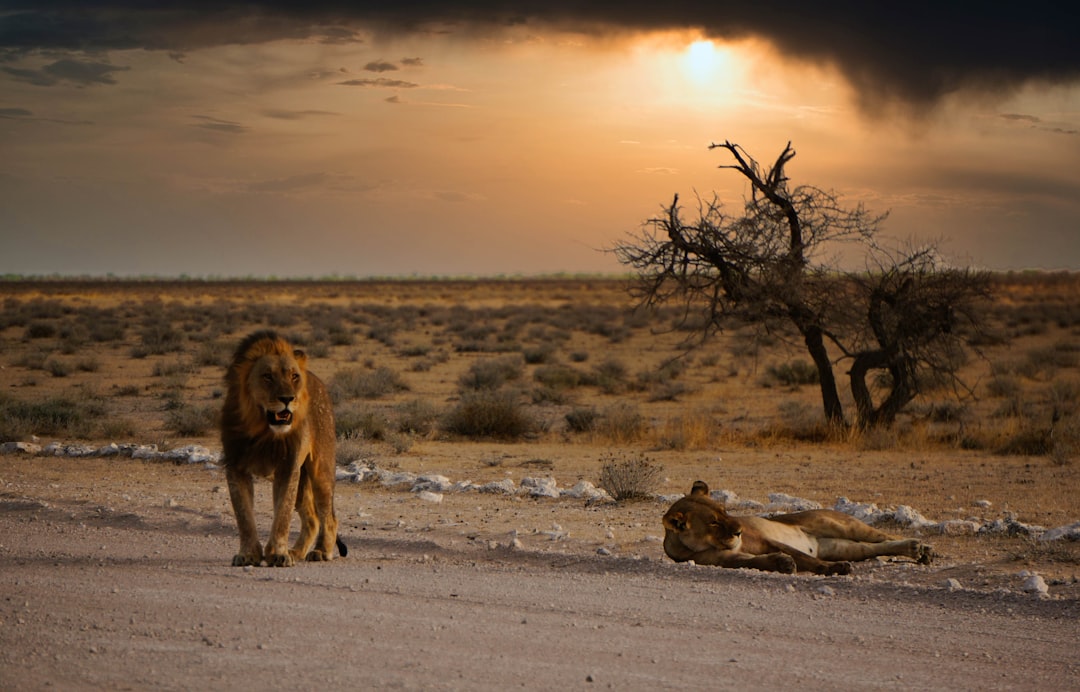
- Wildlife highlights: Etosha campsites provide access to wildlife-viewing areas, while desert camps offer dramatic scenery.
What Is a Namibia Self Drive Safari in 2026?
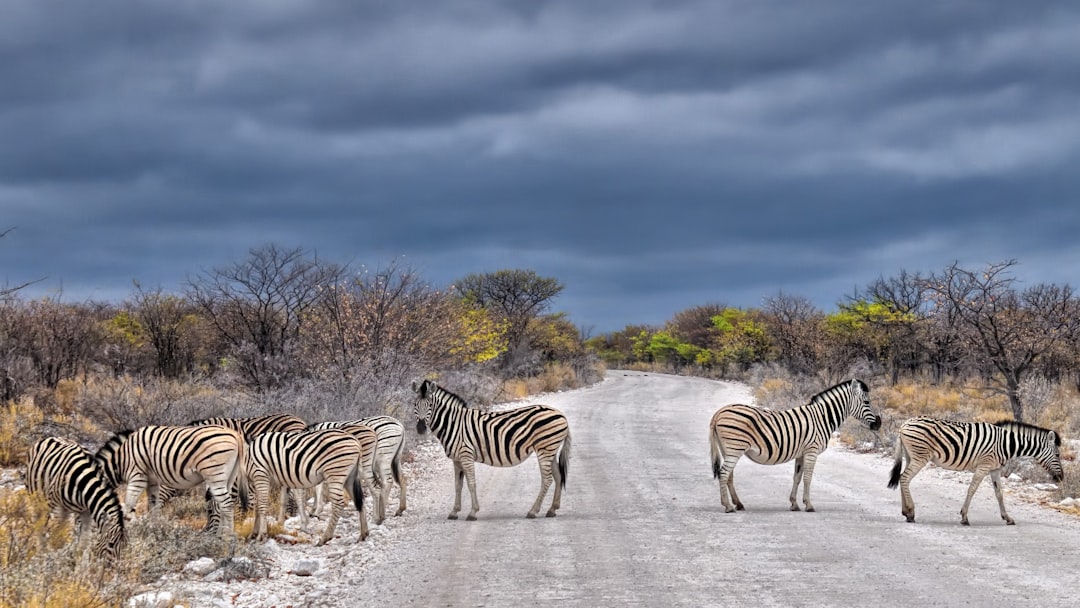
A Namibia self drive safari is an independent road trip that combines a rental vehicle, campsites, and wildlife areas. In 2026, six frequently listed campsite stops are Sesriem, Okaukuejo, Namutoni, Hobas, Ai-Ais, and Spitzkoppe. Together, they cover desert landscapes, canyon country, remote wilderness, and wildlife access.
Overview of the six campsite stops
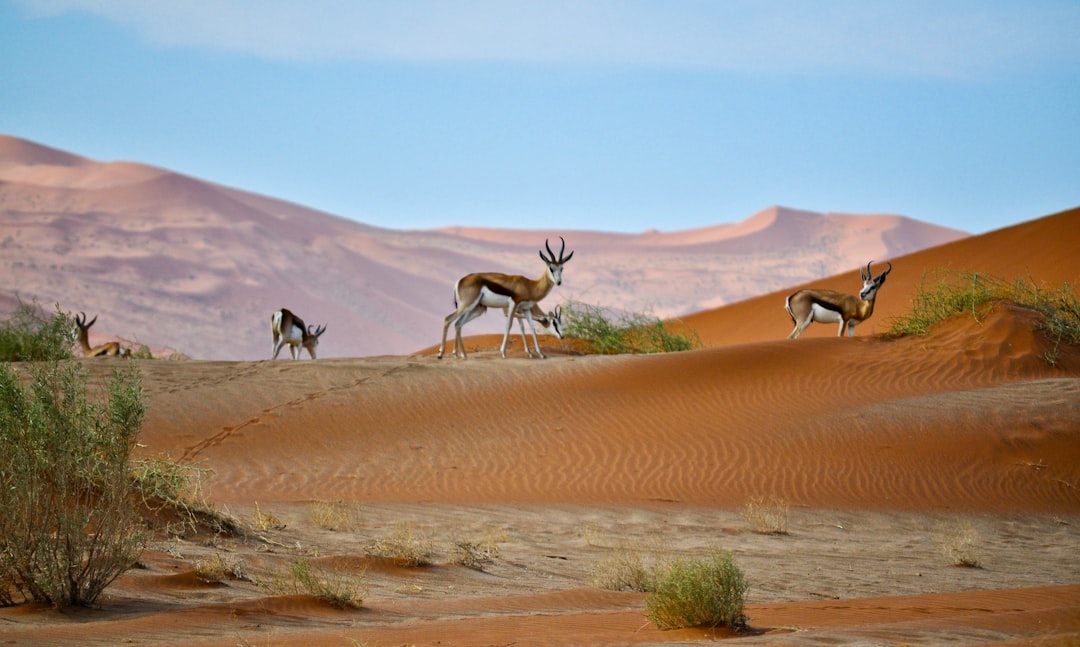
Sesriem is the practical base for the famous desert landscapes around Sossusvlei. The campsite suits travelers who want an early start and a scenic desert stay. Its value comes from location rather than luxury, making it a strong first stop on a south-western route.
Okaukuejo is a key campsite for travelers visiting Etosha National Park. Namutoni provides another Etosha base on the eastern side. The two camps help drivers explore different parts of the park without treating Etosha as a rushed one-night stop.
Hobas is the main campsite choice for exploring Fish River Canyon. Ai-Ais adds a different setting in the same broad southern region. Spitzkoppe is known for striking rock scenery and a remote camping feel. The six locations offer a clear mix of wildlife, desert, canyon, and mountain landscapes.
Why the campsite plan matters
A Namibia self drive safari gives you control over your pace. You can stop for photographs, change your driving rhythm, and spend longer at places that interest you. However, long distances and limited services make a simple plan important.
The campsite choice also shapes the whole trip. Okaukuejo and Namutoni support a wildlife-focused route. Sesriem and Spitzkoppe suit landscape photography. Hobas and Ai-Ais add a southern canyon journey. This mix helps you avoid building a trip around one experience only.
SafariFind connects travelers with verified tour operators that can arrange vehicle hire, camping equipment, transfers, or guided add-ons. Compare Namibia self drive safari packages and route options before choosing between a fully independent trip and a supported plan.
Which Six Campsites Are Worth Booking?
The six campsites are worth booking because they place travelers near Namibia’s strongest landscape and wildlife regions. Sesriem, Okaukuejo, Namutoni, Hobas, Ai-Ais, and Spitzkoppe each serve a different purpose. Select them by route, driving time, and the experience you want most.
| Name | Price | Duration | Rating | Best For |
|---|---|---|---|---|
| Sesriem | Not listed in the research data | Choose based on route length | Not listed | Desert scenery and Sossusvlei access |
| Okaukuejo | Not listed in the research data | Choose based on wildlife plans | Not listed | Etosha wildlife viewing |
| Namutoni | Not listed in the research data | Choose based on eastern Etosha plans | Not listed | Eastern Etosha exploration |
| Hobas | Not listed in the research data | Choose based on canyon route | Not listed | Fish River Canyon landscapes |
| Ai-Ais | Not listed in the research data | Choose based on southern route | Not listed | Southern wilderness and canyon travel |
| Spitzkoppe | Not listed in the research data | Choose based on desert route | Not listed | Rock formations and remote camping |
Sesriem: best for desert landscapes
Sesriem is best for travelers who want Namibia’s classic desert scenery. It works well at the start or end of a route that includes Sossusvlei. Pack water, sun protection, and camera gear. The campsite gives you a base for a focused desert visit.
Okaukuejo and Namutoni: best for wildlife access
Okaukuejo is best for a wildlife-led Namibia self drive safari. Namutoni is best for travelers who want to explore Etosha from another base. Keeping both camps in your plan can reduce backtracking and give your route more time inside the park.
Hobas and Ai-Ais: best for southern Namibia
Hobas is best for a Fish River Canyon itinerary. Ai-Ais is best for travelers who want to add another southern wilderness stop. These camps fit travelers who enjoy open spaces, long drives, and geology more than busy attractions.
Spitzkoppe: best for remote scenery
Spitzkoppe is best for photographers and campers who want bold rock formations. The stop adds visual contrast after Etosha or before the coast. It also helps build a route with varied scenery instead of repeating similar desert views.
How Much Does a Namibia Self Drive Safari Cost?
A Namibia self drive safari costs about $1,500–$2,200 per person for a budget trip before international flights. A mid-range trip costs about $2,500–$4,500 per person. Luxury lodge-based self-drive routes cost $5,000 or more. These figures are current planning ranges for 2026.
Budget, mid-range, and luxury choices
The budget range suits travelers who camp, share a vehicle, and control daily spending. A six-day camping example is listed at about $250 per day. That figure shows why vehicle costs, campsite nights, fuel, food, and park-related costs need a place in your first budget.
The mid-range option adds more comfort and support. You may combine campsites with guesthouses, better vehicle equipment, or selected lodge nights. Responsible Travel lists Namibia self-drive trips across price filters from $1,000 or less to $3,500 or more, excluding flights.
The luxury option uses lodge-based accommodation instead of camping every night. It can still keep the freedom of a rental vehicle, but the accommodation raises the total. Safari Namibia luxus searches often reflect this style: private rooms, stronger service, and a higher spend of $5,000 or more per person.
Published package examples
Rainbow Tours lists a 12-night Namibia self-drive safari from £4,795 per person. It also lists a 13-night rooftop-camping holiday from £3,695 per person. These examples are useful benchmarks, but they are not campsite-only prices. Always check what the package includes before comparing it with an independent budget.
Responsible Travel lists durations from seven days or less through 22 days or more. That range confirms that travelers can build short highlights trips or longer open-road routes. For a first visit, a seven-to-14-day plan gives more room than a very short itinerary.
Use the Namibia safari cost guide by travel style to separate camping, mid-range, and luxury expenses. Then compare Namibia safari packages by price and duration on SafariFind before requesting a quote from a verified operator.
Costs that can change your total
- Vehicle type and rental length.
- Camping equipment and rooftop tent hire.
- Campsite nights and lodge upgrades.
- Fuel, food, and drinking water.
- Park access and activity costs.
- Insurance and emergency support.
- International flights, which the listed budget figures exclude.
How Do You Plan a Namibia Self Drive Safari?
Plan a Namibia self drive safari by choosing your route before booking campsites. Start with two or three main regions, then add stops that match your driving time. A clear route protects your budget, reduces rushed days, and leaves space for wildlife viewing and photographs.
Start with the experience you want
Wildlife travelers should place Okaukuejo and Namutoni near the center of the plan. Desert travelers should prioritize Sesriem and Spitzkoppe. Canyon travelers should add Hobas and Ai-Ais. This simple choice prevents a long route from becoming a list of places with too little time at each stop.
The 2026 Namibia self-drive route for first-timers can help you compare route shapes. A shorter trip should focus on fewer regions. A longer trip can add southern or western detours without cutting every campsite stay too short.
Book campsites before the road trip
Book in advance for the best availability, especially when you want specific campsites. The six-site list is designed for 2026 planning, but availability depends on travel dates and demand. Keep booking confirmations offline because remote roads may not offer reliable internet access.
Plan one backup option for each major area. A backup does not need to match the first campsite. It only needs to keep the route safe and practical. Ask an operator to confirm campsite access, vehicle collection, equipment, and support before you pay.
Prepare fuel, water, and safety supplies
Fuel and water planning are central to a Namibia self drive safari. Do not assume every road has a nearby station or shop. Carry enough supplies for the planned leg, then refill whenever a reliable service point appears.
Read the Namibia fuel and water guide before collecting your vehicle. Also review the 2026 self-drive insurance checklist. Confirm tire cover, windscreen cover, recovery support, and excess terms in writing.
Drive for the conditions
Start driving early when possible. Early starts leave more daylight for slow roads, photo stops, and campsite setup. Avoid planning every day around the maximum distance you can drive. A comfortable route is safer and more enjoyable than a rushed one.
Keep your campsite routine simple. Check the vehicle, secure loose items, store food safely, and refill water. Tell someone your plan when you leave a campsite. These small habits help you manage remote travel with confidence.
What Should You Expect at Each Campsite?
Expect each campsite to serve a different travel purpose rather than offer the same facilities. Sesriem and Spitzkoppe focus on scenery, while Okaukuejo and Namutoni support wildlife access. Hobas and Ai-Ais suit canyon routes. Check current facilities, rules, and availability before departure.
A practical campsite checklist
Every campsite stop needs the same basic checks. Confirm your arrival time, vehicle access, water plan, and sleeping setup. If you use a rooftop tent, practice opening and closing it before the first remote night.
- Keep booking details saved on your phone and in print.
- Carry a torch, spare batteries, and a first-aid kit.
- Pack layers for changing desert temperatures.
- Use sealed containers for food and waste.
- Check tire pressure before long gravel-road sections.
- Leave extra time for wildlife stops and photographs.
Match the campsite to your travel style
Couples often prefer a mixed route with two desert stops and two wildlife stops. Families may prefer fewer campsite changes and shorter driving days. Photographers can spend longer at Sesriem or Spitzkoppe. Wildlife fans should protect enough nights for both Okaukuejo and Namutoni.
Travelers seeking safari namibia luxus can mix camping with lodge nights. This creates a useful middle path. You keep the freedom of a self-drive vehicle, then add comfort after several nights outdoors. The listed luxury benchmark begins at $5,000 per person.
Choose the right support level
A fully independent trip gives you the most control. However, a supported self-drive package can handle vehicle supply, campsite bookings, route advice, and emergency contacts. SafariFind helps travelers review verified operators and compare what each package includes.
Read authentic traveler reviews before choosing support. Look for comments about vehicle condition, communication, booking accuracy, and help during the trip. Do not compare only the headline price. A lower quote may exclude equipment, insurance, or important services.
Use detours carefully
Detours add value when they fit the route. They become a problem when they create long extra driving days. Review the seven scenic Namibia detours for 2026 and select only those that support your main plan.
A strong itinerary has a clear reason for every stop. Sesriem adds desert scenery. Okaukuejo and Namutoni add wildlife access. Hobas and Ai-Ais add canyon country. Spitzkoppe adds rock landscapes. This balance creates a complete Namibia self drive safari without needless backtracking.
Key Takeaways
- Choose Sesriem, Okaukuejo, Namutoni, Hobas, Ai-Ais, and Spitzkoppe to cover six major scenery and wildlife themes in 2026.
- Budget $1,500–$2,200 per person before international flights for a basic self-drive camping trip.
- Set aside $2,500–$4,500 per person for a mid-range route with added comfort.
- Allow seven to 14 days for a practical first route, based on current Namibia self-drive duration ranges.
- Book campsites early and confirm vehicle, water, fuel, and insurance details before departure.
Frequently Asked Questions
What is a Namibia self drive safari?
A Namibia self drive safari is an independent road trip using a rental vehicle, campsites, and wildlife areas. The 2026 campsite plan includes Sesriem, Okaukuejo, Namutoni, Hobas, Ai-Ais, and Spitzkoppe. It combines desert scenery, canyon landscapes, remote camping, and wildlife access.
How much does a Namibia self drive safari cost?
A budget Namibia self drive safari costs about $1,500–$2,200 per person before international flights. A mid-range trip costs about $2,500–$4,500. Luxury lodge-based self-drive routes cost $5,000 or more per person in 2026.
Which campsites are best for a Namibia safari?
The six recommended campsites are Sesriem, Okaukuejo, Namutoni, Hobas, Ai-Ais, and Spitzkoppe. Sesriem suits desert scenery, Okaukuejo and Namutoni suit wildlife, Hobas and Ai-Ais suit canyon routes, and Spitzkoppe suits rock landscapes.
How many days do you need for a Namibia self drive safari?
Seven to 14 days is a practical range for a Namibia self drive safari. Current travel listings also include shorter trips and journeys lasting 22 days or more. Choose fewer regions for a short trip, then add southern or desert stops as time allows.
Is safari Namibia luxus available with self-drive travel?
Safari Namibia luxus travel is available through lodge-based self-drive routes costing $5,000 or more per person. You can also combine camping with selected lodge stays. This approach keeps the freedom of driving while adding comfort on key nights.
How can I book a Namibia self drive safari?
You can book through SafariFind, which connects travelers with verified tour operators and authentic traveler reviews. Compare package prices, check what the quote includes, and request a quote from a verified operator before booking your 2026 route.
How to Choose Your 2026 Campsite Route
A strong 2026 campsite route balances wildlife, desert views, canyon scenery, and driving time. Do not try to visit every region if your trip lasts only seven days. Instead, select the campsites that match your main goal and build the rest around them.
Route idea for wildlife travelers
Wildlife travelers should give Etosha the most attention. Use Okaukuejo and Namutoni as the key campsite names in your plan. Add Sesriem only if the route allows enough time. This choice makes the trip more focused and reduces the risk of spending every day on the road.
Route idea for desert and canyon travelers
Desert and canyon travelers should combine Sesriem, Hobas, Ai-Ais, and Spitzkoppe. This route places scenery ahead of wildlife. It suits travelers who enjoy photography, geology, open landscapes, and quiet campsites more than repeated game-viewing drives.
When to choose a package
Choose a package when you want help with vehicle sourcing, equipment, route design, and campsite bookings. Rainbow Tours lists a 12-night self-drive safari from £4,795 per person and a 13-night rooftop-camping holiday from £3,695 per person. Compare inclusions before treating either figure as a final trip cost.
SafariFind lets you compare tour operators, packages, and traveler feedback in one place. A verified operator can also explain road conditions, equipment limits, and support terms. That advice is valuable when your trip includes remote regions or several long driving days.
Image and planning ideas
- Sesriem image alt text: “Namibia self drive safari campsite near Sesriem desert landscape in 2026.”
- Okaukuejo image alt text: “Self-drive safari vehicle near Okaukuejo campsite in Etosha.”
- Spitzkoppe image alt text: “Spitzkoppe campsite and red rock formations in Namibia.”
- Route map alt text: “Namibia self-drive safari route linking six campsites.”
Review the nine-day Etosha to Sossusvlei route for a focused example. It can help you decide whether your own plan needs more wildlife time, more desert time, or fewer campsite changes.
Conclusion
A Namibia self drive safari is one of the clearest ways to combine wildlife, desert, canyon, and remote scenery in 2026. Sesriem, Okaukuejo, Namutoni, Hobas, Ai-Ais, and Spitzkoppe each add a different reason to stop. Together, they create a flexible route for campers, photographers, families, and independent travelers.
Plan around your budget first. Allow $1,500–$2,200 per person for a budget trip, $2,500–$4,500 for mid-range travel, or $5,000 or more for luxury lodge-based driving. A seven-to-14-day plan gives most first-time travelers a useful balance between distance and time.
Book early, confirm your vehicle and insurance, and keep fuel and water planning simple. Read current reviews before selecting an operator or package. Compare verified safari packages on SafariFind, request a quote from a verified operator, and choose a route that fits your 2026 travel style. Your Namibia road trip can be carefully planned today and ready for the open road this year.
References
Plan Your Safari with SafariFind
These recommendations use real data from SafariFind, where you can compare operators, browse packages, and read verified traveler reviews before you book.