Niassa Game Reserve Safari Cost 2027: Budget Breakdown & Packages
Niassa Game Reserve safaris cost $150–$200/day in 2027. Compare budget, mid-range, and luxury packages. Book verified operators on SafariFind.

Niassa Game Reserve Safari Cost 2027
Last updated: August 2026
Niassa Game Reserve safaris in 2027 cost between $150–$200 per day for non-consumptive wildlife viewing, while hunting safaris start at $8,750 for 5 days. Budget-friendly options range from $660–$1,100 for mid-range, 8-day trips. Book through verified operators on SafariFind to compare packages and read authentic reviews from past travelers.
At a Glance
- Cost per day: $150–$200 for wildlife safaris; $8,750+ for hunting safaris
- Best time to visit: May to November (dry season, peak wildlife viewing)
- Recommended duration: 5–7 days minimum
- Best for: Wildlife enthusiasts, adventure travelers, photographers, and eco-tourism seekers
- Getting there: Fly to Beira or Nampula, then drive or charter flight to reserve
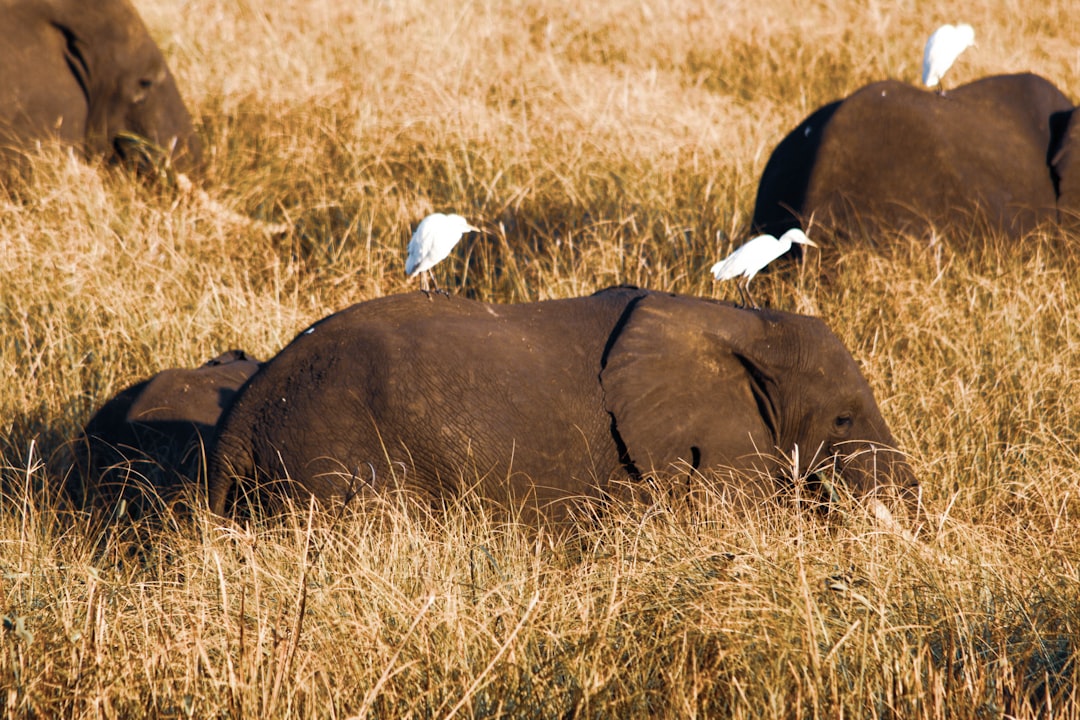
- Wildlife highlights: Elephants, buffalo, lions, wild dogs, and miombo woodland ecosystem
Introduction: Understanding Niassa Game Reserve Safari Costs
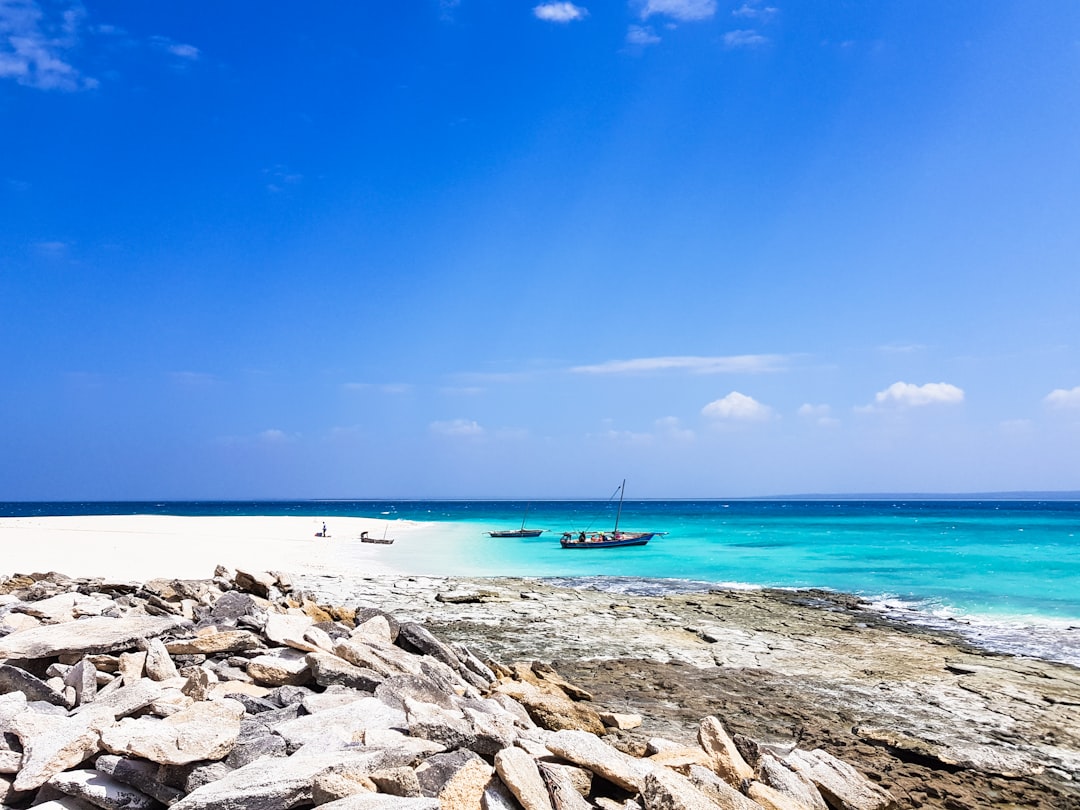
Niassa Game Reserve safari cost in 2027 ranges from $150–$200 per day for standard wildlife viewing packages. The reserve is Mozambique's largest protected area and one of Africa's most pristine wilderness destinations. Most travelers budget $1,500–$2,800 for a week-long safari, though prices vary based on accommodation type, group size, and included activities.
Planning a Niassa Game Reserve safari requires understanding the true costs involved. Many travelers underestimate expenses, overlooking park fees, accommodation upgrades, and transport. This guide breaks down every cost category so you know exactly what to expect when booking your 2027 trip.
The reserve covers vast miombo woodlands and offers exceptional wildlife viewing without the crowds found in southern African parks. Your budget directly impacts your experience—from basic camps to luxury eco-lodges. We'll show you how to maximize value while experiencing authentic wilderness.
What Is Niassa Game Reserve and Why Does Cost Matter?
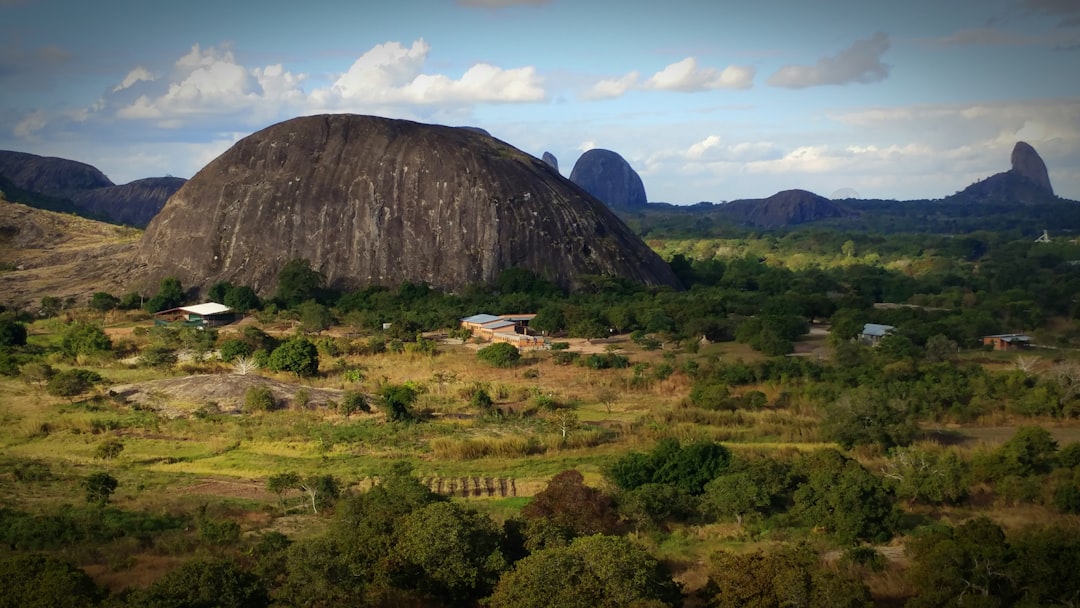
Niassa Game Reserve is Mozambique's largest protected area and one of the largest reserves in Africa, covering vast miombo woodlands characterized by subtropical grasslands, savannahs, and shrublands. The reserve sits in northern Mozambique and remains relatively undeveloped, making it a genuine wilderness experience.
Understanding safari costs matters because prices directly determine your comfort level and wildlife viewing quality. A $150-per-day budget covers basic accommodation and park access, while $200+ per day includes better lodges, guided activities, and meals. Hunting safaris operate on a completely different pricing model, starting at $8,750 for 5 days.
The reserve offers both consumptive tourism (hunting safaris) and non-consumptive tourism (wildlife viewing). Most international travelers choose non-consumptive options. Budget planning prevents overspending while ensuring you get the safari experience you want.
Niassa's remoteness affects pricing. Getting there requires flights to Beira or Nampula, then overland or chartered transport. This isolation keeps visitor numbers low but increases logistics costs. You're paying for exclusivity and pristine wilderness—fewer tourists mean better wildlife encounters.
Compare verified Mozambique safari packages on SafariFind to find operators offering the best value for Niassa Game Reserve trips. Read authentic traveler reviews before committing to any booking.
Daily Safari Costs Breakdown for 2027
Daily safari costs in Niassa Game Reserve range from $150–$200 per person, though this varies significantly by season and accommodation choice. In 2027, expect these approximate daily expenses: accommodation ($50–$120), park fees ($20–$30), meals ($30–$50), and guide services ($20–$40).
Budget Accommodation Options
Budget camps and basic eco-lodges in Niassa cost $50–$80 per night. These offer simple but comfortable rooms, shared or private bathrooms, and basic meals. You'll sleep under mosquito nets and enjoy authentic wilderness living. Budget lodges rarely include hot water or air conditioning, but they provide excellent value and a genuine bush experience.
Budget options work best for travelers prioritizing wildlife viewing over comfort. You still get experienced guides, game drives, and wildlife access. Many budget camps operate sustainably and support local communities directly.
Mid-Range Accommodation Options
Mid-range lodges cost $80–$120 per night and offer significantly better comfort. Expect private bathrooms, reliable hot water, quality meals, and better bedding. These lodges typically include daily game drives, walking safaris, and experienced guides in the price. Mid-range stays attract families and travelers seeking comfort without luxury pricing.
Affordable Mozambique safaris often combine Maputo Special Reserve wildlife with southern beach destinations like Tofo or Ponta do Ouro, starting around $660–$1,100 per person for mid-range, 8-day trips. Niassa packages follow similar pricing patterns for comparable duration and comfort levels.
Luxury and Premium Lodges
Premium eco-lodges in Niassa cost $120–$250+ per night. These offer spacious suites, gourmet meals, premium bar selections, and personalized guide services. Luxury properties provide exclusive wildlife experiences, often with private guides and customized itineraries. Premium stays appeal to travelers seeking comfort and exclusivity in remote settings.
Luxury lodges justify higher costs through exceptional service, better locations, and exclusive access to prime wildlife viewing areas. You'll enjoy sunset drinks overlooking wildlife, multi-course dinners, and attentive staff.
Park Fees and Additional Costs
Niassa Game Reserve charges park entry fees ranging from $20–$30 per person per day. These fees support conservation efforts and local community development. Most safari packages include park fees, but verify this when booking. Some operators charge separately, adding unexpected costs to your daily budget.
Guide services typically cost $20–$40 per day depending on guide experience level. Experienced guides provide better wildlife spotting and wildlife knowledge. Walking safaris cost extra ($15–$25 additional) and offer different perspectives than vehicle-based viewing.
Meals range from $30–$50 daily at budget lodges to $50–$100+ at premium properties. Budget camps serve simple but nutritious food. Mid-range and luxury lodges offer diverse menus with fresh ingredients and better preparation quality.
Total Trip Costs: Sample 7-Day Itineraries
A 7-day Niassa safari typically costs $1,050–$2,100 per person for accommodation, meals, and park fees, excluding international flights and ground transport from Beira or Nampula. Budget-friendly 8-day trips range from $660–$1,100 per person for mid-range experiences. These variations depend on lodge choice, season, and included activities.
Budget Safari Package Example (7 Days)
A budget 7-day safari breaks down as follows: accommodation at $60/night ($420 total), meals at $35/day ($245), park fees at $25/day ($175), and guide services at $30/day ($210). Your total in-reserve costs equal approximately $1,050 per person.
Add $200–$400 for transport from Beira or Nampula to the reserve, bringing your total to $1,250–$1,450. International flights to Mozambique average $600–$1,200 from major cities, making your complete trip cost $1,850–$2,650.
Mid-Range Safari Package Example (7 Days)
Mid-range safaris cost approximately $100/night for accommodation ($700), $45/day for meals ($315), $25/day for park fees ($175), and $35/day for guide services ($245). Your in-reserve costs total around $1,435 per person.
Transport costs $250–$350, bringing your reserve total to $1,685–$1,785. With international flights ($600–$1,200), your complete 7-day mid-range safari costs $2,285–$2,985 per person.
Luxury Safari Package Example (7 Days)
Premium lodges charge $150/night ($1,050), meals run $70/day ($490), park fees total $25/day ($175), and premium guides cost $40/day ($280). Your in-reserve costs reach approximately $1,995 per person.
Add $300–$400 for transport and $600–$1,200 for flights, bringing your complete luxury safari to $2,895–$3,595 per person. This price reflects exclusive access, superior comfort, and personalized service.
Find verified Niassa Game Reserve safari packages on SafariFind to compare prices, view operator ratings, and read authentic reviews. Request quotes from multiple operators to get competitive pricing for your preferred travel dates.
Hunting Safari Costs in Niassa Reserve
Hunting safaris in Niassa operate on a completely different cost structure than wildlife viewing safaris. A 5-day hunting safari costs $8,750 for daily rates, with additional trophy fees based on animals harvested. These safaris appeal to specific travelers and represent a significant investment compared to non-consumptive tourism.
Hunting Safari Pricing Structure
Hunting safari daily rates start at $5,950 per day for certain species and locations. A 5-day hunt typically costs $8,750 in daily fees alone. Trophy fees add $500–$3,000+ per animal depending on species, age class, and rarity. A typical 5-day hunt harvesting 2–3 animals costs $12,000–$18,000 before flights and equipment.
Hunting safaris include accommodation, meals, professional hunters, trackers, and field support. These packages appeal primarily to experienced hunters seeking challenging African game. The costs reflect the expertise required and conservation fees supporting the reserve.
What's Included vs. Extra Costs
Most hunting packages include accommodation, meals, professional hunter services, and vehicle transport within the reserve. Trophy preparation and export paperwork often cost extra ($1,000–$2,000+). International flights to Mozambique add $600–$1,500 depending on origin.
Ammunition and equipment rental may cost additional fees. Taxidermy services ($2,000–$5,000+) are separate unless arranged through your outfitter. Always clarify what your quoted price includes before booking.
Seasonal Pricing: When Costs Change
Niassa Game Reserve pricing fluctuates based on season. The dry season (May to November) commands higher prices due to peak wildlife viewing. The rainy season (December to April) offers lower rates but challenging road conditions and reduced wildlife visibility.
Peak Season (May to November) Pricing
Peak season represents the best time to visit Niassa for wildlife viewing. Dry conditions concentrate animals around water sources, improving sighting opportunities. Lodges charge premium rates during these months, with prices 15–25% higher than shoulder season.
May and June offer excellent value as peak season begins but before school holidays drive demand. July to September sees peak tourism and highest prices. October and November remain good for wildlife viewing with slightly lower rates as rainy season approaches.
Shoulder Season (April and December) Pricing
Shoulder season offers moderate pricing with decent wildlife viewing. April combines good weather with lower rates. December brings rainy season challenges but fewer tourists. These months suit budget-conscious travelers willing to accept less predictable wildlife viewing.
Low Season (January to March) Pricing
The rainy season offers the lowest prices, with rates 20–30% below peak season. Road conditions deteriorate, making transport challenging. Wildlife viewing becomes unpredictable as animals disperse across the landscape. This season suits dedicated wildlife photographers and researchers accepting seasonal challenges.
How to Get to Niassa: Transport Costs
Getting to Niassa Game Reserve involves multiple transport legs. Most travelers fly to Beira or Nampula, then travel overland or by charter flight to the reserve. Total transport costs range from $200–$600 per person depending on routing and transport choice.
International Flights
Flights to Mozambique from major cities cost $600–$1,200 round-trip. Flying from North America or Europe typically requires connections through regional hubs like Johannesburg or Dar es Salaam. Book 3–6 months in advance to secure better fares.
Domestic Flights and Ground Transport
From Beira or Nampula to Niassa requires either a 4–6 hour drive ($200–$300) or charter flight ($400–$600 per person). Many operators arrange transport as part of safari packages. Confirm transport arrangements when booking to avoid unexpected costs.
Charter flights offer comfort and time savings but cost significantly more. Overland transport takes longer but provides scenic views and costs less. Group safaris often include transport in package pricing.
Hidden Costs and What to Budget Extra
Beyond daily safari costs, several hidden expenses catch unprepared travelers. Visa fees for Mozambique cost $25–$100 depending on nationality. Travel insurance adds $200–$500 for the trip. Vaccinations and malaria prevention run $100–$300 but are essential health investments.
Tips and Gratuities
Guides, drivers, and lodge staff rely on tips as significant income. Budget 10–15% of your daily costs for tips. A $1,500 safari should include $150–$225 in gratuities distributed among staff. Tipping is customary in Mozambique and directly supports local communities.
Optional Activities and Upgrades
Walking safaris, night drives, and helicopter tours add $50–$150 per activity. Camera permits cost $10–$20. Premium meals and special beverages increase daily costs. Photography workshops with professional guides cost $200–$400 per session.
Equipment and Supplies
Quality safari gear (binoculars, camera, clothing) can cost $500–$2,000 if purchased new. Most travelers already own necessary items. Antimalarials cost $50–$150 for a multi-week supply. Sunscreen, insect repellent, and first-aid supplies add $50–$100.
Comparing Niassa Safaris to Other Mozambique Destinations
Niassa Game Reserve offers different cost structures than other Mozambique safari destinations. Understanding these differences helps you choose the right reserve for your budget and interests. Mozambique Safari Prices 2027: What a Trip Really Costs provides comprehensive comparisons across the country's major destinations.
Niassa vs. Gorongosa National Park
Gorongosa safaris typically cost $150–$180 per day, slightly cheaper than Niassa's $150–$200 range. Gorongosa offers better road access and more developed infrastructure. Niassa provides more remote wilderness and fewer tourists. Choose Gorongosa for easier travel and slightly lower costs; choose Niassa for pristine wilderness and exclusivity.
Niassa vs. Limpopo National Park
Limpopo National Park sits in southern Mozambique and costs $100–$150 per day for basic safaris. Limpopo offers easier access and lower prices but less wildlife density than Niassa. Niassa provides superior wildlife viewing and a more exclusive experience at higher cost.
Niassa vs. Beach and Island Combinations
Bazaruto Archipelago beach packages and coastal combinations range from $80–$200 per day depending on accommodation. Many travelers combine Niassa safaris with beach time in Vilanculos or Pemba for diverse experiences. Beach accommodations often cost less than safari lodges, creating budget-friendly combination trips.
| Destination | Daily Cost Range | Best For | Access Difficulty |
|---|---|---|---|
| Niassa Game Reserve | $150–$200 | Wildlife enthusiasts, photographers | Challenging |
| Gorongosa National Park | $150–$180 | Balanced wildlife and comfort | Moderate |
| Limpopo National Park | $100–$150 | Budget-conscious travelers | Easy |
| Bazaruto Archipelago | $80–$200 | Beach and snorkeling | Easy |
Money-Saving Tips for Your 2027 Safari
Reducing safari costs doesn't mean sacrificing quality experiences. Smart planning saves 15–30% on total trip expenses while maintaining excellent wildlife viewing and comfort. These strategies work for any budget level.
Book in Advance for Better Rates
Booking 3–6 months ahead secures better package rates and flight deals. Early reservations let operators offer discounts, especially for shoulder season trips. Last-minute bookings cost 20–30% more as availability tightens. Plan your trip early and communicate with operators through SafariFind to negotiate group rates.
Travel During Shoulder Season
April and late October offer good wildlife viewing with 15–25% lower rates than peak season. Shoulder season avoids both peak crowds and rainy season challenges. You'll still see abundant wildlife while saving significantly on accommodation and transport.
Join Group Safaris
Group safaris cost 20–40% less than private safaris for the same accommodation and services. Shared vehicles, guides, and meals reduce per-person costs substantially. Group trips provide social experiences and often include travelers from diverse backgrounds. SafariFind lists both private and group options so you can compare prices easily.
Bring Your Own Equipment
Owning binoculars, camera gear, and quality clothing saves $500–$1,500 compared to renting or buying during travel. Most experienced travelers already own these items. Quality gear improves your experience significantly compared to budget equipment.
Extend Your Stay Slightly
Staying an extra day or two reduces your daily average cost. A 10-day safari costs less per day than a 5-day trip due to shared transport and setup costs. Longer trips also improve wildlife viewing odds as you spend more time in prime habitats.
Choose Budget Lodges Strategically
Budget camps provide excellent value without sacrificing wildlife experiences. Guides and vehicle quality matter more than accommodation luxury for safari enjoyment. Spend money on expert guides and wildlife activities rather than luxury lodging.
Browse safari packages on SafariFind to compare pricing from verified operators. Read traveler reviews to find lodges offering the best value for your budget and preferences.
Booking Your Niassa Safari: How to Get the Best Price
Booking directly through operators versus travel agencies affects your final cost. SafariFind connects you with verified operators offering transparent pricing and authentic reviews. Comparing multiple quotes reveals significant price variations for identical services.
Get Multiple Quotes
Request quotes from at least 3 operators for your preferred dates and lodge type. Specify exactly what you want: accommodation level, duration, included activities, and transport arrangements. Written quotes prevent misunderstandings and let you compare apples-to-apples pricing.
Verify What's Included
Some quotes include park fees, transport, and meals while others don't. Clarify whether your quote covers international flights, domestic flights, ground transport, accommodation, meals, guide services, and park fees. Hidden costs appear when you don't verify inclusions upfront.
Check Operator Ratings and Reviews
SafariFind displays authentic reviews from past travelers. Operators with 4.5+ star ratings and 50+ reviews typically deliver better value and service. Read reviews mentioning your planned lodge to understand real guest experiences. Poor reviews about hidden costs or service issues suggest avoiding those operators.
Negotiate and Flex Your Dates
Operators offer discounts for shoulder season travel and longer stays. Flexible travelers save more money. If you can shift your dates by a week or two, you might save $200–$400 per person. Group discounts apply when booking for 4+ people together.
Request quotes from verified Niassa Game Reserve operators on SafariFind today. Compare pricing, read reviews, and find the best package matching your budget and travel style.
Key Takeaways
- Budget $150–$200 per day for Niassa Game Reserve safaris in 2027, or $1,050–$2,100 for a week-long trip excluding flights and international transport.
- Book 3–6 months in advance to save 15–20% on accommodation and transport costs during peak season.
- Travel during shoulder season (April and late October) to enjoy 15–25% lower rates while maintaining excellent wildlife viewing opportunities.
- Join group safaris instead of private tours to reduce per-person costs by 20–40% for identical wildlife experiences and services.
- Compare verified operator packages on SafariFind to find transparent pricing, authentic reviews, and competitive rates before committing to any booking.
Frequently Asked Questions
How much does a safari in Niassa Game Reserve cost per day in 2027?
Niassa Game Reserve safaris cost $150–$200 per day for non-consumptive wildlife viewing in 2027. This daily rate includes accommodation, meals, park fees, and guide services. Budget camps cost $150–$155 daily while mid-range lodges run $170–$190 per day. Premium lodges exceed $200 daily.
What is included in a typical Niassa safari package?
Standard safari packages include accommodation, daily meals, professional guide services, game drives, park entry fees, and vehicle transport within the reserve. Some packages add walking safaris, night drives, or activities like photography workshops. Confirm exact inclusions with your operator as some packages charge extra for meals or activities.
How much do hunting safaris cost in Niassa Reserve?
Hunting safaris in Niassa cost $8,750 for 5-day daily rates, with additional trophy fees based on harvested animals. A typical 5-day hunt costs $12,000–$18,000 including trophy fees. Hunting safaris are significantly more expensive than wildlife viewing safaris and appeal to experienced hunters seeking African game.
What is the best time to visit Niassa and does it affect pricing?
The best time to visit Niassa is May to November during the dry season when wildlife viewing is optimal. Peak season (July–September) has the highest prices, 15–25% above shoulder season rates. May, June, October, and November offer better value with still-excellent wildlife viewing.
How do I get to Niassa Game Reserve and what does transport cost?
Fly to Beira or Nampula in Mozambique, then travel 4–6 hours overland ($200–$300) or charter a flight ($400–$600 per person) to the reserve. International flights cost $600–$1,200 depending on origin. Most safari packages include transport from Beira or Nampula to your lodge.
How can I save money on my Niassa safari without sacrificing quality?
Book 3–6 months in advance for 15–20% discounts, travel during shoulder season for 15–25% lower rates, and join group safaris to save 20–40% per person. Choose budget lodges—wildlife viewing quality depends on guides and time in the field, not accommodation luxury. Compare multiple operator quotes on SafariFind to find the best value for your budget and preferences.
Are there hidden costs I should budget for beyond the daily safari rate?
Yes. Budget 10–15% for tips to guides and staff ($150–$225 for a $1,500 safari). Add $200–$500 for travel insurance, $100–$300 for vaccinations and malaria prevention, and $25–$100 for visa fees. Optional activities (walking safaris, night drives) cost $50–$150 each. Always clarify what your package includes to avoid unexpected charges.
Conclusion: Plan Your 2027 Niassa Safari Today
Niassa Game Reserve safari costs range from $150–$200 per day for wildlife viewing in 2027, making a 7-day trip cost between $1,050–$2,100 before flights and international transport. Budget-conscious travelers can find mid-range packages from $660–$1,100 for 8-day trips, while hunting safaris start at $8,750 for 5 days.
The reserve offers exceptional wilderness experiences with lower tourist density than famous southern African parks. Booking 3–6 months in advance and traveling during shoulder season (April, late October) saves 15–25% on peak season rates while maintaining excellent wildlife viewing opportunities. Group safaris reduce per-person costs by 20–40% compared to private tours.
Your budget directly impacts your comfort and experience quality. Mid-range lodges ($80–$120 per night) offer excellent value, combining comfortable accommodation with professional guides and quality meals. Premium lodges provide luxury but cost significantly more without dramatically improving wildlife viewing odds.
Compare verified Niassa Game Reserve safari packages on SafariFind to find the best operator for your 2027 trip. Read authentic reviews from past travelers, request quotes from multiple operators, and confirm exactly what each package includes. SafariFind's marketplace connects you with transparent operators offering competitive pricing and proven track records.
The best time to book is now. Early planners secure better rates, preferred lodge dates, and access to the most popular operators. Your 2027 Niassa safari awaits—start comparing packages today and prepare for an unforgettable wilderness adventure in Africa's pristine northern reserve.
Plan Your Safari with SafariFind
These recommendations use real data from SafariFind, where you can compare operators, browse packages, and read verified traveler reviews before you book.
What Travelers Say (SafariFind Reviews)
References
- Pack Lightly – Top 6 Things to do in Niassa Reserve: Where to stay in Niassa Reserve
- WCS EU – Niassa Game Reserve Management Plan
- BookYourHunt.com – Rifle Hunting trips in Mozambique: Game 5-Day Safari pricing
- Kabira Safaris – Affordable Mozambique Safari: Budget and Mid-Range Options
- Africa Hunting – Cost Breakdown: Niassa Special Reserve, Mozambique
- Original Travel – Mozambique Safari Holidays 2026/2027: Niassa Reserve
- UNESCO World Heritage Centre – Selous Game Reserve (conservation and sustainability context)
- University of Adelaide – Niassa Reserve: Safari-ing with a Difference (miombo woodland ecosystem)
V2Ui.sources
- Pack Lightly – Top 6 Things to do in Niassa Reserve: Where to stay in Niassa Reserve
- WCS EU – Niassa Game Reserve Management Plan
- BookYourHunt.com – Rifle Hunting trips in Mozambique: Game 5-Day Safari pricing
- Kabira Safaris – Affordable Mozambique Safari: Budget and Mid-Range Options
- Africa Hunting – Cost Breakdown: Niassa Special Reserve, Mozambique
- Original Travel – Mozambique Safari Holidays 2026/2027: Niassa Reserve
- UNESCO World Heritage Centre – Selous Game Reserve (conservation and sustainability context)
- University of Adelaide – Niassa Reserve: Safari-ing with a Difference (miombo woodland ecosystem)
Related to
Ready to start your safari adventure?
Explore curated safari packages and find your perfect African adventure with verified operators.


