Protecting Malawi’s National Parks: Conservation in 2026
Malawi’s national parks and reserves are being supported by government partnerships, ranger training, habitat restoration and transboundary conservation. Lake Malawi National Park has recorded a reduction of more than 50% in encroachment within its protected 100-metre zone, while Liwonde’s species recovery work continues alongside serious setbacks. [1]

Last reviewed August 2026. Conservation data changes — see the cited sources for the latest figures.
Quick answer: what is the conservation status of Malawi’s national parks?
Malawi’s protected areas are undergoing active restoration, but conservation remains a long-term challenge. The Department of National Parks and Wildlife (DNPW), African Parks, Peace Parks Foundation, local communities and international partners are combining law enforcement, species reintroductions, ecological monitoring and community development. In Lake Malawi National Park, a fish-conservation project reports that encroachment in the protected 100-metre zone around the islands has fallen by more than 50%; elsewhere, wildlife losses from snares, poisoning and poaching show that recovery is not yet secure.
Why national park conservation matters in Malawi
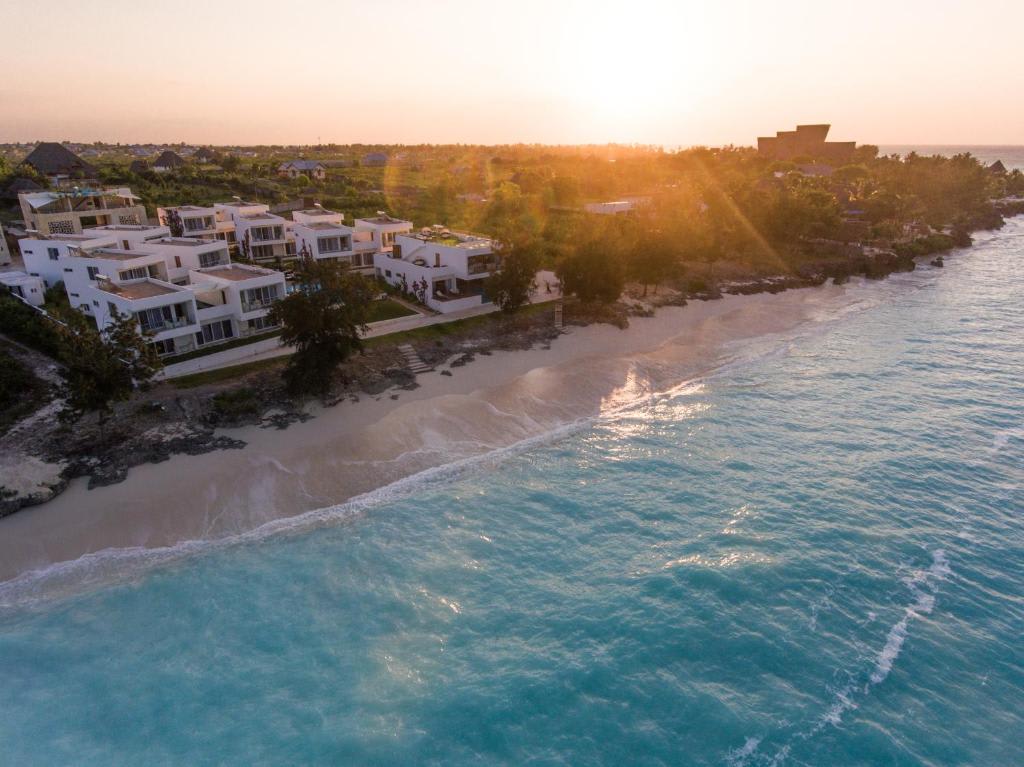
Malawi’s conservation system protects very different landscapes: freshwater habitats in Lake Malawi National Park, riverine and floodplain ecosystems in Liwonde National Park, miombo woodland in Kasungu National Park, highland habitats in Nyika National Park, and wetland habitat in Vwaza Marsh Wildlife Reserve. These areas support wildlife, fish, plants and the natural resources on which neighbouring communities depend. UNESCO notes that declining freshwater biodiversity in Lake Malawi affects both the World Heritage property and people’s well-being, while a healthy lake ecosystem is more productive and can sustain social and economic benefits.
Nyika illustrates the importance of conserving habitats beyond the classic big-game safari. The highlands support about 102 mammals, 3,000 plants, 462 birds, 47 reptiles, 34 amphibians and 31 fish, as well as 287 butterfly species, according to the Malawi-Zambia Transfrontier Conservation Area information compiled by Boundless. The landscape also supports the largest concentration of roan antelope in Africa and the world’s greatest blue swallow breeding population, making habitat protection important for both large mammals and less familiar species.
Kasungu National Park, established in 1970, covers 2,316 square kilometres and remains part of a wider ecosystem that crosses the Malawi-Zambia border. Historical poaching reduced some animal populations, but elephants, roan antelope, buffalo, leopard and spotted hyena still occur there. In July 2026, four African wild dogs were confirmed in Kasungu—the first confirmed sighting in the park in more than a decade—after apparently travelling hundreds of kilometres from eastern Zambia.
The main threats to Malawi’s protected areas
Poaching, snares and illegal fishing
Illegal wildlife use takes different forms across Malawi. Terrestrial parks face poaching and wire snares, while Lake Malawi National Park faces illegal fishing gear and fishing inside protected areas. UNESCO’s fish-conservation project combines patrols, confiscation of illegal gear, brush parks that shelter young fish, beach cleaning and sanitation improvements. The project’s reported reduction in encroachment is encouraging, but its stated long-term ambition remains the complete abolition of illegal fishing gear and a fairer sharing of resources between artisanal and commercial fishers.
Snares remain a direct threat to mammals. At Liwonde, African Parks reports that fewer snares are found each year, but the reintroduced wild-dog population has still suffered losses: one male died in a snare and another was lost to poaching. These incidents demonstrate why ranger patrols, intelligence, rapid response and community engagement must continue even when headline indicators improve.
Poisoning and the risks of reintroduction
Poisoning is another serious threat around Liwonde. Eight African wild dogs introduced from South Africa in 2021 were all lost to poisoning the following year. A second pack was reintroduced in 2024: nine dogs were translocated from Welgevonden in South Africa, two females were lost, and seven were successfully released. The pack produced a litter, but later lost males to a snare and poaching, as well as a female and a pup to unknown causes. Five animals—two males and three pups—were being closely monitored by Liwonde’s management and Lilongwe Wildlife Trust in the source material.
African Parks has responded with poisoning-awareness training for rangers and anti-poison workshops in communities around Liwonde. This approach recognises that law enforcement alone cannot address every risk: communities need information about the consequences of poisoned carcasses and the value of preventing wildlife deaths.
Habitat pressure and human-wildlife conflict
Protected areas are surrounded by communities that rely heavily on farming and natural resources. A 2023 study of co-management at Vwaza Marsh Wildlife Reserve found that 96.25% of its 160 respondents identified farming as their main occupation, while 76.25% lived within three kilometres of the reserve boundary. The same study found that 83.75% of non-members surveyed were willing to join conservation work, with decision-making and practical benefits among the motivations.
These findings underline why conservation outcomes depend on governance, livelihoods and trust as well as patrols. IFAW’s Malawi-Zambia Transfrontier Landscape Project has supported ranger communications and responses to human-wildlife conflict around Kasungu, where the park borders Zambia and community land. The challenge is to reduce damage and insecurity for people without weakening the ecological integrity of the protected area.
Climate and freshwater ecosystem change
Lake Malawi’s conservation needs cannot be separated from water quality, fish habitat and the condition of the shoreline. The World Heritage Outlook references sedimentation and deterioration of cichlid habitat in the rocky littoral zone, while UNESCO describes freshwater biodiversity decline as a threat to both ecological values and human well-being. Conservation therefore includes fish sanctuaries, restoration and local resource management, not only protection of charismatic mammals.
What is being done to protect Malawi’s national parks?
Government partnerships and professional law enforcement
The Malawi Department of National Parks and Wildlife is the national authority responsible for managing and conserving wildlife resources and administering the Wildlife Policy and National Parks and Wildlife Act. African Parks has partnered with DNPW since the 2003 agreement for Majete Wildlife Reserve; further agreements cover Nkhotakota Wildlife Reserve and Liwonde National Park from 2015, and Mangochi Forest Reserve from 2018. Brighton Kumchedwa is identified as the current DNPW Director in African Parks’ partner information.
The Liwonde Training Centre is a regional hub where rangers for all four Malawi parks managed by African Parks are trained. Training includes law enforcement, poisoning awareness and community-facing conservation education. The model is supported by international partners including WWF and the U.S. Department of State’s Bureau of International Narcotics and Law Enforcement Affairs, which African Parks says has supported ranger leadership, training infrastructure, air surveillance, communications and ranger and canine welfare in protected areas including Malawi.
Species recovery and habitat restoration
Liwonde has been a focal point for restoring species that had disappeared or become highly depleted. In 2019, 17 black rhinos were translocated from South Africa to Liwonde in one of the largest international black-rhino translocations to date. The intervention boosted Malawi’s black-rhino population and contributed to regional conservation efforts for the critically endangered species. SafariFind’s guide to black rhino conservation in Malawi provides further context on this work and its continuing risks.
Majete Wildlife Reserve, managed by African Parks since 2003, has been used as a restoration and reintroduction model. The Giraffe Conservation Foundation and DNPW worked with African Parks to establish a new giraffe population in Majete, with support from the Sundaram Family, Illovo Sugar, Nkhanga Essential Support Services and Markus Jebsen. Dr Julian Fennessy, director of the Giraffe Conservation Foundation, said the intervention followed genetic assessment and species-matching work. The stated aim is to create a safe wilderness population while strengthening a conservation-led economy and community development.
Kasungu has also received species-restoration support. IFAW supported the translocation of 12 zebras and 14 waterbucks to the 240,000-hectare reserve in 2020–21, alongside measures to improve ranger communications and safeguard wildlife. The 2026 wild-dog sighting suggests that wider landscapes and cross-border connectivity remain important, although a sighting alone does not establish a recovered resident population.
Transboundary conservation in Nyika and Vwaza
Nyika National Park and Vwaza Marsh Wildlife Reserve form part of the Malawi-Zambia transfrontier landscape. Peace Parks Foundation reports that a long-term co-management agreement and shared governance planning are being used as an alternative to short-term conservation funding models. Its 2024 operational report records expenditure of EUR 1,797,734 for Nyika National Park in 2024 and EUR 1,946,762 for Vwaza Marsh Wildlife Reserve in the same year.
The 2024 report also records a German Federal Ministry for Economic Cooperation and Development project, funded through KfW, worth EUR 4.7 million. Road-maintenance equipment—including tractors, grass slashers, a roller, a backhoe loader, a motorised grader and a water bowser—was delivered to improve accessibility and support management as the Co-management Trust assumes operational responsibilities. Infrastructure is not conservation by itself, but reliable roads can help patrols, ecological monitoring and emergency response reach more of the landscape.
Monitoring Lake Malawi National Park
Lake Malawi National Park has benefited from conservation and tourism-management investments that included a speedboat for law enforcement, research and ecological monitoring, rehabilitation of the Environmental Education Centre and construction of a new park entrance gate. The current fish project adds community-led patrols, sanctuary brush parks, tree planting and self-financing mechanisms intended to improve sustainability.
Results and setbacks: a balanced picture
| Conservation area | Reported progress | Remaining challenge |
|---|---|---|
| Lake Malawi National Park | Encroachment in the protected 100-metre zone around fish-bearing islands reduced by more than 50%. | Illegal fishing gear remains a threat; the project aims for its complete abolition. |
| Liwonde National Park | Seventeen black rhinos were translocated in 2019, and fewer snares are reportedly found each year. | Reintroduced wild dogs have been lost to poisoning, snares, poaching and unknown causes. |
| Kasungu National Park | Ranger communications and species restoration have received support; four wild dogs were confirmed in 2026. | The sighting does not prove a stable resident population, and human-wildlife conflict remains a management concern. |
| Nyika and Vwaza landscape | Co-management, long-term planning and infrastructure investment are being developed. | Operational responsibility and sustainable financing remain ongoing governance priorities. |
The overall lesson is that Malawi’s conservation gains are real but conditional. A reduction in snares or encroachment, a successful rhino translocation or the return of a species can indicate progress; none removes the need for future protection. Conservation organisations must also report losses, uncertainty and the social costs of protected-area management to avoid presenting restoration as a finished project.
Community and tourism’s role
Community participation is central to durable conservation. At Vwaza, the co-management study recorded strong interest in participating when people could influence decisions, access information or receive practical benefits such as temporary employment, tours, livestock pass-on programmes and community-development opportunities. These findings support approaches that treat neighbouring residents as partners in governance rather than simply as enforcement targets.
Tourism can contribute by creating incentives for intact habitats, supporting local employment and giving protected areas a visible economic value. The Giraffe Conservation Foundation specifically links the Majete giraffe introduction with increased tourism, community development and a conservation-led economy, while UNESCO describes Lake Malawi’s healthy ecosystem as a source of social and economic benefits. The effect depends on how revenue, jobs and services are distributed; visitors should therefore ask operators how their trips support parks and surrounding communities.
Travellers can book conservation-supporting safaris on SafariFind, including trips that visit Nkhotakota Wildlife Reserve and Liwonde. For trip planning, SafariFind’s Liwonde National Park safari itinerary guide explains how a wildlife visit can be structured without reducing the park to a checklist of sightings.
How travellers can help responsibly
- Choose legitimate operators and protected areas. Use guides and accommodation providers that follow park rules and can explain their local conservation and community partnerships.
- Respect wildlife space. Stay on authorised routes, keep quiet near animals and never pressure guides to approach, feed or pursue wildlife.
- Do not buy wildlife products. Avoid souvenirs made from protected species and report suspected illegal activity to park staff rather than intervening.
- Support local businesses. Use community-run cultural experiences, local guides and locally owned services where appropriate, so tourism benefits are not concentrated only in external companies.
- Protect freshwater habitats. In Lake Malawi National Park, follow fishing, boating, waste and sanitation rules. The fish project’s beach cleaning and toilet construction show why practical environmental management matters alongside wildlife viewing.
- Ask informed questions. Conservation claims should be specific: ask which organisation manages the area, how safety and animal welfare are handled, and whether the operator can explain its contribution without promising guaranteed sightings.
What to watch in 2026 and beyond
Malawi’s conservation priorities are clear: maintain effective ranger operations, reduce snares and illegal fishing, prevent poisoning, improve habitat connectivity across the Malawi-Zambia border, strengthen co-management and make tourism benefits meaningful for communities. The country’s protected areas contain both globally important biodiversity and landscapes that support livelihoods. Their future will depend less on one-off wildlife relocations than on consistent management, accountable partnerships and local support over time.
For a related overview of enforcement methods and wildlife crime, read SafariFind’s guide to anti-poaching in Malawi. Conservation is strongest when visitors, communities, government agencies and non-profit partners understand both sides of the story: Malawi has delivered important recoveries, but each success still needs protection.
Frequently Asked Questions
What is the biggest threat to Malawi’s national parks?
The main threats vary by site but include poaching, snares, poisoning, illegal fishing, habitat pressure and human-wildlife conflict. Lake Malawi National Park is particularly affected by illegal fishing gear, while Liwonde has recorded wildlife losses from poisoning, snares and poaching.
Which organisation manages national parks in Malawi?
The Department of National Parks and Wildlife is Malawi’s national wildlife authority. It works with partners including African Parks and Peace Parks Foundation under different park and landscape agreements.
What has African Parks achieved in Malawi?
African Parks has worked with DNPW on Majete, Liwonde and Nkhotakota, supports ranger training through the Liwonde Training Centre and has helped with species restoration, including the 2019 translocation of 17 black rhinos to Liwonde.
Are black rhinos still found in Malawi?
Yes. Liwonde received 17 black rhinos from South Africa in 2019 in a major international translocation intended to boost Malawi’s black-rhino population and support regional conservation.
Are African wild dogs found in Malawi?
Yes, but their status is fragile. Liwonde’s reintroduced packs suffered major losses, while four wild dogs were confirmed in Kasungu National Park in 2026 after apparently travelling from eastern Zambia.
How is Lake Malawi National Park protecting fish?
The fish-conservation project uses brush parks in sanctuaries, patrols, confiscation of illegal fishing gear, community self-financing, tree planting, beach cleaning and improved sanitation. It reports that encroachment in the protected 100-metre zone around the islands fell by more than 50%.
How does community conservation work in Malawi?
Community conservation can include shared decision-making, conservation committees, employment, livestock pass-on programmes, environmental education and access to community-development information. A Vwaza Marsh study found that 83.75% of surveyed non-members were willing to participate in conservation work.
Can tourism help conservation in Malawi?
Tourism can support conservation by creating income, employment and incentives for intact habitats, but its benefits depend on how revenue and opportunities are shared. Majete’s giraffe programme explicitly links tourism and community development with a conservation-led economy.
What should visitors do to support conservation in Malawi?
Choose responsible operators, follow park rules, keep a safe distance from wildlife, avoid wildlife products, support local businesses and ask how tourism contributes to conservation and neighbouring communities.
Is Malawi’s conservation work successful?
There is measurable progress, including reduced encroachment at Lake Malawi National Park, fewer snares reported at Liwonde and major species-restoration projects. However, poisoning, poaching, snares, illegal fishing and governance challenges remain, so recovery is ongoing rather than complete.
V2Ui.sources
- Centre du patrimoine mondial - Lake Malawi fish conservation project (Malawi)
- Liwonde Biodiversity Conservation(official)
- Nyika National Park - Peace Parks Foundation
- Malawi Gains New Giraffe Population
- Malawi-Zambia Transfrontier Conservation Area
- Co-management brings hope for effective biodiversity conservation
- First sighting of African wild dogs in Malawi national park in more than 10 years
- Lake Malawi National Park | World Heritage Outlook
- Our Partners | African Parks(official)
- Development of Key Protected Areas in Malawi: 2024 Operational Status Report
- Annual Report July 2020–June 2021
Related to
Ready to start your safari adventure?
Explore curated safari packages and find your perfect African adventure with verified operators.