Rwanda Safari vs South Africa: Safety, Cost & Wildlife 2026
Compare Rwanda and South Africa safaris: costs ($1,500–$3,000 vs $800–$2,500), safety, wildlife, and best times to visit. Find your perfect safari match.

Rwanda Safari vs South Africa: Safety, Cost & Wildlife
Last updated: July 2026
Rwanda safaris cost $1,500–$3,000 per person for 7 days with mountain gorilla trekking, while South Africa safaris range from $800–$2,500 with Big Five wildlife and lower malaria risk. Rwanda is safer politically, but both destinations offer unique experiences. Compare verified packages on SafariFind to find the best fit for your budget and interests.
At a Glance
- Rwanda Cost: $1,500–$3,000 per person for 7 days
- South Africa Cost: $800–$2,500 per person for 7 days
- Best Time to Visit Rwanda: June–September (dry season)
- Best Time to Visit South Africa: May–September (dry season)
- Rwanda Wildlife: Mountain gorillas, elephants, buffalo in rainforests
- South Africa Wildlife: Big Five (lion, leopard, rhino, elephant, buffalo) in savannas
Rwanda Safari vs South Africa: Which Destination Is Right for You?
Choosing between Rwanda and South Africa for your next safari is a big decision. Both countries offer incredible wildlife experiences, but they differ in safety, cost, and the animals you'll see. Rwanda safaris cost $1,500–$3,000 per person for 7 days with mountain gorilla trekking and lush rainforests, while South Africa safaris range from $800–$2,500 per person with Big Five wildlife and lower malaria risk. Understanding these differences helps you pick the right destination for your budget and interests.
Rwanda is a smaller, more compact country in East Africa. It's known as the "Land of a Thousand Hills" for its rolling green mountains and dense forests. South Africa is much larger, spanning three time zones with diverse landscapes including savannas, coastlines, and deserts. Each destination attracts different types of travelers based on what they want to see and how much they want to spend.
Is Rwanda Safer Than South Africa? A Direct Comparison
Safety is often the top concern when choosing a safari destination. Rwanda is safer politically and has fewer crime issues in tourist areas compared to South Africa. The country has invested heavily in tourism infrastructure and maintains strong security in national parks. However, safety depends on where you visit in South Africa—major tourist areas like Kruger National Park are well-protected and safe for visitors.
Rwanda's political stability makes it a good choice for travelers worried about safety. The country has recovered well since the 1990s and now welcomes thousands of visitors annually. Tour operators in Rwanda follow strict safety protocols for gorilla trekking and game drives. South Africa's major safari destinations, particularly Kruger National Park and private reserves, employ experienced guides and security staff to keep visitors safe.
Malaria risk differs between the two countries. Rwanda has higher malaria risk in lower-altitude areas like Akagera National Park. South Africa's malaria risk varies by region—Kruger National Park has malaria, but coastal areas and higher-altitude regions do not. You should take antimalarial medication if visiting either country's lower-altitude parks. Consult your doctor before traveling to confirm the best malaria prevention for your trip.
Rwanda Safari Costs: What You'll Pay in 2026
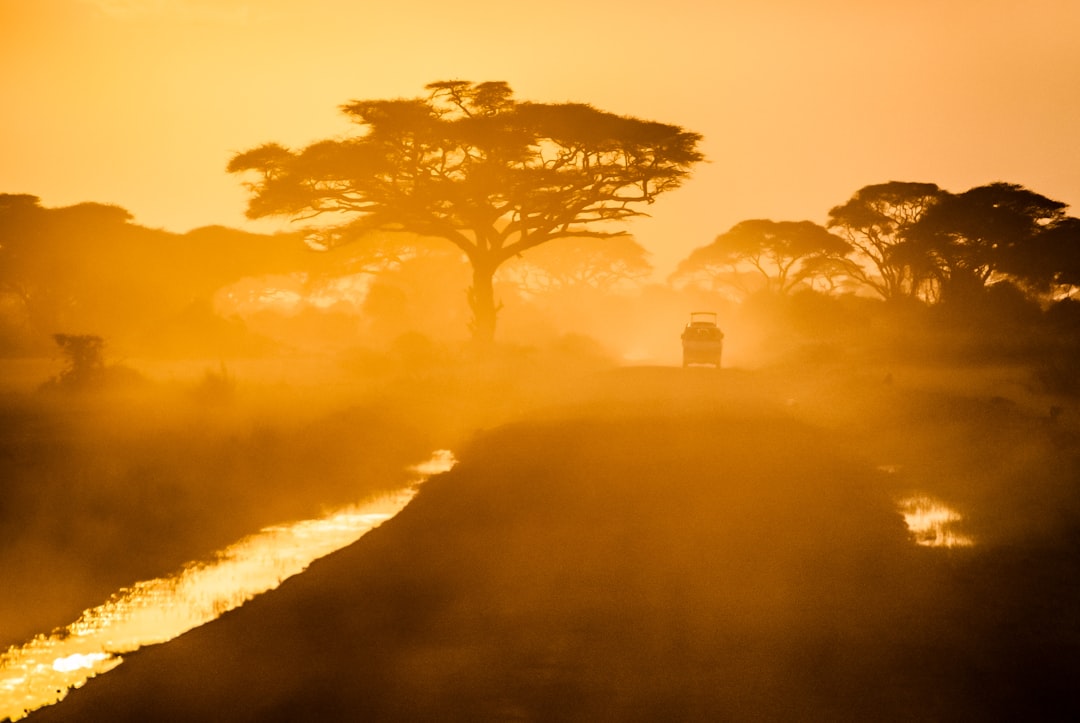
Rwanda safari tours in October feature competitive pricing, typically ranging from $150 to $400 per day based on your selected package and comfort level. For a complete 7-day safari experience, expect to spend $1,500–$3,000 per person. These rates generally include accommodation, game drives, park entrance fees, and meals. Mountain gorilla trekking permits cost extra—around $1,500 per person for a single trek in Volcanoes National Park.
Budget safaris in Rwanda start at $150–$200 per day and include basic lodges and shared game drives. Mid-range packages cost $250–$350 per day with comfortable lodges and experienced guides. Luxury safaris run $350–$400+ per day at high-end eco-lodges with private guides and gourmet meals. The gorilla trekking permit is the biggest single expense and should be factored into your budget early.
Rwanda's compact size means less driving between parks. You can visit Volcanoes, Akagera, and Nyungwe forests in one trip without long transfers. This efficiency keeps overall costs reasonable. Browse Rwanda safari packages comparing Akagera and Volcanoes pricing to find options that fit your budget.
South Africa Safari Costs: Budget-Friendly Wildlife Viewing
South Africa safaris range from $800–$2,500 per person for 7 days, making it more affordable than Rwanda for most travelers. Daily costs run $100–$350 depending on accommodation type and park choice. Budget camping safaris cost as little as $100–$150 per day, while mid-range lodge safaris run $200–$250 per day. Luxury private reserves charge $300–$500+ per day.
Kruger National Park offers the cheapest option with self-catering bungalows at $80–$150 per night. Private game reserves adjacent to Kruger provide better game-viewing but at higher prices ($200–$400+ per night). The Sabi Sands Reserve and Timbavati Reserve offer exceptional wildlife viewing with Big Five sightings nearly guaranteed. Combine Kruger with a beach break in Mozambique or coastal areas to extend your trip affordably.
South Africa's infrastructure makes independent travel possible. You can rent a car and drive Kruger yourself, which saves money on guide fees. However, guided safaris with experienced trackers increase your chances of seeing lions, leopards, and other predators. A sample budget itinerary includes 3 days camping in Kruger ($300–$450), 2 days in a private lodge ($400–$500), and 2 days in Botswana ($300–$400), totaling around $1,000–$1,350 for the week.
Wildlife Comparison: What Animals Will You See?
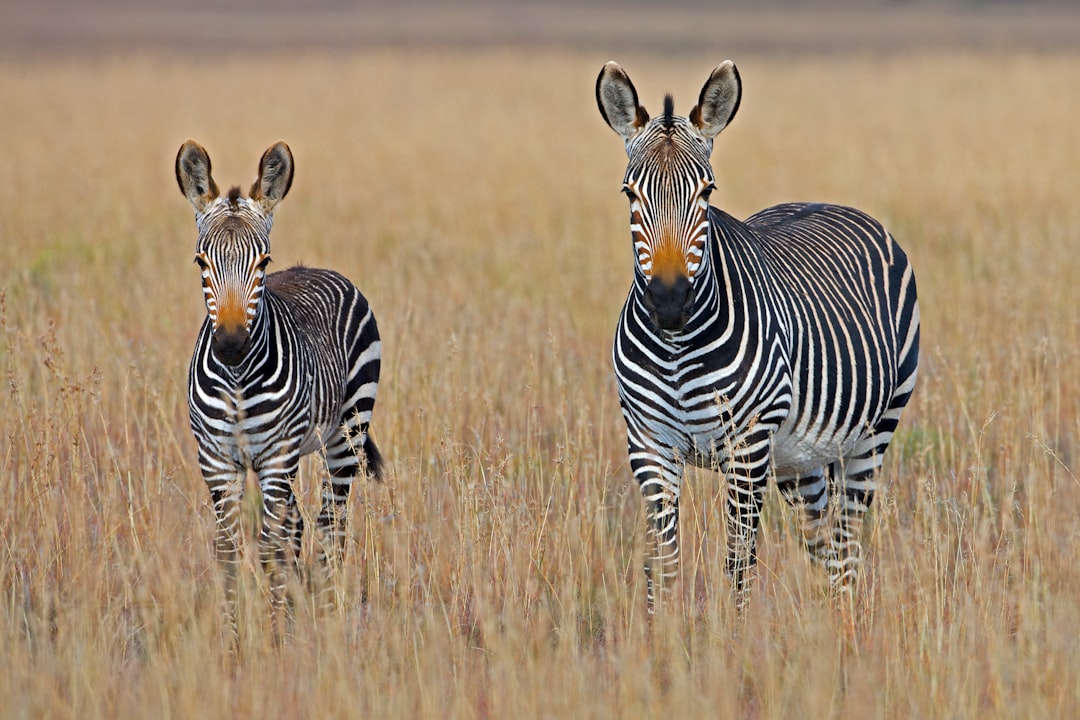
Rwanda and South Africa offer completely different wildlife experiences. Rwanda's greatest diversity of large mammals is found in its three national parks—Akagera, Volcanoes, and Nyungwe. Akagera contains typical savanna animals such as giraffes, elephants, zebras, buffalo, and antelope. Volcanoes National Park is home to mountain gorillas—the main attraction for most visitors. Nyungwe Forest offers primates like chimpanzees, colobus monkeys, and forest birds in dense rainforest habitat.
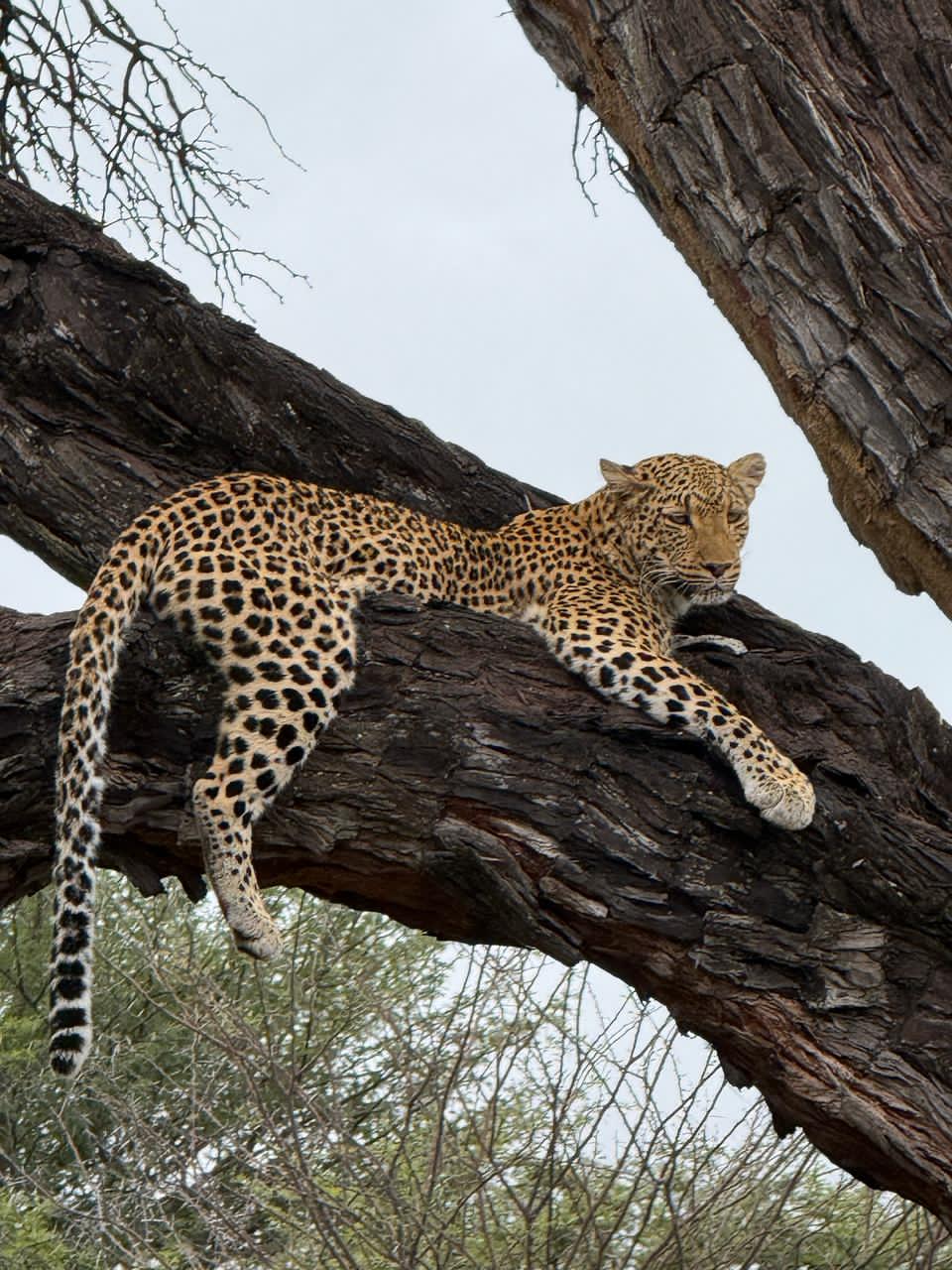
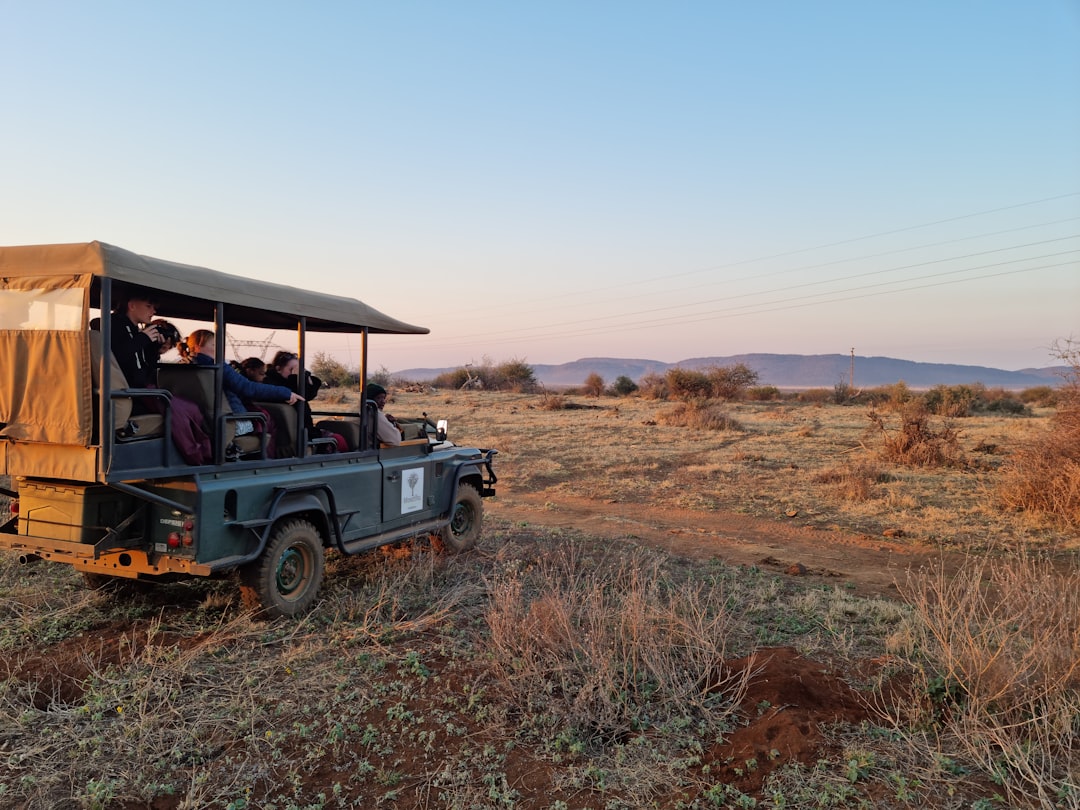
South Africa is famous for the Big Five: lion, leopard, rhino, elephant, and buffalo. Kruger National Park has the highest concentration of large mammals in Africa. You'll also see wild dogs, hyenas, giraffes, zebras, wildebeest, and countless bird species. The varied habitats—savanna, riverine woodland, and grassland—support diverse ecosystems and wildlife viewing opportunities throughout the year.
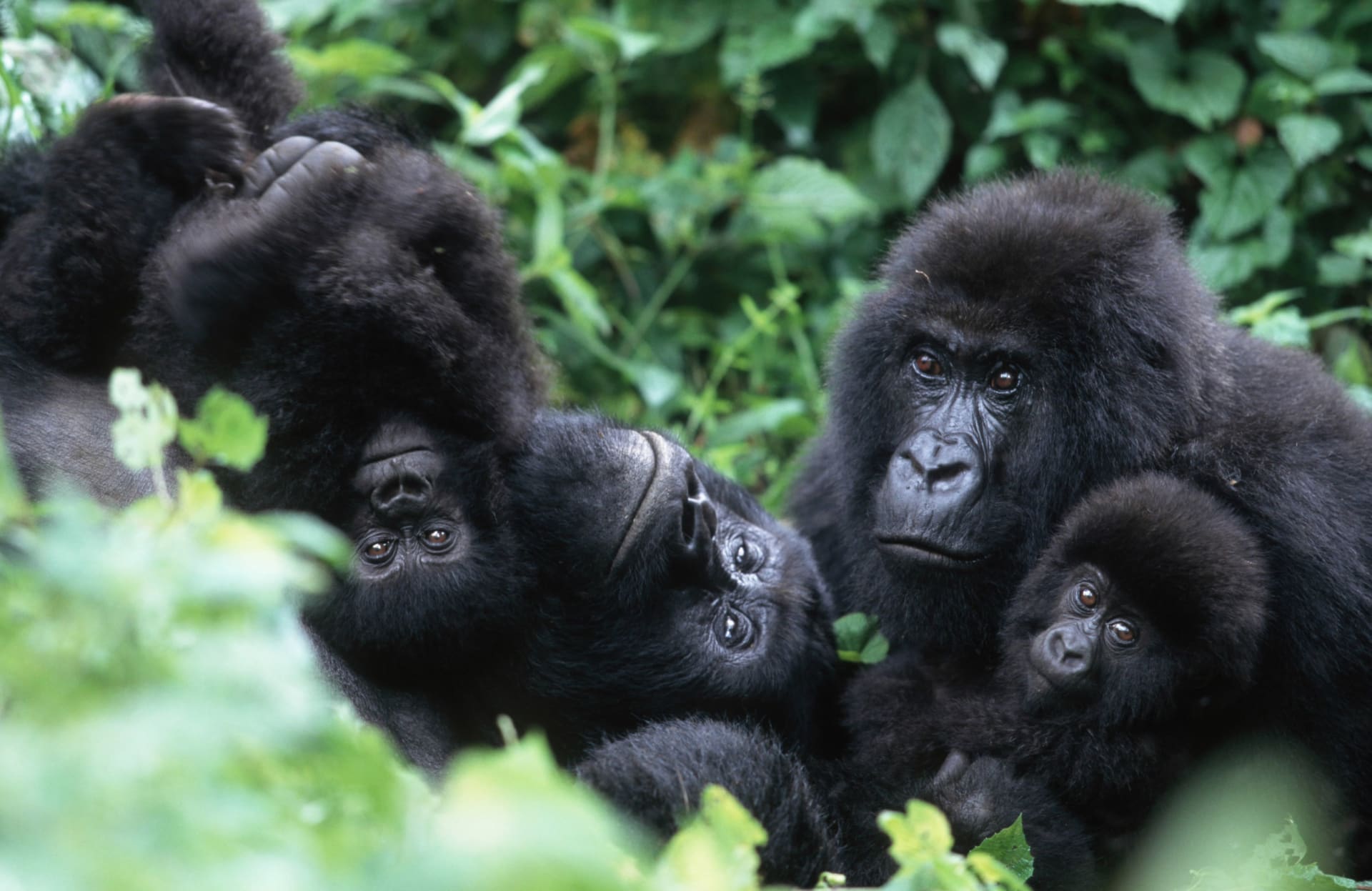
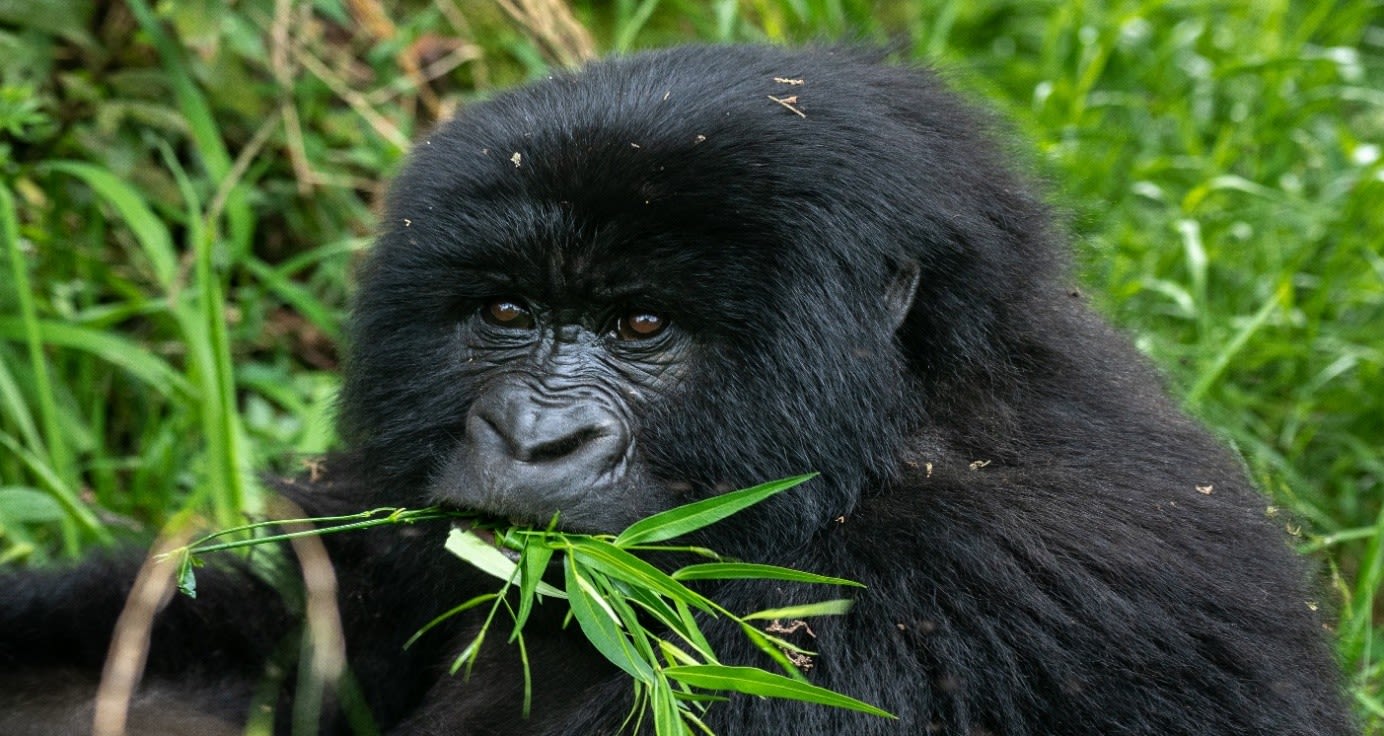
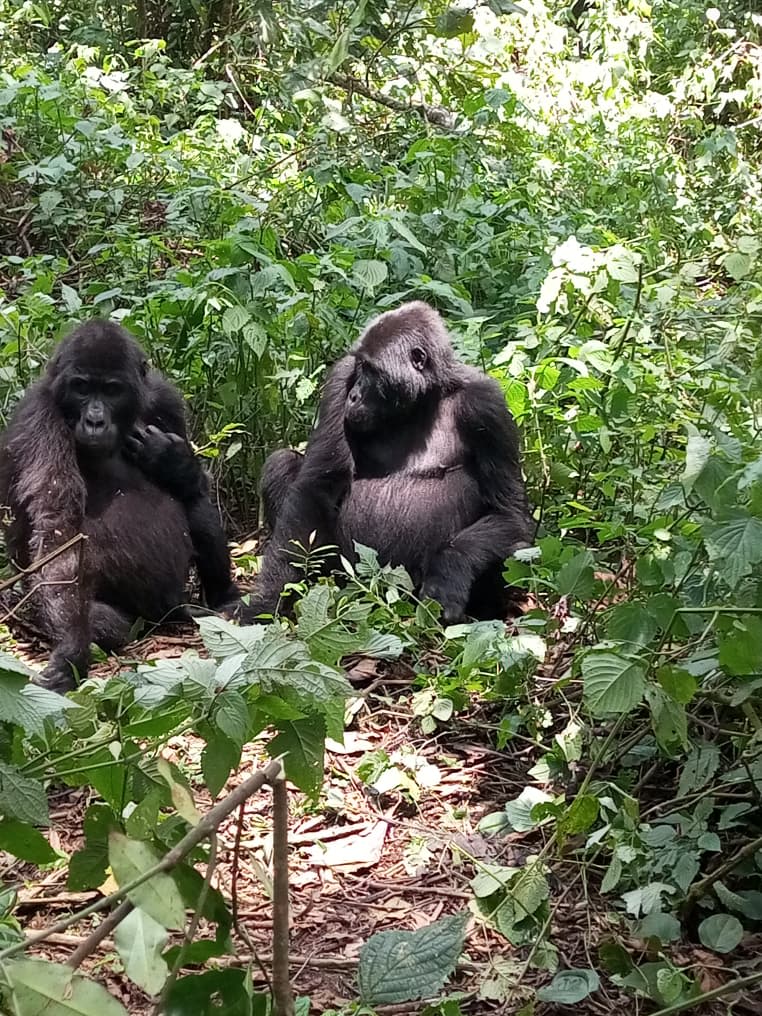
Mountain gorilla trekking is Rwanda's signature experience. You hike through misty rainforests to find habituated gorilla families. A single gorilla trek lasts 2–6 hours and costs $1,500 per permit. This unique experience is unavailable in South Africa. Conversely, South Africa's Big Five safari is more accessible and affordable. Lion sightings are common in Kruger, whereas Rwanda has only a small lion population in Akagera. Choose based on what excites you most: gorillas or the Big Five.
Best Time to Visit: Seasonal Considerations
The dry season is best for both Rwanda and South Africa. Rwanda's dry seasons run June–September and January–February. The long dry season (June–September) offers the best gorilla trekking and game viewing. South Africa's dry season runs May–September, with July–August being peak season. Both countries have rainy seasons when roads become muddy and animal viewing is harder, but prices drop significantly.
Rwanda in July–September offers lush green landscapes and fewer tourists than peak season. Game drives are productive because animals gather around water sources. Gorilla trekking is easier in dry months because the forest floor is less muddy. Explore Rwanda safari options for July–September 2026 with dry season wildlife and pricing to plan your trip.
South Africa's May–September window offers excellent wildlife viewing and comfortable temperatures (50–70°F). July–August is peak season with higher prices but guaranteed Big Five sightings. September is shoulder season with slightly lower prices and still-good wildlife viewing. The rainy season (November–March) is hot and humid but offers birdwatching and lower rates if you're budget-conscious.
Accessibility and Getting There in 2026
Getting to Rwanda is straightforward. Kigali International Airport (KGL) receives direct flights from Europe, the Middle East, and other African countries. Major airlines including RwandAir, Brussels Airlines, and Ethiopian Airlines serve the airport. From Kigali, it's a 2–3 hour drive to Volcanoes National Park in the northwest or 2 hours to Akagera in the east. If you need a visa, you can obtain an eVisa online before travel or get a visa on arrival.
South Africa has multiple entry points. Johannesburg's O.R. Tambo International Airport (JNB) is the main hub with flights from worldwide destinations. Cape Town and Durban also have international airports. From Johannesburg, it's a 5–6 hour drive or 1-hour flight to Kruger National Park. South Africa offers visa-free or visa-on-arrival access for most nationalities. The country's well-developed road network makes self-driving feasible for confident drivers.
Rwanda requires most travelers to obtain a visa. Check if you need a visa for your nationality and apply for an eVisa online through Rwanda's immigration website. Processing takes 2–3 business days. Learn more about Rwanda visa options for your nationality in 2026. South Africa's visa requirements vary by country—many nationalities get 90 days visa-free. Confirm your specific requirements before booking.
Health and Vaccinations: What You Need to Know
Both Rwanda and South Africa require or recommend certain vaccinations. Yellow fever vaccination is recommended for Rwanda, though not required by law unless you're arriving from certain countries. Malaria prevention is essential for both destinations, especially in lower-altitude areas. Consult your doctor 4–6 weeks before travel to discuss malaria medication, yellow fever vaccination, and other routine immunizations.
Rwanda's lower-altitude parks like Akagera have higher malaria risk. Volcanoes National Park at 7,500–13,000 feet elevation has minimal malaria risk due to altitude. South Africa's malaria risk is highest in Kruger National Park and lower-altitude areas. Coastal regions and Cape Town have no malaria risk. Take antimalarial medication as prescribed if visiting areas with malaria transmission.
Comprehensive travel insurance is recommended for both countries. Coverage should include medical evacuation, as remote safari areas have limited medical facilities. Review Rwanda health requirements and vaccinations for 2026 specific to your nationality to ensure you meet all entry requirements.
Accommodation Options: Budget to Luxury
Rwanda offers diverse accommodation across all budget levels. Budget lodges cost $50–$100 per night with basic amenities. Mid-range eco-lodges run $100–$250 per night with comfortable rooms and good food. Luxury lodges in Volcanoes and Akagera charge $300–$600+ per night with premium service and views. Rwanda's lodges are often family-run and provide authentic experiences. Explore Rwanda safari lodges by park comparing budget and luxury options to match your preferences.
South Africa's accommodation is even more varied. Kruger National Park offers self-catering bungalows ($80–$150/night), rest camps with basic facilities ($120–$180/night), and luxury lodges ($250–$500+/night). Private game reserves offer all-inclusive packages ($300–$600+/night) with meals, drinks, and game drives included. Camping is available in Kruger for budget travelers ($30–$50/night). The range means every budget can find suitable accommodation.
Both countries have eco-lodges focused on sustainability. Rwanda's lodges often support local conservation efforts and employ community members. South Africa's private reserves contribute to wildlife protection and land management. Choosing lodges that support conservation helps protect these ecosystems for future generations.
Which Destination Should You Choose?
Choose Rwanda if you want to see mountain gorillas, prefer a smaller country with fewer tourists, or prioritize political safety. Rwanda is perfect for travelers seeking a unique, transformative experience with gorilla trekking as the centerpiece. The compact size means less travel time and more quality time in nature. Rwanda is ideal for 7–10 day trips focused on one main goal: gorillas.
Choose South Africa if you want to see the Big Five affordably, prefer diverse landscapes and experiences, or enjoy self-driving adventures. South Africa suits travelers wanting flexibility, lower costs, and multiple wildlife viewing opportunities. The country's infrastructure supports independent travel and road trips. Combine Kruger with coastal relaxation in Mozambique or cultural experiences in Cape Town for a well-rounded trip.
Many travelers visit both countries on a longer African trip. A 14-day itinerary could include 7 days in Rwanda (gorillas, rainforests) and 7 days in South Africa (Big Five, beaches). This approach gives you diverse experiences and memories from multiple ecosystems. Compare verified packages on SafariFind to find operators offering multi-country itineraries.
Key Takeaways
- Book Rwanda safaris 3–6 months ahead to secure mountain gorilla trekking permits ($1,500 per trek), which sell out quickly during peak season.
- South Africa safaris cost 30–50% less than Rwanda ($800–$2,500 vs. $1,500–$3,000 for 7 days), making it ideal for budget-conscious travelers seeking Big Five viewing.
- Visit both countries during their dry seasons (Rwanda: June–September; South Africa: May–September) to maximize wildlife sightings and minimize malaria risk.
- Rwanda is politically safer for travelers concerned about security, while South Africa's major safari areas (Kruger, private reserves) maintain excellent safety standards for visitors.
- Request quotes from verified tour operators on SafariFind to compare gorilla trekking packages in Rwanda or Big Five safaris in South Africa with authentic traveler reviews.
Frequently Asked Questions
Is Rwanda safer than South Africa?
Rwanda is safer politically and has fewer crime issues in tourist areas than South Africa overall. However, South Africa's major safari destinations like Kruger National Park and private reserves are well-protected and safe for visitors. Safety depends on which specific areas you visit in South Africa. Both countries welcome thousands of tourists annually with strong security measures in place.
How much does a Rwanda safari cost compared to South Africa?
Rwanda safaris cost $1,500–$3,000 per person for 7 days, while South Africa safaris range from $800–$2,500 per person. Rwanda is more expensive due to mountain gorilla trekking permits ($1,500 each) and remote eco-lodges. South Africa offers better value with budget camping options starting at $100–$150 per day in Kruger National Park. Mountain gorilla trekking is unavailable in South Africa, making it the main cost difference.
What wildlife will I see in Rwanda versus South Africa?
Rwanda features mountain gorillas in Volcanoes National Park (the main attraction), plus elephants, buffalo, and primates in rainforests. South Africa offers the Big Five (lion, leopard, rhino, elephant, buffalo) in Kruger National Park and private reserves. Rwanda's wildlife is forest-based and rainforest-focused. South Africa's wildlife is savanna-based with more predator sightings. Mountain gorilla trekking is unique to Rwanda and unavailable in South Africa.
What's the best time to visit Rwanda and South Africa?
The best time to visit Rwanda is June–September (dry season) for gorilla trekking and game viewing. South Africa's best season is May–September, with July–August offering peak wildlife viewing. Both countries' dry seasons provide comfortable temperatures, lush landscapes, and excellent animal sightings. Rainy seasons (November–March) have lower prices but muddier roads and reduced visibility. Plan your trip during dry season for the best experience.
Do I need a visa to visit Rwanda or South Africa?
Rwanda requires most travelers to obtain a visa. You can apply for an eVisa online before travel or get a visa on arrival. Processing takes 2–3 business days online. South Africa's visa requirements vary by nationality—many countries get 90 days visa-free. Check your country's specific requirements before booking. Confirm visa needs with the respective embassies or official immigration websites.
Which destination is better for budget travelers?
South Africa is better for budget travelers, with safaris starting at $800–$1,200 for 7 days including Kruger camping and basic lodges. Rwanda's minimum cost is $1,500–$2,000 due to higher accommodation prices and gorilla trekking permits. If gorilla trekking is your priority, Rwanda is worth the extra cost. For wildlife viewing on a tight budget, South Africa's Kruger National Park offers exceptional value. Request quotes from verified operators on SafariFind to compare budget packages for both destinations.
Can I visit both Rwanda and South Africa on one trip?
Yes, many travelers combine both countries on a 14–21 day African safari. A typical itinerary includes 7 days in Rwanda for gorillas and rainforests, then 7 days in South Africa for Big Five and beaches. Flights between Kigali and Johannesburg take about 4 hours. Multi-country packages are available through tour operators on SafariFind. Combining both destinations gives you diverse experiences and memories from multiple ecosystems and wildlife habitats.
Conclusion
Rwanda and South Africa offer incredible safari experiences, each with distinct advantages. Rwanda safaris cost $1,500–$3,000 per person and feature mountain gorilla trekking in misty rainforests. South Africa safaris cost $800–$2,500 per person and showcase the Big Five on expansive savannas. Rwanda is politically safer, while South Africa offers better budget options and diverse landscapes. Your choice depends on priorities: gorillas or Big Five, budget or experience, compact or expansive.
The best time to visit both countries is during their dry seasons (Rwanda: June–September; South Africa: May–September). Book gorilla permits in Rwanda 3–6 months ahead, as they sell out quickly. South Africa's Kruger National Park welcomes visitors year-round with flexibility in scheduling. Both destinations are accessible with straightforward visa processes and international flights.
Ready to plan your African safari adventure? Compare verified safari packages on SafariFind to browse operators offering Rwanda gorilla treks, South Africa Big Five safaris, and multi-country itineraries. Read authentic traveler reviews, request quotes from trusted operators, and find the perfect package for your budget and interests. Your dream safari awaits in 2026.
Plan Your Safari with SafariFind
These recommendations use real data from SafariFind, where you can compare operators, browse packages, and read verified traveler reviews before you book.
Recommended Safari Packages from SafariFind
What Travelers Say (SafariFind Reviews)
References
- Rwanda vs South Africa Safari: Safety, Cost & Wildlife 2026
- Discover the Wonders of Rwanda Safari in October 2026
- African Safari & Africa Travel Blog 2026 | Private Tours Cape Town
- Cheap African Safari: Explorest Travel's Guide 2026
- 3-Day Rwanda Culture Tour & Wildlife Safari 2026
- How Much Is a 2 Week Trip to Africa 2026 | Safari Itineraries
 Ask Tembo about this guide
Sources
- Rwanda vs South Africa Safari: Safety, Cost & Wildlife 2026
- Discover the Wonders of Rwanda Safari in October 2026
- African Safari & Africa Travel Blog 2026 | Private Tours Cape Town
- Cheap African Safari: Explorest Travel's Guide 2026
- 3-Day Rwanda Culture Tour & Wildlife Safari 2026
- How Much Is a 2 Week Trip to Africa 2026 | Safari Itineraries
Related to
Ready to start your safari adventure?
Explore curated safari packages and find your perfect African adventure with verified operators.