Serengeti vs Ngorongoro Crater: Which Tanzania Safari Is Better for German Families in 2026?
Both the Serengeti and Ngorongoro Crater offer incredible wildlife experiences for German families, but the Serengeti excels at large predator sightings while Ngorongoro delivers dense wildlife
Serengeti vs Ngorongoro: Tanzania Safari for Families
Both the Serengeti and Ngorongoro Crater offer incredible wildlife experiences for German families, but the Serengeti excels at large predator sightings while Ngorongoro delivers dense wildlife in a compact crater. The best choice? Combine both destinations for a complete 7-day Tanzania safari adventure that gives your family unforgettable memories.
Introduction: Understanding Your Tanzania Safari Options
Planning a Tanzania safari with your family is exciting but also challenging. You want the right balance of wildlife viewing, safety, comfort, and value for money. The two destinations that German families ask about most are the Serengeti National Park and the Ngorongoro Crater. Both sit in Northern Tanzania and promise incredible animal encounters. But which one suits your family best?
The truth is that many experts recommend visiting both destinations together [2]. Around a week gives you enough time to experience everything each location offers. The Serengeti shows you massive herds and predator action. The Ngorongoro Crater packs thousands of animals into one volcanic bowl. Together, they create the complete Tanzania safari experience that German families dream about.
In this guide, we'll break down what makes each destination special. We'll look at wildlife, family-friendliness, costs, and timing. By the end, you'll know exactly which destination fits your family's needs—or whether you should do both.
What Is the Serengeti National Park?
The Serengeti is Tanzania's most famous national park and one of Africa's greatest natural wonders. The name means "the place where the land runs on forever" in the Maasai language. And when you stand there, you understand why.
Size and Landscape
The Serengeti covers about 14,750 square kilometers of open grassland, woodland, and savanna [7]. It's part of a larger four-million-hectare unfenced ecosystem that extends into Kenya [1]. The landscape changes dramatically depending on where you are. The central Serengeti has rolling grasslands perfect for spotting wildlife. The north features rocky outcrops and river crossings.
This massive size means you need more time to explore. Most families spend 3-4 days in the Serengeti to see different areas and increase their chances of great sightings.
Wildlife and the Great Migration
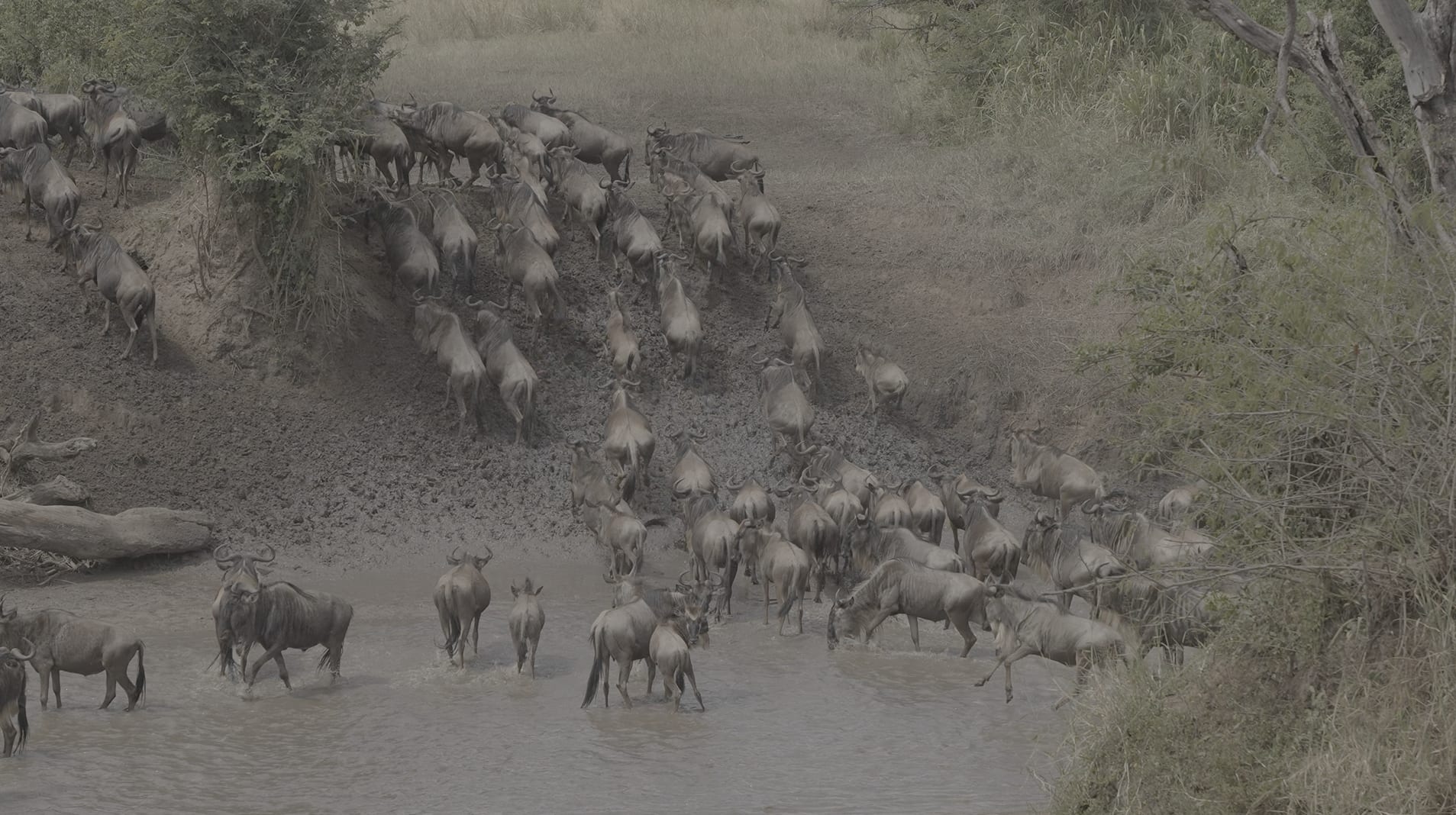
The Serengeti is home to one of the continent's healthiest predator populations, with the second-largest lion number in Africa [1]. You'll see massive herds of wildebeest, zebras, and gazelles. The park has over 1.5 million large animals.
The Great Migration is the Serengeti's biggest draw. Between June and October, huge herds move from the southern plains to the northern grasslands. Watching this natural spectacle is something every family remembers forever. However, timing matters. If you visit outside these months, you'll still see plenty of animals, but not the migration.
Family-Friendliness
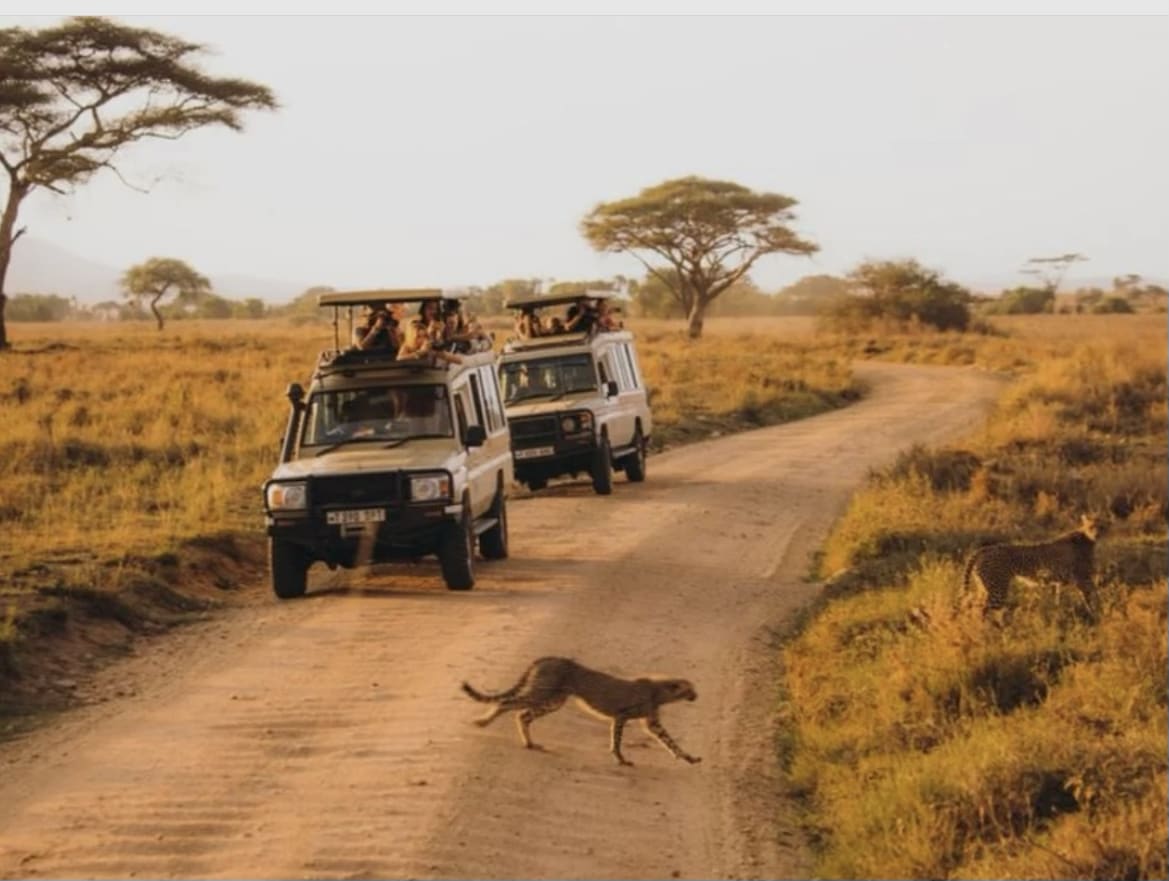
German families appreciate the Serengeti's organization and safety standards. Game drives are typically 4-5 hours long, which works well for children aged 8 and up. Younger children may find the long drives tiring. Many lodges offer shorter morning or evening drives for families with small kids.
The Serengeti has excellent accommodation options ranging from budget camps to luxury lodges. SafariFind lists many verified operators offering family-friendly packages in the Serengeti, so you can read real reviews from other German travelers before booking.
Understanding the Ngorongoro Crater
The Ngorongoro Crater is one of Africa's most stunning natural features. It's a massive volcanic crater that holds an entire ecosystem inside its walls. For families, it offers something different from the Serengeti.
What Makes It Special
The Ngorongoro Crater is the world's largest intact, unflooded caldera [6]. The crater formed millions of years ago when a volcano collapsed inward. Today, the crater floor sits about 600 meters below the rim. Inside, you'll find soda lakes, hot springs, and dormant craters [6].
The crater is much smaller than the Serengeti—only about 260 square kilometers. But this compact size means incredible wildlife density. You'll see more animals per square kilometer in Ngorongoro than almost anywhere else in Africa.
Wildlife Viewing Experience
The crater is home to about 25,000 large animals at any given time. You'll see elephants, lions, buffalo, zebras, and more. The animals stay in the crater year-round because they have water and grass. This means consistent wildlife viewing no matter when you visit.
The high concentration of predators and prey creates dramatic encounters. Lions hunt regularly, and you have good chances of witnessing predator action. The scenery is also more dramatic than the Serengeti's open plains.
Family Considerations
Game drives in Ngorongoro are typically 3-4 hours and cover less distance. This makes them perfect for families with younger children. Your kids won't spend as much time bouncing around in a vehicle.
The crater rim sits at 2,300 meters elevation. Some families notice mild altitude effects, though it's not usually a problem. The crater is cooler than the Serengeti, especially in the early morning.
Serengeti vs Ngorongoro: Key Differences for Your Family
Wildlife Viewing Approach
The Serengeti offers vast landscapes and the chance to see huge herds spread across endless plains. You search for animals across large distances. This creates a sense of adventure and discovery. The Ngorongoro offers concentrated wildlife viewing. Animals are easier to find because they're confined to the crater. You see more animals in less time.
For families with young children, Ngorongoro's shorter drives and easier animal spotting work better. For families with older kids and more patience, the Serengeti's vastness and migration spectacle appeal more.
Time Requirements
The Serengeti requires at least 3-4 days to see different areas properly. The Ngorongoro can be explored in 1-2 days. A combination trip works perfectly with 3-4 days in the Serengeti and 1-2 days at Ngorongoro [8].
This means a week-long safari gives you plenty of time for both destinations. You won't feel rushed, and your family gets the best experience from each location.
Seasonal Considerations
The Serengeti's appeal changes with seasons. The dry season (June-October) offers excellent wildlife viewing and the famous migration. The wet season (November-May) sees fewer tourists and greener landscapes, though some roads become difficult.
Ngorongoro is excellent year-round. The animals never leave, so you get consistent viewing regardless of season. This makes it more reliable for families with fixed vacation dates.
Cost Differences
Both destinations cost similar amounts for accommodation and park fees. However, Serengeti trips often cost more because you need more days to explore properly. Ngorongoro can be visited quickly, potentially saving money on accommodation.
On SafariFind, you can compare verified packages from different operators. Look for family-specific packages that include activities suited to children's ages.
Physical Demands
Serengeti game drives are longer and more physically demanding. You'll spend 4-5 hours in a vehicle daily. The terrain is rougher in some areas. Ngorongoro's shorter drives and smoother roads make it easier for families with mobility concerns or very young children.
The Best Solution: Combining Both Destinations
Why German Families Choose Both
Travel experts agree: if your budget and schedule allow, visit both destinations [5]. German families appreciate this approach because it balances different experiences. You get the vast wilderness feeling of the Serengeti. You also get the concentrated wildlife drama of Ngorongoro.
One German family who self-drove in Tanzania discovered this advantage firsthand [3]. They experienced both destinations and appreciated how different yet complementary they were. Each location offered something the other couldn't.
Ideal Itinerary for Families
A perfect week-long family safari follows this pattern:
Days 1-2: Ngorongoro Crater (2-3 game drives, easier adjustment to safari)
Days 3-6: Central Serengeti (4 full days for migration or varied wildlife)
Day 7: Return travel or optional Serengeti extension
Starting with Ngorongoro lets your family adjust to safari life with shorter, easier drives. Then you move to the Serengeti for the main adventure. This order also works logistically since both parks are in the same region.
What This Combination Delivers
Together, these destinations show you the full range of East African wildlife and landscapes. You see predators hunting, massive herds moving, and volcanic wonders. Your family experiences adventure, learning, and natural beauty all in one trip.
Most families report that combining both destinations creates the most memorable safari experience. Your kids will talk about this trip for years.
Planning Your Family Safari: Practical Steps
Best Time to Visit
The dry seasons (June-October and January-February) offer the best wildlife viewing. These months have clear skies, less rain, and easier driving conditions. However, they're also busier and more expensive.
The wet season (November-May) brings lush green landscapes and fewer tourists. Wildlife viewing is still good, though some roads get muddy. Your family might enjoy the quieter experience and lower prices.
Choosing Accommodation
SafariFind helps you find verified lodges and camps in both locations. Look for family-specific amenities like kids' clubs, shorter game drives, or family suites. Read reviews from other German families to understand what worked for them.
Accommodation ranges from budget-friendly tented camps to ultra-luxury lodges. Choose based on your family's comfort level and budget. Even budget camps in Tanzania offer excellent service and wildlife viewing.
Health and Safety
Both parks are safe for families who follow basic precautions. Malaria is present, so discuss antimalarial medication with your doctor. Vaccinations for yellow fever and routine shots are recommended. Bring comprehensive travel insurance.
Pack sun protection, insect repellent, and any needed medications. The sun at high altitude is intense, even on cloudy days.
What to Bring
Neutral-colored clothing helps with wildlife photography and keeps you comfortable. Bring layers because early morning game drives are cool. Sturdy hiking boots work for walking safaris. Binoculars enhance wildlife viewing for the whole family.
Tablets or e-readers help kids during rest times between game drives. A good camera captures memories, though phone cameras work fine too.
Budget Considerations for German Families
A week-long family safari in Tanzania typically costs €2,500-€5,000 per person, depending on accommodation choices and package inclusions. This includes flights from Europe, accommodation, meals, and game drives.
Budget packages offer good value without sacrificing safety or wildlife viewing. Mid-range packages add comfort and convenience. Luxury packages provide premium experiences and top-tier accommodations.
SafariFind lets you compare packages from verified operators at different price points. Request quotes from multiple operators to find the best value for your family's needs. Many operators offer discounts for families or groups.
Consider package inclusions carefully. Some cover meals, drinks, and activities. Others require additional payments. Clear pricing helps you budget accurately.
Key Takeaways
Combine both destinations if possible: Seven days in Tanzania lets you visit the Serengeti for 3-4 days and Ngorongoro for 1-2 days, creating the most complete family safari experience.
Choose Ngorongoro for younger children: Shorter game drives (3-4 hours), easier animal spotting, and year-round wildlife viewing make Ngorongoro ideal for families with kids under 10.
Choose the Serengeti for older kids: The Great Migration, vast landscapes, and predator action appeal to teenagers and adventurous families willing to spend longer in vehicles.
Time your visit strategically: Visit during dry season (June-October) for the best wildlife viewing and migration sightings, or visit during wet season (November-May) for fewer crowds and lower prices.
Book through SafariFind to compare verified operators: Request quotes from multiple operators, read authentic reviews from German families, and find packages that match your budget and preferences before committing.
Frequently Asked Questions
How many days do I need for a Tanzania safari with kids?
A week is ideal for visiting both the Serengeti and Ngorongoro. This gives you 3-4 days in the Serengeti and 1-2 days at Ngorongoro, plus travel days. Shorter trips of 4 days work, but you'll need to skip one destination or rush through it.
Is the Serengeti or Ngorongoro better for families?
Ngorongoro is better for younger children because of shorter drives and easier wildlife spotting. The Serengeti suits older kids and families seeking adventure and migration sightings. Many experts recommend visiting both for the complete experience.
What's the best time to visit for a family safari?
June to October offers the best wildlife viewing, cooler weather, and the Great Migration. However, it's busier and more expensive. November to May provides fewer tourists, greener landscapes, and lower prices, with still-good wildlife viewing.
Can my young children handle long game drives?
Children aged 4-7 manage 2-3 hour drives. Kids 8+ handle 4-5 hour drives. Many lodges offer flexible scheduling with shorter drives in the morning or evening. Choose Ngorongoro for younger children because drives are naturally shorter there.
How do I find verified safari operators for families?
SafariFind lists verified operators with authentic reviews from previous travelers. Filter by family-friendly packages, read reviews from German families, compare prices, and request quotes. This helps you choose operators you can trust.
Is malaria a concern for family safaris?
Yes, malaria is present in both areas. Discuss antimalarial medication with your doctor before traveling. Use insect repellent, wear long sleeves in the evening, and sleep under mosquito nets. Most families take precautions and stay healthy.
What should I pack for a Tanzania family safari?
Pack neutral-colored clothing, layers for cool mornings, sturdy hiking boots, binoculars, sun protection, and insect repellent. Bring any medications your family needs, travel insurance documents, and entertainment for rest times. A good camera helps capture memories.
Conclusion: Planning Your Perfect Family Safari
Both the Serengeti and Ngorongoro Crater deserve a spot on your family's Tanzania safari itinerary. They offer different experiences that complement each other beautifully. The Serengeti provides vast wilderness, dramatic predator action, and the legendary Great Migration. Ngorongoro delivers concentrated wildlife viewing, stunning volcanic scenery, and family-friendly game drive lengths.
The best choice for German families is actually both destinations combined [2]. With a week-long trip, you get the complete East African safari experience without feeling rushed. Your family will see incredible animals, experience authentic African wilderness, and create memories that last a lifetime.
Ready to book your family safari? Start by exploring verified packages on SafariFind. Compare operators offering family-friendly itineraries, read authentic reviews from other German travelers, and request quotes from multiple providers. SafariFind connects you with trusted tour operators who specialize in family safaris in Tanzania. Browse available packages, check ratings and reviews, and find the perfect adventure for your family's needs. Your dream Tanzania safari awaits.
Plan Your Safari with SafariFind
These recommendations use real data from SafariFind, where you can compare operators, browse packages, and read verified traveler reviews before you book.
Recommended Safari Packages from SafariFind
References
Related to
Ready to start your safari adventure?
Explore curated safari packages and find your perfect African adventure with verified operators.