Tanzania Safari All-Inclusive Packages: What's Actually Included Under $4,500?
Tanzania safari all-inclusive packages under $4,500 include accommodation, meals, game drives, guides, and park fees for 7 days. Book verified operators on SafariFind.

Tanzania Safari All-Inclusive Under $4,500
Last updated: July 2026
Tanzania safari all-inclusive packages under $4,500 per person typically include accommodation, meals, game drives, park fees, and expert guides for 7 days. The best time to visit is July to October for the Great Migration. Book through verified operators on SafariFind to compare packages and read authentic reviews from real travelers.
At a Glance
- Cost range: $2,800–$4,500 per person for budget to mid-range safaris
- Best time: July to October (Great Migration) and December to February (calving season)
- Duration: 7–10 days recommended for Northern Circuit safari
- What's included: Accommodation, meals, game drives, park fees ($70/day per park), expert guides
- What's extra: International flights, travel insurance, tips, optional activities
- Best for: First-time safari visitors, budget-conscious travelers, families
What Is Tanzania Safari All-Inclusive Under $4,500?
Tanzania safari all-inclusive packages deliver transparent pricing and excellent wildlife viewing when you book through verified operators. A 7-day Northern Circuit safari costs $1,750–$12,000 per person depending on lodge quality and group size. Under $4,500, you get solid value with comfortable accommodations, expert guides, and access to Tanzania's best parks.
All-inclusive means the tour operator bundles accommodation, meals, game drives, park entrance fees, and professional guides into one upfront price. You avoid surprise costs and hidden charges. This transparency helps you budget accurately and compare packages fairly across different operators.
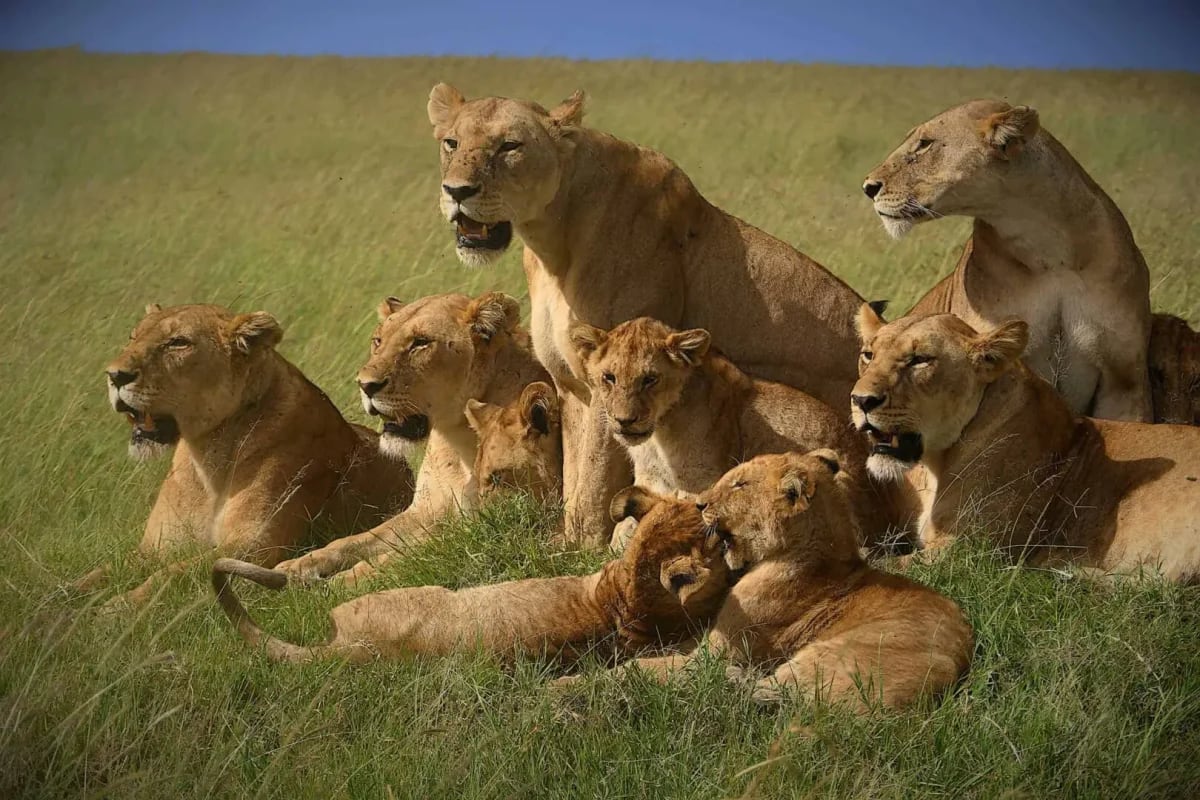
Tanzania's Northern Circuit includes the Serengeti, Ngorongoro Crater, and Tarangire National Park. These destinations showcase Africa's iconic wildlife: lions, elephants, zebras, giraffes, and thousands of wildebeest during migration season.
Why All-Inclusive Packages Make Sense
Budget safari packages run $2,800–$4,500 per person, mid-range safaris run $4,500–$7,000, and luxury safaris start at $7,500–$12,500 per person. All-inclusive pricing removes guesswork. You know exactly what you're paying upfront.
Park entrance fees alone are substantial. The Serengeti charges $70 per adult per day, and the Ngorongoro Conservation Area charges $70 per adult per day. An all-inclusive package covers these costs, so you won't face unexpected bills at park gates.
Combining Tanzania safari with Zanzibar creates Africa's ultimate adventure-beach pairing. The Great Migration in Serengeti followed by Zanzibar's white-sand beaches offers perfect balance. Tanzania safari and Zanzibar packages under $3,500 combine both experiences efficiently.
Key Features of Budget All-Inclusive Packages
Accommodation in budget packages uses dome tents at public campsites or basic lodge rooms. One operator, Mawenzi Adventures, describes it plainly: you sleep in a dome tent on a thin mattress, in a sleeping bag, with shared bathrooms. This keeps costs down while still providing shelter and safety.
Meals are prepared by camp cooks using local ingredients. Breakfast includes eggs, toast, and fruit. Lunch features sandwiches or rice dishes. Dinner offers meat, vegetables, and carbohydrates. Special diets can usually be accommodated with advance notice.
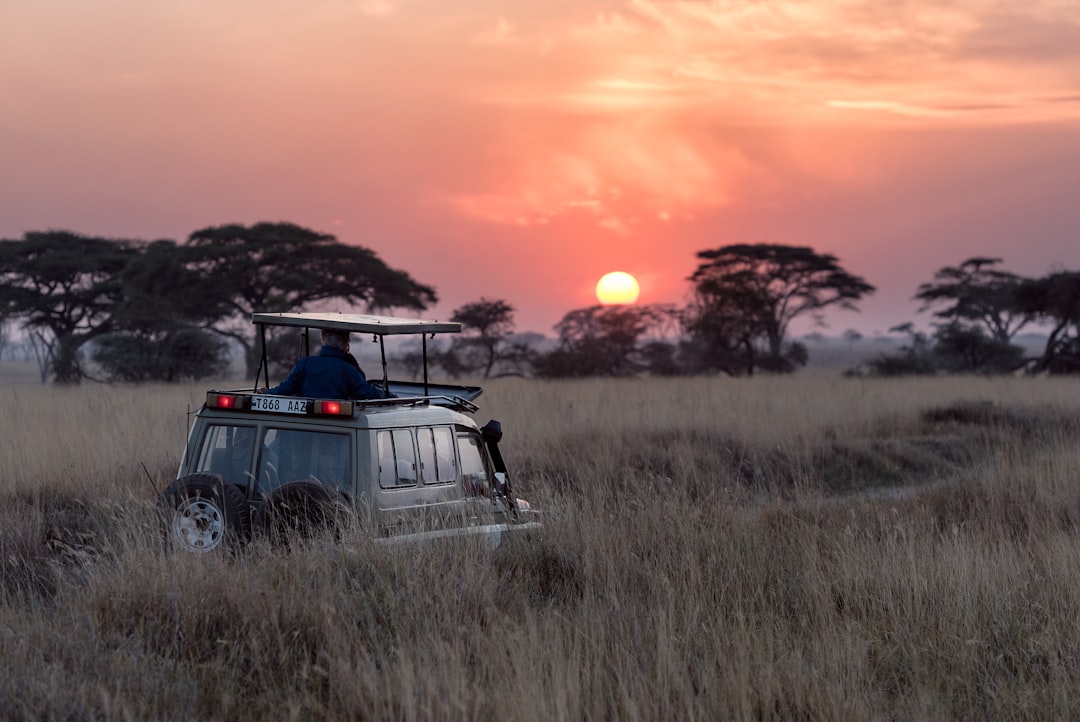
Game drives happen twice daily: early morning and late afternoon when animals are most active. Your guide drives a 4x4 vehicle with pop-up roof for photography. Guides are trained in wildlife behavior, ecology, and safety. Many speak English and other languages.
Park entrance fees, vehicle permits, and driver costs are all included. You won't pay extra at park gates or for vehicle use during game drives. This covers access to Serengeti, Ngorongoro, Tarangire, and Lake Manyara.
What's Actually Included in These Packages?
Understanding package inclusions prevents costly surprises. Most all-inclusive Tanzania safari packages under $4,500 include accommodation, meals, game drives, park fees, and professional guides. International flights and tips are almost always extra.
Accommodation Details
Budget packages use dome tents at public campsites or basic lodge rooms with shared bathrooms. Mid-range options ($4,500–$7,000) offer private lodge rooms with en-suite bathrooms and basic amenities. Luxury packages ($7,500+) provide spacious tents or rooms with hot showers, comfortable beds, and sometimes electricity.
Campsites provide bedding, pillows, and blankets. You bring or rent a sleeping bag (about $10–15). Bathrooms have flush toilets and bucket showers. Some campsites have hot water showers at scheduled times.
Lodges offer more comfort. Rooms have beds with mattresses, mosquito nets, and basic furniture. Bathrooms have flush toilets and running water. Many lodges have dining areas, sitting areas, and small bars.
Meal Coverage
All-inclusive packages include three meals daily: breakfast, lunch, and dinner. Breakfasts are hearty with eggs, bread, fruit, and hot beverages. Lunches include sandwiches, salads, or hot dishes eaten at camp or packed for vehicle meals. Dinners feature meat, rice, vegetables, and sides.
Bottled water is usually included. Soft drinks, alcohol, and premium beverages cost extra. Coffee and tea are complimentary at meals and camps.
Special dietary needs like vegetarian, vegan, or gluten-free can be accommodated. Tell your operator at booking so they prepare accordingly.
Game Drives and Transportation
Game drives happen twice daily in 4x4 vehicles holding 4–6 passengers. Early morning drives (5:30 AM–10:00 AM) catch predators hunting and herbivores grazing. Afternoon drives (4:00 PM–7:00 PM) catch wildlife at waterholes and during cooler temperatures.
Vehicles have pop-up roofs for unobstructed wildlife photography. Guides carry binoculars, field guides, and radio communication. They navigate roads and spot animals using experience and teamwork with other guides.
Airport transfers from Kilimanjaro International Airport (KIA) or Dar es Salaam are usually included. Cross-border transfers between parks are included. Internal transfers between lodge and airstrip are included.
Professional Guides and Park Fees
Expert guides lead all game drives. They're trained in wildlife identification, behavior, ecology, and safety. Many are Tanzanian and speak English, German, or French. Guides work with park rangers to track animals and ensure compliance with park rules.
All national park entrance fees are included for every park on your itinerary. In Tanzania, these fees are significant—the Serengeti charges $70 per adult per day, and the Ngorongoro Conservation Area charges $70 per adult per day. This covers 24-hour park access.
Vehicle permits for park use are included. Conservation area fees are included. You won't face unexpected bills at park gates.
Compare verified operators offering Tanzania safari cost breakdowns in 2026 to understand exactly what each operator includes.
What Costs Extra? Hidden Fees Explained
All-inclusive packages cover the core safari experience, but several items cost extra. International flights, travel insurance, tips, and optional activities are typically not included. Understanding these costs helps you budget accurately.
International Flights
Round-trip flights from the United States to Tanzania typically cost $800–$1,500 per person. Flights from the UK cost £600–£1,200 ($750–$1,500 USD). Flights from Europe cost €600–€1,200 ($650–$1,300 USD). These are not included in the safari package price.
Most safaris depart from Kilimanjaro International Airport (KIA) near Arusha or Dar es Salaam International Airport (DAR). Budget airlines offer cheaper flights but with longer layovers. Full-service carriers offer direct routes and better schedules.
Travel Insurance
Comprehensive travel insurance costs $100–$300 for a 7–10 day trip. This covers medical emergencies, evacuation, trip cancellation, and lost luggage. Travel insurance is highly recommended for safari trips. It's not included in the safari package.
Look for policies covering emergency medical evacuation, as safari areas are remote. Some policies exclude adventure activities, so check coverage details.
Tips and Gratuities
Tipping guides, drivers, and camp staff is customary in Tanzania. Budget $100–$200 for a 7-day safari ($15–$20 per day). This rewards excellent service and supports local staff who earn modest wages. Tips are not included in package prices.
Guides typically earn $20–$40 per day. Tips supplement their income. Drivers earn similar amounts. Camp staff (cooks, housekeepers) earn $10–$20 daily and appreciate tips.
Optional Activities
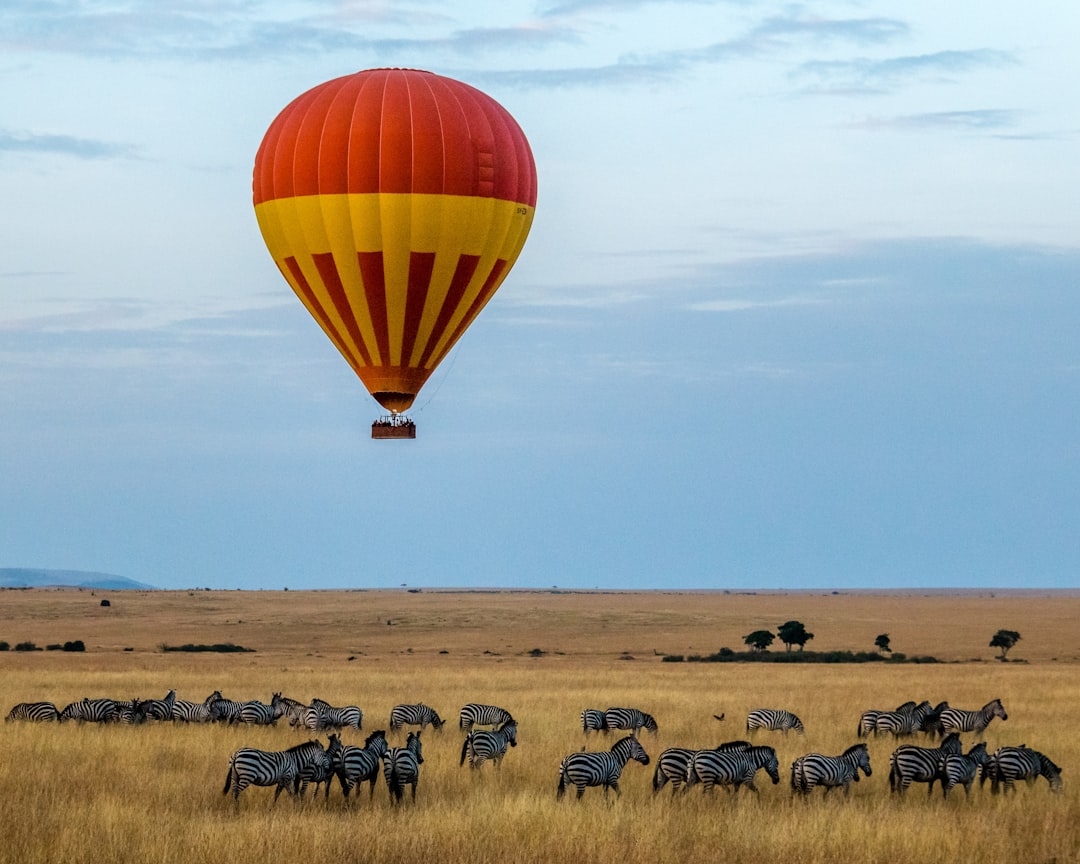
Hot air balloon safaris cost $450–$550 per person and offer stunning aerial views of wildlife. Cultural village visits cost $20–$50 per person and show local Maasai or Hadzabe traditions. Walking safaris usually cost $50–$100 per person or are included.
Sunrise visits, night drives, and special photography sessions may cost extra. Ask your operator about optional activities and pricing when booking.
Personal Items and Shopping
Souvenirs, curio purchases, and gifts are not included. Budget $100–$300 for souvenirs if desired. Laundry services at lodges may cost extra. Phone charging and WiFi may have fees at some camps.
Understand what's truly all-inclusive before booking. Tanzania safari cost breakdown 2026 guides detail budget versus luxury pricing clearly.
How to Choose the Right All-Inclusive Package Under $4,500
Selecting the right Tanzania safari package requires comparing accommodation quality, guide expertise, group size, and itinerary. Budget-conscious travelers should prioritize park access and guide quality over luxury amenities.
Budget Safari Characteristics ($2,800–$4,500)
Budget packages use dome tents or basic lodge rooms with shared bathrooms. Food is simple but filling. Groups are larger (8–12 people) to keep costs down. Vehicles are older 4x4s but well-maintained. Guides are competent but may have less experience than luxury guides.
Budget safaris work well for first-time visitors who want authentic experiences without luxury pricing. Wildlife viewing quality is identical to luxury safaris—lions, elephants, and zebras don't charge different prices based on your tent type.
Mid-Range Safari Characteristics ($4,500–$7,000)
Mid-range packages offer private lodge rooms with en-suite bathrooms and basic amenities. Food quality improves with more variety. Groups are smaller (4–8 people). Vehicles are newer with better suspension. Guides often have 5–10 years of experience.
Mid-range safaris suit travelers wanting comfort without extreme luxury. You get private bathrooms, better meals, and more personalized service than budget packages.
Comparing Operators and Itineraries
Research operator ratings and reviews on SafariFind. Read authentic reviews from past travelers. Check guide certifications and experience. Verify park access and itinerary details. Compare what's included across operators.
Popular itineraries include the Northern Circuit (Serengeti, Ngorongoro, Tarangire) and Southern Circuit (Selous, Ruaha). Northern Circuit is more accessible and has better infrastructure. Southern Circuit is less crowded and more wild.
A 7-day Northern Circuit safari fits the $2,800–$4,500 budget. A 10-day safari combining north and south may exceed $4,500 unless you choose budget lodging.
Explore safari packages on SafariFind to compare operators, prices, and real traveler ratings. Request quotes from verified operators and ask detailed questions about inclusions.
Group Size and Personalization
Larger groups (10–12 people) cost less per person but offer less personalization. Smaller groups (4–6 people) cost more per person but provide better service and flexibility. Private safaris for 2–4 people cost significantly more but offer maximum flexibility.
If traveling with family or friends, a private safari ensures everyone's needs are met. If traveling solo, joining a group safari connects you with other travelers and shares costs.
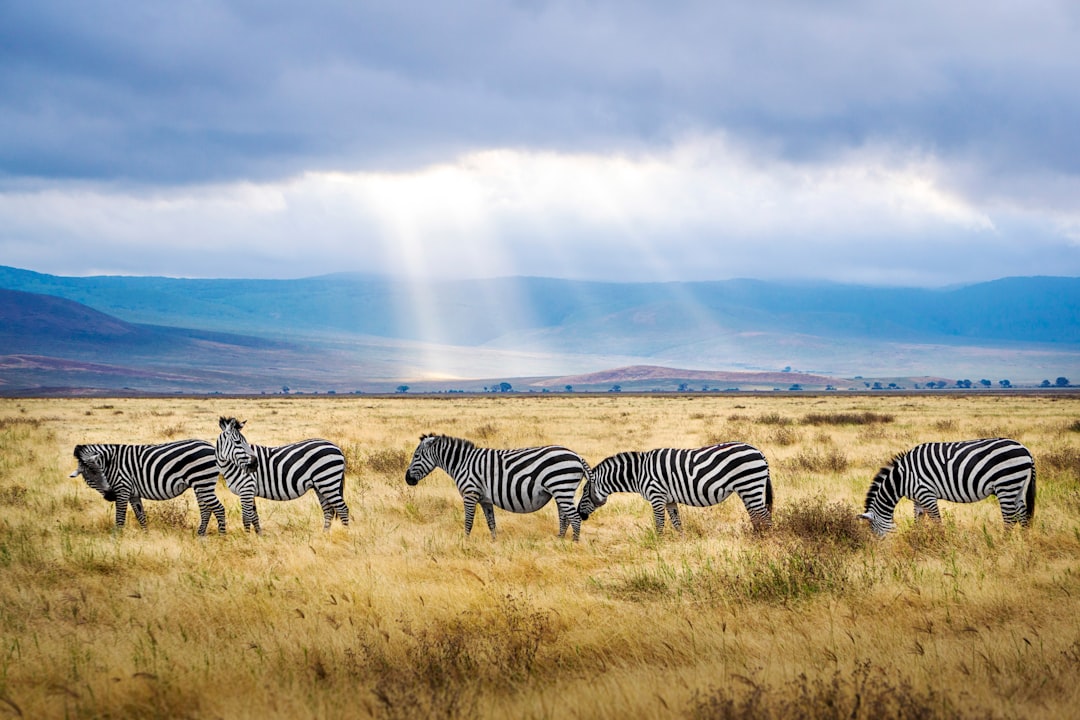
Best Time to Visit for Value and Wildlife
Tanzania's wildlife viewing changes seasonally. The best times for all-inclusive safaris under $4,500 are July to October (Great Migration) and December to February (calving season). These periods offer excellent wildlife viewing at reasonable prices.
July to October: Great Migration
This is peak season for Tanzania safari. The Great Migration brings 1.5 million wildebeest and zebras across the Mara River between July and October. Predators follow the herds, creating dramatic wildlife encounters. Accommodation books quickly and prices may be higher.
Despite peak season crowds, July to October offers unmatched wildlife viewing. Budget packages at $3,500–$4,500 fill quickly. Book 3–6 months ahead to secure dates and pricing. Early booking saves 15–20% on peak season rates compared to last-minute bookings.
December to February: Calving Season
December to February is shoulder season with fewer tourists and good wildlife viewing. Wildebeest give birth in the southern Serengeti and Ngorongoro, attracting predators. Prices drop 20–30% below peak season. Accommodation is available at short notice.
Weather is warm and mostly dry. Short rains occur in November, so December starts dry. This period works well for budget-conscious travelers who can travel outside peak season.
March to May: Long Rains
March to May brings heavy rains and fewer tourists. Wildlife disperses across larger areas, making sightings less predictable. Accommodation offers significant discounts—budget packages may cost $2,000–$3,000. Roads become muddy and difficult.
Long rains are best avoided unless you accept lower wildlife viewing odds in exchange for budget pricing and fewer crowds.
June to August: Dry Season
June to August is peak dry season with excellent wildlife viewing and comfortable weather. Prices are highest during this period. Budget packages cost $3,500–$4,500. This is prime time for all-inclusive safaris.
Northern Tanzania Safari vs Other Regions
Tanzania offers multiple safari regions with different characteristics. The Northern Circuit is most popular for all-inclusive packages under $4,500. Understanding regional differences helps you choose the right destination.
Northern Circuit (Serengeti, Ngorongoro, Tarangire)
The Northern Circuit is most accessible and has excellent infrastructure. Accommodation ranges from budget camps to luxury lodges. Game drives are productive with reliable wildlife sightings. Most all-inclusive packages under $4,500 focus on this region.
Serengeti National Park covers 14,750 square kilometers with vast plains and excellent predator viewing. Ngorongoro Crater is a natural wonder with concentrated wildlife. Tarangire offers elephant herds and scenic landscapes. This region is ideal for first-time safari visitors.
Southern Circuit (Selous, Ruaha)
The Southern Circuit is less crowded with wilder experiences. Selous Game Reserve and Ruaha National Park offer excellent wildlife viewing with fewer tourists. All-inclusive packages typically cost more due to longer distances and limited accommodation options.
Southern safaris work well for experienced travelers seeking authentic wilderness. Fewer all-inclusive packages under $4,500 operate here due to infrastructure limitations.
Zanzibar Combination Safaris
Combining safari with Zanzibar beach time creates balanced itineraries. A 7-day package with 4 days safari and 3 days beach costs $2,500–$4,000. This appeals to travelers wanting adventure and relaxation.
Compare safari and beach packages on SafariFind to find combinations fitting your budget and interests. Tanzania safari versus Kenya wildlife and costs comparison helps you choose between destinations.
Booking Your Tanzania Safari: Practical Steps
Booking an all-inclusive Tanzania safari requires planning ahead. Research operators, compare packages, secure visas, arrange flights, and prepare gear. Start 3–6 months before your travel date for best availability and pricing.
Research and Compare Operators
Browse verified operators on SafariFind with authentic reviews from past travelers. Read detailed reviews mentioning guide quality, accommodation comfort, food quality, and value for money. Check operator ratings and review counts.
Request quotes from 3–5 operators. Detailed quotes should specify accommodation type, meals, game drives, guides, park fees, and transfer arrangements. Ask what's included and what costs extra.
Verify operator credentials. Check if they're registered with Tanzania's tourism board. Ask about guide certifications and experience. Confirm they have proper insurance and safety protocols.
Visa Requirements
US citizens need a Tanzania visa for entry. Visas cost $50–$100 and can be obtained on arrival or in advance. UK citizens need a visa costing £15–£40. Australian citizens need a visa costing AUD $50–$100.
Apply for visas 2–4 weeks before travel. Processing times vary. On-arrival visas are possible but involve waiting at immigration.
Vaccinations and Health
Recommended vaccinations include yellow fever, typhoid, hepatitis A, and tetanus. Malaria prevention is essential. Consult your doctor 4–6 weeks before travel for personalized recommendations.
Malaria prophylaxis costs $50–$150. Take prescribed antimalarial medication starting one week before travel and continuing through your trip and one week after return.
Packing Essentials
Pack neutral-colored clothing for game drives (greens, browns, tans to avoid startling wildlife). Bring a light jacket for cool mornings. Pack sturdy hiking boots with good grip. Include a hat, sunglasses, and sunscreen SPF 50+.
Binoculars help with wildlife spotting. A camera or smartphone captures memories. Bring a charging cable and power adapter (Tanzania uses Type G plugs). Pack a small medical kit with blister treatment, pain relief, and stomach remedies.
Bring two pairs of shoes: one for game drives and one for camp. Pack toiletries as supplies are limited in safari areas. Bring prescription medications in original bottles. Pack a reusable water bottle to stay hydrated during game drives.
Payment and Deposits
Most operators require a deposit (25–50% of package cost) to secure your booking. Deposits are typically non-refundable but transferable. Final payment is due 30–60 days before travel.
Payment methods include bank transfer, credit card, and PayPal. Confirm payment security and ask about payment plans. Some operators offer discounts for early payment or group bookings.
Request a detailed confirmation email specifying dates, accommodation, itinerary, inclusions, and pricing. Verify all details before making final payment.
Key Takeaways
- Book Tanzania safari 3–6 months ahead to secure budget packages under $4,500 at peak season and save 15–20% on last-minute pricing.
- Park entrance fees cost $70 per adult per day in Tanzania's major parks, making all-inclusive packages valuable since they bundle these substantial costs upfront.
- Budget safari packages ($2,800–$4,500) provide identical wildlife viewing as luxury safaris—guide expertise and park access matter more than tent comfort for Great Migration viewing.
- July to October Great Migration is peak season but offers unmatched wildlife drama with 1.5 million wildebeest crossing—worth the crowds and early booking requirement.
- Budget $100–$200 extra for tips, flights, insurance, and optional activities not included in the all-inclusive package price to avoid surprises at booking.
Frequently Asked Questions
What's actually included in Tanzania safari all-inclusive packages under $4,500?
Tanzania safari all-inclusive packages under $4,500 include accommodation (dome tents or basic lodge rooms), three meals daily, twice-daily game drives in 4x4 vehicles, professional guides, park entrance fees ($70 per adult per day), vehicle permits, and airport transfers. International flights, travel insurance, tips, and optional activities like hot air balloons ($450–$550) cost extra.
How much does a Tanzania safari typically cost in 2026?
Budget safaris cost $2,800–$4,500 per person for 7 days. Mid-range safaris cost $4,500–$7,000 per person. Luxury safaris cost $7,500–$12,500+ per person. Prices vary by accommodation type, group size, season, and operator reputation. Peak season (July–October) costs more than shoulder season (December–February). Book through SafariFind to compare real pricing from verified operators.
What's the best time to visit Tanzania for wildlife viewing and value?
July to October offers the Great Migration with 1.5 million wildebeest crossing—peak wildlife viewing but highest prices. December to February offers calving season with good wildlife viewing and 20–30% lower prices. March to May brings long rains, lowest prices, and unpredictable wildlife sightings. July to October is best for wildlife, December to February is best for value-conscious travelers.
Do I need travel insurance for a Tanzania safari?
Yes, travel insurance is highly recommended for Tanzania safaris. Comprehensive coverage costs $100–$300 for 7–10 days and covers medical emergencies, evacuation, trip cancellation, and lost luggage. Safari areas are remote, making emergency evacuation essential. Check that your policy covers adventure activities and emergency medical evacuation specifically.
Is combining Tanzania safari with Zanzibar a good idea?
Yes, combining Tanzania safari with Zanzibar creates Africa's ultimate adventure-beach pairing. The Great Migration in Serengeti followed by Zanzibar's white-sand beaches offers perfect balance. A 7-day package with 4 days safari and 3 days beach costs $2,500–$4,000. This appeals to travelers wanting wildlife and relaxation in one trip.
How far in advance should I book a Tanzania safari?
Book Tanzania safaris 3–6 months ahead for peak season (July–October) to secure availability and best pricing. Early booking saves 15–20% compared to last-minute bookings. Shoulder season (December–February) allows shorter booking windows of 4–8 weeks. Last-minute bookings within 2–4 weeks may find availability but at premium prices. Use SafariFind to compare operators and request quotes early.
What vaccinations and health precautions do I need for Tanzania?
Recommended vaccinations include yellow fever, typhoid, hepatitis A, and tetanus. Malaria prevention is essential—take prescribed antimalarial medication starting one week before travel. Consult your doctor 4–6 weeks before travel for personalized recommendations. Malaria prophylaxis costs $50–$150. Pack a medical kit with blister treatment, pain relief, and stomach remedies. Bring sunscreen SPF 50+ and insect repellent with DEET.
Conclusion
Tanzania safari all-inclusive packages under $4,500 deliver exceptional value for first-time safari visitors and budget-conscious travelers. These packages bundle accommodation, meals, game drives, park fees, and expert guides into transparent pricing. You avoid surprise costs and hidden charges that plague other booking methods.
The Northern Circuit (Serengeti, Ngorongoro, Tarangire) offers the best wildlife viewing for under $4,500. A 7-day budget safari costs $2,800–$4,500 per person with solid accommodations and reliable guide expertise. July to October offers the Great Migration spectacle but requires early booking. December to February offers excellent value with 20–30% lower prices and fewer crowds.
Budget operators like those found on SafariFind provide identical wildlife viewing as luxury competitors—lions and elephants don't charge different prices based on your tent comfort. Guide expertise and park access matter far more than accommodation luxury for successful safari experiences.
Plan ahead by researching operators 3–6 months before travel, requesting detailed quotes, verifying credentials, and reading authentic reviews. Budget extra for international flights ($800–$1,500), travel insurance ($100–$300), tips ($100–$200), and optional activities. Secure your Tanzania visa and vaccinations 4–6 weeks before departure.
Compare verified safari packages on SafariFind to find operators matching your budget, dates, and preferences. Request quotes from multiple operators and ask detailed questions about inclusions. Read authentic reviews from past travelers to verify quality. Book your Tanzania safari smart in 2026 and experience Africa's greatest wildlife show within your budget.
Plan Your Safari with SafariFind
These recommendations use real data from SafariFind, where you can compare operators, browse packages, and read verified traveler reviews before you book.
Recommended Safari Operators from SafariFind
Top Safari Packages from SafariFind
What Travelers Say (SafariFind Reviews)
References
- Tanzania Safari All-Inclusive Packages 2026: True Costs Revealed
- All-Inclusive Tanzania Safari Tours: What's Included and Why It Matters
- Kenya & Tanzania Safari Packages 2025/2026 | Big Five & Great Migration Tours
- All-inclusive Tanzania Safari - Compare 1,262 Tour Packages
- Budget Tanzania Safari 2026: Cost Glossary & Fee Breakdown
- Luxury African Safari Tour Packages from USA | Cost & Itinerary
- How much does a Kenya Tanzania Safari Cost? 2026 Ideal Guide
Sources
- Tanzania Safari All-Inclusive Packages 2026: True Costs Revealed
- All-Inclusive Tanzania Safari Tours: What's Included and Why It Matters
- Kenya & Tanzania Safari Packages 2025/2026 | Big Five & Great Migration Tours
- All-inclusive Tanzania Safari - Compare 1,262 Tour Packages
- Budget Tanzania Safari 2026: Cost Glossary & Fee Breakdown
- Luxury African Safari Tour Packages from USA | Cost & Itinerary
- How much does a Kenya Tanzania Safari Cost? 2026 Ideal Guide
Related to
Ready to start your safari adventure?
Explore curated safari packages and find your perfect African adventure with verified operators.