Tanzania Safari Cost 2026: Budget vs Luxury by Operator
Tanzania safari costs $200–$2,500+ daily in 2026. Compare budget, mid-range, and luxury packages with verified operators on SafariFind.

Tanzania Safari Cost 2026: Budget vs Luxury
Last updated: July 2026
A Tanzania safari costs $200–$2,500+ per person per day in 2026, depending on your choice of budget, mid-range, or luxury options. Budget safaris with group travel and camping start around $250–$450 daily, while mid-range private safaris run $450–$900 daily, and luxury lodges exceed $900 daily. Book with verified operators on SafariFind to compare packages, read authentic reviews, and avoid overpaying for your Serengeti or Ngorongoro adventure.
At a Glance
- Budget cost: $250–$450 per person per day
- Mid-range cost: $450–$900 per person per day
- Luxury cost: $900–$2,000+ per person per day
- 7-day safari total: $2,450–$8,000+ per person
- Best time to visit: July–October for Great Migration
- Duration: 5–10 days recommended for complete experience
- Best for: First-time visitors, wildlife photographers, budget travelers, luxury seekers
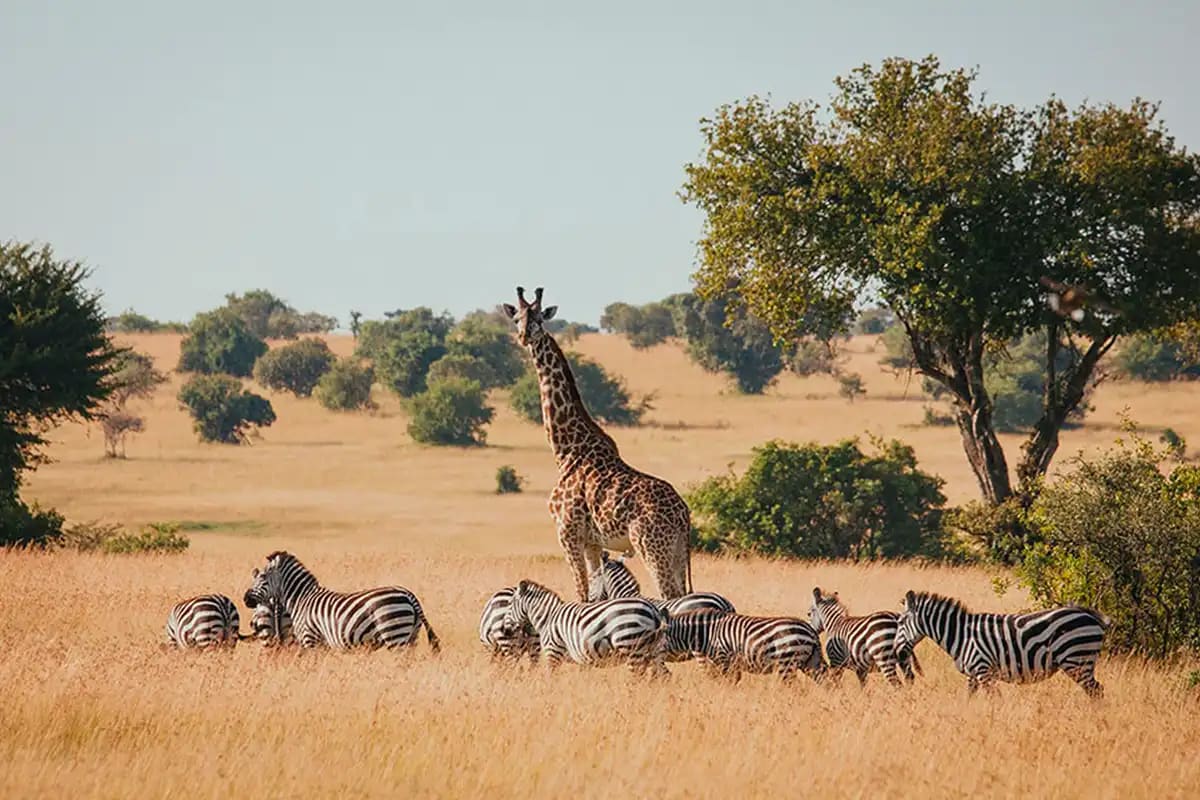
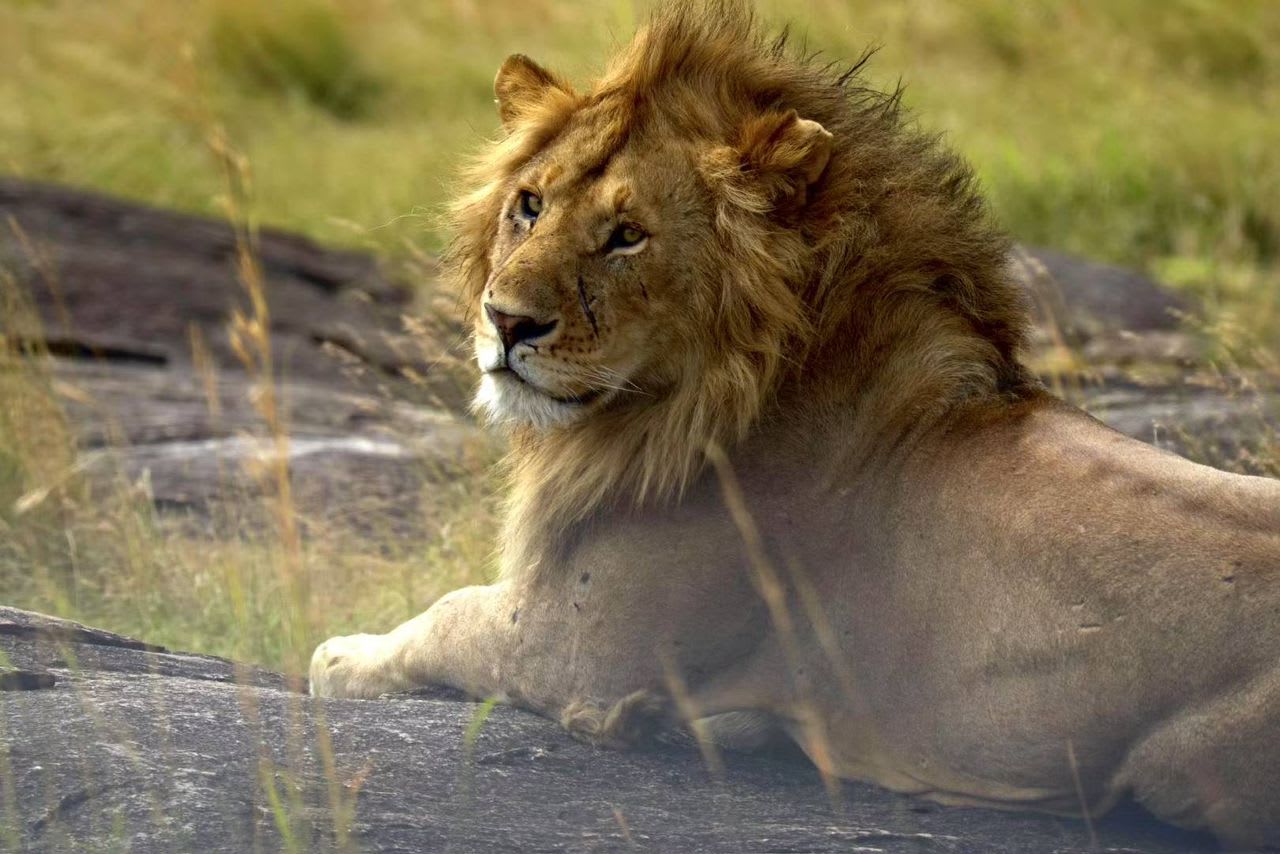
- Wildlife highlights: 1.5 million wildebeest, lions, leopards, elephants, giraffes
What Is Tanzania Safari Cost 2026: Budget vs Luxury?
Tanzania safari pricing in 2026 varies dramatically based on accommodation type, vehicle access, and guide quality. A Tanzania safari cost ranges from budget camping trips at $200–$300 per person daily to ultra-luxury private lodge experiences exceeding $2,000 daily. Understanding these tiers helps you match your budget to the right operator and experience level without overpaying or compromising quality.
The primary cost drivers include park entry fees (typically $50–$80 daily), accommodation ($50–$2,000+ nightly), transportation (shared vs. private vehicles), meals, and internal flights. Most safari operators bundle these elements into all-inclusive packages, making it easier to budget upfront. Prices fluctuate seasonally, with peak season (July–October) costing 20–40% more than green season rates.
Budget safaris appeal to backpackers and value-conscious travelers willing to share vehicles and camp. Mid-range packages attract families and first-time visitors seeking comfort without excessive cost. Luxury options suit travelers prioritizing privacy, fine dining, and premium lodges with stunning views. SafariFind connects you with verified operators across all three tiers, complete with authentic reviews to guide your choice.
Understanding Budget Safari Packages in Tanzania
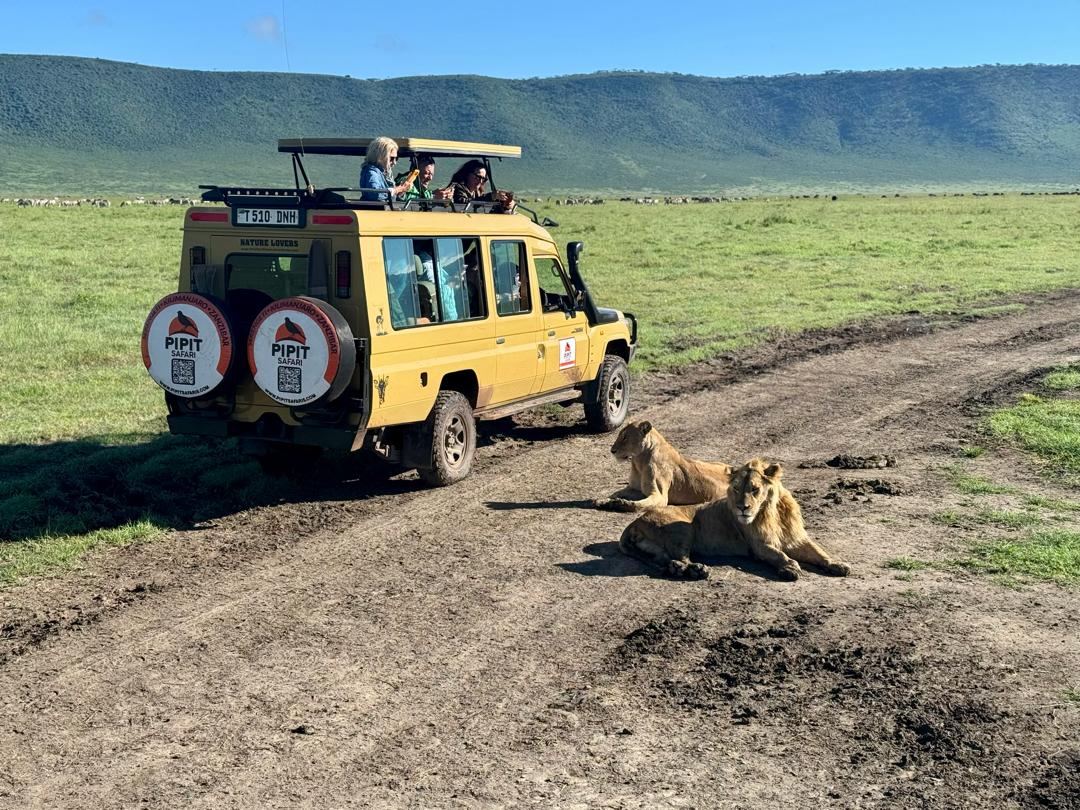
Budget Tanzania safaris cost $200–$450 per person daily and represent the most affordable way to experience the Serengeti and Ngorongoro Crater. These packages typically include shared 4×4 vehicles with 6–8 passengers, basic campsites or budget lodges, simple meals, and experienced guides. You sacrifice privacy and luxury amenities but gain authentic wildlife encounters at a fraction of premium prices.
What's Included in Budget Packages
Budget safari operators include park entry fees, accommodation, meals, and professional guiding in their daily rates. Most camps provide basic but clean tented accommodations with shared bathrooms. Meals are simple, wholesome African cuisine served communally. Transportation uses well-maintained shared vehicles, which actually improves wildlife spotting since guides coordinate sightings across multiple vehicles.
Budget safaris work best for group departures on fixed itineraries. You'll join 4–8 other travelers, reducing per-person costs significantly. Popular routes include 5-day Serengeti and Ngorongoro circuits or 3-day Tarangire trips. These itineraries hit peak wildlife areas without unnecessary detours, maximizing value.
Best Budget Operators and Real Costs
Reputable budget operators in Tanzania include established companies known for safety and wildlife expertise. A typical 5-day budget safari with park fees, camping, meals, and guiding costs $1,250–$1,500 per person total. A 7-day package including Serengeti migration viewing runs $1,750–$2,100 per person. These prices exclude international flights and travel insurance but include everything on the ground.
Budget doesn't mean poor quality. Many budget operators employ the same experienced guides as mid-range companies. The difference lies in accommodation style and vehicle sharing rather than guide expertise. Find verified budget safari operators on SafariFind to compare ratings, read traveler reviews, and book with confidence.
Mid-Range Safari Packages: Premium Without the Premium Price
Mid-range Tanzania safari packages cost $450–$900 per person daily and deliver exceptional value for most travelers. These safaris pair private or semi-private vehicles with comfortable tented camps or mid-range lodges, quality meals, and professional guides. You gain privacy and comfort while avoiding luxury markup prices. A 7-day mid-range safari typically costs $3,150–$6,300 per person total.
What Sets Mid-Range Apart
Mid-range operators provide private 4×4 vehicles for small groups (2–4 people) instead of shared transport with strangers. Accommodation upgrades to comfortable tented camps with en-suite bathrooms, hot showers, and quality bedding. Meals improve significantly, featuring both local and international cuisine prepared by experienced camp cooks. Guides are equally experienced as luxury operators but work for mid-range lodges rather than premium properties.
This tier suits families, couples, and first-time safari visitors who want genuine comfort and privacy without paying luxury prices. You'll experience the same wildlife and landscapes as luxury travelers but in simpler surroundings. Many mid-range camps sit in prime wildlife areas, offering excellent game viewing from tented accommodations.
Mid-Range Pricing Examples
A typical 7-day mid-range safari including Serengeti, Ngorongoro, and Tarangire costs $3,500–$5,000 per person with a private vehicle, quality tented camps, professional guiding, and park fees included. Adding internal flights between parks increases costs by $400–$800 per person but saves 6–8 driving hours. A 5-day circuit without flights runs $2,450–$3,500 per person.
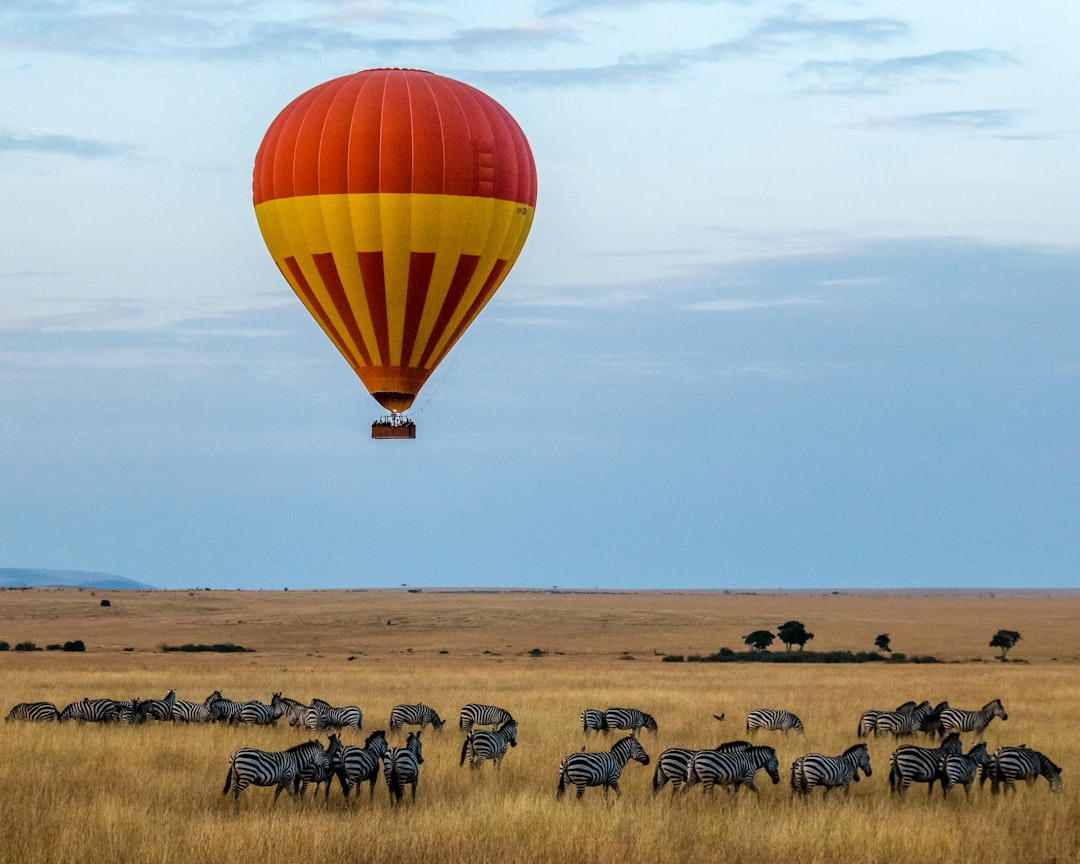
Mid-range operators often offer flexible itineraries. You can customize dates, add extra days, or combine safari with Zanzibar beach time. Many provide optional activities like hot air balloon rides ($500–$700 per person) or Maasai village visits ($100–$150 per person). Check SafariFind for mid-range operators with availability during your preferred travel dates.
Luxury Safari Lodges and Premium Experiences
Luxury Tanzania safari packages cost $900–$2,000+ per person daily and represent the pinnacle of African safari experiences. These all-inclusive packages feature private lodge accommodations, gourmet dining, private guides, charter flights, and exclusive wildlife experiences. A 7-day luxury safari typically costs $6,300–$14,000+ per person, depending on lodge selection and activities.
Premium Accommodation and Amenities
Luxury lodges offer stunning designs blending African aesthetics with modern comfort. Rooms feature king beds, spa-quality bathrooms with rainfall showers, private decks overlooking wildlife, and often plunge pools. Many luxury properties employ personal butlers, provide turndown service, and offer premium toiletries. Dining rivals fine restaurants, with private chefs preparing multi-course meals using local and imported ingredients.
Luxury safaris include private vehicles with exclusive guides, ensuring personalized itineraries matched to your interests. Whether you're a bird watcher, wildlife photographer, or wildlife enthusiast, guides tailor game drives accordingly. Many luxury properties offer sundowner drinks in the bush, private picnic lunches, and exclusive access to certain areas during off-peak seasons.
Top Luxury Lodges and Pricing
Premier luxury properties like Four Seasons and Singita command $1,500–$2,500+ per person daily. Mid-luxury options like Sopa and Serena lodges cost $800–$1,200 daily. All-inclusive 7-day packages range from $6,300 (mid-luxury) to $17,500+ (ultra-luxury). Prices include accommodation, meals, premium beverages, guiding, park fees, and most activities.
Luxury safaris justify premium pricing through exclusivity, personalization, and unforgettable experiences. Private game drives at dawn and dusk maximize wildlife viewing. Exclusive lodge locations offer solitude and uninterrupted views. Expert guides provide deep ecological knowledge and storytelling that enriches your experience. Compare luxury Tanzania safari operators and properties on SafariFind to find the perfect lodge for your budget.
Cost Breakdown: What You Actually Pay
Understanding Tanzania safari costs requires breaking down individual expenses. Park entry fees, accommodation, meals, transportation, and guides each contribute to your total cost. Knowing these components helps you compare operator quotes and identify where your money goes.
Park Entry Fees and Permits
Tanzania charges non-resident adults $50–$80 per day per park for entry permits. The Serengeti costs $70 daily. Ngorongoro Crater costs $80 daily. Tarangire costs $60 daily. Most operators include these fees in package prices, but verify this when comparing quotes. Children (5–15 years) pay 50% of adult rates. Residents and East African citizens pay significantly less.
Vehicle permits and guide licenses are separate costs operators absorb. These typically add $150–$300 to 7-day safari costs but are included in quoted prices. Always confirm whether quoted prices include all park fees or if additional charges apply.
Accommodation Costs by Tier
Budget campsites cost $40–$80 per person nightly with shared facilities. Budget lodges run $60–$150 per night with private rooms and en-suite bathrooms. Mid-range tented camps cost $150–$300 nightly. Mid-range lodges run $250–$500 nightly. Luxury lodges cost $600–$1,500+ nightly. Ultra-luxury properties exceed $2,000 nightly.
Accommodation represents 40–60% of total safari costs. Budget safaris minimize this by using campsites. Mid-range safaris balance comfort and cost. Luxury safaris prioritize experience over price. When comparing operators, request accommodation photos and reviews. Poor-quality accommodations ruin otherwise excellent safaris.
Meals and Beverages
Budget safaris include basic meals (breakfast, packed lunch, dinner) valued at $15–$25 daily. Mid-range safaris provide quality meals valued at $30–$50 daily. Luxury safaris feature gourmet dining valued at $60–$100+ daily. Most all-inclusive packages include non-alcoholic beverages, but premium alcohol (wine, spirits) often costs extra even in luxury packages.
Budget your own alcohol consumption carefully. A bottle of beer costs $3–$5 at budget camps, $5–$8 at mid-range properties, and $10–$15 at luxury lodges. Wine costs $30–$60 per bottle. Soft drinks cost $1–$3. Many travelers budget an extra $5–$10 daily for beverages beyond included items.
Transportation and Flights
Ground transportation in shared vehicles is included in all package prices. Private vehicle upgrades cost $100–$200 daily extra. Internal flights between parks cost $250–$400 per flight per person. A typical 7-day safari with 2 internal flights adds $500–$800 per person in flight costs. Some operators offer flight packages at discounted rates.
International flights to Tanzania (from Europe, North America, Australia) cost $800–$1,500 return in 2026. These are never included in safari packages. Book flights separately or request operator flight packages for potential savings. Factor flight costs into your total budget when planning.
Optional Activities and Extras
Hot air balloon safaris cost $500–$700 per person and include champagne breakfast. Maasai village visits cost $100–$150 per person. Walking safaris cost $50–$100 per person. Helicopter tours cost $500–$1,000 per person. Photography workshops cost $200–$400 per person. Most operators offer these activities as add-ons to standard packages.
Budget an extra $300–$500 for activities if interested. These experiences are optional but highly recommended, especially for first-time visitors and photographers. Ask operators which activities are available during your travel dates and book in advance for better rates.
Seasonal Pricing: When Is It Cheapest?
Tanzania safari costs vary significantly by season. Peak season (July–October) costs 20–40% more than green season (November–June). Understanding seasonal pricing helps you save money without sacrificing wildlife viewing quality.
Peak Season Pricing (July–October)
Peak season coincides with the Great Migration, when 1.5 million wildebeest cross the Mara River between July and October. This is the most popular time, driving prices up 30–40% across all tiers. Budget safaris cost $300–$450 daily during peak season. Mid-range safaris cost $600–$900 daily. Luxury safaris cost $1,200–$2,000+ daily.
Despite higher costs, peak season offers the best wildlife viewing. Migration herds create dramatic predator-prey interactions. Weather is dry, improving visibility. Accommodation books 6–12 months ahead. If possible, book your peak season safari 9–12 months in advance to secure lodging and better rates.
Green Season Pricing (November–June)
Green season (November–June) offers 20–40% discounts compared to peak season. Budget safaris cost $200–$300 daily. Mid-range safaris cost $400–$650 daily. Luxury safaris cost $800–$1,400 daily. Rain creates lush landscapes and excellent photography lighting. Fewer tourists mean more intimate wildlife encounters and available accommodations.
Green season wildlife viewing is excellent but different. Predator kills are less frequent because prey disperses across greener areas. Bird watching improves dramatically. Landscapes are stunningly green. If you prioritize wildlife over crowds and accept occasional rain, green season delivers exceptional value.
Shoulder Season Savings (April–May, September–October)
Shoulder months offer moderate pricing and excellent wildlife viewing. April–May costs 10–20% less than peak season but shows excellent wildlife activity. September offers lower prices than July–August with good migration viewing. Temperatures are warm, rainfall is minimal, and crowds are smaller than peak season.
Smart travelers book shoulder season safaris to balance cost and experience. You'll save $200–$400 per person on 7-day packages while enjoying nearly peak-season wildlife viewing. September is especially underrated, offering migration viewing at 20–30% discounts.
Budget vs Luxury: Choosing Your Tier
Deciding between budget, mid-range, and luxury safaris depends on your priorities, budget, and travel style. Each tier delivers excellent wildlife viewing but differs in comfort, privacy, and experience quality.
Choose Budget If You:
- Prioritize wildlife over luxury amenities
- Are comfortable sharing vehicles and accommodations
- Want to meet other travelers
- Have limited budget ($1,250–$2,100 for 5–7 days)
- Are young, flexible, and adventure-minded
Choose Mid-Range If You:
- Want privacy without excessive cost
- Value comfort and quality meals
- Are first-time safari visitors
- Travel with family or partner
- Have moderate budget ($2,450–$6,300 for 7 days)
Choose Luxury If You:
- Prioritize comfort and exclusivity
- Want personalized itineraries
- Value gourmet dining and premium service
- Seek once-in-a-lifetime experiences
- Have flexible budget ($6,300–$14,000+ for 7 days)
Many travelers start with mid-range safaris to experience Tanzania before committing to luxury. Others find budget safaris exceed expectations and return for repeat visits. There's no "best" tier—only the tier matching your priorities and budget.
How to Avoid Overpaying for Your Safari
Tanzania safari prices vary dramatically based on operator reputation, booking timing, and seasonal demand. Smart booking strategies can save you 15–30% without sacrificing quality or experience.
Book 3–6 Months in Advance
Booking early locks in better rates before peak season pricing kicks in. Operators offer early-bird discounts of 10–20% for bookings made 6 months ahead. Last-minute bookings (2–4 weeks before departure) sometimes offer discounts if lodges have availability, but availability is limited and prices are higher.
For peak season (July–October), book 9–12 months ahead. For shoulder season, book 3–6 months ahead. For green season, booking 1–3 months ahead often secures good rates and availability. Create a booking calendar aligned with your preferred travel dates.
Compare Multiple Operators
Prices vary 20–40% between operators for identical itineraries. Request detailed quotes from 3–5 operators specifying accommodation, vehicle type, meals, and activities. Compare line-by-line what's included. Some operators quote low prices but exclude park fees or charge extra for activities. Browse verified safari packages on SafariFind to compare operators side-by-side with authentic reviews.
Look for operators with 4.5+ star ratings and 50+ reviews. Read negative reviews carefully—legitimate companies respond professionally to complaints. Avoid operators with no reviews or suspiciously low prices. SafariFind's verified operators undergo quality checks, eliminating unreliable companies.
Travel During Green Season for Maximum Savings
Green season (November–June) offers 20–40% discounts compared to peak season. Mid-range safaris cost $400–$650 daily versus $600–$900 in peak season. You'll experience excellent wildlife viewing, stunning landscapes, and fewer crowds. Rain is brief and typically falls at night.
Green season suits experienced travelers and those with flexible dates. If your schedule allows November–June travel, you'll save significantly while enjoying superior wildlife encounters and photography opportunities.
Join Group Departures
Group safaris cost 20–30% less than private safaris because costs are shared. Budget safaris run regular group departures. If you're comfortable joining strangers, group safaris deliver exceptional value. Many travelers meet lifelong friends on group safaris.
Group sizes typically range from 4–8 people. You'll share vehicles and meals but have your own accommodation. Guides are equally experienced as private safari guides. Group safaris work best for solo travelers and small groups comfortable with shared experiences.
Extend Your Safari for Better Daily Rates
Longer safaris reduce daily costs through better operator pricing. A 5-day safari costs $500–$600 daily. A 10-day safari costs $400–$500 daily for the same accommodation tier. If you can extend your stay, longer safaris offer better value. You'll see more parks and wildlife behavior, justifying the extra time investment.
Add Zanzibar beach time to create a combined safari-beach vacation. This doesn't increase accommodation costs significantly but spreads daily overhead across more days, reducing per-day safari costs.
Comparing Tanzania vs Kenya Safari Costs
Tanzania and Kenya offer similar wildlife experiences at different price points. Tanzania safari costs are generally 10–20% lower than Kenya for comparable packages. Both countries feature the Great Migration, excellent guides, and stunning landscapes. Choosing between them depends on budget, wildlife priorities, and travel dates.
Cost Comparison
Budget safaris: Tanzania $250–$450 daily vs Kenya $300–$500 daily. Mid-range safaris: Tanzania $450–$900 daily vs Kenya $500–$1,000 daily. Luxury safaris: Tanzania $900–$1,500 daily vs Kenya $1,200–$2,000 daily. Tanzania's lower costs reflect smaller tourism infrastructure and fewer premium lodges.
For 7-day safaris, Tanzania costs $1,750–$6,300 per person while Kenya costs $2,100–$7,000 per person. If budget is your primary concern, Tanzania offers better value. If you prioritize specific experiences (like Kenya's Masai Mara), Kenya may be worth the premium.
Wildlife Viewing Differences
Tanzania's Serengeti matches Kenya's Masai Mara for wildlife diversity and predator viewing. Tanzania's Ngorongoro Crater offers unique caldera wildlife viewing unavailable in Kenya. Kenya offers more diverse experiences (beaches, mountains, cultural sites) within closer proximity. Both countries deliver excellent safari experiences at different costs.
Tanzania excels for pure safari experiences. Kenya excels for combined safari-beach-culture vacations. For budget-conscious travelers prioritizing wildlife, Tanzania is the better choice. Read detailed Tanzania vs Kenya safari comparisons on SafariFind to decide which destination matches your priorities.
Key Takeaways
- Budget safaris cost $250–$450 per person daily in 2026 with group travel, camping, and shared vehicles—the most affordable way to experience Tanzania's wildlife without sacrificing quality guiding.
- Book 3–6 months in advance to save 15–20% on peak season rates before early-bird discounts expire and accommodation availability declines, especially for July–October Great Migration viewing.
- Green season (November–June) costs 20–40% less than peak season while delivering excellent wildlife viewing, stunning landscapes, and fewer crowds—ideal for budget-conscious travelers with flexible dates.
- Mid-range safaris ($450–$900 daily) deliver exceptional value for families and first-time visitors, offering private vehicles, comfortable tented camps, and quality meals without luxury price tags.
- Compare verified operators on SafariFind to find 3–5 competing quotes, read authentic traveler reviews, and avoid overpaying by ensuring park fees, meals, and activities are clearly included in quoted prices.
Frequently Asked Questions
How much does a 7-day Tanzania safari cost in 2026?
A 7-day Tanzania safari costs $1,750–$6,300+ per person depending on your tier. Budget safaris with group travel and camping cost $1,750–$2,100 per person. Mid-range safaris with private vehicles and comfortable camps cost $3,150–$6,300 per person. Luxury safaris with premium lodges cost $6,300–$14,000+ per person. All prices include park fees, accommodation, meals, guiding, and transportation on the ground but exclude international flights.
What is the cheapest way to do a Tanzania safari?
Joining a group safari with camping accommodations is the cheapest way, costing $200–$300 per person daily. Budget operators run regular group departures of 4–8 people sharing vehicles and meals. You'll experience excellent wildlife viewing and meet fellow travelers. Green season (November–June) offers additional 20–40% savings. Budget safaris don't mean poor quality—guides are equally experienced as mid-range and luxury guides, and wildlife viewing is equally excellent.
Are park entry fees included in safari package prices?
Yes, most safari operators include park entry fees in quoted package prices. The Serengeti costs $70 daily, Ngorongoro costs $80 daily, and Tarangire costs $60 daily. Always verify that quotes include all park fees and confirm whether vehicle permits and guide licenses are included. Request a detailed cost breakdown specifying each fee to avoid surprise charges. If fees aren't included, budget an extra $400–$600 for a 7-day safari.
When is the best time to visit Tanzania for wildlife viewing?
July–October is best for the Great Migration, when 1.5 million wildebeest cross the Mara River. This peak season offers the most dramatic predator-prey interactions but costs 30–40% more. Green season (November–June) offers excellent wildlife viewing, fewer crowds, and 20–40% discounts. April–May and September offer shoulder season advantages: moderate pricing with excellent wildlife activity. Choose based on your budget and wildlife priorities rather than season alone.
What's included in an all-inclusive Tanzania safari package?
All-inclusive packages include accommodation, meals (breakfast, lunch, dinner), non-alcoholic beverages, park entry fees, professional guiding, and ground transportation in safari vehicles. They typically exclude international flights, travel insurance, visa fees, tips, premium alcohol, and optional activities like hot air balloons or Maasai village visits. Verify exact inclusions with your operator before booking. Request a detailed itemized breakdown to confirm what's covered.
How much should I budget for a Tanzania safari if I'm traveling from Europe?
Budget $2,500–$8,000+ per person total for a 7-day Tanzania safari from Europe. This includes $800–$1,500 return flights from Europe, $1,750–$6,300 for the safari package, $200–$300 for visa fees and travel insurance, and $300–$500 for tips and extras. Green season travel saves 20–40% on safari costs. Mid-range safaris offer excellent value for European travelers balancing cost and comfort. Request quotes from verified SafariFind operators to compare total costs including flights and travel insurance.
Do I need vaccinations for Tanzania, and what's the cost?
Yellow fever vaccination is required for entry to Tanzania. Malaria prophylaxis is strongly recommended. Typhoid, hepatitis A, and tetanus vaccinations are also suggested. Vaccination costs vary by location but typically run $300–$500 total for all recommended vaccines. Review vaccination requirements and health rules for Tanzania based on your nationality. Budget vaccination costs into your total safari expenses and schedule appointments 6–8 weeks before departure.
Conclusion
Tanzania safari costs in 2026 range from $250–$2,000+ per person daily depending on your choice of budget, mid-range, or luxury experiences. Budget safaris deliver excellent wildlife viewing at $1,750–$2,100 for 7 days. Mid-range safaris offer comfort and privacy at $3,150–$6,300 for 7 days. Luxury safaris provide exclusive experiences at $6,300–$14,000+ for 7 days. Understanding these tiers helps you match your budget to the right operator without overpaying or compromising quality.
Smart booking strategies save you 15–30% on safari costs. Book 3–6 months in advance for peak season discounts. Travel during green season (November–June) for 20–40% savings. Compare multiple operators using SafariFind's verified platform with authentic reviews. Join group departures to reduce daily costs. The Great Migration (July–October) offers peak wildlife viewing but at premium prices. Shoulder seasons (April–May, September) balance cost and experience excellently.
Your safari experience depends more on operator reputation and guide quality than price tier. Budget safaris with excellent guides deliver more memorable experiences than luxury safaris with mediocre guides. Read authentic traveler reviews before booking. Request detailed cost breakdowns. Confirm what's included. Compare verified safari packages on SafariFind to find the perfect operator matching your budget, dates, and wildlife priorities. Your unforgettable Tanzania safari awaits in 2026.
Plan Your Safari with SafariFind
These recommendations use real data from SafariFind, where you can compare operators, browse packages, and read verified traveler reviews before you book.
Top Safari Operators from SafariFind
Recommended Safari Packages from SafariFind
What Travelers Say (SafariFind Reviews)
References
- Tanzania Travel Costs 2026: Safari & Zanzibar Budget Guide
- Private Tanzania Safari 2026: 9 Best Options & Costs
- Tanzania Safari Cost Breakdown: Budget, Mid-Range, and Luxury Packages 2026-2027
- Tanzania Safari Cost 2026: Honest Pricing from an Expert
- Tanzania Safari Luxury vs Budget in 2026
- How Much Does a Kenya Tanzania Safari Cost? 2026 Ideal Guide
- Tanzania Safari Cost: A Luxury Travel Guide (2026)
- Tanzania Safari Cost 2026: What to Budget & Why Prices Change
 Ask Tembo about this guide
Sources
- Tanzania Travel Costs 2026: Safari & Zanzibar Budget Guide
- Private Tanzania Safari 2026: 9 Best Options & Costs
- Tanzania Safari Cost Breakdown: Budget, Mid-Range, and Luxury Packages 2026-2027
- Tanzania Safari Cost 2026: Honest Pricing from an Expert
- Tanzania Safari Luxury vs Budget in 2026
- How Much Does a Kenya Tanzania Safari Cost? 2026 Ideal Guide
- Tanzania Safari Cost: A Luxury Travel Guide (2026)
- Tanzania Safari Cost 2026: What to Budget & Why Prices Change
Related to
Ready to start your safari adventure?
Explore curated safari packages and find your perfect African adventure with verified operators.