Tanzania Safari in South Africa or Tanzania: Cost & Wildlife Comparison 2026
Compare Tanzania and South Africa safaris: costs ($120-$350/day), wildlife viewing, Great Migration timing, and booking tips for 2026 African adventures.

Tanzania vs South Africa Safari: Cost & Wildlife 2026
Last updated: July 2026
Tanzania safaris cost $200-$350 per person daily for budget tours, while South Africa typically ranges $120-$300 per day, making it the better value option. Tanzania excels for the Great Migration (July-October), while South Africa offers year-round wildlife viewing and malaria-free reserves. Compare verified safari packages on SafariFind to find the best deal for your African adventure.
At a Glance
- Tanzania daily cost: $200-$350 per person (budget); $556+ (mid-range)
- South Africa daily cost: $120-$300 per person; better overall value
- Best time - Tanzania: June-October (dry season); July-September (Great Migration)
- Best time - South Africa: May-September (dry season) for wildlife
- Duration: 7-10 days recommended for either destination
- Best for: Tanzania = migration seekers; South Africa = budget-conscious travelers and Big Five lovers
Tanzania Safari in South Africa or Tanzania: Cost & Wildlife Comparison 2026
Choosing between a Tanzania safari and a South Africa safari is one of the biggest decisions for travelers planning an African wildlife adventure . Both destinations offer world-class game viewing, luxury safari lodges, breathtaking landscapes, and unforgettable experiences. However, the costs, wildlife experiences, and best travel times differ significantly.
Tanzania safaris are some of the lowest-cost safaris in Africa, just above Kenya but lower-cost than Botswana, Uganda, and Rwanda . Yet South Africa is usually the better-value option overall . Understanding these differences helps you pick the right destination for your budget and interests.
This guide compares both destinations across cost, wildlife, timing, and logistics so you can make an informed choice in 2026.
What Is the Cost Difference Between Tanzania and South Africa Safaris?
Tanzania safaris cost more per day than many travelers expect. Budget tours run $200-$350 per person daily, while mid-range safaris cost $350-$700 per day . Luxury private safaris exceed $1,500 per day . A realistic 7-day Northern Circuit luxury mobile safari following the Great Migration costs $7,000 to $12,000 per person .
South Africa offers genuinely better value across all budget levels . Typical safari prices range from roughly $120-$300+ per person per day, with self-drive trips offering some of the lowest safari costs in Africa . You'll find quality lodges at every price point, from backpacker hostels to ultra-luxury properties.
Why Is Tanzania More Expensive?
Tanzania tends to be more premium due to internal flights and park fees . The Serengeti and Ngorongoro Crater charge high conservation fees. Getting to remote camps requires costly charter flights. Most parks allow only licensed tour operators, limiting budget options.
South Africa has better infrastructure and more lodge variety. You can self-drive, use public transport, or book budget group tours. The strong South African rand exchange rate also favors international visitors .
Sample Budget Breakdown for 2026
| Cost Category | Tanzania (7 days) | South Africa (7 days) |
|---|---|---|
| Budget Safari | $1,400-$2,450 | $840-$2,100 |
| Mid-Range Safari | $2,450-$4,900 | $1,680-$3,500 |
| Luxury Safari | $7,000-$12,000 | $3,500-$7,000+ |
| Internal Flights | $200-$500 per flight | $100-$300 per flight |
| Park Entry Fees | $60-$80 per day | $10-$30 per day |
These figures show why South Africa appeals to budget-conscious travelers. Park fees alone add $420-$560 to a 7-day Tanzania safari . Internal flights in Tanzania cost more due to distances and limited competition.
Ready to compare actual packages? Browse verified Tanzania and South Africa safari packages on SafariFind to see real 2026 pricing from trusted operators.
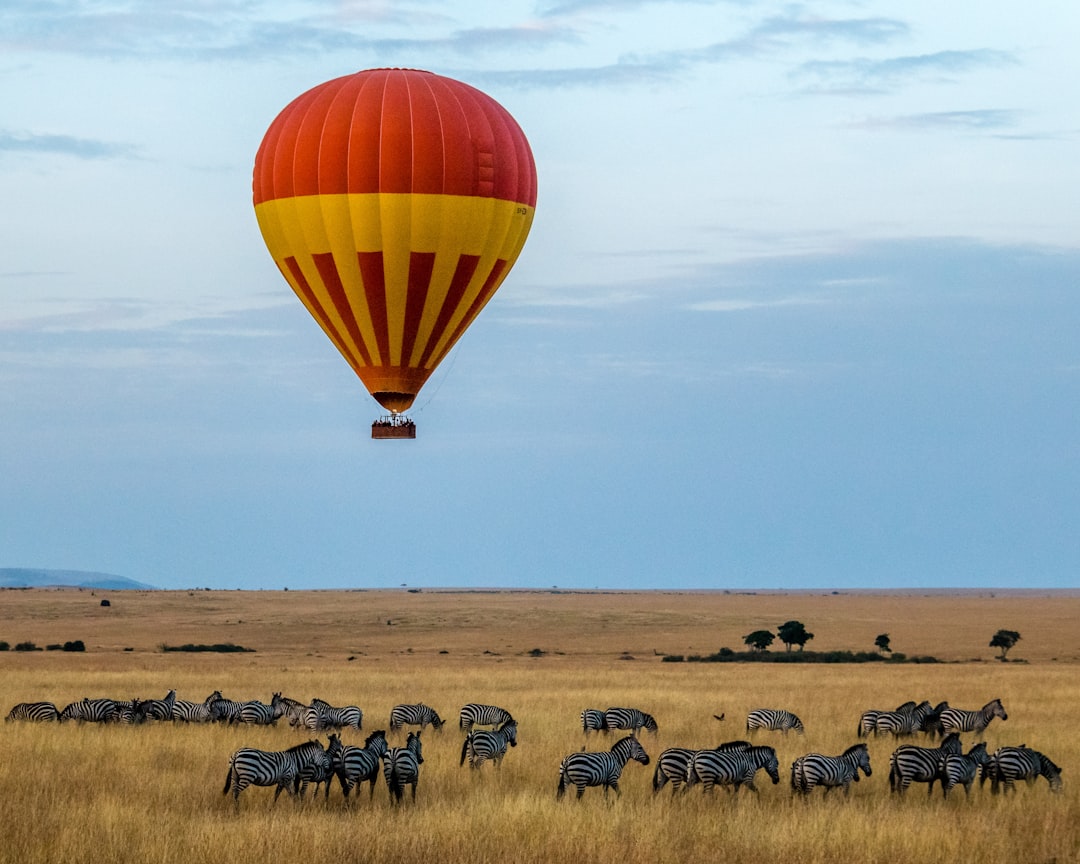
Wildlife Viewing: Great Migration vs. Big Five Year-Round
Tanzania is known for the Great Migration and vast scale . The Serengeti hosts 1.5 million wildebeest crossing the Mara River between July and October, creating nature's greatest spectacle. You'll see massive herds, predator action, and dramatic river crossings.
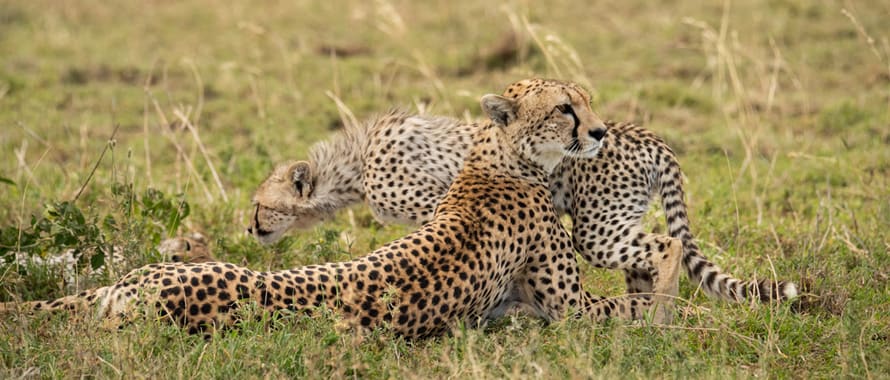
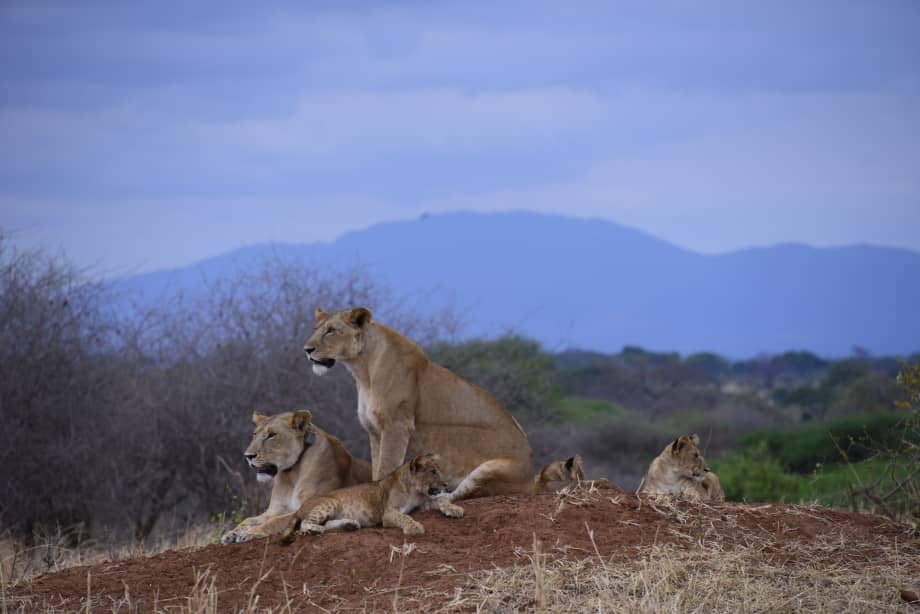
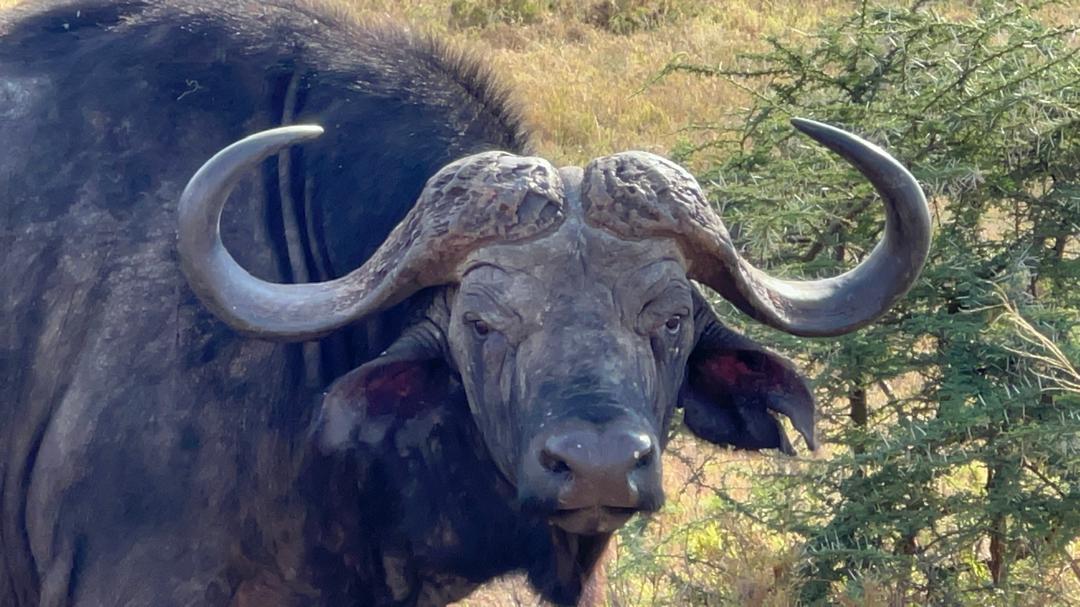
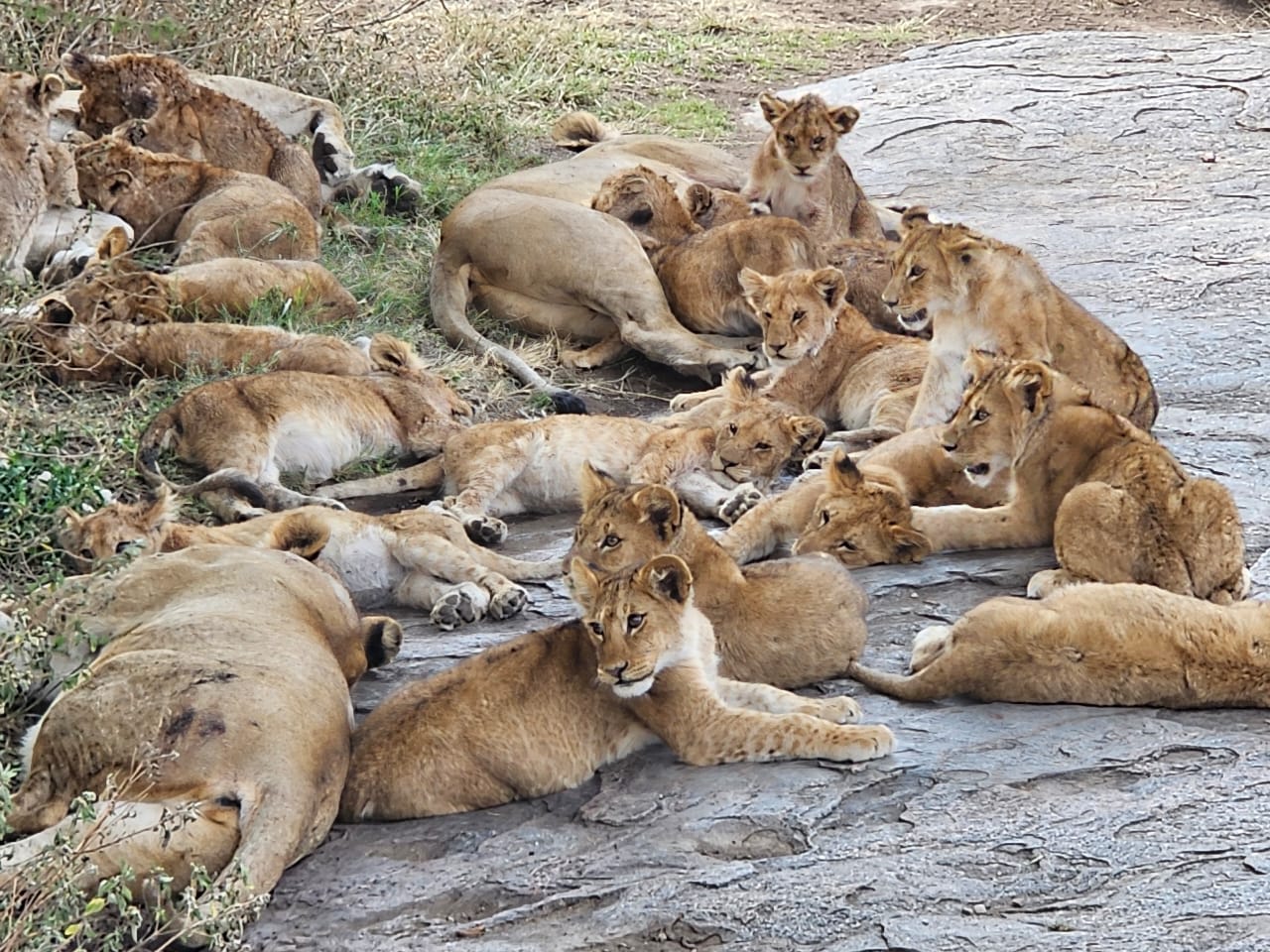
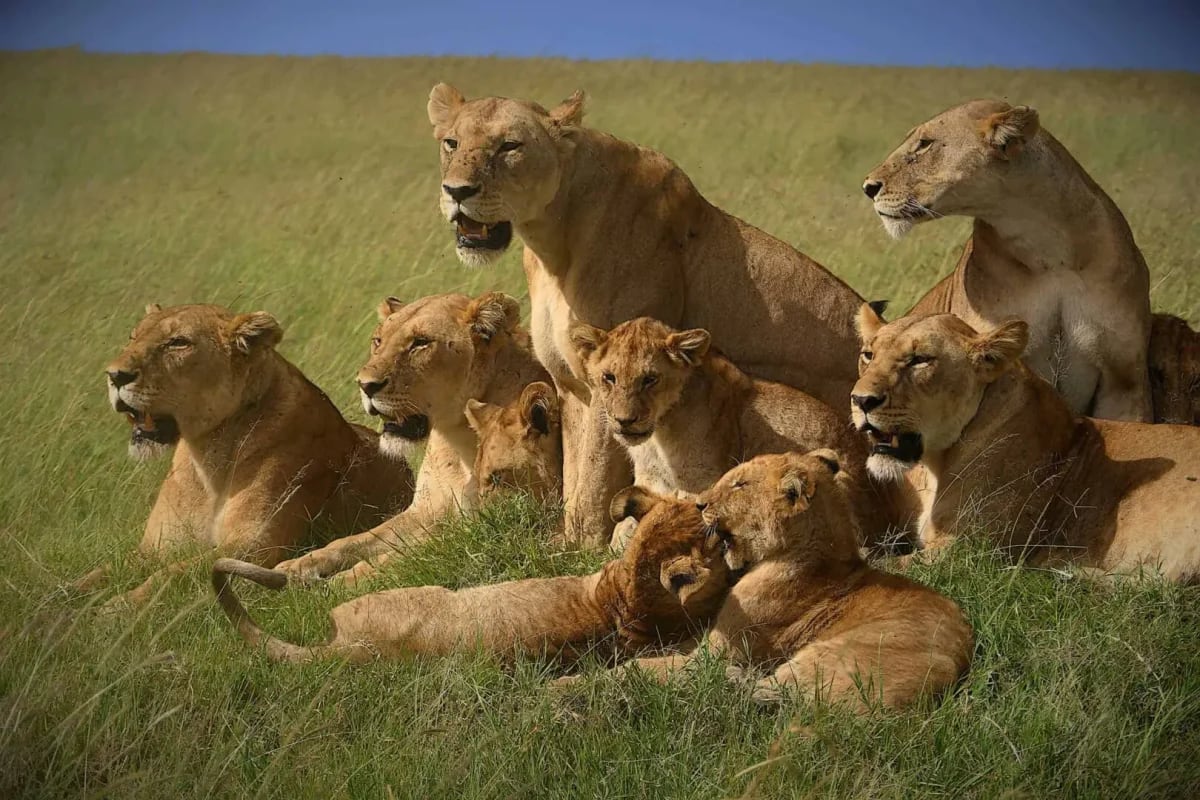
South Africa offers the Big Five (lion, leopard, elephant, buffalo, rhino) year-round in malaria-free reserves . You'll see more diverse wildlife species and have better sighting odds because parks are smaller and animals are more concentrated. Self-drive safaris let you control your pace and stops.
Tanzania Wildlife Highlights
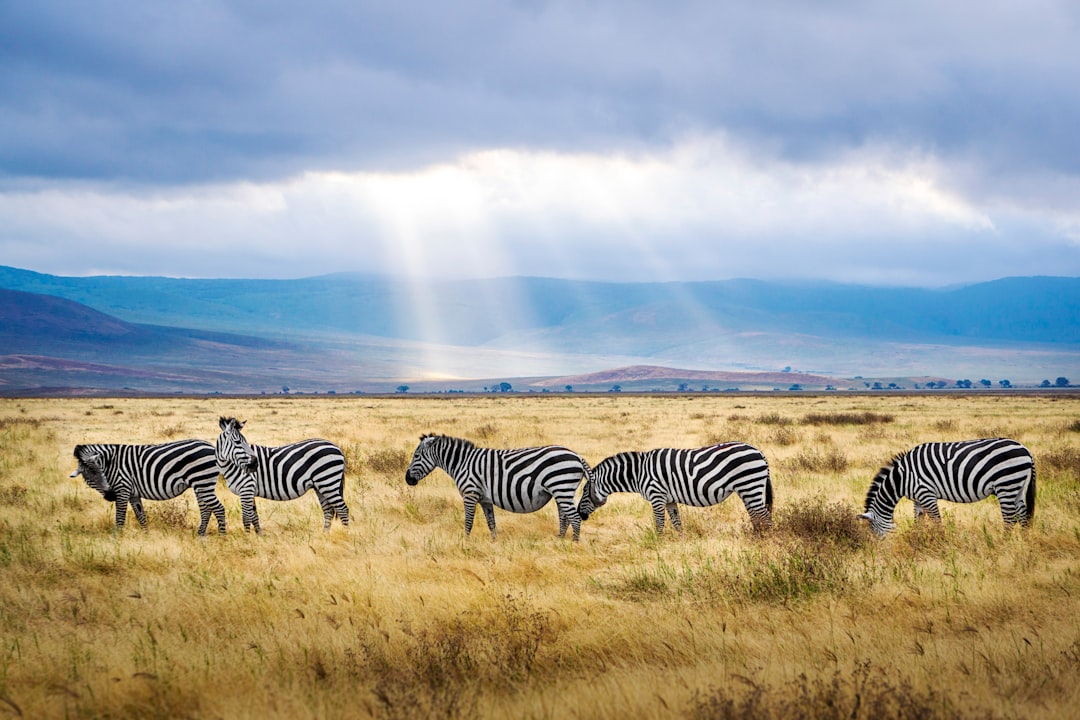
The Serengeti National Park covers 14,750 square kilometers in northern Tanzania . It hosts the largest terrestrial mammal migration on Earth. The Ngorongoro Crater is the world's largest intact volcanic caldera, home to 25,000 large animals in a compact area.
Tarangire National Park offers excellent elephant viewing, with over 3,000 elephants during the dry season. Lake Natron's flamingos create a pink spectacle. However, Tanzania's parks require guides and scheduled game drives, limiting flexibility.
South Africa Wildlife Highlights
South Africa genuinely has malaria-free Big Five reserves like Pilanesberg and Madikwe . The Kruger National Park spans nearly 20,000 square kilometers with diverse wildlife, from big cats to wild dogs. You'll find more predator sightings and diverse bird species than Tanzania.
Self-drive safaris in South Africa let you stop when you want, explore at your pace, and use budget accommodations. Private game reserves offer luxury experiences at lower costs than Tanzania's equivalent properties.
Best Time for Wildlife Viewing
For Tanzania, June-October is the dry season and peak time; July-September brings the dramatic river crossings . Animals concentrate around water sources, making sightings easier. However, June-October is peak season with higher prices and more tourists.
For South Africa, the dry months (May-September) offer excellent wildlife viewing . Animals are more active and visible. However, you can see wildlife year-round, giving you more flexibility. Winter (May-August) offers cooler temperatures and fewer insects.
Learn more about timing your safari visit by reading our guide on the best time to visit Tanzania safari in 2026.
How Much Should You Budget for Each Destination?
A realistic Tanzania safari budget depends on your travel style. Budget travelers spend $200-$350 per day on group tours. Mid-range travelers budget $350-$700 per day for private guides and better lodges. Luxury travelers plan $1,500+ per day for fly-in camps and exclusive experiences .
A realistic 10-day private fly-in safari with Zanzibar beach extension costs $10,000 to $20,000 per person . A 7-day Northern Circuit luxury mobile safari following the Migration runs $7,000 to $12,000 per person . These prices include internal flights, accommodations, meals, and park fees.
South Africa Budget Guide
South Africa's lower daily costs make it accessible across all budgets. A budget 7-day safari costs $840-$2,100 total. Mid-range safaris run $1,680-$3,500 for seven days. Luxury safaris with private guides cost $3,500-$7,000+ for seven days .
Self-drive safaris offer the lowest costs. Rent a car for $30-$60 daily, stay in budget lodges ($40-$80 nightly), and pay $10-$30 park fees. You can complete a 7-day self-drive Kruger safari for under $1,000 per person.
Hidden Costs to Consider
Tanzania safaris have hidden costs that add up. Internal flights between parks cost $200-$500 per flight. Park entry fees run $60-$80 daily. Tips for guides (15-20% expected) add another $100-$200 for a week. Visa fees are $50-$100 for US citizens.
South Africa has fewer surprises. Park entry fees are just $10-$30 daily. Tips are appreciated but not mandatory. The visa is free for US citizens. Fuel costs are low if self-driving.
Check out our detailed breakdown of what 500+ real travelers actually spent on Tanzania safaris in 2026 for authentic budget insights.
Practical Planning: Getting There and Booking
Getting to Tanzania requires international flights to Kilimanjaro Airport (JRO) or Dar es Salaam (DAR). Most visitors fly into Kilimanjaro, which is closer to northern safari parks. From there, you'll take a domestic flight to your first safari camp—another $200-$500 expense.
South Africa has better international connectivity. Johannesburg's OR Tambo Airport is a major African hub with direct flights from North America and Europe. You can drive to many parks from Johannesburg, eliminating expensive internal flights.
Visa and Health Requirements
US citizens need a Tanzania visa ($50-$100) and Yellow Fever vaccination. Malaria prevention is mandatory in most Tanzania parks. Get antimalarial medication from your doctor before traveling.
US citizens don't need a South Africa visa for stays under 90 days. Yellow Fever vaccination is recommended if arriving from Tanzania. Malaria prevention is only needed in certain low-altitude areas, not in popular parks.
How to Book a Multi-Day Safari in Tanzania Online
Book through verified tour operators on SafariFind to ensure reliability and authentic reviews. Most operators offer online booking with payment plans. Request quotes 3-6 months before travel to secure better rates and availability.
Compare packages that include flights, accommodations, meals, game drives, and park fees. Ask about group discounts if traveling with friends. Read reviews from previous travelers to understand what's included and what costs extra.
For South Africa, you can book directly with lodges, use online travel agencies, or book through SafariFind's verified operators. Self-drive safaris need advance car rental reservations. Group tours book quickly during peak season (May-September).
Ready to book? Request quotes from verified safari operators on SafariFind and compare prices, ratings, and traveler reviews.
Which Destination Is Right for You?
Choose Tanzania if you want to witness the Great Migration, experience vast wilderness, and don't mind paying premium prices. Tanzania offers unmatched scale and drama during peak season. However, expect high costs, limited flexibility, and the need for guides.
Choose South Africa if you want better value, year-round wildlife, self-drive options, and malaria-free reserves. South Africa is ideal for budget travelers, families with children, and anyone wanting flexibility. You'll see the Big Five and diverse wildlife at lower costs.
Comparison Summary
| Factor | Tanzania | South Africa |
|---|---|---|
| Cost (7 days) | $1,400-$12,000+ | $840-$7,000+ |
| Best season | July-October | May-September (year-round possible) |
| Top experience | Great Migration | Big Five, self-drive |
| Malaria risk | High in most parks | Low in popular reserves |
| Flexibility | Guided tours only | Self-drive or guided |
| Best for | Migration seekers | Budget travelers, families |
If you want both destinations, consider a combination safari. Many Tanzania and Zanzibar packages from the US extend to South Africa or include beach time. This balances the Great Migration experience with relaxation and value.
Key Takeaways
- Book Tanzania safaris 3-6 months ahead to save 15-20% on peak season rates and secure internal flight availability, especially for July-September Great Migration trips.
- South Africa offers 40-50% better value than Tanzania for equivalent safari experiences, with daily costs starting at $120 versus Tanzania's $200+ minimum.
- The Great Migration (July-September) justifies Tanzania's premium pricing—1.5 million wildebeest create an experience unavailable in South Africa, but plan for crowds and higher costs.
- Self-drive safaris in South Africa cost 60% less than guided tours, with car rentals at $30-$60 daily and park fees just $10-$30, making it ideal for independent travelers.
- Get malaria prevention for Tanzania but not for most South Africa reserves—this affects health costs, medication timing, and destination choice for families with young children.
Frequently Asked Questions
How much does a safari in Tanzania typically cost?
Tanzania safari costs range from $200-$350 per person daily for budget group tours, $350-$700 daily for mid-range private safaris, and $1,500+ daily for luxury fly-in camps . A 7-day Northern Circuit luxury safari costs $7,000-$12,000 per person including internal flights, accommodations, meals, and park fees . Budget tours are cheaper but use shared vehicles and basic lodges.
Is South Africa cheaper than Tanzania for safaris?
Yes, South Africa is usually the better-value option . South Africa safaris cost $120-$300+ per person daily, versus Tanzania's $200-$350 minimum . Self-drive safaris in South Africa cost even less—under $1,000 total for 7 days if you rent a car and stay in budget lodges. South Africa's better exchange rate and lower park fees ($10-$30 daily vs. Tanzania's $60-$80) make it more affordable .
When is the best time for wildlife viewing in Tanzania vs South Africa?
For Tanzania, June-October is the dry season and peak time; July-September brings the dramatic Great Migration river crossings . For South Africa, the dry months (May-September) offer excellent wildlife viewing, but you can see animals year-round . Tanzania's peak season (July-September) has higher prices and crowds, while South Africa offers more flexibility with consistent wildlife viewing across all seasons.
What are the visa and vaccination requirements for Tanzania vs South Africa?
US citizens need a Tanzania visa ($50-$100) and Yellow Fever vaccination. Malaria prevention is mandatory in most Tanzania parks—get antimalarial medication from your doctor. US citizens don't need a South Africa visa for stays under 90 days. Yellow Fever vaccination is recommended if arriving from Tanzania. Malaria prevention is only needed in certain low-altitude areas, not in popular parks like Kruger.
Can I do a self-drive safari in Tanzania or South Africa?
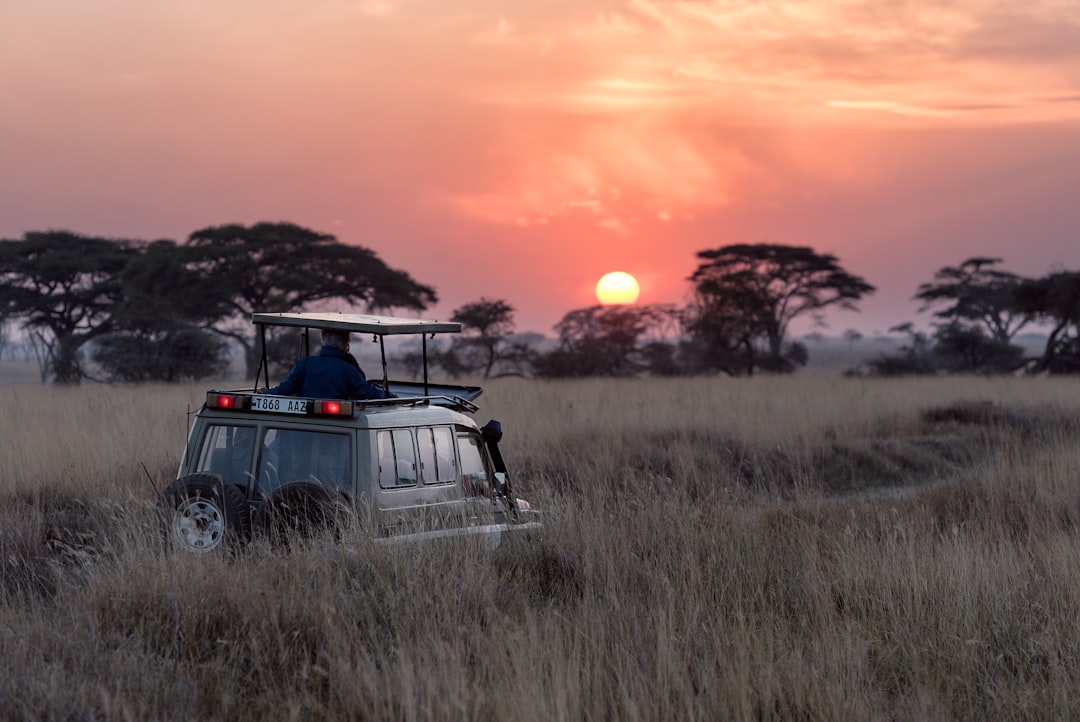
South Africa allows self-drive safaris in many parks—you rent a car ($30-$60 daily) and explore at your own pace. Tanzania requires licensed guides and doesn't permit independent self-driving in national parks. This makes South Africa more flexible and affordable for independent travelers. If you want the Great Migration, you'll need a Tanzania guide; for the Big Five, South Africa's self-drive option saves money and time.
Which safari destination has better reviews for wildlife photography?
Both destinations excel for wildlife photography. Tanzania offers dramatic Great Migration moments and massive herds during peak season. South Africa provides year-round Big Five sightings, predator action, and diverse species in smaller, more manageable parks. Photography guides in both countries are excellent. For migration drama, choose Tanzania (July-September). For consistent Big Five photography year-round, choose South Africa. Compare Tanzania safari companies with the best wildlife photography reviews on SafariFind to find specialized operators.
How do I book a safari in Tanzania or South Africa for 2026?
Book through verified tour operators on SafariFind to compare prices, read authentic reviews, and request quotes. Most operators offer online booking with payment plans. For Tanzania, book 3-6 months ahead to secure better rates and internal flight availability. For South Africa, you can book with lodges directly or through SafariFind. Request quotes specifying your budget, dates, group size, and interests (Great Migration, Big Five, self-drive, etc.). SafariFind shows real prices and verified traveler reviews to help you choose the right operator.
Conclusion
Tanzania and South Africa offer distinct safari experiences at different price points. Tanzania excels for the Great Migration spectacle but costs significantly more due to internal flights and park fees. South Africa provides better overall value, year-round wildlife viewing, and more flexibility through self-drive options .
In 2026, expect to spend $1,400-$12,000+ for a 7-day Tanzania safari or $840-$7,000+ for an equivalent South Africa experience. Tanzania suits travelers seeking the Great Migration (July-September) and willing to pay premium prices. South Africa suits budget-conscious travelers, families, and anyone wanting year-round safari options without malaria concerns.
The best choice depends on your budget, timeline, and safari dreams. If you have 2-3 weeks, consider combining both destinations. If budget is tight, choose South Africa. If witnessing 1.5 million wildebeest crossing the Mara River is your dream, Tanzania is worth the investment.
Ready to book your African adventure? Compare verified safari packages from trusted operators on SafariFind and get quotes today. Read authentic reviews from 500+ travelers who've taken these safaris in 2026 to make your final decision with confidence.
Plan Your Safari with SafariFind
These recommendations use real data from SafariFind, where you can compare operators, browse packages, and read verified traveler reviews before you book.
Recommended Safari Operators from SafariFind
Recommended Safari Packages from SafariFind
What Travelers Say (SafariFind Reviews)
References
- Tanzania Safari Cost Breakdown 2026: A Complete Price Guide
- South Africa vs Tanzania Safari: Which Wins? (2026)
- Tanzania Safari Cost 2026 - Everything You Need to Know!
- Tanzania Wildlife Safari: the Northern Circuit
- Tanzania Safari Cost: How Much Should You Budget?
- Tanzania vs South Africa Safari: Costs, Wildlife & Best Choice
- Tanzania Vs South Africa Big Five Safari — Guided Game Drive
- Tanzania VS South Africa Safaris: Exploring The Best Of African Wildlife
Sources
- Tanzania Safari Cost Breakdown 2026: A Complete Price Guide
- South Africa vs Tanzania Safari: Which Wins? (2026)
- Tanzania Safari Cost 2026 - Everything You Need to Know!
- Tanzania Wildlife Safari: the Northern Circuit
- Tanzania Safari Cost: How Much Should You Budget?
- Tanzania vs South Africa Safari: Costs, Wildlife & Best Choice
- Tanzania Vs South Africa Big Five Safari — Guided Game Drive
- Tanzania VS South Africa Safaris: Exploring The Best Of African Wildlife
Related to
Ready to start your safari adventure?
Explore curated safari packages and find your perfect African adventure with verified operators.