Tanzania Safari Packing List: What to Bring on a 10-Day Trip
Complete Tanzania safari packing list for 10-day trips. Clothing, gear, sun protection, and health essentials. Book verified operators on SafariFind.
Tanzania Safari Packing List: What to Bring
Last updated: July 2026
A 10-day Tanzania safari packing list should include lightweight, breathable clothing in neutral colors, insect repellent, sun protection, and a soft-sided duffel bag. Pack long sleeves and pants to prevent mosquito bites, plus binoculars and a camera. Book your safari through verified operators on SafariFind to compare packages and get expert packing tips from experienced guides.
At a Glance
- Essential luggage: Soft-sided duffel bag or backpack (no hard shells)
- Clothing colors: Neutral beige, khaki, and tan (avoid bright colors)
- Best for: First-time safari travelers, wildlife photographers, adventure seekers
- Key items: Long sleeves, wide-brimmed hat, high SPF sunscreen, binoculars
- Must-haves: Insect repellent, lightweight jacket, comfortable hiking boots
- Packing tip: Use packing cubes to organize and maximize luggage space
What Is a Tanzania Safari Packing List?
A Tanzania safari packing list is a complete guide to what you should bring on a 10-day safari trip through Tanzania. It covers clothing, gear, medications, and accessories you need for comfort and safety. The list accounts for Tanzania's hot days, cool mornings, and unpredictable weather.
Packing right makes your safari experience better. You'll stay comfortable in the safari vehicle, protect yourself from insects and sun, and have room for souvenirs. Most travelers make packing mistakes that cost them money or comfort. A solid packing list prevents these problems.
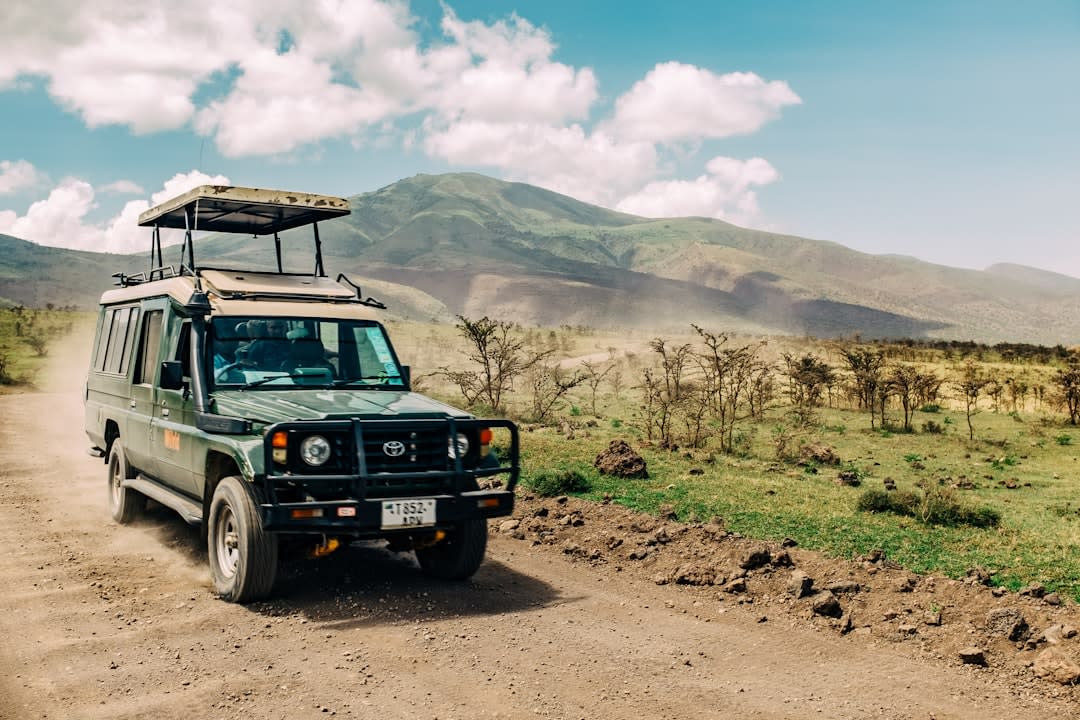
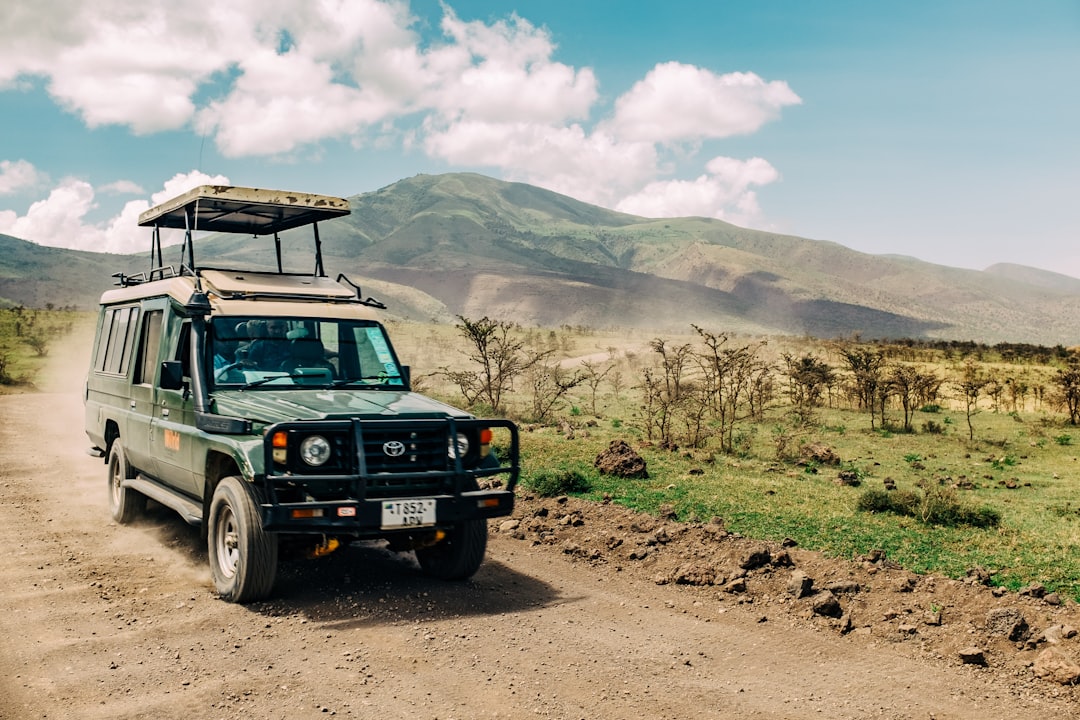
Tanzania safaris include time in Tarangire National Park, Ngorongoro Crater, and the Serengeti. You'll spend hours in open-sided vehicles watching wildlife. The terrain ranges from dry savanna to highland forests. Your packing list must handle these varied conditions.
Why Packing Matters for Tanzania Safaris
Proper packing directly affects your safari enjoyment. Wrong clothing choices mean you'll be too hot, too cold, or too visible to wildlife. Poor luggage selection creates problems at the airport and on rough safari roads. Missing essentials like sunscreen or insect repellent leads to painful burns or illness.
Tanzania's climate varies by region and season. Daytime temperatures hit 85°F to 95°F in summer months. Early mornings and evenings drop to 50°F to 60°F, especially at higher elevations. Rainy seasons bring sudden downpours. Your packing list must prepare you for all these conditions.
SafariFind connects you with experienced tour operators who know exactly what works. When you explore safari packages on SafariFind, you'll find detailed packing guides from operators who've taken thousands of travelers through Tanzania. Their real-world experience helps you avoid common mistakes.
Essential Clothing for a 10-Day Tanzania Safari
Your clothing choices make or break a Tanzania safari. Pack lightweight, breathable fabrics that dry quickly. Choose neutral colors that blend with the landscape and don't attract insects. Avoid dark colors and bright patterns that stand out to wildlife.
Daily Safari Wear
Start with two khaki long-sleeve shirts made from cotton or moisture-wicking fabric. Long sleeves protect your arms from sun and insect bites. Pack one short-sleeve casual shirt for evenings at the lodge. Include two pairs of khaki smart-casual trousers or chinos that let you move freely in the vehicle.
Bring two pairs of safari shorts in tan or beige for hot afternoons. Choose shorts with deep pockets for binoculars, camera batteries, and sunscreen. Pack one lightweight wind breaker or fleece jacket for early morning game drives when temperatures drop. This jacket is essential for Serengeti mornings.
Include one safari multi-pocket vest if you're a photographer. The vest keeps your camera, lenses, and accessories organized and within reach. It's especially useful during long game drives when you need quick access to equipment.
Footwear and Accessories
Comfortable hiking boots are non-negotiable for Tanzania safaris. Choose waterproof boots with good ankle support and grippy soles. You'll walk on rocky terrain, through river crossings, and across uneven ground. Break in your boots before your trip. Pack one pair of lightweight walking shoes as a backup.
Bring slip-on sandals or flip-flops for your lodge room and evening walks. Pack warm socks for cool mornings—at least three pairs. Include a wide-brimmed hat with at least 3-inch brim for sun protection. A hat with a neck flap offers extra protection during long game drives.
Add a lightweight swimsuit for lodge pools and river crossings. Pack undergarments for 5 days and plan to wash clothes mid-trip at your lodge. Most accommodations offer laundry service for reasonable fees. This reduces luggage weight significantly.
Color Strategy for Wildlife Viewing
Neutral colors are critical for safari success. Stick to beige, khaki, tan, and light brown tones. These colors blend with the landscape and keep wildlife calm. Avoid white (too bright), black (absorbs heat), and bright colors like red, orange, or neon yellow.
Even your hat and shoes should match this neutral palette. Safari guides will remind you about colors, but starting with the right wardrobe prevents confusion. Most experienced travelers buy dedicated safari clothing sets that coordinate perfectly.
Luggage and Packing Organization
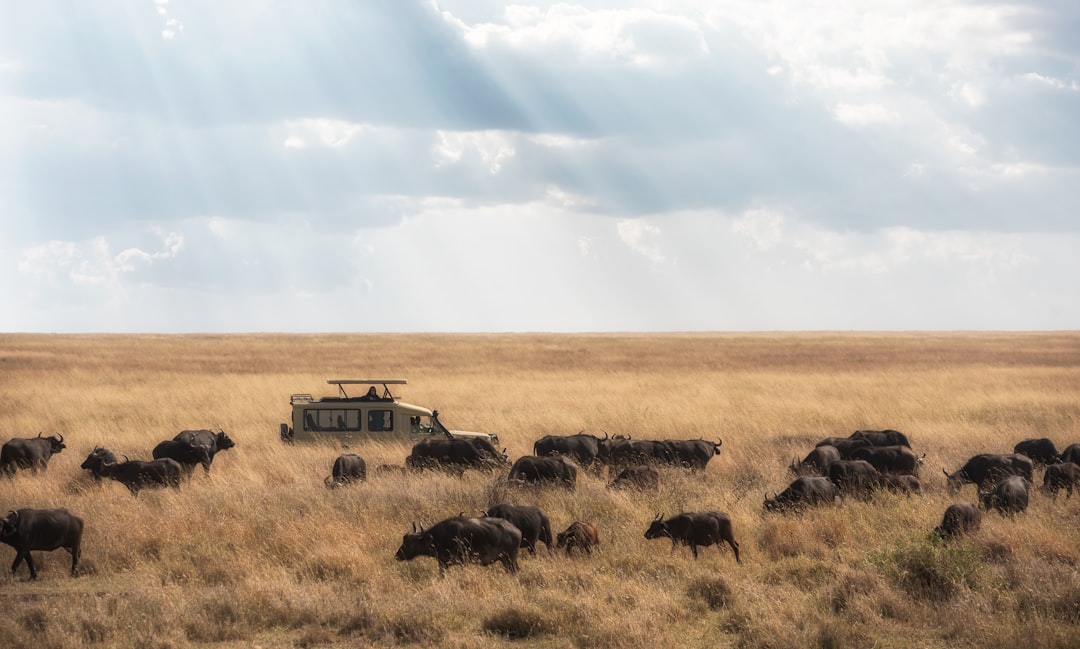
Choose soft-sided luggage for Tanzania safaris—never hard-shell suitcases. Soft duffel bags fit better in safari vehicles and are easier to pack on roof racks. Hard-shell cases damage on rough roads and take up too much space. Use a soft-sided duffel bag or backpack as your main luggage piece.
Luggage Specifications
Your main bag should hold 40-50 liters of gear for a 10-day trip. Check your airline's weight limits—most allow 50 pounds per checked bag. Keep your total luggage weight under 30 pounds if possible. Safari vehicles have limited space, and lighter bags are easier to handle.
Bring a small day pack (15-20 liters) for game drives. Store your camera, binoculars, sunscreen, water bottle, and snacks in this pack. You'll keep it with you in the safari vehicle all day. A comfortable day pack prevents strain during long drives.
Use packing cubes to organize your main bag. Packing cubes compress clothing and make it easy to find items without unpacking everything. Separate cubes for tops, bottoms, underwear, and accessories save time at each lodge. Roll clothes instead of folding them to save space.
What NOT to Pack
Avoid plastic bags at all costs. They make noise in the safari vehicle and spook wildlife. Use cloth bags or packing cubes instead. Don't pack heavy books or electronics you won't use—every pound counts on small aircraft to remote lodges.
Skip excess toiletries. Most lodges provide soap and shampoo. Bring travel-sized versions of essentials. Don't pack formal clothing—safaris are casual. Leave jewelry at home except a simple watch. Valuable items create security risks and take up space.
Sun Protection and Health Essentials
Tanzania's equatorial sun is intense and unforgiving. You'll spend 6-8 hours daily in an open-sided safari vehicle with minimal shade. Sun protection is not optional—it's essential for health and comfort.
Sunscreen and Sun Protection
Pack high-SPF sunscreen (SPF 50+) in a large bottle—at least 4 ounces for 10 days. Reapply every two hours, especially after sweating or drinking water. Use sunscreen on your face, neck, ears, and the tops of your feet. These areas burn quickly during game drives.
Bring a lightweight long-sleeve shirt specifically for sun protection. Many outdoor brands make UPF-rated shirts that feel cool but protect your skin. Wear this shirt over your regular safari shirt during midday drives when UV rays peak.
Include a wide-brimmed hat with neck protection and sunglasses with UV protection. Sunglasses reduce glare off the savanna and protect your eyes. Choose sunglasses that wrap around to block side light. Your eyes are as vulnerable to sun damage as your skin.
Medications and First Aid
Bring any prescription medications in original bottles with labels. Pack enough for your entire trip plus extra in case of delays. Include over-the-counter medications for common issues: pain relievers, anti-diarrhea medicine, antacids, and antihistamines for allergic reactions.
Pack a small first-aid kit with adhesive bandages, antibiotic ointment, blister treatment, and pain relief cream. Include tweezers for splinters and a small knife for medical tape. Most safari injuries are minor—blisters, small cuts, and insect bites. A basic kit handles these issues.
Bring insect repellent with at least 30% DEET for mosquito protection. Malaria is present in Tanzania, and your guide will recommend antimalarial medication. Consult your doctor before travel about malaria prevention. Apply insect repellent to exposed skin every 4-6 hours, especially at dawn and dusk.
Recommended Vaccinations for Tanzania
The CDC recommends several vaccinations before traveling to Tanzania. Yellow fever vaccination is strongly recommended—some lodges require proof of vaccination. Typhoid, hepatitis A, and tetanus boosters are also advised. Consult your doctor 4-6 weeks before travel to complete vaccinations.
Visit SafariFind's guide to Tanzania safari vaccinations for a complete US citizen checklist. The guide includes recommended immunizations, malaria prevention options, and health documentation you'll need.
Camera Equipment and Binoculars
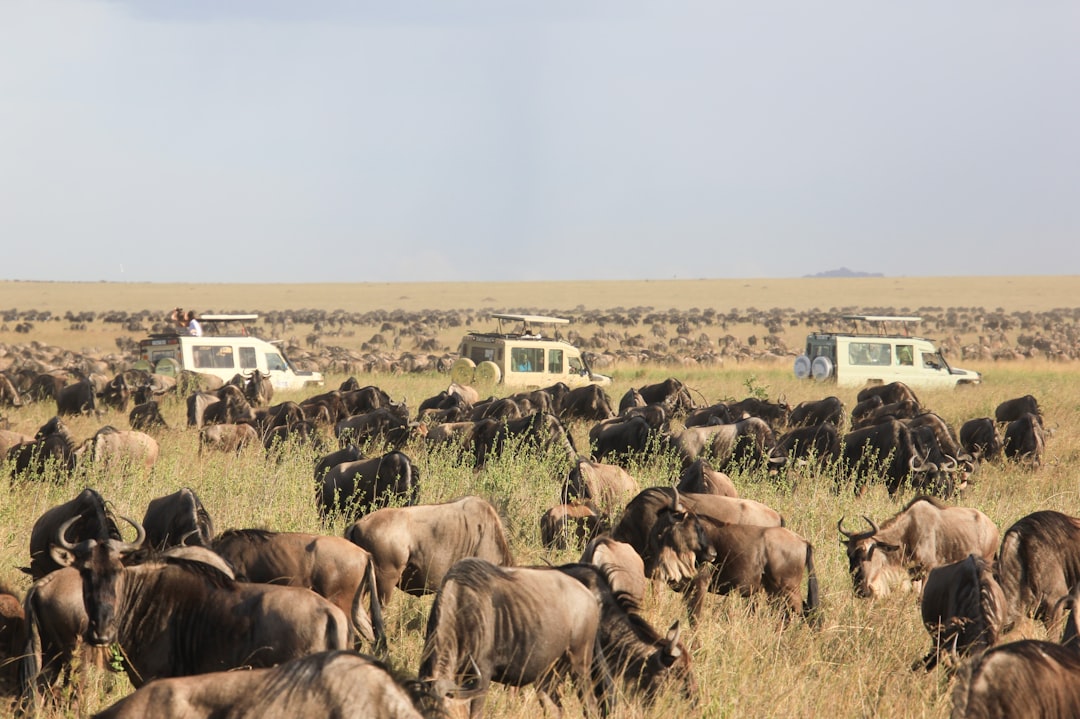
Most Tanzania safari travelers bring cameras to capture wildlife photos. Pack your camera and lenses in a protective day pack you keep with you during drives. Never store camera equipment in checked luggage—it could be lost or damaged.
Camera Gear Essentials
Bring extra camera batteries and a portable charger. Most lodges have electricity, but charging ports are limited. Pack at least 4-6 extra batteries if you take hundreds of photos daily. Memory cards fill quickly on a 10-day trip—bring multiple cards with high storage capacity.
Include a lens cleaning kit with soft cloths and cleaning solution. Dust and sand are unavoidable on safari. A microfiber cloth removes dust without scratching lenses. Clean your lenses daily to maintain image quality.
A camera rain cover protects equipment during unexpected downpours. Pack one even if rain isn't forecast—the Serengeti's weather changes rapidly. A simple rain sleeve weighs almost nothing and prevents expensive water damage.
Binoculars for Wildlife Viewing
Binoculars are essential for spotting distant wildlife. Your guide will point out animals, but binoculars let you see details your naked eye misses. Choose 8x42 or 10x42 binoculars—these magnifications balance power with stability in a moving vehicle.
Pack binoculars in your day pack where you can reach them quickly. Use a neck strap so you don't drop them during wildlife encounters. Bring lens caps and a cleaning cloth. Quality binoculars are expensive, so protect them carefully.
Toiletries and Personal Care Items
Most Tanzania lodges provide basic toiletries, but packing your preferred brands ensures comfort. Bring travel-sized versions to save luggage space. Your skin may react to unfamiliar products, so familiar toiletries prevent problems.
Essential Toiletries
Pack your regular toothbrush, toothpaste, and dental floss. Include any prescription creams or medications for skin conditions. Bring deodorant—safari days are hot and active. Pack feminine hygiene products if needed; availability in remote areas is limited.
Include a small bar of soap or body wash. While lodges provide soap, your preferred brand feels better on sun-exposed skin. Pack shampoo and conditioner in travel sizes. Dry savanna air affects hair, so good conditioner helps.
Bring moisturizer for your face and body. Tanzania's dry climate and intense sun damage skin quickly. A good moisturizer with SPF protects and hydrates. Pack lip balm with SPF to prevent painful chapped lips.
Hair and Grooming
Pack a small hairbrush or comb. Dust and wind tangle hair during game drives. A brush keeps you feeling fresh at lodge dinners. Include hair ties if you have long hair—they're useful for keeping hair out of your face during drives.
Bring a small mirror for grooming and checking for ticks after bush walks. Bring nail clippers for emergency repairs. Pack razors or shaving cream if you shave regularly—razor availability is limited in remote areas.
Include any specialty grooming items you use daily. Packing familiar products prevents stress and keeps you comfortable during your safari adventure.
Additional Gear and Accessories
Beyond clothing and toiletries, several accessories enhance your Tanzania safari experience. These items may seem small, but they significantly improve comfort and safety during your 10-day trip.
Technology and Power
Bring a universal power adapter for Tanzania's outlets (Type G: three rectangular prongs). Pack a portable power bank to charge phones and cameras. Most lodges have limited charging outlets, and a power bank keeps devices charged between accommodations.
Include a headlamp or small flashlight for nighttime lodge walks. Tanzania safaris include evening game drives when it gets dark. A headlamp lets you navigate safely without disturbing other guests. Pack extra batteries—darkness falls quickly on the equator.
Documents and Valuables
Carry your passport, travel insurance documents, and vaccination records in a waterproof pouch. Keep these documents on you during flights and transfers. Store copies of important documents separately from originals.
Bring credit cards and some US dollars in cash. Remote lodges may not accept cards, so cash is essential. ATMs are rare in safari areas, so withdraw money before your trip. Notify your bank of travel dates to prevent card blocks.
Miscellaneous Essentials
Pack a reusable water bottle to stay hydrated during long game drives. Most lodges refill bottles with filtered water. A water bottle saves money and reduces plastic waste. Choose an insulated bottle that keeps drinks cool in hot sun.
Bring tissues, wet wipes, and hand sanitizer for game drives. Bathrooms aren't always available during extended drives. Wet wipes freshen up before meals. Hand sanitizer prevents illness in remote areas with limited water access.
Include a small notebook and pen for recording wildlife sightings and lodge information. Many travelers keep safari journals to remember details. A notebook also helps you note guide names and lodge contacts for future trips.
Pack a small sewing kit with thread and needles for emergency repairs. Safaris involve rough terrain and unexpected wear on clothing. A basic sewing kit fixes tears and loose buttons quickly.
Packing Strategy for Different Tanzania Safari Regions
Tanzania's geography varies significantly between safari regions. Northern Tanzania safaris include Tarangire, Ngorongoro, and the Serengeti. Each region has different terrain, climate, and wildlife. Your packing strategy should account for these regional differences.
Serengeti and Northern Safari Circuit
The Serengeti is vast, flat, and exposed to intense sun and wind. Pack extra sunscreen and a windproof jacket for early morning drives. Dust is significant on Serengeti roads, so bring a dust mask or bandana for protection. The region is hot during the day but cool at night—your jacket is essential.
Bring binoculars for spotting distant wildlife across open plains. The Serengeti's landscape offers long sightlines, so good optics enhance your experience. Pack long sleeves and pants to protect from intense sun exposure during all-day game drives.
Ngorongoro Crater Region
Ngorongoro is at higher elevation (5,000-7,000 feet), so temperatures are cooler than the Serengeti. Pack a warm fleece or wool sweater for morning crater drives. Bring a light rain jacket—the crater receives more rainfall than surrounding areas. Bring long pants for these cooler elevations.
The crater floor is lush and green, attracting concentrated wildlife. Pack your best camera gear and binoculars. The crater's unique ecosystem means wildlife viewing is excellent, and you'll want quality equipment to capture the experience.
Tarangire National Park
Tarangire is known for its baobab trees and elephant concentrations. Pack neutral-colored clothing that blends with the park's golden landscape. Bring extra water—Tarangire is drier than the Serengeti. The park's scattered trees provide some shade, but sun protection remains essential.
Tarangire features rocky, uneven terrain. Wear sturdy hiking boots with good ankle support. The park's terrain is rougher than the Serengeti's plains, so proper footwear prevents injuries during walking safaris.
Learn more about regional differences in SafariFind's complete Tanzania safari guide. The guide covers best times to visit each region, wildlife patterns, and packing recommendations specific to your safari circuit.
Packing Tips to Maximize Space and Comfort
Smart packing strategies let you bring everything you need without overpacking. These tips help you organize efficiently and stay comfortable throughout your 10-day safari.
Rolling vs. Folding
Roll clothes instead of folding them. Rolling compresses fabric and saves space significantly. Start with heavy items like jeans at the bottom of your duffel, then roll lighter items on top. This method prevents wrinkles and maximizes packing efficiency.
Packing Cube Organization
Use packing cubes to separate categories: tops, bottoms, underwear, and socks. Label each cube so you find items without unpacking everything. Packing cubes compress clothes and create organization that makes daily packing easier at each lodge.
Wear Bulky Items
Wear your hiking boots and heaviest jacket on travel days instead of packing them. These items take significant luggage space. Wearing them during flights and transfers saves packing room for other essentials. You'll be comfortable during travel, and your luggage will be lighter.
Multi-Purpose Items
Choose clothing that works multiple ways. Your khaki shirt works for day game drives and evening lodge dinners. Your lightweight jacket works as a blanket on cool nights. Versatile clothing reduces total items needed.
Laundry Services
Use lodge laundry services mid-trip instead of packing 10 days of clothes. Most lodges offer same-day laundry service for reasonable fees. This strategy cuts luggage weight by 30-40% and lets you pack less.
What NOT to Forget Before You Leave Home
Some items are easy to forget but essential for Tanzania safaris. Check this list before you head to the airport to ensure you have everything.
Critical Items
Don't forget your passport and travel documents. Check that your passport has at least 6 months validity beyond your travel dates. Tanzania requires this for entry. Verify your visa status if required and confirm your vaccinations are current.
Pack your travel insurance documents and policy numbers. Store these separately from your passport. International travel insurance is essential for medical emergencies and trip cancellations. Keep contact information for your insurance company easily accessible.
Bring copies of important documents stored separately from originals. Include copies of your passport identification page, travel insurance policy, and credit card information. Digital copies stored in email or cloud storage provide backup access.
Often-Forgotten Items
Don't forget medications in original bottles with your name and prescription details. TSA requires prescription medications to be in original containers. Pack more than you think you'll need in case of trip extensions or delays.
Remember your eyeglasses or contact lenses if needed. Pack backup glasses and extra contact lens solution. Losing your only pair of glasses ruins your safari experience. Include a prescription copy so you can get replacements if needed.
Pack any special dietary items you need. Remote lodges may not accommodate specific diets. Bring protein bars, nuts, or other preferred snacks. Most lodges offer excellent meals, but having backup snacks provides peace of mind.
Don't forget to arrange pet care and home security before you leave. Have someone water your plants and check on your home. Stop mail delivery or ask someone to collect it. These details prevent stress while you're enjoying your safari.
Packing for Combined Tanzania and Zanzibar Trips
Many travelers combine Tanzania safari with a beach vacation on Zanzibar. Your packing strategy changes when you add beach time to your itinerary. You'll need different clothing for beach relaxation than for safari game drives.
Adding Beach Essentials
Pack additional swimsuits—at least two so one dries while you wear the other. Include a lightweight cover-up for beach walks and meals. Pack a beach towel or quick-dry towel that takes minimal luggage space.
Bring reef-safe sunscreen for ocean swimming. Regular sunscreen damages coral reefs. Use sunscreen with zinc oxide or titanium dioxide instead of oxybenzone. Reef-safe sunscreen protects marine ecosystems while protecting your skin.
Pack lightweight beach clothing: shorts, t-shirts, and sundresses. Beach wear differs from safari wear, so bring additional items. Neutral colors still work on the beach, but beach towns are more casual about bright colors.
Managing Two Different Dress Codes
Separate your luggage into safari and beach sections. Keep safari clothing accessible during your safari portion, then switch to beach wear in Zanzibar. Some lodges can store luggage while you're on safari, so you don't carry everything at once.
Zanzibar is warmer and more humid than northern Tanzania. Pack lightweight, breathable clothing that handles moisture. Cotton and moisture-wicking fabrics work better in coastal humidity than in the savanna.
Learn more about combined trips in SafariFind's guide to Tanzania safari and Zanzibar packages. The guide covers 7-day combined itineraries with packing advice for both regions.
Key Takeaways
- Choose soft-sided duffel bags instead of hard luggage—they fit better in safari vehicles and handle rough roads without damage.
- Pack neutral beige and khaki colors exclusively to blend with the landscape and avoid spooking wildlife during game drives.
- Bring high-SPF sunscreen (50+) in large quantities and reapply every two hours—equatorial sun burns skin quickly in open safari vehicles.
- Use packing cubes to organize clothing by category and save 30-40% luggage space while keeping items easily accessible at each lodge.
- Book your Tanzania safari through verified operators on SafariFind to receive detailed packing guides based on your specific safari region and season.
Frequently Asked Questions
What are the recommended vaccinations for a Tanzania trip?
The CDC recommends yellow fever, typhoid, hepatitis A, and tetanus vaccinations before traveling to Tanzania. Yellow fever vaccination is strongly advised—some lodges require proof of vaccination. Malaria prevention medication is also recommended. Consult your doctor 4-6 weeks before travel to complete all necessary vaccinations and receive malaria prevention options tailored to your health history.
How much luggage can I bring on a 10-day Tanzania safari?
Most airlines allow one 50-pound checked bag plus a carry-on. For Tanzania safaris, aim to keep your main duffel under 30 pounds if possible. Safari vehicles have limited space, and lighter bags are easier to handle on rough roads. Use packing cubes and roll clothes to maximize space. Many travelers use lodge laundry services mid-trip to reduce luggage weight significantly.
What colors should I wear on a Tanzania safari?
Wear neutral colors exclusively: beige, khaki, tan, and light brown tones. These colors blend with the landscape and keep wildlife calm and visible. Avoid white (too bright), black (absorbs heat), and bright colors like red, orange, or yellow. Even your hat and shoes should match this neutral palette for best wildlife viewing results.
Do I need binoculars for a Tanzania safari?
Yes, binoculars are essential for spotting distant wildlife and seeing details your naked eye misses. Choose 8x42 or 10x42 binoculars that balance magnification with stability in a moving vehicle. Your guide will point out animals, but quality binoculars let you observe behavior and details from greater distances.
Can I bring my camera equipment on a Tanzania safari flight?
Yes, bring cameras and lenses in your carry-on bag, never in checked luggage. Checked baggage can be lost or damaged, ruining expensive equipment. Pack your camera, lenses, batteries, and memory cards in a protective day pack you keep with you. Include a portable charger for batteries and a lens cleaning kit for dust management.
What insect repellent should I pack for Tanzania safaris?
Pack insect repellent with at least 30% DEET for mosquito protection. Malaria is present in Tanzania, so mosquito protection is critical. Apply repellent to exposed skin every 4-6 hours, especially at dawn and dusk when mosquitoes are most active. Combine insect repellent with antimalarial medication recommended by your doctor for complete protection.
How do I find verified safari operators who provide packing advice?
SafariFind connects travelers with verified tour operators who provide detailed packing guidance. Browse safari packages on SafariFind, read authentic reviews from previous travelers, and request quotes from operators specializing in your preferred regions. Experienced operators offer region-specific packing tips and can answer questions before your trip begins.
Conclusion
Packing correctly transforms your Tanzania safari from stressful to enjoyable. A comprehensive packing list ensures you have essential items for comfort, safety, and wildlife viewing. Start with soft-sided luggage, neutral colors, and sun protection essentials. Add camera gear, binoculars, and toiletries tailored to your needs. Use packing cubes and rolling techniques to maximize space while keeping luggage light.
Your packing strategy should reflect your specific safari itinerary. Northern Tanzania safaris in the Serengeti require different gear than Ngorongoro crater drives or beach time in Zanzibar. Research your specific destinations and adjust your packing list accordingly.
When you book through verified operators on SafariFind, you gain access to experienced guides who've helped thousands of travelers pack successfully. Compare Tanzania safari packages on SafariFind to find operators offering comprehensive packing guides and pre-trip support. Read authentic reviews from previous travelers to learn what worked for others. Request quotes from multiple operators to compare packages, prices, and services.
Your 10-day Tanzania safari is an investment in unforgettable memories. Smart packing ensures you're comfortable, protected, and ready to experience wildlife wonders. Start your packing preparation today and book your safari through SafariFind for expert guidance every step of the way. As of 2026, verified operators on SafariFind offer detailed support to make your safari planning seamless and your trip extraordinary.
Plan Your Safari with SafariFind
These recommendations use real data from SafariFind, where you can compare operators, browse packages, and read verified traveler reviews before you book.
Recommended Safari Operators from SafariFind
Recommended Safari Packages from SafariFind
What Travelers Say (SafariFind Reviews)
References
- What to Pack for Safari, According to the Experts | Condé Nast Traveler
- Tanzania Safari Packing Check List | What to pack on Safari in Tanzania & Kenya | Serengeti National Park
- What to Pack for Safari // The Ultimate Packing List | Janice Rohrssen
- Tanzania Safari Packing List for First-Time Travelers | African Scenic Safaris
Sources
Related to
Ready to start your safari adventure?
Explore curated safari packages and find your perfect African adventure with verified operators.