Tanzania Safari & Zanzibar Packages: 7-Day Itineraries + Pricing 2026
7-day Tanzania safari and Zanzibar packages cost $3,150–$4,550 per person in 2026. Book July–October for the Great Migration. Compare verified operators on SafariFind.

Tanzania Safari & Zanzibar: 7-Day Packages 2026
Last updated: July 2026
A 7-day Tanzania safari and Zanzibar package costs $3,150–$4,550 per person for mid-range options in 2026. The best time to visit is July through October for prime wildlife viewing during the Great Migration. Book through verified operators on SafariFind to compare packages, read authentic reviews, and request custom quotes.
At a Glance
- Cost: $3,150–$4,550 per person (mid-range); $550–$1,050 per day (luxury)
- Best time to visit: July–October (Great Migration); January–February (calving season)
- Duration: 7–10 days recommended for Northern Circuit plus Zanzibar
- Getting there: Fly into Kilimanjaro International Airport (KIA) or Arusha Airport
- Best for: Wildlife photographers, first-time safari-goers, beach lovers seeking combined experiences
- Wildlife highlights: Serengeti, Ngorongoro Crater, Tarangire, Zanzibar beaches and Stone Town culture
What Are Tanzania Safari & Zanzibar Packages?
Tanzania safari and Zanzibar packages combine East Africa's premier wildlife experiences with tropical island relaxation. A typical 7-day itinerary includes 4–5 days exploring the Northern Circuit (Serengeti, Ngorongoro, Tarangire) and 2–3 days on Zanzibar's white-sand beaches. This combination lets you experience Africa's most iconic wildlife destinations and then unwind on pristine Indian Ocean shores.
These packages appeal to travelers seeking both adventure and relaxation in one trip. You get the thrill of seeing the Big Five animals, witnessing the Great Migration, and exploring diverse ecosystems—then transition to snorkeling, cultural tours in Stone Town, and beachside dining. Most operators include flights between Tanzania mainland and Zanzibar in their pricing.
Why Combine Safari and Zanzibar?
The Northern Tanzania safari circuit is compact and efficient. You can complete quality wildlife viewing in 5 days, leaving time for island exploration without feeling rushed. Zanzibar adds cultural depth: you'll visit historic Stone Town with its narrow streets and spice markets, snorkel coral reefs, and relax on world-class beaches.
Combining both destinations maximizes your Africa experience. Safari fatigue is real—after intense wildlife drives, Zanzibar's slower pace feels refreshing. The contrast between savanna and sea creates a memorable, well-rounded vacation. Most travelers report this combination exceeds expectations compared to single-destination trips.
Ready to explore verified safari operators? Browse 7-day Tanzania safari and Zanzibar packages on SafariFind to compare pricing, read guest reviews, and find the perfect operator for your style.
Key Components of a 7-Day Package
- Accommodation: Mid-range lodges ($150–$250/night) or luxury camps ($400–$800/night)
- Meals: Usually included; breakfast, lunch, dinner at lodges and on game drives
- Guides: Experienced naturalists fluent in English, French, or German
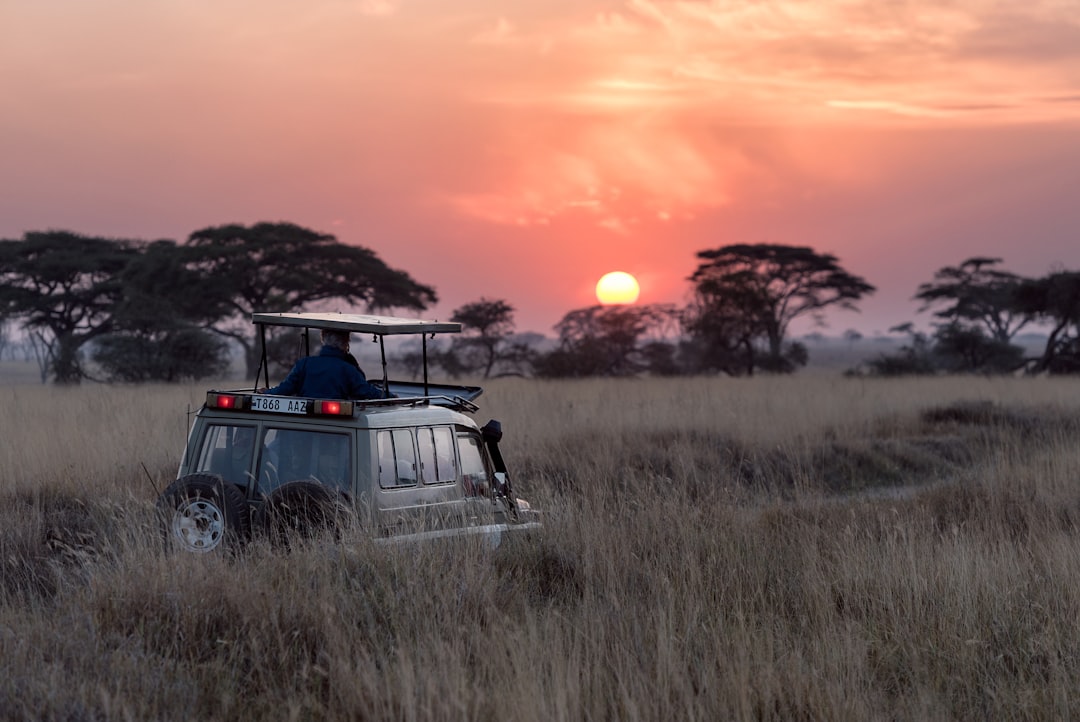
- Vehicles: 4x4 safari vans with pop-up roofs for photography
- Internal flights: Cessna flights between Serengeti, Tarangire, and Zanzibar (included or optional)
- Activities: Game drives, walking safaris, Zanzibar tours, snorkeling, beach time
7-Day Tanzania Safari Itinerary Breakdown
A standard 7-day Tanzania safari and Zanzibar itinerary spans the Northern Circuit's top parks in 4–5 days, then transitions to Zanzibar for beach relaxation. This timeframe balances wildlife immersion with island leisure without feeling rushed. Most travelers complete the Serengeti, Ngorongoro, and Tarangire in this window, then enjoy 2–3 days on Zanzibar's beaches and cultural sites.
Days 1–2: Arrival and Tarangire National Park
You'll arrive at Kilimanjaro International Airport (KIA) near Arusha. Your operator arranges pickup and a scenic 2-hour drive to your lodge. Day 1 is usually a rest day with an optional evening game drive. Day 2 focuses on Tarangire National Park, famous for massive elephant herds and baobab trees. Expect to see 300+ elephants, lions, zebras, and giraffes during morning and afternoon drives.
Tarangire National Park covers 2,850 square kilometers and is less crowded than the Serengeti. The Tarangire River attracts wildlife during dry seasons (June–October), making it ideal for concentrated sightings. Your guide will explain animal behavior and ecology while you photograph from the open-roof vehicle.
Days 3–4: Serengeti National Park
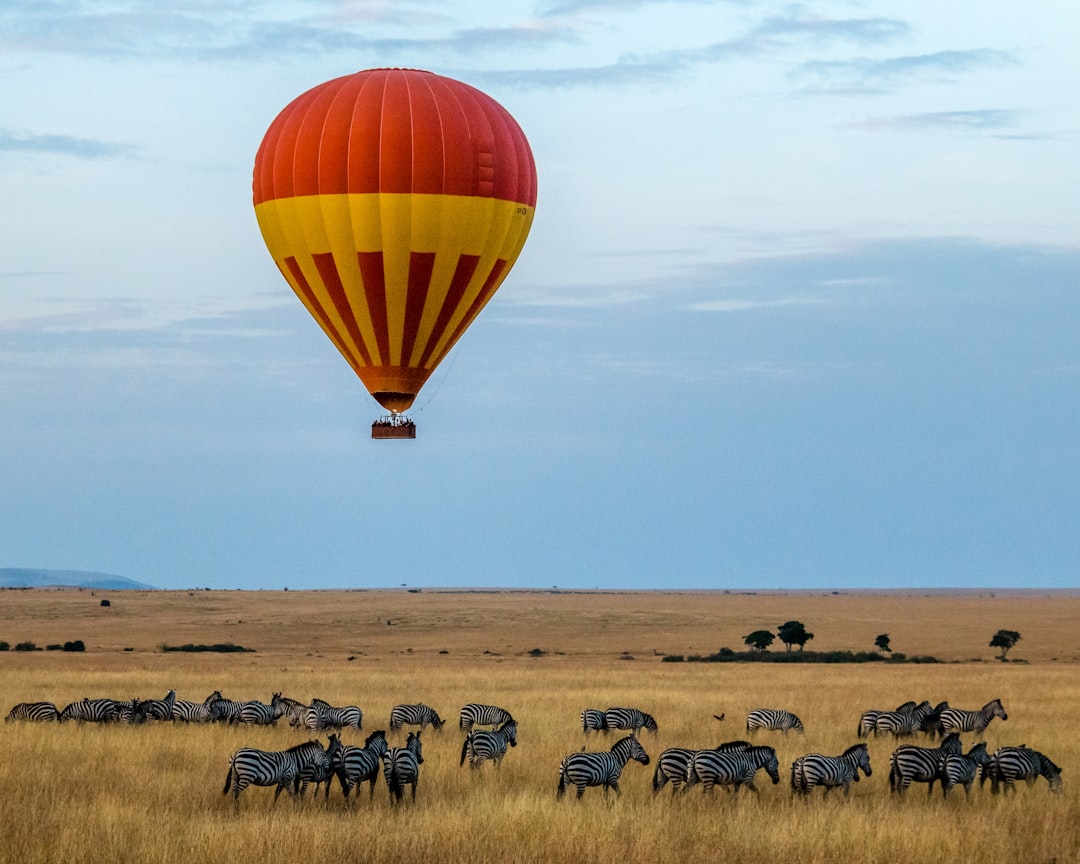
The Serengeti National Park is East Africa's crown jewel, spanning 14,750 square kilometers across northern Tanzania. You'll spend two full days here with morning and afternoon game drives. During July–October, you'll witness the Great Migration—1.5 million wildebeest, zebras, and gazelles moving across the landscape in search of fresh grass.
The Serengeti is known for its reliable Big Five sightings: lions, leopards, African buffalo, African elephants, and rhinoceros. Your guide will track predators and herbivores, sharing insights into survival strategies and ecosystem dynamics. Many travelers report the Serengeti as the highlight of their African safari experience.
Wildlife photography enthusiasts should book a dedicated photography safari. Operators like those listed on SafariFind offer extended game drives timed for optimal light—early morning golden hour and late afternoon golden hour. Professional guides position vehicles for the best angles without disturbing animals.
Days 5–6: Ngorongoro Crater and Zanzibar Transition
Ngorongoro Crater is a UNESCO World Heritage Site and the world's largest intact volcanic caldera. You'll descend 600 meters into the crater floor, home to 25,000 large animals in an enclosed ecosystem. A full-day crater tour includes game viewing, visits to Maasai communities, and Olduvai Gorge (the "Cradle of Humankind").
After the crater, you'll fly to Zanzibar on a scheduled or chartered flight (1.5 hours). Your Zanzibar lodge is typically on the east coast near Paje or Nungwi, known for pristine beaches and water sports. You'll have the afternoon to settle in, swim, and relax after days of safari intensity.
Days 7–8: Zanzibar Beach and Cultural Exploration
Zanzibar offers white-sand beaches, coral reefs, and rich Swahili culture. Mid-range Zanzibar tours cost $300–$600 per person per day in 2026, depending on season and included activities . A typical day includes a guided tour of Stone Town (UNESCO site with narrow streets, markets, and historic buildings), afternoon beach time, and optional snorkeling or sunset dhow cruises.
Stone Town is the cultural heart of Zanzibar. You'll explore the Sultan's Palace, Old Fort, spice markets, and local restaurants. Many travelers book a spice farm tour to learn how cloves, nutmeg, cinnamon, and vanilla grow in Zanzibar's tropical climate. Evening dhow sails offer stunning sunset views and fresh seafood dinners.
For beach time, Nungwi Beach in the north offers calm waters ideal for swimming. Paje Beach on the east coast attracts kitesurfers and snorkelers. Most lodges offer snorkeling trips to nearby coral reefs where you'll see tropical fish, sea turtles, and reef sharks. A full-day Zanzibar excursion typically costs $80–$150 per person.
Pricing Breakdown: What You'll Pay in 2026
Tanzania safari and Zanzibar package pricing varies by accommodation level, season, and inclusions. A 7-day mid-range package costs $3,150–$4,550 per person in 2026. Luxury options start at $550–$1,050 per day per person, totaling $3,850–$7,350 for a 7-day trip [1, 2]. Ultra-luxury experiences command $1,200–$2,000+ daily.
Mid-Range Packages ($3,150–$4,550 per person)
Mid-range packages include 3-star lodges with private bathrooms, good meals, and experienced guides. Accommodations like Tarangire Sopa Lodge or Serengeti Seronera offer comfortable rooms, restaurant dining, and basic amenities. Mid-range lodges typically cost $150–$250 per night .
What's included: roundtrip international flights (often add $800–$1,200 extra), internal flights between parks, all meals, game drives, park entrance fees, and guide services. What's not included: travel insurance, visas, tips, alcohol, and personal expenses.
Mid-range suits first-time safari visitors and budget-conscious travelers. You get authentic wildlife experiences without luxury pricing. Most SafariFind operators offer mid-range options with strong reviews from travelers seeking value.
Luxury Packages ($550–$1,050 per day)
Luxury Tanzania safaris feature 4-star lodges and camps with premium amenities: private plunge pools, fine dining, spa services, and concierge support. Iconic properties like Four Seasons Safari Lodge offer unmatched comfort and service . Luxury accommodations cost $400–$800 per night, with some ultra-luxury tents reaching $1,200+.
Luxury packages include everything in mid-range plus: premium wines and spirits, private vehicle options, walking safaris with expert guides, and sometimes helicopter tours. Many luxury operators offer Zanzibar beachfront villas with private beaches and water sports included.
Luxury safaris appeal to travelers seeking exclusive experiences, photography-focused trips, and those celebrating special occasions (honeymoons, anniversaries). The personalized service and stunning settings justify premium pricing for many guests.
Budget-Friendly Tips
- Travel during shoulder season (April–May, November–December): Prices drop 15–25% compared to peak season (July–October)
- Book 3–6 months in advance: Early bookings often include 10–15% discounts
- Join group tours: Shared accommodations reduce per-person costs by 20–30%
- Fly on weekdays: Tuesday–Thursday flights are cheaper than weekend departures
- Combine with other travelers: Ask SafariFind operators about group departures for cost savings
Learn more about affordable Tanzania safari packages with flights included for 2026 to maximize your budget and find hidden savings.
Best Time to Visit Tanzania and Zanzibar
The best time for a Tanzania safari and Zanzibar package is July–October, when the Great Migration peaks and wildlife viewing is optimal. January–February offers excellent calving season viewing (baby animals), while November–December brings lush landscapes after rains. Zanzibar is warm year-round, though the driest months (July–October, December–February) are ideal for beach activities and snorkeling.
Peak Season: July–October
Peak season coincides with the Great Migration in the Serengeti. From July through October, 1.5 million wildebeest, zebras, and gazelles move north seeking fresh grazing lands. This creates dramatic river crossings at the Grumeti and Mara Rivers, where crocodiles hunt and predators feast. Wildlife concentration is highest during these months, nearly guaranteeing Big Five sightings.
Peak season drawbacks: higher prices (15–25% premium), crowded lodges, and more safari vehicles at popular viewing spots. July–August are the busiest months. September–October offer slightly fewer crowds with still-excellent wildlife viewing.
Shoulder Seasons: April–May, November–December
Shoulder seasons offer lower prices and fewer tourists without sacrificing wildlife viewing. April–May follows the long rains, leaving landscapes lush and green. November–December starts the dry season with comfortable temperatures and good wildlife visibility. Prices drop 15–25% during these periods, making them ideal for budget-conscious travelers.
Zanzibar's weather remains pleasant during shoulder seasons. April–May can be wet but refreshing, while November–December brings dry, warm days perfect for beach activities and water sports.
Calving Season: January–February
January–February is calving season in the Serengeti's southern plains. Hundreds of thousands of baby wildebeest, zebras, and gazelles are born, attracting predators. Wildlife concentration is extremely high, and you'll witness predator-prey interactions regularly. Zanzibar is warm and dry, ideal for beach relaxation after safari intensity.
Calving season is less crowded than peak migration season, with competitive pricing. Many photographers consider this the best time for action shots and behavioral observations.
Rainy Seasons: March–May, November (Avoid for Safari)
Long rains (March–May) and short rains (November) make some parks less accessible. Roads become muddy, and wildlife disperses across wider areas, reducing sighting frequency. However, landscapes are spectacularly green, bird watching is excellent, and prices are lowest. Serious safari enthusiasts might skip these periods, but adventurous travelers find value in the quieter experience.
Zanzibar remains beautiful during rains, though afternoon showers are common. Beach activities are still possible; just plan indoor activities (Stone Town tours, spice farms) for rainy afternoons.
How to Book Your Tanzania Safari & Zanzibar Package
Booking a Tanzania safari and Zanzibar package requires choosing an operator, selecting dates, and finalizing accommodations. The process typically takes 2–8 weeks from research to confirmation. SafariFind simplifies this by connecting you with verified tour operators, transparent pricing, and authentic guest reviews all in one platform.
Step 1: Research Operators on SafariFind
SafariFind lists verified Tanzania safari operators with ratings, review counts, and detailed package information. Browse operators by destination, price range, and travel style. Read guest reviews to understand what past travelers experienced. Look for operators with 4.5+ star ratings and 50+ reviews for proven reliability.
Key operator qualities to verify: years in business, professional certifications, included amenities, cancellation policies, and guest testimonials. SafariFind's review system ensures transparency—you see real feedback from real travelers, not marketing copy.
Step 2: Request Quotes from Multiple Operators
Contact 2–3 operators with your travel dates, budget, and preferences. Specify your accommodation level (mid-range vs. luxury), group size, and any special interests (photography, honeymoon, family travel). Request detailed itineraries showing daily activities, lodge names, meal inclusions, and exact pricing.
Compare quotes side-by-side. Check what's included (flights, meals, park fees, guide) versus what costs extra. Ask about seasonal discounts, group rates, and flexible booking policies. Most operators respond within 24 hours with custom proposals.
Request quotes from verified Tanzania safari operators on SafariFind and compare multiple options before committing.
Step 3: Verify Visa and Vaccination Requirements
US citizens need a Tanzanian tourist visa ($50–$100) and proof of yellow fever vaccination. The visa can be obtained on arrival or in advance through the Tanzanian embassy. Check current requirements before booking, as regulations change .
Recommended vaccinations include yellow fever (required for entry), malaria prophylaxis (consult your doctor), typhoid, and tetanus. Schedule vaccinations 4–6 weeks before travel. Review the complete US citizen visa and vaccination checklist for Tanzania safaris.
Step 4: Finalize Booking and Payment
Once you've selected an operator and package, you'll need to provide deposit (typically 25–50% of total cost) and complete booking forms. Most operators require 60 days notice for cancellations to refund deposits. Pay via bank transfer, credit card, or PayPal depending on the operator's options.
Request a detailed final itinerary 4 weeks before travel, including lodge contact information, flight times, guide names, and emergency numbers. Confirm all special requests (dietary restrictions, accessibility needs, photography setup) in writing.
Step 5: Prepare Travel Documents and Packing
Ensure your passport is valid for 6 months beyond your travel dates. Book travel insurance covering trip cancellation, medical emergencies, and evacuation. Pack appropriate safari clothing: neutral colors (khaki, green, brown) for wildlife viewing, sturdy hiking boots, binoculars, and sun protection.
Review detailed packing list essentials for a 10-day safari to ensure you have everything needed for comfort and wildlife photography.
Tanzania vs. Other Safari Destinations
Tanzania competes with Kenya, South Africa, and Botswana for safari tourism. Each destination offers unique wildlife, experiences, and price points. Tanzania stands out for the Great Migration, diverse ecosystems, and the combination of safari plus island relaxation (Zanzibar). Understanding these differences helps you choose the right destination for your goals and budget.
Tanzania vs. Kenya Safari
Tanzania and Kenya both feature the Northern Circuit and Great Migration. Kenya's Masai Mara is the migration's northern destination, while Tanzania's Serengeti is the southern base. Both are world-class wildlife destinations with comparable wildlife diversity.
Tanzania advantages: Larger Serengeti (14,750 sq km vs. Mara's 1,510 sq km), more affordable accommodations, Zanzibar island extension, fewer tourists in some parks. Kenya advantages: Easier accessibility from Nairobi, established luxury lodge network, diverse ecosystems beyond the Mara (Amboseli, Tsavo, Samburu).
Pricing: Tanzania mid-range safaris cost $3,150–$4,550 per person for 7 days. Kenya mid-range packages typically cost $3,500–$5,000 for comparable experiences. Compare Tanzania and Kenya safaris in detail to understand which offers better wildlife viewing for your style.
Tanzania vs. South Africa Safari
South Africa offers the Kruger National Park, one of Africa's largest protected areas. Kruger is excellent for Big Five viewing and self-driving safaris, with a well-developed infrastructure. However, Kruger's wildlife is more dispersed than the Serengeti's concentrated herds, requiring longer drives for sightings.
Tanzania advantages: Great Migration spectacle, Ngorongoro Crater's unique ecosystem, Zanzibar beach extension, more affordable overall. South Africa advantages: Kruger's size and reliability, established luxury lodge network, easier access from Johannesburg, more comfortable infrastructure for all-inclusive packages.
Tanzania suits travelers seeking dramatic wildlife events (migration, calving) and diverse experiences. South Africa suits those prioritizing comfort, self-drive flexibility, and established luxury.
Wildlife You'll See on a Tanzania Safari
Tanzania's Northern Circuit is home to over 430 bird species, 25,000+ large mammals, and countless smaller creatures. A 7-day safari almost guarantees Big Five sightings: lions, leopards, African buffalo, African elephants, and rhinoceros. You'll also see giraffes, zebras, wildebeest, hyenas, cheetahs, warthogs, and countless antelope species.
The Big Five and Other Predators
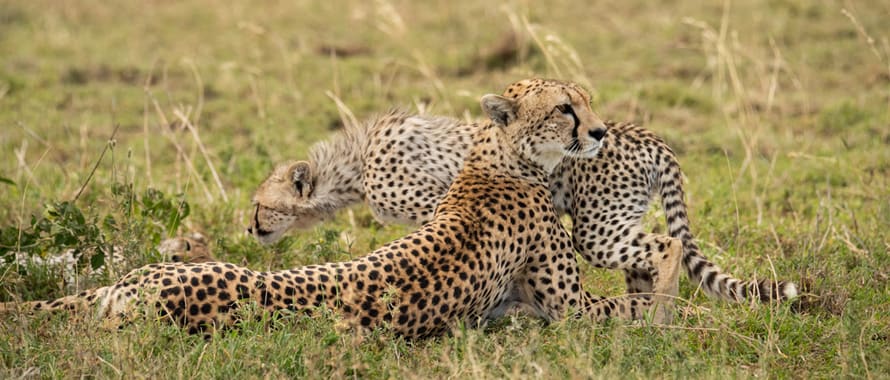
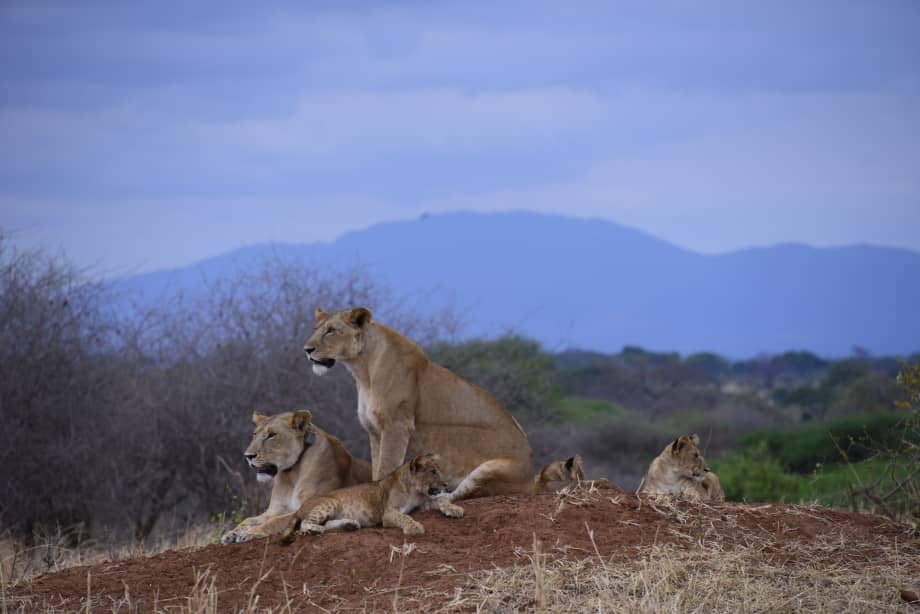
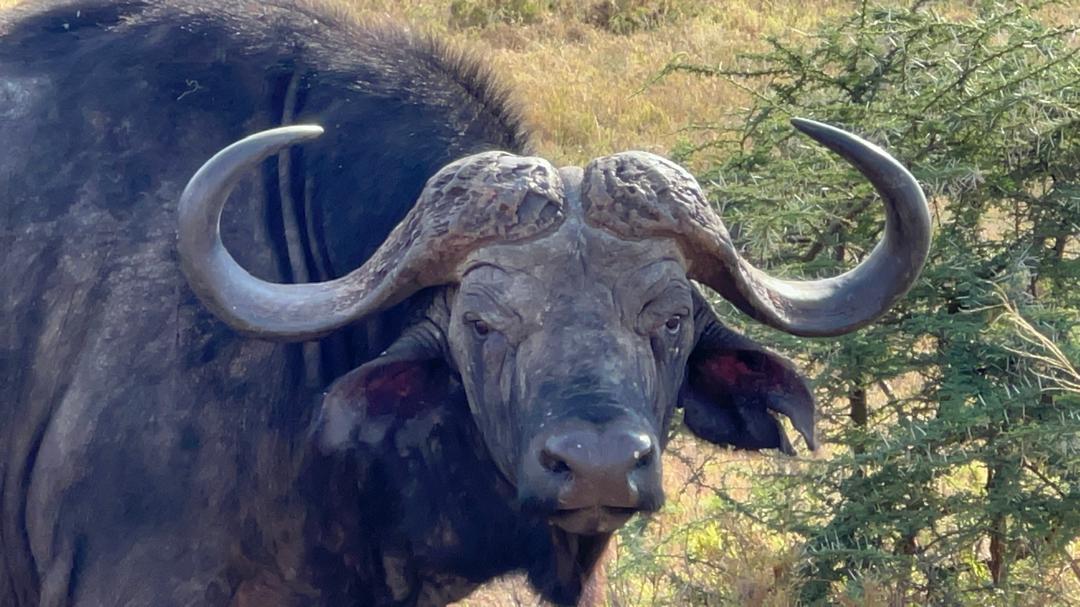
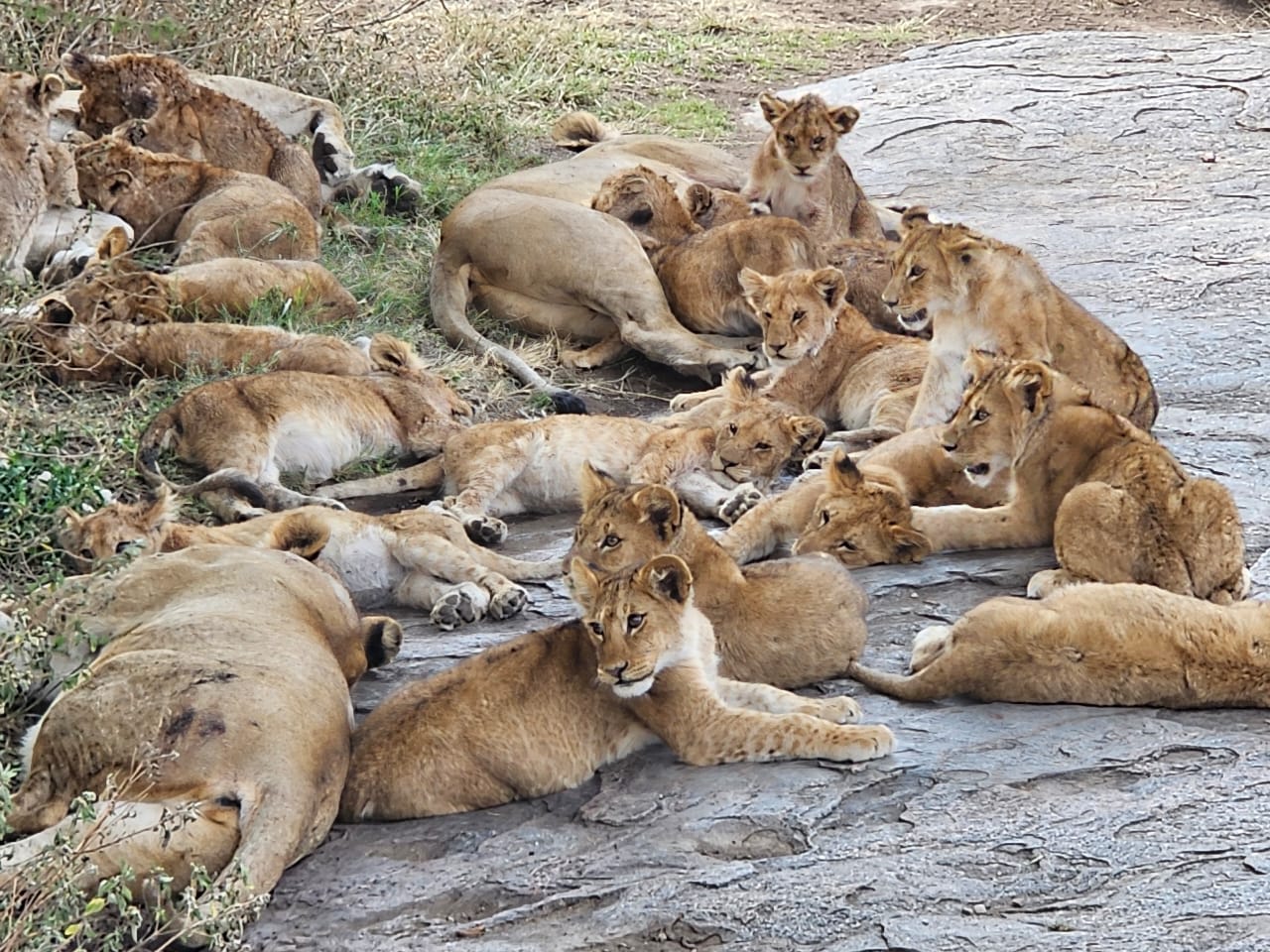
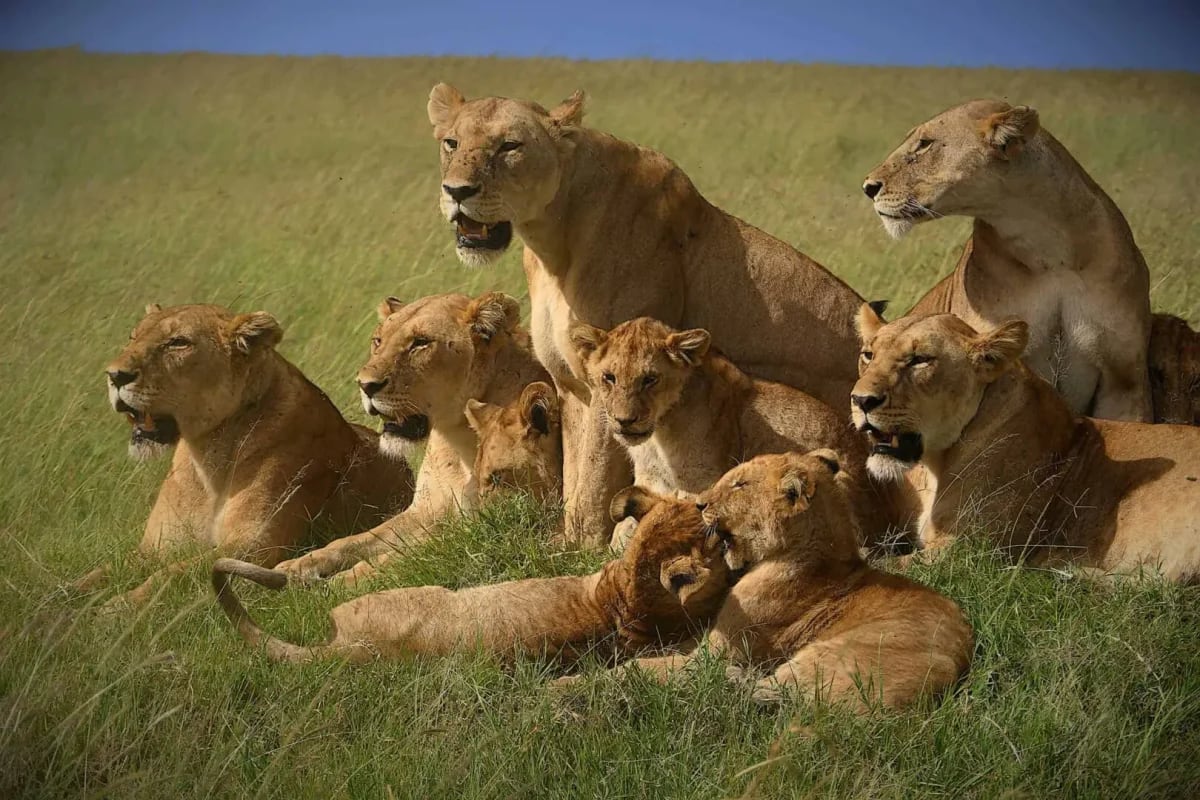
Lions are the Serengeti's apex predators, living in prides of 15–30 individuals. You'll likely see them resting in shade during hot hours, hunting at dawn, or defending kills. Leopards are more elusive, often spotted in acacia trees with fresh prey. Cheetahs are daytime hunters, specializing in high-speed gazelle chases. African buffalo are dangerous when cornered, traveling in herds of hundreds in the Serengeti.
Hyenas are often misunderstood but are skilled hunters with powerful jaws and complex social structures. Your guide will explain predator behavior, pack hunting strategies, and territorial dynamics. Photography enthusiasts should book early morning and late afternoon drives when predators are most active.
Herbivores and the Great Migration
The Great Migration brings 1.5 million wildebeest, 200,000 zebras, and 500,000 gazelles across the Serengeti during July–October . This mass movement creates the planet's largest overland migration spectacle. You'll witness river crossings where crocodiles hunt, dust clouds from thousands of hooves, and the raw survival drama of nature.
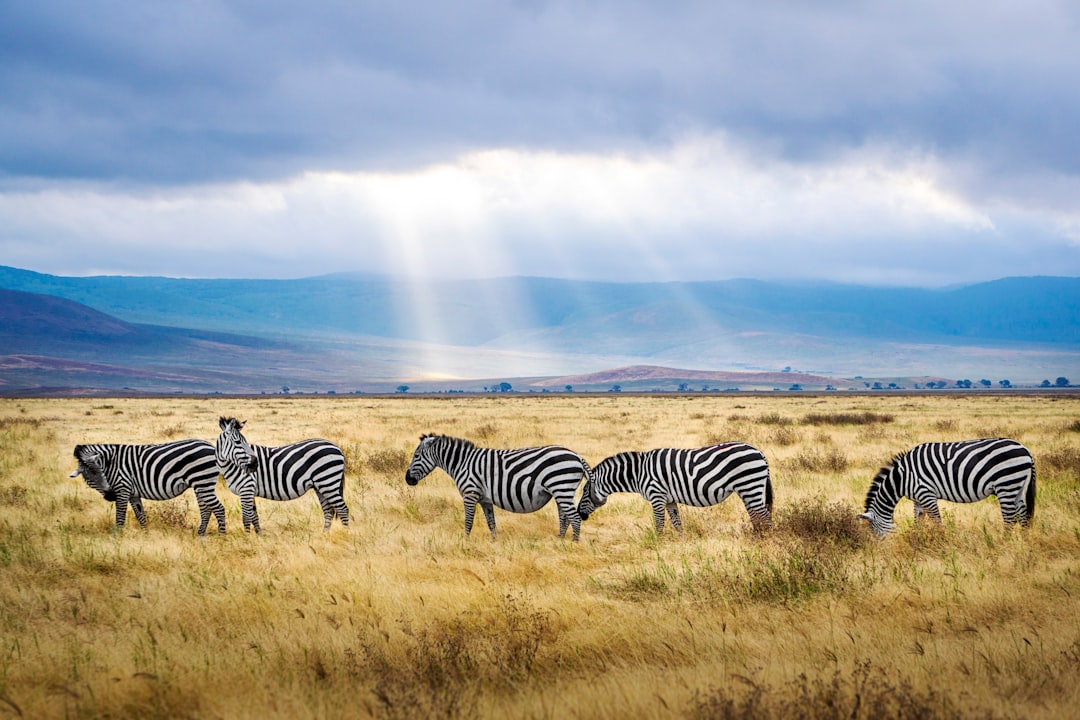
Individual herbivore species offer unique behaviors. Giraffes browse acacia trees at heights other animals cannot reach. Zebras have distinct stripe patterns (like fingerprints) for individual identification. Wildebeest are surprisingly athletic, leaping and spinning in mock battles. Your guide will help you distinguish species and understand feeding hierarchies.
Birds and Smaller Creatures
Tanzania hosts over 430 bird species, from tiny sunbirds to massive ostriches and eagles. Birdwatchers can spot crowned eagles, secretary birds, flamingos, and kingfishers. Reptiles include Nile crocodiles (up to 20 feet long), various snake species, and monitor lizards. Smaller mammals like honey badgers, warthogs, and porcupines are common but less obvious than large herbivores.
Key Takeaways
- Book your 7-day Tanzania safari and Zanzibar package 3–6 months in advance to secure preferred dates, lock in 10–15% discounts, and ensure lodge availability during peak season (July–October).
- Plan for $3,150–$4,550 per person (mid-range) or $550–$1,050 daily (luxury) in 2026, with costs varying by season, accommodation level, and included amenities like flights and meals.
- Choose July–October for the Great Migration spectacle with 1.5 million wildebeest river crossings, or January–February for calving season and fewer crowds at 15–25% lower prices.
- Arrange US visa ($50–$100), yellow fever vaccination, and malaria prophylaxis 4–6 weeks before departure to avoid last-minute delays and health complications during your safari.
- Compare verified operators on SafariFind with 4.5+ star ratings and 50+ authentic reviews to ensure professional guides, quality accommodations, and transparent pricing without hidden fees.
Frequently Asked Questions
How much does a 7-day Tanzania safari and Zanzibar package cost in 2026?
A 7-day mid-range Tanzania safari and Zanzibar package costs $3,150–$4,550 per person in 2026 [1, 2]. Luxury options range from $550–$1,050 per day ($3,850–$7,350 total). Prices vary by accommodation level, season, and included amenities like flights, meals, and activities. Shoulder season (April–May, November–December) offers 15–25% discounts compared to peak season (July–October).
What's the best time to visit Tanzania for safari and beaches?
The best time for a combined Tanzania safari and Zanzibar trip is July–October, when the Great Migration peaks and wildlife viewing is optimal . January–February offers excellent calving season wildlife and warm beach weather. November–December provides lush landscapes after rains and lower prices. Avoid March–May (long rains) for safaris, though landscapes are green and prices are lowest.
How many days do I need for a Tanzania safari and Zanzibar combination?
Seven to ten days is ideal for a Tanzania safari and Zanzibar combination. A typical 7-day package includes 4–5 days exploring the Northern Circuit (Serengeti, Ngorongoro Crater, Tarangire) and 2–3 days on Zanzibar's beaches and cultural sites. A 10-day itinerary adds more safari parks (Lake Manyara) and extra Zanzibar time for snorkeling and relaxation.
What vaccinations and visas do I need for Tanzania?
US citizens need a Tanzanian tourist visa ($50–$100) obtained on arrival or in advance, and proof of yellow fever vaccination for entry . Recommended vaccinations include yellow fever (required), malaria prophylaxis (consult your doctor), typhoid, and tetanus. Schedule vaccinations 4–6 weeks before travel. Ensure your passport is valid for 6 months beyond your travel dates.
What animals will I see on a Tanzania safari?
Tanzania's Northern Circuit guarantees Big Five sightings: lions, leopards, African buffalo, African elephants, and rhinoceros. You'll also see giraffes, zebras, wildebeest, hyenas, cheetahs, and antelope species. During July–October, you'll witness the Great Migration—1.5 million wildebeest crossing rivers. Tanzania hosts over 430 bird species, making it excellent for birdwatchers.
How do I book a Tanzania safari and Zanzibar package online?
Research verified operators on SafariFind by browsing destination, price, and reviews. Request quotes from 2–3 operators with your travel dates, budget, and preferences. Compare detailed itineraries, pricing, and inclusions. Confirm visa and vaccination requirements, then finalize your booking with a deposit (typically 25–50% of total cost). SafariFind makes it easy to compare operators, read authentic guest reviews, and request custom quotes from verified tour companies.
Is Tanzania safari cheaper than Kenya or South Africa?
Tanzania mid-range safaris typically cost $3,150–$4,550 per person, while Kenya costs $3,500–$5,000 for comparable experiences. South Africa Kruger packages vary widely ($2,500–$6,000+) depending on lodge type. Tanzania offers the best value for combined safari and beach experiences thanks to Zanzibar's affordability and lower accommodation costs. Shoulder seasons (April–May, November–December) provide additional 15–25% savings across all destinations.
Conclusion
A Tanzania safari and Zanzibar package delivers Africa's most iconic wildlife experiences combined with pristine tropical beaches. In 2026, expect to invest $3,150–$4,550 per person for a 7-day mid-range package, with luxury options starting at $550–$1,050 daily. The best time to visit is July–October for the dramatic Great Migration, or January–February for calving season and fewer crowds.
Tanzania's Northern Circuit—Serengeti, Ngorongoro Crater, and Tarangire—guarantees Big Five sightings and unforgettable wildlife moments. Transitioning to Zanzibar's white-sand beaches, coral reefs, and historic Stone Town creates the perfect balance of adventure and relaxation. This combination appeals to first-time safari visitors, photography enthusiasts, and travelers seeking comprehensive African experiences.
The key to a successful booking is choosing the right operator. SafariFind connects you with verified tour companies, transparent pricing, and authentic guest reviews. Start by browsing verified Tanzania safari and Zanzibar packages on SafariFind, request quotes from multiple operators, and compare options side-by-side. Book 3–6 months in advance to secure preferred dates and access seasonal discounts. Your dream safari awaits—let SafariFind help you find the perfect operator for your 2026 adventure.
Plan Your Safari with SafariFind
These recommendations use real data from SafariFind, where you can compare operators, browse packages, and read verified traveler reviews before you book.
Recommended Safari Operators from SafariFind
Top Safari Packages from SafariFind
What Travelers Say (SafariFind Reviews)
References
- Tanzania Safari Cost 2026: Complete Budget Breakdown & Money Saving Tips
- Tanzania Travel Costs 2026: Safari & Zanzibar - Simbye
- Zanzibar Beaches Holiday 2025: Best Zanzibar Beach Holidays and Tours 2026 - 2027
- Best Tanzania Safari Itinerary: Sample Routes & Costs 2026
- Tanzania Safari Itineraries: 7 & 10-Day Trip Plans
- Tanzania Tours & Vacation Packages | Trips to Tanzania in 2026/2027 | Bookmundi
- Our 7 Day Tanzania Safari Itinerary (2026): Costs, Big 5 Sightings & Honest Review - Passport Nomads
- Tanzania Safari + Zanzibar: Perfect 2-Week Itinerary
Sources
- Tanzania Safari Cost 2026: Complete Budget Breakdown & Money Saving Tips
- Tanzania Travel Costs 2026: Safari & Zanzibar - Simbye
- Zanzibar Beaches Holiday 2025: Best Zanzibar Beach Holidays and Tours 2026 - 2027
- Best Tanzania Safari Itinerary: Sample Routes & Costs 2026
- Tanzania Safari Itineraries: 7 & 10-Day Trip Plans
- Tanzania Tours & Vacation Packages | Trips to Tanzania in 2026/2027 | Bookmundi
- Our 7 Day Tanzania Safari Itinerary (2026): Costs, Big 5 Sightings & Honest Review - Passport Nomads
- Tanzania Safari + Zanzibar: Perfect 2-Week Itinerary
Related to
Ready to start your safari adventure?
Explore curated safari packages and find your perfect African adventure with verified operators.