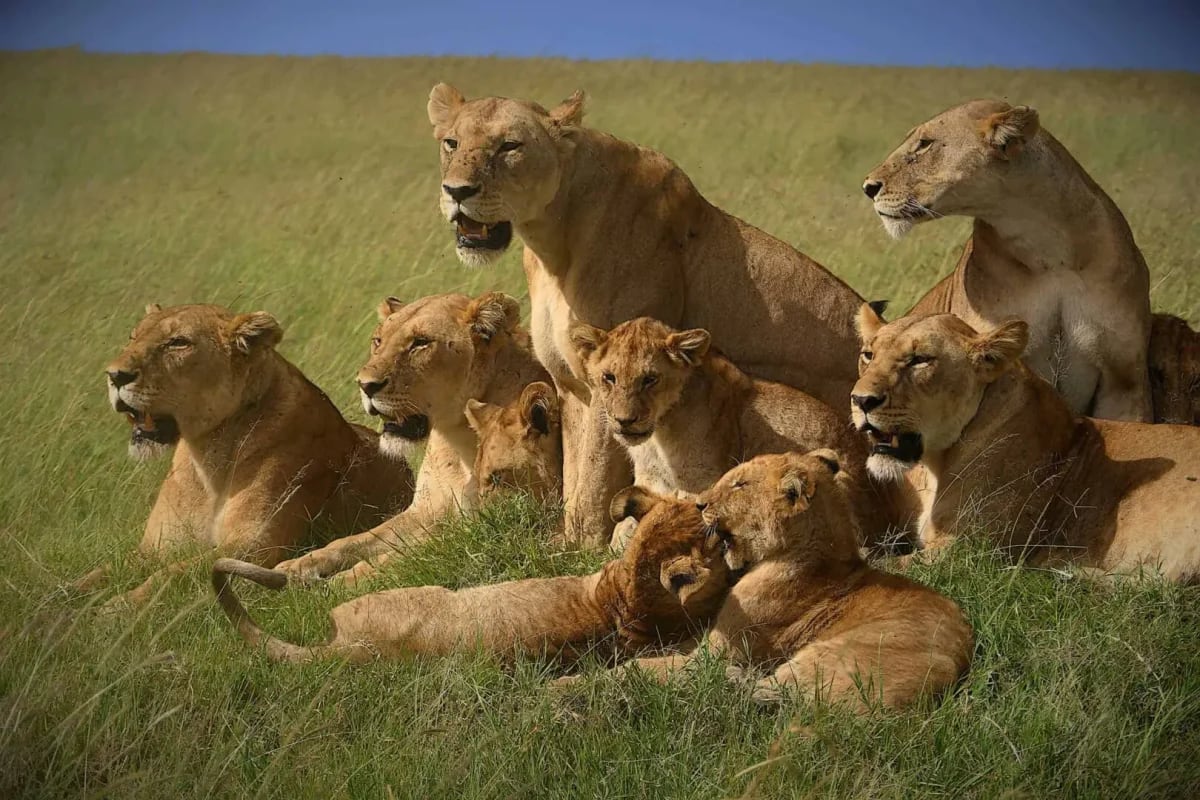
Tanzania Safari & Kenya: Which Offers Better Wildlife Viewing 2026?
Compare Tanzania and Kenya safaris for wildlife viewing. Tanzania's Serengeti vs Kenya's Masai Mara: costs, best times, and which destination suits you best.
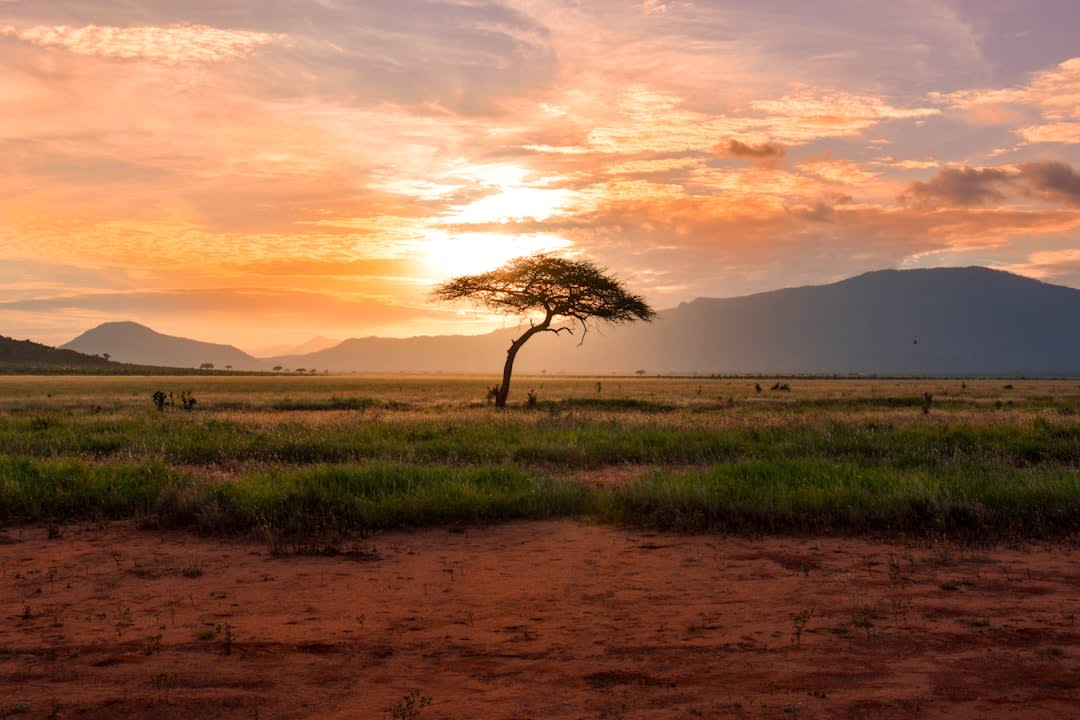
Tanzania Safari vs Kenya: Which Offers Better Wildlife 2026
Last updated: July 2026
Tanzania and Kenya both deliver world-class wildlife viewing, but differently. Tanzania's Serengeti and Ngorongoro Crater offer vast open spaces and Africa's highest wildlife density, while Kenya's Masai Mara provides easier access and reliable big cat sightings. A combined 16-day safari in Kenya and Tanzania costs from $14,696 per person . Choose Tanzania for immersive remote experiences and Kenya for convenient first-time safaris.
At a Glance
- Cost Range: $14,696 for 16 days combined Kenya-Tanzania safari
- Best Time to Visit: June-October for Great Migration and river crossings
- Recommended Duration: 10-16 days for complete experience
- Best For: Tanzania = remote immersion; Kenya = accessible first-time safaris
- Wildlife Highlight: Tanzania's Ngorongoro Crater has highest Big Five density in Africa
- Getting There: Flights to Dar es Salaam (Tanzania) or Nairobi (Kenya); no train/bus options
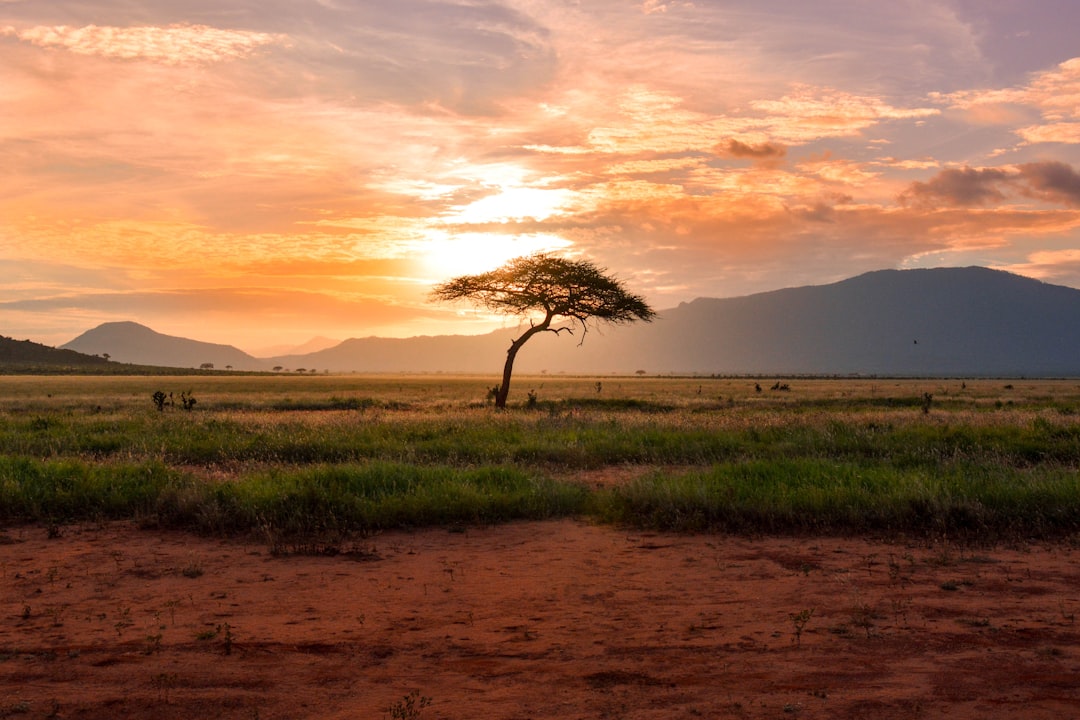
Understanding Tanzania Safari vs Kenya Wildlife Viewing
Tanzania safari and Kenya safari represent two distinct approaches to African wildlife viewing, each with unique advantages. Tanzania's Serengeti National Park covers 14,750 square kilometers of pristine wilderness where you can witness the Great Migration with over 1.5 million wildebeest crossing between July and October . Kenya's Masai Mara offers equally spectacular viewing but with greater accessibility and established private conservancies.
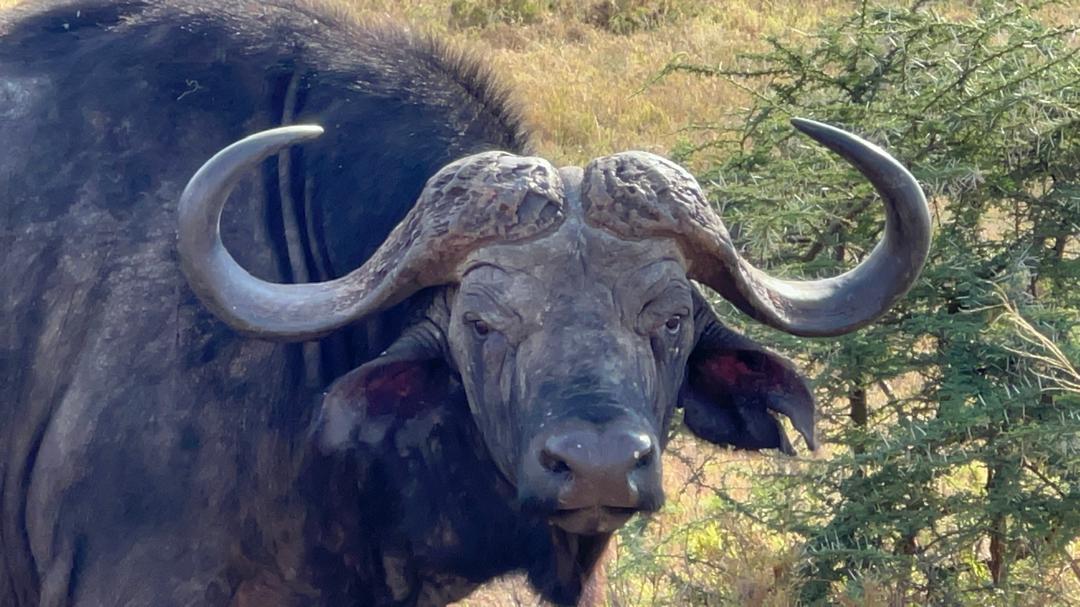
The key difference? Tanzania delivers the classic safari story with raw, untamed landscapes. Kenya provides a more polished experience with easier logistics. Both countries offer the chance to see Africa's Big Five: lions, elephants, buffalo, leopards, and rhinos. However, Tanzania's Ngorongoro Crater provides arguably the highest density of wildlife in Africa, with an excellent chance of seeing all the Big Five in a single day, including black rhino .
Your choice depends on what matters most: remote immersion or convenient access. First-time safari travelers often prefer Kenya for its easier rhino sightings and private conservancy options around the Masai Mara . Experienced travelers seeking deeper wilderness connection choose Tanzania for its vast, untamed character.
SafariFind connects you with verified tour operators in both countries. Compare top-rated Tanzania safari companies for US travelers or explore Kenya options to find packages matching your style and budget.
Comparing Wildlife Viewing in Tanzania and Kenya
Tanzania's Serengeti: Vast Open Wilderness
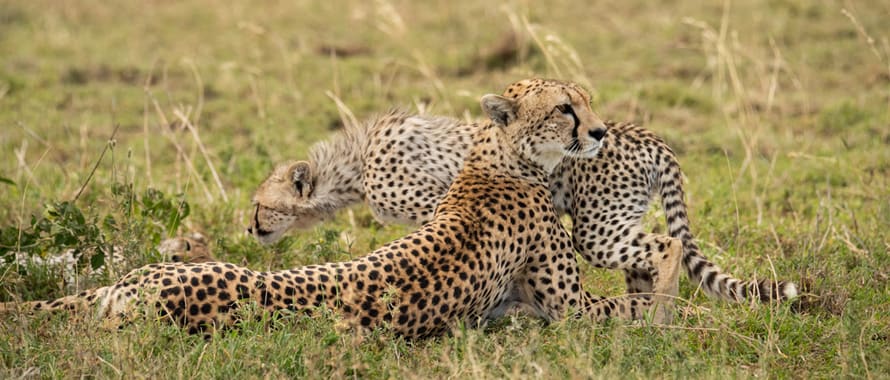
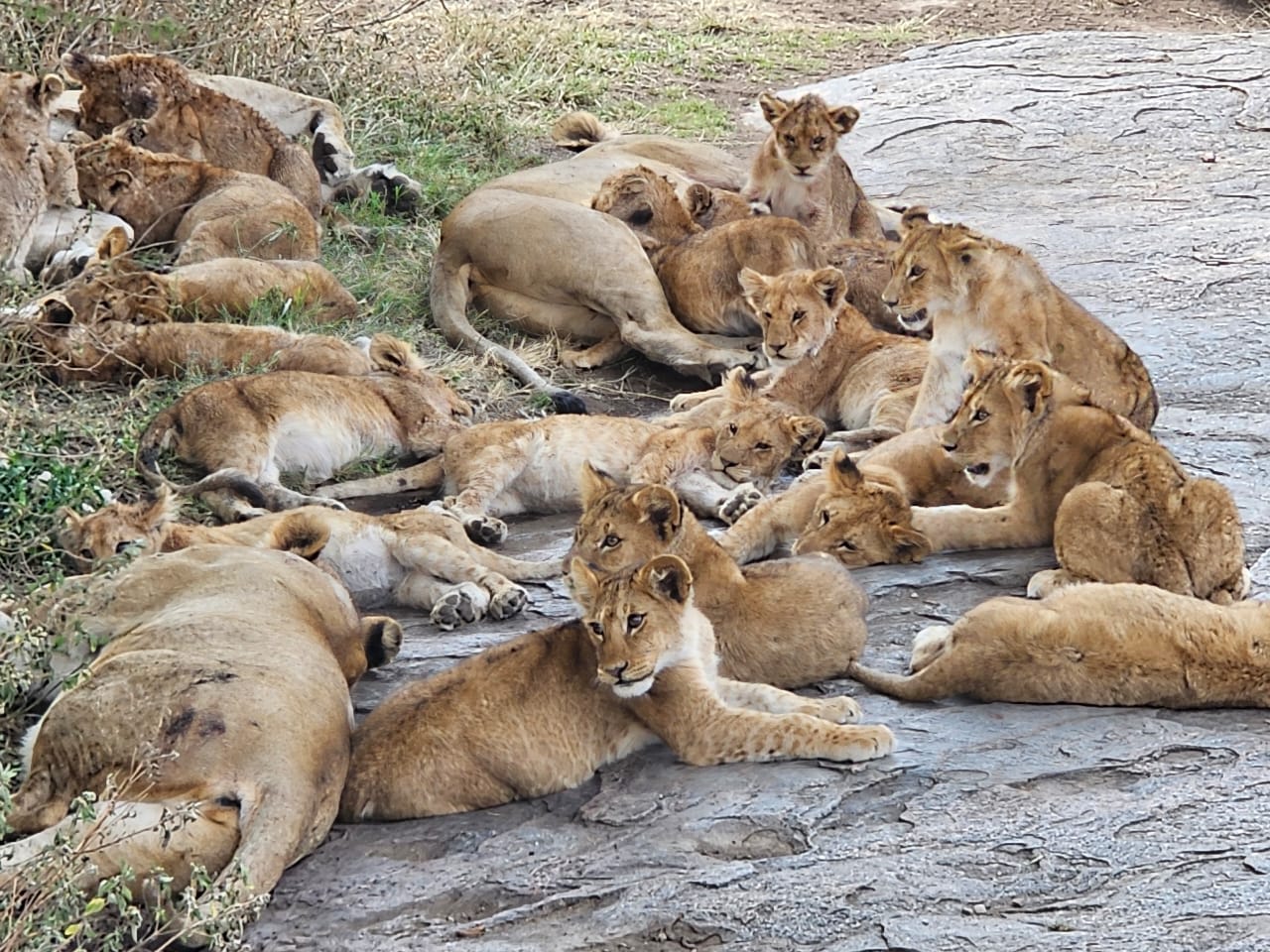
The Serengeti National Park is Tanzania's crown jewel for wildlife viewing. This ecosystem spans 14,750 square kilometers of open savanna where predators roam freely and herbivores graze in massive herds. The Serengeti provides vast open spaces and prolific wildlife viewing opportunities, with reliable sightings of lions, cheetahs, and leopards .
What makes the Serengeti special? The sheer scale. You drive for hours across endless plains with minimal tourist crowds. The park hosts the Great Migration, where 1.5 million wildebeest move north to Kenya's Masai Mara between July and October, creating dramatic river crossings . Early June brings the spectacular Grumeti River crossings in western Serengeti, where swollen waters thick with crocodiles create natural drama .
Tanzania's Ngorongoro Crater: Enclosed Wildlife Paradise
The Ngorongoro Crater is Tanzania's unique advantage. This volcanic caldera covers 260 square kilometers and functions as a natural enclosed ecosystem. Tanzania's Ngorongoro Crater offers arguably the highest density of wildlife in Africa, with excellent chances of seeing all the Big Five in a single day, including black rhino .
Why is density so high? The crater walls trap wildlife inside a natural arena. You descend 600 meters into the crater floor and find lions, elephants, zebras, and flamingos in concentrated populations. Many travelers report seeing more animals in one Ngorongoro day than an entire Kenya safari.
Kenya's Masai Mara: Accessible Big Cat Country
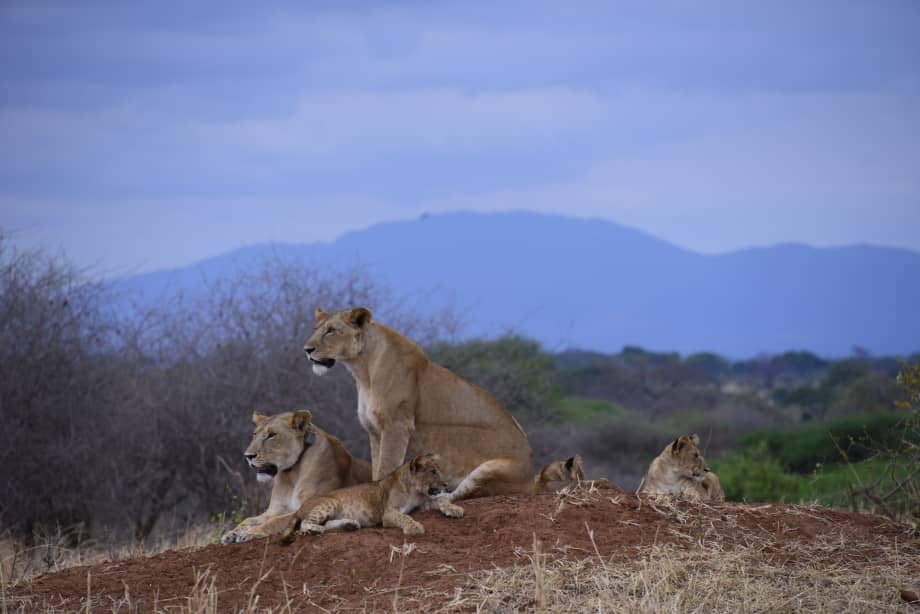
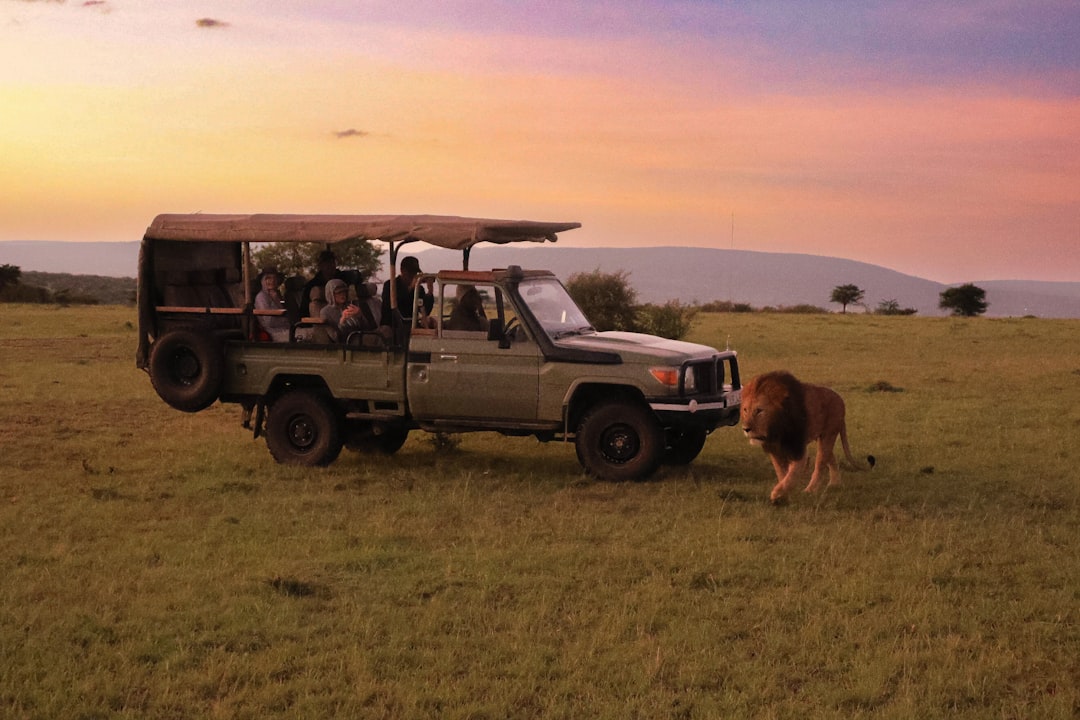
Kenya's Masai Mara offers accessible savanna landscapes and frequent big cat sightings while Tanzania's Serengeti provides vast open spaces and the unique enclosed ecosystem of Ngorongoro Crater . The Mara is smaller than the Serengeti (1,510 square kilometers) but equally productive for wildlife viewing.
Kenya's advantage? Accessibility. The Mara sits closer to Nairobi (5-6 hours drive) compared to Tanzania's remote locations. Private conservancies surround the Mara, offering exclusive viewing experiences. Kenya is usually the better pick for short first-time safaris, easier rhino sightings, and private conservancy options around the Maasai Mara .
The Mara River runs through the ecosystem, creating dramatic crossing scenes during the Great Migration. Mara River crossings typically occur July-August when wildebeest move north from Tanzania.
Direct Wildlife Comparison
| Destination | Lion Sightings | Rhino Sightings | Elephant Density | Overall Wildlife Density |
|---|---|---|---|---|
| Tanzania Serengeti | Very High | Rare | High | High |
| Tanzania Ngorongoro | High | Excellent | Very High | Highest in Africa |
| Kenya Masai Mara | Very High | Good | High | Very High |
Both destinations deliver incredible wildlife viewing. Tanzania offers scale and the Great Migration spectacle. Kenya offers convenience and reliable predator sightings. Choose Tanzania for the classic safari story of vast wilderness. Choose Kenya for accessible big cat encounters.
Best Times to Visit Tanzania and Kenya for Wildlife
The Great Migration Season (June-October)
The Great Migration defines the peak season for both Tanzania and Kenya. This period brings the most dramatic wildlife events and highest animal concentrations. Visit early June for the dramatic Grumeti River crossings in western Serengeti, where swollen waters thick with crocodiles create spectacular natural drama .
During June-October, 1.5 million wildebeest and zebras move across the Tanzania-Kenya border. The herds follow rainfall patterns, creating predictable viewing opportunities. July-August sees peak river crossings as animals move through the Mara River between Tanzania and Kenya.
Dry Season Advantages (July-October)
The dry season concentrates wildlife around remaining water sources, making sightings easier and more frequent. Vegetation is sparse, so animals are more visible. Temperatures are moderate, and rainfall is minimal. Most experienced safari guides recommend July-October as the optimal window for wildlife viewing in both countries.
Shoulder Seasons (May-June and September-October)
May-June and September-October offer excellent wildlife viewing with fewer tourists. Prices drop 20-30% compared to peak season. Weather remains favorable. These months are ideal if you want to avoid crowds while maintaining high animal sighting odds.
Green Season (November-May)
The green season brings lush vegetation and excellent bird watching. Fewer tourists mean more intimate experiences. However, rainfall can limit game drives, and some roads become impassable. Predators disperse across wider areas, making sightings less predictable. This season suits bird enthusiasts and photographers seeking landscape shots over wildlife density.
For the best time of year for wildlife viewing in Serengeti, plan your trip June-October . This window guarantees the highest animal concentrations and most dramatic wildlife events.
Costs and Budget Comparison for Tanzania vs Kenya Safaris
Combined Kenya-Tanzania Safari Pricing
A 16-day safari combining both Kenya and Tanzania costs from $14,696 per person . This price typically includes accommodations, game drives, and internal flights. The itinerary runs 16 days from Nairobi, Kenya through Tanzania's Serengeti and Ngorongoro, ending December 16 in Nairobi at Eka Hotel .
For more detailed pricing breakdowns and hidden fees, review Tanzania safari costs 2026 with complete budget breakdowns. This guide reveals what's included and what costs extra.
Tanzania Safari-Specific Costs
Tanzania safaris typically cost $2,000-$4,000 per person for 7-10 days, depending on accommodation level. Budget lodges cost less but offer basic comfort. Mid-range lodges provide good value with solid amenities. Luxury lodges exceed $500 per night and feature world-class service.
Tanzania's top-rated luxury lodges command premium prices but deliver exceptional experiences. Explore affordable Tanzania safari packages with flights included to find options balancing cost and quality.
Kenya Safari-Specific Costs
Kenya safaris generally cost $2,500-$5,000 per person for 7-10 days. The Masai Mara typically costs more than Tanzania's Serengeti due to proximity to Nairobi and established tourist infrastructure. Private conservancies add 30-50% to standard Mara prices but offer exclusive viewing rights.
All-Inclusive vs. Per-Diem Pricing
All-inclusive packages bundle accommodations, meals, game drives, and some activities. Tanzania safari all-inclusive packages 2026 reveal true costs when comparing options. Per-diem pricing lets you mix accommodation levels and activities flexibly.
All-inclusive packages simplify budgeting but may include activities you don't want. Per-diem pricing offers flexibility but requires more planning. Most travelers prefer all-inclusive for stress-free experiences.
When comparing costs, remember that Tanzania safaris often feel more exclusive due to lower tourist density. Kenya safaris cost more partly because of established infrastructure and private conservancy premiums. Both deliver exceptional value for world-class wildlife viewing.
Review Tanzania safari all-inclusive packages 2026 to see true costs before committing to a booking.
Practical Considerations: Visas, Vaccinations, and Packing
Visa Requirements for US Citizens
Both Tanzania and Kenya require visas for US citizens. Tanzania issues tourist visas on arrival or in advance. Kenya requires pre-arranged visas through their embassy or e-visa portal. Processing takes 2-4 weeks, so plan ahead.
For complete details, review visa requirements for US citizens traveling to Tanzania. This checklist covers both countries' requirements comprehensively.
Recommended Vaccinations
Yellow fever vaccination is recommended for Tanzania and strongly advised for Kenya. Malaria prophylaxis is essential for both destinations. Consult your doctor 6-8 weeks before departure to allow time for vaccinations and medication prescriptions.
Common vaccinations include yellow fever, typhoid, hepatitis A, and Japanese encephalitis (for some regions). Malaria medication options include atovaquone-proguanil, doxycycline, and mefloquine. Your doctor will recommend based on your health history and itinerary.
Essential Packing List
Safari packing differs from typical travel. You need neutral-colored clothing for wildlife viewing (khaki, olive, tan). Bright colors and patterns scare animals away. Layers are essential since mornings are cool and afternoons hot.
For a complete packing list essentials for a 10-day safari, include binoculars, quality camera equipment, sunscreen (SPF 50+), insect repellent, and a good hat. Comfortable walking shoes are critical for lodge exploration. Waterproof bags protect electronics during unpredictable rains.
Don't overpack. Most safaris include laundry service at lodges. Bring 7-10 days of clothing and let staff wash items mid-trip. This saves luggage weight and money.
Combining Tanzania and Kenya: The Best Strategy
Why Combine Both Countries?
Combining Tanzania and Kenya maximizes your African wildlife experience. You experience the Serengeti's vast wilderness, Ngorongoro's enclosed ecosystem, and the Masai Mara's accessible big cat viewing. A combined itinerary takes 14-16 days and costs from $14,696 per person .
The combination showcases Africa's diversity. Tanzania offers raw, untamed landscapes. Kenya offers polished, accessible experiences. Together, they create a complete safari story.
Typical Itinerary Flow
Most combined tours follow this pattern: Arrive in Nairobi, Kenya. Spend 3-4 days in Kenya's Masai Mara. Fly to Tanzania's Arusha. Spend 3-4 days in the Serengeti. Visit Ngorongoro Crater for 1-2 days. Return to Nairobi for departure .
This sequence makes logistical sense. You start in Kenya's main hub, experience Kenya's highlights, then move to Tanzania's remote areas, and return to Nairobi. Internal flights connect the regions efficiently.
Tanzania and Zanzibar Extensions
Many travelers extend their safari with Zanzibar's beaches. A safari in Tanzania and Zanzibar combines wildlife and relaxation perfectly. You can add 3-5 beach days after your safari for recovery and cultural experiences.
Explore Tanzania safari and Zanzibar packages from UK with all-inclusive options to see beach-safari combinations available.
Best Suited For Each Destination
Choose Tanzania if you want remote immersion, vast wilderness, highest wildlife density, and the Great Migration. Tanzania often feels like the classic safari story: Tarangire's elephants and baobabs, Serengeti's endless plains and predators, then Ngorongoro as a finale day .
Choose Kenya if you prefer accessible first-time safaris, reliable big cat sightings, private conservancies, and shorter travel times from Nairobi. Kenya is usually the better pick for short first-time safaris, easier rhino sightings, and private conservancy options around the Maasai Mara .
For comparison with other African destinations, explore Tanzania vs South Africa safari comparison with costs, wildlife, and top operators.
How to Book Your Tanzania and Kenya Safari
Choosing Between Tour Operators
Booking a multi-day safari in Tanzania online requires choosing between reputable tour operators. SafariFind lists verified operators with authentic reviews from real travelers. Compare packages, prices, and customer ratings before committing.
Look for operators with 4.5+ star ratings and 50+ reviews. Read recent reviews to understand current service quality. Check if operators offer customization options and flexible cancellation policies.
Online Booking Process
Most operators accept online reservations through their websites or platforms like SafariFind. The process typically involves selecting dates, duration, destination, and accommodation level. You receive a detailed itinerary and price quote. After review, you pay a deposit (usually 25-50%) to confirm.
Full payment is due 60-90 days before departure. Operators provide final details, packing lists, visa information, and health requirements 30 days prior. Most offer pre-trip phone consultations to answer questions.
What to Ask Before Booking
Ask about included services: accommodations, meals, game drives, park fees, internal flights? Confirm group size and vehicle type. Ask about guide experience and language options. Verify cancellation and refund policies. Confirm payment schedules and what happens if you need to reschedule.
Ask about emergency protocols and evacuation procedures. Confirm travel insurance requirements. Ask about physical fitness requirements for activities. Clarify what activities are optional vs. included.
SafariFind's Role
SafariFind connects travelers with verified tour operators offering transparent pricing and authentic reviews. Browse safari packages on SafariFind to compare multiple operators side-by-side. Request quotes from verified operators and read reviews from previous travelers. This streamlines your booking process and reduces risk.
Key Takeaways
- Book your combined Kenya-Tanzania safari 3-6 months ahead to secure preferred dates and save 15-20% on peak season rates .
- Visit June-October for the Great Migration and dramatic river crossings with 1.5 million wildebeest .
- Choose Tanzania's Ngorongoro Crater for Africa's highest wildlife density with excellent Big Five sighting odds in a single day .
- Plan 14-16 days and budget $14,696+ per person for a combined Kenya-Tanzania safari with quality accommodations .
- Get visa requirements and recommended vaccinations 6-8 weeks before departure; consult your doctor early for health preparation .
Frequently Asked Questions
What is the best time of year for wildlife viewing in Serengeti?
The best time for Serengeti wildlife viewing is June-October during the dry season. This period brings the Great Migration with 1.5 million wildebeest crossing between Tanzania and Kenya . Early June features dramatic Grumeti River crossings with crocodile encounters . July-October offers concentrated animal viewing around water sources, making sightings frequent and predictable.
How much does a safari in Tanzania typically cost?
A 7-10 day Tanzania safari costs $2,000-$4,000 per person depending on accommodation level. A 16-day combined Kenya-Tanzania safari costs from $14,696 per person . Budget lodges cost $50-150 per night, mid-range lodges $150-350 per night, and luxury lodges exceed $500 per night. All-inclusive packages bundle accommodations, meals, and game drives into one price.
Which destination is better for first-time safari travelers?
Kenya is usually the better pick for short first-time safaris, easier rhino sightings, and private conservancy options around the Maasai Mara . Kenya's Masai Mara sits closer to Nairobi (5-6 hours drive) and offers established infrastructure. Private conservancies provide exclusive experiences. Kenya's shorter travel times and accessible accommodations make it ideal for first-time visitors.
What are the visa requirements for US citizens traveling to Tanzania?
US citizens need a visa to enter Tanzania. Visas can be obtained on arrival or arranged in advance through the Tanzanian embassy. Processing takes 2-4 weeks if applying ahead. For complete details on visa requirements and vaccinations, review the comprehensive US citizen checklist covering both Tanzania and Kenya requirements.
Can I see the Great Migration in both Kenya and Tanzania?
Yes, the Great Migration occurs in both countries as 1.5 million wildebeest move between Tanzania's Serengeti and Kenya's Masai Mara between June and October . Early June brings Grumeti River crossings in western Serengeti . July-August features Mara River crossings as animals move north into Kenya. Timing your visit to match crossing dates requires advance planning with your tour operator.
What should I pack for a 10-day African safari?
Pack neutral-colored clothing (khaki, olive, tan) for wildlife viewing since bright colors scare animals. Bring 7-10 days of clothing and use lodge laundry service. Include binoculars, quality camera equipment, sunscreen SPF 50+, insect repellent, and a good hat. Comfortable walking shoes are essential. Pack waterproof bags for electronics. Layers are critical since mornings are cool and afternoons hot.
How do I book a multi-day safari in Tanzania online?
Browse verified safari packages on SafariFind and compare tour operators by ratings, reviews, and pricing. Select your preferred dates, duration, destination, and accommodation level. Request quotes from operators and review customer testimonials. After selecting an operator, pay a deposit (25-50%) to confirm your booking. Full payment is due 60-90 days before departure. Most operators provide final details and packing lists 30 days prior.
Conclusion
Tanzania and Kenya both deliver world-class wildlife viewing in 2026, but they deliver it differently. Tanzania's Serengeti and Ngorongoro Crater offer vast, remote wilderness with Africa's highest wildlife density. Kenya's Masai Mara provides accessible big cat viewing with convenient logistics. A combined 16-day safari costs from $14,696 per person and delivers the complete African experience .
Choose Tanzania if you crave raw wilderness and the Great Migration's scale. Choose Kenya if you prefer accessible first-time safaris with reliable rhino sightings. Better yet, combine both countries to experience Africa's full diversity. Visit June-October during the Great Migration for the most dramatic wildlife events .
Start planning your safari today. Compare verified safari packages on SafariFind to find tour operators matching your budget, dates, and preferences. Request quotes from multiple operators and read authentic reviews from previous travelers. SafariFind's verified marketplace connects you with trusted operators offering transparent pricing and exceptional service.
Your African safari awaits in 2026. Book early, pack smart, and prepare for wildlife encounters you'll remember forever.
Plan Your Safari with SafariFind
These recommendations use real data from SafariFind, where you can compare operators, browse packages, and read verified traveler reviews before you book.
Recommended Safari Operators from SafariFind
Top Safari Packages from SafariFind
What Travelers Say (SafariFind Reviews)
References
- The Best of Kenya & Tanzania: A Safari & Cultural Experience – Road Scholar
- Safari in Kenya and Tanzania – Smithsonian Journeys
- Tanzania vs Kenya Safari 2026: Which is Better? Full Comparison – Private Tours Cape Town
- 10 Best Safari Tours in Kenya And Tanzania 2026/2027 – TourRadar
- Tanzania Safari vs Kenya: 2026 Guide to Costs & Wildlife – Duma Explorer
- Best Time for Tanzania vs Kenya Safari (2026–2027): Month-by-Month Guide – The Luxury Africa DMC
- Best Time to Visit Kenya and Tanzania for Safari: 2026 Guide – Kenya Tanzania Safari
Sources
- The Best of Kenya & Tanzania: A Safari & Cultural Experience
- Safari in Kenya and Tanzania – Smithsonian Journeys
- Tanzania vs Kenya Safari 2026: Which is Better? Full Comparison
- 10 Best Safari Tours in Kenya And Tanzania 2026/2027
- Tanzania Safari vs Kenya: 2026 Guide to Costs & Wildlife
- Best Time for Tanzania vs Kenya Safari (2026–2027): Month-by-Month Guide
- Best Time to Visit Kenya and Tanzania for Safari: 2026 Guide
Related to
Ready to start your safari adventure?
Explore curated safari packages and find your perfect African adventure with verified operators.