Tanzania Safari Guide: Best Time for Wildlife Viewing + 2026 Costs
Plan your Tanzania safari with 2026 costs ($250–$2,500/day), best viewing seasons, and verified operators. Book 3–6 months ahead for wildlife and value.

Tanzania Safari Guide: Best Wildlife Viewing Times 2026
Last updated: July 2026
A Tanzania safari costs $250 to $2,500 per person per day in 2026. The best time for wildlife viewing is June through October during the dry season, when animals gather near water sources. Book 3-6 months ahead through verified operators on SafariFind to secure the best rates and read authentic traveler reviews.
At a Glance
- Cost: $250–$2,500 per person per day (2026)
- Best time: June–October (dry season) for peak wildlife viewing
- Duration: 7–10 days recommended for full experience
- Getting there: Flights to Kilimanjaro or Dar es Salaam ($700–$1,200 international)
- Best for: Wildlife photographers, families, first-time safari-goers
- Wildlife highlights: Great Migration, Big Five, 1.5 million wildebeest
What is a Tanzania Safari and Why It Matters
Tanzania safari guide experiences rank among Africa's most rewarding wildlife adventures. The country hosts the Serengeti, a 14,750-square-kilometer ecosystem where you can witness the Great Migration and spot the Big Five—lions, elephants, buffalo, leopards, and rhinos—in their natural habitat. Tanzania safari experiences offer incredible value compared to neighboring Kenya, with lower daily rates and equally stunning wildlife encounters.
A Tanzania safari isn't just about seeing animals. You'll experience diverse ecosystems, from the volcanic Ngorongoro Crater to the Southern Plains near Ndutu. The country attracts over 300,000 safari tourists annually, yet many still overpay by booking without comparing verified operators. Understanding the best time to visit and actual 2026 costs helps you maximize value and plan a memorable trip.
Tanzania safari guide information is essential because conditions change dramatically by season. Booking during peak season (June–October) costs 30–40% more but guarantees excellent wildlife sightings. Off-season visits (November–May) offer lower prices, fewer crowds, and unique opportunities like the calving season in January–March. This guide covers everything you need to plan strategically and find the best verified operators.
Best Time for Wildlife Viewing in Tanzania
The best time for Tanzania wildlife viewing is June through October during the dry season. During these months, wildlife concentrates around water sources, making sightings easier and more reliable. Rainfall is minimal, vegetation is sparse, and animal behavior is most predictable. This is peak season with higher demand and premium pricing, but the wildlife viewing rewards justify the cost.
Dry Season (June–October): Peak Wildlife Viewing
The dry season represents the optimal window for Tanzania safari guide experiences. From June through October, vegetation dries out completely, forcing animals to congregate near permanent water sources like rivers and lakes. This concentration makes wildlife spotting nearly guaranteed during game drives.
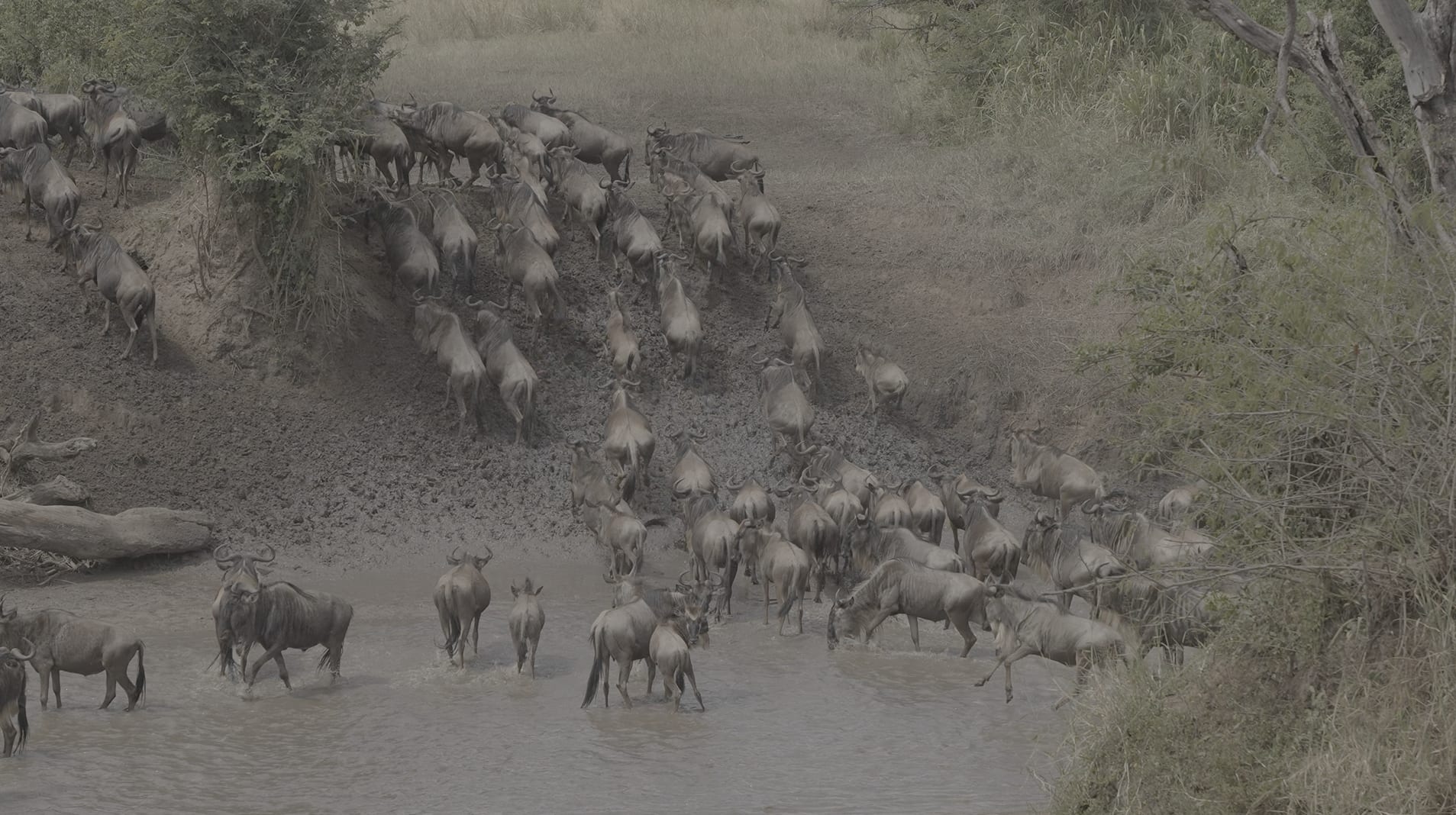
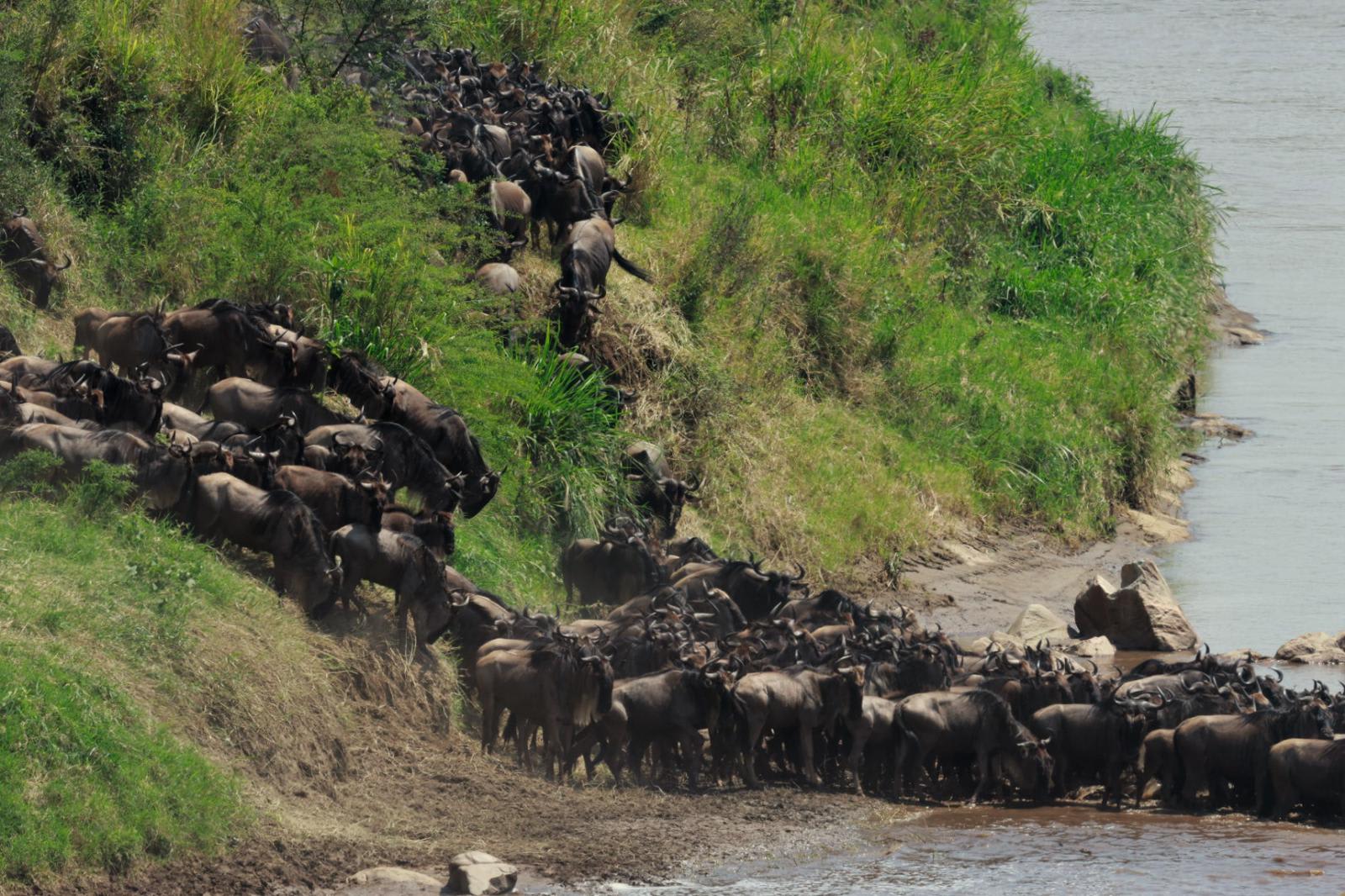
The Great Migration peaks during this period, particularly July through September. Around 1.5 million wildebeest and 250,000 zebras move from Tanzania's Southern Plains northward toward Kenya's Masai Mara, crossing the Mara River in dramatic river crossings. You'll witness predator activity at its highest, with lions, crocodiles, and leopards hunting along migration routes.
Weather during dry season is crisp and cool, especially at higher elevations. Morning temperatures range from 45–55°F, warming to 70–80°F by midday. Visibility is excellent for photography due to minimal dust and clear skies. However, dry season is expensive—expect to pay 30–40% more than shoulder season for accommodations and guides.
Calving Season (January–March): Birth and Predator Action
Calving season from January through March offers a different wildlife spectacle centered on the Southern Serengeti and Ndutu area. During these months, wildebeest herds give birth to over 500,000 calves within a 3-week window, creating an abundance of vulnerable prey that attracts massive predator concentrations.
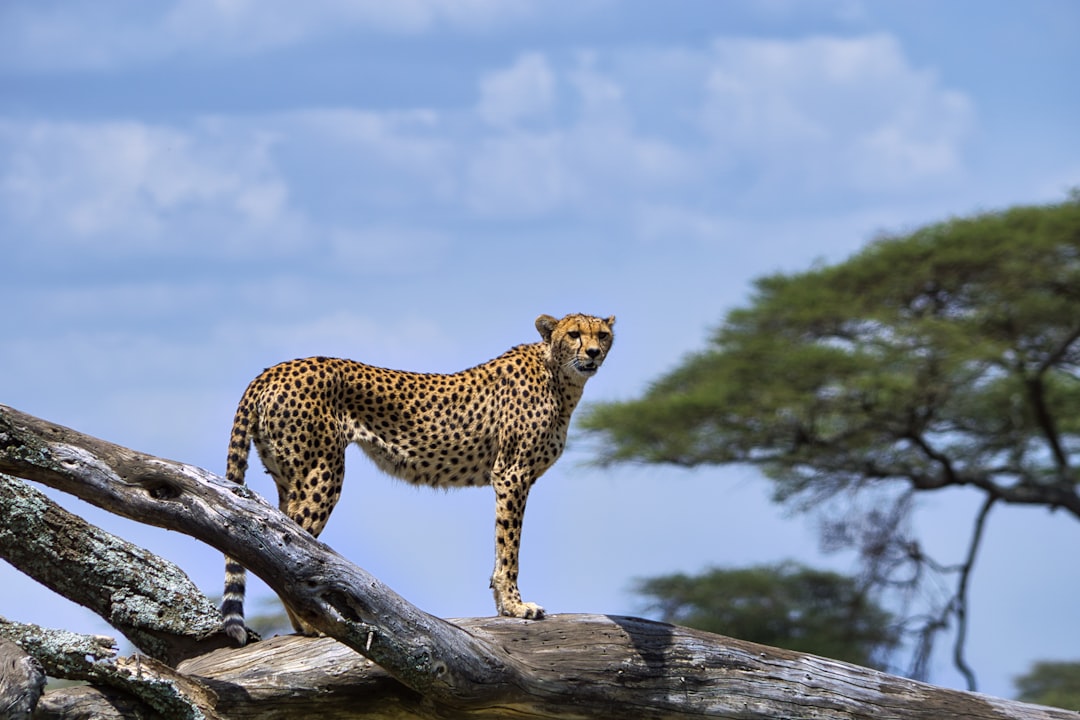
You'll witness intense predator-prey interactions as lions, hyenas, and wild dogs hunt the young calves. Cheetah sightings are particularly common during calving season. The landscape is lush and green from recent rains, creating stunning photography backdrops. Costs during calving season are moderate—typically 20–30% less than peak dry season.
Rainfall can be unpredictable during January–March, occasionally limiting game drives for 1–2 days. However, many experienced safari-goers prefer calving season for its raw wildlife drama and better value. Off-road driving is permitted in parts of the Ngorongoro Conservation Area during this time, allowing closer positioning for wildlife viewing.
Shoulder Seasons (November–December, April–May): Balance and Value
Shoulder seasons offer balanced pricing and fewer crowds compared to peak and calving seasons. November–December features pleasant weather with scattered showers, while April–May sees heavier rainfall but lush vegetation and excellent bird watching. Daily rates drop 15–25% during these periods.
Wildlife is still abundant during shoulder seasons, though less concentrated than dry season. You'll enjoy more intimate game drive experiences with fewer safari vehicles competing for sightings. Accommodations offer better availability, and you can often negotiate better rates with verified operators.
Explore verified Tanzania safari packages on SafariFind to compare dry season, calving season, and shoulder season options with authentic traveler reviews and transparent pricing.
Tanzania Safari Costs in 2026: Complete Breakdown
Tanzania safari costs in 2026 range from $250 to $2,500 per person per day, depending on accommodation level, season, and included services. The total trip cost for a typical 7-day safari ranges from $1,800 to $7,000 per person, including accommodations, meals, park fees, and guide services. Understanding the cost breakdown helps you budget accurately and find the right package for your needs.
Daily Safari Costs by Accommodation Level
Budget safari camps cost $250–$600 per person per day and include basic accommodations, meals, and game drives with shared guides. Mid-range lodges run $600–$1,200 per day with private guides, better facilities, and more inclusive amenities. Luxury lodges charge $1,200–$2,500 per day, featuring premium accommodations, fine dining, and exclusive game drive experiences.
Your daily rate covers accommodations, all meals, game drives (typically 2 per day), a professional guide, park entry fees, and vehicle use. Gratuities, alcoholic beverages, and optional activities like hot air balloon safaris are typically not included.
Transportation Costs
International flights from the United States to Kilimanjaro or Dar es Salaam cost $700–$1,200 per person roundtrip in 2026. Local flights within Tanzania connecting safari destinations run $100–$300 per segment. Ground transfers from airports to lodges typically cost $50–$150 per vehicle.
Budget an additional $150–$400 for visa fees and travel insurance. Tanzania single-entry tourist visas cost $50 USD, while the East Africa Tourist Visa covering Tanzania, Kenya, and Uganda costs $100 USD with multiple entries. Comprehensive travel insurance costs $100–$300 and is highly recommended for safari trips.
Optional Activities and Add-Ons
Hot air balloon safaris cost $450–$550 per person and offer sunrise views over the Serengeti from 1,000 feet above. Cultural village visits run $20–$50 per person and provide insight into local Maasai traditions. Walking safaris are usually included in daily rates or available for $50–$100 extra.
Wildlife photography workshops with professional guides cost $100–$200 per day. Ngorongoro Crater visits add $50–$100 to daily rates. These optional experiences enhance your safari but aren't essential for excellent wildlife viewing.
Peak vs. Shoulder Season Pricing
Peak season (June–October) commands premium pricing—typically 30–40% higher than shoulder season rates. A mid-range lodge costing $800 per day in November costs $1,100–$1,200 in July. Peak season demand is high, so book 3–6 months ahead to secure availability and potentially negotiate better rates.
Shoulder seasons (November–December, April–May) offer 15–25% savings. Low season (January–March calving, plus June rainfall period) provides the deepest discounts but with variable weather and fewer safari operators running trips.
Compare verified Tanzania safari packages with transparent 2026 pricing on SafariFind—filter by budget, season, and duration to find packages matching your requirements.
How to Book a Tanzania Safari Online
Booking a multi-day safari in Tanzania online requires comparing verified operators, reading authentic reviews, and confirming what's included in package prices. Start by identifying your preferred season, duration, and budget, then search for operators with strong ratings and transparent pricing. SafariFind's marketplace connects you with verified tour operators offering competitive rates and authentic traveler feedback.
Step 1: Choose Your Season and Duration
Decide whether you want peak dry season wildlife (June–October), calving season drama (January–March), or shoulder season value (November–December, April–May). Select your trip duration—7 days is the minimum for a meaningful experience, while 10 days allows exploration of multiple ecosystems like the Serengeti, Ngorongoro, and Tarangire.
Step 2: Define Your Budget and Accommodation Preference
Determine your daily budget: budget ($250–$600), mid-range ($600–$1,200), or luxury ($1,200–$2,500). Decide whether you want a shared or private guide, and whether you prefer tented camps, permanent lodges, or luxury resorts. Write down non-negotiables like specific wildlife viewing opportunities or photography focus.
Step 3: Research and Compare Operators
SafariFind lists verified Tanzania safari operators with authentic traveler reviews and ratings. Search for operators specializing in your preferred destinations—whether that's the Serengeti, Ngorongoro, Tarangire, or combined safari and Zanzibar packages. Read recent reviews from travelers describing their actual experiences, wildlife sightings, guide quality, and value for money.
Check operator credentials: Are they registered with Tanzania's tourism authority? Do they employ certified guides? Do they practice responsible wildlife viewing? Verified operators on SafariFind meet these standards.
Step 4: Request Quotes and Confirm Inclusions
Request detailed quotes from 2–3 verified operators. Confirm exactly what's included: accommodations, meals, game drives, park fees, guide services, transfers, and travel insurance. Ask about what's excluded—typically alcoholic beverages, gratuities, and optional activities.
Verify cancellation policies, payment schedules, and whether prices are fixed or subject to currency fluctuations. Ask about group size (smaller groups offer more intimate experiences) and vehicle type (open-sided vehicles allow better wildlife photography).
Step 5: Book and Prepare Documentation
Once you've selected an operator, confirm booking with a deposit (typically 25–50% of total cost). Receive a detailed itinerary with accommodation details, daily schedules, and wildlife viewing expectations. Begin preparing required documentation: passport (valid 6+ months), visa, travel insurance, and recommended vaccinations.
Tanzania Safari vs. Kenya and South Africa: Comparison
Tanzania safari experiences rival Kenya and South Africa in wildlife quality but often cost 15–25% less. Understanding the differences helps you choose the best destination for your priorities and budget. All three countries offer excellent wildlife viewing, but each has distinct advantages.
| Destination | Daily Cost | Best Season | Top Wildlife | Best For |
|---|---|---|---|---|
| Tanzania | $250–$2,500 | June–October | Great Migration, Big Five | Budget-conscious, first-timers |
| Kenya | $300–$3,000 | June–October | Masai Mara migration, Big Five | Photographers, luxury seekers |
| South Africa | $400–$3,500 | May–September | Big Five, diverse ecosystems | Luxury travelers, self-drive options |
Tanzania: Best Value and Authentic Experience
Tanzania safari costs are the lowest among the three, running 15–25% cheaper than Kenya or South Africa for comparable experiences. The Serengeti rivals Kenya's Masai Mara for wildlife quantity and drama. Tanzania feels less crowded than Kenya, with fewer safari vehicles competing for wildlife sightings. The addition of unique destinations like the Ngorongoro Crater and Mount Kilimanjaro appeals to diverse interests.
Kenya: Premium Pricing, Iconic Masai Mara
Kenya's Masai Mara is world-famous and commands premium pricing—typically $300–$3,000 daily. Kenya offers excellent infrastructure, luxury lodge options, and established tourism networks. However, the Mara becomes crowded during peak migration season, with 20+ vehicles at popular sighting locations.
South Africa: Luxury and Self-Drive Options
South Africa offers the most luxury options and self-drive safari possibilities, with daily costs ranging $400–$3,500. The Kruger National Park provides excellent Big Five viewing year-round. However, South Africa typically costs 20–30% more than Tanzania for comparable daily rates. Self-drive safaris require international driving permits and vehicle rental.
Learn more about the detailed comparison in our guide: Tanzania vs. South Africa Safari: Cost, Wildlife & Best Operators 2026.
Essential Packing List and Preparation
Packing list essentials for a 10-day safari include weather-appropriate clothing, photography gear, health supplies, and documentation. Tanzania's climate varies by elevation and season, requiring versatile clothing layers. Proper preparation ensures comfort and maximizes your wildlife viewing experience.
Clothing and Footwear
Pack neutral-colored, lightweight clothing in tan, khaki, and olive green—bright colors and white can startle wildlife. Bring long pants and long-sleeved shirts for sun protection and to minimize insect exposure. Include one warm layer (fleece or light jacket) for cool early-morning game drives, especially at higher elevations.
Wear sturdy, broken-in hiking boots with good ankle support for walking safaris. Bring sandals or camp shoes for lodge use. Include a wide-brimmed hat, sunglasses with UV protection, and a lightweight rain jacket for unexpected showers.
Photography and Optics Gear
If you're a wildlife photographer, bring a telephoto lens (200–400mm recommended), extra memory cards, and backup batteries. Bring binoculars (8x42 magnification is standard) for wildlife spotting from the vehicle. A tripod helps stabilize long lenses during game drives. Bring lens cleaning kits to manage dust from unpaved roads.
Non-photographers should still bring a quality camera or smartphone for capturing memories. Bring a portable charger—many safari camps have limited electricity outside lodge areas.
Health and Safety Supplies
Pack prescription medications in original bottles with copies of prescriptions. Bring high-SPF sunscreen (SPF 50+), insect repellent containing DEET, and anti-diarrheal medication. Include any personal medications, antihistamines, and pain relievers. Malaria prophylaxis is recommended for most Tanzania regions—consult your doctor before travel.
Bring a basic first-aid kit with blister treatment, anti-itch cream, and adhesive bandages. Pack water purification tablets or a portable filter, though lodges typically provide safe drinking water.
Documentation and Money
Carry your passport, visa documentation, travel insurance paperwork, and copies of important documents. Bring some US dollars cash ($200–$400) for tips, small purchases, and emergencies—many lodges and villages don't accept cards. Notify your bank before travel to avoid card blocks.
For a comprehensive packing guide with detailed lists: Packing List Essentials for a 10-Day Safari.
Combining Tanzania Safari with Zanzibar Beach Relaxation
Many travelers pair Tanzania safari experiences with Zanzibar's beaches for a complete East African adventure. This combination offers wildlife intensity followed by beach relaxation, creating balanced vacations. Zanzibar is a 1–2 hour flight from the mainland, making it an easy add-on.
Tanzania Safari and Zanzibar Packages
Typical safari-and-beach packages run 7–10 days total: 5–6 days on safari, then 3–4 days in Zanzibar. Daily costs for Zanzibar beach resorts range $150–$500 per person, making combined trips cost-effective. Most verified operators offer integrated packages combining northern Tanzania safari with Zanzibar island time.
Discover pre-designed safari and Zanzibar combinations: Tanzania Safari & Zanzibar Packages: 7-Day Itineraries + Pricing 2026.
Tanzania Safari Field Guide: Wildlife Identification
Tanzania safari field guide knowledge enhances your wildlife viewing experience. Recognizing animal species, understanding behavior patterns, and knowing what to expect by season makes safari more rewarding. Professional guides provide this knowledge, but basic familiarity improves your experience.
The Big Five: Species to Spot
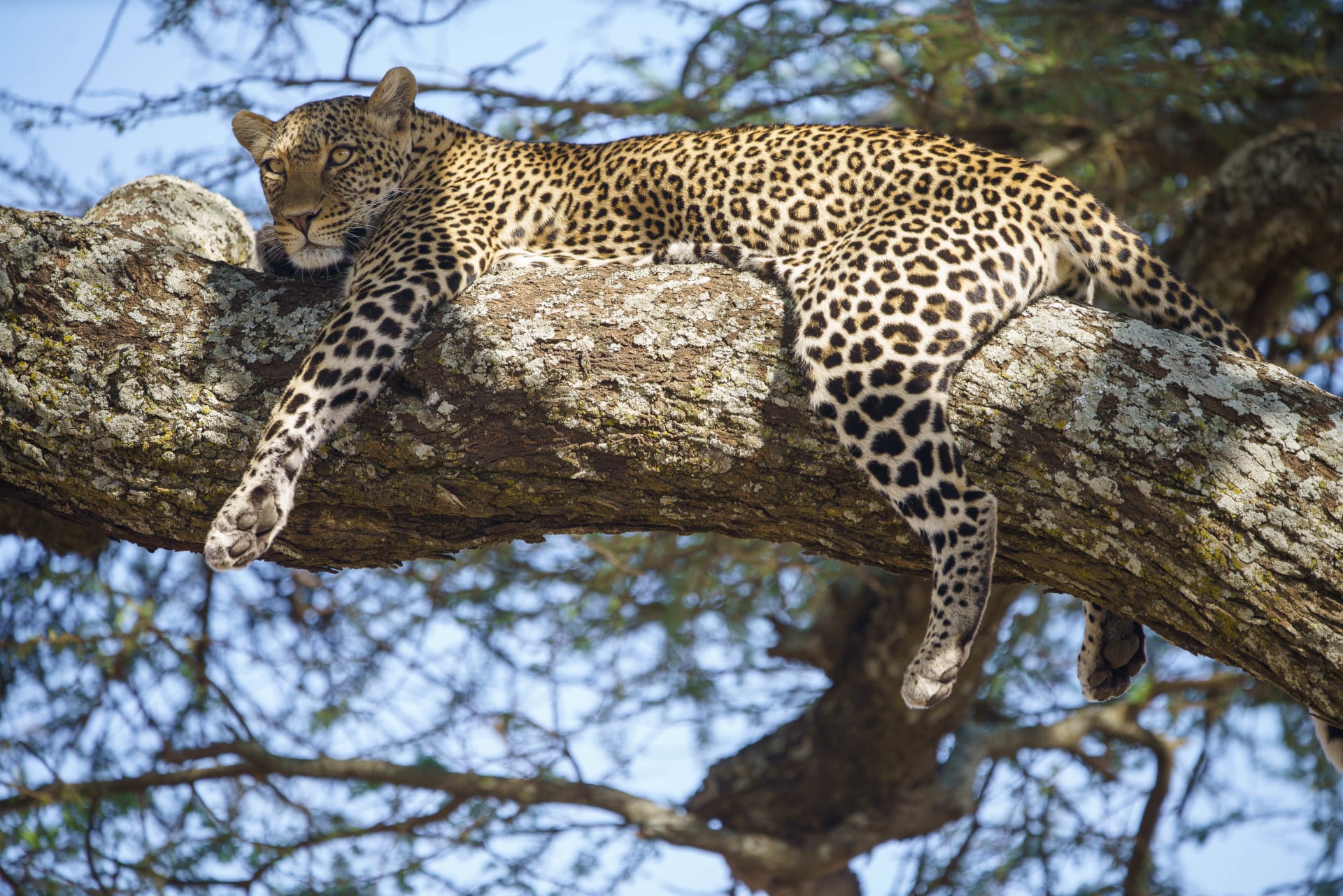
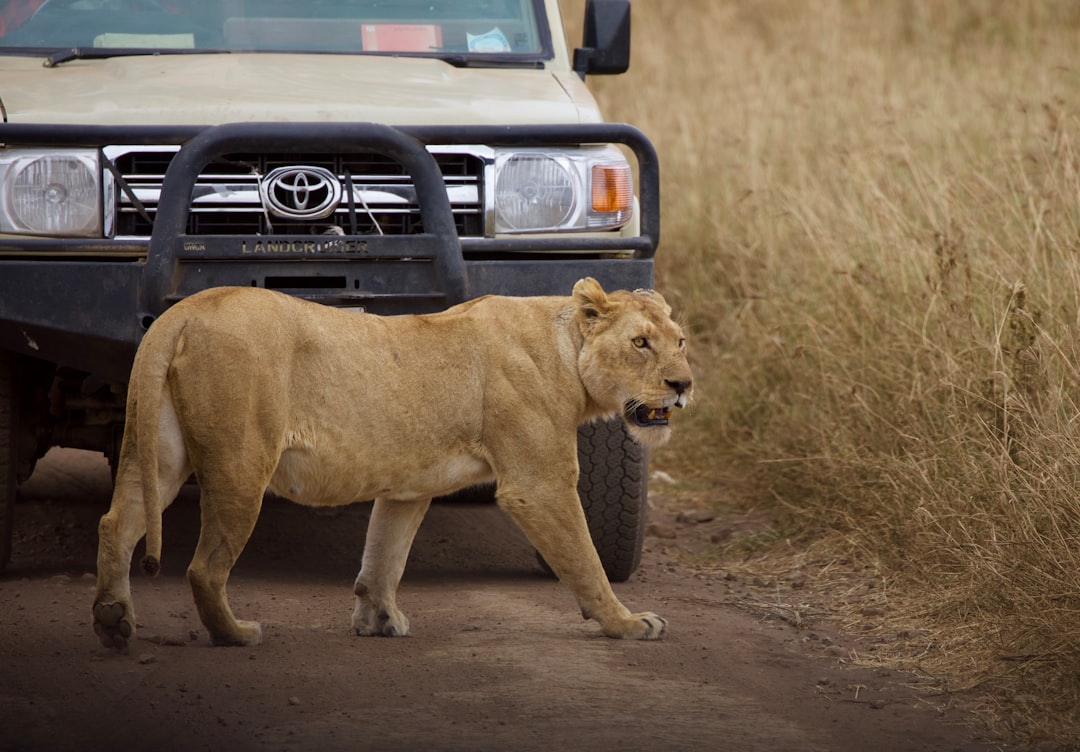
The Big Five—lion, African elephant, Cape buffalo, African leopard, and African rhinoceros—are the most sought-after wildlife in Tanzania. Lions are apex predators visible year-round, particularly during dry season when they gather near water sources. African elephants are abundant, with the Serengeti hosting thousands. Buffalo herds number in the tens of thousands. Leopards are elusive but increasingly spotted, especially in Tarangire National Park. African rhinoceros are rare and endangered but present in protected areas.
Other Notable Species
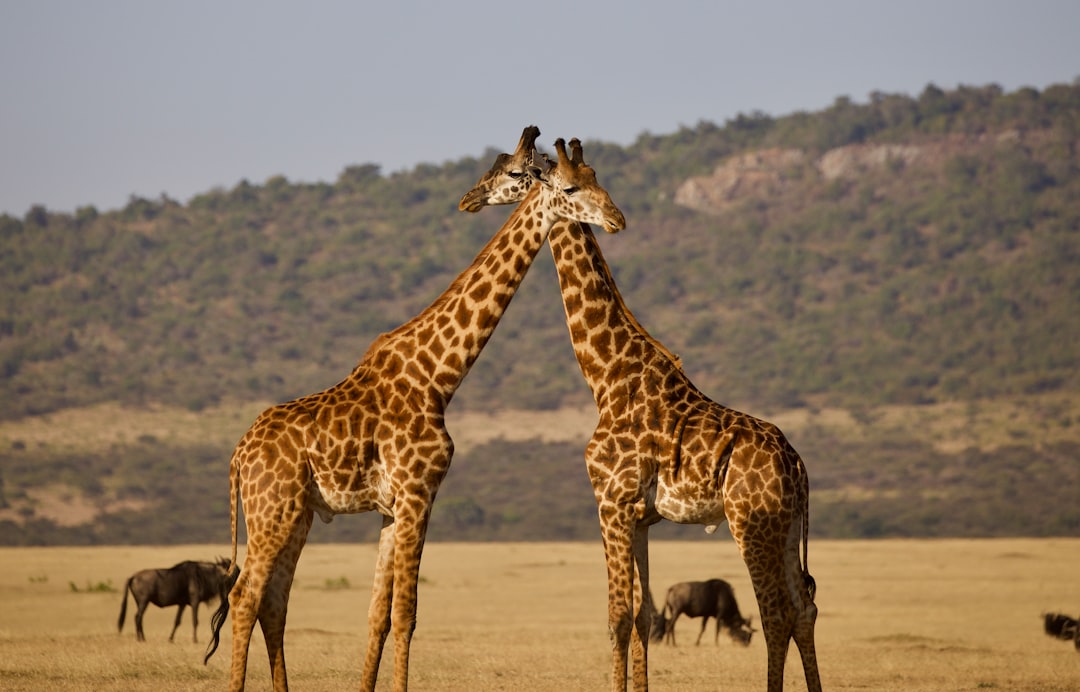
Cheetahs are common during dry season, particularly during calving season when prey is abundant. Wildebeest (gnu) number 1.5 million and dominate the landscape during migration season. Zebras travel with wildebeest herds, their striking stripes visible across vast plains. Giraffes browse acacia trees throughout the Serengeti and Tarangire. Hyenas are vocal nocturnal predators frequently heard during evening game drives.
Explore detailed wildlife identification in our: Tanzania Safari Field Guide: Wildlife ID + Best Viewing Seasons 2026.
Visa Requirements and Health Recommendations for US Citizens
US citizens traveling to Tanzania need a valid passport and tourist visa. Tanzania offers visa-on-arrival for most nationalities, simplifying entry. Health preparations include recommended vaccinations and malaria prophylaxis. Understanding these requirements prevents travel delays and ensures health safety.
Visa Requirements
Tanzania single-entry tourist visas cost $50 USD and are available on arrival at Kilimanjaro or Dar es Salaam airports, or through Tanzania's eVisa portal before travel. The East Africa Tourist Visa covering Tanzania, Kenya, and Uganda costs $100 USD with multiple entries, useful if you're combining safaris across countries. Your passport must be valid for at least 6 months beyond your travel dates.
Vaccinations and Health Precautions
Consult your doctor 4–6 weeks before travel. Yellow fever vaccination is recommended and required if arriving from certain countries. Typhoid, hepatitis A and B, and tetanus vaccinations are typically recommended. Malaria prophylaxis is strongly recommended for most Tanzania regions except high-altitude areas. Insect repellent, long sleeves, and bed nets minimize mosquito exposure.
Complete health and visa checklist: Tanzania Safari Visa & Vaccinations: US Citizen Checklist 2026.
Top-Rated Tanzania Safari Operators and Lodges
Selecting a verified Tanzania safari operator is crucial for ensuring quality experiences, safety, and value. SafariFind lists operators with authentic traveler reviews, transparent pricing, and proven track records. Top-rated lodges combine comfort with authentic safari experiences.
What to Look for in Safari Operators
Choose operators with strong ratings (4.5+ stars), substantial review counts (50+ reviews), and current 2026 pricing information. Verify they employ certified guides, practice responsible wildlife viewing, and offer flexible cancellation policies. Read recent reviews describing actual wildlife sightings, guide quality, food quality, and accommodation conditions.
Luxury vs. Budget Lodge Options
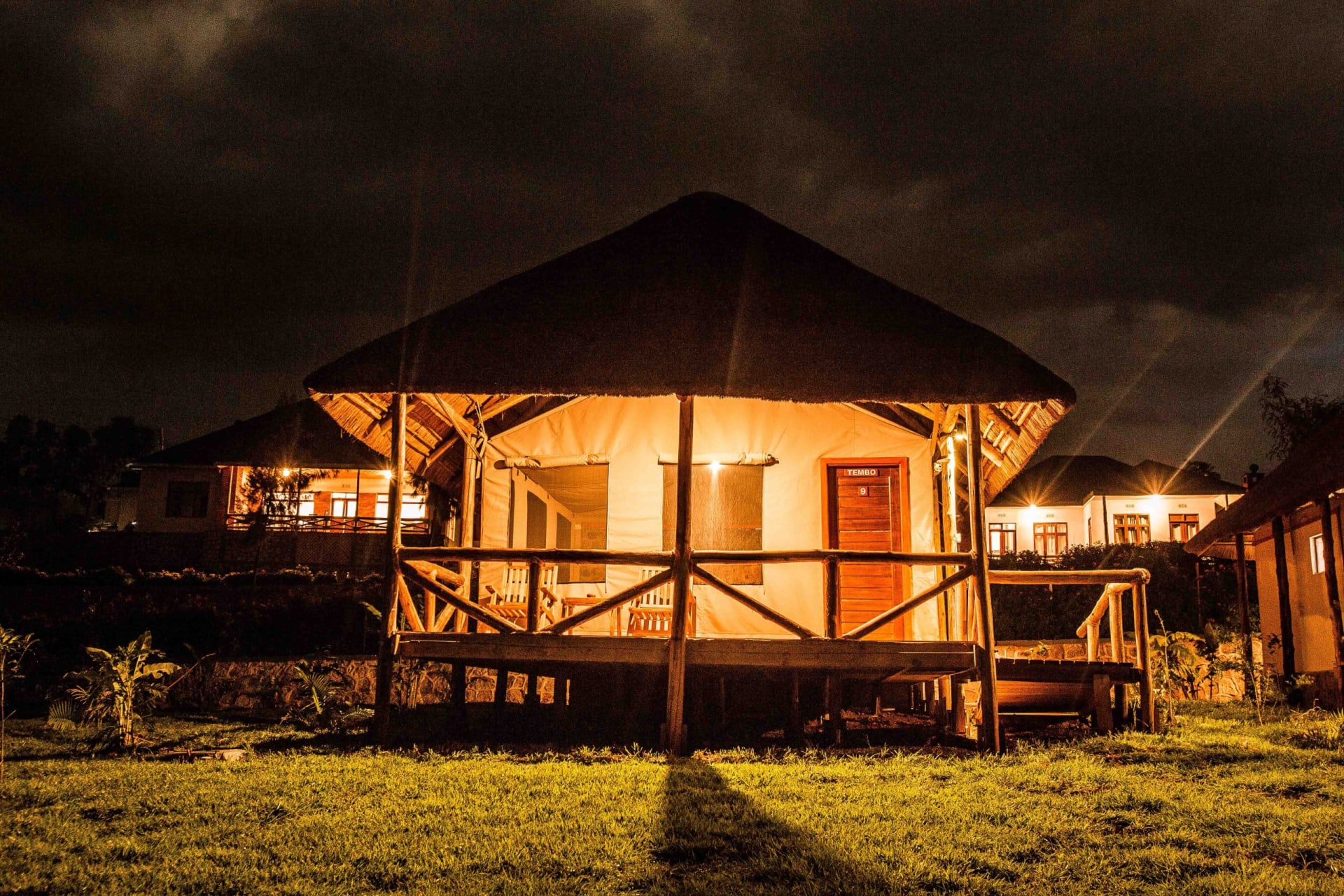
Luxury lodges ($1,200–$2,500 daily) offer fine dining, premium amenities, and exclusive experiences like private game drives. Mid-range lodges ($600–$1,200 daily) balance comfort and value, suitable for most travelers. Budget camps ($250–$600 daily) provide authentic experiences with basic but comfortable accommodations.
Explore verified operators and current packages: Tanzania Safari Resorts & Lodges: Luxury vs Budget 2026.
Northern Tanzania Safari Guide: Serengeti, Ngorongoro, and Tarangire
Northern Tanzania safari guide experiences center on three iconic destinations: the Serengeti, Ngorongoro Crater, and Tarangire National Park. This region offers unparalleled wildlife viewing, dramatic landscapes, and diverse ecosystems. Most 7–10 day safaris explore these destinations in combination.
The Serengeti: Great Migration and Endless Plains
The Serengeti National Park covers 14,750 square kilometers and hosts the Great Migration, where 1.5 million wildebeest and 250,000 zebras move in annual cycles. The Serengeti is known for its endless plains, dramatic predator-prey interactions, and exceptional Big Five viewing. Best time to visit is June–October for dry season concentrations, or January–March for calving season drama.
Ngorongoro Crater: The Eighth Wonder
The Ngorongoro Crater is a collapsed volcanic caldera containing a self-contained ecosystem with 25,000 large animals. The crater floor offers exceptional wildlife density—you'll see lions, elephants, buffalo, and zebras concentrated in a relatively small area. The crater is best visited during dry season (June–October) when wildlife visibility is optimal.
Tarangire National Park: Elephant Paradise
Tarangire National Park is famous for massive elephant herds—over 2,500 elephants migrate through the park seasonally. The Tarangire River attracts wildlife year-round, making it excellent for dry season visits. Tarangire is less crowded than the Serengeti, offering more intimate game drive experiences.
Detailed northern Tanzania safari guide: Northern Tanzania Safari Guide.
Affordable Tanzania Safari Packages with Flights Included
Affordable Tanzania safari packages with flights included offer significant savings compared to booking components separately. All-inclusive packages simplify planning and often provide better rates through operator partnerships with airlines and lodges.
What's Included in All-Inclusive Packages
Comprehensive packages typically include international flights from the US, internal flights within Tanzania, accommodations, all meals, game drives with professional guides, park entry fees, and ground transfers. Some packages add optional activities like hot air balloon safaris, walking safaris, or cultural visits.
Finding Affordable Packages
Book during shoulder season (November–December, April–May) for 15–25% savings on all-inclusive packages. Packages with shared guides and standard accommodations cost less than private guide and luxury lodge options. Group packages (4+ people) often include discounts.
Browse affordable all-inclusive packages: Affordable Tanzania Safari Packages With Flights: 2026 Pricing.
Key Takeaways
- Book your Tanzania safari 3–6 months ahead during dry season (June–October) to save 15–20% on peak season rates and secure preferred accommodations.
- Plan a 7–10 day Tanzania safari costing $1,800–$7,000 total per person, with daily costs ranging $250–$2,500 depending on accommodation level and season.
- Combine Tanzania safari with Zanzibar beach relaxation in 7–10 day integrated packages for balanced vacations mixing wildlife and coastal experiences.
- Compare verified Tanzania safari operators on SafariFind using authentic traveler reviews and transparent 2026 pricing before committing to bookings.
- Visit during calving season (January–March) for dramatic predator-prey interactions and 20–30% cost savings compared to peak dry season rates.
Frequently Asked Questions
How much does a safari in Tanzania typically cost?
Tanzania safari costs range from $250 to $2,500 per person per day in 2026, depending on accommodation level and season. A typical 7-day safari costs $1,800–$7,000 total per person, including accommodations, meals, game drives, and park fees. Budget options cost $250–$600 daily, mid-range lodges run $600–$1,200, and luxury options cost $1,200–$2,500 daily. Peak season (June–October) costs 30–40% more than shoulder season.
What's the best time of year for wildlife viewing in Serengeti?
The best time for Serengeti wildlife viewing is June through October during the dry season. During these months, wildlife concentrates around water sources, making sightings nearly guaranteed. The Great Migration peaks July–September, bringing 1.5 million wildebeest and 250,000 zebras across the Mara River. Calving season (January–March) offers equally dramatic wildlife viewing with predator-prey interactions and lower costs, though weather is less predictable.
How do I book a multi-day safari in Tanzania online?
Start by selecting your preferred season, duration, and budget, then search verified operators on SafariFind offering transparent pricing and authentic traveler reviews. Request detailed quotes from 2–3 operators, confirming what's included: accommodations, meals, game drives, park fees, guides, and transfers. Check operator credentials and read recent reviews describing actual experiences. Once selected, confirm booking with a deposit (typically 25–50% of total cost) and begin preparing required documentation: passport, visa, and travel insurance.
What are recommended vaccinations for a Tanzania trip?
Consult your doctor 4–6 weeks before travel for personalized recommendations. Yellow fever vaccination is recommended and required if arriving from certain countries. Typhoid, hepatitis A and B, and tetanus vaccinations are typically recommended. Malaria prophylaxis is strongly recommended for most Tanzania regions except high-altitude areas. Bring insect repellent containing DEET, wear long sleeves, and use bed nets to minimize mosquito exposure.
Is Tanzania safari cheaper than Kenya or South Africa?
Yes, Tanzania safaris cost 15–25% less than Kenya or South Africa for comparable experiences. Tanzania daily rates run $250–$2,500 compared to Kenya's $300–$3,000 and South Africa's $400–$3,500. The Serengeti rivals Kenya's Masai Mara for wildlife quality, while Tanzania feels less crowded with fewer safari vehicles competing for sightings. All three countries offer excellent wildlife viewing—choose based on your budget, interests, and preferred ecosystems.
Can I combine Tanzania safari with Zanzibar beach vacation?
Yes, safari-and-beach packages combine 5–6 days on safari with 3–4 days in Zanzibar for balanced vacations. Zanzibar is a 1–2 hour flight from the mainland, making it an easy add-on. Daily costs for Zanzibar beach resorts range $150–$500 per person, making combined trips cost-effective compared to separate bookings. Most verified operators offer integrated packages—browse options on SafariFind to find packages matching your budget and timeline.
Where can I find verified Tanzania safari operators and authentic reviews?
SafariFind connects travelers with verified Tanzania safari operators offering transparent pricing and authentic traveler reviews. Search by destination (Serengeti, Ngorongoro, Tarangire), budget level, season, and duration. Read recent reviews from previous travelers describing actual wildlife sightings, guide quality, food, and accommodation conditions. Compare operator ratings, pricing, and package inclusions before requesting quotes. SafariFind's marketplace ensures operators meet quality and safety standards for peace of mind booking.
Conclusion
Tanzania safari guide experiences offer unmatched value and authentic African wildlife viewing in 2026. The best time for wildlife viewing is June through October during the dry season, when animals concentrate near water sources and the Great Migration brings 1.5 million wildebeest across dramatic landscapes. Costs range from $250 to $2,500 per person daily, with typical 7-day safaris totaling $1,800–$7,000 depending on accommodation level and season.
Planning strategically maximizes your safari value and experience. Book 3–6 months ahead during peak season to secure availability and negotiate better rates. Consider shoulder season (November–December, April–May) for 15–25% savings and fewer crowds. Combine safari with Zanzibar beaches for complete East African adventures. Prepare essential documentation including passport, visa, travel insurance, and recommended vaccinations before departing.
SafariFind's marketplace simplifies booking by connecting you with verified Tanzania safari operators offering transparent 2026 pricing and authentic traveler reviews. Compare multiple operators, read recent reviews describing actual experiences, and request detailed quotes confirming what's included. Whether you're a first-time safari-goer, wildlife photographer, or luxury traveler, verified operators on SafariFind offer packages matching your budget, interests, and timeline. Start exploring verified Tanzania safari packages today and begin planning your unforgettable African adventure.
Plan Your Safari with SafariFind
These recommendations use real data from SafariFind, where you can compare operators, browse packages, and read verified traveler reviews before you book.
Recommended Safari Operators from SafariFind
Recommended Safari Packages from SafariFind
What Travelers Say (SafariFind Reviews)
References
- Kenya Tanzania Safari Cost: How Much Does a Kenya Tanzania Safari Cost? 2026 Ideal Guide
- Private Tanzania Safari 2026: 9 Best Options & Costs - Duma Explorer
- Tanzania Safari Cost 2026 - Everything You Need to Know!
- Tanzania Safari Cost: How Much Should You Budget? - Vencha Travel
- Tanzania Safari Cost Breakdown: What to Expect - Zara Tours
- Best Time to Go on Safari in Africa 2026 | Month-by-Month Guide
- African Safari Cost from USA: Full 2026 Breakdown
- Why Green Season Is the Best Time for a Tanzania Safari
Sources
- Kenya Tanzania Safari Cost: How Much Does a Kenya Tanzania Safari Cost? 2026 Ideal Guide
- Private Tanzania Safari 2026: 9 Best Options & Costs - Duma Explorer
- Tanzania Safari Cost 2026 - Everything You Need to Know!
- Tanzania Safari Cost: How Much Should You Budget? - Vencha Travel
- Tanzania Safari Cost Breakdown: What to Expect - Zara Tours
- Best Time to Go on Safari in Africa 2026 | Month-by-Month Guide
- African Safari Cost from USA: Full 2026 Breakdown
- Why Green Season Is the Best Time for a Tanzania Safari
Related to
Ready to start your safari adventure?
Explore curated safari packages and find your perfect African adventure with verified operators.