Tanzania Safari vs Kenya 2026: Cost, Wildlife & Best Operators
Compare Tanzania and Kenya safaris in 2026: costs ($400-$1,800/day), wildlife viewing, best seasons, and verified operators. Plan your African adventure.

Tanzania vs Kenya Safari 2026
Last updated: July 2026
Tanzania safaris cost $500-$1,800 per day with remote wilderness experiences, while Kenya safaris range from $400-$1,500 per day with better budget options and easier access. The best time for both is July-October during the Great Migration. Compare verified operators on SafariFind to find packages matching your budget and travel style.
At a Glance
- Tanzania cost: $500-$1,800 per person per day [3]
- Kenya cost: $400-$1,500 per person per day [3]
- Best time to visit: July-October for Great Migration [5]
- Typical duration: 7-10 days recommended
- Best for Tanzania: Remote experiences, Serengeti, Ngorongoro Crater
- Best for Kenya: Budget travelers, Masai Mara, diverse wildlife
What Is Tanzania Safari vs Kenya 2026: Cost, Wildlife & Best Operators?
Tanzania safari vs Kenya 2026 compares two of Africa's premier wildlife destinations based on cost, wildlife viewing, and operator quality. Both countries offer world-class safari experiences, but they differ significantly in pricing, accessibility, and landscape character. This guide helps you choose the right destination for your 2026 safari adventure.
Kenya is generally more affordable due to higher tourism volume and more competition among lodges and operators [3]. A quality private safari in Kenya runs from around $400 to $1,500 per person per day, while Tanzania's safaris typically cost between $500 and $1,800 per day [3]. The price difference reflects Tanzania's more remote locations and exclusive experiences.
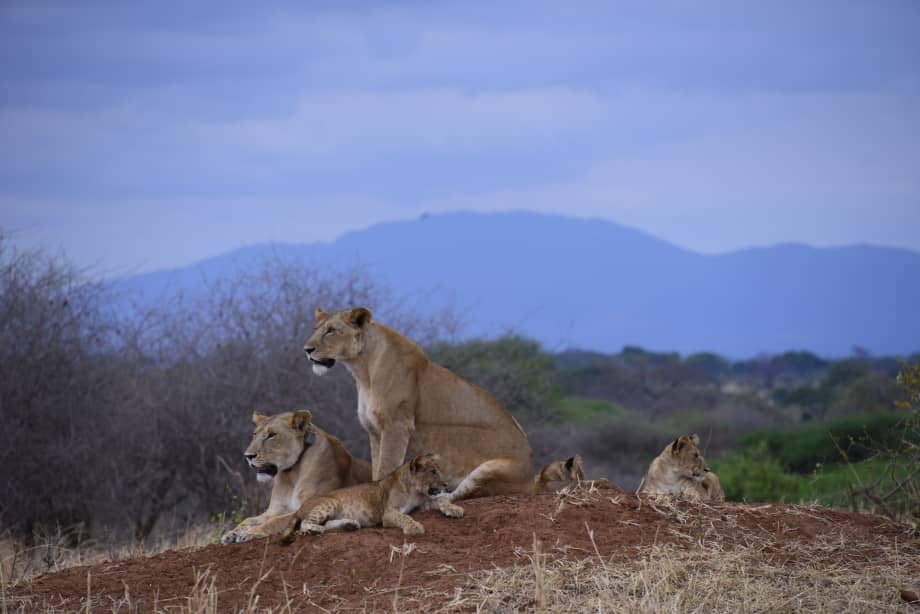
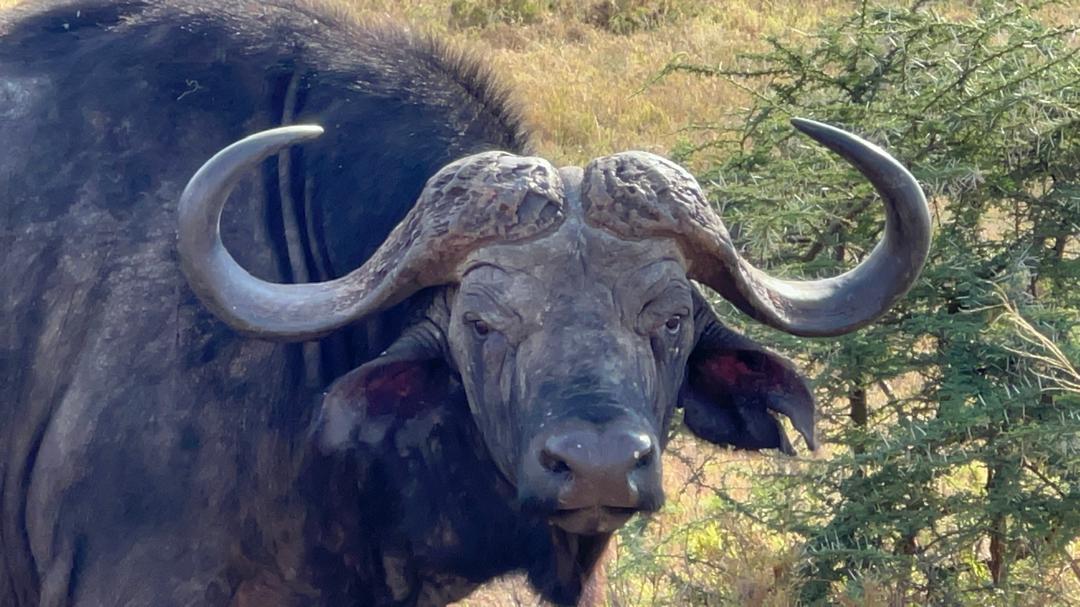
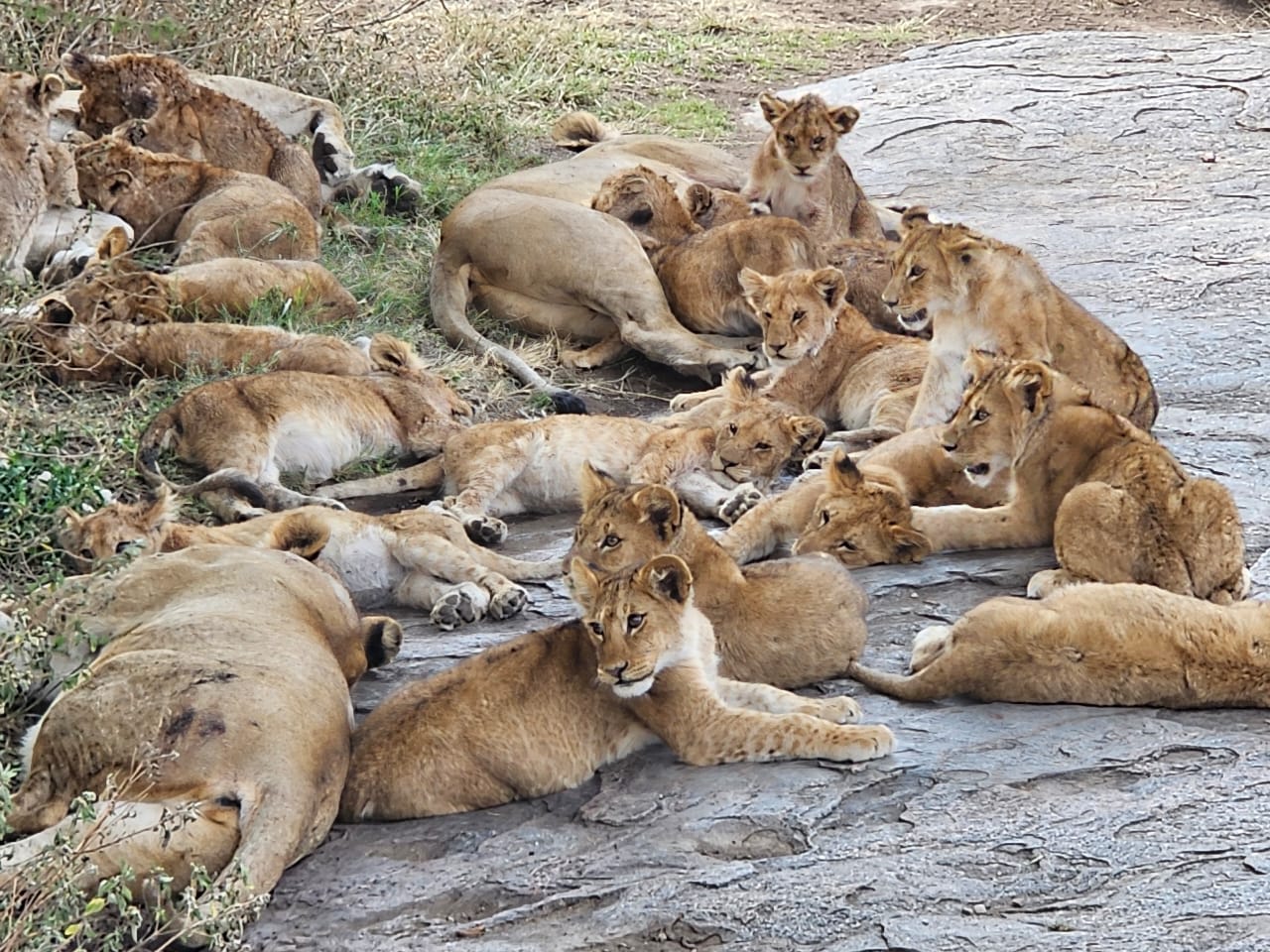
Both destinations feature the Big Five—lions, leopards, elephants, buffalo, and rhinos. However, Kenya's Masai Mara and Tanzania's Serengeti each offer unique wildlife viewing opportunities. The Serengeti hosts over 1.5 million wildebeest during the Great Migration, while the Masai Mara provides excellent year-round wildlife viewing with shorter distances between sightings.
Peak season runs from July through October when prices are highest but wildlife viewing is best [5]. Shoulder season (April-June and November) offers balanced pricing with fewer crowds. Low season (January-March) provides lower costs but less predictable animal sightings [5].
Why This Comparison Matters in 2026
In 2026, park fees represent about 30% of your total safari cost [4]. Tanzania recently increased conservation fees, making the cost gap between destinations wider than before. Kenya's infrastructure and accessibility make it easier for first-time safari travelers, while Tanzania appeals to experienced adventurers seeking remote wilderness.
A combined Kenya and Tanzania safari typically runs $350 to $1,000 or more per person per day [8]. Many travelers pair Kenya's Masai Mara with Tanzania's Serengeti for the ultimate African experience. Combined trips usually last 7-10 days and cost between $1,570-$1,770 per person for shared group tours [7].
Ready to compare verified operators? Browse Tanzania and Kenya safari packages on SafariFind to see real prices, ratings, and traveler reviews for 2026 departures.
Cost Breakdown: Tanzania vs Kenya Safari Pricing
Understanding the cost structure helps you budget accurately. Both countries charge park entrance fees, accommodation, meals, and guide services. Tanzania's costs are higher due to remote locations requiring longer transfers and more fuel consumption.
Kenya Safari Costs
Kenya is generally more affordable because of higher tourism volume and more competition among lodges and operators [3]. A quality private safari in Kenya runs from around $400 to $1,500 per person per day [3]. Budget safaris start at $300-$500 per day, mid-range options cost $800-$1,200 per day, and luxury safaris exceed $1,500 per day.
Park fees in Kenya range from $80-$100 per day for major parks like Masai Mara and Amboseli. These fees represent roughly 30% of your total safari cost [4]. Accommodation varies widely: basic camping costs $50-$150 per night, mid-range tented camps run $200-$400 per night, and luxury lodges exceed $500 per night.
Shorter transfer distances between Kenya's parks keep fuel and transportation costs lower. Most Kenya safaris involve 2-4 hour game drives, compared to 4-6 hours in Tanzania. This efficiency reduces overall expedition costs significantly.
Tanzania Safari Costs
Tanzania safaris cost more because of remote locations and exclusive experiences. Prices range from $500 to $1,800 per person per day [3]. Budget options start around $400-$600 per day, mid-range packages cost $1,000-$1,300 per day, and premium safaris exceed $1,800 per day.
Tanzania's park fees are higher than Kenya's, ranging from $100-$150 per day in major parks like Serengeti and Ngorongoro Crater. These increased fees significantly impact your total budget. Accommodation follows similar pricing to Kenya but often includes more exclusive, smaller camps in remote locations.
Longer transfer distances between Tanzania's parks increase fuel and guide costs. The Serengeti alone covers 14,750 square kilometers, requiring extensive driving to find wildlife. This remoteness creates higher operational costs passed to travelers.
Combined Kenya and Tanzania Safari Costs
Combining both countries typically costs $350 to $1,000 or more per person per day [8]. A standard 7-10 day combined safari ranges from $2,450 to $10,000 per person depending on accommodation level and group size. Shared group tours cost $1,570-$1,770 per person for budget camping options [7].
Combined trips maximize value by spreading fixed costs like guides and vehicles across multiple destinations. You experience both the Masai Mara's abundant wildlife and the Serengeti's dramatic landscapes in one journey.
Compare real 2026 prices from verified operators: View Kenya and Tanzania safari packages with transparent pricing on SafariFind to find options matching your budget.
Wildlife & Best Seasons: What You'll See
Both destinations host incredible wildlife, but seasonal patterns differ. The Great Migration is the primary wildlife event for both countries, moving between Kenya's Masai Mara and Tanzania's Serengeti annually.
Kenya Safari Wildlife
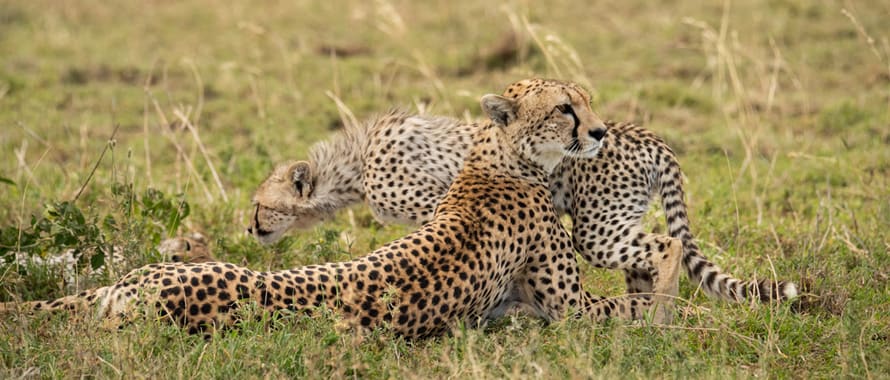
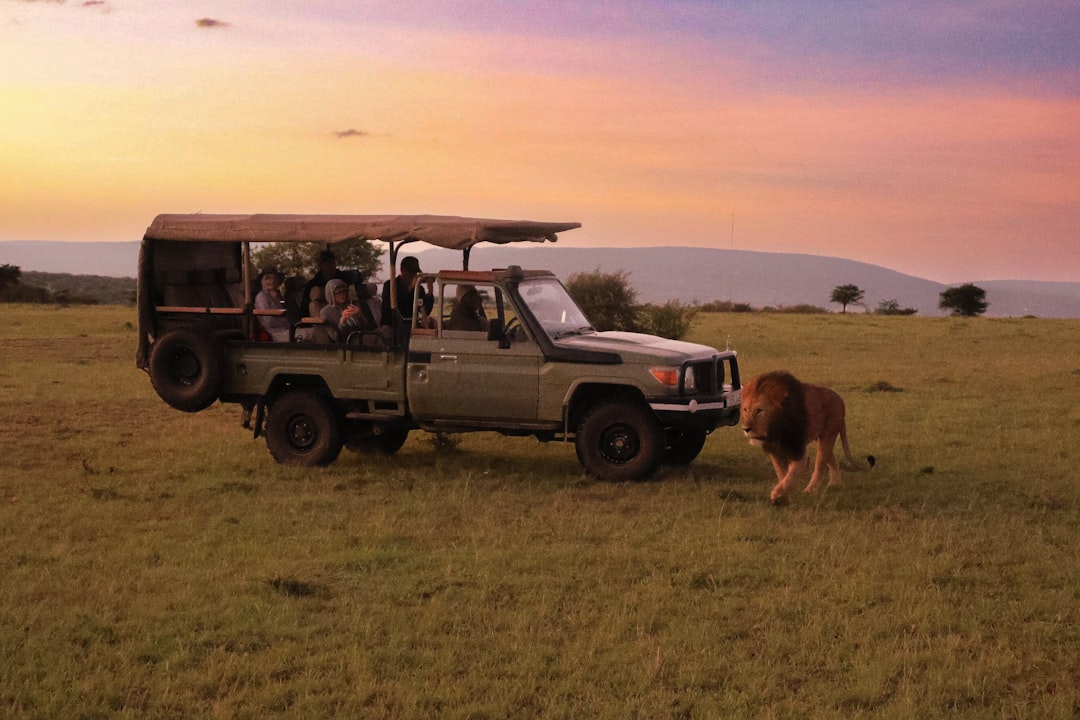
Kenya is generally more affordable and offers consistent wildlife viewing year-round. The Masai Mara features all Big Five animals plus over 450 bird species. Cheetahs frequently hunt impala during safari visits, providing dramatic wildlife photography opportunities [4].
Kenya's wildlife diversity includes giraffes, zebras, wildebeest, and numerous antelope species. Lake Nakuru offers pink flamingos and white pelicans, while Amboseli provides elephant herds against Mount Kilimanjaro's backdrop. Tsavo National Park showcases red elephants and diverse predators.
Best time for Kenya is July-October when the Great Migration brings 1.5 million wildebeest across the Mara River. This spectacle offers unmatched predator-prey interactions as lions, crocodiles, and hyenas hunt migrating herds. November-December provides excellent wildlife viewing with fewer tourists.
Tanzania Safari Wildlife
Tanzania's Serengeti and Ngorongoro Crater offer more remote wildlife experiences. The Serengeti hosts the same Great Migration spectacle as Kenya, with 1.5 million wildebeest crossing between July and October. Ngorongoro Crater contains the world's highest concentration of large mammals in a compact area.
Tanzania's wildlife includes all Big Five animals plus African wild dogs, which are rarely seen in Kenya. The Serengeti's ecosystem supports over 500 species, making it Africa's most biodiverse park. Unique Tanzania experiences include walking safaris with Maasai guides and night game drives to spot nocturnal predators.
Best time for Tanzania is July-October for the Great Migration, similar to Kenya. However, Tanzania's remote location makes wildlife viewing less predictable outside peak season. January-February offers excellent predator viewing as animals concentrate around water sources.
Seasonal Pricing Patterns
Peak season (July-October) brings higher prices and best wildlife viewing [5]. Shoulder season (April-June, November) offers balanced pricing with fewer crowds [5]. Low season (January-March) provides lower costs but less predictable sightings [5]. Strategic timing is one of the easiest ways to optimize value [5].
July-September costs peak at $1,200-$1,800 per day. October-November shoulder season drops to $800-$1,200 per day. January-March low season costs $400-$800 per day but offers fewer animals and less dramatic interactions.
Accessibility, Logistics & Best Operators
Getting to safari destinations and navigating logistics differs between Kenya and Tanzania. Kenya's infrastructure is more developed, while Tanzania offers more remote access.
Getting to Kenya
Kenya is easier to access for international travelers. Most flights arrive at Jomo Kenyatta International Airport (JKIA) in Nairobi, Kenya's capital. From Nairobi, you can drive to Masai Mara (5 hours), Amboseli (4 hours), or Lake Nakuru (2 hours). Domestic flights connect Nairobi to major safari destinations in 1-2 hours.
Kenya's road infrastructure is better developed than Tanzania's. Most safari routes use paved or well-maintained roads, reducing travel time and vehicle wear. This accessibility makes Kenya ideal for families and first-time safari travelers.
Getting to Tanzania
Tanzania requires more travel time but offers more adventure. Most international flights arrive in Dar es Salaam or Kilimanjaro International Airport. From there, you drive to Arusha (2-4 hours), Tanzania's safari hub. Serengeti access requires 1-2 additional hours of driving from Arusha.
Trains or buses are not available for safari transportation [1]. All travel happens via private vehicle with experienced guides. This creates a more immersive, remote experience but requires more travel time than Kenya's routes.
Ngorongoro Crater is 2-3 hours from Arusha, making it more accessible than Serengeti. Your trip ends with late night transfers to Jomo Kenyatta International Airport for most multi-country safaris [1].
Finding the Best Operators
Quality varies significantly among operators in both countries. Look for companies with 4.5+ star ratings and verified reviews from recent travelers. Reputable operators invest in well-maintained vehicles, experienced guides, and quality accommodation.
SafariFind connects you with verified tour operators offering transparent pricing and authentic traveler reviews. Browse verified safari operators for Kenya and Tanzania to compare ratings, reviews, and package options. Request quotes from multiple operators to compare services and pricing.
Best operators typically offer small group sizes (4-8 people per vehicle), experienced naturalist guides, and flexible itineraries. They provide deluxe lodges and tented camps with quality meals and amenities [2]. Many include wildlife photography specialists and offer walking safaris with local guides.
Red flags include operators with poor reviews mentioning rushed drives, uncomfortable vehicles, or inexperienced guides. Avoid companies that promise guaranteed wildlife sightings or unusually low prices. Legitimate safaris require investment in quality vehicles, trained staff, and park permits.
Practical Guide: How to Choose Your Safari Destination
Selecting between Tanzania and Kenya depends on your budget, experience level, and travel style. Here's how to decide which destination suits you best.
Choose Kenya If You:
- Have a limited budget under $1,000 per day
- Are a first-time safari traveler needing easier logistics
- Want consistent wildlife viewing year-round
- Prefer shorter transfer distances and less driving
- Need more accommodation and dining options
Choose Tanzania If You:
- Want a more remote, exclusive wilderness experience
- Are an experienced traveler comfortable with longer drives
- Seek dramatic landscapes like Ngorongoro Crater
- Prefer smaller group sizes and intimate camps
- Have budget flexibility for premium experiences
Combine Both Countries If You:
- Have 10+ days available for travel
- Want the ultimate African safari experience
- Can budget $1,570-$1,770+ for shared group tours [7]
- Want to experience both Great Migration and diverse landscapes
- Prefer seeing multiple ecosystems in one trip
Getting Started in 2026
Book your safari 3-6 months in advance to secure better pricing and availability. Peak season (July-October) books out quickly, so early booking saves 15-20% compared to last-minute reservations. Shoulder season (April-June, November) offers flexibility with fewer crowds.
Determine your budget first, including flights, accommodation, park fees, meals, and tips. Budget safaris start around $2,500-$3,500 for 7 days, mid-range packages cost $4,000-$6,000, and luxury safaris exceed $7,000. Combined Kenya-Tanzania trips cost $1,570-$10,000+ depending on duration and comfort level [7].
Check visa requirements and vaccinations well in advance. Most travelers need visas for both Kenya and Tanzania. Yellow fever vaccination is recommended for both countries.
Ready to book your 2026 safari? Request quotes from verified Kenya and Tanzania safari operators on SafariFind. Compare packages side-by-side and read authentic reviews from travelers who've completed similar trips.
Key Takeaways
- Book Kenya safaris at $400-$1,500 per day for budget-friendly options with easier logistics and consistent wildlife viewing [3].
- Choose Tanzania safaris at $500-$1,800 per day for remote experiences, exclusive camps, and dramatic landscapes like Ngorongoro Crater [3].
- Visit July-October for the Great Migration when 1.5 million wildebeest cross between Kenya's Masai Mara and Tanzania's Serengeti [5].
- Book your safari 3-6 months ahead to save 15-20% on peak season rates and secure your preferred dates and operators.
- Compare verified operators on SafariFind to find transparent pricing, authentic reviews, and packages matching your budget and travel style.
Frequently Asked Questions
Is Tanzania or Kenya safari more expensive in 2026?
Kenya is generally more affordable at $400-$1,500 per day, while Tanzania costs $500-$1,800 per day [3]. Kenya's higher tourism volume and competition among operators keep prices lower. Tanzania's remote locations and exclusive experiences justify higher costs. Combined Kenya-Tanzania safaris cost $350-$1,000+ per day [8].
What's the best time to visit Tanzania and Kenya safaris?
The best time is July-October for the Great Migration when 1.5 million wildebeest cross between destinations [5]. Peak season brings highest prices but best wildlife viewing. Shoulder season (April-June, November) offers balanced pricing with fewer crowds. Low season (January-March) costs less but provides less predictable sightings [5].
How long should I spend on a Tanzania vs Kenya safari?
Minimum 3-4 days per destination provides reasonable wildlife viewing. Most travelers book 7-10 day safaris combining multiple parks. Combined Kenya-Tanzania trips typically last 10-15 days [1]. Longer trips allow more flexibility for wildlife encounters and travel between distant parks.
Can I visit both Tanzania and Kenya on one safari trip?
Yes, many travelers pair Kenya's Masai Mara with Tanzania's Serengeti for the ultimate experience [8]. Combined trips typically cost $1,570-$1,770 per person for shared group tours [7]. Most combined safaris last 10-15 days and visit 4-5 national parks across both countries [1].
What wildlife will I see in Tanzania vs Kenya?
Both countries host all Big Five animals plus diverse wildlife. Kenya features consistent year-round viewing with 450+ bird species in Masai Mara. Tanzania offers more remote experiences with African wild dogs, dramatic landscapes, and Ngorongoro Crater's high animal concentration. The Great Migration brings 1.5 million wildebeest to both destinations July-October [5].
How do I find verified safari operators for Tanzania and Kenya?
SafariFind connects you with verified tour operators offering transparent pricing and authentic reviews. Browse packages, compare operators by ratings and reviews, and request quotes from multiple companies. Look for operators with 4.5+ star ratings and recent traveler reviews. This ensures quality service and fair pricing for your 2026 safari adventure.
Conclusion
Tanzania safari vs Kenya 2026 presents two compelling options for African wildlife adventures. Kenya offers budget-friendly packages at $400-$1,500 per day with easier logistics and consistent wildlife viewing [3]. Tanzania provides remote, exclusive experiences at $500-$1,800 per day with dramatic landscapes and intimate camp experiences [3].
The best choice depends on your budget, experience level, and travel style. First-time travelers with limited budgets should choose Kenya for accessibility and affordability. Experienced adventurers seeking exclusive experiences should explore Tanzania. Those with time and budget flexibility should combine both countries for the ultimate African safari.
July-October offers the best wildlife viewing during the Great Migration, though prices peak during these months [5]. Booking 3-6 months ahead saves 15-20% on peak season rates. Shoulder season (April-June, November) balances good wildlife viewing with lower costs and fewer crowds.
Quality matters more than budget when selecting operators. Verified companies with 4.5+ star ratings provide experienced guides, well-maintained vehicles, and quality accommodation. Authentic reviews from previous travelers reveal operator reliability and service quality.
Start planning your 2026 safari today: Compare verified Kenya and Tanzania safari packages on SafariFind to find transparent pricing, authentic reviews, and operators matching your preferences. Request quotes from multiple operators, read traveler feedback, and book your African adventure with confidence.
Plan Your Safari with SafariFind
These recommendations use real data from SafariFind, where you can compare operators, browse packages, and read verified traveler reviews before you book.
Top Safari Operators from SafariFind
Recommended Safari Packages from SafariFind
What Travelers Say (SafariFind Reviews)
References
- [1] The Best of Kenya & Tanzania: A Safari & Cultural Experience - Road Scholar
- [2] Safari in Kenya and Tanzania - Smithsonian Journeys
- [3] Tanzania vs Kenya Safari 2026: Which is Better? Full Comparison - Private Tours Cape Town
- [4] Kenya Safari Cost 2026 – Everything You Need to Know! - Ella McKendrick
- [5] African Safari Cost from USA: Full 2026 Breakdown - Safari Ventures
- [6] 10 Best Safari Tours in Kenya And Tanzania 2026/2027 - TourRadar
- [7] Combined Kenya and Tanzania Safaris - Compare 328 Tours - Safari Bookings
- [8] Kenya Safari Cost in 2026: What a Real Trip Actually Costs - African Safari Magazine
Related to
Ready to start your safari adventure?
Explore curated safari packages and find your perfect African adventure with verified operators.