Tanzania vs Kenya: Which African Safari Destination Offers Better Value for Budget Travelers
Discover Tanzania vs Kenya: Which African Safari Destination Offers Better Value for Budget Travelers - Expert guide to safari tourism and wildlife destinations.
Tanzania vs Kenya: Safari Value Guide
Tanzania and Kenya both offer world-class safari experiences, but they differ in price, wildlife viewing, and accessibility. Kenya generally costs less for budget travelers, while Tanzania delivers larger animal herds and unique landscapes. Your choice depends on your budget, time, and what animals you want to see most.
What Is Tanzania vs Kenya: Which African Safari Destination Offers Better Value for Budget Travelers?
Choosing between Tanzania and Kenya for your African safari is one of the most exciting decisions you'll make. Both countries sit on Africa's eastern coast and share similar wildlife, yet they offer very different experiences for your money.
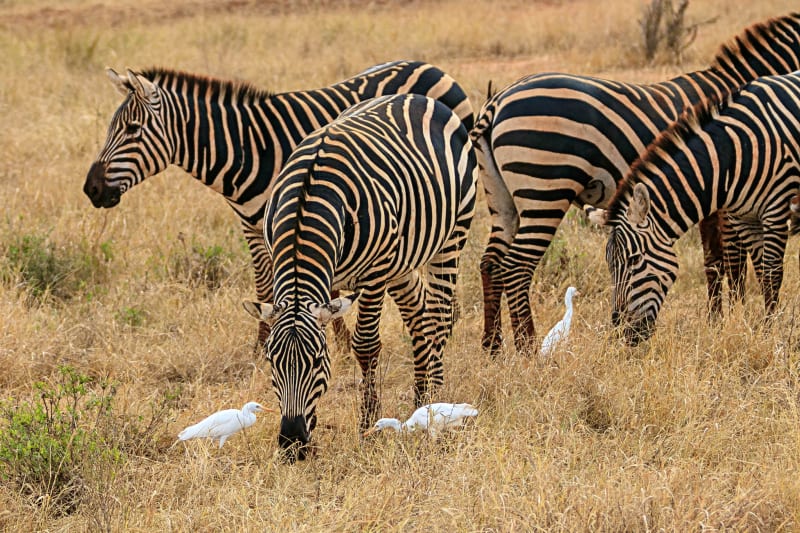
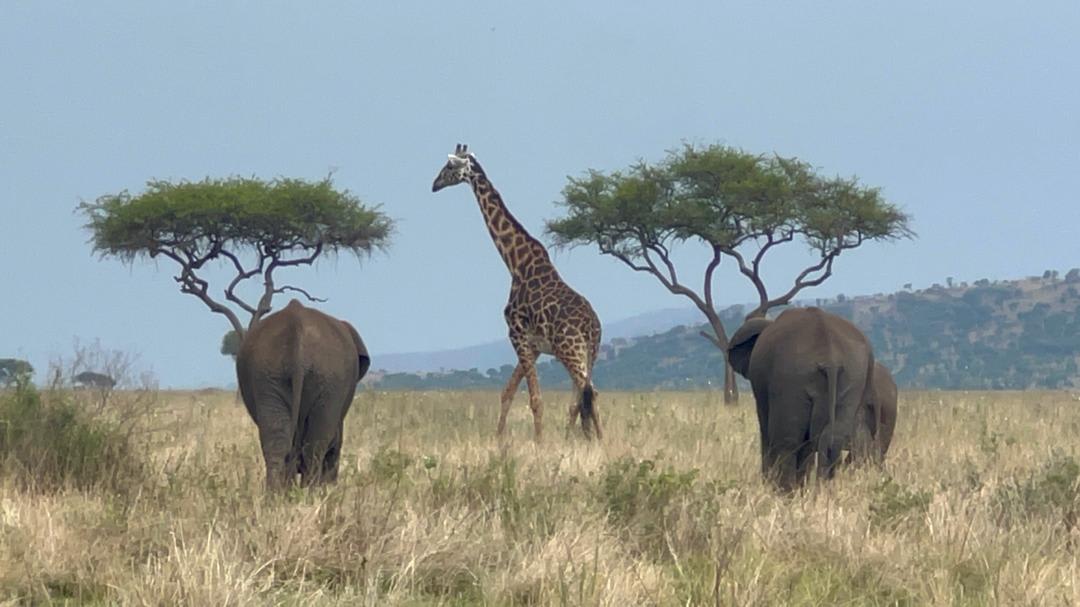
Tanzania and Kenya are the top two safari destinations in East Africa. They attract over 1 million visitors annually who come to see lions, elephants, zebras, and giraffes in their natural habitats.
Why This Comparison Matters for Budget Travelers
If you're planning a safari on a tight budget, understanding the cost differences between these two countries is crucial. Small savings add up fast when you're paying for guides, vehicles, lodging, and meals for several days.
The real question isn't which country is "better"—it's which one offers the best value for YOUR specific budget and interests. Some travelers need affordable options. Others want to see specific animals or landscapes worth paying extra for.
Key Differences at a Glance
Tanzania features massive national parks like the Serengeti with enormous animal herds. Kenya offers easier access to big cats and more established budget-friendly infrastructure. Each destination has distinct advantages depending on what matters most to you.
When you're ready to explore safari packages in either country, SafariFind connects you with verified tour operators who offer transparent pricing and authentic reviews from real travelers. You can compare packages side-by-side and request quotes to see exact costs before committing.
How Do Accommodation Costs Compare?
Kenya's Lodging Options
Kenya offers more budget lodging choices than Tanzania. You'll find hostels, budget camps, and mid-range hotels throughout Kenya's safari regions. Nairobi, the capital, has hundreds of affordable options starting at $15-30 per night.
In popular safari areas like Maasai Mara, budget camps run $40-80 per night. Mid-range lodges cost $100-200 nightly. Kenya's tourism infrastructure is well-developed, so you have flexibility in choosing where to stay and what you want to spend.
Tanzania's Accommodation Reality
Tanzania has fewer budget lodging options in safari areas. Most accommodations cluster in mid-range and luxury categories. Budget camps in the Serengeti typically cost $60-100 per night, higher than Kenya's equivalent.
Tanzania's remote location means fewer cheap alternatives. Dar es Salaam, the largest city, has budget hostels, but safari towns offer limited options. This pushes budget travelers toward pricier mid-range lodges.
Bottom Line on Lodging
Kenya wins for budget accommodation. You'll find more options and lower nightly rates. If lodging costs matter most to your budget, Kenya gives you better value and more choices to stretch your money further.
What About Safari Tour Prices?
Kenya Safari Costs
A typical 3-day Kenya safari costs $800-1,500 per person with a budget operator. This includes vehicle, guide, park fees, and meals. Maasai Mara tours run $100-200 daily per person depending on group size and season.
Kenya's well-established tourism industry creates competition among operators. More operators mean lower prices as they compete for business. You'll find budget options without sacrificing quality or safety.
Tanzania Safari Costs
A comparable 3-day Tanzania safari costs $1,000-1,800 per person. The Serengeti charges higher park fees than Kenya's parks. Daily rates average $150-250 per person with budget operators.
Tanzania's fewer operators mean less competition and higher prices. The Serengeti's size and reputation command premium pricing. Budget travelers often pay 20-30% more in Tanzania for similar experiences.
Seasonal Price Variations
Both countries offer low-season discounts from April to May and November. High season (July-August) brings premium prices in both destinations. Kenya's prices rise less dramatically during peak season than Tanzania's.
If you can travel during shoulder season (June or September-October), both countries offer good value. You'll see wildlife with fewer tourists and pay mid-range prices, not peak rates.
Which Destination Offers Better Wildlife Viewing?
Tanzania's Massive Herds
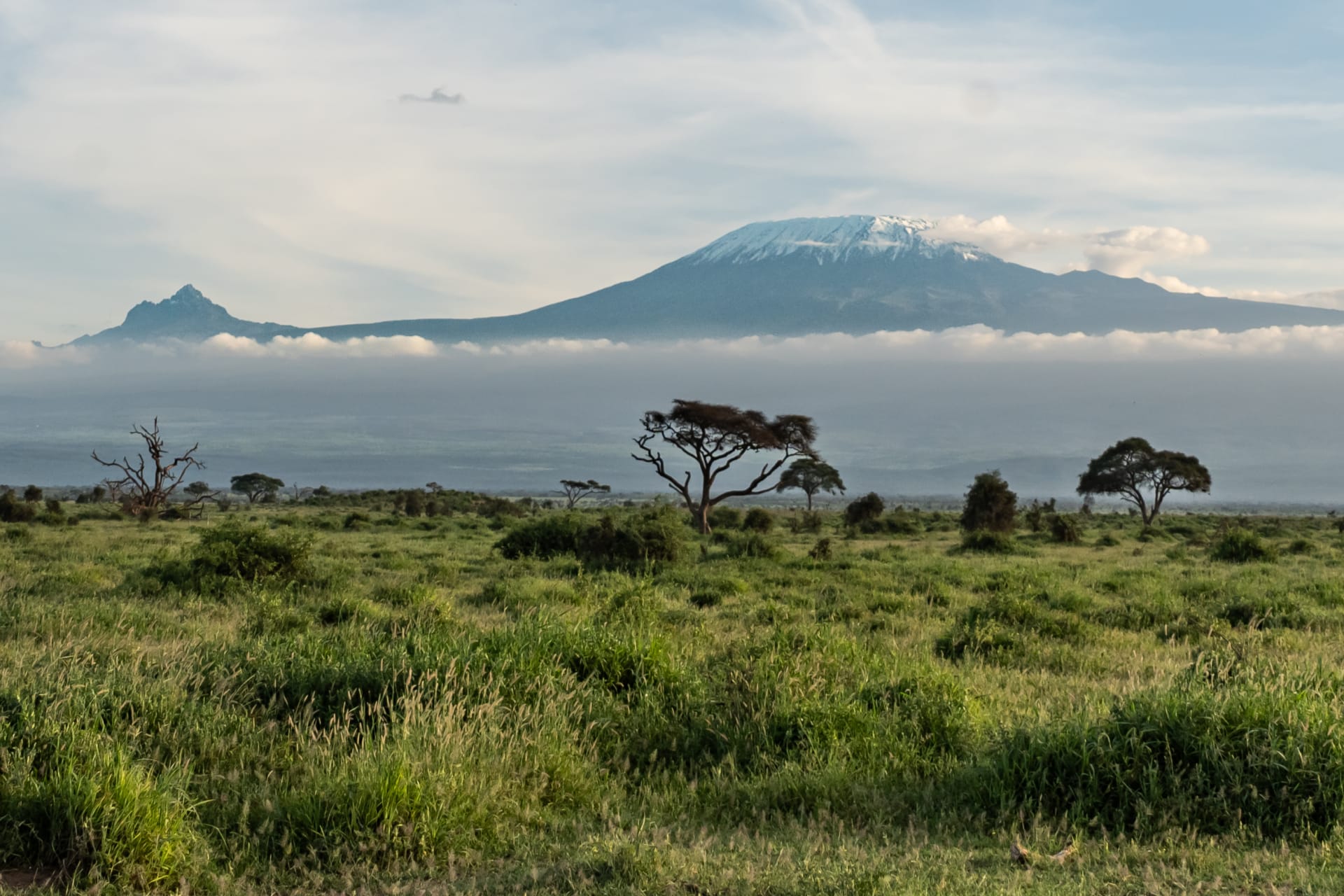
The Serengeti hosts over 1.5 million wildebeest during the Great Migration. You'll see enormous herds of zebras, gazelles, and other grazers. The Ngorongoro Crater concentrates wildlife in a smaller area, making sightings more reliable.
Tanzania's parks cover vast territories. The Serengeti spans 14,750 square kilometers. This size means incredible biodiversity but sometimes requires more driving to find specific animals.
Kenya's Big Cat Advantages
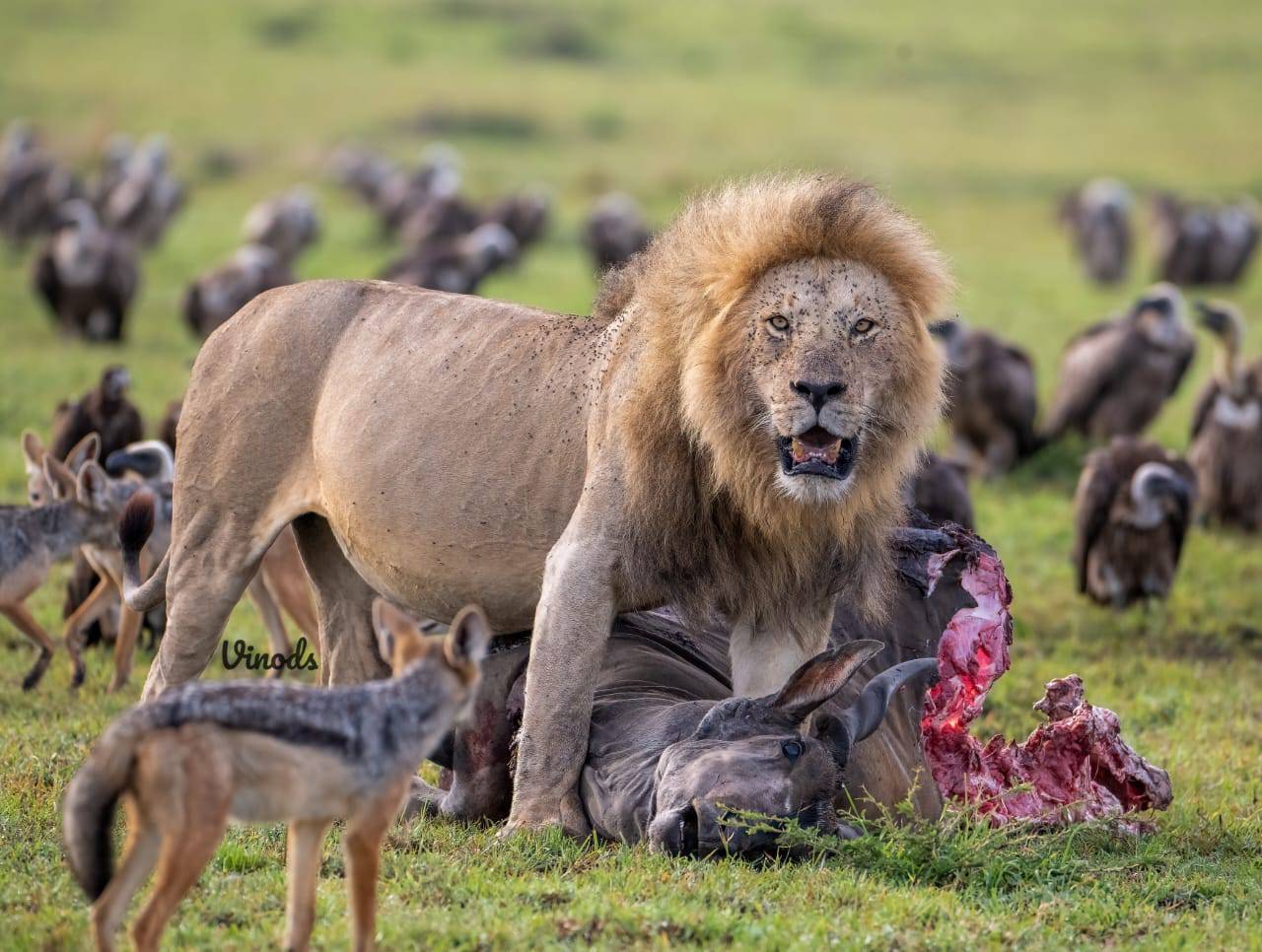
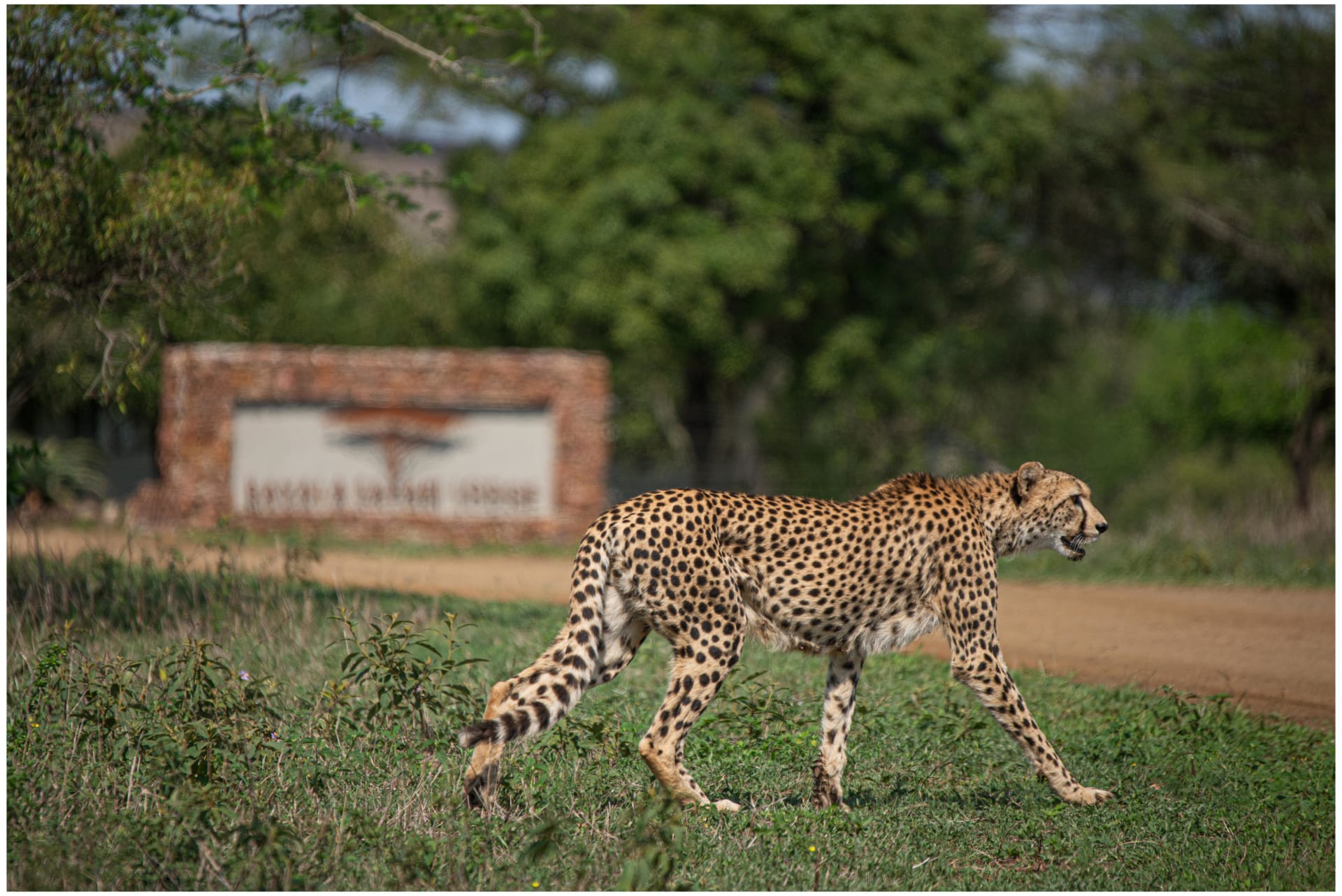
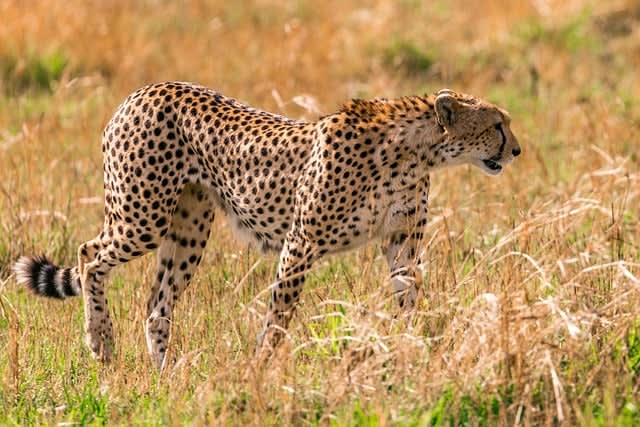
Kenya's Maasai Mara has higher lion and leopard densities than Tanzania's parks. You're more likely to spot big cats on a Kenya safari. The Mara's smaller size means less driving between wildlife sightings.
Kenya offers diverse ecosystems in closer proximity. You can visit savanna, forests, and lakes within a few hours' drive. This variety appeals to travelers wanting multiple landscape experiences.
The Great Migration Question
Tanzania's Serengeti hosts the famous Great Migration, one of Earth's most spectacular wildlife events. Millions of wildebeest and zebras move across the plains annually. If witnessing this is your dream, Tanzania is your only choice.
Kenya's Maasai Mara sees the tail end of the migration but doesn't host the main event. However, the Mara offers excellent year-round wildlife viewing without depending on seasonal migration patterns.
What This Means for Your Budget
Tanzania costs more partly because of the Serengeti's fame and the Migration's appeal. If you specifically want the Migration, you'll pay premium prices. If you're flexible about which animals to see, Kenya offers better value for your safari experience.
How Do Transportation and Logistics Work?
Getting to Kenya
Kenya's main airport in Nairobi is a major African hub. International flights arrive regularly from Europe, Asia, and other African countries. Flight competition keeps prices reasonable compared to Tanzania.
From Nairobi, you can reach safari areas by domestic flights or vehicles. Maasai Mara is 5-6 hours by road. Multiple daily flights cost $100-150 per person, offering quick access to safari regions.
Getting to Tanzania
Tanzania's main airport in Dar es Salaam sees fewer international flights than Nairobi. This means fewer flight options and potentially higher airfare costs. Dar es Salaam to the Serengeti requires a domestic flight, usually $150-200 per person.
The journey to Tanzania's safari regions takes longer. You'll spend more time traveling and potentially more money on flights. Budget travelers should factor these additional transportation costs into their plans.
In-Country Transportation
Kenya has better road infrastructure. Many safari areas are accessible by vehicle without flying. This flexibility saves money if you have extra time to travel overland.
Tanzania's remote locations often require flights. While scenic, flights add significant costs. Budget travelers might spend an extra $300-500 just on flights compared to Kenya.
SafariFind's Role in Planning
When you browse safari packages on SafariFind, you'll see which tours include flights and which don't. Comparing verified operators helps you understand total costs upfront. Request quotes from multiple operators to see transportation options and find the best value.
What About Seasonal Considerations?
Kenya's Seasons
Kenya has two rainy seasons: March-May and November. Dry seasons are June-October and January-February. The dry seasons offer the best wildlife viewing and highest prices.
Even during rainy season, Kenya remains accessible. Roads stay passable, and wildlife viewing continues. Budget travelers benefit from lower prices and fewer tourists during wet months.
Tanzania's Seasonal Patterns
Tanzania's dry season runs June-October. This is peak migration season in the Serengeti, commanding premium prices. Rainy season (November-May) brings fewer tourists but some road challenges.
The Great Migration happens year-round but peaks July-September. If witnessing the Migration is your goal, you must visit during these months and pay peak prices.
Best Budget Travel Times
April-May and November offer the best value in both countries. Prices drop significantly. Wildlife viewing remains excellent, though you'll see fewer tourists. These shoulder seasons balance cost and experience perfectly.
If you visit Kenya during the rainy season, you'll save 30-40% on tours. Tanzania's prices stay higher year-round due to the Serengeti's reputation, so seasonal savings are smaller.
How Do Park Fees and Hidden Costs Factor In?
Kenya's Park Fees
Kenya's national parks charge per-person daily fees: $80 for adults in most parks. Maasai Mara costs $80 per day. These fees are reasonable and clearly stated upfront.
Kenya's total costs are usually transparent. Tour operators include park fees in quoted prices. You won't face many surprise charges if you book through reputable operators.
Tanzania's Park Fees
Tanzania's Serengeti charges $60 per person daily. The Ngorongoro Crater adds $70 per person. While individual fees seem lower, total costs add up fast.
Tanzania sometimes has additional charges: vehicle fees, camping fees, and guide fees. These hidden costs can surprise budget travelers. Always ask operators for a complete cost breakdown before booking.
Food and Beverage Costs
Both countries charge similar meal prices during safaris. Budget lodges provide basic meals included in accommodation. Dining outside your lodge costs $8-15 for casual meals.
Kenya's more developed infrastructure means more affordable dining options. Tanzania's remote areas have limited choices, so prices are higher. Budget for $15-25 daily for meals beyond your accommodation.
Tips and Guides
Budget $10-20 daily for guide tips in both countries. This is customary and expected. Neither country is significantly more expensive for gratuities.
When comparing safari packages on SafariFind, verify what costs are included and which are separate. This clarity helps you calculate true total expenses and avoid budget surprises.
What's the Best Choice for Your Budget?
Choose Kenya If...
You want the lowest overall costs. Kenya offers cheaper accommodations, tours, and transportation. Budget travelers stretch their money further in Kenya than Tanzania.
You prefer easier logistics. Kenya's developed infrastructure means simpler travel arrangements. You can reach safari areas by road, saving on expensive flights.
You want to see big cats. Kenya's Maasai Mara delivers excellent lion and leopard sightings. If big cats are your priority, Kenya offers better value than Tanzania.
You have limited time. Kenya's parks are more accessible, meaning less time spent traveling and more time on safari. This efficiency saves money on accommodation and meals.
Choose Tanzania If...
The Great Migration is your dream. No other place on Earth offers this experience. If the Migration matters most, Tanzania's higher costs are worth it for this unique spectacle.
You want massive wildlife herds. The Serengeti's scale is unmatched. You'll see more animals in larger groups than Kenya offers.
You're willing to pay for uniqueness. Tanzania's remote landscapes and concentrated wildlife in the Ngorongoro Crater justify premium prices for some travelers.
You have flexible timing. If you can visit during shoulder season (April-May or November), Tanzania's prices drop considerably, making it more competitive with Kenya.
The Honest Verdict
Kenya wins for budget travelers seeking the best value. You'll spend less money and see incredible wildlife. Tanzania wins if specific experiences like the Migration matter more than cost.
Neither destination is "wrong"—it depends on your priorities. Use SafariFind to explore packages from verified operators in both countries. Request quotes and read authentic reviews to see which destination truly fits your budget and dreams.
Key Takeaways
Kenya costs 20-30% less overall than Tanzania for accommodations, tours, and transportation combined. Budget travelers stretch their money further in Kenya's well-developed tourism infrastructure.
Book during shoulder season (April-May or November) to save 30-40% on tour prices in both countries while still enjoying excellent wildlife viewing and fewer crowds.
Compare complete costs on SafariFind before deciding—include flights, accommodations, park fees, meals, and tips. Request quotes from verified operators to see transparent pricing and avoid hidden charges.
Choose Kenya for big cats and accessibility; choose Tanzania for the Great Migration and massive herds. Your priorities determine which destination offers better value for your specific safari goals.
Read authentic reviews from previous travelers on SafariFind to understand what you'll actually experience. Real traveler feedback reveals whether premium prices deliver the experiences you want.
Frequently Asked Questions
Is Kenya safari cheaper than Tanzania safari?
Yes, Kenya is generally 20-30% cheaper overall. Kenya offers more budget accommodations, lower tour prices due to operator competition, and cheaper transportation. Tanzania's higher costs reflect the Serengeti's fame and the Great Migration's appeal. However, both countries offer affordable options during shoulder season.
Which country has better wildlife viewing?
Tanzania offers larger animal herds and the Great Migration. Kenya delivers better big cat sightings and easier accessibility. The "better" choice depends on what animals matter most to you. Both countries offer world-class wildlife experiences that justify safari costs.
Can I do a budget safari in Tanzania?
Yes, but it's more challenging than Kenya. Tanzania's fewer budget operators mean higher base prices. However, visiting during shoulder season (April-May or November) and booking group tours reduces costs significantly. Budget safaris in Tanzania typically run $1,000-1,500 for three days.
What's the cheapest time to visit either country?
April-May and November offer the lowest prices in both countries. You'll save 30-40% compared to peak season (July-August). Wildlife viewing remains excellent during these shoulder seasons, and you'll encounter fewer tourists. This timing balances cost and experience perfectly.
How do I find the best value safari packages?
Use SafariFind to compare packages from verified operators in both countries. Request quotes showing complete costs: flights, accommodations, guides, park fees, and meals. Read authentic reviews from previous travelers. This research helps you identify genuine value versus premium pricing.
Should I book tours in advance or wait for deals?
Book 2-3 months in advance for better rates. Last-minute bookings rarely offer discounts for safaris. However, visiting during shoulder season and requesting quotes from multiple operators on SafariFind often yields better prices than booking peak-season tours at the last minute.
Are hidden costs a problem in Tanzania or Kenya?
Tanzania has more hidden costs (vehicle fees, camping charges, guide fees). Kenya's transparent pricing means fewer surprises. Always request complete cost breakdowns from operators before booking. SafariFind's verified operators disclose costs clearly, protecting you from unexpected charges.
Conclusion
Choosing between Tanzania and Kenya comes down to your budget, priorities, and what wildlife experiences matter most. Kenya delivers better value for budget travelers with lower accommodations, cheaper tours, and easier accessibility. Tanzania justifies higher costs with the unmatched Great Migration and massive animal herds that create truly unforgettable moments.
The honest truth? You can't go wrong with either destination. Both countries offer world-class safari experiences that change how you see nature and wildlife. Your budget and specific interests determine which country delivers the best value for you personally.
Ready to explore your options? Visit SafariFind to browse verified safari packages from trusted operators in both Kenya and Tanzania. Request quotes from multiple operators, compare prices and inclusions side-by-side, and read authentic reviews from real travelers who've been where you want to go. SafariFind makes it simple to find the perfect safari at the right price for your budget and dreams. Start your search today and take the first step toward the African safari adventure of a lifetime.
References
Ready to start your safari adventure?
Explore curated safari packages and find your perfect African adventure with verified operators.