Uganda Gorilla Trekking Cost 2026: Budget vs Premium Operators
Uganda gorilla trekking costs $1,200-$6,000+ in 2026. Compare budget vs premium operators, permits, lodging, and find verified tour companies with authentic reviews.

Uganda Gorilla Trekking Cost 2026
Last updated: July 2026
Uganda gorilla trekking costs between $1,200 and $6,000+ per person in 2026, depending on your operator choice and lodge level. The $800 permit is the largest fixed cost. Budget options start around $1,200-$1,500, while luxury packages reach $4,000-$6,000. Book through verified operators on SafariFind to compare packages and read authentic reviews from past trekkers.
At a Glance
- Permit cost: $800 per person (Foreign Non-Resident rate as of 2026)
- Budget package: $1,200–$1,500 total per person
- Mid-range package: $2,000–$2,800 total per person
- Luxury package: $4,000–$6,000+ total per person
- Best time to visit: June-August and December-January (dry seasons)
- Recommended duration: 3-4 days minimum for gorilla trekking
- Best for: Wildlife enthusiasts, adventure seekers, nature photographers
- Main cost components: Permit, accommodation, transport, meals, guide fees
What Is Uganda Gorilla Trekking Cost 2026: Budget vs Premium Operators?
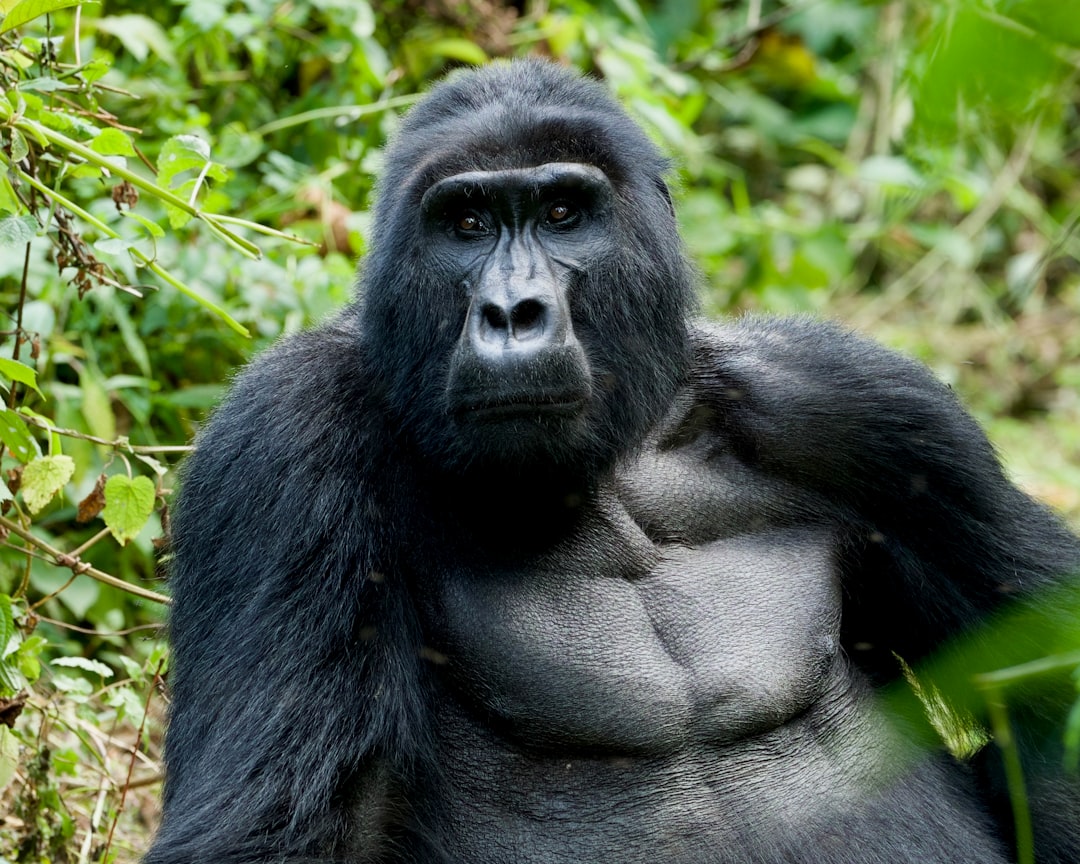
Uganda gorilla trekking cost in 2026 ranges dramatically based on your operator and accommodation choices. The permit alone costs $800 per person, making it the single largest fixed expense in your budget . When you add transport, lodging, meals, and guide fees, total costs spread across three budget tiers: budget ($1,200-$1,500), mid-range ($2,000-$2,800), and luxury ($4,000-$6,000+) .
Budget operators prioritize cost-saving without sacrificing safety or the core trekking experience. Mid-range operators balance comfort with reasonable pricing. Luxury operators deliver premium forest lodges, private guides, and exclusive experiences . Your choice depends on your travel budget, comfort preferences, and how much you want to spend on accommodation versus the trek itself.
The permit cost is non-negotiable and identical across all operators—it's set by Uganda's government. However, what differs significantly is how operators structure their packages around this fixed cost. Some bundle transport, meals, and guides. Others charge separately. Understanding these differences helps you identify true value versus hidden markups .
Why Uganda Offers Better Value Than Rwanda
Uganda's gorilla permits cost $800, while Rwanda charges $1,500 per permit as of 2026 . This $700 difference per person makes Uganda attractive for budget-conscious trekkers. Both countries offer equally stunning gorilla experiences in their respective forests—Bwindi Impenetrable National Park in Uganda and Volcanoes National Park in Rwanda. The choice often comes down to budget and which park appeals to you more.
Uganda also tends to have more mid-range and budget lodge options compared to Rwanda, keeping overall package costs lower . If you're stretching your travel budget, Uganda delivers genuine value without compromising on the core experience of seeing mountain gorillas in their natural habitat.
Key Cost Components Explained
The gorilla trekking permit ($800) covers your guided trek and one regulated hour with a habituated gorilla family . Transport to the park—getting from Kampala or Entebbe to Bwindi—is separate and typically costs $200-$400 depending on your operator and group size .
Accommodation varies dramatically. Budget lodges run $50-$150 per night with basic but clean rooms. Mid-range lodges offer $150-$400 per night with better amenities and views. Luxury lodges cost $500-$2,000+ nightly with premium forest views and personalized service . Most trekkers spend 2-3 nights near the park, adding $100-$6,000 to your total depending on lodge choice.
Meals, guide fees, and park entrance taxes add another $200-$500 to your package. Premium operators often include these in their quoted price, while budget operators may list them separately . Always ask for a complete breakdown before booking to avoid surprise costs.
Budget vs Premium Operators: What's the Real Difference?
Budget operators focus on delivering the core gorilla trekking experience at the lowest price point. They use shared vehicles, basic but comfortable lodges, and experienced local guides. You'll see the same gorillas and trek the same trails as premium clients. The main difference is comfort level before and after the trek . Budget packages typically cost $1,200-$1,500 for a 3-day experience.
Premium operators emphasize comfort, personalized service, and exclusive experiences. They offer private vehicles, luxury forest lodges with stunning views, gourmet meals, and dedicated guides. Some include activities like community visits or bird watching to enhance your trip . Luxury packages range from $4,000-$6,000+ per person for similar durations.
Budget Operator Strengths
Budget operators excel at getting you to the gorillas affordably. They maintain safety standards, employ skilled guides, and deliver authentic experiences. Many have excellent reviews on SafariFind despite lower prices. Group treks mean you share costs with other travelers, reducing per-person expenses .
Budget-friendly doesn't mean poor quality. Many budget operators have been operating for 10+ years with strong safety records. They know the forest intimately and employ guides who are passionate about wildlife conservation. Your gorilla encounter will be equally memorable whether you pay $1,200 or $5,000 .
Premium Operator Advantages
Premium operators provide white-glove service and comfort between treks. You'll stay in lodge suites with hot showers, enjoy multi-course dinners, and have private guides focused entirely on your experience. Some offer pre-trek briefings, post-trek photography workshops, and exclusive access to habituated gorilla families .
Premium packages often include domestic flights from Kampala to the park region, saving you 8+ hours of driving. They arrange airport transfers, handle all logistics, and provide travel insurance. If you prefer relaxation and convenience alongside adventure, premium operators justify their higher cost .
Mid-Range Operators: The Sweet Spot
Mid-range operators ($2,000-$2,800) offer the best balance of comfort and value. They use quality lodges with private rooms and good meals, private or semi-private vehicles, and experienced guides . You get meaningful upgrades from budget options without paying luxury prices.
Most travelers choose mid-range packages because they provide genuine comfort improvements over budget options while remaining affordable. You'll sleep well, eat good food, and trek with skilled guides—all essentials for an excellent gorilla trekking experience . This tier often represents the best value for money in Uganda gorilla trekking.
Ready to compare verified mid-range operators? Explore 3-day gorilla trekking packages on SafariFind to see real prices, ratings, and traveler reviews.
Breaking Down the Full Cost: What You Actually Pay
A complete Uganda gorilla trekking budget includes permit, transport, lodging, meals, guide fees, and park taxes. Understanding each line item helps you avoid surprises and identify where you can save money without sacrificing safety or the core experience .
Permit: The Non-Negotiable $800
The gorilla trekking permit costs $800 per person for foreign non-residents as of 2026 . This is fixed regardless of which operator you choose. It covers the guided trek, park entrance, ranger fees, and one hour with a habituated gorilla family. You cannot trek cheaper by shopping around on permits—they're government-set and standardized .
Children under 15 sometimes qualify for discounts (check with your operator), but most adult trekkers pay the full $800 . This cost is typically included in package quotes but verify with your operator that the permit is covered before booking.
Accommodation: $50-$2,000+ Per Night
Your lodge choice creates the biggest cost variation between budget and luxury packages. Budget lodges charge $50-$150 nightly with shared or private rooms, basic amenities, and simple meals . Mid-range lodges run $150-$400 nightly with better rooms, hot showers, and quality food . Luxury lodges cost $500-$2,000+ nightly with premium views, gourmet dining, and personalized service .
Most gorilla treks require 2-3 nights of accommodation. Budget trekkers might spend $100-$450 total on lodging. Mid-range travelers spend $300-$1,200. Luxury guests spend $1,000-$6,000+ . This accommodation choice alone determines whether your total package costs $1,200 or $5,000.
Transport: $200-$600 Per Person
Ground transport from Kampala or Entebbe to Bwindi costs $200-$400 per person depending on vehicle type and group size . Budget operators use shared minibuses (cheaper per person). Premium operators offer private 4x4 vehicles (more expensive but comfortable) .
Some luxury packages include domestic flights from Kampala to nearby airstrips, adding $300-$400 per person but saving 8+ hours of driving . If your time is limited, flight upgrades justify their cost. Budget trekkers typically choose ground transport to keep costs down.
Meals and Guide Fees: $200-$500
Meals near the park are more expensive than Kampala due to limited supply. Budget packages include basic meals ($30-$50 daily). Mid-range packages offer better food ($60-$100 daily). Luxury packages feature gourmet meals ($100-$200+ daily) . For a 3-day trek, meals add $90-$600 to your cost.
Professional guide fees ($50-$150 per day) are usually included in package quotes but verify this upfront . Park taxes and conservation fees ($10-$30 per person) are typically bundled into permits or package prices .
Sample Budget Breakdown: 3-Day Trek
Budget Package ($1,200-$1,500): Permit $800 + Transport $200 + Budget Lodge $150 + Meals $100 + Guides/fees $50 = ~$1,300
Mid-Range Package ($2,000-$2,800): Permit $800 + Transport $250 + Mid Lodge $600 + Meals $200 + Guides/fees $150 = ~$2,000
Luxury Package ($4,000-$6,000): Permit $800 + Transport $400 + Luxury Lodge $2,000 + Meals $600 + Guides/fees $300 + Extras $400 = ~$4,500
These estimates show how your operator choice and accommodation preference drive total cost. The permit stays constant, but everything else scales with your comfort expectations .
Want to see real 3-day packages with actual prices and reviews? Compare verified Uganda gorilla trekking packages to find options matching your budget and preferences.
How to Find Value: Budget vs Premium Operator Strategies
Finding genuine value in Uganda gorilla trekking requires knowing where to negotiate and where costs are fixed. The permit is non-negotiable, but transport, accommodation, and meals offer flexibility depending on your priorities and group size .
Budget Operator Strategy: Group Discounts
Budget operators offer better per-person rates for larger groups because they share vehicle and guide costs. Solo travelers pay premium prices (sometimes $1,800-$2,000). Groups of 4+ people can negotiate down to $1,200-$1,400 per person . If you're flexible on travel dates, joining a scheduled group trek saves significant money.
Budget operators also offer discounts for booking during low seasons (April-May, November). You might save 10-20% on accommodation and transport during these periods . However, weather is less predictable in low season, so factor in potential trek cancellations or reschedules.
Premium Operator Strategy: All-Inclusive Packages
Premium operators charge higher prices but often include flights, meals, guides, and activities in one transparent price. This eliminates surprise costs and simplifies planning . If you calculate all components separately, premium all-inclusive packages sometimes cost less than building a budget package yourself.
Premium operators also offer flexible cancellation policies, travel insurance, and guarantees. If your trek gets cancelled due to weather, they reschedule without extra charge . This peace of mind justifies higher upfront costs for risk-averse travelers.
Mid-Range Strategy: Verified Reviews
Mid-range operators deliver the most value when you choose based on verified reviews and ratings. Read past traveler feedback on SafariFind to identify operators who consistently deliver excellent experiences at fair prices . A 4.8-star operator with 85 reviews offers more reliability than an unknown company charging slightly less.
Check whether reviews mention specific aspects: guide quality, lodge comfort, meal quality, and whether the operator met expectations . Verified reviews protect you from operators who cut corners on safety or experience to boost profits.
Universal Cost-Saving Tips
- Book 3-6 months in advance to secure better rates and guarantee availability
- Travel during shoulder seasons (April-May, November) for 10-20% discounts
- Join group treks instead of booking private experiences to reduce per-person costs
- Choose mid-range lodges ($150-$400) for the best balance of comfort and value
- Ask operators if permits are included in quoted prices to avoid surprise $800 charges
- Verify what meals are included—some operators charge separately for food
- Check if transport from Kampala/Entebbe is included or costs extra
Before booking, request a detailed cost breakdown from your operator. Ask which costs are included in the quoted price and which are paid separately. Transparency upfront prevents budget surprises later .
When to Book and Best Times to Trek
Booking timing and season choice significantly impact both price and your trekking experience. Uganda's dry seasons (June-August, December-January) offer the best gorilla viewing and highest prices . Booking 3-6 months ahead typically saves 15-20% compared to last-minute bookings .
Best Seasons: Dry Months (Higher Cost)
June-August and December-January are Uganda's dry seasons with better trails, clearer skies, and more reliable gorilla encounters . These peak months attract more tourists, driving up prices for permits (not negotiable), lodges, and transport. Availability fills quickly—book 6 months ahead to secure preferred dates and operators.
Expect to pay full price during these seasons. Budget packages cost $1,400-$1,500. Mid-range reaches $2,500-$2,800. Luxury hits $5,000-$6,000 . The higher cost reflects peak demand and optimal trekking conditions.
Shoulder Seasons: Moderate Cost and Conditions
April-May and September-November offer decent trekking conditions with moderate rainfall and lower tourist crowds. Prices drop 10-15% compared to peak season . You'll still see gorillas, though trails may be muddier and skies cloudier. These seasons work well for budget and mid-range travelers willing to accept less-than-perfect weather.
Low Season: Budget Discounts (Rainy, Challenging)
March and October-November experience heavier rainfall, making trails challenging and muddy. Gorilla encounters remain excellent (small tourist crowds mean habituated families are more relaxed), but trekking is physically demanding . Prices drop 15-25%, making low-season ideal for budget travelers who embrace challenging conditions.
However, heavy rain can cancel treks. Low-season bookings include rescheduling guarantees, so you might need flexibility with travel dates . Consider low season only if your schedule allows 1-2 week flexibility.
Booking Timeline for Best Rates
- 6 months ahead: Secure peak season dates and negotiate 5-10% discounts with some operators
- 3-4 months ahead: Standard booking window with good availability and fair pricing
- 1-2 months ahead: Last-minute availability at full price or slight premiums
- Last-minute (1-4 weeks): Some operators offer 10-20% discounts to fill remaining spots
For the best combination of price and experience, book a shoulder-season trek 3-4 months ahead. You'll avoid peak-season premiums while maintaining good trekking conditions .
Before finalizing your dates, review our guide on which Uganda safari package fits your budget in 2026 to understand seasonal variations better.
Choosing a Verified Operator: Safety and Value
Not all Uganda gorilla trekking operators are equal. Choosing a verified operator ensures safety compliance, ethical wildlife practices, and transparent pricing . SafariFind lists operators with authentic traveler reviews, helping you distinguish trustworthy companies from risky ones.
Red Flags: Operators to Avoid
Avoid operators offering permits below $800—they're either lying about inclusion or operating illegally . Be suspicious of prices significantly below market rates ($900-$1,000 for a complete 3-day package). Rock-bottom prices often indicate cut corners on safety, guide quality, or lodge standards .
Check whether operators have verifiable reviews on SafariFind or other booking platforms. New operators with zero reviews carry higher risk. Established operators with 50+ reviews and 4.5+ star ratings demonstrate consistent quality .
What Verified Operators Provide
Verified operators on SafariFind offer transparent pricing with all costs clearly listed upfront. They provide detailed itineraries, guide qualifications, lodge information, and cancellation policies. Many offer travel insurance, flexible rescheduling, and customer support before and after your trek .
Read recent reviews (from the last 6 months) to assess current quality. Look for specific feedback about guide expertise, lodge comfort, meal quality, and whether the operator delivered what was promised . Consistent positive reviews indicate reliability.
Questions to Ask Before Booking
- Is the $800 permit included in the quoted price or paid separately?
- What meals are included? What are per-meal costs if not included?
- Is transport from Kampala/Entebbe included? If not, what's the cost?
- Are guide fees, park taxes, and conservation fees included?
- What's the cancellation policy if weather forces rescheduling?
- Do you provide travel insurance or require your own?
- What's your guide-to-guest ratio? (1:4 or better is standard)
- Can you provide references from recent trekkers?
Operators answering these questions clearly and providing detailed breakdowns are more trustworthy than those deflecting or vague . Transparency indicates professional operations focused on client satisfaction.
For detailed guidance on spotting verified versus risky operators, read our article on Uganda safari operators 2026: how to spot verified vs risky before booking.
Planning Your Complete Uganda Gorilla Trekking Trip
Beyond the gorilla trek itself, budget for visa fees, vaccinations, travel insurance, and flights to Uganda. These pre-trek expenses add significantly to your total trip cost but are essential for safe, legal travel .
Visa and Documentation Costs
Australian citizens pay AUD $50-$100 for Uganda tourist visas. Canadian citizens pay CAD $50-$100 (about USD $40-$75). Most citizens can obtain visas on arrival or apply online before travel . Budget $50-$100 per person for visa processing.
You'll need a valid passport with 6+ months validity beyond your travel dates. Some countries require Uganda visas—check SafariFind's visa guides for your nationality. Processing times vary from 2-7 days for online applications.
Vaccinations and Health Precautions
Uganda requires yellow fever vaccination for entry (proof of vaccination required) . Malaria prophylaxis is recommended for gorilla trekking regions. Consult your doctor 4-6 weeks before travel about yellow fever, typhoid, hepatitis A, and malaria medications .
Vaccination costs vary by location but expect $200-$500 total for required shots and medications. Health insurance covering Uganda travel is essential—many standard policies exclude African adventure travel. Budget $100-$300 for comprehensive travel medical insurance .
Learn more about health requirements in our guide on vaccinations and health rules for Uganda: Australian citizens 2026.
International Flights and Travel Logistics
International flights to Kampala (Uganda's main airport) cost $1,000-$2,500 from North America/Europe depending on season and booking timing . From Australia, expect $1,200-$2,000. From Canada, budget $1,400-$2,200. Booking 2-3 months ahead saves 20-30% compared to last-minute fares.
Most gorilla trekking packages begin in Kampala or nearby Entebbe Airport. Your operator typically arranges ground transfers ($50-$100 per person). Some luxury packages include flights between Kampala and Bwindi region (saving 8+ hours of driving but adding $300-$400 per person).
Complete Trip Budget Example (USD)
Budget Trip (1 person, mid-range): Visa $50 + Vaccinations $300 + Travel insurance $150 + International flight $1,500 + 3-day gorilla trek $2,000 + Pre/post-trek activities $200 = ~$4,200 total
Luxury Trip (1 person, all-inclusive): Visa $75 + Vaccinations $400 + Travel insurance $300 + International flight $2,000 + 4-day luxury trek $5,000 + Domestic flight $400 + Extra activities $300 = ~$8,475 total
These estimates cover primary expenses. Miscellaneous costs (tips, souvenirs, meals in Kampala) typically add 10-15% to your budget. Plan accordingly to avoid financial stress during your trip.
Key Takeaways
- Book your Uganda gorilla trek 3-6 months ahead to save 15-20% and secure preferred dates with verified operators offering excellent reviews
- Budget $1,200-$1,500 for a basic 3-day trek or $2,000-$2,800 for mid-range comfort—the $800 permit is non-negotiable but everything else scales with your preferences
- Choose mid-range operators ($2,000-$2,800 total) for the best value, balancing safety, comfort, and authentic gorilla experiences without luxury price tags
- Travel during shoulder seasons (April-May, September-November) to save 10-15% on costs while maintaining good trekking conditions and avoiding peak-season crowds
- Always request detailed cost breakdowns from operators upfront—verify whether permits, transport, meals, and guide fees are included to avoid surprise charges
Frequently Asked Questions
How much does a Uganda gorilla safari cost in 2026?
A Uganda gorilla safari costs between $1,100 and $6,000+ per person in 2026. This total includes the $800 mandatory permit (Foreign Non-Resident), 4x4 transport, mid-range lodging, and meals. Budget packages start at $1,200-$1,500. Mid-range packages cost $2,000-$2,800. Luxury packages reach $4,000-$6,000+. The permit is fixed regardless of operator, but accommodation and transport choices drive cost variations .
Is the $800 gorilla permit included in tour package prices?
The $800 gorilla permit is sometimes included and sometimes charged separately—always verify with your operator before booking. Many operators bundle the permit into their quoted price for transparency. Others list it separately to show exactly how much goes to conservation. Always ask: "Is the $800 permit included in your quoted price?" to avoid surprise charges .
What's included in Uganda gorilla trekking packages?
Standard 3-day packages include the gorilla trekking permit, accommodation near Bwindi, meals, transport to the park, a professional guide, and park entrance fees. Some operators include domestic flights from Kampala; others charge separately ($300-$400). Verify what's included in your quoted price—some operators charge separately for meals, guide fees, or transport to avoid surprises .
Can you save money by booking a group gorilla trek instead of private?
Yes, group treks cost significantly less per person than private treks. Solo travelers pay $1,800-$2,000 for a 3-day trek. Groups of 4+ people reduce costs to $1,200-$1,400 per person by sharing vehicle and guide expenses. Many operators offer scheduled group departures monthly. If you're flexible on dates, joining a scheduled group trek saves 20-30% compared to private arrangements .
What's the best season for gorilla trekking, and does it cost more?
June-August and December-January are the best dry seasons for gorilla trekking with optimal trail conditions and clearest skies. These peak months cost 20-30% more than shoulder seasons. Budget $1,400-$1,500 for peak-season budget packages. April-May and September-November offer decent conditions with 10-15% discounts. Low season (March, October) is cheapest but rainier and more challenging .
How do I find verified Uganda gorilla trekking operators?
Use SafariFind to browse verified operators with authentic traveler reviews and ratings. Look for operators with 50+ reviews and 4.5+ star ratings. Read recent reviews (last 6 months) mentioning guide quality, lodge comfort, and whether the operator delivered as promised. Avoid operators with zero reviews or suspiciously low prices below $1,200 for complete 3-day packages .
What's the difference between budget and luxury gorilla trekking operators?
Budget operators ($1,200-$1,500) use basic lodges ($50-$150/night), shared transport, and focus on the core trekking experience. Luxury operators ($4,000-$6,000) offer premium forest lodges ($500-$2,000+/night), private vehicles, gourmet meals, and exclusive experiences. Mid-range operators ($2,000-$2,800) provide the best value with quality lodges, private guides, and genuine comfort improvements over budget options .
Conclusion
Uganda gorilla trekking costs between $1,200 and $6,000+ per person in 2026, with the $800 permit being the largest fixed expense. Your choice of operator and accommodation determines whether you pay budget, mid-range, or luxury rates. Mid-range operators ($2,000-$2,800) offer the best value for most travelers, balancing genuine comfort with reasonable pricing.
Book 3-6 months ahead during shoulder seasons (April-May, September-November) to save 10-20% while maintaining good trekking conditions. Always request detailed cost breakdowns from operators, verify what's included in quoted prices, and choose verified operators with strong reviews on SafariFind . The gorilla trekking experience itself is identical across all price points—you'll see the same magnificent gorillas whether you pay $1,200 or $5,000. The difference is comfort before and after the trek.
Uganda delivers genuine gorilla experiences at lower costs than Rwanda ($1,500 permits) or Congo ($400 permits—but fewer habituated families). For adventure seekers wanting authentic wildlife encounters without luxury price tags, Uganda is an excellent choice .
Compare verified Uganda gorilla trekking packages on SafariFind to see real prices, ratings from past trekkers, and detailed itineraries. Request quotes from multiple operators to understand your options. Read authentic reviews to identify operators who consistently deliver excellent experiences. Your next gorilla trekking adventure awaits—start planning in 2026 today.
Plan Your Safari with SafariFind
These recommendations use real data from SafariFind, where you can compare operators, browse packages, and read verified traveler reviews before you book.
Top Safari Operators from SafariFind
Recommended Safari Packages from SafariFind
What Travelers Say (SafariFind Reviews)
References
- Gorilla Trekking in Africa Cost & Guide, Uganda, Rwanda & Congo - African Tour Operators
- Gorilla trekking Uganda Cost and Price Guide For 2026 - Gorilla Safari Discovery
- Gorilla Trekking Cost Uganda Explained: What You Really Pay For in 2026 - Amatsiko Tours
- How Much Does Gorilla Trekking Cost? 2026 Price Guide - Go Silverback Safaris
- Gorilla Trekking in Uganda & Rwanda, Tour Costs, Gorilla Safaris Africa 2026 - Bwindi Forest National Park
- Uganda Gorilla Trekking: Trips, Permits & Prices (2026) - Duma Explorer
- What a Uganda gorilla trekking trip costs in 2026 - Follow Alice
 Ask Tembo about this guide
Sources
- Gorilla Trekking in Africa Cost & Guide, Uganda, Rwanda & Congo - African Tour Operators
- Gorilla trekking Uganda Cost and Price Guide For 2026 - Gorilla Safari Discovery
- Gorilla Trekking Cost Uganda Explained: What You Really Pay For in 2026 - Amatsiko Tours
- How Much Does Gorilla Trekking Cost? 2026 Price Guide - Go Silverback Safaris
- Gorilla Trekking in Uganda & Rwanda, Tour Costs, Gorilla Safaris Africa 2026 - Bwindi Forest National Park
- Uganda Gorilla Trekking: Trips, Permits & Prices (2026) - Duma Explorer
- What a Uganda gorilla trekking trip costs in 2026 - Follow Alice
Related to
Ready to start your safari adventure?
Explore curated safari packages and find your perfect African adventure with verified operators.