Uganda Safari in July 2026: Dry Season Wildlife & Real Costs
Uganda safari in July 2026 costs $180–$517/day. Dry season offers gorilla trekking, chimpanzees, and Nile wildlife. Book verified operators on SafariFind.
Uganda Safari July 2026: Dry Season Wildlife
Last updated: July 2026
A Uganda safari in July 2026 costs $180–$517 per day for quality wildlife experiences during the dry season. July offers warm weather, excellent gorilla trekking conditions, and fantastic wildlife viewing at Murchison Falls and Queen Elizabeth National Park. Book through verified operators on SafariFind to compare packages and read authentic reviews from travelers who've visited recently.
At a Glance
- Cost: $180–$517 per day, or $867+ for full safari packages in 2026
- Best time to visit: July is ideal—warm, dry weather with excellent wildlife visibility
- Duration: 7–10 days recommended for gorilla trekking and game safaris
- Best for: Wildlife enthusiasts, gorilla trekkers, bird watchers, and adventure seekers
- Gorilla permit cost: $700 per person (included in most packages)
- Getting there: Fly into Kampala's Entebbe International Airport, then domestic flights to safari destinations
What Is Uganda Safari in July 2026?
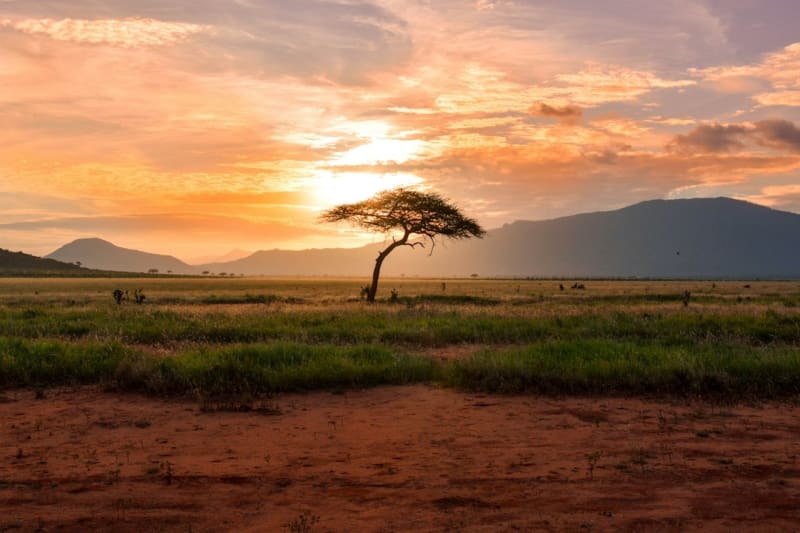
Uganda safari in July 2026 is one of Africa's most diverse wildlife experiences combined with optimal dry-season conditions. July falls during Uganda's dry season, making it perfect for both gorilla trekking and traditional game viewing. The weather is warm and comfortable, with minimal rainfall and excellent visibility for spotting animals.
Uganda offers experiences you won't find elsewhere in Africa. You can trek mountain gorillas in Bwindi Impenetrable National Park, track chimpanzees in Kibale Forest, and watch the Nile River at Murchison Falls. Uganda pairs gorillas with chimpanzees and savannah wildlife, offering better value than Rwanda while providing wilder, more authentic experiences.
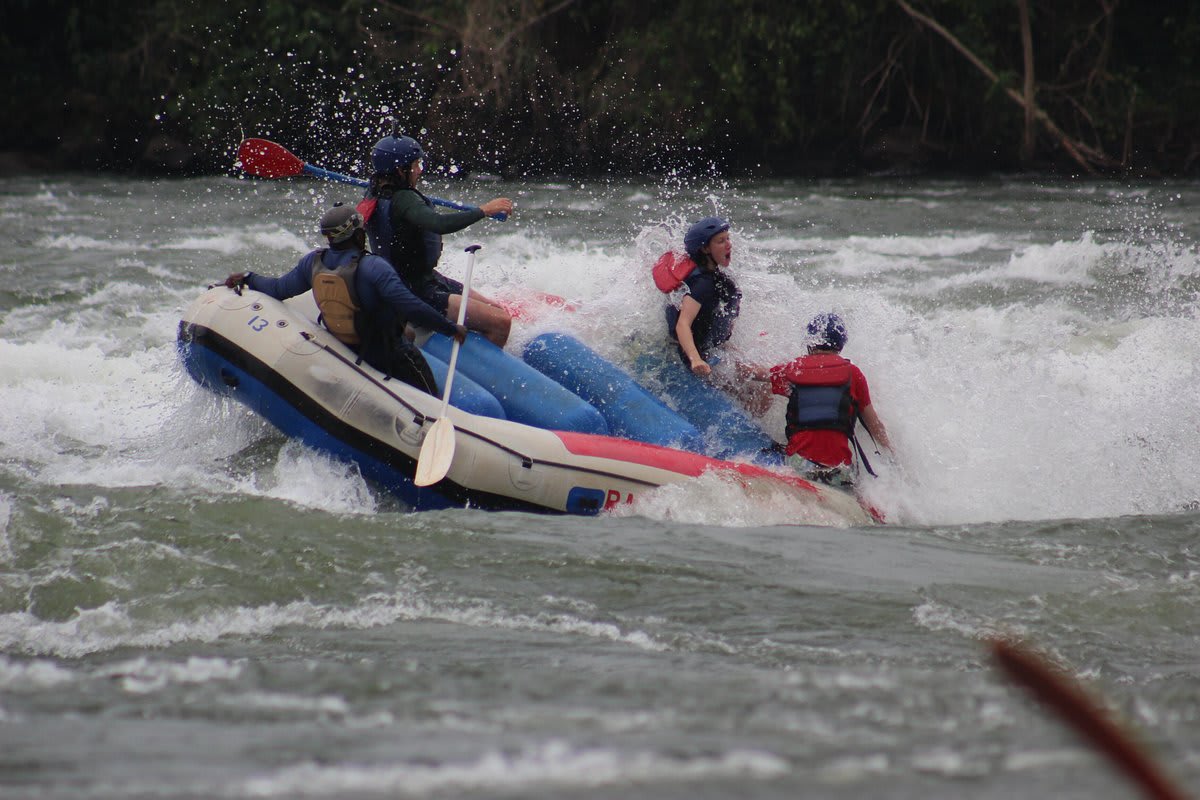
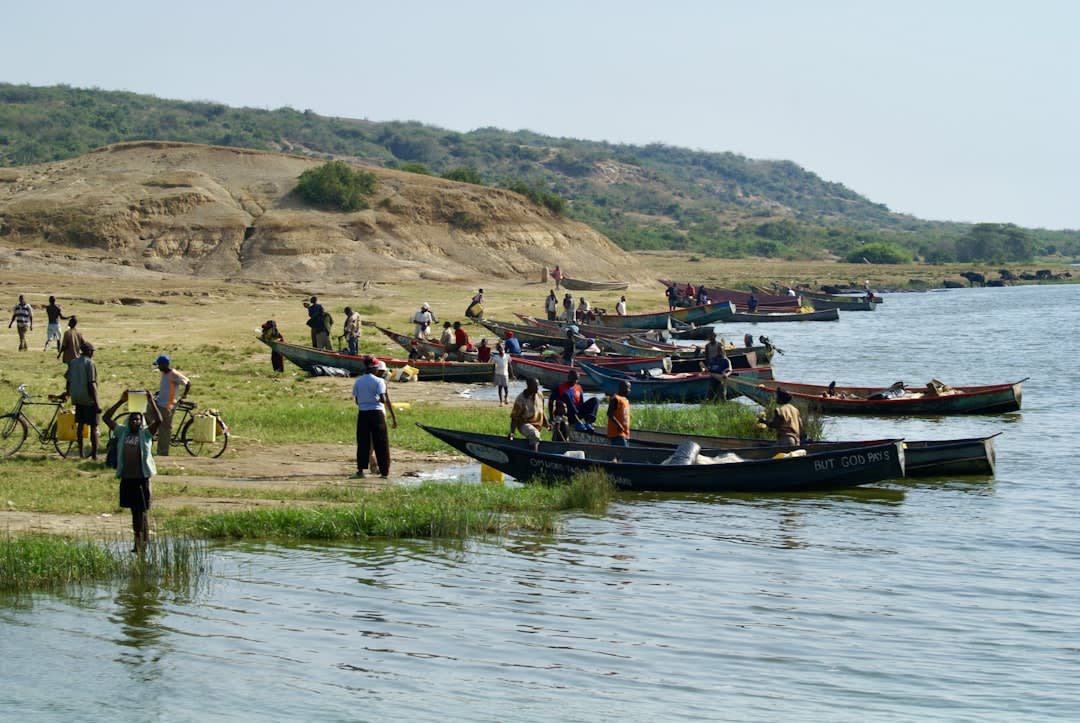
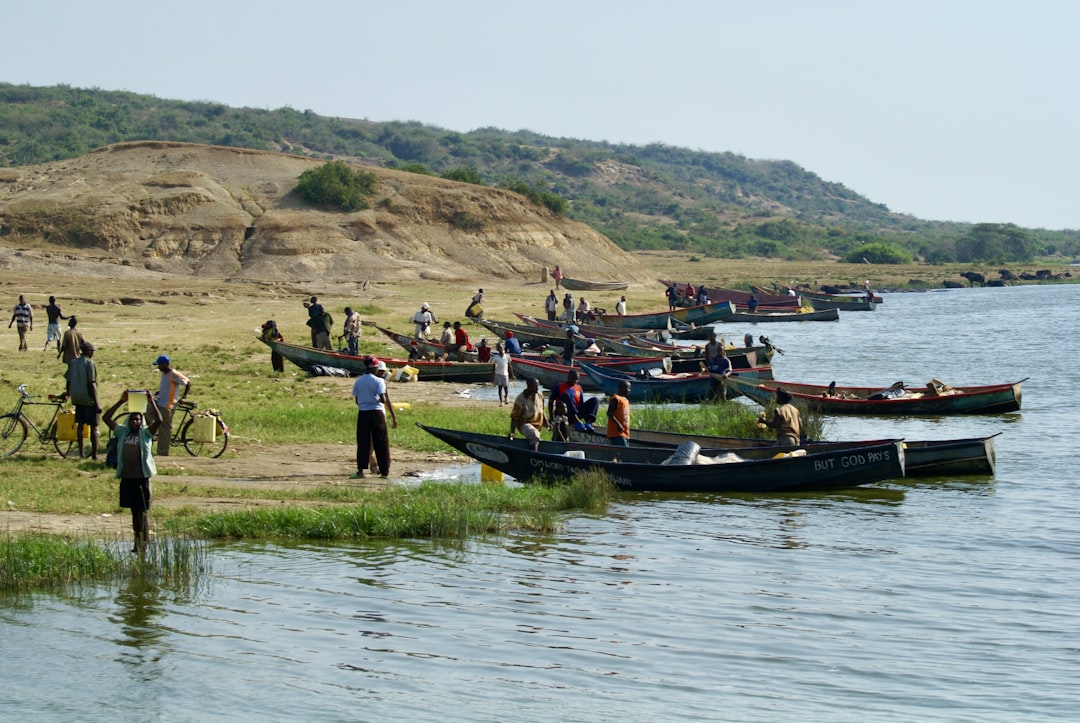
July is the sweet spot for visiting Uganda. Warm, dry weather is perfect for boat safaris on the Nile at Murchison Falls and on the Kazinga Channel in Queen Elizabeth National Park. These offer fantastic opportunities to see crocodiles, hippos, and water birds. The dry conditions also make hiking trails easier and safer for gorilla trekking.
The cost structure in 2026 reflects quality safari experiences. Luxury safaris range from $1,000 to $2,500 per day, while budget-friendly options start at $180 per day. Most travelers find excellent mid-range packages between $300–$400 daily that include meals, guides, and activities.
This guide covers everything you need to plan a Uganda safari in July 2026—real costs, wildlife highlights, best destinations, and how to book with verified operators. We'll help you understand what to expect and how to get the best value for your money.
Ready to explore Uganda's wildlife? Browse Uganda safari packages under $3,000 on SafariFind to find options that fit your budget.
Why July Is the Best Month for Uganda Safaris
July stands out as one of Uganda's premier safari months for specific reasons. The dry season ensures clear skies, comfortable temperatures, and excellent wildlife viewing conditions. Unlike rainy months, July offers reliable weather that lets guides spot animals more easily and keeps hiking trails safe.
Weather conditions in July are ideal for all safari activities. Daytime temperatures range from 20–26°C (68–79°F), which is comfortable for walking and sitting in safari vehicles. Early mornings can be cool, but the sun warms things up quickly. Rain is rare, so you won't experience muddy trails or vehicle delays.
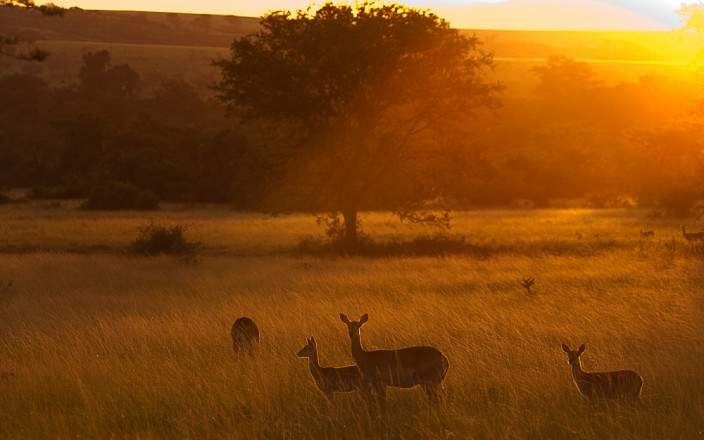
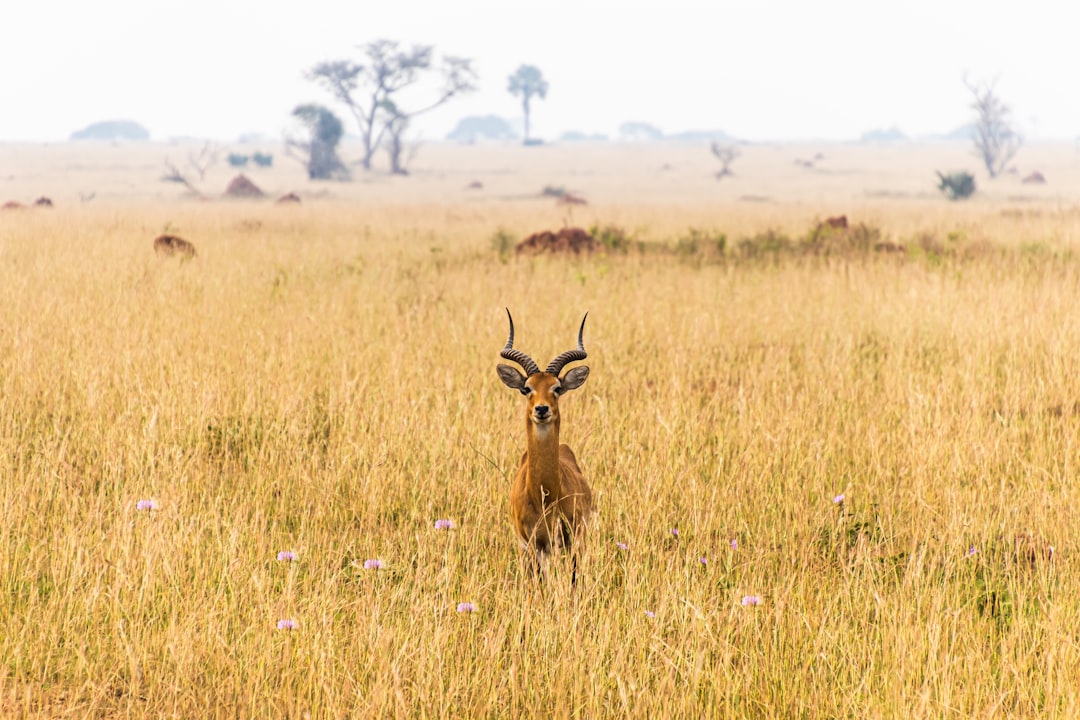
Wildlife viewing improves dramatically during the dry season. Animals gather around water sources, making them easier to spot. At Kazinga Channel in Queen Elizabeth National Park, you'll see dense concentrations of elephants, buffalo, hippos, and various antelope species. Murchison Falls offers excellent opportunities for Nile boat safaris where crocodiles and water birds are active.
Gorilla trekking becomes more accessible in July. The dry trails make hiking easier and safer. Porters cost $10–$15 per day and carry your backpack while steadying you on slippery slopes. Tipping ($5–$10) is customary. Beyond easing your trek, hiring a porter provides employment to former poachers and local youths.
Tourist crowds are moderate in July compared to peak season. You'll have a more authentic experience without excessive congestion at popular sites. This balance makes July perfect for travelers seeking both comfort and genuine wildlife encounters.
Real Costs: What You'll Actually Pay in 2026
Uganda safari costs in 2026 vary significantly based on your preferences and travel style. Understanding the real breakdown helps you budget accurately and avoid surprises. Prices range from budget options to luxury experiences, with most travelers finding excellent value in the mid-range category.
Daily Safari Costs
Daily costs in Uganda safaris span a wide range depending on accommodation and services. Budget safaris cost around $180–$250 per day and include basic lodging, meals, and game drives. Mid-range safaris run $300–$400 daily with comfortable accommodation and experienced guides. Luxury safaris exceed $500 per day with premium lodges and personalized service.
Planning a safari in Uganda for 2026 requires understanding that luxury safaris cost between $1,000 to $2,500 per day, while budget-friendly safaris offer excellent value at lower price points. Most packages bundle accommodation, meals, transportation, and guide services into daily rates.
Gorilla Trekking Permits
Gorilla trekking is Uganda's signature experience, and the permit cost is substantial. A single gorilla permit costs $700 per person in 2026. Most safari packages include this permit in their total price, but always confirm when booking. One permit gives you one hour with a gorilla family—an unforgettable experience worth the investment.
Bwindi Impenetrable National Park and Mgahinga Gorilla National Park are the two main gorilla trekking destinations. Both offer similar experiences and permit costs. Your chosen package will specify which park you visit based on availability and your preferences.
Package Pricing Examples
Here's what typical 2026 packages cost for different travel styles:
| Package Type | Duration | Price Range | Includes |
|---|---|---|---|
| Budget Safari | 7 days | $1,260–$1,750 | Basic lodge, meals, game drives, shared transportation |
| Mid-Range Safari | 7 days | $2,100–$2,800 | Comfortable lodge, all meals, gorilla permit, experienced guide |
| Luxury Safari | 7 days | $3,500–$5,250 | Premium lodge, gourmet meals, private vehicle, expert naturalist guide |
| Budget + Gorilla | 8 days | $1,960–$2,450 | Includes gorilla permit, basic accommodation, game drives |
Additional Costs to Budget
Beyond package prices, plan for extra expenses. International flights from North America or Europe typically cost $800–$1,500 roundtrip. Visa fees for Uganda are around $50 for most nationalities. Travel insurance is essential and costs $100–$300 for a 10-day trip.
Vaccinations and health precautions add costs. Check vaccination requirements for your nationality before booking. Malaria prophylaxis, yellow fever vaccine, and other preventive medications may be necessary. Budget $200–$400 for health preparations.
Tips for guides and staff are customary in Uganda. Plan $10–$20 per day for your main guide. Porters, drivers, and lodge staff appreciate tips based on service quality. Souvenirs and activities outside your package (like village visits or craft shopping) add $100–$300 to your budget.
Looking for value? Compare verified safari packages on SafariFind where you can filter by price range and read authentic reviews from travelers who've completed these exact trips in 2026.
Top Destinations for July Safaris in Uganda
Uganda's geography offers diverse safari experiences. July's dry conditions make all major destinations accessible and rewarding. Each location provides unique wildlife viewing and activities suited to different interests.
Murchison Falls National Park
Murchison Falls National Park is Uganda's largest national park and a must-visit destination. The Nile River creates dramatic falls and abundant wildlife viewing opportunities. Warm, dry weather is perfect for boat safaris on the Nile at Murchison Falls, offering fantastic opportunities to see crocodiles, hippos, and water birds.
Game drives in Murchison Falls reveal elephants, buffalo, giraffes, and numerous antelope species. The park is also excellent for birdwatching, with over 450 bird species recorded. July's dry season concentrates animals around water sources, making sightings more frequent and reliable.
Queen Elizabeth National Park
Queen Elizabeth National Park combines savannah game viewing with unique forest experiences. The park is famous for tree-climbing lions—a rare behavior you might witness. Kazinga Channel boat safaris are spectacular in July, with dense concentrations of hippos, elephants, and buffalo.
Queen Elizabeth offers diverse habitats supporting over 100 mammal species. Chimpanzee tracking in the Kyambura Gorge adds another dimension to your safari. The park's variety makes it ideal for travelers wanting multiple wildlife experiences in one location.
Bwindi Impenetrable National Park
Bwindi is the heart of gorilla trekking in Uganda. The park protects about half of the world's remaining mountain gorillas. July's dry conditions make trekking safer and more comfortable. Most visitors spend 1–2 days here specifically for gorilla encounters, which remain the highlight of any Uganda safari.
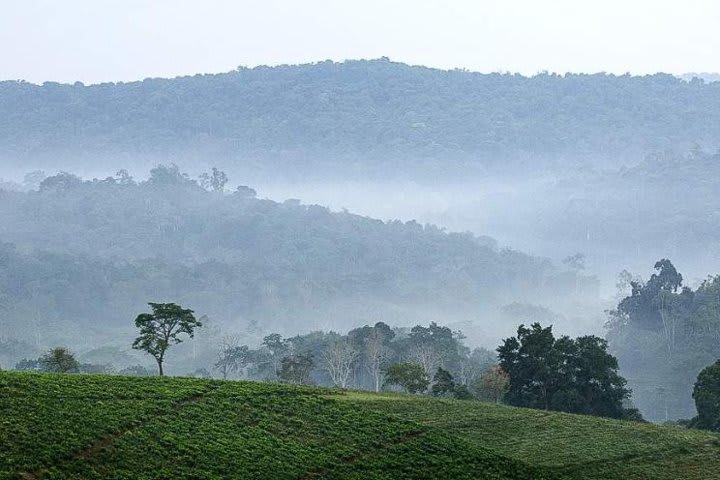
Beyond gorillas, Bwindi offers forest walks, birdwatching, and cultural experiences with local communities. The park's high altitude (1,160–2,607 meters) creates a cool climate different from lowland parks.
Kibale Forest National Park
Kibale is the premier destination for chimpanzee tracking. The park harbors 1,500+ chimpanzees and 13 primate species. July's dry weather makes forest walking pleasant and increases chimpanzee activity. Early morning chimp tracking sessions offer the best chances for close encounters.
Kibale also supports forest elephants, buffalo, and numerous bird species. The park's dense forests and primate populations make it essential for wildlife enthusiasts.
Exploring multiple destinations? Learn about Uganda safari animals you'll encounter at each location before booking your trip.
Planning Your July 2026 Uganda Safari
Successful safari planning requires attention to logistics, health, and booking timing. July 2026 offers excellent safari conditions, but advance preparation ensures smooth travel and maximum wildlife enjoyment.
Booking Timeline
Plan your Uganda safari 3–6 months ahead for best availability and pricing. July is peak season, so early booking secures preferred packages and dates. Booking in April or May 2026 gives you excellent selection without last-minute premium pricing.
Confirm gorilla permit availability early. Permits are limited to 80 per day per park, and July fills quickly. Your tour operator should secure permits as part of your package booking. Never book without confirming permit availability.
Visa Requirements
Most nationalities need Uganda visas for entry. Check Uganda visa requirements for your nationality well before travel. Visa processing takes 1–2 weeks, so apply early. E-visas are available for many countries and cost $50.
Passport validity must extend at least 6 months beyond your travel dates. Ensure your passport has blank pages for stamps and visas.
Health Preparations
Yellow fever vaccination is required for Uganda entry. Many travelers also get vaccinated against typhoid, hepatitis A, and other diseases. Consult vaccination requirements and health rules for your nationality at least 4–6 weeks before departure.
Malaria prophylaxis is recommended for most Uganda regions. Start antimalarial medication 1–2 weeks before travel and continue for 4 weeks after returning home. Consult your doctor about the best option for your health profile.
Travel insurance is essential. Choose comprehensive coverage including medical evacuation, trip cancellation, and emergency assistance. Uganda's remote areas make good insurance invaluable.
What to Pack
July weather is warm but not extremely hot. Pack lightweight, breathable clothing in neutral colors (khaki, green, brown) that blend with wildlife viewing. Bring layers for early morning game drives when temperatures are cool.
Essential items include:
- Sturdy hiking boots for gorilla trekking and forest walks
- Binoculars for wildlife viewing and birdwatching
- Sun protection: sunscreen, hat, sunglasses
- Insect repellent with DEET for mosquito protection
- Camera with extra batteries and memory cards
- Reusable water bottle to stay hydrated
- Quick-dry towel for boat safaris
Best Operators and Packages
Choosing the right operator makes or breaks your safari experience. SafariFind connects you with verified tour operators offering authentic experiences. Read reviews from travelers who've recently completed Uganda safaris to understand what to expect.
Look for operators offering:
- Experienced, knowledgeable guides (critical for gorilla tracking)
- Comfortable, well-maintained vehicles
- Quality lodging with reliable amenities
- Transparent pricing with no hidden costs
- Flexible itineraries accommodating wildlife patterns
- Strong safety records and emergency protocols
Request quotes from multiple operators. Compare package inclusions carefully—some include flights from Kampala, others don't. Ask about recent traveler reviews and success rates for gorilla encounters. Most operators guarantee gorilla sightings or offer discounts on future visits.
Wildlife You'll See in July
July safaris showcase Uganda's incredible animal diversity. Dry season conditions concentrate wildlife around water sources, increasing sighting frequencies. Understanding what animals you'll encounter helps you prepare for the experience.
Mountain Gorillas
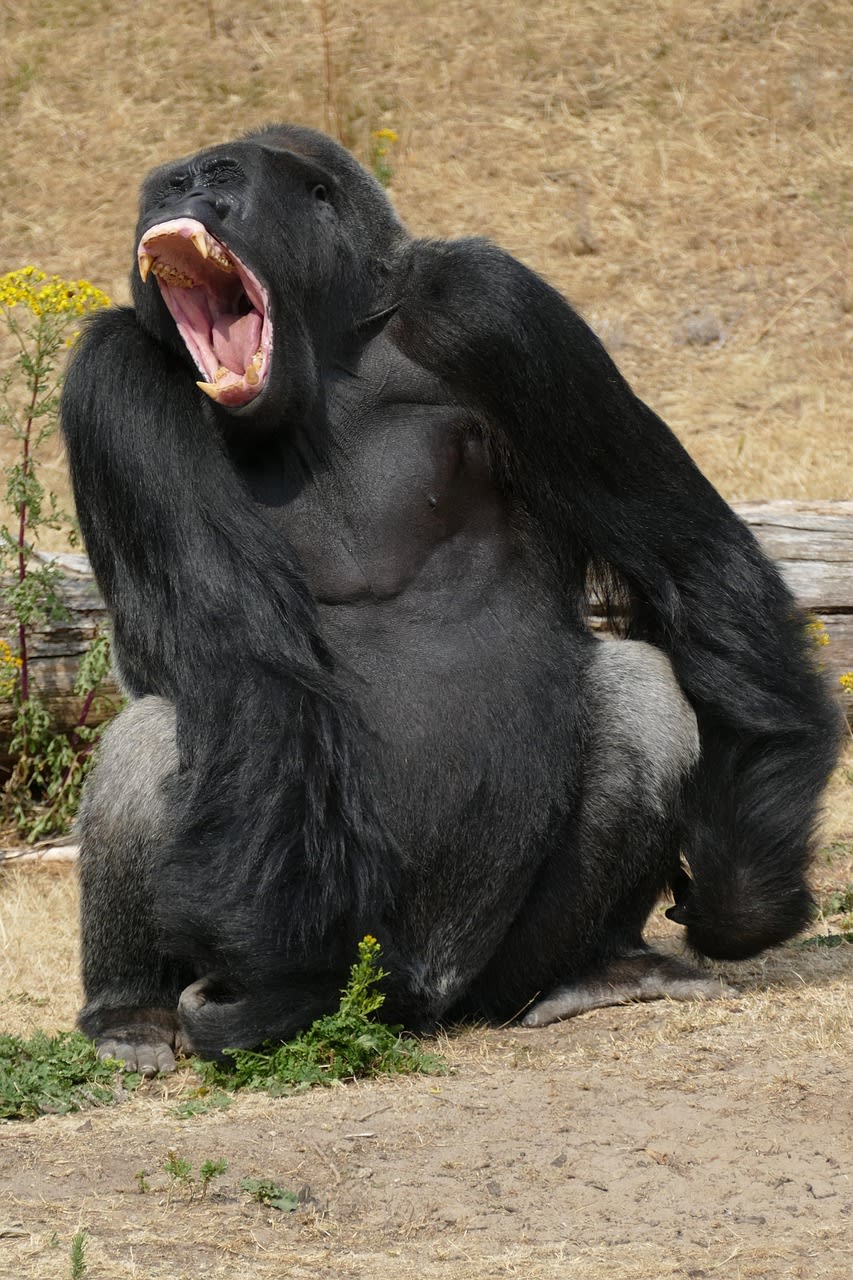
Mountain gorillas are Uganda's most famous residents. Bwindi Impenetrable National Park protects approximately 400 mountain gorillas—about 50% of the world population. Each gorilla family is habituated to human visitors, allowing you to spend an hour observing their natural behavior.
Gorilla encounters are intensely emotional. You'll watch family dynamics, feeding behavior, and interactions between adults and infants. July's dry conditions make trekking safer and more comfortable, though the experience remains physically demanding. Gorillas are most active early morning, so dawn hikes offer the best opportunities.
Chimpanzees
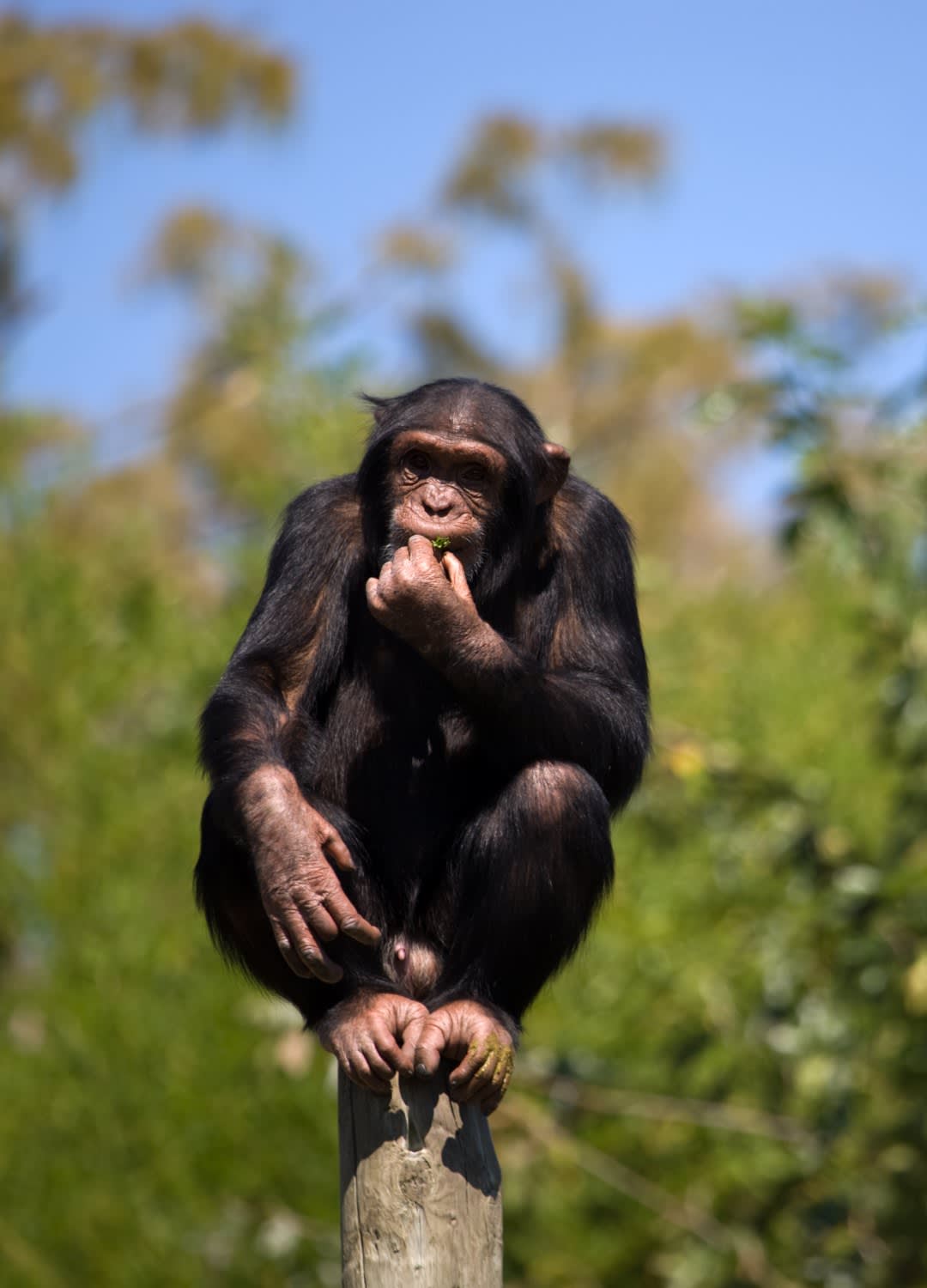
Kibale Forest National Park harbors over 1,500 chimpanzees—the highest concentration in Africa. Early morning tracking sessions offer excellent chances for close encounters. You'll observe their complex social behaviors, tool use, and communication patterns. July's weather makes forest walking pleasant and increases activity levels.
Chimpanzee trekking is less strenuous than gorilla tracking but equally rewarding. The park also hosts other primates including red colobus monkeys, L'Hoest's monkeys, and numerous bird species.
Big Game Animals
Uganda's parks support diverse big game populations. Murchison Falls and Queen Elizabeth National Parks offer excellent elephant viewing. Buffalo, giraffes, various antelope species, and warthogs are commonly seen during game drives. Lions are present but less frequently spotted than in East African parks.
Hyenas, leopards, and African wild dogs inhabit Uganda's parks but are nocturnal or elusive. Patient observers during early morning drives have the best chances for sightings.
Water-Based Wildlife
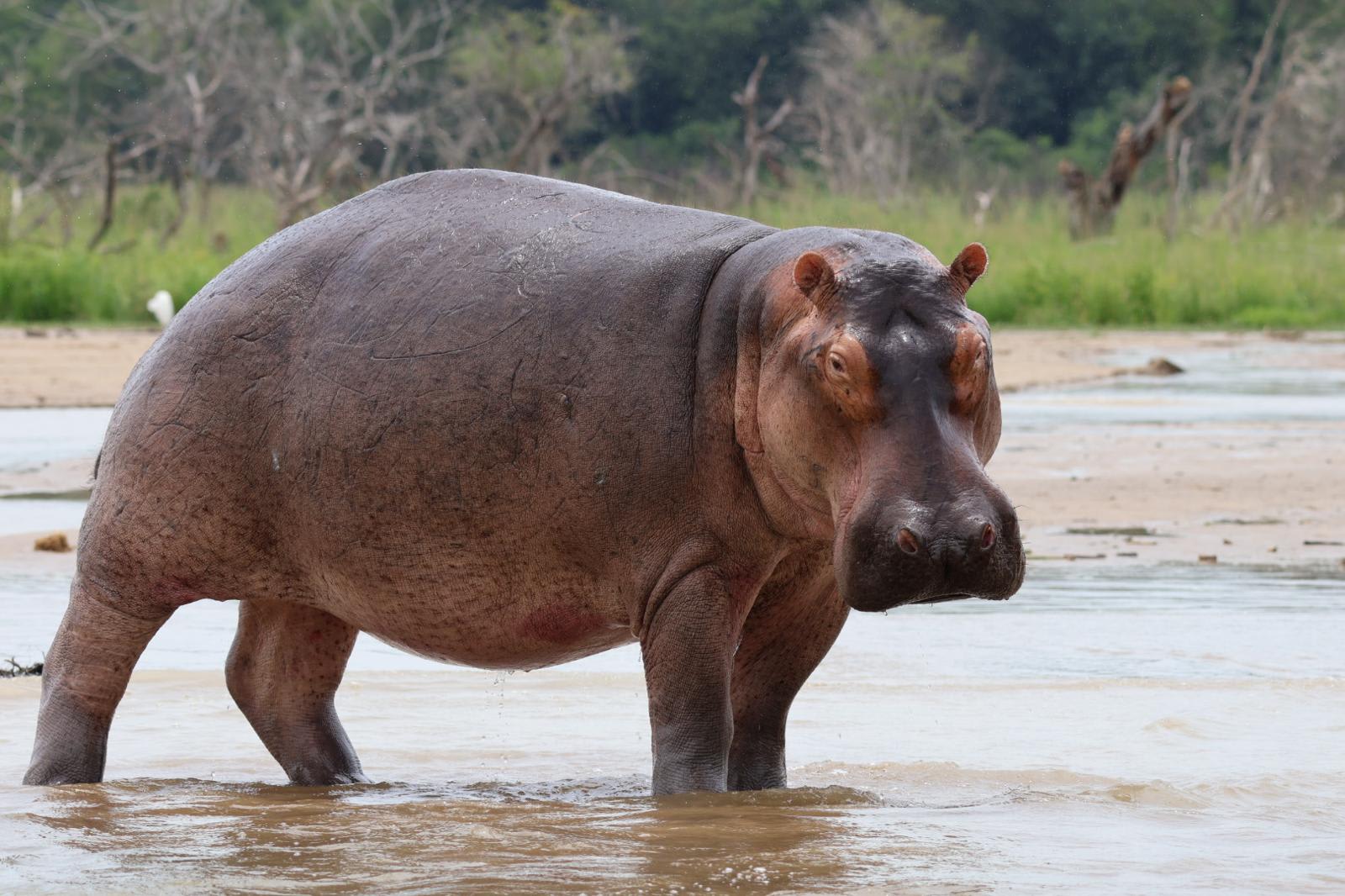
Nile boat safaris at Murchison Falls reveal hippos, crocodiles, and water birds in abundance. Hippos are especially active in July, gathering in channels and river sections. Crocodiles sun themselves on banks, and numerous fish eagles hunt from trees. The boat safari experience is unique to Uganda and worth prioritizing in your itinerary.
Kazinga Channel in Queen Elizabeth National Park offers similar water-based viewing with dense concentrations of hippos and elephants visiting to drink.
Key Takeaways
- Book 3–6 months ahead: Reserve your July 2026 Uganda safari by April or May to secure gorilla permits and preferred packages at the best rates.
- Budget $2,100–$2,800 for 7 days: Mid-range packages offer the best value, including accommodation, meals, gorilla permits, and experienced guides in 2026.
- Prioritize July for dry season benefits: Warm weather, clear skies, and concentrated wildlife around water sources make July ideal for all safari activities.
- Get health preparations done early: Obtain yellow fever vaccination, malaria prophylaxis, and travel insurance at least 4–6 weeks before departure to Uganda.
- Compare verified operators on SafariFind: Read authentic reviews from recent travelers and request quotes from multiple operators to ensure quality experiences and transparent pricing.
Frequently Asked Questions
How much does a Uganda safari cost in 2026?
Uganda safaris in 2026 range from $180–$517 per day depending on accommodation and service levels. Most travelers spend $2,100–$2,800 for a 7-day mid-range package that includes lodging, meals, gorilla permits, and guide services. Luxury safaris exceed $3,500 for the same duration, while budget options start around $1,260 for 7 days.
Why is July the best month to visit Uganda?
July is Uganda's dry season with warm, comfortable weather and minimal rainfall. Clear skies provide excellent wildlife visibility, and animals concentrate around water sources, making sightings more frequent. Dry trails make gorilla trekking safer and more accessible. Tourist crowds are moderate, offering a balance between comfort and authentic experiences.
How much does gorilla trekking cost?
A single gorilla trekking permit costs $700 per person in 2026. Most safari packages include the permit in their total price, but always confirm when booking. One permit grants one hour with a habituated gorilla family. Bwindi Impenetrable National Park and Mgahinga Gorilla National Park both charge the same permit fee.
What animals will I see on a Uganda safari?
Uganda safaris feature mountain gorillas (Bwindi), chimpanzees (Kibale Forest), and diverse big game including elephants, buffalo, giraffes, and antelope species. Nile boat safaris reveal hippos, crocodiles, and water birds. Lions and leopards inhabit the parks but are less frequently spotted. Over 1,000 bird species make Uganda exceptional for birdwatching.
How far in advance should I book a Uganda safari?
Book your Uganda safari 3–6 months ahead for July 2026 travel. Early booking secures gorilla permit availability, preferred dates, and better package pricing. July is peak season, so permits fill quickly. Booking in April or May 2026 ensures excellent selection without last-minute premium fees.
What vaccinations do I need for Uganda?
Yellow fever vaccination is required for Uganda entry. Most travelers also receive typhoid, hepatitis A, and hepatitis B vaccinations. Malaria prophylaxis is recommended for most regions. Consult your doctor 4–6 weeks before departure to receive personalized health recommendations based on your itinerary and medical history.
How do I find the best safari operators for July 2026?
Compare verified safari operators on SafariFind, where you can read authentic reviews from recent travelers. Request quotes from multiple operators and compare package inclusions, guide experience, vehicle quality, and lodging standards. Ask about recent traveler reviews and gorilla encounter success rates. SafariFind helps you identify operators offering the best value and experiences for your budget and preferences.
Conclusion
Uganda safari in July 2026 offers exceptional value and authentic wildlife experiences. July's dry season provides ideal conditions for gorilla trekking, game viewing, and Nile boat safaris. Costs range from $2,100–$2,800 for 7-day mid-range packages, making Uganda more affordable than many African safari destinations while delivering unmatched wildlife diversity.
Mountain gorillas in Bwindi, chimpanzees in Kibale Forest, and big game at Murchison Falls and Queen Elizabeth National Park create unforgettable memories. The combination of experiences—gorilla trekking, chimpanzee tracking, and traditional safaris—is unique to Uganda and justifies the investment.
Success requires planning ahead. Book 3–6 months in advance to secure gorilla permits and preferred packages. Handle visa requirements and health preparations early. Choose verified operators offering transparent pricing and authentic experiences.
Ready to plan your July 2026 Uganda safari? Compare verified safari packages on SafariFind today to find operators matching your budget and interests. Read recent traveler reviews to understand what to expect, request quotes from multiple operators, and secure your gorilla permit before July fills up. Your Uganda safari adventure awaits.
Plan Your Safari with SafariFind
These recommendations use real data from SafariFind, where you can compare operators, browse packages, and read verified traveler reviews before you book.
Recommended Safari Operators from SafariFind
Recommended Safari Packages from SafariFind
What Travelers Say (SafariFind Reviews)
References
- Uganda Safari Tours - Best Uganda Safari Packages in 2026
- Best Time to Visit Uganda for a Safari 2026–2028 | Weather, Seasons & Wildlife
- When to Visit Uganda in 2026: Weather, Crowds & Safari Seasons - Munda Africa Adventures
- Tours, Overlands & Safaris Departing from Kampala on Jul 25, 2026
- 2026 Uganda Wildlife Mammals Safari and Birding Tour
- When to Visit Rwanda & Uganda: Gorillas (2026)
- Cost of a Uganda Safari 2025/2026
- Gorilla Trekking Guide (2026): Uganda vs Rwanda, Costs & Tips
 Ask Tembo about this guide
Sources
- Uganda Safari Tours - Best Uganda Safari Packages in 2026
- Best Time to Visit Uganda for a Safari 2026–2028 | Weather, Seasons & Wildlife
- When to Visit Uganda in 2026: Weather, Crowds & Safari Seasons - Munda Africa Adventures
- Tours, Overlands & Safaris Departing from Kampala on Jul 25, 2026
- 2026 Uganda Wildlife Mammals Safari and Birding Tour
- When to Visit Rwanda & Uganda: Gorillas (2026)
- Cost of a Uganda Safari 2025/2026
- Gorilla Trekking Guide (2026): Uganda vs Rwanda, Costs & Tips
Related to
Ready to start your safari adventure?
Explore curated safari packages and find your perfect African adventure with verified operators.