Uganda Safari Safety in 2026: 9 Checks Before You Book
Discover Uganda Safari Safety in 2026: 9 Checks Before You Book - Expert guide to safari tourism and wildlife destinations.

Uganda Safari Safety in 2026: 9 Checks Before Booking
Last updated: August 2026
Uganda Safari Safety in 2026: 9 Checks Before Booking starts with choosing a verified operator, checking emergency plans, confirming permits, and preparing for malaria and yellow fever risks. Uganda is generally safe for safari travel, but medical care becomes limited outside major cities. Gorilla permits for foreign non-residents are listed at $800, so confirm current details with the Uganda Wildlife Authority before paying.
At a Glance
- Cost: Gorilla trekking permit listed at $800 for foreign non-residents; verify the current rate with the Uganda Wildlife Authority.
- Best time: Dry seasons are generally best for wildlife viewing, although sightings remain unpredictable.
- Booking window: Reserve gorilla permits about 6–12 months before trekking.
- Best for: Travellers seeking gorillas, chimpanzees, the Big Four, and white rhinos.
- Safety priority: Confirm malaria advice, yellow fever rules, insurance, and emergency evacuation support.
- Wildlife highlights: Lion, elephant, leopard, buffalo, and white rhinoceros at Ziwa Rhino Sanctuary.
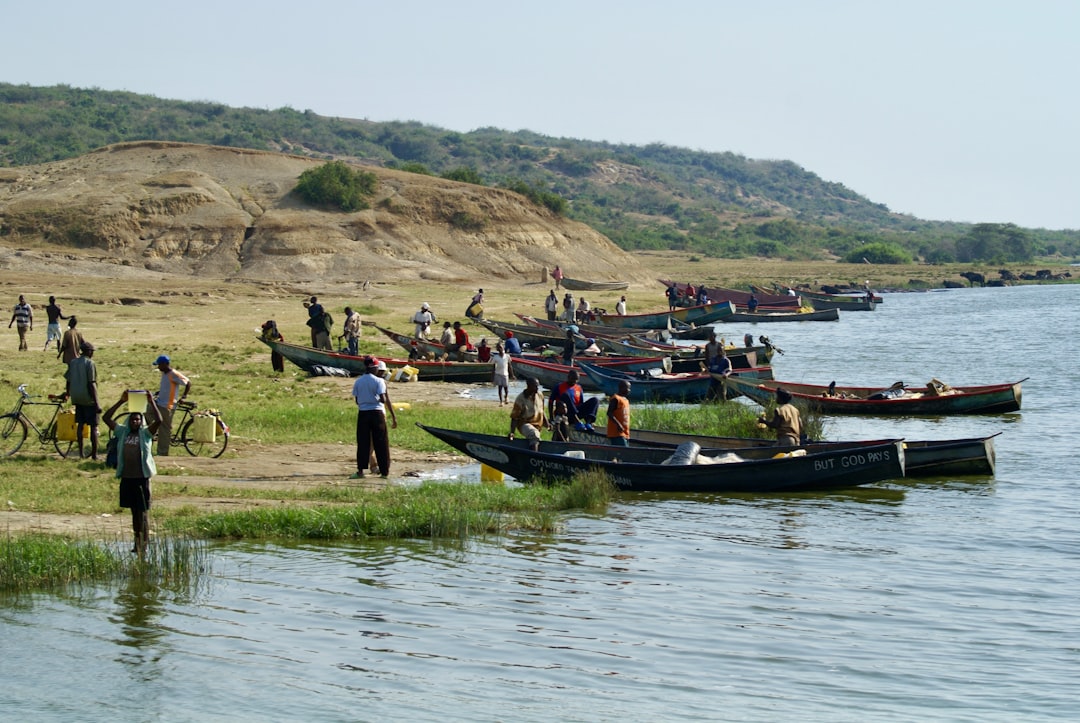
Gorilla permits can sell out 6–12 months before a Uganda trekking trip, making booking checks part of your safety plan.
Uganda Safari Safety in 2026: 9 Checks Before Booking is a practical guide for travellers who want clear answers before making a deposit. Uganda is generally safe for organised safari travel in 2026. However, many parks sit far from major cities, so good planning matters.
Uganda combines primate trekking with classic game viewing. The country offers the “Big Four”: lion, elephant, leopard, and buffalo. Ziwa Rhino Sanctuary adds white rhinoceros to the wildlife list. Your safari may also include long road transfers, remote lodges, forest trails, and changing weather.
Quick answer: Uganda safari safety depends on your operator, health plan, permits, transport, and behaviour around wildlife. Choose a verified company with trained guides, emergency contacts, evacuation procedures, and clear payment terms. Confirm your gorilla permit, insurance, vaccines, and visa needs before travelling in 2026.
This guide covers nine checks. Use it before requesting quotes, comparing operators, or paying a deposit. SafariFind connects travellers with verified tour operators, package details, and authentic reviews.
What Is Uganda Safari Safety in 2026?
Uganda safari safety is the process of reducing travel, health, wildlife, and booking risks before departure. Uganda is generally safe for safari visitors in 2026 when travellers use established operators, follow local guidance, and prepare for remote conditions. Medical access outside Kampala remains limited, so prevention and insurance are essential.
Known for: Wildlife and remote landscapes
Uganda is known for mountain gorilla trekking, forest walks, savannah parks, and varied wildlife. The Big Four are lion, elephant, leopard, and buffalo. Ziwa Rhino Sanctuary is known for white rhinoceros viewing. Wildlife sightings are never guaranteed, but dry seasons are generally linked with excellent viewing conditions.
Remote parks create both the appeal and the safety challenge. A lodge may sit several hours from Kampala or another major city. Roads can be rough, mobile coverage can vary, and advanced medical care may not be close. Medical infrastructure is limited outside major Ugandan cities such as Kampala.
Why the nine checks matter
Good planning gives you options when something changes. A reliable operator can adjust a route, contact a lodge, arrange local help, or explain the next step during an emergency. Established safari operators may also have emergency evacuation protocols and satellite communications. Ask for these details before booking, not after arrival.
Health preparation also protects your trip. Malaria prevention deserves attention because many safari areas are remote and mosquito exposure can occur around lodges and camps. Yellow fever rules may also affect entry and travel planning. Read the latest advice for your nationality, such as the guide to Uganda vaccinations and health rules for Chinese travellers.
Safety is not only about crime or wildlife. It also includes paying the right company, receiving the permits you purchased, understanding what your package covers, and knowing who helps if a vehicle breaks down. A careful booking process reduces stress and protects your money.
Compare verified Uganda safari operators with safety checks and traveller reviews.
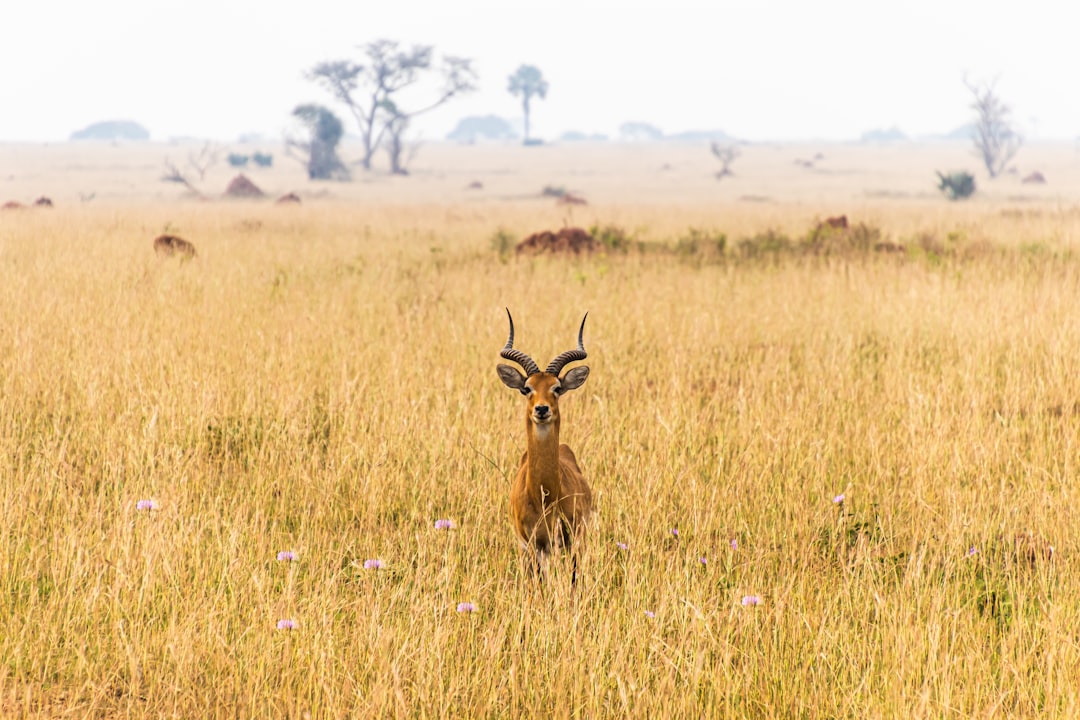
What Are the 9 Safety Checks Before You Book?
The nine checks are operator verification, emergency planning, permit confirmation, health preparation, insurance, transport, lodge standards, wildlife rules, and payment protection. Complete each check before you pay. This process helps you compare similar Uganda safari packages by service quality, not only by price.
1. Verify the safari operator
SafariFind-verified operators should provide a clear company name, contact details, itinerary, inclusions, and review history. Check whether the company answers questions directly and explains who handles your booking on the ground. Request a written quote that lists accommodation, permits, meals, transfers, guide services, and park fees.
Do not judge safety from a polished website alone. Read authentic reviews from previous travellers and look for repeated comments about guides, vehicles, timing, and communication. A company that avoids basic questions before payment may create bigger problems later.
2. Ask for an emergency plan
Ask who you should call if you become ill, lose documents, miss a transfer, or need urgent transport. Established operators may use emergency evacuation protocols and satellite communications, especially in remote areas. Ask whether the service operates day and night and whether the cost is included or billed separately.
Your operator should explain the nearest medical support for each route. The answer may differ between Kampala, a savannah park, and a gorilla trekking region. Medical care outside major cities can be limited, and advanced treatment may require travel.
3. Confirm gorilla permits in writing
Gorilla trekking permits are limited and can sell out during busy periods. Travel advisers recommend booking about 6–12 months before your intended trekking date. Ask for the permit date, traveller name, passport details, payment receipt, and confirmation of the agency handling the reservation.
One 2026 guide identifies the gorilla permit rate for foreign non-residents as $800. Verify the rate, rules, and payment process directly with the Uganda Wildlife Authority before you rely on that figure. A permit is date-specific, so check every detail carefully.
4. Review malaria and yellow fever advice
Speak with a travel clinic before departure. Ask about malaria prevention, yellow fever requirements, routine vaccines, food and water precautions, and medicines you already use. Start this conversation early because some health steps may need time.
Health rules can depend on nationality, travel history, and connecting countries. For example, Brazilian visitors can review Uganda vaccine guidance for Brazilian travellers in 2026. Keep vaccine records and prescriptions with your passport documents.
5. Buy suitable travel insurance
Travel insurance should cover medical treatment, emergency evacuation, trip cancellation, lost baggage, and trekking activity where applicable. Read exclusions for gorilla trekking, hiking, pre-existing conditions, and remote rescue. A cheap policy may not cover the activity you plan to enjoy.
Give your insurer the full itinerary. Include remote lodges, internal flights if planned, road transfers, and forest trekking. Save the emergency number offline because mobile service may not work in every park.
6. Check the vehicle and transport plan
Ask what type of safari vehicle the operator uses and how often it receives maintenance. Confirm whether the guide carries recovery equipment, spare tyres, drinking water, and a working communication device. Long transfers require comfort and reliable planning, not only a low quote.
Request realistic drive times. A rushed itinerary can increase fatigue and reduce time for rest. A good operator should explain road conditions, stop points, luggage limits, and what happens if weather delays a journey.
7. Check lodge and camp standards
Ask how each lodge manages food, water, electricity, security, and night movement. Remote camps may use generators or limited power hours. You should know how staff escort guests after dark and where you should store valuables.
Tell the operator about allergies, mobility needs, medical conditions, and dietary restrictions before arrival. Share these details in writing. The lodge can then confirm whether it can meet your needs.
8. Learn wildlife and trekking rules
Wildlife safety starts with following your guide. Stay inside the vehicle unless the guide gives permission. Keep voices low near animals, never feed wildlife, and follow distance rules. During gorilla trekking, listen to rangers and do not approach animals on your own.
Animal sightings are unpredictable. Dry seasons often offer strong viewing, but no operator can promise a leopard, lion, or gorilla encounter. Honest expectations are a safety feature because they reduce pressure on guides to take poor risks.
9. Protect your payment and documents
Use a traceable business payment method. Confirm the company name on the invoice matches the company receiving funds. Ask for receipts for permits, deposits, and balance payments. Never accept unclear instructions that send money to an unrelated personal account.
Keep digital and printed copies of your passport, insurance, permits, itinerary, emergency contacts, and payment receipts. Store one copy offline and leave another with someone at home. These simple steps help if your phone or luggage goes missing.
How Should You Prepare for a Safe Uganda Safari?
The safest Uganda safari plan combines medical advice, sensible packing, verified documents, and a realistic daily schedule. Prepare for warm days, wet forest trails, long drives, and limited services outside cities. Your operator should help you match the route to your health, fitness, budget, and comfort level.
Best time to visit for safety and wildlife
Dry seasons are generally preferred for wildlife viewing because roads and viewing areas may be easier to manage. However, conditions vary by region, and wildlife remains unpredictable. Check the latest seasonal details in the Uganda safari weather guide for dry and green seasons.
Forest trekking can feel demanding in any season. Trails may include steep ground, mud, roots, and uneven surfaces. Ask how long the walk may last, what fitness level the route needs, and what support is available if you struggle.
What to pack
- Long, light clothing for sun and insects.
- Strong walking shoes with good grip.
- Rain protection for forest and green-season travel.
- Insect repellent and any prescribed malaria medicine.
- Reusable water bottle and personal snacks.
- Small first-aid items and essential medicines.
- Passport copies, insurance details, and permit records.
- Headlamp, power bank, and spare batteries.
How to compare safari quotes
Price range: Uganda safari costs depend on route, lodge level, transport, permits, and group size. The supplied 2026 research confirms a gorilla permit figure of $800 for foreign non-residents, but it does not provide a full package price. Treat any quote as incomplete until it states whether that permit is included.
Compare these details line by line:
- Permit price and booking date.
- Park fees and conservation charges.
- Number of safari days and road transfers.
- Accommodation names and room type.
- Vehicle type and guide service.
- Meals, drinking water, and airport transfers.
- Insurance, evacuation, and cancellation terms.
SafariFind helps you compare operators, package details, and authentic reviews in one place. Compare Uganda safari packages with gorilla permit costs clearly listed before requesting a final quote.
Nationality and entry checks
Visa and vaccine rules can differ by nationality and travel route. Chinese visitors can review the Uganda visa guide for Chinese citizens in 2026. Travellers from South Africa and the United Arab Emirates should also check current health and entry guidance for their passport.
Do not rely on an old email or a forum comment. Ask your operator which documents it needs, then confirm entry requirements with the relevant official authority. Keep your passport valid for the full trip and carry required records in your hand luggage.
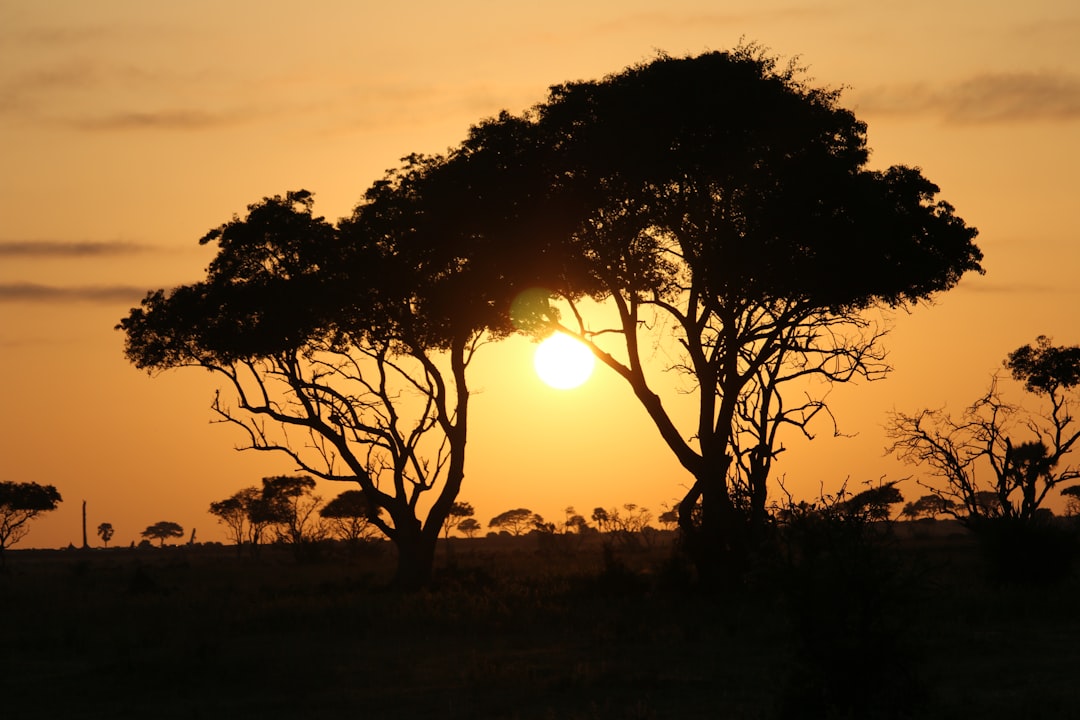
What Are the Best Practices During a Uganda Safari?
During a Uganda safari, follow your guide, keep emergency contacts available, and respect wildlife, communities, and park rules. Stay hydrated, rest after long drives, and tell staff early if you feel unwell. Small decisions matter because remote areas may not offer quick access to advanced medical care.
Stay safe around animals
Never leave a vehicle without permission. Do not stand close to elephants, buffalo, lions, or other wildlife for a photograph. Keep food sealed and follow lodge rules about rubbish, balconies, tents, and night walks.
Gorilla trekking requires extra care. Follow ranger instructions, keep a calm voice, and maintain the required distance. Do not touch animals or use flash photography if rangers prohibit it. A respectful visit protects both travellers and wildlife.
Stay safe on roads
Wear a seat belt on every transfer. Keep luggage secured and avoid placing heavy bags where they can move during travel. Tell your guide if you need a rest stop, feel unwell, or notice a problem with the vehicle.
Long drives can cause tiredness. Plan slower days after major transfers and allow time for delays. A safe itinerary leaves room for changing road conditions instead of promising too many parks in too few days.
Stay safe with health and food
Drink treated or bottled water according to local guidance. Wash your hands before meals and carry basic hygiene supplies. Protect yourself from sun and insects, even when the day feels cool.
Contact your guide or lodge staff quickly if you develop fever, severe stomach illness, breathing problems, or an allergic reaction. Do not wait until symptoms become serious. Carry your insurer’s emergency details and medication list.
Stay safe with money and personal items
Use a money belt or secure pouch for passports and cards. Keep only the cash you need for the day. Store spare documents in a separate place and avoid displaying expensive equipment in busy areas.
Respect local communities and ask before photographing people. Follow lodge instructions about cultural visits, walking routes, and personal safety. Polite behaviour supports better relationships and creates a more welcome experience for everyone.
What to do if plans change
Ask your operator for a clear change policy before departure. Weather, road conditions, permit availability, and health issues can affect plans. A written policy should explain refunds, date changes, alternative activities, and extra costs.
Keep your emergency contact list on paper. Include your operator, lodge, insurer, embassy or consular contact, and a trusted person at home. This list remains useful when your phone loses power or signal.
Use the nine checks as a final booking scorecard. If an operator cannot explain permits, evacuation, transport, or payment protection, compare another company. SafariFind’s marketplace lets you review available operators before choosing your final itinerary.
Key Takeaways
- Verify your safari operator before paying, then read authentic traveller reviews for service evidence.
- Reserve gorilla permits 6–12 months ahead to improve your chance of getting your preferred date.
- Confirm the listed $800 foreign non-resident permit rate with the Uganda Wildlife Authority before budgeting.
- Arrange malaria, yellow fever, and insurance advice before visiting remote parks in 2026.
- Request an emergency plan with evacuation contacts and satellite communication details before departure.
Frequently Asked Questions
Is Uganda safe for a safari in 2026?
Uganda is generally safe for safari travel in 2026 when visitors use established operators and follow local guidance. Remote parks have limited medical access, so travellers should confirm emergency procedures, insurance, health advice, and transport plans before departure.
How far ahead should I book a Uganda gorilla permit?
Book a Uganda gorilla permit about 6–12 months before your trekking date. Permits are limited and may sell out during peak periods. Ask for written confirmation of the permit date, traveller details, receipt, and payment terms.
How much does a Uganda gorilla permit cost in 2026?
A Uganda gorilla permit is listed at $800 for foreign non-residents in one 2026 guide. Confirm the current price and rules with the Uganda Wildlife Authority before booking, because a full safari package also includes transport, lodging, guides, and other costs.
What health checks should I complete before a Uganda safari?
Speak with a travel clinic about malaria prevention, yellow fever rules, routine vaccines, food and water safety, and prescription medicines. Requirements can vary by nationality and travel route, so carry health records and check current guidance before flying.
What animals can I see on a Uganda safari?
Uganda offers the Big Four: lion, elephant, leopard, and buffalo. Travellers can also see white rhinoceros at Ziwa Rhino Sanctuary. Wildlife sightings are unpredictable, although dry seasons are generally linked with excellent viewing conditions.
How can I book a safer Uganda safari?
Use SafariFind to compare verified tour operators, package details, prices, and authentic traveller reviews. Request a written quote, check permit terms, and ask about emergency support before you pay a deposit.
Conclusion
Uganda safari safety in 2026 depends on preparation before you leave home. Verify the operator, emergency plan, permits, health advice, insurance, vehicle, lodge, wildlife rules, and payment process. These nine checks help you spot gaps before they become problems.
Plan gorilla trekking 6–12 months ahead because permits can sell out. Budget from the verified permit figure of $800 for foreign non-residents, then confirm the current rate with the Uganda Wildlife Authority. Choose a route that allows rest, safe road travel, and time for changing conditions.
Compare reviews as well as prices. Ask direct questions about evacuation, satellite communication, and medical support. Then Compare verified Uganda safari packages on SafariFind, request a quote from a verified operator, and review the details before booking.
Uganda remains a strong 2026 choice for gorilla trekking, forest adventures, and Big Four wildlife viewing. Careful planning lets you focus on the experience while your operator manages the practical details.
Image Alt Text Suggestions
- Gorilla trekking guide leading visitors through Uganda forest in 2026
- Uganda safari vehicle viewing elephants during a dry season game drive
- White rhinoceros at Ziwa Rhino Sanctuary in Uganda
- Traveller checking Uganda gorilla permit and safari documents
- Safari guide using communication equipment in a remote Ugandan park
Plan Your Safari with SafariFind
These recommendations use real data from SafariFind, where you can compare operators, browse packages, and read verified traveler reviews before you book.
Recommended Safari Operators from SafariFind
Recommended Safari Packages from SafariFind
What Travelers Say (SafariFind Reviews)
References
- Is Uganda Safe for Safari? Uganda Travel Safety Guide (2026)
- Uganda Gorilla Trekking & Safari Tours (2026 Guide)
- How to Start Planning a Uganda Safari Holiday in 2026–2028
- Is Uganda Safe to Visit Right Now? 2026 Travel Questions Answered
- Planning a Uganda and Rwanda Safari in 2026
- Is Uganda Safe to Visit for Tourists?
- What to Expect on a Safari in Uganda: 2026 Guide
- Uganda Gorilla Trekking: Trips, Permits & Prices (2026)