Uganda Safari Safety in 2026: Routes, Risks & Local Advice
Discover Uganda Safari Safety in 2026: Routes, Risks & Local Advice - Expert guide to safari tourism and wildlife destinations.

Uganda Safari Safety in 2026: Routes, Risks & Local Advice
Last updated: July 2026
Uganda Safari Safety in 2026: Routes, Risks & Local Advice focuses on safe routes, road travel, wildlife rules, health planning, and city awareness. Uganda is generally safe for organized safaris, but road travel and petty crime need care. No single verified safari price applies to every route, so compare current packages and operator reviews before booking.
At a Glance
- Safety outlook: Uganda is generally safe for organized safaris in 2026, with context.
- Main risks: Road travel, unpredictable traffic, difficult road surfaces, and petty crime in cities.
- Best practice: Travel with a reputable operator, trained driver-guide, and maintained 4x4 vehicle.
- Routes: National parks and safari destinations remain suitable for visitors, while border areas need careful planning.
- Getting there: Use organized road transfers, trusted 4x4 providers, and offline maps for areas without mobile signal.
- Price range: No single verified 2026 price applies; package cost depends on route, vehicle, lodge, and trip length.
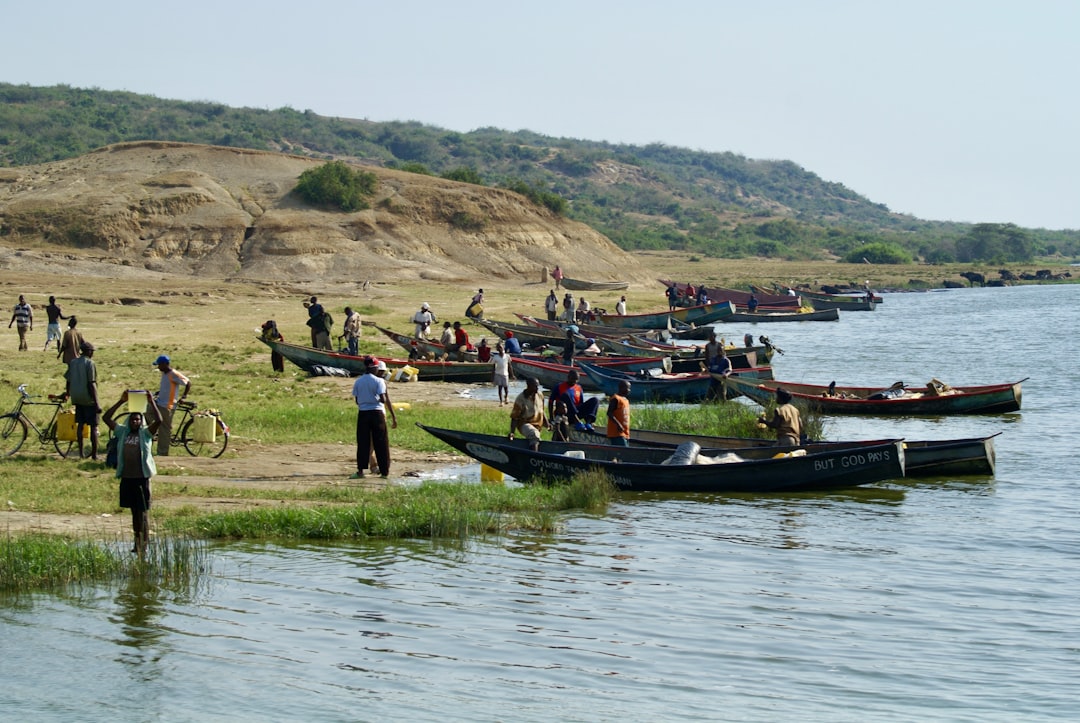
Uganda Safari Safety in 2026: Routes, Risks & Local Advice is a practical guide for planning a safer wildlife trip. Uganda is bordered by the Democratic Republic of the Congo, Sudan, Kenya, Rwanda, and Tanzania. It also has a southeastern shoreline on Lake Victoria, described as Africa’s largest lake.
Uganda is known for mountain gorillas, chimpanzees, savanna wildlife, forest parks, and long road journeys between reserves. These experiences reward careful planning. They also require you to understand road conditions, border geography, city precautions, and guide instructions.
Quick answer: Uganda is generally safe for safari visitors in 2026 when they use a reputable operator and follow local guidance. Road travel presents a greater visitor risk than wildlife in many safari plans. Petty crime is a concern in cities. Avoid self-driving, use a trusted 4x4, and prepare for areas without mobile signal.
This guide does not replace official government advice, medical guidance, or instructions from your local guide. Conditions can change. Check current travel alerts before departure, confirm your insurance, and ask your operator about each route.
SafariFind connects travelers with verified tour operators and authentic traveler reviews. You can use the marketplace to compare routes, ask questions, and check what each package includes before paying a deposit.

What Does Uganda Safari Safety Mean in 2026?
Uganda safari safety means managing transport, wildlife, health, city, and border risks as one travel plan. Organized safaris are the safest choice for most visitors because reputable operators provide trained drivers, route planning, park knowledge, and local support. A 2026 safety guide recommends organized safaris with reputable operators.
Overview of the safety picture
Uganda is generally safe for safari travel in 2026, but “safe” does not mean risk-free. The main visitor concerns include road travel, traffic, theft in busy places, and limited help in remote areas. Wildlife risks remain real, yet trained guides reduce those risks through distance, vehicle rules, and clear instructions.
Road travel is a major part of a Uganda safari. Many visitors spend several hours in a vehicle between towns, forests, and national parks. Traffic can be unpredictable, and road surfaces can change quickly. One Uganda travel-safety source strongly discourages self-drive safaris for these reasons.
Key features of a safer safari
- Known for: Guided wildlife trips that combine forest, primate, and savanna experiences.
- Best for: Travelers who want local guidance, planned transfers, and support on remote routes.
- Transport: A maintained safari vehicle with an experienced driver-guide.
- Communication: Offline maps, emergency contacts, and a plan for areas without signal.
- Wildlife conduct: Stay inside the vehicle unless your guide gives clear permission.
Uganda’s geography also matters. The country shares borders with five states, including the Democratic Republic of the Congo and Sudan. Safari routes do not all sit near border zones, but travelers should ask operators about route locations, road conditions, and any current local restrictions.
Uganda’s national parks and main safari destinations were considered safe for visitors in a 2026 travel update, with context. That source reported confirmed and suspected Ebola cases concentrated in Ituri Province in eastern Democratic Republic of the Congo, rather than a primary Ugandan tourism corridor. It also reported two Kampala cases.
These reports do not remove the need for health planning. Instead, they show why you should check current updates before travel. Ask your operator where your route goes, how far it is from towns, and which clinics or hospitals support the trip.
Compare organized Uganda safari packages with verified operators before choosing a route, vehicle, or lodge.
Which Uganda Safari Routes Are Safest to Plan?
The safest Uganda safari route is the route your operator can support with a reliable vehicle, current road knowledge, and a trained guide. Uganda’s safari destinations were considered safe with context in 2026, but route safety depends on travel conditions, distance, signal coverage, border proximity, and the quality of local support.
Route planning by travel setting
National park circuits work well when an operator plans the full journey. A guide can select suitable roads, manage early starts, and adjust the plan when weather or traffic slows travel. Ask for the planned route in writing. Also ask where you will stop for fuel, food, and rest.
Forest and primate routes need extra attention to walking rules and guide control. Gorilla and chimpanzee activities involve close contact with forest terrain. Follow park staff instructions, keep your group together, and tell your guide about injuries or health limits before the activity starts.
Long cross-country transfers require the most transport planning. The journey may include busy roads, changing surfaces, and long periods without mobile coverage. Choose an operator that explains vehicle standards, driver experience, rest breaks, and emergency support.
Border-region travel requires current advice. Uganda borders the Democratic Republic of the Congo and Sudan, among other countries. A route may remain suitable while a nearby area needs extra care. Therefore, ask whether your itinerary enters or approaches a border district.
How to compare route safety
| Name | Price | Duration | Rating | Best For |
|---|---|---|---|---|
| Short park circuit | Request current quote | Operator dependent | Check verified reviews | First-time safari travelers |
| Forest and primate route | Request current quote | Operator dependent | Check guide feedback | Gorilla and chimpanzee visitors |
| Extended multi-park route | Request current quote | Operator dependent | Check vehicle reviews | Travelers seeking varied wildlife |
The table uses request-based pricing because the supplied 2026 research contains no verified package prices, durations, or ratings. Do not trust a low headline price until you confirm park fees, permits, transport, meals, lodging, and transfers.
Seasonal planning can also affect road comfort. Travelers considering August can read this guide to Uganda safari in August 2026, including wildlife, weather, and prices. The article can help you form better questions for operators, especially about road time and lodge access.
Questions to ask before booking
- Which roads will the vehicle use, and how long will each transfer take?
- Is the vehicle a maintained 4x4 built for safari travel?
- Does the driver have current route knowledge?
- Which parts of the itinerary may have no mobile signal?
- What happens if weather, traffic, or local advice changes the route?
- Who supports travelers during a roadside problem?
Safety is easier to judge when an operator gives clear answers. Vague replies about vehicles, drivers, or emergency plans should make you pause.
What Are the Main Risks on a Uganda Safari?
The main Uganda safari risks in 2026 are road travel and petty crime in cities, not simply wildlife encounters. A current safety guide identifies road travel and city petty crime as greater visitor risks than wildlife. You can lower both risks through planned transfers, careful behavior, and a trusted local team.
Road and traffic risks
Self-drive travel is strongly discouraged by one Uganda safety source. The source points to challenging roads, unpredictable traffic, and varying road surfaces. A visitor unfamiliar with local driving patterns may face stress, delays, or an avoidable crash.
Use a maintained safari vehicle or a trusted 4x4 provider. Africa travel safety guidance also recommends preparing for areas without mobile signal. Keep water, a charged phone, offline maps, and key contact details available during transfers.
Seat belts matter on every road. Do not ask your driver to speed. Tell the guide if you feel tired, unwell, or uncomfortable with a planned transfer. A short delay is better than unsafe driving.
Wildlife and walking risks
Wild animals are unpredictable, even when they appear calm. Remain inside the vehicle unless your guide gives permission to exit. Keep voices low, do not feed animals, and never approach wildlife for a photograph.
Walking activities need strict attention. Stay with the group and follow the ranger’s pace. Wear shoes that suit uneven ground. Tell staff about allergies, injuries, medication, or fear before the walk begins.
Petty crime and personal security
Petty crime is a greater concern in cities than in many wildlife-viewing moments. Keep passports, phones, and cash secure. Avoid displaying expensive equipment in crowded areas, and use transport arranged by your operator when possible.
Do not leave bags visible inside a parked vehicle. Use hotel safes when available. Avoid isolated walks after dark. Keep a photocopy or secure digital copy of your passport and insurance details.
Health and disease awareness
Health advice depends on your route, medical history, and departure country. Confirm vaccine, malaria, yellow fever, and medication needs with a qualified travel clinic. Swiss travelers can review Uganda vaccination guidance for Swiss travelers in 2026.
Spanish travelers can use this separate guide to Uganda vaccinations and health rules for Spanish visitors. Travelers should still confirm advice with an official health service because personal needs differ.
A 2026 travel source reported two Kampala cases and described confirmed and suspected Ebola cases as concentrated in Ituri Province in eastern Democratic Republic of the Congo. It also stated that Uganda’s national parks and safari destinations were considered safe with context. Check current health updates before departure and during the trip.
For entry planning, Swiss citizens can read the Uganda visa requirements guide for Swiss citizens in 2026. Spanish citizens can use the Uganda visa guide for Spanish travelers in 2026.
Request a quote from verified Uganda safari operators and ask about vehicles, guides, insurance, and emergency support before you commit.
How Can You Prepare for a Safer Uganda Safari?
You can prepare for a safer Uganda safari by choosing the right operator, checking the route, carrying essential supplies, and following local advice. Good planning reduces avoidable problems. It also gives your guide the information needed to respond quickly if plans change.
Before you book
- Check the operator’s reviews, registration details, and contact information.
- Ask for the full itinerary, including road transfers and overnight stops.
- Confirm whether the vehicle is a maintained 4x4.
- Ask how the operator handles breakdowns, illness, and route changes.
- Check what the price includes and excludes.
- Read current entry, health, and insurance advice.
SafariFind lists verified tour operators and authentic reviews. Look for detailed feedback about drivers, vehicles, communication, and problem solving. A review that mentions only scenery tells you less about practical safety.
What to pack
- Passport copies and digital travel documents.
- Travel insurance details and emergency contacts.
- Prescription medicine in its original packaging.
- Water, sun protection, insect protection, and a small first-aid kit.
- Power bank, headlamp, and offline maps.
- Neutral clothing and sturdy shoes for walking activities.
- Small bags that close securely in cities and transfer stops.
Mobile signal may not reach every safari area. Download maps before leaving town. Share your itinerary with someone at home. Save your operator’s phone number and the contact for your accommodation.
During the safari
Listen to your driver-guide. Guides understand animal behavior, road conditions, and local changes better than visitors do. Tell your guide early if you need a rest stop, feel sick, or see a problem with the vehicle.
Keep your seat belt fastened on road sections. Stay seated during game drives unless the guide approves a safe stop. Keep arms and cameras inside the vehicle when animals are nearby.
At lodges, follow staff instructions about walking after dark. Some properties use escorts between rooms and shared areas. Do not walk alone simply because the distance looks short.
How to respond when plans change
A delayed route does not always mean an unsafe trip. Traffic, weather, road works, and animal activity can change a schedule. Ask your guide to explain the reason and the safer alternative.
Contact your operator if a vehicle breaks down or a transfer changes. Avoid accepting unplanned transport from strangers. Keep calm, stay with your group, and use your offline information if the phone network fails.
Travelers who want deeper route comparisons can read seven Uganda safari routes worth booking in 2026. Use that information alongside current operator advice, not as a substitute for a local safety briefing.
Key Takeaways
- Choose an organized safari with a reputable operator because road travel is a leading visitor risk.
- Avoid self-driving because Ugandan roads, traffic, and surfaces can be challenging.
- Use a maintained 4x4 and offline maps for remote areas without mobile signal.
- Protect valuables in cities and avoid isolated travel because petty crime is a known concern.
- Check current health, entry, and route advice in July 2026 before departure.
Frequently Asked Questions
Is Uganda safe for a safari in 2026?
Uganda is generally safe for organized safaris in 2026, with context. The main concerns are road travel and petty crime in cities. Use a reputable operator, follow guide instructions, and check current travel advice before departure.
What is the biggest safety risk on a Uganda safari?
Road travel is one of the biggest safety risks on a Uganda safari. Unpredictable traffic, challenging roads, and changing surfaces make self-driving unsuitable for many visitors. Use a maintained safari vehicle and an experienced driver-guide.
Should I drive myself around Uganda’s national parks?
You should avoid self-driving on a Uganda safari unless you have strong local road knowledge and current professional advice. One Uganda safety source strongly discourages self-drive trips because of traffic, road surfaces, and difficult routes.
Are Uganda’s national parks safe for visitors in 2026?
Uganda’s national parks and safari destinations were considered safe for visitors in a 2026 travel update, with context. Travelers should still check route conditions, health updates, border-area advice, and operator guidance before traveling.
How can I stay safe from petty crime in Uganda?
Keep phones, cash, cameras, and passports secure in cities and busy areas. Avoid displaying valuables, isolated walks, and unplanned transport. Use transfers arranged by a trusted operator and keep copies of important documents.
Where can I book a safer Uganda safari?
SafariFind connects travelers with verified tour operators, current safari packages, and authentic reviews. Compare operators on SafariFind, ask about vehicles and emergency plans, and request a detailed quote before booking.
Conclusion: Is Uganda Safari Travel Worth It in 2026?
Uganda is a suitable safari destination in 2026 when visitors plan transport, health, city security, and wildlife conduct carefully. The clearest safety choice is an organized trip with a reputable operator, a maintained 4x4, and a trained driver-guide. Road travel deserves more attention than dramatic wildlife fears.
Check your route before booking. Ask about road time, signal gaps, border districts, emergency support, and vehicle maintenance. Confirm health and visa requirements for your nationality. Keep valuables secure in cities and follow every ranger instruction during wildlife and forest activities.
SafariFind helps you compare verified operators, read authentic traveler reviews, and request clear package details. Compare Uganda safari packages and request a safety-focused quote before making your choice. A well-planned route gives you more time to enjoy Uganda’s forests, lakes, and wildlife with confidence throughout 2026.
Plan Your Safari with SafariFind
These recommendations use real data from SafariFind, where you can compare operators, browse packages, and read verified traveler reviews before you book.
Recommended Safari Operators from SafariFind
Recommended Safari Packages from SafariFind
What Travelers Say (SafariFind Reviews)
References
- BBC News: Uganda country profile
- State House Uganda
- Archived White House Africa: Uganda country profile
- Wikipedia: Uganda
- African Budget Safaris: Uganda Safari Safety Guide 2026
- Kabiza Wilderness Safaris: Uganda Tourist Safety 2026
- Follow Alice: Is Uganda Safe to Visit Right Now in 2026?
- Travel Safe SOS: Africa Safari Safety 2026

 Ask Tembo about this guide