Vaccinations & Health Rules for Kenya for Japanese Travellers 2026
Japanese citizens travelling to Kenya must present a valid yellow fever vaccination certificate if arriving from a yellow fever endemic country. COVID-19 requirements have been lifted; malaria prophylaxis, typhoid, hepatitis A, and rabies vaccination are strongly recommended for safari travel.
Quick Answer: Vaccines Required & Recommended for Japanese Citizens
If you are a Japanese citizen travelling to Kenya, yellow fever vaccination is mandatory—you must present an International Certificate of Vaccination or Prophylaxis (ICVP) at entry because Japan is classified by the WHO as a country with yellow fever transmission risk. The vaccine must be administered at least 10 days before travel and is valid for life. COVID-19 vaccination and testing are no longer required for entry. Malaria prophylaxis, typhoid, hepatitis A, routine boosters (MMR, Tdap, polio), and rabies vaccination are strongly recommended by the CDC and WHO, particularly for safari and wildlife areas.
| Vaccine | Required? | Notes |
|---|---|---|
| Yellow Fever | ✓ Yes (from Japan) | Valid for life; must be ≥10 days before entry |
| COVID-19 | ✗ No | No proof of vaccination or test required as of 2026 |
| Malaria Prophylaxis | ⚠ Strongly Recommended | Essential for most safari areas; varies by region and duration |
| Typhoid | ⚠ Strongly Recommended | Especially for safari lodges with limited water treatment |
| Hepatitis A | ⚠ Strongly Recommended | Common in East Africa; 2-dose series recommended |
| Rabies (PrEP) | ⚠ Strongly Recommended | Essential for safari visitors; monkeys and wildlife pose significant risk |
| Routine (MMR, Tdap, Polio) | ⚠ Verify Current Status | Confirm all childhood vaccines are up to date |
Yellow Fever Certificate: Entry Requirements for Japanese Citizens
Kenya's official health ministry requires all travellers aged 1 year or older arriving from countries with yellow fever transmission risk to present a valid yellow fever vaccination certificate. Japan is classified as a yellow fever endemic country by the WHO, which means Japanese citizens must carry proof of yellow fever vaccination to enter Kenya.
How to Obtain Your Yellow Fever Certificate
The yellow fever vaccine must be administered only at government-authorised vaccination centres in Japan. After vaccination, you will receive an official International Certificate of Vaccination or Prophylaxis (ICVP)—commonly called the "Yellow Card"—which must bear an official medical stamp and your vaccination date. This certificate is valid for life; Kenya no longer enforces the outdated 10-year renewal rule as of 2016.
Timing is critical: The vaccine must be administered at least 10 days before your planned date of entry into Kenya for the certificate to be valid. Plan your vaccination well in advance—ideally 4–6 weeks before departure—and do not leave it to the last minute.
Transit Rule: Does It Apply to Japanese Citizens?
If you are transiting through a yellow fever endemic country en route to Kenya, the transit rule may apply. According to CDC and WHO guidelines, travellers who spend more than 12 hours in transit in a yellow fever endemic country (even if they do not leave the airport) may be required to show proof of yellow fever vaccination upon arrival in Kenya. Check your specific routing with your travel agent or the Kenya Ministry of Health to confirm whether your transit country triggers this requirement.
Yellow Fever Exemptions
The following groups are exempt from yellow fever vaccination requirements when entering Kenya:
- Infants aged less than 9 months (except during an epidemic when infants aged 6–9 months in high-risk areas should also receive the vaccine)
- Pregnant women (except during a yellow fever outbreak when the risk of infection is high)
- People with severe allergies to egg protein
- People with severe immunodeficiency due to symptomatic HIV/AIDS or other causes, or who have a thymus disorder
If you fall into an exempt category, you will need a medical waiver letter from your doctor to present at entry. Confirm this requirement with the Kenya embassy in Tokyo before travelling.
Recommended Vaccinations Beyond Yellow Fever
Malaria Prophylaxis: Risk Areas & Prevention
Malaria is present throughout Kenya and poses a significant risk, particularly in safari areas, coastal regions, and the Rift Valley. The CDC recommends malaria prophylaxis for all travellers to Kenya, with specific medication choices depending on your itinerary, length of stay, and personal medical history.
High-risk zones for malaria include:
- All national parks and reserves (Masai Mara, Amboseli, Tsavo, etc.)
- Coastal regions (Mombasa, Kilifi, Lamu)
- Western Kenya (Kisumu, Lake Victoria region)
- Rift Valley areas below 2,500 m altitude
Lower-risk zones (prophylaxis may be optional but still recommended):
- Nairobi city (altitude ~1,650 m)
- Highlands above 2,500 m
Research from Japan's pre-travel consultation registry shows that malaria prophylaxis was recommended to 68.8% of Japanese travellers to African countries, with Kenya, Tanzania, Uganda, and Ghana being the most common destinations. However, only 60.8% of those recommended for malaria prophylaxis actually received prescriptions, suggesting that some Japanese travellers may underestimate the risk.
Malaria Medication Options & Timing
Common antimalarial medications for Kenya include atovaquone-proguanil (Malarone), doxycycline, and mefloquine. The choice depends on drug resistance patterns in your specific destination, your medical history, and contraindications. Consult a travel medicine clinic in Japan at least 4–6 weeks before departure to determine the right prophylaxis for your itinerary and to allow time for any necessary testing or adjustments.
Prophylaxis must typically be started 1–2 days before entry into a malaria zone, continued daily during your stay, and continued for 4 weeks after departure from the malaria-endemic area. This extended post-travel period is essential because malaria parasites can emerge from the liver weeks after exposure.
Hepatitis A & B
Hepatitis A is common in East Africa and is transmitted through contaminated food and water. The CDC recommends hepatitis A vaccination for all travellers to Kenya. The vaccine is given as a 2-dose series, with the second dose administered 6–12 months after the first, so plan ahead if you need both doses before travel.
Hepatitis B vaccination is also recommended, especially if you may have contact with blood or body fluids, or plan to stay longer than 6 months.
Typhoid
Typhoid fever is endemic in Kenya and is transmitted through contaminated water and food. The CDC recommends typhoid vaccination for all travellers, particularly those visiting safari lodges in remote areas where water treatment may be limited. The vaccine is available as a single injection (Typhim Vi) or a 4-dose oral series (Vivotif). The injectable form is more commonly used for travellers and provides protection for 3 years.
Rabies: Pre-Exposure Prophylaxis (PrEP) for Safari Travellers
Kenya has a significant rabies risk, with monkeys at safari lodges, stray dogs in Mombasa, and wildlife in national parks all posing potential exposure. The CDC and WHO strongly recommend pre-exposure rabies vaccination (PrEP) for all safari visitors, and it is essential for children (who are more likely to approach animals without caution).
Japanese travel clinics have historically shown low implementation rates for rabies PrEP in African countries like Kenya and Tanzania, despite their high rabies incidence. This represents a gap in pre-travel counselling: if you are planning safari activities, request rabies PrEP explicitly during your travel clinic consultation.
Rabies PrEP is given as a 3-dose series (days 0, 7, and 21 or 28), so begin this at least 4 weeks before departure. If you are bitten or scratched by an animal while in Kenya, you will still need post-exposure prophylaxis (PEP), but PrEP reduces the urgency and number of post-exposure doses required.
Routine Vaccinations
Ensure you are up to date with all routine vaccinations before travelling:
- Measles, mumps, rubella (MMR)
- Tetanus, diphtheria, pertussis (Tdap)
- Polio (IPV)
- Influenza (annual)
- COVID-19 (CDC recommends all eligible travellers stay up to date, though Kenya no longer requires proof)
COVID-19 Requirements for Japanese Travellers (2026)
As of 2026, Kenya has no COVID-19 vaccination or testing requirements for travellers. All pandemic-era travel restrictions have been lifted. You do not need to show proof of COVID-19 vaccination or a pre-departure COVID-19 test to enter Kenya.
However, the CDC still recommends that all eligible travellers remain up to date with their COVID-19 vaccines before international travel. If you experience flu-like symptoms upon arrival in Kenya, you may be asked to complete a passenger locator form and take a COVID-19 antigen test at your own cost.
Health Documents & Travel Insurance
What Documents to Carry
Bring the following health documents when travelling to Kenya:
- International Certificate of Vaccination or Prophylaxis (ICVP) – original yellow fever certificate with official stamp
- Malaria prophylaxis prescription – carry the original prescription or medication box showing your name
- Rabies PrEP record – documentation of your 3-dose series (important if you need PEP after exposure)
- Allergy/medical alert documentation – if you have severe allergies or medical conditions
- Travel health insurance certificate – proof of coverage (see below)
- Copies of vaccinations – keep digital and physical copies in case of loss
Travel Health Insurance
While not legally required, comprehensive travel health insurance is essential for safari travel in Kenya. Medical facilities in remote safari areas are limited, and evacuation to Nairobi or internationally can cost thousands of dollars. Ensure your policy covers:
- Emergency medical evacuation by air
- Treatment of malaria and other tropical diseases
- Rabies post-exposure prophylaxis (PEP)
- Pre-existing medical conditions (if applicable)
- Adventure activities (if you plan hiking or wildlife viewing)
Japanese travel insurance providers (e.g., AIG, Sompo, Tokio Marine) offer Kenya-specific policies. Confirm coverage before departure.
Medication Rules & What to Pack
Bringing Medications into Kenya
Kenya allows travellers to bring personal medications for their own use, provided they are:
- In original, labelled containers with your name
- Accompanied by a copy of your prescription or doctor's letter
- In reasonable quantities for the duration of your stay
Controlled substances (including some psychiatric medications) may require additional documentation. If you take prescription medications, obtain a letter from your doctor in Japanese and English stating the medication name, dosage, and medical necessity.
Essential Health Items to Pack
Bring a travel health kit including:
- Antimalarial medication (as prescribed)
- Insect repellent (DEET 20–30% or picaridin 20%)
- Sunscreen (SPF 50+; reapply frequently in equatorial sun)
- Antidiarrhoeal medication (loperamide or bismuth subsalicylate)
- Antihistamine (for insect bites and allergic reactions)
- Pain reliever (paracetamol or ibuprofen)
- Antibiotic ointment (for cuts and scrapes)
- First aid supplies (sterile gauze, adhesive plasters, tweezers for ticks)
- Prescription medications (in original containers with copies of prescriptions)
- Personal medical devices (inhalers, EpiPens, glucose meters, etc.)
Mosquito Prevention
Mosquito-borne diseases (malaria, dengue, chikungunya) are present in Kenya. Use insect repellent containing DEET (20–30%) or picaridin (20%) on exposed skin and clothing. Wear lightweight, long-sleeved clothing and trousers, especially during dawn and dusk when mosquitoes are most active. Sleep under a bed net treated with insecticide if staying in accommodation without air conditioning.
Health Facilities & Emergencies in Kenya
Quality of Healthcare
Healthcare standards vary significantly in Kenya. Nairobi has excellent private hospitals with international standards (Aga Khan University Hospital, Nairobi Hospital, MP Shah Hospital), but facilities in remote safari areas are basic. Most safari lodges have radio contact with medical services and can arrange emergency evacuation to Nairobi.
Vaccination Services in Kenya
If you need additional vaccinations while in Kenya, the following facilities offer yellow fever, typhoid, tetanus, hepatitis A & B, polio, cholera, meningitis, and anti-rabies vaccines:
- JKIA Port Health (Jomo Kenyatta International Airport) – Available 24 hours; KES 3,500 per vaccine; Phone: 0705 164 724
- Nairobi City Hall Annex (3rd Floor, Room 305) – KES 2,500; Phone: +254 725 624 489
- Wilson Airport Port Health – KES 2,500
- Private clinics in Nairobi – Higher cost but often faster service
Seeking Medical Care as a Japanese Traveller
If you become ill or injured in Kenya:
- Contact your safari lodge or hotel immediately – they can arrange evacuation or transport to the nearest facility
- Call the Japanese Embassy in Nairobi for assistance locating English-speaking doctors: +254 20 226 5500
- Use your travel health insurance – provide your policy number to the hospital
- For serious emergencies, medical evacuation to Nairobi or internationally may be necessary (covered by comprehensive travel insurance)
Water & Food Safety
Tap water in Nairobi is generally safe, but in remote safari areas and coastal towns, drink bottled or boiled water only. Avoid ice, raw vegetables, unpasteurised dairy, and undercooked meat. Eat only hot, freshly cooked food. These precautions reduce the risk of typhoid, hepatitis A, and traveller's diarrhoea.
Pre-Travel Health Planning: Timeline for Japanese Citizens
To ensure you have all required and recommended vaccinations before departure:
- 8–12 weeks before travel: Schedule a travel medicine consultation at a Japanese travel clinic (e.g., Travel Clinic at the Disease Control and Prevention Center, or a major hospital travel medicine department)
- 6–8 weeks before travel: Receive yellow fever vaccine (must be ≥10 days before entry); begin hepatitis A series if needed; discuss malaria prophylaxis options
- 4–6 weeks before travel: Begin malaria prophylaxis if recommended; receive rabies PrEP series (day 0); receive typhoid vaccine
- 2–4 weeks before travel: Complete rabies PrEP series (days 7 and 21–28); verify all routine vaccinations are current; obtain travel health insurance
- 1–2 weeks before travel: Confirm you have your ICVP and all medication; recheck entry requirements with Kenya Ministry of Health
This timeline is general guidance. Your actual schedule will depend on which vaccines you need and your travel date. Do not delay booking your travel clinic appointment—Japanese travel clinics can have long wait times during peak travel seasons.
Safari Planning & Health Considerations
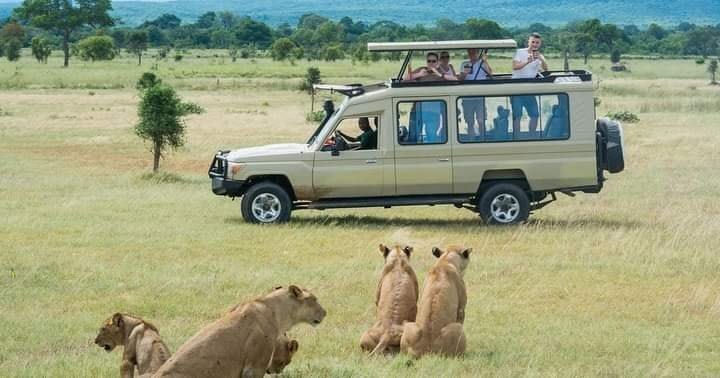
If you are planning a safari to Kenya, health preparation is as important as your visa and itinerary. Remote safari lodges in areas like the Masai Mara or Amboseli National Park have limited medical facilities, making pre-travel vaccinations and prophylaxis essential. When comparing safari packages on SafariFind, consider lodges with radio contact to medical services and proximity to evacuation routes.
Specific wildlife areas may have additional health risks. For example, conservation areas focused on lion conservation or cheetah conservation will expose you to wildlife; rabies PrEP is essential. Areas involved in wildlife translocations and rewilding programmes may have variable medical infrastructure—confirm this with your operator and insurance provider.
 Ask Tembo about this guide
Frequently Asked Questions
Note: FAQs are listed separately in the JSON output below.
Final Verification Note
Last checked July 2026 — Always confirm current vaccination and entry requirements with the Kenya Ministry of Health (https://health.go.ke), the CDC Yellow Book (https://wwwnc.cdc.gov/travel), or the Japanese Ministry of Foreign Affairs (https://www.anzen.mofa.go.jp) before travelling. Requirements and health risks change; this article is informational only and is not a substitute for professional medical or legal advice. Consult your doctor and a travel medicine specialist before departure.
Frequently Asked Questions
Do Japanese citizens need a yellow fever vaccination to enter Kenya?
Yes. Japan is classified as a yellow fever endemic country by the WHO, so all Japanese citizens aged 1 year or older must present a valid yellow fever vaccination certificate (ICVP) upon entry to Kenya. The vaccine must be administered at least 10 days before arrival and is valid for life. Without proof, you may be refused entry or required to be vaccinated at the airport at your own cost.
Is malaria prophylaxis necessary for a safari in Kenya?
Yes, malaria prophylaxis is strongly recommended by the CDC for all travellers to Kenya, particularly those visiting safari areas, coastal regions, and the Rift Valley. Research shows that 68.8% of Japanese travellers to African countries were recommended malaria prophylaxis, with Kenya being a top destination. Consult a travel medicine clinic at least 4–6 weeks before departure to determine the right medication for your specific itinerary and duration of stay.
Do I need a COVID-19 vaccination certificate to enter Kenya in 2026?
No. As of 2026, Kenya has lifted all COVID-19 vaccination and testing requirements for travellers. You do not need to show proof of COVID-19 vaccination or a pre-departure test. However, the CDC recommends that all eligible travellers remain up to date with their COVID-19 vaccines for general health protection.
How far in advance should I get vaccinated before travelling to Kenya?
Plan your vaccinations 8–12 weeks before departure. Yellow fever vaccine must be given at least 10 days before entry; malaria prophylaxis should be started 1–2 days before entering a malaria zone; rabies PrEP requires a 3-dose series over 21–28 days; and hepatitis A may require a 2-dose series over 6–12 months.[1,2] Booking a travel medicine consultation early ensures you have time for all required vaccines and allows for any adjustments based on your health.
Is rabies vaccination recommended for safari travellers from Japan?
Yes, strongly. Kenya has significant rabies risk from monkeys at safari lodges, stray dogs, and wildlife. The CDC and WHO recommend pre-exposure rabies vaccination (PrEP) for all safari visitors, especially children. Japanese travel clinics have historically shown low implementation rates for rabies PrEP in Kenya and Tanzania, despite the high risk. Request rabies PrEP explicitly during your travel clinic consultation.
What if I am exempt from yellow fever vaccination due to medical reasons?
If you have a severe allergy to egg protein, severe immunodeficiency, or are pregnant (outside an epidemic), you may be exempt from yellow fever vaccination. You will need a medical waiver letter from your doctor stating the contraindication. Carry this letter with your passport and present it at entry. Contact the Kenya Ministry of Health or your nearest Kenyan embassy in advance to confirm the exemption will be accepted.
Can I get vaccinated in Kenya if I missed my pre-departure vaccinations?
Yes, some vaccinations are available at Nairobi clinics and the airport (JKIA Port Health, available 24 hours; KES 3,500 per vaccine). However, this is not reliable for all vaccines and costs are higher. Yellow fever vaccine availability at the airport is limited. It is far safer and more affordable to complete all vaccinations in Japan before departure. If you do need to be vaccinated in Kenya, allow at least 10 days for the yellow fever vaccine to become valid before travel onward.
What malaria medication is recommended for Kenya?
Common options include atovaquone-proguanil (Malarone), doxycycline, and mefloquine. The choice depends on drug resistance patterns in your specific destination, your medical history, and any contraindications. For example, doxycycline is not suitable for pregnant women or children under 8 years. Consult a travel medicine specialist in Japan to determine the right medication for your itinerary and to allow time for any necessary testing or adjustments.
How long must I continue malaria prophylaxis after leaving Kenya?
You must continue taking malaria prophylaxis for 4 weeks after departing a malaria-endemic area. This extended period is essential because malaria parasites can emerge from the liver weeks after exposure. Do not stop taking your medication immediately upon departure, as this significantly increases your risk of developing malaria after you return home.
What is the Japanese Embassy contact number in Kenya for medical emergencies?
The Japanese Embassy in Nairobi can be reached at +254 20 226 5500 for assistance in locating English-speaking doctors or arranging medical support during emergencies. Keep this number in your phone and provide it to your travel health insurance provider. The embassy can also help coordinate evacuation if necessary.
Do I need travel health insurance for a safari in Kenya?
Yes, comprehensive travel health insurance is essential, especially for safari travel in remote areas. Medical facilities in national parks are limited, and evacuation to Nairobi or internationally can cost thousands of dollars. Ensure your policy covers emergency medical evacuation, tropical diseases (including malaria), rabies post-exposure prophylaxis, and adventure activities. Japanese providers such as AIG, Sompo, and Tokio Marine offer Kenya-specific policies.
Can I bring my prescription medications into Kenya?
Yes, you can bring personal medications in original, labelled containers with your name, accompanied by a copy of your prescription or doctor's letter. Controlled substances may require additional documentation. Obtain a letter from your doctor in Japanese and English stating the medication name, dosage, and medical necessity. Carry medications in your hand luggage in case checked luggage is delayed.
Sources
- Incoming Travellers – Kenya Ministry of Health(official)
- Kenya – Travelers' Health (CDC Yellow Book)(official)
- Malaria: An Overview – NIH/PMC(official)
- Kenya Vaccination Requirements 2026 – Yellow Fever, Malaria & Travel Vaccines(official)
- Yellow Fever Vaccine and Malaria Prevention Information, by Country (CDC)(official)
- Characteristics and Potential Quality Indicators for Evaluating Pre-Travel Consultations in Japan Hospitals: J-PRECOR(official)
Related to
Ready to start your safari adventure?
Explore curated safari packages and find your perfect African adventure with verified operators.