What Are the Costs and Experiences of Gorilla Trekking in Rwanda?
Gorilla trekking in Rwanda costs $1,500 for permits plus $1,500–$3,500 for accommodation and guides. Learn what to expect, best times to visit, and how to book.

Rwanda Gorilla Trekking: Costs & Experiences
Last updated: August 2026
Gorilla trekking in Rwanda costs $1,500 per person for a permit in 2027, plus accommodation and travel expenses totaling $3,000–$5,000 for a complete trip. The best time to visit is June–August and December–February for dry weather and clear mountain views. Book through verified operators on SafariFind to compare packages and read authentic reviews from past trekkers.
At a Glance
- Permit cost: $1,500 per person (fixed by Rwanda government)
- Total trip cost: $3,000–$5,000 per person including all expenses
- Best time to visit: June–August and December–February (dry seasons)
- Duration: 3–5 days recommended for full experience
- Location: Volcanoes National Park, 2 hours from Kigali
- Best for: Adventure seekers, wildlife photographers, nature lovers
Introduction
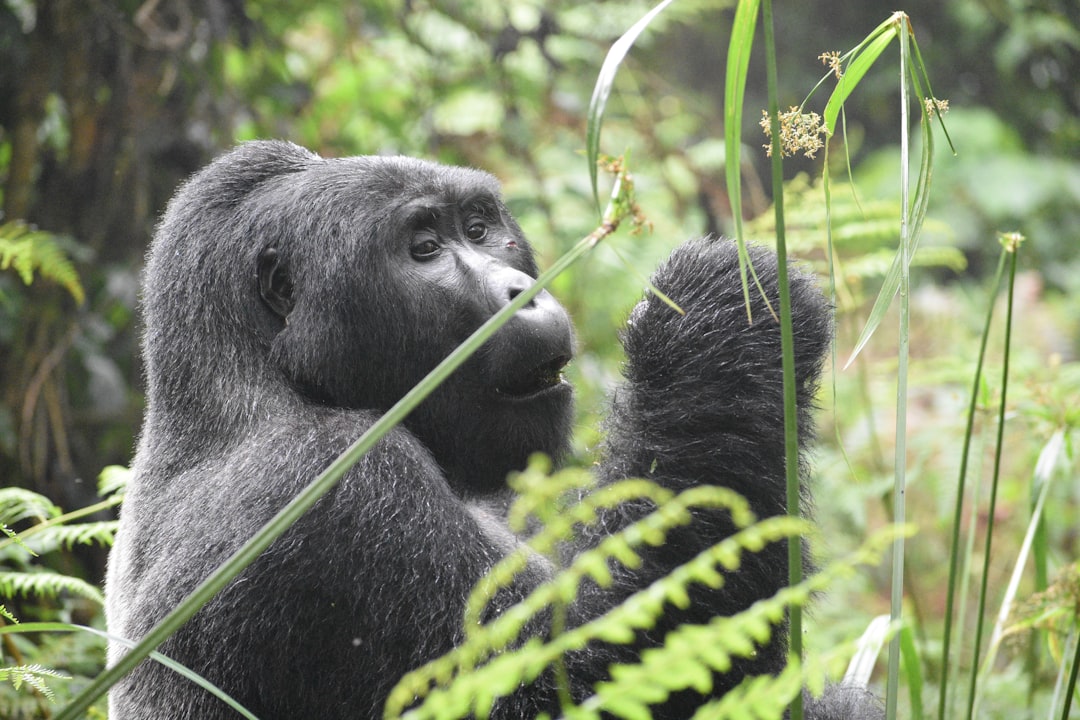
Gorilla trekking in Rwanda offers one of Africa's most unforgettable wildlife experiences. The trek takes you into the misty mountains of Rwanda to encounter endangered mountain gorillas in their natural habitat. You'll hike through dense forests, listen to birds sing, and come face-to-face with these gentle giants.
The permit cost for gorilla trekking in Rwanda is fixed at $1,500 per person as of 2027, a fee set by the Rwandan government that directly supports gorilla conservation and local communities . When you add accommodation, guides, transportation, and meals, most visitors spend $3,000–$5,000 total. The experience is expensive, but the memory lasts a lifetime.
Volcanoes National Park, located just two hours from the capital Kigali, is home to roughly 480 mountain gorillas—about half the world's remaining population. Your trek supports their survival through conservation funding and habitat protection.
What Is Gorilla Trekking in Rwanda?
Gorilla trekking in Rwanda is a guided hiking adventure into Volcanoes National Park where you spend time observing mountain gorillas in their native forest environment. You trek through thick vegetation, navigate steep terrain, and sit quietly near a gorilla family for one hour—the highlight of most visitors' trips . It's not a casual walk; it's an intense, rewarding physical and emotional experience.
The Trekking Experience
Your day starts early, usually at 7:00 AM, when guides brief you on safety and what to expect. You hike into the forest with a porter who carries your pack. The terrain is steep, muddy, and dense with vegetation. Hikes last 2–7 hours depending on where the gorillas spent the night .
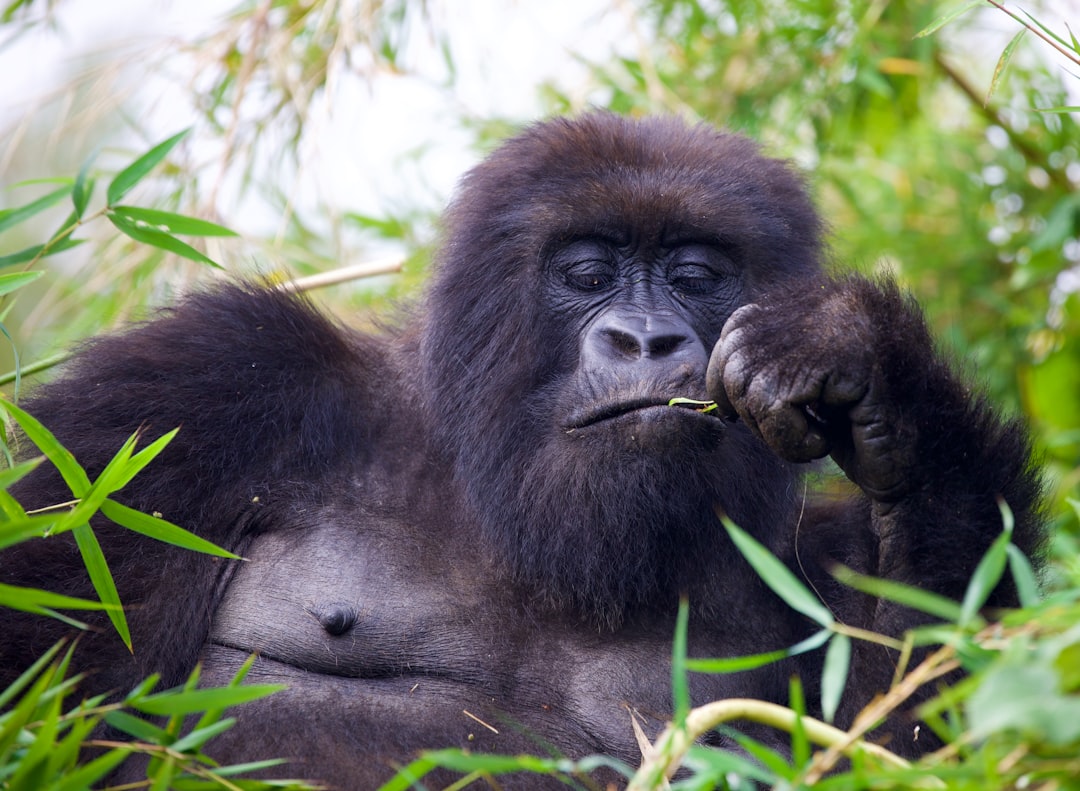
When you find a gorilla family, you stop and observe from a safe distance—usually 7 meters away. You watch them eat, play, and rest. A silverback male leads the group. Mothers protect their young. You may hear chest-beating and vocalizations. The hour passes quickly, and you hike back down the mountain with memories that stay forever.
Why Gorilla Trekking Matters
Mountain gorillas were nearly extinct in the 1980s. Today, their numbers are growing thanks to conservation efforts funded by tourism. When you pay $1,500 for a permit, that money directly protects gorillas and their habitat . Local communities near Volcanoes National Park also benefit through employment, guide training, and development projects.
Gorilla trekking is not just tourism—it's conservation in action. Every permit sold funds anti-poaching patrols, veterinary care for sick gorillas, and forest protection. Your trek helps ensure these animals survive for future generations.
Ready to plan your gorilla trekking adventure? Explore Rwanda gorilla trekking packages on SafariFind to compare operators, prices, and authentic traveler reviews.
How Much Does Gorilla Trekking in Rwanda Cost?
The gorilla trekking permit in Rwanda costs $1,500 per person as of 2027, a fixed rate set by the Rwandan government since 2017 . This permit covers one day of trekking and one hour observing a gorilla family. However, the total cost of a gorilla trekking trip includes many other expenses beyond the permit alone .
Permit Cost Breakdown
The $1,500 permit fee is the single largest expense. This fee is non-negotiable and applies to all foreign visitors. Rwandan citizens and residents pay a reduced rate. The permit guarantees your spot on a trek and funds gorilla protection directly through the Rwandan government .
No discounts apply to the permit fee. Tour operators cannot reduce it. If you see prices advertised below $1,500, they are likely adding hidden costs or misleading you. Always verify permit costs with verified operators before booking.
Additional Trip Costs
Beyond the permit, budget for these expenses during your gorilla trekking trip:
- Accommodation: $100–$300 per night near Volcanoes National Park (budget to luxury options)
- Meals: $30–$100 per day depending on restaurant quality
- Guides and porters: $50–$100 per day (included in some package deals)
- Transportation: $200–$400 for vehicle rental and fuel from Kigali
- Park entry fees: $50–$100 if visiting other attractions
- Tips for guides and staff: $50–$150 total (customary but optional)
Total Trip Cost Estimate
A typical 3-day gorilla trekking trip costs $3,000–$5,000 per person when you combine the permit, accommodation, meals, and transportation . A 5-day trip with additional wildlife viewing or cultural activities costs $4,500–$7,000 per person. Budget-conscious travelers can minimize costs by staying in basic hotels and eating local food. Luxury travelers can spend $8,000+ with premium lodges and private guides.
Most tour operators bundle these costs into all-inclusive packages. Compare Rwanda safari packages on SafariFind to find options that fit your budget and include gorilla trekking plus other experiences.
Is Gorilla Trekking Worth the Cost?
Visitors consistently say yes. The permit is expensive, but the experience is world-class. You spend one hour with one of Earth's rarest animals. You contribute to their survival. You support local communities. The memory lasts forever. Most trekkers say they would pay the price again .
Planning Your Gorilla Trekking Trip
Planning a gorilla trekking trip requires advance preparation. You need a permit, valid passport, vaccinations, physical fitness, and the right gear. Start planning 3–6 months ahead to secure permits and find good rates on accommodation and guides .
Best Time to Visit
The best time to trek gorillas in Rwanda is during the dry seasons: June–August and December–February. Dry weather means less mud on the trails and clearer views of the mountains. Visibility for photography improves. You're less likely to get soaked on the hike .
The rainy seasons (March–May and September–November) are quieter, with fewer tourists. Permits are easier to book. But trails are muddy, slippery, and harder to hike. Visibility is poor for photos. Unless you prefer solitude and don't mind wet conditions, stick to dry season visits.
Physical Fitness Requirements
Gorilla trekking is physically demanding. You hike 2–7 hours uphill through dense forest on steep, muddy terrain. You need good fitness, strong legs, and endurance. Altitude ranges from 2,200 to 4,500 meters, which can cause shortness of breath .
You don't need to be an athlete, but you should be able to hike for several hours without stopping. Train your legs before the trip. Do cardio to build stamina. Bring trekking poles to reduce knee strain. If you have health concerns, consult your doctor before booking.
What to Bring
Pack these essentials for gorilla trekking:
- Waterproof rain jacket and pants
- Sturdy hiking boots (broken in before the trip)
- Warm layers (mornings are cold in the mountains)
- Camera with extra batteries and memory cards
- Sunscreen and insect repellent
- Water bottle (at least 2 liters)
- Gloves and hat for sun and cold
- Gaiters to keep mud out of boots
Permits and Booking
Gorilla trekking permits sell out quickly during peak season. Book 3–6 months in advance to guarantee your spot. Permits are issued daily in limited numbers to protect gorilla families from over-tourism. Tour operators handle permit booking for you, but you must book through them .
Never buy permits directly from unofficial sources. Work only with verified tour operators registered with the Rwanda Tourism Board. Request quotes from verified Rwanda safari operators on SafariFind to ensure legitimate, licensed booking and authentic traveler reviews.
Vaccinations and Health
Before traveling to Rwanda, consult a travel health clinic about recommended vaccinations. Yellow fever vaccination is recommended. Malaria prevention is suggested for lower-altitude areas. Bring any prescription medications you need. Travel insurance that covers medical evacuation is highly recommended .
Gorillas are susceptible to human diseases. Follow guide instructions about maintaining distance and not touching gorillas. If you're sick, reschedule your trek. Protecting gorilla health is everyone's responsibility.
The Gorilla Trekking Experience: What Happens
A typical gorilla trekking day is structured and guided. You wake before dawn, eat breakfast, receive a safety briefing, and head into the forest. By afternoon, you're back at your hotel processing an incredible day. Here's what actually happens during gorilla trekking in Rwanda .
Before the Trek
You arrive at Volcanoes National Park headquarters at 7:00 AM. Park rangers brief you on safety rules, trail conditions, and gorilla behavior. You meet your guide, porter, and fellow trekkers (groups are usually 8 people). Your guide assigns you a gorilla family to visit based on difficulty and location .
The briefing covers important rules: stay 7 meters from gorillas, don't point or make loud noises, keep your group together, follow your guide's instructions. If a gorilla charges, stand still and look down. These rules protect you and the gorillas.
The Hike Into the Forest
Your group hikes into the dense forest of Volcanoes National Park. The trail is steep and muddy. Vegetation is thick and wet. Your porter carries water, snacks, and a first aid kit. You use trekking poles for stability. The hike is quiet—guides listen for gorilla sounds and signs .
After 2–7 hours of hiking, your guide stops and signals that gorillas are near. Your heart races. Everyone moves slowly and quietly. You round a tree and see them—a family of mountain gorillas eating, playing, and resting just meters away.
One Hour With the Gorillas
You spend exactly one hour observing the gorilla family. You sit quietly and watch. A silverback male (the group's leader) may notice you but typically ignores tourists. Mothers play with babies. Younger gorillas wrestle. You hear them breathe and vocalize. You may see them strip bark from trees to eat or rest on the forest floor .
Photography is allowed, but use silent camera modes. The hour feels both short and eternal. Your guide explains gorilla behavior and family structure. This is the moment you came for—it's usually more emotional and powerful than expected.
The Hike Back
After one hour, your guide signals that it's time to leave. Your group hikes back down the mountain, carefully navigating steep, muddy terrain. By late afternoon, you reach the park entrance. You're tired, muddy, exhilarated, and changed by the experience.
Back at your hotel, you shower, eat a big dinner, and process what you just witnessed. You review photos and videos. You journal about the encounter. That evening, you'll likely feel emotional—gorilla trekking touches people deeply.
Beyond Gorilla Trekking: Other Rwanda Experiences
Gorilla trekking is the main attraction, but Rwanda offers other incredible experiences worth adding to your itinerary. Combine gorilla trekking with cultural visits, other wildlife, and scenic hikes for a complete Rwanda adventure .
Cultural Experiences Near Volcanoes
Visit Iby'iwacu Cultural Village to meet local Rwandan communities and learn traditional crafts, music, and cooking. You can hike to Mount Karisimbi, an extinct volcano with stunning views. Visit Kamiranzovu Waterfall for a refreshing walk through forest trails.
Other Wildlife and National Parks
Kigali, Rwanda's capital, is a vibrant city with museums and restaurants. The Institute of National Museums of Rwanda offers insights into Rwandan history and culture. Lake Kivu offers boat safaris and water activities.
Golden Monkey Trekking
In addition to gorilla trekking, Volcanoes National Park offers golden monkey trekking. Golden monkeys are smaller, more active, and just as fascinating as gorillas. The permit costs less ($100), making this an affordable add-on to your gorilla trek .
Key Takeaways
- Book your Rwanda gorilla trekking permit 3–6 months ahead to secure your spot and save on accommodation rates during peak season.
- Budget $1,500 for the gorilla permit plus $1,500–$3,500 more for accommodation, meals, guides, and transportation for a complete 3–5 day trip.
- Visit during dry season (June–August or December–February) for better hiking conditions, clearer views, and more comfortable trekking weather.
- Train your fitness level before the trek because you'll hike 2–7 hours uphill through muddy, steep terrain at high altitude.
- Work with verified tour operators on SafariFind to guarantee legitimate permits, authentic reviews, and transparent pricing without hidden costs.
Frequently Asked Questions
How much does a Rwanda gorilla trekking permit cost in 2027?
A gorilla trekking permit in Rwanda costs $1,500 per person in 2027. This is a fixed rate set by the Rwandan government since 2017 . The fee funds mountain gorilla conservation and habitat protection. No discounts are available—all foreign visitors pay the same amount.
What is the total cost of a gorilla trekking trip to Rwanda?
A complete gorilla trekking trip costs $3,000–$5,000 per person for 3 days, or $4,500–$7,000 for 5 days. This includes the $1,500 permit plus accommodation ($100–$300/night), meals ($30–$100/day), guides, transportation, and tips . Budget trips cost less; luxury trips cost more.
When is the best time to trek gorillas in Rwanda?
The best time to trek gorillas in Rwanda is June–August and December–February, during the dry seasons. Trails are less muddy, weather is clearer, and visibility for photography improves . Rainy seasons (March–May and September–November) offer fewer tourists but muddy, difficult hiking conditions.
How long does a gorilla trek take, and what is the difficulty level?
Gorilla trekking hikes last 2–7 hours depending on gorilla location and terrain. The hike is physically demanding—steep, muddy, and at high altitude (2,200–4,500 meters). You need good fitness, strong legs, and hiking experience . It's not a casual walk; expect fatigue and muscle soreness afterward.
Can I visit gorillas in Rwanda if I'm not very fit?
Gorilla trekking is challenging but possible for people with moderate fitness. Train your legs and do cardio for several months before the trip. Use trekking poles to reduce knee strain. Porters can help carry your pack. If you have health concerns, consult your doctor . Guides can recommend easier gorilla families with shorter hikes if you ask in advance.
How do I book a gorilla trekking permit for Rwanda?
Book gorilla trekking permits through verified tour operators—never directly from unofficial sources. Browse Rwanda gorilla trekking packages on SafariFind to compare verified operators, authentic reviews, and transparent pricing. Request quotes 3–6 months in advance to guarantee your permit and get the best rates.
Is gorilla trekking in Rwanda worth the $1,500 cost?
Yes, according to most visitors. You spend one hour with one of Earth's rarest animals in their natural habitat. Your permit directly funds gorilla conservation and protects their future. You support local communities. The experience is life-changing and unforgettable . Most trekkers say they would pay again.
Conclusion
Gorilla trekking in Rwanda is one of Africa's most remarkable wildlife experiences. The $1,500 permit cost is high, but it funds critical conservation work that's helping mountain gorillas recover from near extinction. When you add accommodation, meals, and guides, expect to spend $3,000–$5,000 total for a 3–5 day trip in 2027 .
The experience itself—spending one hour observing a gorilla family in their forest home—justifies the cost. You'll witness intelligent, gentle animals that few people on Earth ever see. You'll hike through stunning mountain landscapes. You'll contribute directly to wildlife protection.
Plan ahead by booking 3–6 months in advance during dry season (June–August or December–February) for the best conditions. Train your fitness level for the demanding hike. Pack proper gear and follow guide safety instructions.
Ready to plan your gorilla trekking adventure? Compare Rwanda safari packages with gorilla trekking on SafariFind to find verified operators, transparent pricing, and authentic reviews from past travelers. Request quotes today and start planning the trip of a lifetime.
Plan Your Safari with SafariFind
These recommendations use real data from SafariFind, where you can compare operators, browse packages, and read verified traveler reviews before you book.
Recommended Safari Packages from SafariFind
Verified Traveler Reviews from SafariFind
References
- Africa Tour Operators – Gorilla Trekking in Africa Cost & Guide, Uganda, Rwanda & Congo
- Wilderness Destinations – Gorilla Trekking in Rwanda: Luxury Safari Experiences
- Explore with Alec – Gorilla Trekking in Rwanda: Complete Guide, Costs, Review, and Photography Tips
- Katona Tours – How Much Does Gorilla Trekking in Rwanda Cost in 2026-2027
V2Ui.sources
- Africa Tour Operators – Gorilla Trekking in Africa Cost & Guide, Uganda, Rwanda & Congo
- Wilderness Destinations – Gorilla Trekking in Rwanda: Luxury Safari Experiences
- Explore with Alec – Gorilla Trekking in Rwanda: Complete Guide, Costs, Review, and Photography Tips
- Katona Tours – How Much Does Gorilla Trekking in Rwanda Cost in 2026-2027
Related to
Ready to start your safari adventure?
Explore curated safari packages and find your perfect African adventure with verified operators.