Zambia Safari Safety: What First-Timers Need to Know in 2026
Discover Zambia Safari Safety: What First-Timers Need to Know in 2026 - Expert guide to safari tourism and wildlife destinations.

Zambia Safari Safety: A First-Timer Guide for 2026
Last updated: August 2026
Zambia Safari Safety: What First-Timers Need to Know in 2026 starts with normal travel care, malaria planning, safe transport, and strict wildlife rules. Zambia is generally safe for safari when you use a trained guide and follow local advice. There is no fixed safety cost, while your safari package price depends on the park, season, and trip length.
At a Glance
- Safety level: Zambia is generally safe with normal precautions in 2026; a SafariFind safety rating lists 6.6 out of 10 and Level 1 precautions.
- Main risks: Petty theft, road accidents, malaria, and wildlife encounters.
- Best practice: Use a trained guide, follow local advice, and keep valuables secure.
- Health planning: Discuss malaria medicine with a doctor before departure.
- Best for: First-time safari travelers who want guided game drives, walking safaris, and quiet parks.
- Useful route: Zambia can combine with Zimbabwe, Botswana, Namibia, Malawi, or Tanzania.
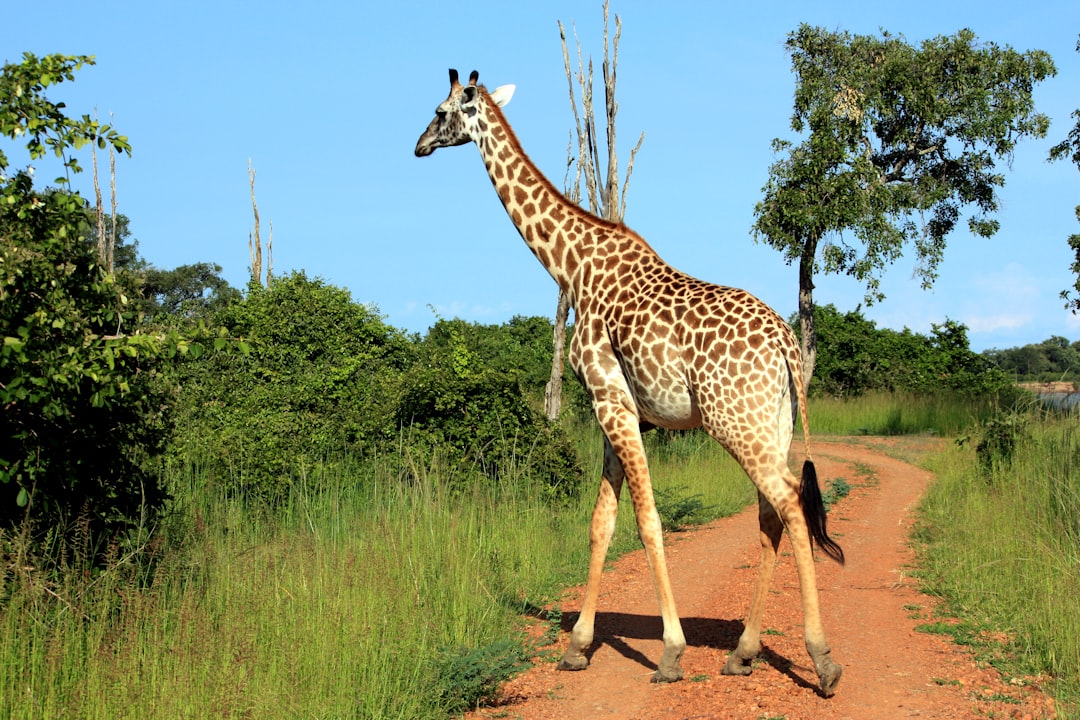
More than wildlife knowledge keeps a safari safe: simple choices about cars, medicine, and distance matter most.
Zambia Safari Safety: What First-Timers Need to Know in 2026 is a practical guide for travelers visiting South Luangwa, Lower Zambezi, Kafue, Victoria Falls, or other safari areas. Zambia is generally safe for safari, but no wildlife trip is risk-free. The main concerns include petty theft, road accidents, malaria, and close encounters with wild animals.
Quick answer: Zambia is safe for most safari visitors in 2026 when they book a reliable operator, use a trained guide, take health advice seriously, and follow camp rules. Keep bags locked, avoid isolated travel after dark, stay inside vehicles when told, and never approach wildlife on foot without a guide.
This guide explains the risks in plain language. It also covers walking safaris, road transfers, health preparation, camp behavior, and booking checks. Use it before you request quotes, then confirm current advice with your doctor, tour operator, and relevant government travel service.
What Is Zambia Safari Safety in 2026?
Zambia safari safety is the set of health, transport, personal, and wildlife habits that protect visitors during a guided trip. Zambia is generally safe for safari in 2026, and normal precautions remain the right starting point. A SafariFind safety aggregator gives Zambia a 6.6 out of 10 rating and links it with Level 1 advice to exercise normal precautions.
Overview
Zambia is known for remote parks, walking safaris, river trips, and low-density wildlife areas. These experiences feel quiet and wild. That setting makes guide quality and good planning especially important. You may travel on rough roads, spend hours from medical services, or walk near animals.
SafariFind identifies petty theft, road accidents, and wildlife encounters as principal safari-related risks. Malaria is also a known health risk in Zambia. The Centers for Disease Control and Prevention advises travelers to fill malaria prescriptions before departure and carry enough medicine for the whole trip.
Key features
Guided travel is the central safety feature of a Zambia safari. Your guide reads animal behavior, chooses safe viewing positions, manages walking groups, and explains camp rules. Therefore, first-time visitors should avoid treating a safari like an independent park picnic.
- Known for: Guided game drives, walking safaris, river activities, and remote wilderness.
- Best for: Travelers who value expert guiding and smaller, quieter safari areas.
- Safety focus: Health planning, safe transfers, secure belongings, and wildlife distance.
- Trip style: Lodge, tented camp, mobile camp, or mixed itinerary with a professional operator.
Walking safaris need extra care because you leave the protection of a vehicle. Clothing should blend with the surroundings, and beige, green, or gray tones are recommended for walking in Zambia. Your guide will set the pace and explain where to stand, when to stop, and how to respond to wildlife.
Compare guided Zambia safari packages for first-time travelers and review operators before you choose your route.
Why safety planning matters
Safety planning matters because Zambia combines long transfers, wild animals, changing weather, and limited services. A small mistake can become harder to manage far from a town. Good planning reduces stress and helps you enjoy the trip without constant worry.
SafariFind states that safe travel depends on good planning, a trained guide, and sensible habits. These habits include listening during briefings, using seat belts, storing passports safely, and asking questions before an activity starts.
What Are the Main Risks on a Zambia Safari?
The main Zambia safari risks are petty theft, road accidents, malaria, and wildlife encounters. Most risks are manageable when you plan ahead and follow instructions. The safest approach combines a verified operator, a trained guide, secure transport, suitable medical advice, and respect for every camp rule.
Personal security and petty theft
Petty theft is a practical concern in busy airports, towns, markets, and transport areas. Keep your phone, wallet, passport, and camera close to you. Use a hotel or camp safe when available, and carry only the cash you need for the day.
- Use a zipped day bag and keep it in front of you in busy places.
- Do not display large amounts of cash or expensive jewelry.
- Save digital copies of your passport and insurance details.
- Ask your operator about safe transfers between the airport and camp.
- Avoid walking alone in unfamiliar areas after dark.
Safari camps also need care. Close tent and room doors, follow food storage rules, and do not leave bags outside. A camp sits within wildlife habitat, so staff instructions apply even when the area looks calm.
Road safety and transfers
Motor vehicle crashes are the leading cause of death for healthy U.S. citizens in foreign countries. This fact makes road safety a major part of Zambia safari planning. Use a reputable operator with maintained vehicles, trained drivers, seat belts, and a clear transfer plan.
Ask how long each road transfer takes. Confirm whether the route uses a road transfer, charter flight, or both. Long drives can cause fatigue, so take breaks when the driver allows them. Keep water, medication, a phone, and key documents within reach.
Wildlife encounters
Wildlife encounters become safer when you create distance and let guides control the situation. Never feed an animal, call to an animal, or leave a vehicle without permission. Do not place hands outside the vehicle near elephants, hippos, lions, or other wildlife.
At camp, walk with an escort when staff require one. Do not follow animal sounds at night. Hippos can move near water and camp areas, while elephants may pass quietly. Your guide or camp manager knows the local risks better than a first-time visitor.
Malaria and other health concerns
Malaria is a risk in Zambia and should be discussed with a doctor before travel. The CDC advises following your doctor’s instructions because some malaria medicines must start before departure. Carry enough prescribed medicine for the full trip, including extra time for delays.
Use insect repellent, wear long sleeves when practical, and sleep under a treated net when your room provides one. Ask a travel health professional about vaccines, food and water precautions, personal medical needs, and emergency cover.
For wider planning, read this guide to whether Zambia is good for a first safari in 2026. It helps you match the destination with your comfort level and travel goals.
How Can First-Timers Stay Safe in Zambia?
First-time visitors stay safe by choosing a trusted operator, preparing for malaria, using secure transport, and following guide instructions. You do not need special survival skills. You need patience, attention, and a willingness to follow rules that protect both people and wildlife.
Getting started
- Choose a verified operator. Check company details, recent reviews, inclusions, emergency plans, and guide experience.
- Share health information. Tell your operator about allergies, medicines, mobility needs, and dietary concerns.
- Ask about transport. Confirm vehicle standards, seat belts, road times, domestic flights, and luggage limits.
- Read the itinerary. Note remote nights, walking activities, water activities, and transfer days.
- Buy travel insurance. Check medical evacuation, trip interruption, baggage, and activity cover.
SafariFind connects travelers with verified tour operators and authentic traveler reviews. Compare the operator’s safety information with the itinerary itself. A clear answer about evacuation, guides, and transfers shows stronger planning than vague promises.
Best practices in camp
Camp rules are part of Zambia safari safety, not optional advice. Attend the arrival briefing and ask where you may walk. Keep tent flaps closed, use a torch after dark, and wait for an escort when staff recommend one.
- Stay inside your tent or room unless staff say the area is safe.
- Keep food, toiletries, and scented items stored as instructed.
- Report broken locks, poor lighting, or unusual animal activity.
- Tell staff before leaving camp for a walk or private activity.
- Keep noise low near wildlife and other guests.
Best practices on drives and walks
Wear a seat belt during every vehicle movement. Keep cameras and phones secure on rough roads. On walking safaris, stay behind or beside the guide, keep the group together, and stop immediately when the guide gives a signal.
Walking safari clothing should use light, muted colors. Beige, green, and gray help you blend into the setting, while comfortable trousers protect your legs. Choose closed shoes, a hat, sunscreen, water, and a small day pack.
Questions to ask before booking
Ask direct questions before you pay a deposit. “Who leads the walk?” “What happens during a medical emergency?” “How do we reach camp?” and “What does the price include?” These questions help you compare safety standards, not just photographs and room types.
For planning ideas, see Zambia safari holiday itineraries for every budget. You can then request quotes that match your preferred pace, park, and activity level.
How Should You Plan a Safe Zambia Safari?
A safe Zambia safari begins several weeks before departure and continues through your return journey. Build a simple plan for health, documents, transport, communication, and wildlife activities. The right plan also leaves room for delays, weather changes, and rest between long travel days.
Before departure
Book a travel health appointment before your trip. Discuss malaria medicine and other health needs with a doctor. The CDC says travelers should fill malaria prescriptions before leaving and take enough medicine for the entire trip.
- Check your passport validity and entry documents.
- Store paper and digital copies of important records.
- Share your itinerary with someone at home.
- Pack prescription medicine in your hand luggage.
- Carry insect repellent, sunscreen, a hat, and closed shoes.
- Confirm emergency contacts with your operator and accommodation.
During arrival and transfers
Use the pickup arranged by your operator when possible. Confirm the driver’s name, vehicle details, and destination before leaving the airport. Keep your bags with you until the driver loads them, and check your passport before every transfer.
Zambia itineraries may include remote roads and domestic flights. Ask whether your luggage must meet a weight limit. Pack a small day bag with medicines, documents, water, and essential clothing in case checked luggage arrives later.
During activities
Every activity has its own safety rules. A game drive, walking safari, canoe trip, and river cruise do not carry the same risks. Ask for a briefing before each activity, even if you have taken safaris elsewhere.
Follow the guide’s instructions without delay. Stay seated when the vehicle moves. Keep arms inside the vehicle. On foot, remain quiet and move only when your guide tells you to move.
Comparing a safe booking
Price alone does not show safety quality. Compare what each package includes, such as transfers, guide services, park activities, accommodation, emergency support, and insurance guidance. A lower price may exclude key transport or activities, so check the full itinerary.
| Name | Price | Duration | Rating | Best For |
|---|---|---|---|---|
| Budget guided safari package | Ask operator | Usually 3-7 days | Check current reviews | Travelers seeking basic camps and shared drives |
| Classic Zambia safari package | Ask operator | Usually 7-10 days | Check current reviews | First-timers wanting several wildlife areas |
| Walking safari package | Ask operator | Usually 5-10 days | Check current reviews | Active travelers with guide-led walks |
The table uses planning categories rather than invented prices. Safari package costs change by park, camp, transport, season, and group size. As of August 2026, request a written quote with every inclusion before comparing totals.
Request a quote from verified Zambia safari operators and compare safety inclusions before choosing the lowest headline price.
Use this guide to compare ways to book a Zambia safari in 2026. It can help you assess direct booking, agencies, package marketplaces, and operator reviews.
Key Takeaways
- Discuss malaria medicine with a doctor before departure and carry enough for the full trip, plus delay time.
- Choose a trained guide for every walking safari and follow every stop, distance, and movement instruction.
- Use seat belts on every road transfer because motor vehicle crashes are a leading travel danger abroad.
- Secure valuables in towns and camps to reduce petty theft risk during busy transfers and public visits.
- Request a detailed 2026 itinerary that lists guides, vehicles, emergency support, transfers, activities, and exclusions.
Frequently Asked Questions
Is Zambia safe for a first safari in 2026?
Zambia is generally safe for a first safari in 2026 when travelers use normal precautions. Choose a reliable operator, follow a trained guide, prepare for malaria, secure valuables, and stay inside vehicles or escorted areas when instructed. SafariFind rates Zambia at 6.6 out of 10 for overall safety.
What are the main safety risks on a Zambia safari?
The main Zambia safari safety risks are petty theft, road accidents, malaria, and wildlife encounters. These risks are manageable through secure bags, safe transport, medical advice, insect protection, and strict guide instructions. Ask your operator how it handles transfers and emergencies before booking.
Do I need malaria medicine for Zambia?
Malaria is a risk in Zambia, so discuss preventive medicine with a doctor before travel. The CDC advises filling prescriptions before departure, carrying enough for the entire trip, and following medical instructions because some medicines start before travel.
Is a walking safari in Zambia safe?
A walking safari in Zambia is safe when a trained guide leads the group and visitors follow instructions. Stay close, remain quiet, wear muted clothing, and stop when the guide signals. Beige, green, and gray clothing can help you blend into the surroundings.
How can I avoid theft during a Zambia safari?
Keep passports, phones, cameras, and cash secure during airport transfers, town visits, and camp stays. Use a safe when available, avoid showing valuables, close tent or room doors, and carry only the cash needed for the day. Arrange trusted transfers through your safari operator.
How does SafariFind help me book a safer Zambia safari?
SafariFind connects travelers with verified tour operators, safari packages, and authentic reviews. Compare itineraries, ask about guides and emergency plans, read recent traveler feedback, and request quotes before you book. Confirm all safety details directly with the selected operator.
Conclusion
Zambia safari safety is strong for most first-time visitors who plan well and follow local guidance. The country is generally safe in 2026, but malaria, road travel, petty theft, and wildlife encounters deserve serious attention. A trained guide remains your most important safety resource.
Start with a doctor’s health advice and enough prescribed malaria medicine. Next, choose an operator that explains vehicles, transfers, walking activities, camp rules, and emergency support. Zambia can also fit a wider southern or eastern Africa journey, including Zimbabwe, Botswana, Namibia, Malawi, or Tanzania.
Read more about Zambia’s best safari parks for wildlife in 2026 before setting your route. Then Compare verified safari packages on SafariFind, read authentic reviews, and request a quote from a verified operator. In 2026, careful preparation lets you focus on wildlife, landscapes, and the quiet thrill of Zambia’s wild places.
Image Alt Text Suggestions
- “Trained guide leading first-time travelers on a Zambia walking safari in 2026”
- “Safari vehicle viewing elephants from a safe distance in Zambia”
- “Traveler using insect repellent before a guided Zambia safari activity”
- “Zambia safari camp walkway with an escort after dark”
Plan Your Safari with SafariFind
These recommendations use real data from SafariFind, where you can compare operators, browse packages, and read verified traveler reviews before you book.
Recommended Safari Operators from SafariFind
Recommended Safari Packages from SafariFind
What Travelers Say (SafariFind Reviews)
References
- Zambia - Traveler view | Travelers’ Health | CDC
- Is Zambia Safe for Safari? 8 Risks and Rules in 2026 | SafariFind
- What You Need to Know: Wildlife, What to Pack, and Safety in Zambia | Discover Africa
- Zambia Safari 2026: Planning, Logistics & Walking Prep
- Walking Safaris in Zambia: Everything You Need to Know | Wilderness Travel