Zambia Walking Safari 2026: Cost Breakdown & Top 5 Operators
Zambia walking safari costs $600–$1,200/night in 2026. Explore South Luangwa, top 5 operators, best seasons, and booking tips. Compare prices on SafariFind.

Zambia Walking Safari 2026: Cost & Top Operators
Last updated: July 2026
A walking safari in Zambia costs $600–$1,200 per person per night in 2026. South Luangwa National Park is the world capital of walking safaris. Book 3–6 months ahead for the best rates and wildlife viewing during the dry season (June–October). Explore verified operators and packages on SafariFind to compare prices and read authentic traveler reviews.
At a Glance
- Cost per night: $600–$1,200 per person (all-inclusive)
- Best time to visit: June–October (dry season, peak wildlife)
- Recommended duration: 7–10 days for full experience
- Best for: Adventure travelers, nature lovers, photographers
- Top destination: South Luangwa National Park (walking safari pioneer)
- Booking window: 3–6 months in advance for best rates
What Is a Zambia Walking Safari in 2026?
A Zambia walking safari is a guided bush walk through remote national parks where you explore wildlife on foot with experienced guides. Unlike vehicle-based safaris, walking safaris put you directly in nature, allowing closer encounters with animals and plants. South Luangwa National Park pioneered the walking safari concept in the 1950s and remains the global hub for this experience .
Walking safaris in Zambia combine early morning walks, afternoon game drives, and evening bush dinners at remote camps. You stay in small groups (typically 4–6 people) at intimate lodges or mobile camps. All meals, guides, and activities are included in the nightly rate, making budgeting straightforward.
The experience differs from traditional safaris because you move quietly through the bush, learning about animal behavior, tracking, and ecology from expert guides. You may see lion paw prints, hear elephant calls, and spot rare birds. The walking pace is relaxed—guides adjust speed for fitness levels.
Zambia attracts walking safari enthusiasts because the country has fewer tourists than Kenya or Tanzania, offering more solitude. The parks are vast and less crowded, giving you authentic wilderness experiences. Local guides possess deep knowledge of the ecosystem and animal behavior.
Why Choose a Walking Safari Over a Vehicle Safari?
Walking safaris offer intimacy that vehicle safaris cannot match. You feel the earth beneath your feet, smell the vegetation, and hear natural sounds. Vehicle safaris keep you at distance; walking safaris immerse you in the environment.
Walking safaris are also more physically engaging. You're active rather than sitting in a vehicle, which appeals to travelers seeking adventure and fitness. The slower pace lets you notice details—insects, plants, animal signs—that vehicle passengers miss.
Finally, walking safaris support smaller, eco-conscious operators. Many use mobile camps that leave no permanent footprint, protecting the ecosystem. Your money supports conservation and local employment.
Key Features of Zambian Walking Safaris
- Expert guides: Trained naturalists with 10+ years of experience
- Small groups: 4–6 people maximum for intimacy
- Remote camps: Luxury tents or mobile camps in pristine locations
- All-inclusive pricing: Meals, drinks, activities, and transfers included
- Flexible itineraries: Guides adjust routes based on animal sightings
- Night drives: Spot nocturnal wildlife like civets, hyenas, and owls
- Cultural experiences: Meet local Zambian communities and learn traditions
These features make Zambia walking safaris unique compared to other African destinations. The combination of expert guidance, small-group intimacy, and remote locations creates unforgettable memories.
Cost Breakdown: How Much Does a Walking Safari Cost?
Walking safaris in Zambia cost $600–$1,200 per person per night in 2026, depending on the lodge, season, and group size . This is the all-inclusive nightly rate covering accommodation, meals, activities, and guides. Most operators offer 7–10 day packages, bringing total costs to $4,200–$12,000 per person.
Pricing by Season and Lodge Type
| Season | Budget Lodge | Mid-Range Lodge | Luxury Lodge | Best For |
|---|---|---|---|---|
| June–August (Peak) | $600–$800/night | $800–$1,000/night | $1,000–$1,200/night | Large herds, cool weather |
| September–October (Late dry) | $550–$700/night | $700–$900/night | $900–$1,100/night | Fewer crowds, good wildlife |
| November–May (Wet season) | $400–$500/night | $500–$700/night | $700–$900/night | Budget travelers, birdwatchers |
Peak season (June–August) is most expensive because wildlife congregates around water sources, guaranteeing sightings. Accommodation is harder to book, pushing prices up. However, you'll see the most animals during this period.
Late dry season (September–October) offers a sweet spot: lower prices than peak season, still excellent wildlife viewing, and fewer tourists. Many experienced travelers choose these months for better value.
Wet season (November–May) is cheapest because fewer animals are visible and roads become difficult. However, birdwatching improves, vegetation is lush, and you have camps almost to yourself. This suits budget-conscious travelers and nature photographers.
What's Included in the Nightly Rate?
- Accommodation in tents, chalets, or lodges
- All meals (breakfast, lunch, dinner) and beverages
- Twice-daily guided walks (morning and afternoon/evening)
- Game drives in vehicles
- Professional guide services
- Park entrance fees
- Airport transfers within the park region
The all-inclusive model means no surprise costs during your stay. You don't pay extra for activities or meals. However, international flights, visas, travel insurance, and tips for guides are separate.
Hidden Costs to Budget For
Beyond the nightly rate, plan for these additional expenses:
- International flights: $800–$2,000 from Europe or North America
- Travel insurance: $100–$300 for 10 days
- Guide tips: $5–$10 per guide per day (customary)
- Pre-safari activities: Vaccinations ($100–$200) and travel clinic visits
- Visas: Zambia eVisa costs $25–$50 for most nationalities
- Malaria prevention: Medication costs $50–$150
Budget an extra $1,500–$3,000 on top of the nightly rate for a complete 10-day trip from North America or Europe. This covers flights, insurance, visas, and medications.
For Irish and Swiss travelers, check current visa requirements. Irish citizens may enter Zambia visa-free for tourism, while Swiss citizens require an eVisa. Learn more about Zambia visas for Irish citizens and Zambia visas for Swiss citizens to plan accordingly.
Before booking, review vaccinations and health rules for Zambia to understand medical requirements and costs.
How to Save Money on a Walking Safari
Book 3–6 months in advance to secure early-bird discounts of 10–20%. Operators offer lower rates for advance bookings. Traveling during shoulder season (September–October or April–May) reduces costs by 15–30% compared to peak season.
Join a group tour instead of booking privately. Group departures share guide and vehicle costs, lowering per-person rates by 20–40%. SafariFind lists walking tours under $2,500 to help you find budget options.
Consider 5–7 day safaris instead of 10-day trips. A 7-day safari costs $4,200–$8,400 instead of $6,000–$12,000 for 10 days, yet still offers excellent wildlife viewing. Shorter trips suit travelers with limited vacation time and budgets.
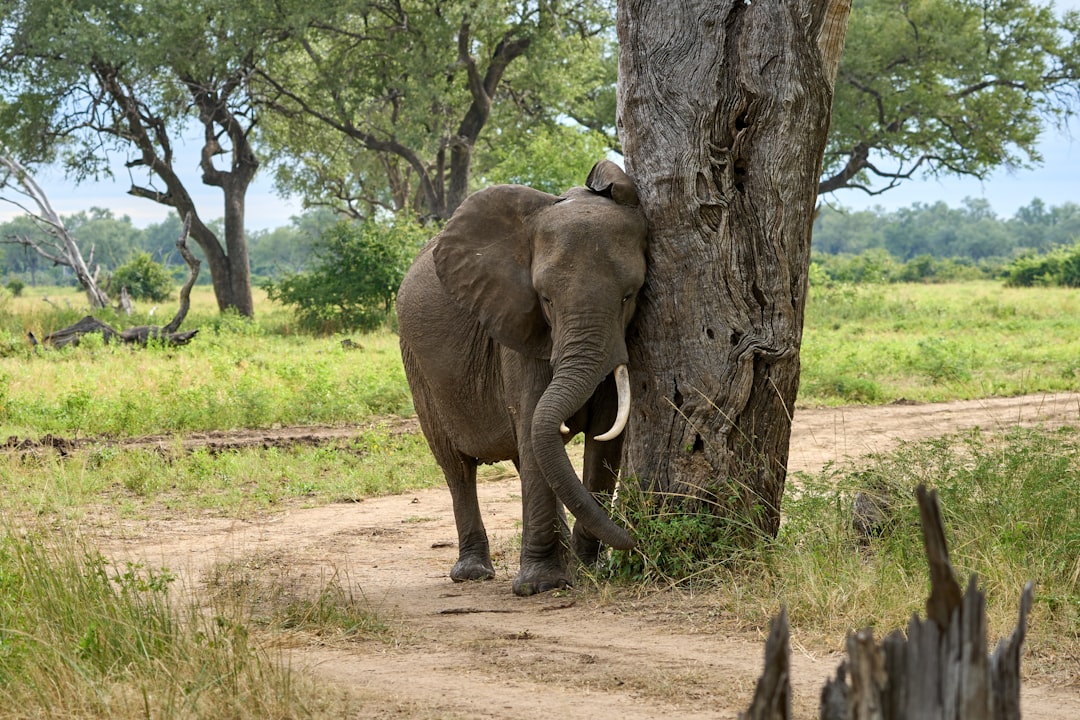
Top 5 Zambia Walking Safari Operators for 2026
Zambia has several world-class walking safari operators. These five companies offer excellent guides, remote camps, and authentic experiences at competitive prices in 2026 , .
1. Robin Pope Safaris – Premium Walking Pioneer
Robin Pope Safaris pioneered walking safaris in South Luangwa in the 1980s and remains the gold standard. The operator offers small-group safaris with expert guides who have 15+ years of experience. Camps are luxurious yet eco-conscious, using solar power and sustainable practices.
Pricing starts at $6,323 for 7 nights (June–October) for small groups of 4–6 people. Itineraries focus on walking safaris with limited vehicle use, maximizing your time on foot. The company attracts serious safari enthusiasts and photographers seeking premium experiences.
Robin Pope Safaris operates in South Luangwa National Park, the birthplace of walking safaris. You'll explore pristine valleys, cross rivers, and spot elephant, lion, and leopard. The company's conservation work supports local communities and wildlife protection.
2. Wilderness Safaris – Luxury with Conservation Focus
Wilderness Safaris operates premium camps in South Luangwa and Lower Zambezi National Park. The company emphasizes sustainability, operating solar-powered camps and employing local guides. Their walking safaris combine adventure with luxury accommodation.
Nightly rates range from $800–$1,200 depending on the camp and season. 7–10 day packages cost $5,600–$12,000 per person. Wilderness Safaris attracts luxury travelers who want comfort without sacrificing authenticity.
The operator's guides are exceptionally trained in wildlife behavior and ecology. You'll learn about animal tracking, plant uses, and ecosystem dynamics. Evening presentations enhance your understanding of Zambian wildlife.
3. &Beyond – All-Inclusive Walking Experiences
&Beyond operates several camps in South Luangwa offering all-inclusive walking safaris. The company specializes in personalized experiences, adjusting itineraries to your interests and fitness level. Small groups ensure quality guide attention.
Pricing ranges from $700–$1,100 per night, with 7-day packages costing $4,900–$7,700. &Beyond includes flights within Zambia and airport transfers, simplifying logistics. The company is known for excellent customer service and flexible booking policies.
&Beyond camps feature modern amenities—private plunge pools, gourmet dining, and spa services—combined with authentic bush experiences. This appeals to travelers seeking adventure and comfort.
4. Kafue National Park Operators – Budget-Friendly Option
Several smaller operators offer walking safaris in Kafue National Park at lower costs than South Luangwa. Kafue is larger and less crowded, offering solitude and excellent wildlife. Budget operators charge $400–$700 per night.
These companies attract adventure travelers and photographers seeking value. While camps are simpler than luxury lodges, guides are experienced and knowledgeable. 7-day packages cost $2,800–$4,900, making Kafue walking safaris accessible to budget-conscious travelers.
Kafue is less touristy than South Luangwa, offering authentic wilderness experiences with fewer crowds. You may have camps entirely to yourself during off-season months.
5. Local Ground Operators – Authentic and Affordable
Zambia has excellent local ground operators offering authentic walking safaris at competitive prices. Companies like Norman Carr Safaris (founded 1950) and other family-run businesses provide personalized service and deep local knowledge .
Local operators charge $500–$900 per night, with 7-day packages costing $3,500–$6,300. They employ local guides, contributing directly to Zambian communities. Booking directly with local operators often yields better rates than international companies.
These operators have generations of experience in Zambian parks. Guides speak multiple local languages and understand wildlife behavior intimately. You'll get personalized attention and authentic connections with local culture.
Comparison Table: Top 5 Operators at a Glance
| Operator | Price per Night | Primary Location | Group Size | Best For |
|---|---|---|---|---|
| Robin Pope Safaris | $900–$1,200 | South Luangwa | 4–6 | Premium walkers, photographers |
| Wilderness Safaris | $800–$1,200 | South Luangwa, Lower Zambezi | 6–8 | Luxury seekers, conservationists |
| &Beyond | $700–$1,100 | South Luangwa | 4–8 | All-inclusive planners, comfort lovers |
| Kafue Operators | $400–$700 | Kafue National Park | 4–6 | Budget travelers, solitude seekers |
| Local Ground Operators | $500–$900 | Various parks | 4–8 | Authentic experiences, value hunters |
Each operator offers distinct advantages. Premium operators provide luxury and expert guides. Budget operators deliver value and authenticity. Your choice depends on budget, priorities, and travel style.
Compare verified operators and read authentic traveler reviews on SafariFind to find your perfect match. Request quotes from multiple operators to compare pricing and services.
Best Time to Visit Zambia for Walking Safaris
The best time for walking safaris in Zambia is June–October during the dry season. Temperatures are cool (60–75°F at dawn, 75–85°F midday), making walking comfortable. Wildlife congregates around remaining water sources, guaranteeing sightings .
Dry Season (June–October) – Peak Season
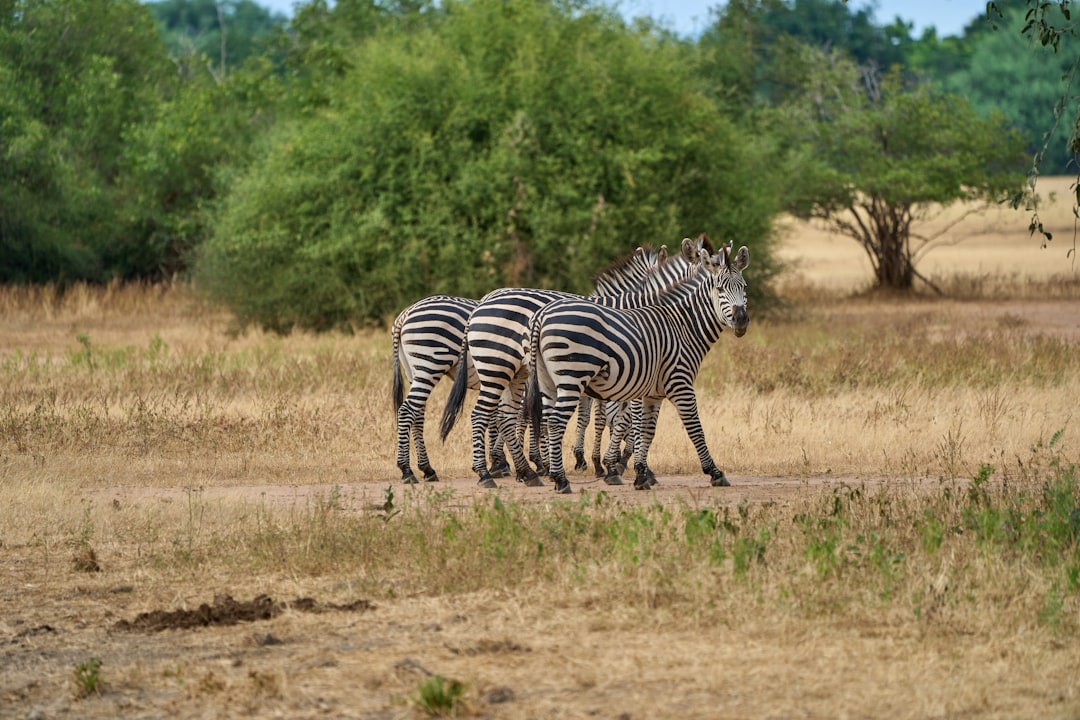
June–August is peak season with the highest prices and most tourists. Temperatures are coolest, making early morning walks pleasant. Vegetation is sparse, making animals easier to spot. You'll see large herds of buffalo, elephant, and zebra.
September–October is ideal for value-conscious travelers. Prices drop 15–20% compared to June–August, yet wildlife viewing remains excellent. Fewer tourists mean more intimate experiences. Weather is slightly warmer but still comfortable for walking.
Wet Season (November–May) – Budget and Birding Season
November–May is wet season with lower prices and fewer tourists. Vegetation is lush, and birdwatching improves dramatically—over 400 bird species inhabit Zambia. Prices drop 30–50% compared to peak season.
However, wildlife viewing decreases because animals disperse across the landscape with abundant water. Roads become muddy and difficult. Some camps close during heavy rains (January–March). This suits budget travelers and birders willing to trade wildlife volume for solitude and lower costs.
Shoulder Season (April–May) – Hidden Gem
April–May is an underrated sweet spot. Prices are moderate ($500–$750 per night), wildlife viewing is good, and vegetation is still green. Temperatures are warm but not hot. Tourist numbers are low, so you have camps and parks mostly to yourself.
April–May works well for travelers balancing budget and wildlife viewing. You'll see animals without peak-season crowds or prices. This period suits photographers seeking dramatic light and wildlife action.
To understand wildlife density across Zambian parks, read our guide on Zambia safari parks ranked by wildlife density to choose your destination strategically.
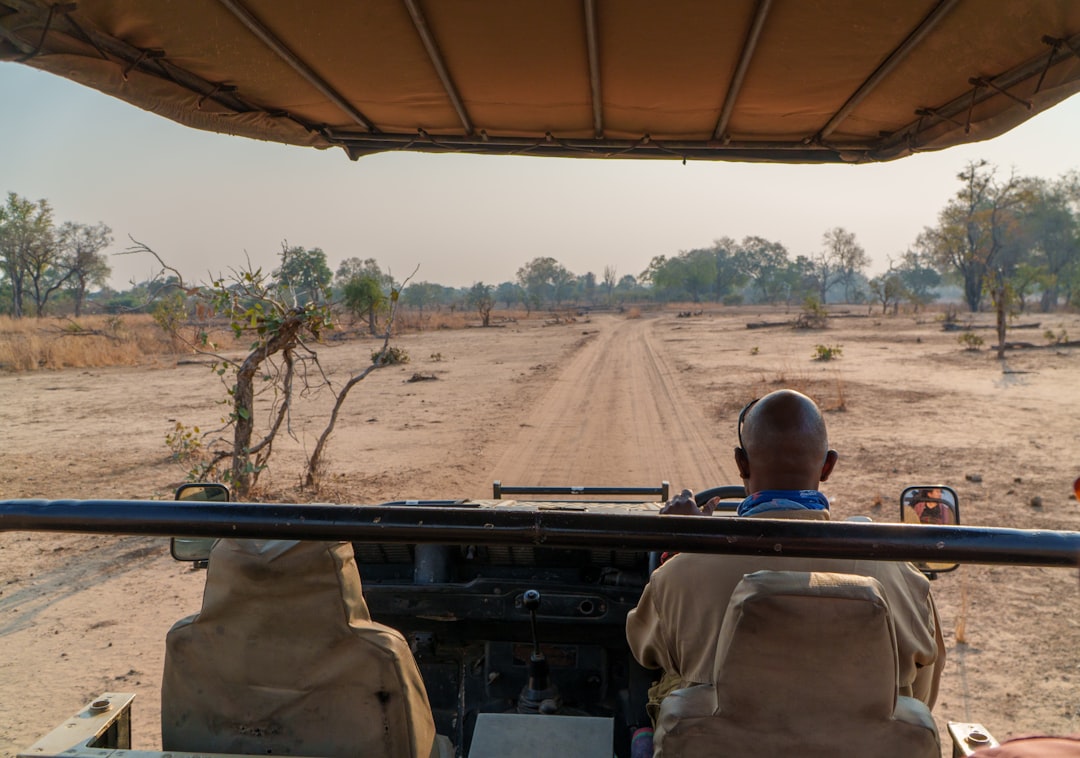
Preparing for Your Walking Safari: Essential Tips
Walking safaris require more preparation than vehicle safaris. You'll be on foot for 4–6 hours daily, so fitness, gear, and health precautions matter. Following these tips ensures a safe, comfortable, and memorable experience.
Physical Fitness Requirements
Walking safaris are moderately strenuous. You'll walk 10–15 kilometers daily over varied terrain—grassland, riverbed, woodland. Pace is slow and guides adjust for fitness levels, but you should be able to walk continuously for 2–3 hours.
Train 4–6 weeks before your safari. Walk 5–10 kilometers weekly, gradually increasing distance. Do hill or stair training to build leg strength. Light cardio (jogging, cycling) improves endurance. You don't need to be ultra-fit, but basic fitness prevents injuries and maximizes enjoyment.
Inform your operator of any physical limitations. Guides can shorten walks or provide alternative activities (vehicle drives, birding, camp relaxation). Many operators accommodate older travelers and those with mobility challenges.
Essential Gear and Clothing
Pack lightweight, neutral-colored clothing that blends into the bush. Avoid bright colors that startle animals. Bring long sleeves and pants to protect from sun, insects, and thorns.
- Footwear: Broken-in hiking boots (not new shoes) with good ankle support
- Clothing: Khaki, tan, or olive shirts and pants; long-sleeved layers for cool mornings
- Hat: Wide-brimmed hat for sun protection
- Binoculars: 8x42 binoculars for bird and animal viewing
- Camera: DSLR or mirrorless camera with telephoto lens (200–400mm)
- Daypack: 20–30 liter backpack for water, snacks, sun protection
- Insect repellent: DEET 30%+ for mosquito protection
- Sunscreen: SPF 50+ waterproof sunscreen
Operators provide detailed packing lists. Pack light—lodges have laundry services, so you can wash clothes mid-week. Avoid heavy luggage; bush planes have strict weight limits.
Health and Safety Precautions
Consult a travel clinic 4–6 weeks before departure. You may need yellow fever, typhoid, or hepatitis A vaccinations. Malaria is present in Zambia, so take antimalarial medication as prescribed.
Check vaccinations and health rules for Zambia for nationality-specific requirements. Get travel insurance covering evacuation and medical expenses.
Walking safaris are generally safe. Guides are trained in wildlife safety and carry rifles (in some parks) for protection. Follow guide instructions carefully, especially regarding distance from animals and behavior during encounters. Never approach animals or leave the group.
Booking and Logistics
Book 3–6 months in advance for best availability and rates. Use SafariFind to compare operators, read reviews, and request quotes. Specify your budget, dates, fitness level, and interests so operators customize itineraries.
Arrange flights to Zambia early—international flights fill quickly. Most walking safaris start in Lusaka (capital) or fly directly to park airstrips. Operators arrange airport transfers and pre-safari accommodation if needed.
Get travel insurance covering trip cancellation, medical evacuation, and equipment loss. Walking safaris are remote, so evacuation costs can exceed $10,000. Insurance is essential.
Key Takeaways
- Book 3–6 months ahead to save 15–20% on Zambia walking safari packages and secure preferred dates with top operators.
- Budget $600–$1,200 per person per night for all-inclusive walking safaris; 7-day packages typically cost $4,200–$8,400 in 2026.
- Visit June–October for peak wildlife viewing during the dry season when temperatures are cool and animals congregate near water sources.
- Choose South Luangwa National Park for authentic walking safaris—the global hub where walking safaris originated in the 1950s with expert guides.
- Compare verified operators on SafariFind and read traveler reviews before booking to find the best combination of price, guide quality, and camp comfort for your needs.
Frequently Asked Questions
How much does a walking safari in Zambia cost per person in 2026?
Walking safaris in Zambia cost $600–$1,200 per person per night in 2026 . This all-inclusive rate covers accommodation, meals, guided walks, and activities. A typical 7-day safari costs $4,200–$8,400 per person. Prices vary by season—peak season (June–August) is most expensive; shoulder season (September–October) offers better value.
What is included in the nightly rate for a walking safari?
The nightly rate includes accommodation, all meals and beverages, twice-daily guided walks, game drives, professional guide services, park entrance fees, and airport transfers within the park region. International flights, travel insurance, visas, vaccinations, and guide tips are separate expenses.
What is the best time to visit Zambia for walking safaris?
The best time is June–October during the dry season . June–August is peak season with cool temperatures and maximum wildlife visibility. September–October offers excellent wildlife viewing with lower prices and fewer tourists. These months provide the ideal combination of wildlife sightings, comfortable walking weather, and scenic conditions.
Which national park is best for walking safaris in Zambia?
South Luangwa National Park is the world capital of walking safaris, pioneering this experience in the 1950s . It offers the most walking safari operators, expert guides, and abundant wildlife. Lower Zambezi and Kafue National Park are alternatives offering solitude and budget-friendly options with excellent wildlife viewing.
How fit do I need to be for a walking safari?
You should be moderately fit—able to walk 10–15 kilometers daily over varied terrain. Training 4–6 weeks beforehand with regular 5–10 kilometer walks builds fitness. Guides adjust pace for fitness levels and offer alternative activities. Inform operators of any physical limitations; many accommodate older travelers and those with mobility concerns.
Is malaria a risk on walking safaris in Zambia?
Yes, malaria exists in Zambia. Take antimalarial medication as prescribed by a travel clinic. Use insect repellent (DEET 30%+), wear long sleeves and pants, and sleep under mosquito nets (provided at camps). Consult a travel doctor 4–6 weeks before departure to discuss vaccination and malaria prevention for your specific trip dates.
How do I find and book the best walking safari operators?
Compare verified operators on SafariFind, which lists ratings, reviews, and pricing from actual travelers. Request quotes from multiple operators specifying your budget, dates, and interests. Read authentic reviews to assess guide quality, camp comfort, and wildlife viewing. Book 3–6 months in advance for best availability and rates.
Conclusion
A walking safari in Zambia is an extraordinary adventure combining wildlife, wilderness, and personal growth. At $600–$1,200 per night in 2026, walking safaris are accessible to travelers across budget ranges. South Luangwa National Park remains the gold standard, offering expert guides, remote camps, and authentic bush experiences that vehicle safaris cannot match .
The best time to visit is June–October during the dry season, when wildlife viewing is optimal and walking conditions are comfortable. Book 3–6 months ahead to secure early-bird discounts and preferred dates. Consider shoulder season (September–October) for better value without sacrificing wildlife viewing.
Top operators like Robin Pope Safaris, Wilderness Safaris, and &Beyond offer premium experiences. Smaller local operators and Kafue National Park specialists provide excellent value. Each operator brings unique strengths—choose based on your budget, priorities, and travel style.
Prepare physically with 4–6 weeks of training. Pack appropriate gear: hiking boots, neutral clothing, binoculars, and sun protection. Consult a travel clinic for vaccinations and malaria prevention. Get travel insurance covering medical evacuation.
Ready to book your Zambia walking safari? Compare verified operators and authentic traveler reviews on SafariFind. Request quotes from multiple companies, read reviews, and find the perfect package matching your budget and interests. Your unforgettable African adventure awaits.
Plan Your Safari with SafariFind
These recommendations use real data from SafariFind, where you can compare operators, browse packages, and read verified traveler reviews before you book.
Top Safari Operators from SafariFind
Recommended Safari Packages from SafariFind
What Travelers Say (SafariFind Reviews)
References
- Best 7-Day African Safari 2026 — 8 Destinations Compared
- Safari Tour Operator Intelligence | Market Data | AtlasPerk
- 19 Best July 2026 Zambia Trips, Tours & Vacation Packages
- Best Walking Safaris Africa 2026 | South Luangwa, Mana Pools & More
- 5 Best Walking Safari Destinations in Africa for 2026 / 2027
- Best African Safari Companies & Tour Operators 2026
 Ask Tembo about this guide
Sources
- Best 7-Day African Safari 2026 — 8 Destinations Compared
- Safari Tour Operator Intelligence | Market Data | AtlasPerk
- 19 Best July 2026 Zambia Trips, Tours & Vacation Packages
- Best Walking Safaris Africa 2026 | South Luangwa, Mana Pools & More
- 5 Best Walking Safari Destinations in Africa for 2026 / 2027
- Best African Safari Companies & Tour Operators 2026
Related to
Ready to start your safari adventure?
Explore curated safari packages and find your perfect African adventure with verified operators.