Zimbabwe Safari Animals: 12 Species & Where to See Them 2026
See Zimbabwe's top 12 safari animals including elephants, lions, and leopards. Peak viewing June–September. Budget $2,500–$4,500 for 7 days. Book verified operators on SafariFind.

Zimbabwe Safari Animals: 12 Species to See
Last updated: July 2026
Zimbabwe's wildlife viewing peaks during the dry season from July to October when you can see elephants, lions, leopards, buffalo, zebras, giraffes, wild dogs, hippos, and more gathering near water sources. A typical 7-day safari costs $2,500–$4,500 per person. Book through verified operators on SafariFind to compare packages and read authentic reviews from past travelers.
At a Glance
- Best time to visit: June to September (dry season)
- Top destination: Hwange National Park
- Wildlife species: 12+ major animals including elephants, lions, leopards, buffalo
- Peak elephant viewing: Up to 45,000 elephants gather during late dry season
- Cost per person: $2,500–$4,500 for 7-day safari in 2026
- Best for: Photography, wildlife lovers, first-time safari travelers
What Is Zimbabwe Safari Wildlife?
Zimbabwe is a fantastic safari destination all year round, but the best time to visit is from June to September when the dry season makes wildlife viewing exceptional. The country's parks and reserves, managed by the Zimbabwe Parks and Wildlife Management Authority and dedicated conservation trusts, protect over 100 mammal species across pristine landscapes.
Zimbabwe's wildlife viewing peaks during the dry season from July to October when Hwange National Park sees large concentrations of elephants and other big game gathering around water sources. During these months, you'll find incredible opportunities to photograph and observe Africa's most iconic animals in their natural habitat.
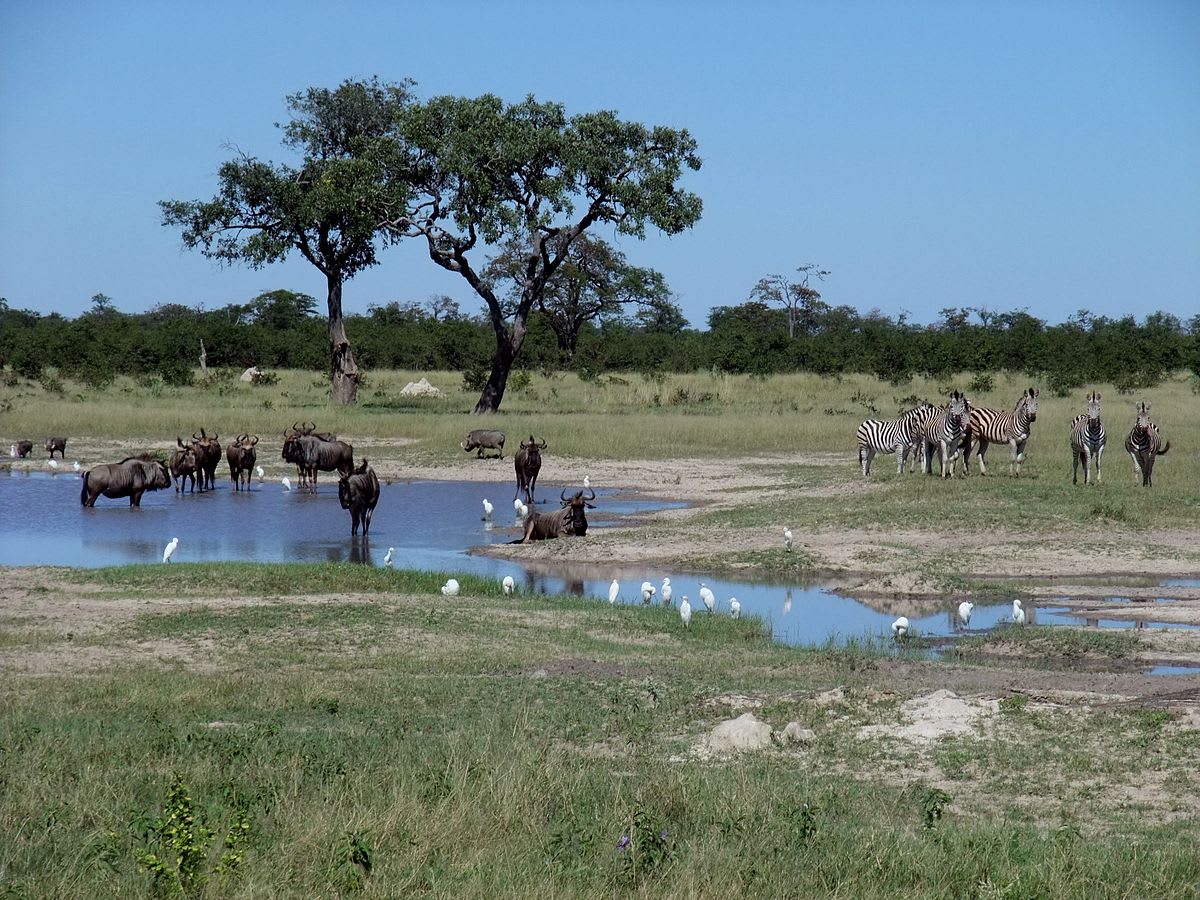
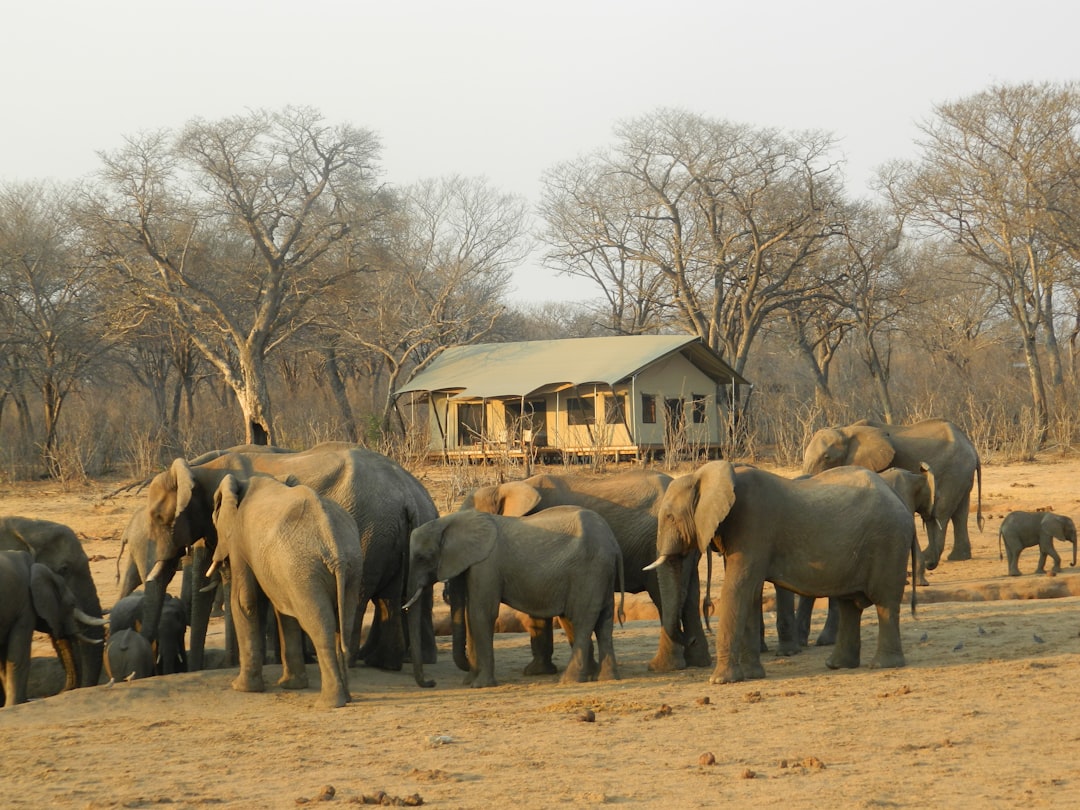
The real magic happens at artificial water pans throughout the parks. Elephants gather at these locations in extraordinary numbers during the late dry season—up to 45,000 across Hwange National Park alone. Healthy lion and wild dog populations roam the grasslands and woodlands, while broad plains game diversity includes zebras, giraffes, buffalo, and numerous antelope species.
Planning a Zimbabwe safari means understanding the 12 major animals you're most likely to encounter and where to find them. Each species plays a vital role in the ecosystem, and seeing them in their natural environment creates unforgettable memories.
The 12 Must-See Zimbabwe Safari Animals
1. African Elephant
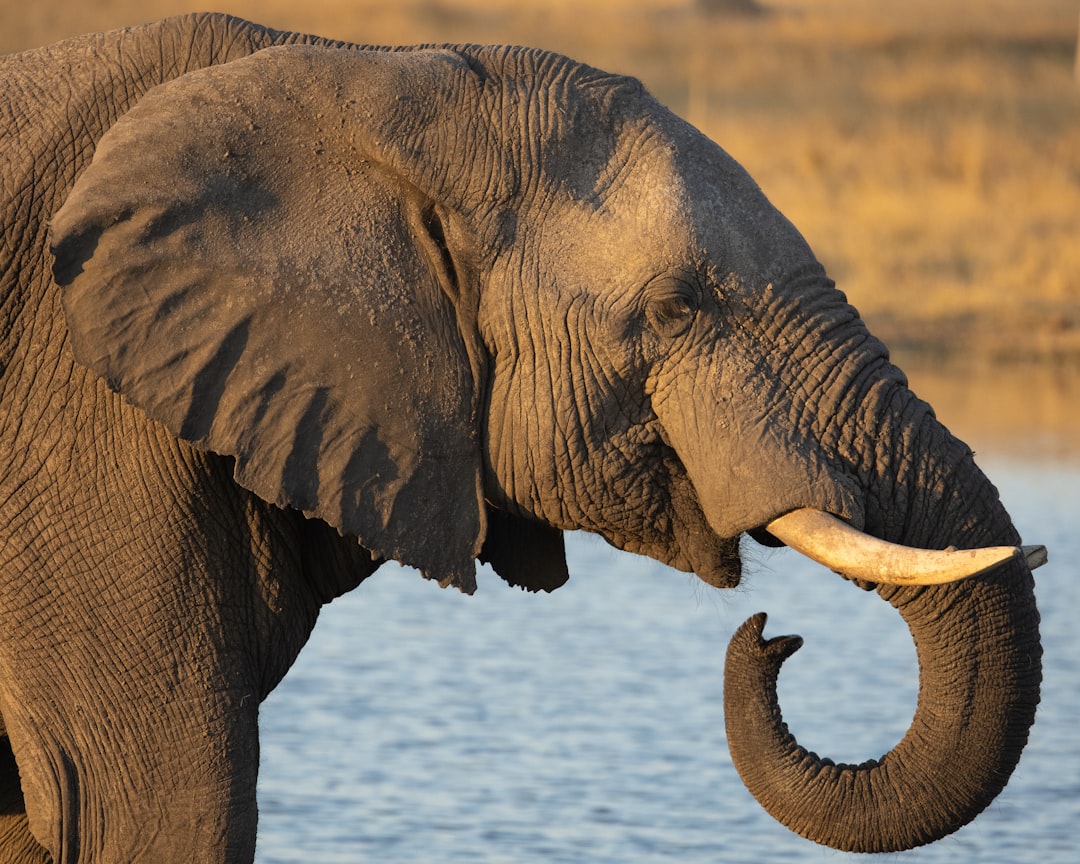
The African elephant is Zimbabwe's most famous safari animal and the largest land mammal on Earth. Hwange National Park hosts one of the largest elephant populations in Africa, with up to 45,000 individuals during peak season. You'll see these magnificent creatures at water holes, especially during the dry months of July through September.
Elephants gather in family groups led by the oldest female, called the matriarch. Young calves stay close to their mothers, creating heartwarming viewing moments. Their intelligence and social behavior make them endlessly fascinating to watch.
2. Lion
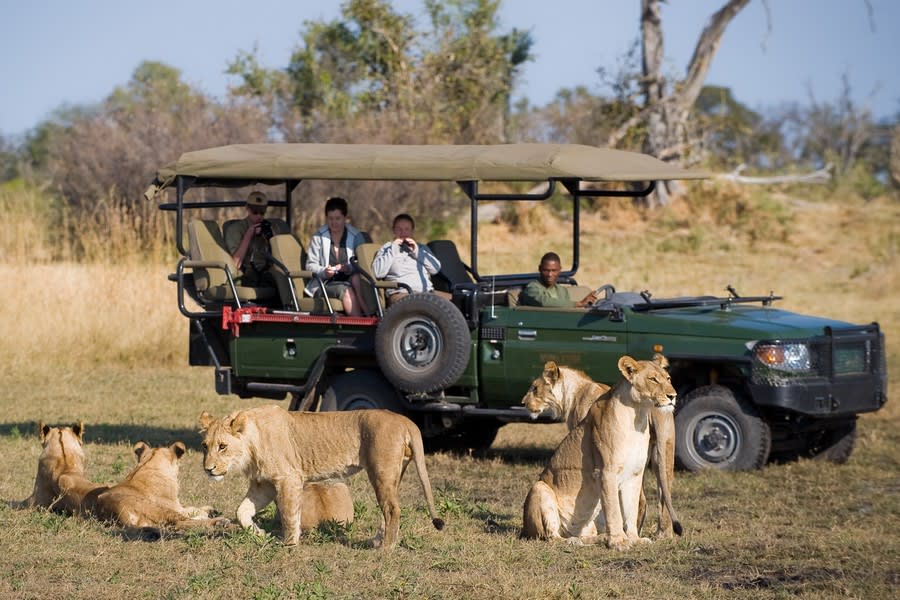
Lions are Africa's apex predators and a top highlight for any safari. Zimbabwe's parks support healthy lion populations that hunt across grasslands and woodlands. You're most likely to see lions during early morning or late afternoon game drives when they're actively hunting or moving between territories.
Male lions form prides with females who do most of the hunting. In Zimbabwe, you might see prides with 4–15 individuals, though solitary males are also common. Their roar can be heard from up to 5 miles away.
3. Leopard
The African leopard is one of Africa's most elusive and beautiful big cats. Young African leopards (Panthera pardus shortidgei) inhabit Hwange National Park, where they hunt alone in the gravel roads and surrounding bush. Spotting a leopard requires patience and good luck, but the sight of this solitary hunter is unforgettable.
Leopards are nocturnal and spend daylight hours resting in trees or rocky outcrops. Early morning and twilight drives offer your best chances. Their spotted coat provides perfect camouflage in dappled light.
4. Cape Buffalo
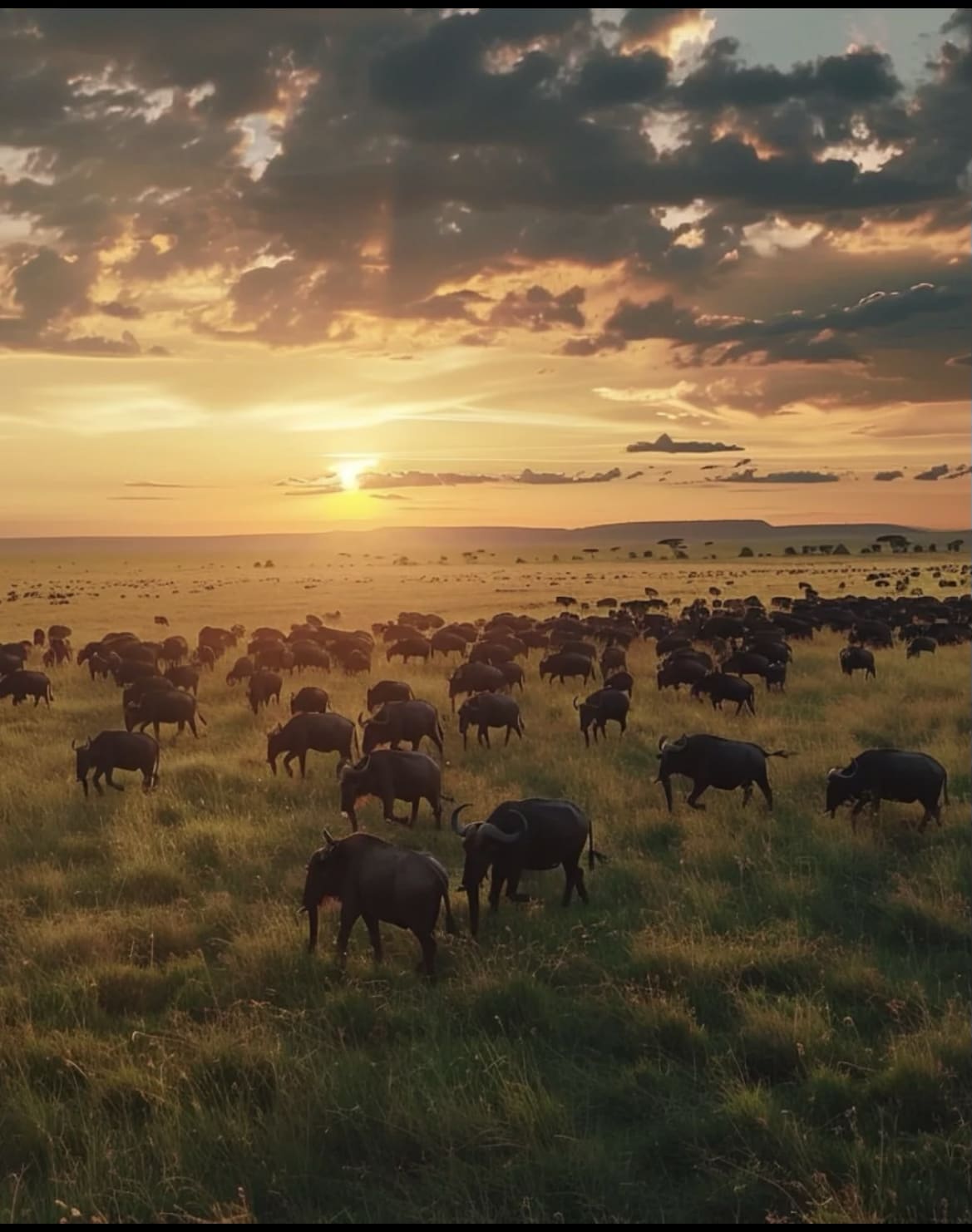
The Cape buffalo is considered one of Africa's most dangerous animals due to its unpredictable temperament and powerful horns. In November, buffaloes concentrate near water sources alongside elephants, lions, zebras, and giraffes. These massive herbivores weigh up to 900 kilograms and can move in herds of hundreds.
Buffalo are surprisingly intelligent and have excellent memories. They often remember past encounters with humans and vehicles, making them cautious around safari tours. Never approach them on foot.
5. Giraffe
Giraffes are the world's tallest land animals, reaching up to 5.5 meters in height. In November, giraffes concentrate near water sources in Zimbabwe's parks. Their long necks allow them to browse leaves from acacia trees that other animals cannot reach.
Giraffes have unique spot patterns—no two individuals have identical markings. Watching them drink water is entertaining because they must spread their front legs awkwardly to reach ground level. This position makes them vulnerable, so they're cautious about when they drink.
6. African Wild Dog
African wild dogs are highly endangered carnivores with incredible hunting success rates. Zimbabwe's parks support healthy wild dog populations that roam grasslands and woodlands. These social animals hunt in packs of 4–20 individuals with remarkable coordination and communication.
Wild dogs have rounded ears and multicolored coats with patches of brown, black, and white. They're incredibly vocal, using squeaks, barks, and growls to communicate. Observing a pack hunt is one of the most thrilling safari experiences.
7. Hippopotamus
Hippos are massive semi-aquatic mammals that spend days in water to keep their skin moist. In November, hippos concentrate near water sources throughout Zimbabwe's parks. These herbivores can weigh up to 4,000 kilograms and are surprisingly agile in water.
Hippos are territorial and dangerous, especially mothers protecting calves. They spend nights grazing on land, often traveling miles from water. Early morning and late afternoon game drives offer the best hippo viewing opportunities.
8. Zebra
Zebras are iconic African animals with distinctive black-and-white striped coats. In November, zebras concentrate near water sources in Zimbabwe. Their stripe patterns are unique to each individual, like human fingerprints. Scientists still debate why zebras have stripes—theories include temperature regulation and predator confusion.
Zebras are herbivores that graze in herds, often mixing with wildebeest and other species. They're faster than lions and can reach speeds of 65 kilometers per hour. Their distinctive braying call is one of the characteristic sounds of African safaris.
9. Warthog
Warthogs are small wild pigs that look comical with their distinctive tusks and sparse hair. You'll encounter warthogs throughout Zimbabwe's parks, often running away with their tails held straight up in the air. This unique posture helps piglets follow their mothers through tall grass.
Warthogs are surprisingly fast runners despite their short legs. When threatened, they back into burrows tail-first to use their tusks as a defensive weapon. They often kneel on their front legs to graze, which is their most recognizable behavior.
10. Antelope Species (Kudu, Impala, Sable)
Zimbabwe is home to numerous antelope species including greater kudu, impala, and sable antelope. These graceful herbivores range from small (impala at 40 kilograms) to large (sable at 270 kilograms). Each species has adapted to specific habitats and food sources within Zimbabwe's diverse landscapes.
Male antelopes often have impressive horns used for defense and establishing dominance. Impalas are acrobatic jumpers that can leap 10 meters horizontally. Sable antelopes are prized for their striking appearance and are considered one of Africa's most beautiful antelope species.
11. Hyena
Spotted hyenas are powerful carnivores with impressive jaw strength. Zimbabwe's parks support healthy hyena populations that hunt cooperatively in clans. Unlike popular myth, hyenas aren't just scavengers—they're skilled hunters that kill 80% of their own food.
Hyenas are highly intelligent and social animals with complex clan hierarchies. Their distinctive laughing call is actually a form of communication. Night game drives offer the best opportunities to see and hear hyenas.
12. African Fish Eagle
The African fish eagle is Zimbabwe's national bird and one of Africa's most iconic raptors. In November, birdwatchers find migratory species including African fish eagles and Goliath herons near water sources. These magnificent birds have distinctive white heads and chestnut bodies with 2.5-meter wingspans.
Fish eagles hunt by swooping down to snatch fish from water surfaces with their powerful talons. Their haunting call is the quintessential sound of African wilderness. You'll often hear them before you see them perched in tall trees near rivers and lakes.
Where to See Zimbabwe Safari Animals in 2026
Hwange National Park: The Premier Destination
Hwange National Park is Zimbabwe's largest national park and the best place to see the 12 major safari animals. The park covers 14,650 square kilometers in northwestern Zimbabwe near the Botswana border. Over 100 mammal species live here, making it Africa's premier wildlife destination.
The park features diverse habitats including grasslands, woodlands, and mopane forests. Artificial water pans created throughout the park concentrate wildlife during dry season months. Main Camp and Robins Camp offer excellent accommodation options for safari visitors.
Hwange's wildlife viewing peaks during the dry season from July to October when water becomes scarce and animals congregate at permanent water sources. This concentration makes it easier to spot multiple species during a single game drive. Early morning and late afternoon drives are most productive.
Other Top Zimbabwe Safari Locations
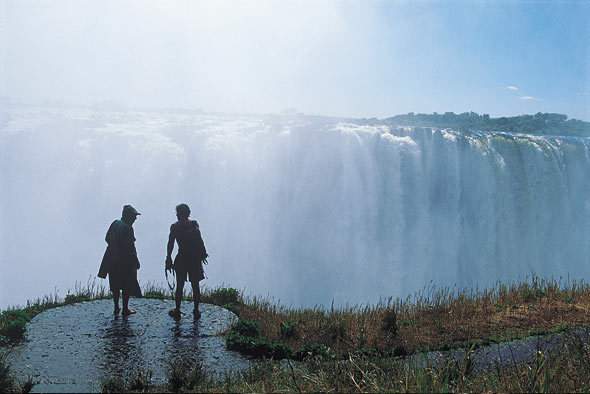
Victoria Falls National Park offers unique safari experiences near the famous waterfall. The park features excellent wildlife viewing combined with adventure activities. November provides excellent wildlife viewing with elephants, lions, buffalo, zebra, giraffe, wild dogs, and hippos concentrated near water sources.
Zambezi National Park along the Zambezi River provides another excellent safari destination. The park's river habitat attracts hippos, crocodiles, and water-dependent species. Private concessions within Zimbabwe offer exclusive safari experiences with smaller group sizes and personalized service.
These Zimbabwean parks and reserves are managed by the Zimbabwe Parks and Wildlife Management Authority and, in some areas, by dedicated conservation trusts and local communities. The protected areas in Zimbabwe offer truly authentic safari experiences with minimal crowds compared to other African destinations.
Best Time to Visit Zimbabwe for Wildlife Viewing
Peak Season: June to September
Zimbabwe is a fantastic safari destination all year round, but the best time to visit is from June to September when the dry season creates ideal wildlife viewing conditions. During these months, water becomes scarce and animals concentrate at permanent water sources, making them easier to find and photograph.
June and July offer excellent viewing with cooler temperatures and lower humidity. August is peak season with maximum wildlife concentrations. September remains excellent but marks the transition toward the rainy season.
The dry season's vegetation is sparse, making animals more visible against open landscapes. Temperatures range from 15–25°C during mornings and evenings, perfect for comfortable game drives. Accommodation fills quickly, so book 3–6 months in advance for the best availability and rates.
Shoulder Season: April to May and October to November
April and May offer good wildlife viewing with pleasant temperatures and moderate rainfall. October marks the transition into the rainy season but still provides excellent animal sightings. November offers excellent wildlife viewing with elephants, lions, buffalo, zebra, giraffe, wild dogs, and hippos concentrated near water sources.
These shoulder months have fewer tourists, lower prices, and excellent wildlife viewing. Accommodation is more available, and you'll enjoy more exclusive experiences with smaller group sizes. Birdwatchers find migratory species including African fish eagles and Goliath herons.
Green Season: December to March
The rainy season from December to March brings lush vegetation and excellent bird watching. Water is abundant throughout the landscape, so wildlife disperses widely. This makes animal sightings less predictable but adds to the adventure and discovery.
Temperatures are warmer (20–30°C), and occasional afternoon rains cool the air. Accommodation prices drop significantly during this period. Green season is ideal for photographers seeking dramatic skies and vibrant landscapes, and for birders seeking seasonal migratory species.
Explore safari packages on SafariFind to find operators offering Zimbabwe safaris during your preferred season. You can compare packages, read authentic reviews from past travelers, and request quotes from verified operators.
Planning Your Zimbabwe Safari in 2026
Visa and Entry Requirements
Before booking your Zimbabwe safari, understand the entry requirements for your nationality. British and American citizens should review specific visa requirements for 2026. SafariFind has detailed guides on Zimbabwe visa requirements for British citizens and Zimbabwe visa requirements for Americans to help you prepare.
Most visitors need a valid passport with at least 6 months validity beyond your travel dates. Visa processing typically takes 5–10 business days. Check current requirements early since regulations change periodically.
Health and Vaccinations
Vaccinations are recommended for Zimbabwe travel. Review vaccination requirements for British travelers and vaccination requirements for American travelers specific to your nationality.
Yellow fever vaccination is recommended if you're visiting from endemic countries. Malaria prophylaxis is advised for most areas, especially during rainy months. Consult your doctor 4–6 weeks before departure to allow time for vaccinations and medications.
Safari Costs and Budgeting
A typical 7-day safari costs $2,500–$4,500 per person in 2026, depending on accommodation level and season. Peak season (July–September) prices are highest, while shoulder and green seasons offer better value. Learn how to compare Zimbabwe safari package value to find the best deal for your budget.
Budget safaris start around $2,500 for basic accommodation and shared game drives. Mid-range packages ($3,000–$3,500) offer private vehicles and better lodges. Luxury safaris ($4,000–$5,500+) include exclusive concessions and premium accommodation.
Park fees vary by location and season. Check current Zimbabwe park fees and availability for 2026 to budget accurately. Most packages include park fees, but confirm this when booking.
What to Pack
Pack neutral-colored clothing in earth tones—khaki, tan, brown, and green. Avoid bright colors that startle wildlife. Bring lightweight layers for cool mornings and warm afternoons. A wide-brimmed hat, sunscreen, and sunglasses are essential.
Quality binoculars enhance wildlife viewing significantly. A good camera with a telephoto lens captures amazing photos. Bring extra batteries and memory cards since you'll take hundreds of photos. Comfortable walking shoes and boots are necessary for lodge activities and optional walking safaris.
Compare verified safari packages on SafariFind to find operators offering comprehensive packing lists and pre-trip preparation guides. Reading authentic reviews from past travelers helps you understand what to expect.
Booking Your Zimbabwe Safari with SafariFind
SafariFind connects you with verified tour operators offering Zimbabwe safari packages tailored to your interests and budget. Browse our catalog to compare operators, packages, prices, and authentic reviews from past travelers.
Request quotes from multiple operators to compare value. Ask about included activities, accommodation quality, guide experience, and wildlife guarantees. Read reviews from travelers who visited during your preferred season to get realistic expectations.
Early booking—3–6 months ahead for peak season—saves 15–20% on rates and ensures availability at your preferred lodges. Shoulder season offers excellent value with fewer tourists and competitive pricing. Compare Zimbabwe safari packages on SafariFind to find your perfect match.
Key Takeaways
- Book your Zimbabwe safari during the dry season from June to September to see up to 45,000 elephants and other wildlife concentrated at water sources.
- Plan your trip 3–6 months in advance to save 15–20% on peak season rates and secure accommodation at top-rated lodges.
- Budget $2,500–$4,500 per person for a 7-day safari in 2026, with costs varying by season and accommodation level.
- Review visa requirements and vaccinations specific to your nationality before booking—British and American travelers have different requirements.
- Compare verified operators on SafariFind to find packages with authentic reviews, transparent pricing, and expert guides for the best Zimbabwe safari experience.
Frequently Asked Questions
What is the best time to see wildlife in Zimbabwe?
The best time to see wildlife in Zimbabwe is June to September during the dry season. During these months, water becomes scarce and animals concentrate at permanent water sources, making them easier to find. Peak season is July to October when Hwange National Park sees the largest wildlife concentrations.
How many elephants are in Zimbabwe's parks?
Hwange National Park hosts one of Africa's largest elephant populations, with up to 45,000 individuals during the late dry season. This extraordinary concentration happens because artificial water pans throughout the park attract elephants when natural water sources dry up.
What are the 12 main animals to see on a Zimbabwe safari?
The 12 major safari animals in Zimbabwe are: African elephants, lions, leopards, Cape buffalo, giraffes, African wild dogs, hippopotamuses, zebras, warthogs, antelopes (kudu, impala, sable), hyenas, and African fish eagles. Each species offers unique viewing experiences and behaviors worth observing.
How much does a Zimbabwe safari cost in 2026?
A 7-day Zimbabwe safari costs $2,500–$4,500 per person in 2026, depending on accommodation level and season. Budget safaris start around $2,500 for basic accommodation and shared drives. Luxury safaris cost $4,000–$5,500+ for exclusive concessions and premium lodges.
Do I need a visa to visit Zimbabwe for a safari?
Visa requirements depend on your nationality and are subject to change. British and American citizens should check specific requirements for 2026 before booking. Most visitors need a valid passport with 6+ months validity, and visa processing typically takes 5–10 business days.
What vaccinations do I need for a Zimbabwe safari?
Yellow fever vaccination is recommended if visiting from endemic countries, and malaria prophylaxis is advised for most areas. Requirements vary by nationality and previous travel. Consult your doctor 4–6 weeks before departure to discuss specific vaccinations and medications for your trip.
How can I find the best Zimbabwe safari packages on SafariFind?
Browse verified safari operators on SafariFind and compare packages by price, duration, accommodation, and ratings. Read authentic reviews from past travelers to understand guide quality and wildlife viewing success. Request quotes from multiple operators and book 3–6 months ahead for peak season to save money and secure your preferred dates.
Conclusion
Zimbabwe offers world-class safari experiences where you can see 12 major animal species in their natural habitats. The dry season from June to September is the best time to visit, when up to 45,000 elephants gather at Hwange National Park alongside lions, leopards, buffalo, giraffes, and countless other species. This concentration of wildlife creates unforgettable viewing opportunities that rival any African destination.
Planning your Zimbabwe safari requires attention to visas, vaccinations, and budgeting. A 7-day safari costs $2,500–$4,500 per person in 2026, with prices varying by season and accommodation quality. Early booking saves significant money and ensures availability at premium lodges.
Compare verified safari packages on SafariFind to find operators offering authentic experiences, transparent pricing, and expert guides. Read reviews from past travelers to understand what to expect. Request quotes from multiple operators and book 3–6 months ahead for peak season to maximize your savings and secure the best safari experience. Your Zimbabwe wildlife adventure awaits.
Plan Your Safari with SafariFind
These recommendations use real data from SafariFind, where you can compare operators, browse packages, and read verified traveler reviews before you book.
Recommended Safari Operators from SafariFind
Recommended Safari Packages from SafariFind
What Travelers Say (SafariFind Reviews)
References
- African Safari: A Close-up on Wildlife — Road Scholar
- Zimbabwe Safari Tours 2026-2027 — Adventure Life
- Zimbabwe Safari November 2026: Wildlife & Pricing Guide — SafariFind
- 10 Best Safari Tours in Zimbabwe 2026/2027 — TourRadar
- Zimbabwe National Parks | Best Wildlife Parks 2026 — Cheetah Safaris
- 10 Best Places to Go on Safari in 2026 — African Safari Blog
- Zimbabwe & Victoria Falls 2026: The Expert Safari Guide — African Budget Safaris
- 10 Animals You Can Expect to See on Safari in Zimbabwe — Drive South Africa
 Ask Tembo about this guide
Sources
- African Safari: A Close-up on Wildlife — Road Scholar
- Zimbabwe Safari Tours 2026-2027 — Adventure Life
- Zimbabwe Safari November 2026: Wildlife & Pricing Guide — SafariFind
- 10 Best Safari Tours in Zimbabwe 2026/2027 — TourRadar
- Zimbabwe National Parks | Best Wildlife Parks 2026 — Cheetah Safaris
- 10 Best Places to Go on Safari in 2026 — African Safari Blog
- Zimbabwe & Victoria Falls 2026: The Expert Safari Guide — African Budget Safaris
- 10 Animals You Can Expect to See on Safari in Zimbabwe — Drive South Africa
Related to
Ready to start your safari adventure?
Explore curated safari packages and find your perfect African adventure with verified operators.