Zimbabwe Visa for Australian Citizens 2026
Australian citizens need a Zimbabwe eVisa or visa on arrival to enter. The eVisa costs $30 USD for single entry, takes 3–7 working days to process, and is valid for 30 days from issue.
Jul 24, 2026
Loading SafariFind...
Australian citizens need a Zimbabwe eVisa or visa on arrival to enter. The eVisa costs $30 USD for single entry, takes 3–7 working days to process, and is valid for 30 days from issue.

Yes, Australian citizens require a visa to enter Zimbabwe. You can obtain one in two ways: apply for an eVisa online before travel (recommended), or obtain a visa on arrival at the port of entry. The eVisa is the safer option because it pre-approves your entry and eliminates the risk of being turned away at the border.
Zimbabwe offers several visa categories. Australian travellers typically apply for a tourist eVisa unless travelling for business, conferences, or transit purposes.
The tourist eVisa is the standard visa for Australian leisure travellers and safari visitors. It is available in three entry configurations:
For most Australian safari visitors planning a single trip, the single-entry eVisa is sufficient and most economical.
For Australian business travellers attending meetings, seminars, or short-term projects (without entering Zimbabwean employment), a business eVisa is available. Requirements and fees differ from the tourist visa — confirm details on the official Zimbabwe eVisa portal.
If you're planning a multi-country safari covering both Zimbabwe and Zambia, the KAZA UniVisa allows travel between both nations. It costs $50 USD and is valid for 30 days. This is particularly useful for visitors exploring Zimbabwe's parks like Victoria Falls and Hwange alongside Zambian destinations.
Australian citizens in Category B nationality status can obtain a 30-day tourist visa on arrival at Zimbabwean ports of entry (airports, land borders). The visa costs $30–$75 USD, payable in cash (USD) or by international credit/debit card. However, immigration officers retain discretion to deny entry, and queues can be lengthy. The eVisa is strongly recommended over on-arrival visas because it provides pre-approval and certainty.
The Zimbabwe eVisa is applied entirely online at the official government portal evisa.gov.zw. Follow these steps:
Visit evisa.gov.zw and create a user account using a valid email address. Use an email you check regularly — your eVisa approval decision will be sent there.
Fill in your personal details, passport information, intended travel dates, purpose of visit (tourism/business), and your accommodation address in Zimbabwe. Be accurate; errors can delay processing or cause rejection.
The Zimbabwe eVisa requires the following documents in digital format:
All documents must be in English. If you have documents in another language, provide certified English translations.
Pay the eVisa fee online using a Visa or Mastercard international credit or debit card. The payment is secure and processed instantly. Standard processing for a single-entry tourist eVisa is $30 USD. The fee is non-refundable, even if your application is denied — payment covers processing only, not approval.
Standard processing takes 3–7 working days. Check your email (including spam/junk folders) daily for updates. You can also track your application status directly on evisa.gov.zw using your account login.
Once approved, you will receive a Letter of Authority (approval email) from the Zimbabwe Department of Immigration Control. Print this letter and present it at check-in with your airline and again at Zimbabwean immigration on arrival. A digital copy on your phone is also acceptable, but printing is recommended as backup.
Zimbabwe eVisa fees are set by the Zimbabwe Department of Immigration and vary by nationality, visa type, and number of entries.
| Visa Type | Entries | Cost (USD) | Validity |
|---|---|---|---|
| Tourist eVisa | Single | $30 | 30 days from issue |
| Tourist eVisa | Double | Confirm on portal | 90 days from issue |
| Tourist eVisa | Multiple | Confirm on portal | 180 days from issue |
| KAZA UniVisa (Zimbabwe + Zambia) | Single | $50 | 30 days from issue |
| Visa on Arrival (at border) | Single | $30–$75 | 30 days from issue |
Payment method: Visa or Mastercard only. The currency is USD; your card will be charged in USD at the current exchange rate. Confirm the current fee on the official portal before applying, as fees may change.
Processing time premium options: Some sources mention rush and super-rush processing options that may incur additional fees, though these are not detailed on the official evisa.gov.zw portal. Confirm availability and cost before applying if you need expedited processing.
The standard Zimbabwe eVisa processing time is 3–7 working days from submission. This excludes weekends and Zimbabwean public holidays. The official Zimbabwe eVisa FAQ states that processing may vary due to various factors.
Apply at least 3 weeks (21 days) before your departure date to allow for standard processing plus any unexpected delays. If you are applying less than 3 weeks before travel, check if expedited processing is available, though this may incur additional fees.
The single-entry tourist eVisa is valid for 30 days from the date of issue, not from the date you enter Zimbabwe. Once you enter Zimbabwe, your 30-day tourist visa permit begins. You can stay for up to 30 consecutive days from entry. If you need a longer stay, you must apply for extensions in Zimbabwe.
If you plan to exit and re-enter Zimbabwe (for example, to visit different parks or to cross into Botswana or Zambia), purchase a double or multiple-entry eVisa. Within Zimbabwe, you can apply for up to 2 consecutive extensions (maximum total stay: 90 days) at any Zimbabwean Department of Immigration Office.
Upon arrival at Zimbabwean ports of entry, you may be subject to temperature checks as a routine health screening measure. If you are arriving from Uganda or the Democratic Republic of Congo (DRC), you may be subject to enhanced health screening due to the ongoing Ebola outbreak centred in the DRC. Be prepared to answer health declaration questions and carry any required vaccination certificates if you have recently visited these countries.
Review current health requirements for Zimbabwe before departure, including yellow fever vaccination recommendations, which may be required if you have travelled from endemic countries.
Your Australian passport must be valid for at least 6 months beyond your intended stay in Zimbabwe. If your passport has less than 6 months validity remaining, renew it before applying for the eVisa.
Ensure your passport has sufficient blank pages for visa stamps and entry/exit stamps. If travelling to multiple African countries on one trip, carry a passport with 4–6 blank pages to accommodate stamps from all countries.
Although the eVisa provides pre-approval, Zimbabwean immigration officers retain the right to deny entry without explanation. To minimise this risk, ensure all your documents are accurate, your passport is valid, and you can demonstrate the purpose of your visit (booking confirmation for a safari lodge, for example).
If you are transiting through Zimbabwe en route to another country and will not leave the airport, confirm whether you need a transit visa. A transit eVisa (valid up to 72 hours) is available for travellers passing through Zimbabwe to another destination. Check the official evisa.gov.zw portal to confirm if a transit visa applies to your itinerary.
If you wish to stay longer than 30 days, you can apply for extensions while in Zimbabwe. You may apply for up to 2 consecutive extensions at any Zimbabwean Department of Immigration Office, for a maximum total stay of 90 days. Extensions are subject to approval and may incur additional fees. Plan ahead and apply before your current visa expires.
Do not overstay your visa. Overstaying incurs penalties, fines, and may result in deportation, a ban on re-entry, and complications for future visa applications to Zimbabwe or other countries. If you are at risk of overstaying, apply for an extension immediately.
If your eVisa application is denied, the $30 processing fee is non-refundable. Denials are rare with accurate applications, but they can occur if the Department of Immigration has concerns about your application. If denied, you will receive an email explaining the reason (if provided). You may reapply, but you must pay the fee again.
The Zimbabwe Department of Immigration reserves the right to change your visa type during processing at their discretion. This may affect the cost of your visa. The actual cost will be stated in your approval response. If the cost increases, you may be required to pay the difference before your visa is issued.
If your Australian passport is lost or stolen while in Zimbabwe, contact the Australian Embassy in Harare immediately:
The Embassy can issue an Emergency Travel Document to enable you to return to Australia. Do not attempt to travel without a valid passport or travel document.
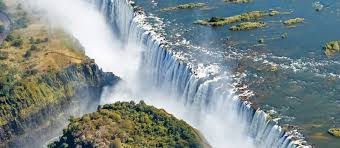
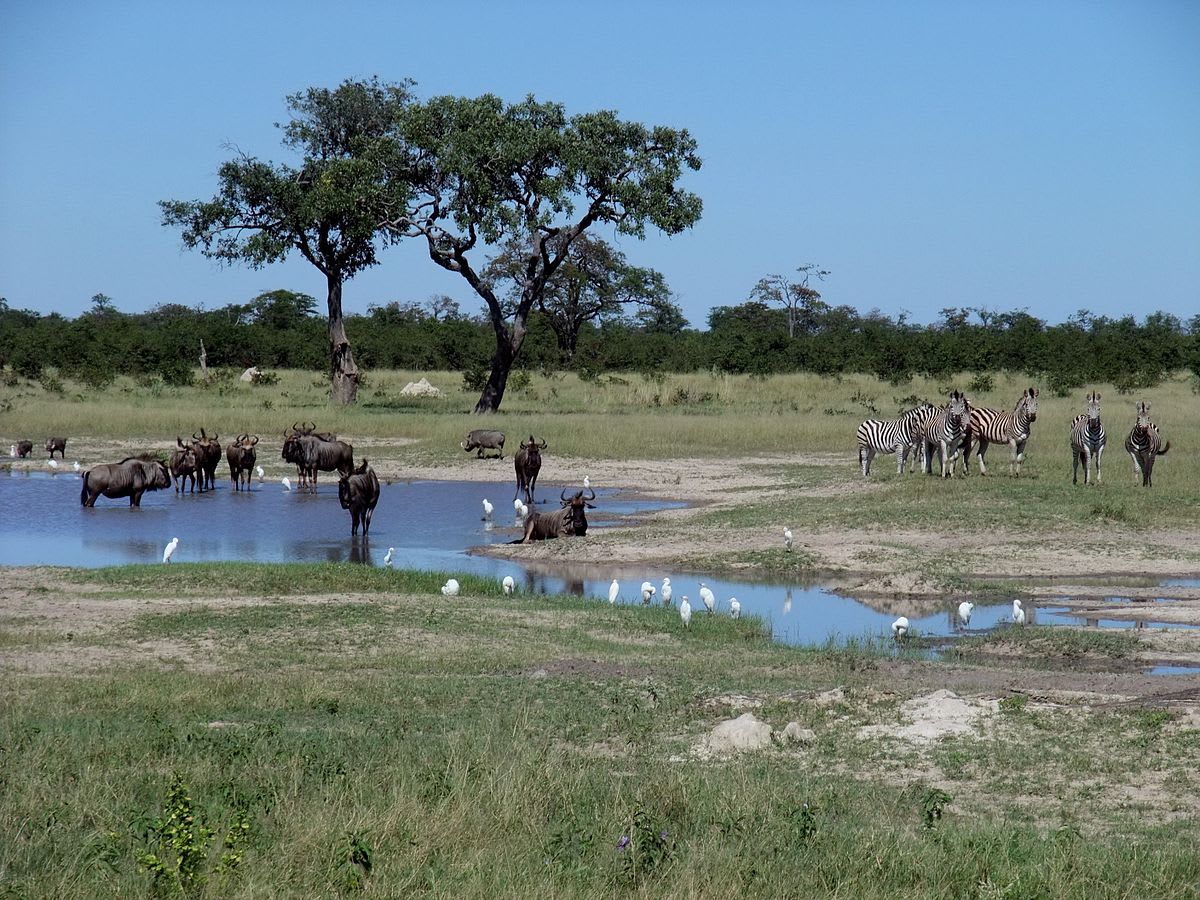
Once your eVisa is approved, you can confidently book your Zimbabwe safari. When planning your trip, consider comparing safari operators and lodges to find the experience that fits your budget and interests. Popular destinations include Victoria Falls, Hwange National Park, and Mana Pools. The dry season (May–October) is ideal for wildlife viewing; avoid November–April due to summer rains and difficult road conditions.
SafariFind allows you to compare safari packages from multiple operators, read reviews, and book directly — all with confidence that your visa is in order.
Last checked July 2026 — always confirm with official sources before travelling. Entry and exit conditions can change at short notice.
Yes, Australian citizens require a visa to enter Zimbabwe. You can apply for an eVisa online (recommended) at evisa.gov.zw before travel, or obtain a visa on arrival at the port of entry. The eVisa costs $30 USD for single entry and takes 3–7 working days to process.
The single-entry tourist eVisa costs $30 USD. Double-entry and multiple-entry eVisas cost more — confirm the current fee on the official evisa.gov.zw portal. The KAZA UniVisa (Zimbabwe + Zambia) costs $50 USD.
Standard processing time is 3–7 working days from submission. Apply at least 3 weeks before your travel date to allow for processing and any unexpected delays. Processing times may vary due to application volume or document verification requirements.
The single-entry tourist eVisa is valid for 30 days from the date of issue. Once you enter Zimbabwe, your 30-day permit begins. You can apply for extensions in Zimbabwe for a maximum total stay of 90 days.
You need: (1) a scan of your Australian passport bio page (passport valid for at least 6 months beyond your stay), (2) a recent passport-sized photo with white background, and (3) proof of return or onward travel (flight booking). Business visa applicants must also provide a letter of invitation.
Yes, Australian citizens can obtain a 30-day tourist visa on arrival at Zimbabwean ports of entry for $30–$75 USD (payable in USD cash or by card). However, immigration officers retain discretion to deny entry, and queues can be lengthy. The eVisa is strongly recommended because it provides pre-approval and certainty.
No, the $30 eVisa fee is non-refundable. Payment covers processing only and does not guarantee approval. If your application is denied, you may reapply but must pay the fee again.
Yes, you can apply for extensions in Zimbabwe. You may apply for up to 2 consecutive extensions at any Department of Immigration Office for a maximum total stay of 90 days. Extensions are subject to approval and may incur fees.
Overstaying your visa incurs penalties, fines, and may result in deportation, a ban on re-entry, and complications for future visa applications. If you risk overstaying, apply for an extension before your visa expires.
A digital copy on your phone is acceptable, but printing your Letter of Authority is recommended as backup. Present the approval email or printed letter at airline check-in and at Zimbabwean immigration on arrival.
Yellow fever vaccination is not required for entry to Zimbabwe itself, but it may be required if you have recently travelled from certain African countries (Uganda, DRC, etc.). Check current health requirements before departure and consult your doctor. Enhanced health screening applies if arriving from Ebola-affected regions.
Yes, the KAZA UniVisa ($50 USD, valid 30 days) allows travel between Zimbabwe and Zambia and day trips to Botswana. It is available online and at select border crossings (Lusaka/Livingstone airports, Livingstone/Kazungula land borders). This is ideal for multi-country safaris.
Explore curated safari packages and find your perfect African adventure with verified operators.

Tanzania can work well for a family safari when you match the itinerary, lodge and activities to your children's ages. Every child needs a separate visa application, and families entering Zanzibar must buy the island's mandatory local travel insurance, including children aged 3 to 17.

The Embassy of France in Tanzania is in Dar es Salaam on Ali Hassan Mwinyi Road. This guide explains how French travellers can prepare for emergencies, passport loss and consular contact before a Tanzania safari.

Namibia is generally suitable for an organised safari or careful self-drive trip, but official advisories recommend increased caution because of crime and health risks. The main practical concerns are urban theft, robberies, long remote drives, gravel-road accidents and wildlife encounters.
SafariFind app
Keep up with your inquiries and bookings, and message operators wherever you are.

 6 days
 Africa Beast Safaris
 6 days
 Essence Ethiopia Tours
 4 days
 Jungle jewels expeditions
 10 days
 Expert Safari Services LTD
 7 daysAfrica Beast Safaris
 5 daysAfrica Beast Safaris
 Ask Tembo about this guide


