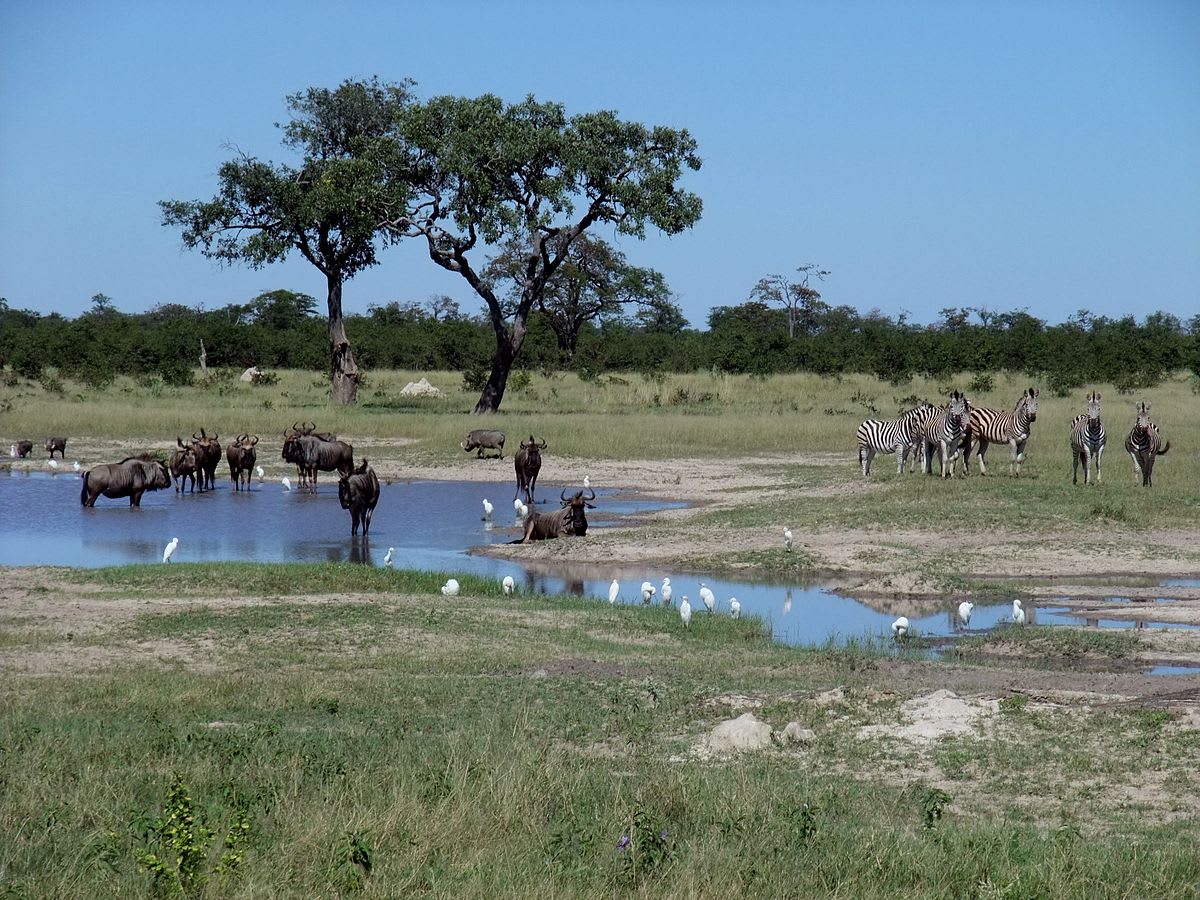
Zimbabwe Visa for Dutch Citizens 2026
Dutch citizens can enter Zimbabwe on a visa-on-arrival (30 days) or apply for an eVisa online before travel. A 6-month valid passport and USD 30–55 (depending on entry type) are required; processing takes 7 working days.

Do Dutch Citizens Need a Visa for Zimbabwe?
Yes, Dutch citizens require a visa to enter Zimbabwe. However, the Netherlands is listed in Category B by Zimbabwe's Department of Immigration, meaning you can obtain a visa on arrival at ports of entry or apply for an eVisa online before travel. The eVisa route is faster and reduces delays at the border, especially during peak safari season.
Visa Types for Dutch Travellers
Zimbabwe offers three main eVisa categories for tourists and business visitors:
- Single-Entry Tourist eVisa: Valid for 30 days from issue date. Allows one entry and exit. Ideal for a standard safari trip.
- Double-Entry eVisa: Valid for 90 days from issue date. Allows two entries and exits. Useful if you're combining Zimbabwe with Zambia or Botswana.
- Multiple-Entry eVisa: Valid for 6 months. Allows unlimited entries and exits. Must be applied for online; cannot be obtained on arrival.
- KAZA UniVisa: A regional visa valid for travel between Zimbabwe, Zambia, and day trips into Botswana. Costs USD 50 and is valid for 30 days. Available at Harare, Bulawayo, and Victoria Falls airports and at land borders.
For a typical safari holiday, the single-entry eVisa is the most cost-effective option. When planning a multi-country Zimbabwe safari package, consider the double-entry visa if you're crossing into Zambia for Victoria Falls or Botswana.
Passport Requirements
Before applying for a Zimbabwe visa, ensure your passport meets these requirements:
- Validity: At least 6 months beyond your expected date of departure from Zimbabwe.
- Blank pages: At least 3 blank pages (2 are required for entry/exit stamps; 1 extra is recommended if exiting via a neighbouring country).
- Condition: Your passport must not be reported as lost or stolen.
If your passport expires within 6 months, renew it before applying for your Zimbabwe visa. Immigration officers will deny entry if your documentation does not meet these standards.
How to Apply for a Zimbabwe eVisa Online
The official Zimbabwe eVisa portal (evisa.gov.zw) is the fastest and most reliable route. Here's the step-by-step process:
Step 1: Create Your Account
Visit the official Zimbabwe eVisa portal and create a new account using your email address. You'll receive a confirmation email with login credentials.
Step 2: Complete the Application Form
Fill out the online application with the following information:
- Full name (as it appears in your passport)
- Date of birth
- Passport number and issue/expiry dates
- Nationality (Netherlands)
- Intended port of entry (Harare, Bulawayo, Victoria Falls, or a land border)
- Purpose of visit (tourism, business, etc.)
- Intended dates of stay
- Accommodation details (hotel or contact of host)
The system will also ask you to complete an Entry Declaration Form online before arrival, which streamlines immigration processing.
Step 3: Upload Required Documents
Prepare digital copies of:
- Scanned copy of your passport biographical page (photo page)
- Passport-style colour photograph (4×6 cm, white or neutral background, taken within the last 6 months)
- Proof of accommodation (hotel booking confirmation or invitation letter if staying with family/friends)
- Return airline ticket or travel itinerary
- Proof of sufficient funds (bank statement or credit card statement showing funds for your stay)
All documents must be in colour, clear, and in English or accompanied by a certified English translation.
Step 4: Pay the Visa Fee
The portal accepts online payment via credit/debit card or bank transfer. Payment is non-refundable, even if your application is denied. See the Fees section below for current rates by visa type.
Step 5: Receive Your eVisa by Email
Once approved, you'll receive an email with your eVisa PDF and a confirmation letter. Download and print a copy (or keep it on your phone). You do not need the original hardcopy at the border; the PDF is sufficient.
Visa Fees for Dutch Citizens (2026)
Zimbabwe visa fees vary by visa type and your nationality. The official government portal charges in USD:
| Visa Type | Validity | Cost (USD) | Entry Type |
|---|---|---|---|
| Single-Entry Tourist eVisa | 30 days | USD 30 | One entry, one exit |
| Double-Entry eVisa | 90 days | USD 45 | Two entries, two exits |
| Multiple-Entry eVisa | 6 months | USD 55 | Unlimited entries/exits |
| KAZA UniVisa (on arrival or airport) | 30 days | USD 50 | Zimbabwe, Zambia, Botswana day trips |
Note: Third-party visa agencies (such as DoVisa or NetAfri) charge additional service fees on top of government fees. The official portal (evisa.gov.zw) has no service markup. Currency exchange rates fluctuate; confirm the exact fee in your local currency when you begin your application.
Processing Times & Visa Validity
Processing times depend on the visa type and speed option you select:
- Standard Processing: 7 working days (official average). This is the default and most economical option.
- Rush Processing: Available through some third-party providers; typically 2–3 working days for an additional fee.
- Super Rush Processing: 24–48 hours (available via third-party services only, with a higher service charge).
Application Timing: Apply at least 3 weeks before your travel date to allow for standard processing and any unforeseen delays. If you're booking a Zimbabwe safari in September 2026, apply by early August to avoid last-minute complications.
Visa Validity: Your eVisa is valid from the date of issue, not from the date of arrival. A 30-day single-entry visa issued on 1 July is valid until 31 July, regardless of when you enter Zimbabwe. Plan your travel dates within this window.
Visa on Arrival at the Border
If you do not have time to apply online, you can obtain a visa on arrival at any Zimbabwe port of entry:
- Harare International Airport
- Bulawayo Airport
- Victoria Falls Airport
- Land borders (e.g., Beitbridge from South Africa, Kazungula from Botswana, Victoria Falls bridge from Zambia)
Important: Bring sufficient cash in small US dollar denominations (USD 30–50 in notes). ATMs at airports are unreliable, and not all borders have card payment facilities. The visa on arrival is typically granted for 30 days and is processed on the spot, but queues can be long during peak safari season.
What to Expect at Immigration (Entry Procedures)
When you arrive at a Zimbabwe port of entry, follow these steps:
- Present your eVisa or apply for visa on arrival: Have your passport, printed eVisa (or PDF on phone), and Entry Declaration Form ready.
- Immigration interview: The officer may ask the purpose of your visit, duration of stay, accommodation details, and proof of funds. Be honest and concise. Officers have the right to deny entry without explanation.
- Passport stamp: Once approved, your passport is stamped with an entry date. Keep your eVisa approval email for records.
- Currency declaration: If carrying more than USD 10,000 (or equivalent) in cash, declare it on the currency form.
The entire process typically takes 15–30 minutes at major airports, longer at land borders during peak hours.
Extending Your Stay in Zimbabwe
If you wish to stay longer than your visa permits, you can extend your tourist visa once you're in Zimbabwe:
- First extension: Free for up to 30 days (total stay up to 60 days).
- Second extension: USD 20 per 30 days (total stay up to 90 days).
- Beyond 6 months: USD 100 per extension.
How to extend: Visit the Government of Zimbabwe Department of Immigration office in Harare or other major towns (Bulawayo, Mutare). Bring your passport, completed extension form, and payment in USD cash. Processing takes 2–5 working days. Note: business visas and work permits cannot be extended from within Zimbabwe; you must exit and reapply.
Overstays & Penalties
Overstaying your visa in Zimbabwe can result in:
- A fine of USD 20–100, depending on the number of days overstayed.
- Mandatory interview with immigration officials.
- Potential ban from re-entering Zimbabwe for a specified period.
- Complications with future visa applications for other countries.
If you realise you will exceed your visa validity, contact the Department of Immigration immediately to request an extension rather than risk overstaying.
Transit Visas & Short Layovers
If you are transiting through Zimbabwe to another country (e.g., connecting flights in Harare), you may qualify for a transit visa
- Validity: Up to 72 hours.
- Cost: Confirm on the official portal; typically lower than a tourist visa.
- Requirement: Proof of onward travel (airline ticket) and a valid passport.
If your layover is under 6 hours and you do not leave the airport terminal, you may not need a visa. Confirm with your airline before arrival.
Common Mistakes & Visa Rejections
To avoid delays or rejections, do not make these mistakes:
- Expired or invalid passport: Your passport must be valid for 6 months beyond your stay. Rejections are automatic if this requirement is not met.
- Incomplete application: Missing fields, typos, or inconsistencies between your application and passport can trigger a rejection. Double-check all entries.
- Poor-quality photos: Passport-style photos must be clear, in colour, white/neutral background, and taken within 6 months. Blurry or non-compliant photos are grounds for rejection.
- No proof of accommodation or funds: Immigration wants to verify you have a place to stay and money to support yourself. A hotel booking or invitation letter plus bank statement are essential.
- Overstay history: If you overstayed a visa in Zimbabwe or any country, your application may be denied. Zimbabwe's immigration database is linked to regional systems.
- Criminal record or security concerns: Zimbabwean officials reserve the right to deny entry without explanation if they have security concerns.
- Using an unofficial visa service: Only apply via the official evisa.gov.zw portal or in person at a Zimbabwean embassy. Scam websites offering "guaranteed visas" are common; verify the domain before paying.
Health & Vaccination Requirements for Zimbabwe
While Zimbabwe does not mandate any vaccinations for entry, the CDC and WHO recommend several vaccines for travellers:
- Routine vaccines (MMR, polio, tetanus)
- Hepatitis A and B
- Typhoid (especially for rural areas)
- Yellow fever (if arriving from endemic countries; Zimbabwe itself is not endemic)
Consult your doctor 4–6 weeks before travel. For detailed guidance tailored to your health profile, see our vaccinations and health rules for Zimbabwe 2026.
Travel Insurance & Other Considerations
Although not required for visa entry, travel insurance is strongly recommended:
- Medical evacuation cover (Zimbabwe's healthcare infrastructure is limited outside major cities).
- Trip cancellation and baggage cover.
- Coverage for safari activities (some insurers exclude high-risk activities).
Check your policy covers Zimbabwe and your intended activities before departure.
 Ask Tembo about this guide
Frequently Asked Questions
Do Dutch citizens need a visa for Zimbabwe?
Yes, Dutch citizens require a visa to enter Zimbabwe. You can apply for an eVisa online (recommended) or obtain a visa on arrival at any port of entry.
How much is a Zimbabwe visa for Dutch citizens in 2026?
A single-entry tourist eVisa costs USD 30, a double-entry eVisa costs USD 45, and a multiple-entry eVisa costs USD 55. These are official government fees; third-party services charge additional markups.
How long does it take to get a Zimbabwe eVisa?
Standard processing takes 7 working days on average. Rush processing (2–3 days) and super-rush processing (24–48 hours) are available through third-party providers for a higher fee. Apply at least 3 weeks before travel to avoid delays.
How long is a Zimbabwe eVisa valid?
A single-entry eVisa is valid for 30 days from the date of issue. A double-entry eVisa is valid for 90 days, and a multiple-entry eVisa is valid for 6 months.
Can I extend my Zimbabwe tourist visa?
Yes. Your first 30-day extension is free (extending your stay to 60 days total). Subsequent extensions cost USD 20 per 30 days up to 90 days total, and USD 100 for extensions beyond 6 months. Visit the Department of Immigration office in Harare or another major town.
Can I get a visa on arrival in Zimbabwe?
Yes. The Netherlands is in Category B, so you can obtain a visa on arrival at Harare, Bulawayo, Victoria Falls airports or at land borders. Bring USD 30–50 in cash and your passport. However, eVisa is faster and reduces border queues.
What documents do I need for a Zimbabwe eVisa application?
You need a valid passport (6 months validity), a colour passport-style photo (4×6 cm, taken within 6 months), a hotel booking or invitation letter, an airline ticket or travel itinerary, and proof of funds (bank statement). All documents should be clear, in colour, and in English.
What is the KAZA UniVisa?
The KAZA UniVisa is a 30-day regional visa (USD 50) allowing travel between Zimbabwe, Zambia, and day trips into Botswana. It is available at Harare, Bulawayo, and Victoria Falls airports and at land borders at Victoria Falls and Kazungula.
Is travel insurance required for Zimbabwe?
Travel insurance is not required for visa entry, but it is strongly recommended. Ensure your policy covers medical evacuation, trip cancellation, and safari activities if applicable.
What happens if my visa application is denied?
If your eVisa application is denied, the visa fee is non-refundable. You can contact the Zimbabwe Department of Immigration to ask for the reason (though they are not obliged to provide one). You may reapply after addressing the issue.
Can I use my eVisa if I arrive after the validity date?
No. Your eVisa is valid from the issue date, not from your arrival date. A 30-day visa issued on 1 July expires on 31 July, regardless of when you arrive. Plan your travel dates to fall within the visa's validity window.
Do I need a yellow fever vaccination to enter Zimbabwe?
Zimbabwe does not require a yellow fever vaccination for entry. However, if you are arriving from a yellow fever endemic country, you may be asked to provide proof of vaccination. Check your departure country's requirements.
Last Checked: July 2026
Verification Note: Visa requirements, fees, and processing times change frequently. Always confirm the latest information on the official Zimbabwe eVisa portal (evisa.gov.zw) or contact the Zimbabwe Department of Immigration before submitting your application. This article is informational and not legal advice.
Frequently Asked Questions
Do Dutch citizens need a visa for Zimbabwe?
Yes, Dutch citizens require a visa to enter Zimbabwe. You can apply for an eVisa online (recommended) or obtain a visa on arrival at any port of entry.
How much is a Zimbabwe visa for Dutch citizens in 2026?
A single-entry tourist eVisa costs USD 30, a double-entry eVisa costs USD 45, and a multiple-entry eVisa costs USD 55. These are official government fees; third-party services charge additional markups.
How long does it take to get a Zimbabwe eVisa?
Standard processing takes 7 working days on average. Rush processing (2–3 days) and super-rush processing (24–48 hours) are available through third-party providers for a higher fee. Apply at least 3 weeks before travel to avoid delays.
How long is a Zimbabwe eVisa valid?
A single-entry eVisa is valid for 30 days from the date of issue. A double-entry eVisa is valid for 90 days, and a multiple-entry eVisa is valid for 6 months.
Can I extend my Zimbabwe tourist visa?
Yes. Your first 30-day extension is free (extending your stay to 60 days total). Subsequent extensions cost USD 20 per 30 days up to 90 days total, and USD 100 for extensions beyond 6 months. Visit the Department of Immigration office in Harare or another major town.
Can I get a visa on arrival in Zimbabwe?
Yes. The Netherlands is in Category B, so you can obtain a visa on arrival at Harare, Bulawayo, Victoria Falls airports or at land borders. Bring USD 30–50 in cash and your passport. However, eVisa is faster and reduces border queues.
What documents do I need for a Zimbabwe eVisa application?
You need a valid passport (6 months validity), a colour passport-style photo (4×6 cm, taken within 6 months), a hotel booking or invitation letter, an airline ticket or travel itinerary, and proof of funds (bank statement). All documents should be clear, in colour, and in English.
What is the KAZA UniVisa?
The KAZA UniVisa is a 30-day regional visa (USD 50) allowing travel between Zimbabwe, Zambia, and day trips into Botswana. It is available at Harare, Bulawayo, and Victoria Falls airports and at land borders at Victoria Falls and Kazungula.
Is travel insurance required for Zimbabwe?
Travel insurance is not required for visa entry, but it is strongly recommended. Ensure your policy covers medical evacuation, trip cancellation, and safari activities if applicable.
What happens if my visa application is denied?
If your eVisa application is denied, the visa fee is non-refundable. You can contact the Zimbabwe Department of Immigration to ask for the reason (though they are not obliged to provide one). You may reapply after addressing the issue.
Sources
- Dutch passport — Zimbabwe visa requirements: Visa on Arrival | Entry Conditions
- Zimbabwe eVisa FAQs - Your Guide to Smooth Travel(official)
- Zimbabwe e-Visa Processing Time - zimbabwe visa(official)
- Zimbabwe eVisa — Apply Online for Zimbabwe | DoVisa
- Entry requirements - Zimbabwe travel advice - GOV.UK(official)
- Travel advice and advisories for Zimbabwe(official)
- Travel advice and advisories for Zimbabwe(official)
- Visa requirements for Dutch citizens - Wikipedia
- Zimbabwe visa requirements for American citizens | Skyscanner
- Netherlands International Travel Information(official)
- Zimbabwe Visa Information | Get Visa Within 48 hours
- Zimbabwe eVisa — Apply Online for Zimbabwe | DoVisa
- Zimbabwe Visa Information | Get Visa Within 48 hours
Related to
Ready to start your safari adventure?
Explore curated safari packages and find your perfect African adventure with verified operators.