City TownLivingstone
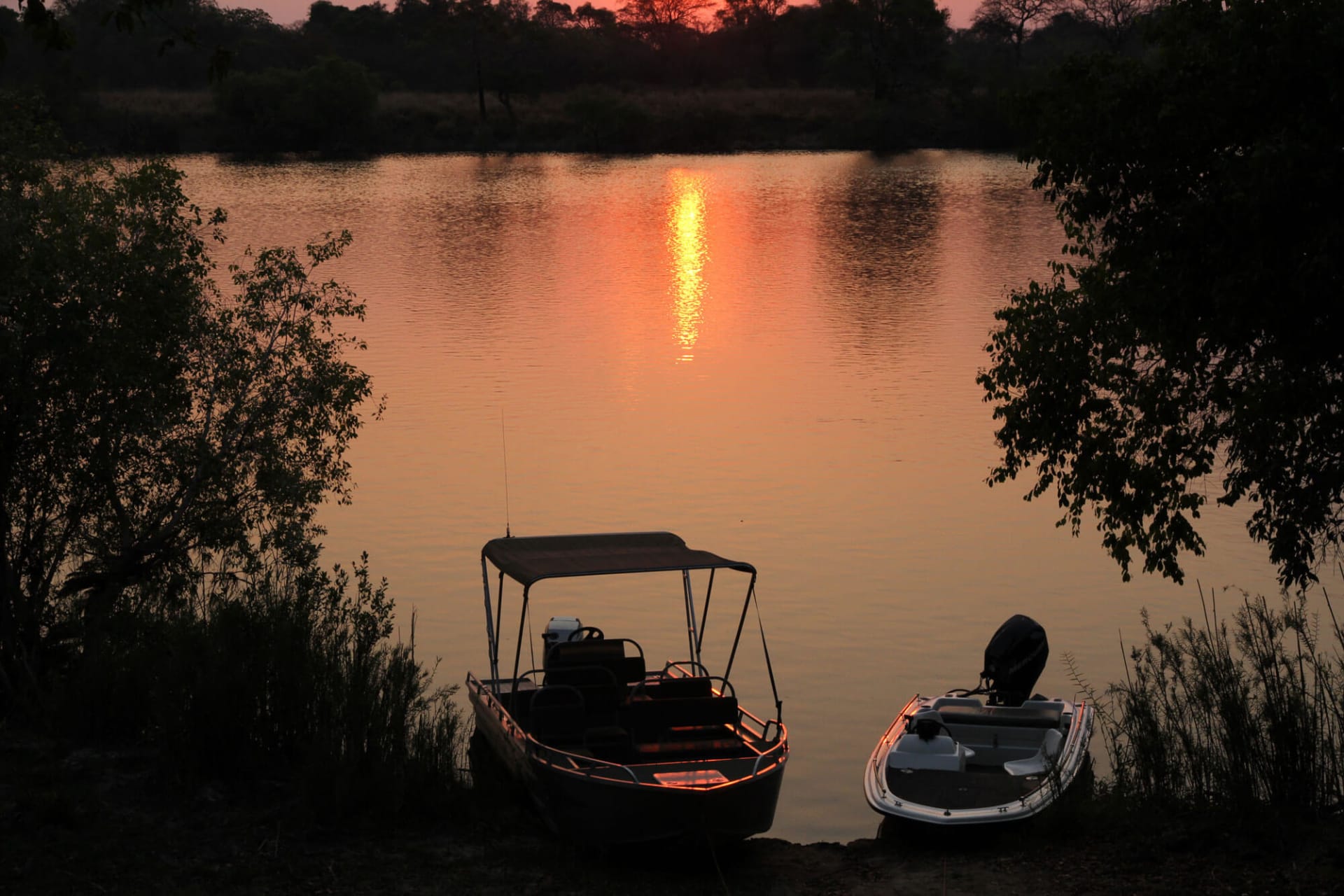
Livingstone is Zambia's adventure capital, located on the Zambezi River above Victoria Falls, offering year-round wildlife viewing in Mosi-oa-Tunya National Park and diverse activities from walking safaris to white-water rafting. The 66 km² park guarantees wildlife encounters with white rhinos, giraffes, buffalo, and over 500 bird species in riverine forest and mopane woodland habitats.
City TownMfuwe
Mfuwe is a gateway village in eastern Zambia serving South Luangwa National Park, Africa's premier destination for leopard sightings and walking safaris. The park covers 9,050 km² and supports 60+ mammal species, with daily flights from Lusaka making it easily accessible for safari travelers.
National ParkKafue National Park
# Kafue National Park: Zambia's Wilderness Jewel Kafue National Park stands as Zambia's largest national park, encompassing an impressive 22,400 square kilometers of pristine wilderness. Located in central Zambia and surrounded by nine Game Management Areas, this vast expanse protects diverse habitats and abundant wildlife across grassy floodplains and varied ecosystems. As one of Africa's oldest parks, Kafue showcases a remarkable patchwork of different habitats that sustain thriving animal populations. The park's strategic location and protective buffer zones have ensured the preservation of this vast wilderness and its ecological integrity. Visitors to Kafue can experience authentic African safari adventures, observing wildlife in their natural setting across the expansive floodplains. The park's size and habitat diversity offer exceptional opportunities for game viewing and wildlife photography, making it an ideal destination for those seeking an immersive African wilderness experience away from crowded tourist routes.
National ParkBusanga Plains
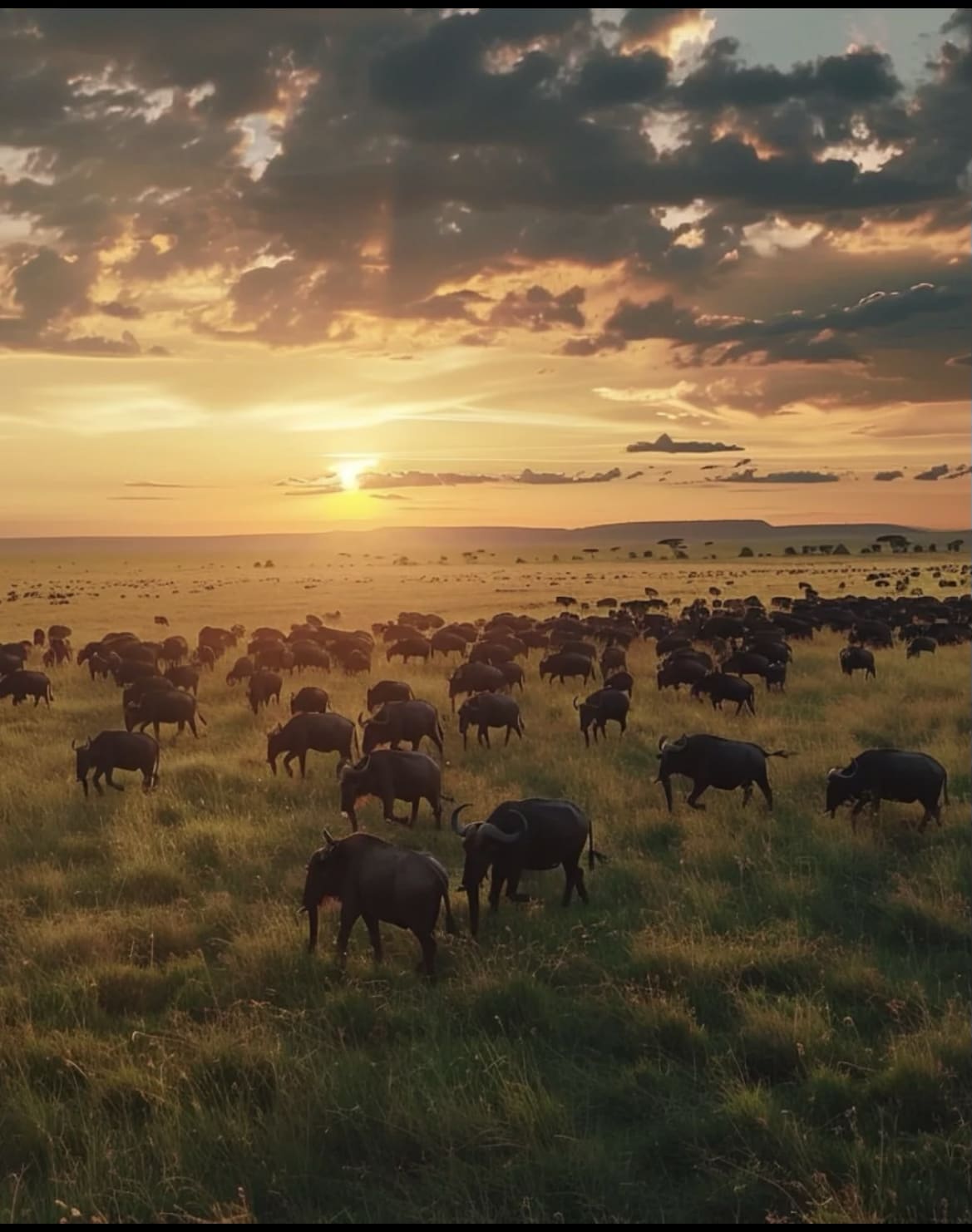
# Busanga Plains, Zambia Nestled in the remote northwestern corner of Kafue National Park, Zambia's largest and oldest protected area, Busanga Plains spans approximately 720 square kilometers of pristine wilderness. This Ramsar-recognized wetland ecosystem remains flooded most of the year, accessible only during the dry season from June to November when golden grasslands dotted with date palms and sausage trees emerge. The plains teem with extraordinary wildlife diversity. Red lechwe herds have rebounded dramatically from near extinction to populate the landscape in thousands, alongside puku, roan, sable, and the elusive sitatunga. Lions with impressive manes roam the grasses while hippo pods inhabit narrow water channels. The region hosts over 450 bird species, including endemic Chaplin's barbets and endangered crowned cranes. What distinguishes Busanga Plains is its remarkable isolation. Unlike crowded safari destinations, visitors often spend entire days without encountering another vehicle, experiencing authentic African wilderness. The combination of accessible game-viewing, dramatic predator encounters, and untouched remoteness creates an unparalleled safari experience for those willing to venture to Zambia's secret oasis.
National ParkMana Pools National Park
Mana Pools National Park is a 2,196 km² UNESCO World Heritage Site in northern Zimbabwe famous for walking safaris, canoe expeditions on the Zambezi River, and exceptional wildlife viewing of elephants (12,000+), buffalo, and over 450 bird species. It forms a transboundary conservation area with Zambia's Lower Zambezi National Park, offering some of Africa's most intimate and remote safari experiences.
National ParkVictoria Falls
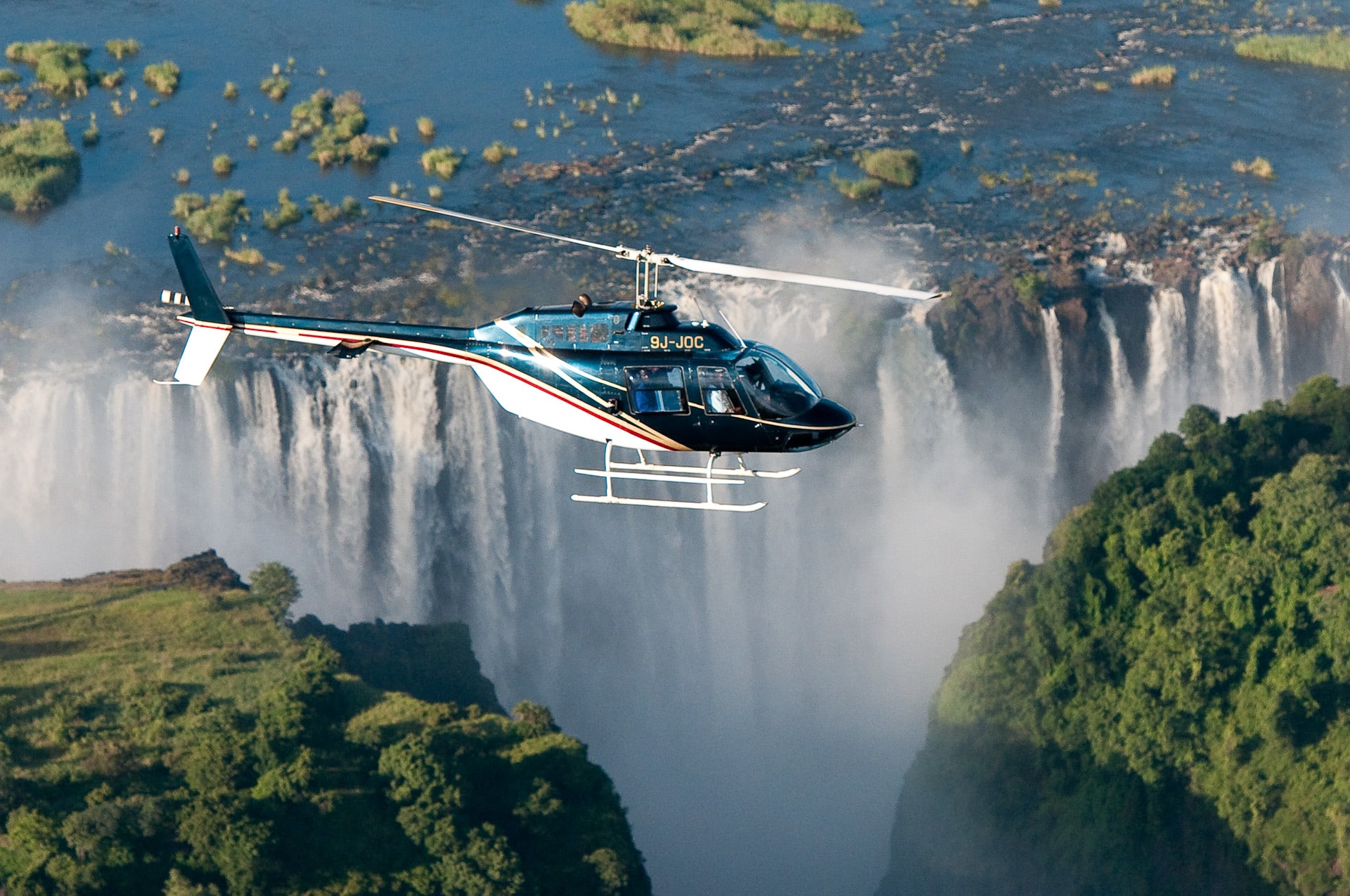
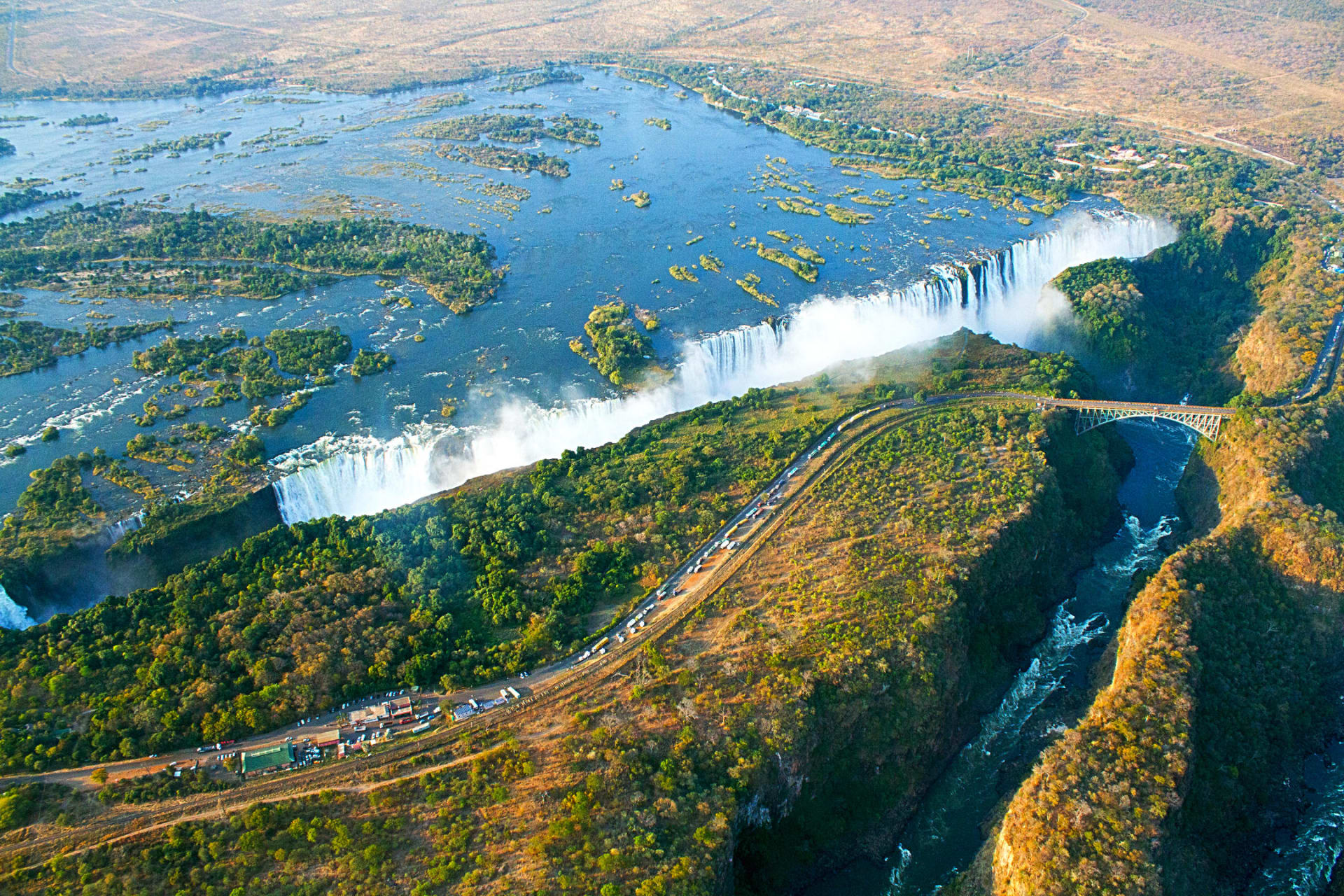
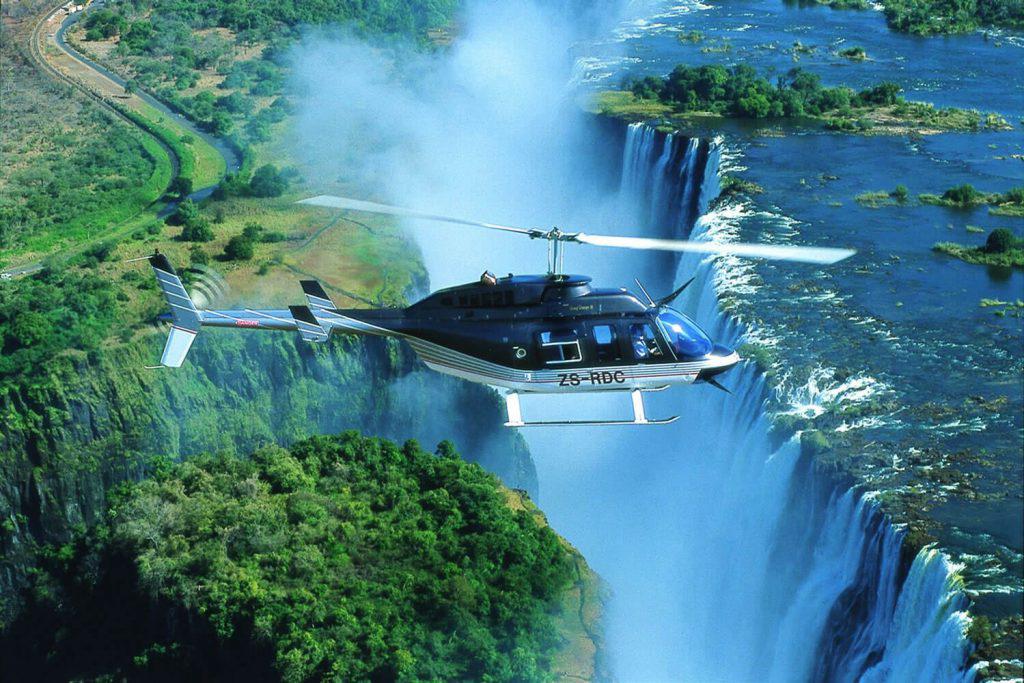
# Victoria Falls: Africa's Thundering Wonder Straddling the Zambia-Zimbabwe border on the Zambezi River, Victoria Falls stands as one of the world's most spectacular natural wonders. Spanning approximately 1,700 meters in width with a maximum drop of 150 meters, this colossal waterfall generates a visible mist detectable from up to 30 kilometers away on the Zambian side. The surrounding ecosystem thrives within Victoria Falls National Park, which extends 6 kilometers above and 12 kilometers below the falls. Over 900 plant species flourish in the moisture-rich forests nurtured by the waterfall's perpetual spray, creating ideal habitat for diverse wildlife populations. Known locally as Mosi-oa-Tunya, meaning "the smoke that thunders," the falls were introduced to the world by explorer David Livingstone in 1855. Today, the site is protected under comprehensive national legislation on both sides of the border, with a joint integrated management plan ensuring its preservation. Visitors experience unparalleled natural beauty through guided tours, adventure activities, and wildlife viewing opportunities in this UNESCO World Heritage Site.
City TownLusaka
Lusaka National Park: Zambia's Urban Wildlife Sanctuary Located approximately 30 kilometres southeast of Zambia's capital city, Lusaka National Park is the country's newest and smallest national park, established in 2011 and officially opened in 2015. Spanning 67.15 square kilometres, this urban wildlife gem represents Zambia's second national park situated within a city environment. Despite its compact size, the park conserves remarkable biodiversity. Visitors encounter over 1,000 species, including white rhinos, giraffes, zebras, sable antelopes, elands, and hartebeest, alongside numerous bird species. The entirely fenced reserve transformed from a former forest reserve into a thriving ecosystem. What distinguishes Lusaka National Park is its accessibility and diverse recreational opportunities. Guests can enjoy walking safaris, game viewing, bird watching, bicycle trails, boating, and photographic safaris. The park offers camping facilities and picnic areas, making wildlife experiences available to both residents and tourists without requiring extensive travel from the city. This unique destination combines urban convenience with authentic safari experiences, establishing itself as an essential destination for nature enthusiasts visiting Lusaka.
LakeLake Kariba
Lake Kariba is the world's largest man-made lake (6,000 km²) straddling Zambia and Zimbabwe, offering unique aquatic safaris with boat-based game viewing, tiger fishing, and access to Matusadona National Park's 240+ bird species and Big Five wildlife. Best visited June–October when lake levels drop and animals congregate along the shoreline.