How much does it cost to visit Knysna?
A typical day in Knysna costs $150–$400 USD per person depending on accommodation and activities. Budget self-catering cabins start at $50–$80 per night; mid-range guesthouses run $100–$200; luxury lodges cost $250–$500+. Activities add $30–$100 per person: catamaran cruises ($40–$60), guided forest hikes ($30–$50), boat safaris to Plettenberg Bay ($60–$90). Meals at local restaurants average $15–$35 per meal. Compare packages through SafariFind to find operators offering bundled rates that combine lodging with activities.
What is the best time to visit Knysna?
September to November (spring) and March to May (autumn) offer ideal conditions with mild weather (18–24°C / 64–75°F), low rainfall, and excellent wildlife visibility. May to September is the dry season with cooler temperatures perfect for hiking and whale watching (June–November). December to February is warm and wet but features lush vegetation and fewer tourists. Avoid July–August if seeking solitude, as school holidays bring peak crowds. For whale watching specifically, visit June to November when southern right whales migrate past the Knysna Heads.
What wildlife can you see at Knysna?
Knysna is home to African elephants (in Knysna Elephant Park), leopards in surrounding forests, and over 200 bird species including African fish eagles and sunbirds. Marine wildlife includes southern right whales (June–November), Cape clawless otters, and the endemic Knysna seahorse found only in this lagoon. Land-based animals include klipspringer and gray rhebuck in mountain fynbos. Unlike Kruger National Park, Knysna lacks Big Five density but excels in forest primates (samango monkeys), raptors, and coastal marine species accessible via boat safaris.
How do you get to Knysna?
Fly into George Airport (GRJ), 72 km west, which has daily flights from Cape Town and Johannesburg. The 1-hour drive from George to Knysna follows the scenic N2 highway. Alternatively, fly into Cape Town International Airport (CPT), 380 km southwest, then drive 4.5 hours to Knysna via the Garden Route. No internal airstrips serve Knysna; car rental is essential. From Johannesburg, fly to Cape Town or George, then drive. Most travelers combine Knysna with other Garden Route stops like Plettenberg Bay (25 km, 30 minutes) or Mossel Bay (100 km, 1.5 hours).
Is Knysna good for families with children?
Yes, Knysna is highly family-friendly with no malaria risk (unlike northern safari areas), calm lagoon activities, and gentle forest walks suitable for children ages 5+. Catamaran cruises accommodate families; kayaking is available for older children. Knysna Elephant Park offers close elephant encounters appropriate for kids. Family lodges provide child-friendly menus and activities. However, some boat safaris to Plettenberg Bay can be rough in choppy seas—check with operators about age/motion sickness concerns. Avoid deep forest hikes with very young children due to uneven terrain. Schools holidays (July–August, December–January) see peak family tourism.
How many days do you need at Knysna?
A minimum 3-day visit allows time for a catamaran cruise, forest hike, and town exploration. Four to five days is ideal to include a boat safari to Plettenberg Bay, Knysna Elephant Park, and leisurely lagoon activities. Seven days allows combining Knysna with nearby Garden Route destinations like Mossel Bay, Wilderness, or Tsitsikamma National Park. One day is insufficient; you'll barely scratch the surface. Most travelers allocate 3–4 days as part of a larger Garden Route itinerary spanning Cape Town to the Eastern Cape.
Where should I stay at Knysna?
Budget travelers choose self-catering cabins ($50–$80/night) or backpacker lodges. Mid-range options include guesthouses and boutique hotels ($100–$200/night) concentrated in the town center near the lagoon waterfront. Luxury lodges like Phantom Forest Eco-Reserve ($300–$500+/night) offer forest seclusion and fine dining. Waterfront locations provide lagoon views and restaurant access; forest lodges offer privacy and birdwatching. No formal safari camps exist in Knysna proper, but nearby Plettenberg Bay has upscale eco-lodges. Choose based on budget and activity preference: waterfront for dining/shopping, forest for tranquility and hiking access.
Is Knysna worth visiting?
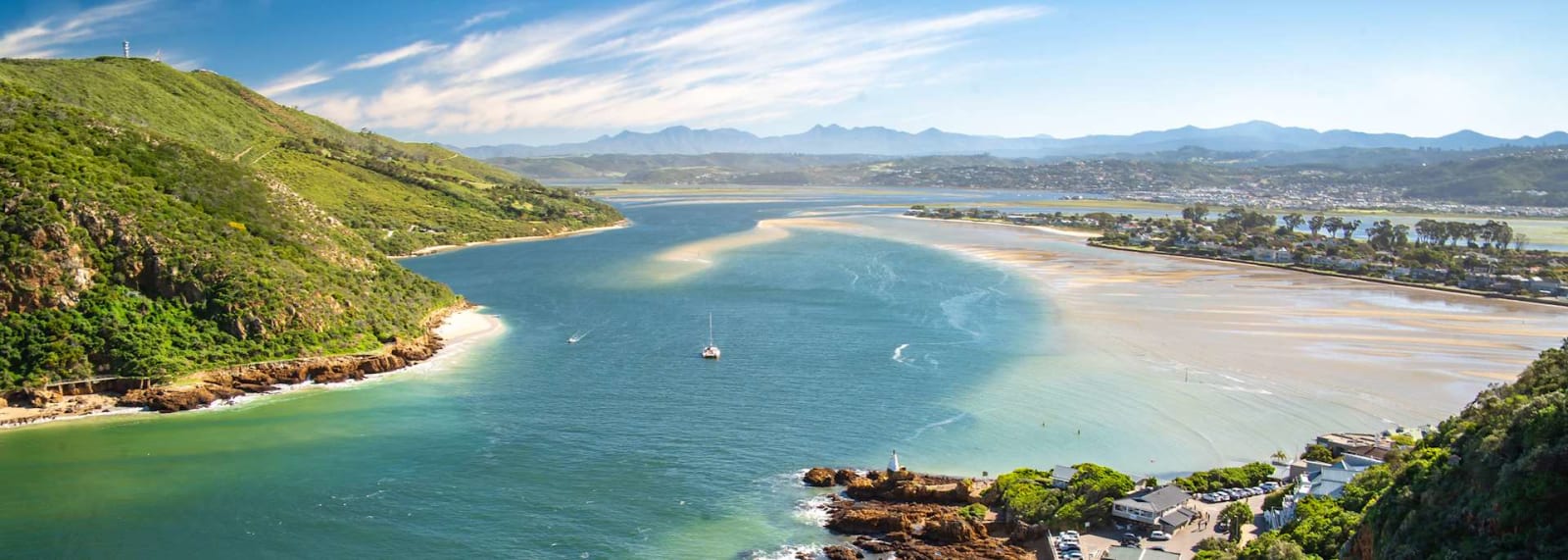
Yes, Knysna is worth visiting if you seek coastal beauty, forest immersion, and watersports combined with wildlife—unlike pure safari destinations. The Knysna Heads are among Africa's most dramatic coastal landmarks. The town offers exceptional fresh seafood, art galleries, and a relaxed Mediterranean atmosphere absent from traditional safari hubs. Knysna suits travelers wanting diversity: lagoon activities, hiking, whale watching (seasonal), and cultural exploration rather than focused Big Five game viewing. It pairs perfectly with Kruger National Park or standalone as a 3–5 day escape. Best value occurs during shoulder seasons (April–May, September–October) when prices drop and weather remains excellent.
Do I need a guide at Knysna?
Guides are not required for town exploration or lagoon watersports, but highly recommended for forest hikes and wildlife viewing. Licensed nature guides enhance forest walks by identifying plants, birds, and wildlife while ensuring safe navigation on steep trails. Catamaran and boat safari operators provide on-board guides with marine ecology expertise. Self-driving is safe on main roads; the N2 highway is well-marked. For elephant viewing at Knysna Elephant Park, guides are included and essential for animal safety. Budget an extra $30–$60 per day for professional guides; they significantly improve wildlife spotting and cultural understanding.
How do I book a safari to Knysna?
You can compare safari packages, read verified traveler reviews, and book through trusted operators on SafariFind.com. This lets you compare prices across budget lodges, mid-range guesthouses, and luxury eco-reserves while reading independent reviews. Filter by activity type (boat safaris, forest hikes, elephant encounters), accommodation style, and budget. SafariFind connects you with verified operators offering everything from day trips to multi-day Garden Route packages including Knysna. Book 4–8 weeks in advance for peak season (July–August, December–January); shoulder seasons (April–May, September–October) offer last-minute availability and lower rates.
 1 / 4
1 / 4