1 / 4
1 / 4🇹🇿 TanzaniaUNESCO site
Lemosho Gate
Size
1,994 km²
Elevation
2,100 m
Entry fee
Loading SafariFind...
1 / 4Size
1,994 km²
Elevation
2,100 m
Entry fee
SafariFind app
Keep up with your inquiries and bookings, and message operators wherever you are.

$82
Ideal stay
8 days
Established
1981
Nearest airport
Kilimanjaro International Airport (JRO), 108 km south; 2.5–3 hour drive from Lemosho Gate via Moshi. Arusha Airport (ARK), 150 km southeast; alternative gateway with domestic connections.
Nearest town: Moshi, 108 km southeast (2.5–3 hour drive); primary staging city for Lemosho treks with hotels, restaurants, and safari operators. Arusha, 150 km southeast; larger hub city for northern Tanzania safari circuit.
Park entry fees are $82 USD per person per day. A full 8-day Lemosho Route trek typically costs $1,800–$3,500 per person depending on lodge quality, guide experience, and group size. This includes park fees, accommodation, meals, and porter services. Additional costs: flights to Tanzania ($600–$1,200 from US), travel insurance ($50–$150), and pre-trek accommodation in Moshi ($40–$150 per night). Budget combination packages pairing an 8-day trek with 3–4 days of northern Tanzania safaris range from $3,500–$6,000 all-inclusive. Compare verified operator pricing and inclusions on SafariFind.com to find the best value for your budget.
June to October (dry season) is optimal for Lemosho treks, with clear skies, stable weather, and excellent acclimatization conditions. July–September is peak season with the clearest summit views but highest prices and most crowded trails. December to February (short dry season) offers fewer climbers and lower costs, though weather is slightly more variable. Avoid March–May (long rainy season) when the approach road becomes muddy and impassable, and November when persistent clouds obscure views. If combining with safaris, June–October also aligns with the best wildlife viewing in Serengeti and other northern parks.
The montane forest zone near Lemosho Gate supports forest buffalo, black colobus monkeys, and occasional elephants in lower elevation areas. Endemic alpine species include the Kilimanjaro tree hyrax, malachite sunbirds, and red-billed choughs above 4,000 meters. The route does not pass through major game viewing areas like the Serengeti or Tarangire—it is primarily a mountain trek through forest and alpine zones. For Big Five wildlife and large predators, combine your Lemosho trek with a 3–4 day safari in Serengeti, Ngorongoro, or Tarangire National Park, which are accessible via combination packages available on SafariFind.
Fly into Kilimanjaro International Airport (JRO), 108 km south of Lemosho Gate (2.5–3 hour drive), or Arusha Airport (ARK), 150 km southeast. From the airport, transfer via 4×4 vehicle through Moshi to Lemosho Gate. The final road is unpaved gravel requiring high-clearance vehicles; standard cars cannot access the gate. Most trekking operators arrange airport pickups and overnight lodging in Moshi (where you prepare gear and acclimatize) before departing for Lemosho at dawn. The drive from Moshi takes 3–4 hours in dry season, longer during rainy months.
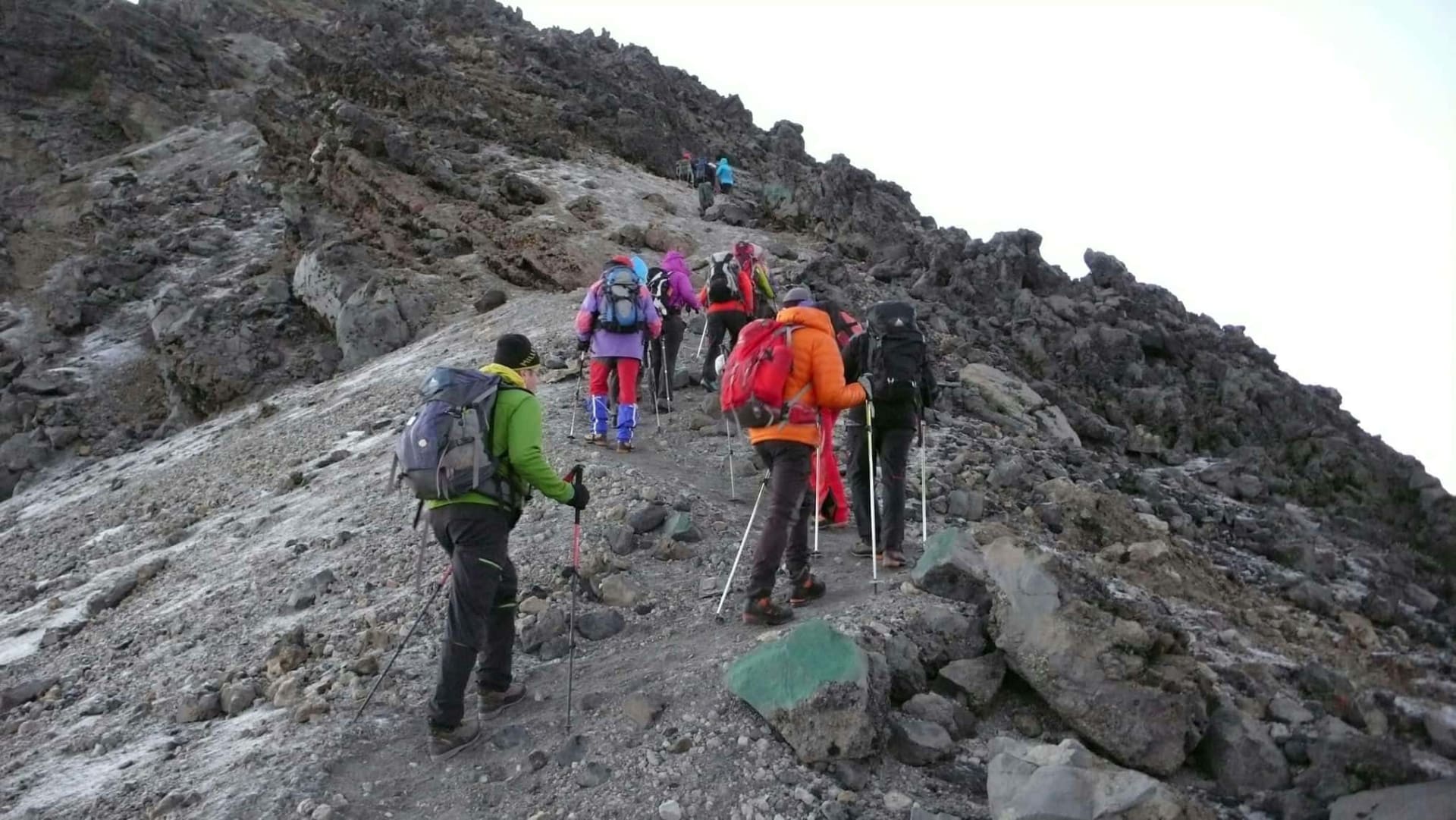
Lemosho treks are not suitable for young children due to extreme altitude (summit at 5,895 m), thin air, cold temperatures (−8°C), and 8 days of sustained hiking. Children under 10 rarely attempt the full trek; those 10–15 may succeed with excellent fitness and gradual acclimatization, but risk of acute mountain sickness is high. Families with young children should consider Kilimanjaro's lower-elevation options (Marangu Gate day hikes to 2,700 m) or skip mountain climbing entirely and focus on 3–4 day family safaris in Serengeti, Tarangire, or Ngorongoro, which have lodges with family amenities and vehicle-based game viewing suitable for all ages.
The standard Lemosho Route trek requires 8 days and 7 nights, including 1 night pre-trek accommodation in Moshi, 6 nights on the mountain, and 1 night post-trek rest. This 8-day timeline allows proper acclimatization and maximizes summit success rates. Shorter 6-day versions exist but skip acclimatization days and increase altitude sickness risk. If combining with northern Tanzania safaris, plan 12–15 days total: 1 day arrival/Moshi, 8 days trek, 3–4 days safari, 1 day return to Arusha. Solo Lemosho trekking without safari add-ons requires minimum 9–10 days including travel days.
Lemosho Gate itself has no lodges—it is only a trailhead registration point. Overnight stays occur at mountain camps along the trek: Mti Mkubwa Camp (2,780 m, day 1), Shira One Camp (3,610 m, day 2), Shira Two Camp (3,850 m, day 3), Lava Tower Camp (4,630 m, day 4), Barafu Camp (4,640 m, day 5), and Millennium Camp (3,800 m, day 7 after summit). Camps provide basic dome tents and communal dining. Pre-trek accommodation in Moshi (108 km away) ranges from budget guesthouses ($30–$50/night) to mid-range hotels ($80–$150/night) and luxury lodges ($200+/night). Most operators include Moshi lodging in trek packages.
Yes, the Lemosho Route is widely considered the best climbing path on Kilimanjaro due to its gradual altitude profile (highest summit success rate at 75–85%), scenic montane forest and moorland ecosystems, and lower crowd density than southern routes. It offers superior acclimatization compared to steeper alternatives like Umbwe or Machame, making it ideal for first-time climbers or those prone to altitude sickness. The route's 8-day structure balances adequate rest days with summit achievement. Combining Lemosho trekking with 3–4 days of northern Tanzania wildlife safaris creates a unique Africa experience—few destinations offer both high-altitude mountain climbing and world-class safari viewing in a single trip.
Yes, guides are mandatory on all Kilimanjaro routes, including Lemosho. Tanzania National Parks Authority (TANAPA) requires that every trekker be accompanied by a licensed guide assigned at the gate. Self-guided trekking is not permitted. Professional guides provide altitude sickness monitoring, route navigation, safety briefings, and cultural/ecological interpretation. All reputable trekking operators employ TANAPA-certified guides. Porter services are also required (regulations mandate one porter per trekker) to carry most gear, allowing you to carry only a day pack. This system protects mountain ecology and supports local employment.
You can compare Lemosho Route trek packages, read verified traveler reviews, and book through trusted operators on SafariFind.com. SafariFind lets you filter by trek duration (6, 7, or 8 days), price range, accommodation quality, and add-on safaris to Serengeti, Ngorongoro, or Tarangire. View detailed itineraries, guide credentials, and cancellation policies before committing. Most operators require 30–50% deposit at booking with final payment 4–6 weeks before trek. Book 2–3 months in advance for peak season (July–September) to secure preferred dates.
© 2026 SafariFind. All rights reserved.

 Ask about this