1 / 4
1 / 4🇹🇿 TanzaniaUNESCO site
Seronera Airstrip
Size
14,763 km²
Elevation
1,600 m
Entry fee
Loading SafariFind...
1 / 4Size
14,763 km²
Elevation
1,600 m
Entry fee
SafariFind app
Keep up with your inquiries and bookings, and message operators wherever you are.

$82
Ideal stay
3 days
Established
1951
Nearest airport
Seronera Airstrip (SEU, ICAO: HTSN), located within Serengeti National Park; Kilimanjaro International Airport (JRO), 335 km southeast near Arusha; Arusha Airport (ARK), 335 km; Dar es Salaam Julius Nyerere International Airport (DAR), 500+ km
Nearest town: Arusha, 335 km southeast — Tanzania's primary safari gateway and nearest major city with international flights, hotels, and tour operators; Mwanza, 200 km west — regional hub with basic services; Seronera village (adjacent to airstrip) — small settlement with fuel, shops, bars, and medical clinic
Park entry fees are USD 82 per adult per day. Daily safari costs average USD 250–400 per person (including guide, vehicle, and park fees) at mid-range lodges; luxury properties charge USD 500–1,500+ per night. Multi-day packages from Arusha including flights, accommodation, and safaris typically range USD 2,500–5,000 for 3 days. Budget varies by season—high season (July–September) costs 30–50% more than low season (April–May).
July to September offers peak wildlife viewing with herds concentrated near water sources; this is the busiest and most expensive period. November to March provides excellent birdwatching (500+ species) with lower prices and fewer crowds, though vegetation obscures visibility. April–May sees heavy rains, muddy roads, and potential closures—prices drop significantly. For the best value-to-wildlife ratio, visit June, October, or November when conditions are moderate and prices are reasonable.
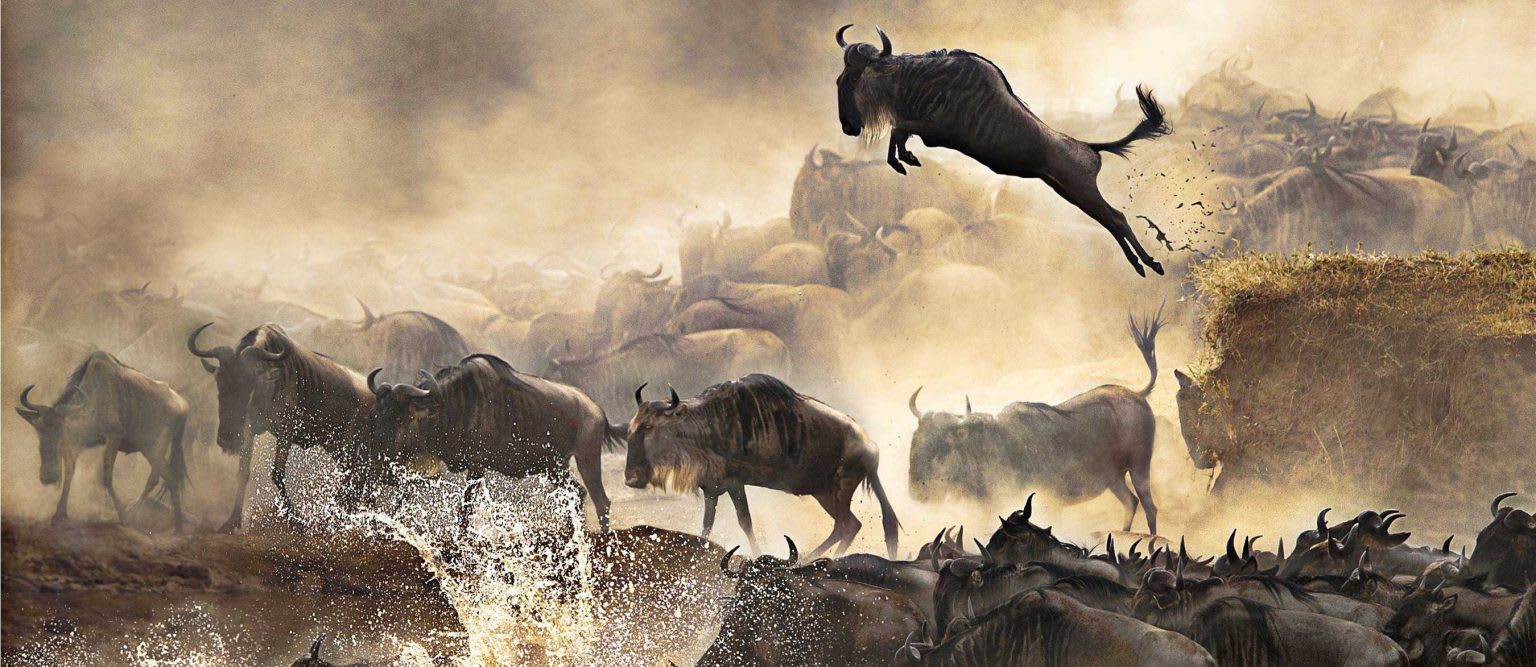
Seronera Valley hosts all Big Five: lions (resident prides), elephants (herds of 50+), leopards (nocturnal sightings), buffalo (large herds), and black rhinoceros (critically endangered, occasional). Year-round residents include cheetah, giraffe, zebra, spotted hyena, and over 500 bird species including secretary bird, crowned eagle, and kori bustard. The Great Migration passes through northern Serengeti (June–July northbound, November–December southbound), though Seronera maintains consistent predator and elephant populations throughout the year.
Charter flights from Arusha (1 hour), Dar es Salaam (2.5 hours), or Kilimanjaro International Airport (1.5 hours) land directly at Seronera Airstrip (SEU). Operators include Coastal Aviation, Auric Air, and Regional Air. Overland entry via Naabi Hill Gate (west entrance) takes 6+ hours from Arusha in a 4WD vehicle. Most safari packages include charter flights and ground transfers. You can compare flight options and book through verified operators on SafariFind.
Yes—Seronera is family-friendly with multiple lodge options offering children's activities, swimming pools, and shorter game drives adapted to young attention spans. Children under 5 may struggle with 6+ hour vehicle days; most lodges accommodate with flexible schedules. Walking safaris require children age 10+ due to safety and distance. Hot air balloons accept children age 4+. Lodges have medical clinics and can arrange rapid evacuation if needed. Book family-focused operators through SafariFind for child-appropriate itineraries.
A minimum 3-day visit allows one full day of game drives plus arrival and departure days—sufficient to spot Big Five and experience the ecosystem. Four to five days lets you explore different regions (river valleys, kopjes, plains) and increases wildlife sighting odds. Seven days maximizes predator behavior observation and photography opportunities. Shorter 2-day visits are possible but reduce wildlife viewing quality due to travel time overhead.
Seronera area offers luxury lodges (Serena Safari Lodge, Sopa Lodge), mid-range tented camps, and budget campsites. Luxury properties include meals, guides, and activities; mid-range offers good value with basic amenities; camping is cheapest but requires self-catering or cook hire. All accommodations are within 5–15 km of the airstrip. Lodges near the Seronera River offer better wildlife viewing than those on plains. Compare lodging options and bundle packages on SafariFind to find properties matching your budget and preferences.
Absolutely. Seronera Airstrip is worth visiting because it offers unmatched year-round wildlife concentration—lions, elephants, leopards, and 500+ bird species—in a UNESCO World Heritage Site without the 6+ hour overland drive from Arusha. The central Seronera Valley location means guides can reach multiple game-viewing zones flexibly, adapting itineraries to real-time animal movements. Compared to other Serengeti airstrips (Kogatende, Grumeti, Ndutu), Seronera provides the most consistent predator sightings and elephant herds, making it ideal for first-time visitors and wildlife photographers.
Yes—self-driving is prohibited in Serengeti National Park. All visitors must use licensed park guides or book guided safaris through lodges. Guides enhance the experience by spotting distant wildlife, identifying species, and sharing ecological knowledge. The cost (included in lodge packages or USD 30–50 per day if hired separately) is worthwhile. Professional guides significantly increase wildlife sighting odds and photograph quality by positioning vehicles optimally.
Compare safari packages, read verified traveler reviews, and book through trusted operators on SafariFind.com. The platform lets you filter by budget, duration, activities, and accommodation type, compare prices across multiple operators, and see real guest feedback. You can book multi-day fly-in packages including charter flights, lodging, meals, and guided game drives. SafariFind's verified operators handle all logistics—flights, park permits, ground transfers—simplifying the booking process and ensuring transparent pricing.
© 2026 SafariFind. All rights reserved.

 Ask about this