Best Time for a Uganda Safari: Month-by-Month 2026
Discover Best Time for a Uganda Safari: Month-by-Month 2026 - Expert guide to safari tourism and wildlife destinations.

Best Time for a Uganda Safari: Month-by-Month 2026
Last updated: July 2026
The best time for a Uganda safari in 2026 is June to September or December to February. These dry periods support easier game viewing, gorilla trekking, chimpanzee trekking, and forest travel. March to May and October to November bring more rain, greener scenery, fewer visitors, and possible savings.
At a Glance
- Best time: June to September and December to February for drier conditions and wildlife viewing
- Peak trekking months: June to August and December to February for gorilla and chimpanzee trekking
- Best for Kidepo Valley: July to September and December to March
- Budget-friendly period: March to May and October to November, with wetter conditions
- Best birding windows: September to October and January, when landscapes are greener and crowds are lower
- 2026 planning note: Seasonal patterns guide planning, but live weather forecasts should guide final decisions
Uganda has two strong dry-season windows, making timing more flexible than many travelers expect.
Best Time for a Uganda Safari: Month-by-Month 2026 planning starts with a simple choice. Visit during the dry months for easier roads and trekking trails, or choose the rainy months for lower demand and vivid green landscapes. Your ideal month depends on wildlife, gorillas, birds, budget, and travel comfort.
Uganda combines savanna parks, rainforests, wetlands, and mountain habitats. Queen Elizabeth National Park and Murchison Falls suit classic game drives. Bwindi Impenetrable National Park and Kibale National Park suit primate trips. Kidepo Valley offers a remote wilderness experience.
Quick answer: June to September is the clearest choice for stable weather and predictable wildlife movement. December to February is another strong window. March to May and October to November are wetter, but they can offer fewer crowds, green scenery, and better value for flexible travelers.
This guide explains every month in plain language. It also shows when to trek, photograph wildlife, watch birds, and request safari quotes. For current planning, compare verified operators and read authentic traveler reviews before you commit.
What Is the Best Time for a Uganda Safari in 2026?
June to September and December to February are Uganda’s best general safari periods in 2026. These windows usually bring drier conditions, easier road travel, and strong wildlife viewing. June to August and December to February also rank as peak periods for gorilla and chimpanzee trekking because drier ground makes forest trails easier to navigate .
Overview of Uganda’s safari seasons
Uganda’s dry seasons do not mean rain is impossible. The country has varied landscapes and local weather patterns. However, January, February, June, and July are commonly classed as dry months. August and December often mark a shift between dry and wet conditions .
The main rainy periods usually occur from March to May and around September to November. Rain can make some roads muddy and forest paths slippery. It can also improve the scenery, support plant growth, and create excellent conditions for landscape photography.
Known for: Uganda is known for mountain gorillas, chimpanzees, tree-climbing lions, savanna wildlife, birds, and varied landscapes. Each attraction has a slightly different seasonal advantage.
Best for: June to September is best for travelers who want stable weather, classic game drives, and easier trekking conditions. December to February is best for travelers seeking another dry-season option. March to May and October to November suit visitors who value green scenery and fewer crowds.
Why the month matters
Gorilla trekking is physically demanding in every season. Drier ground can make steep forest trails easier, but rainforests remain wet by nature. Chimpanzee tracking also benefits from clearer trails and more comfortable walking conditions during the drier windows .
Kidepo Valley National Park follows a different planning pattern from southwestern Uganda. July to September and December to March are listed as strong periods for this remote park . Therefore, travelers combining Kidepo with Bwindi should compare route timing carefully.
SafariBookings rates January, February, June, and July as “Excellent.” It rates March and May as “Fair,” April as “Poor,” and August and September as “Good” for general travel conditions . These ratings offer useful guidance, but they do not replace a park-by-park plan.
Ready to match dates with a real itinerary? Explore Uganda safari packages for your 2026 travel window and compare verified operators before requesting a quote.
Why seasonal planning matters
Seasonal planning affects more than rain. It can shape road time, walking comfort, photography, bird activity, and the number of travelers at popular sites. It can also affect how much flexibility you need for delays.
Uganda is a good choice for travelers who want variety. A single trip can include savanna drives, boat trips, forest walks, and primate encounters. The best month is therefore the month that fits your main goal, not simply the driest month.
How Does Uganda Weather Change Month by Month?
Uganda’s month-by-month safari conditions range from dry and easy to wet and richly green. January, February, June, and July are the clearest dry-month choices. March, April, May, September, October, and November need more weather flexibility, while December often improves as the shorter dry season develops .
January and February: dry-season wildlife and trekking
January and February are among Uganda’s strongest safari months. Dry conditions can improve access on game-drive routes and make forest trails easier to walk. These months also fall within a peak period for gorilla and chimpanzee trekking .
Best for: Gorilla trekking, chimpanzee tracking, game drives, and travelers who want a reliable dry-season window. January also appears as a shoulder-season choice for birding and photography, with greener views and fewer crowds than some peak periods .
March to May: rain, green scenery, and flexible travel
March begins a wetter travel period in many planning guides. April receives a “Poor” rating in SafariBookings’ month-by-month assessment, while March and May receive “Fair” ratings . Rain may affect road conditions and trekking comfort, so flexible plans matter.
March to May can still suit photographers, birders, and travelers who prefer lush scenery. A local Uganda safari expert also identifies these months as appealing for budget travelers . Ask operators how they manage route changes and wet-season roads before booking.
June to August: the strongest all-round window
June to August is the most dependable period for many first-time visitors. June and July are listed as dry months, while June to August is a peak trekking period. Stable weather can support game drives, forest walks, and long transfers between parks .
June and July receive “Excellent” ratings from SafariBookings. August receives a “Good” rating and may bring a shift toward wetter conditions . Travelers should still pack rain gear because Uganda’s forests can receive showers in any season.
September to November: green landscapes and fewer crowds
September and October are useful shoulder-season months for birding and photography. Green landscapes can look especially strong, and fewer visitors may create a calmer experience . September is also listed as a rainy month in one seasonal guide .
October and November can bring rain, but conditions vary by region. These months suit travelers who can accept slower road travel and changing plans. They are less suitable for visitors who want every day to follow a strict timetable.
December: a useful second dry-season start
December is a transition month. It can become drier as the shorter dry season develops, and December to February is widely listed as one of Uganda’s best general travel windows . Trekking demand may also rise during this period.
December works well for travelers combining primate trekking with savanna parks. Book early if your dates are fixed, then confirm current permit and accommodation details with your operator.
| Month | Season outlook | Best for | Planning note |
|---|---|---|---|
| January | Dry | Wildlife, trekking, birding | Strong overall month |
| February | Dry | Gorillas, chimpanzees, game drives | Peak trekking period |
| March | Rainy transition | Green scenery, flexible trips | Fair rating |
| April | Rainy | Flexible, rain-tolerant travelers | Poor rating |
| May | Rainy | Photography and possible value | Fair rating |
| June | Dry | All-round safari trips | Excellent rating |
| July | Dry | Kidepo, trekking, game viewing | Excellent rating |
| August | Dry-to-wet transition | Wildlife and trekking | Good rating |
| September | Rainy transition | Birding and photography | Green landscapes |
| October | Shoulder season | Birding and photography | Plan for rain |
| November | Rainy transition | Flexible itineraries | Allow road delays |
| December | Dry-to-wet transition | Trekking and mixed safaris | Dry season improves |
Which Uganda Safari Month Fits Your Travel Goals?
The right Uganda safari month depends on your main activity. Choose June to September for stable weather and broad route options. Choose December to February for another dry window. Choose the wetter months when green scenery, birding, fewer visitors, or flexible planning matter more than perfect road conditions.
For gorilla trekking
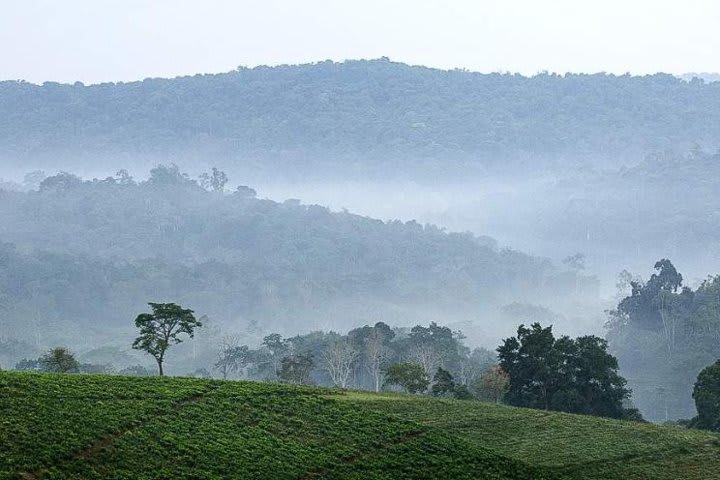
June to August and December to February are the main peak periods for gorilla trekking. Drier ground can make steep forest trails easier, although Bwindi remains a wet rainforest environment in every month . Travelers should prepare for mud, rain, and long walks regardless of their departure date.
Gorilla trekking plans need careful logistics. Build extra time around the trek rather than placing it beside a tight international flight. Read current route advice and health guidance before travel. For example, Irish visitors can review this guide to Uganda vaccinations for Irish travellers in 2026.
For chimpanzee trekking
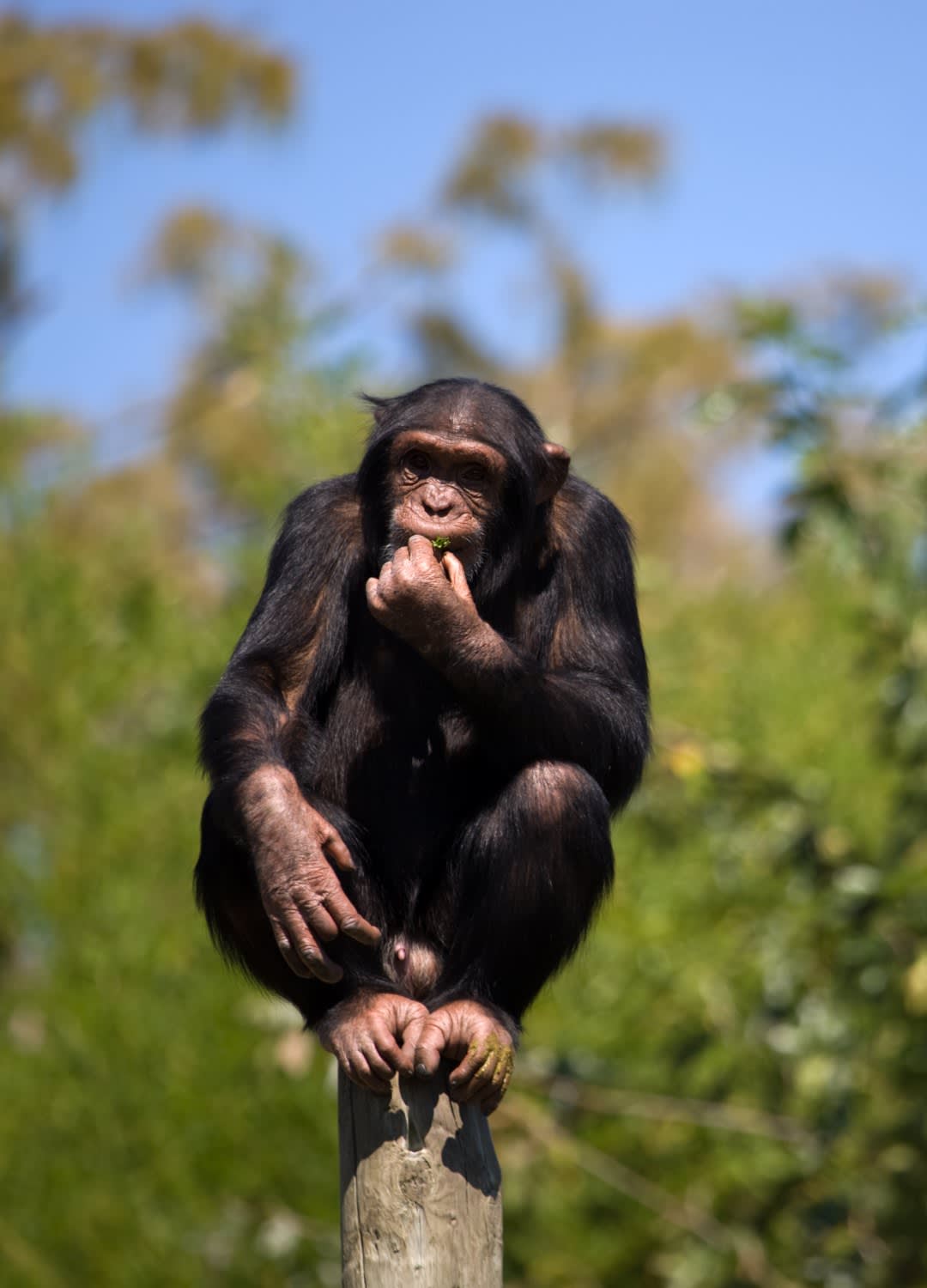
December to February and June to August are strong periods for chimpanzee trekking. Drier trails may improve walking comfort and reduce the challenge of slippery ground . Kibale Forest remains a rainforest, so a light waterproof jacket belongs in every day bag.
For classic wildlife drives
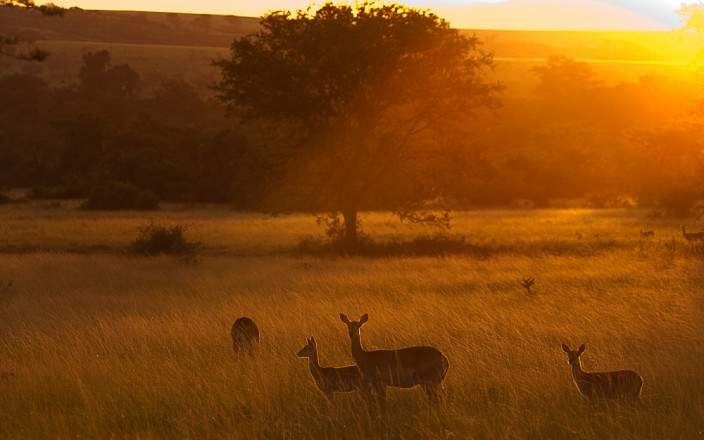
June to September is the clearest general choice for classic game drives. January and February provide a second dry window. Drier roads can make transfers easier, while open conditions may help travelers focus on wildlife rather than difficult travel logistics .
Queen Elizabeth, Murchison Falls, and Kidepo require different route plans. Kidepo is especially suited to July through September and December through March . If Kidepo is your priority, do not assume that the best month for Bwindi is also the best month for your whole route.
For birding and photography
September to October and January are identified as shoulder-season periods for birding and photography. These months can offer greener landscapes and fewer crowds . Wet-season skies may also create dramatic light, but photographers should protect equipment from rain.
For value and fewer visitors
March to May and October to November are the main choices for travelers who accept wetter conditions. A Uganda safari during these months can feel quieter and more flexible. However, ask for a clear plan for muddy roads, forest walks, and possible schedule changes.
Price range: No single national safari price applies to every month. Route length, park choices, trekking permits, lodge level, transport, and group size shape the final quote. Use current 2026 quotes rather than relying on old averages. This guide to Uganda safari routes and budgets in 2026 can help you compare trip styles.
Need dates that fit a strict budget or route? Request a 2026 quote from verified Uganda safari operators and compare inclusions before you book.
Practical planning checklist
- Choose your main goal: gorillas, chimps, game drives, birds, or Kidepo.
- Select a dry or wet season based on walking and road comfort.
- Ask whether permits, park fees, transfers, meals, and lodging are included.
- Check cancellation terms and weather-related route changes.
- Read authentic traveler reviews before selecting an operator.
Travel documents also need attention. Swedish citizens can review this current guide on Uganda visa rules for Swedish citizens in 2026. Irish citizens can check the separate visa guide before departure.
How Should You Start Planning a Uganda Safari?
Start by choosing your priority park and travel month. Then match the route to seasonal conditions, trekking needs, and road time. A verified operator should explain what the quote includes, how weather affects the itinerary, and what support you receive before and during your trip.
Build the route around one main experience
Gorilla trekking often shapes the whole itinerary because it requires a forest location and careful timing. Add savanna parks before or after the trek only when the transfer plan remains realistic. A slower route with fewer parks usually gives you more time in each destination.
Kidepo Valley needs special attention because it sits far from the country’s southwestern primate sites. Its strongest listed periods are July to September and December to March . Ask operators to explain flight, road, and connection choices in writing.
Pack for changing conditions
Uganda safari packing should work in both dry and wet weather. Bring breathable clothing, a light waterproof jacket, sturdy walking shoes, insect protection, sun protection, and a small day pack. Forest trekking needs different comfort priorities from an open-vehicle game drive.
Rain can arrive during a dry-season trip, especially in forest areas. Therefore, keep cameras, phones, passports, and spare batteries in waterproof bags. Good preparation improves comfort without changing your chosen month.
Use current information in 2026
Seasonal guides describe typical patterns rather than daily forecasts. Uganda’s live weather outlook should guide final travel decisions, especially for road transfers and outdoor activities . Check the forecast close to departure and ask your operator for local updates.
Safety planning also deserves a place on your checklist. Review this guide to Uganda safari safety, routes, and local advice before confirming a long cross-country itinerary.
Compare operators with care
SafariFind connects travelers with verified tour operators and authentic reviews. Compare the route, travel dates, group size, accommodation, transport, and included activities. A lower quote is not useful if it excludes key transfers or gives you too little time at each park.
Ask these questions before you pay:
- Which parks and activities are included?
- Are gorilla or chimpanzee permits included or separate?
- What happens if rain changes a road or trekking plan?
- How many travelers share the vehicle?
- What payment, cancellation, and emergency support terms apply?
Clear answers help you compare like with like. They also make seasonal trade-offs easier to understand.
Key Takeaways
- Choose June to September for the strongest all-round dry-season conditions and predictable wildlife movement .
- Choose December to February for a second dry window and peak gorilla and chimpanzee trekking conditions .
- Plan Kidepo Valley for July to September or December to March to match its strongest listed travel windows .
- Use March to May or October to November when you value green scenery, fewer visitors, and flexible planning.
- Check live weather in 2026 before departure because monthly guides show patterns, not daily forecasts .
Frequently Asked Questions
What is the best month for a Uganda safari?
June and July are among the best months for a Uganda safari. Both are listed as dry months and receive “Excellent” ratings from SafariBookings. They suit game drives, gorilla trekking, chimpanzee tracking, and longer road routes .
Is January a good month for a Uganda safari?
January is an excellent month for a Uganda safari. It is generally dry and falls within a strong period for gorilla and chimpanzee trekking. January also suits birding and photography because shoulder-season conditions can bring greener views and fewer crowds .
When is the rainy season in Uganda?
Uganda’s wetter travel periods generally include March to May and September to November. Rain can make roads and forest trails harder, but it also creates green landscapes. April receives a “Poor” rating in one month-by-month guide, while March and May receive “Fair” ratings .
What is the best time to see gorillas in Uganda?
The best time to see gorillas in Uganda is June to August or December to February. These peak trekking periods often have drier ground, which can make forest trails easier to navigate. Bwindi remains a rainforest, so rain is possible throughout the year .
When should I visit Kidepo Valley National Park?
The best listed periods for Kidepo Valley National Park are July to September and December to March. These windows can support comfortable wilderness travel and wildlife viewing. Kidepo requires careful route planning because it is far from Uganda’s southwestern primate parks .
How can I book the best Uganda safari for 2026?
Use SafariFind to compare verified Uganda safari packages, request quotes, and read authentic traveler reviews. Share your preferred month, parks, budget, and trekking goals so operators can build a clear 2026 itinerary with stated inclusions.
Conclusion: Choosing Your Uganda Safari Month
The best time for a Uganda safari in 2026 is June to September or December to February. These dry windows support game drives, gorilla trekking, chimpanzee tracking, and easier travel between parks . January and February offer a strong early-year choice, while June and July provide some of the most dependable conditions.
Choose March to May or October to November if you prefer green scenery, fewer visitors, and flexible plans. Choose July to September or December to March when Kidepo Valley is your main goal . Always check live forecasts before departure.
Your next step is to match your dates with a route, then check permits, transport, lodging, and reviews. Compare verified Uganda safari packages on SafariFind, request a quote, and choose an operator with clear 2026 inclusions. With the right month and route, Uganda offers a richer and more relaxed safari experience in 2026.
Plan Your Safari with SafariFind
These recommendations use real data from SafariFind, where you can compare operators, browse packages, and read verified traveler reviews before you book.
Recommended Safari Operators from SafariFind
Recommended Safari Packages from SafariFind
What Travelers Say (SafariFind Reviews)
References
- Best Time to Visit Uganda for a Safari 2026–2028 | Weather, Seasons & Wildlife
- 27 Reasons To Visit Uganda For Safari Holiday In 2026
- Uganda Weather by Month: When to Visit in 2026
- Worst/Best Time to Visit Uganda: A Month by Month Guide
- Best Time To Visit Uganda (Month by Month)
- Best Time To Visit Uganda Safari & Gorilla Trekking
- Best Time Uganda | Gorilla Safaris
- Best Time To Safari In Uganda

 Ask Tembo about this guide