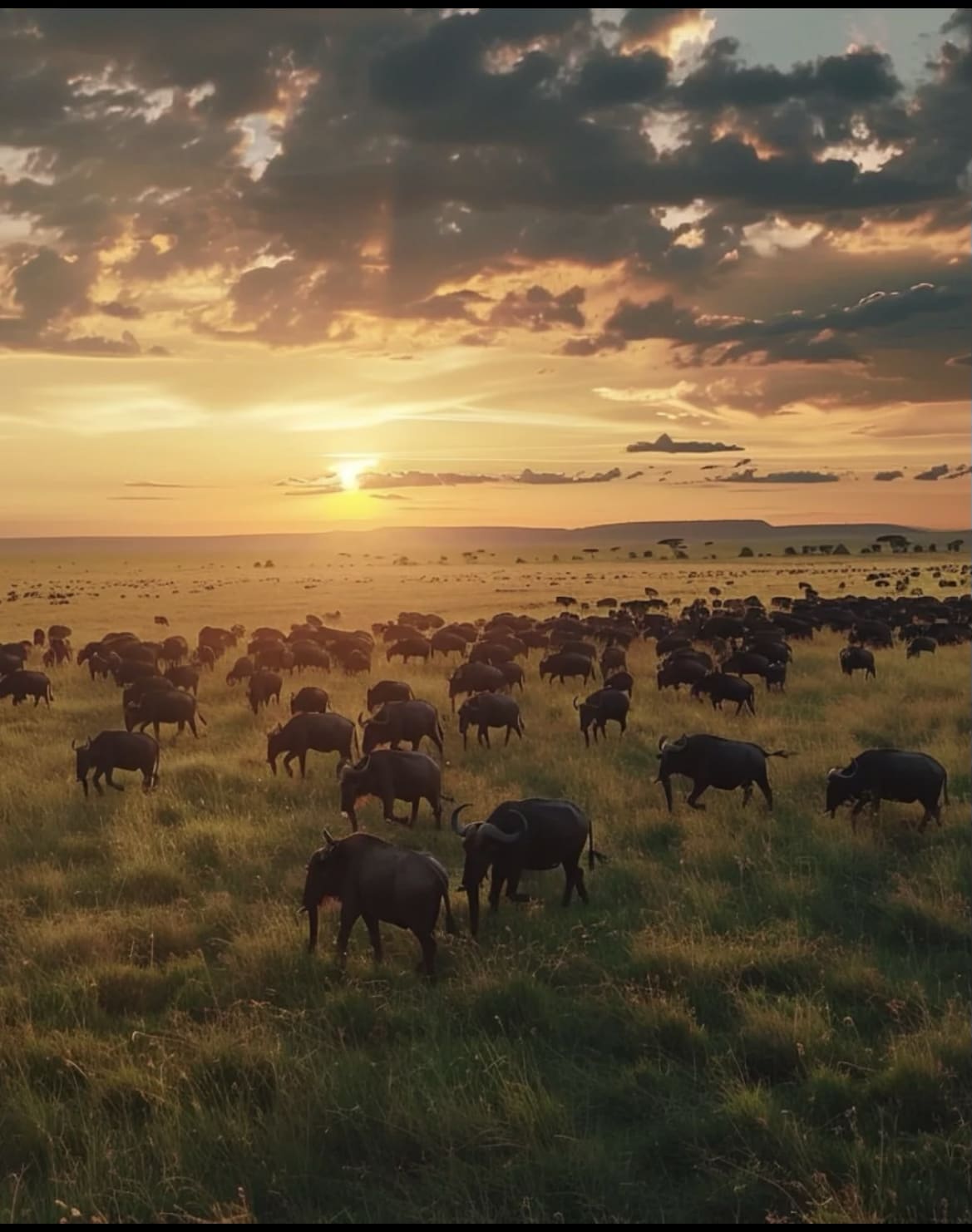
Eswatini Safari Walking Routes: Wildlife & Operator Costs 2026
Eswatini walking safaris cost $160–$4,200 per person in 2026. Explore Big Five wildlife on foot in Africa's smallest kingdom. Book verified operators on SafariFind.

Eswatini Safari Walking Routes: Costs 2026
Last updated: July 2026
Eswatini safari walking routes cost between $160 and $4,200 per person in 2026, offering affordable Big Five encounters in a compact kingdom you can explore in 2-4 days. The best time to visit is May to September for cooler weather and wildlife concentration. Book through verified operators on SafariFind to compare walking safari packages and read authentic traveler reviews.
At a Glance
- Cost range: $160–$4,200 per person in 2026
- Best time: May to September (dry season, cooler temperatures)
- Duration: 2–4 days recommended for most walking routes
- Best for: Budget-conscious travelers, nature lovers, rhino enthusiasts
- Top destination: Hlane Royal National Park and Mkhaya Game Reserve
- Wildlife highlights: Rhinos, elephants, lions, giraffes, and diverse birdlife
What Are Eswatini Safari Walking Routes?
Eswatini safari walking routes are guided foot-based wildlife experiences through Africa's smallest kingdom. These intimate bushwalks let you track rhinos, elephants, and other Big Five animals on foot with experienced Swati guides. Walking safaris offer a personal connection to nature that vehicle-only tours cannot match.
An Eswatini safari suits travelers who want affordable Big Five wildlife encounters in a compact royal kingdom that you can cover in two to four days. This distinctive destination sits naturally within a Kruger-Mozambique-Eswatini region, making it perfect for multi-country trips. Walking routes range from short morning excursions to multi-day wilderness adventures.
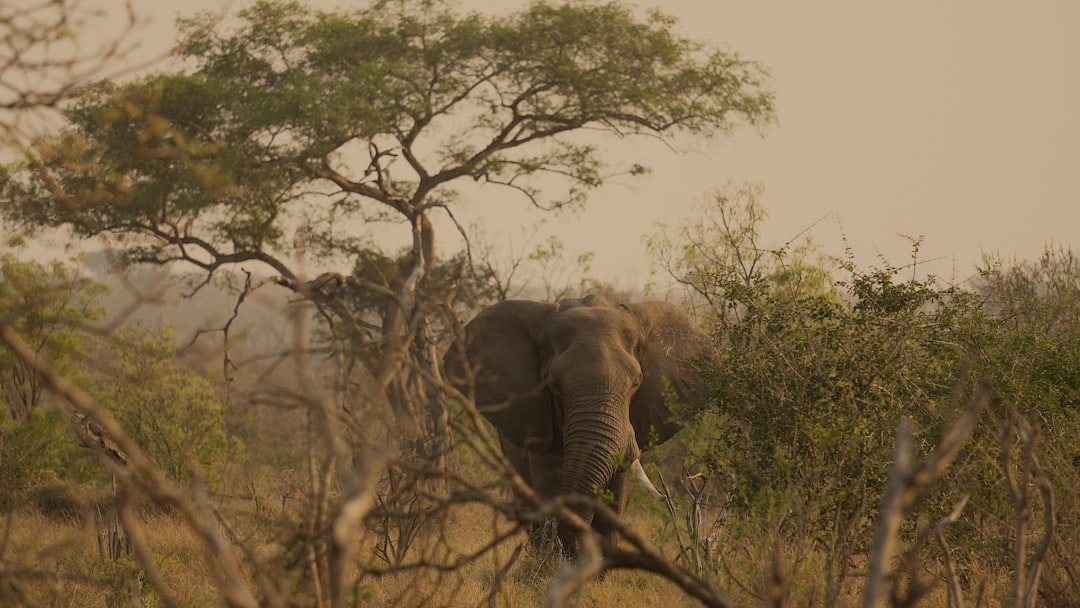
The country's top wildlife destination is Hlane Royal National Park, home to lions, elephants, rhinos, giraffes, and abundant birdlife. Travelers can enjoy guided game drives, self-drive routes, and walking safaris in selected areas. Hlane offers some of the region's most affordable safari experiences while maintaining excellent wildlife viewing opportunities.
Why Choose Walking Safaris in Eswatini?
Walking safaris give you a slower pace and deeper connection to the bush than vehicle safaris. You hear animal calls, spot smaller creatures, and learn about plants and insects your guide points out. The intimate experience creates memories that last a lifetime.
Cost is another major advantage. Eswatini walking safaris cost significantly less than equivalent experiences in Kruger or other major African parks. You get premium wildlife encounters without premium prices, making Eswatini ideal for budget travelers seeking authentic safari moments.
The kingdom's compact size means less travel time between parks and lodges. You spend more hours actually walking and observing wildlife, rather than driving to distant destinations. This efficiency makes multi-activity itineraries practical within just a few days.
Key Wildlife on Eswatini Walking Routes
Step into the wild on foot and join intimate bushwalks through Mkhaya Game Reserve, tracking rhino and uncovering nature's secrets with Swati guides. By day, explore on foot and by vehicle; by night, unwind at romantic Stone Camp under starlit skies. This combination approach maximizes your wildlife encounters.
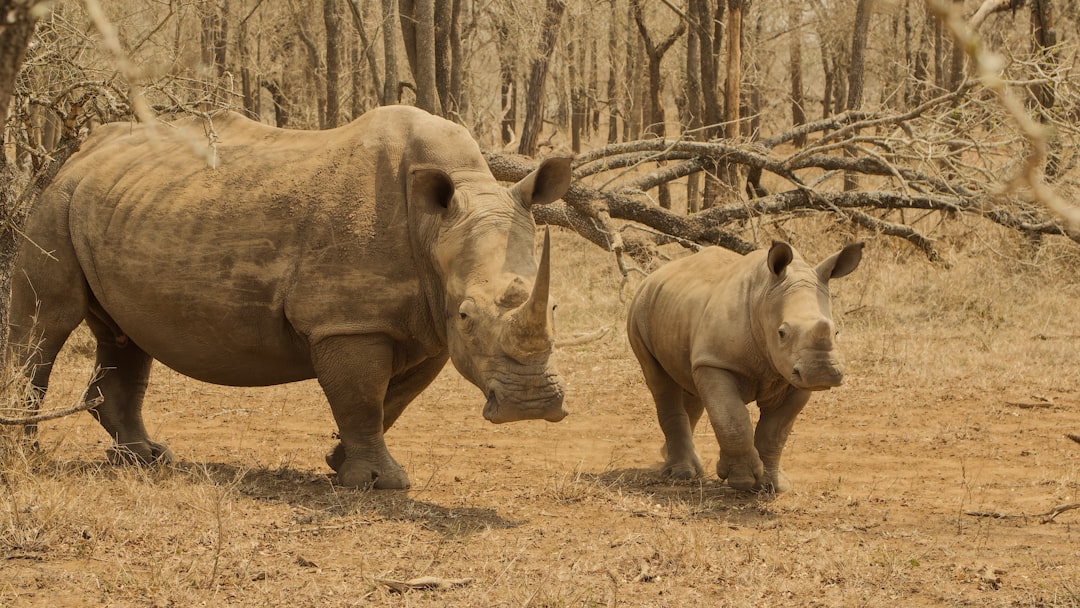
Walking routes typically focus on rhino tracking, which is Eswatini's signature experience. The kingdom has successfully reintroduced black and white rhinos to protected reserves. Seeing these magnificent creatures on foot creates an unforgettable connection to conservation efforts.
Beyond rhinos, you'll encounter elephants, lions, giraffes, zebras, warthogs, and hundreds of bird species. Eswatini's diverse ecosystems support both savanna and woodland wildlife. Early morning walks often yield the best sightings when animals are most active.
Eswatini Walking Safari Costs and Operator Pricing
Walking safari prices in Eswatini range from $160 to $4,200 per person in 2026, depending on duration, accommodation level, and included activities. Budget options start around $160–$335 for half-day rhino walks with basic lodging, while luxury multi-day packages can exceed $4,000 per person. Most travelers find excellent value in mid-range packages between $800 and $1,500 for 3–4 day experiences.
Budget Walking Safari Packages
Manzini Hlane rhino walk and game drive with wilderness picnic costs from $330 for a 10-hour experience with pickup available. This entry-level option includes guided walking, game drive, and picnic lunch. It's perfect for travelers adding a quick safari to a South Africa trip.
Budget packages typically feature shared accommodations, simple meals, and experienced but non-luxury guides. You still get authentic wildlife encounters and knowledgeable Swati guides. Many budget operators focus on value rather than fancy amenities, which appeals to nature-focused travelers.
Bike rentals for parks like Malolotja Nature Reserve cost about $3.50 per hour, offering another budget-friendly exploration option. This self-guided approach works for confident travelers comfortable navigating on their own. Transport costs run 8% below US averages, making road trips economical.
Mid-Range and Luxury Walking Safaris
Mid-range packages typically cost $800–$1,500 for 3–4 days and include comfortable lodge accommodation, all meals, guided walks, and game drives. These experiences balance comfort with affordability. You get better food, cleaner rooms, and more personalized guide attention than budget options.
Luxury walking safaris range from $2,000–$4,200 per person and feature high-end lodges, gourmet meals, and exclusive guide access. For example, multi-day Kruger-Eswatini-Pafuri walking safaris include accommodation at Madi a Thavha Lodge or Mahovhela Bush Lodge in the scenic Soutpansberg Mountains. These packages appeal to travelers seeking comfort without sacrificing authentic walking experiences.
Luxury operators often include extras like wine tastings, spa treatments, cultural experiences, and photography training. They limit group sizes to 4–8 people for intimate experiences. Premium guides have decades of experience and deep knowledge of wildlife behavior and ecology.
Multi-Day Walking Safari Costs
A 3-day Eswatini wildlife and cultural tour from Kruger costs from $330 and includes transportation, accommodation, guided walks, and cultural activities. These combined experiences let you explore multiple destinations and activities in one package.
Longer 7–10 day packages combining Kruger, Eswatini, and South Africa's Garden Route cost $2,500–$4,500 with tour operators like Explore! These comprehensive itineraries include multiple lodges, various activity types, and cultural experiences. They suit travelers wanting deep immersion rather than quick visits.
When comparing multi-day packages, check what's included: accommodation, meals, guides, park fees, and activities. Some operators add premium extras like wine tastings or helicopter tours. Others keep costs low by including basics only. Read detailed itineraries and traveler reviews to understand exactly what you're paying for.
Looking for specific packages? Browse verified Eswatini safari operators with current 2026 pricing and authentic reviews on SafariFind to compare costs and book with confidence.
Best Walking Routes and Destinations
Eswatini's most popular walking routes are in Hlane Royal National Park and Mkhaya Game Reserve. Hlane offers day walks and multi-day treks through diverse habitats. Mkhaya specializes in rhino tracking with intimate bushwalk experiences. Both parks provide excellent wildlife encounters with experienced guides.
Hlane Royal National Park Walking Routes
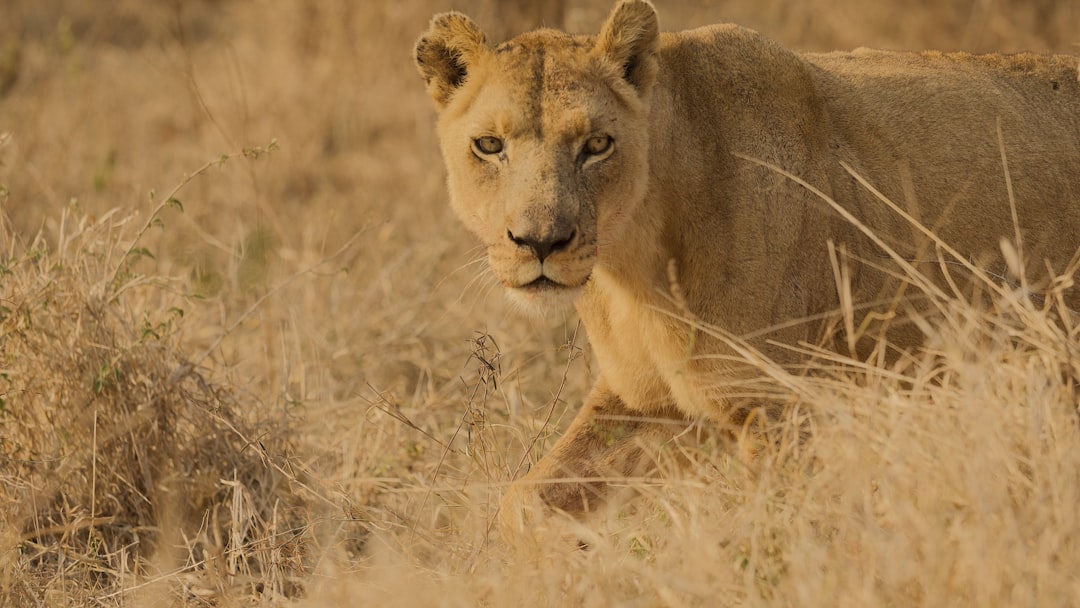
Hlane Royal National Park covers the largest wildlife area in Eswatini with lions, elephants, rhinos, giraffes, and abundant birdlife throughout its boundaries. Walking safaris here range from 2–4 hour morning walks to full-day adventures. The park has multiple trails suited to different fitness levels.
Early morning walks are best because animals are most active during cool hours. You'll encounter zebras, warthogs, and numerous bird species even if you don't see large predators. The park's open grasslands provide excellent visibility for spotting distant wildlife.
Hlane offers self-guided walks in certain areas if you prefer independence, though guided walks are recommended for safety and better sightings. Professional guides know where animals congregate and can identify species you'd miss alone. They also handle any wildlife encounters safely.
Multi-day walking packages in Hlane include accommodation at park lodges or nearby private reserves. You can combine walking with game drives to maximize wildlife viewing. Three-day packages typically cost $800–$1,200 per person including accommodation and activities.
Mkhaya Game Reserve Rhino Walking Safaris
Mkhaya Game Reserve specializes in rhino conservation and offers the kingdom's most intimate rhino tracking experiences. This private reserve focuses exclusively on walking safaris, creating a true bushwalk experience. Guides are expert trackers trained in rhino behavior and safety.
Rhino walks at Mkhaya combine morning walking sessions with afternoon game drives and evening relaxation. You might track both black and white rhinos depending on their locations. Guides read spoor (animal tracks) and use binoculars to locate rhinos across the landscape.
Accommodation at Mkhaya's Stone Camp features rustic luxury with en-suite bathrooms and romantic outdoor showers. Meals are gourmet yet simple, emphasizing fresh local ingredients. The intimate setting with 8–12 guests creates a community atmosphere among travelers.
Mkhaya packages range from $1,200–$2,000 for 2–3 days, making it mid-range rather than ultra-luxury. However, the exclusive rhino experience and expert guides justify the cost. Many travelers consider Mkhaya the best value for serious rhino encounters in Southern Africa.
For more details on Mkhaya and rhino safari experiences, read our complete guide to Mkhaya Game Reserve with current lodge rates and booking information.
Malolotja Nature Reserve and Other Walking Areas
Malolotja Nature Reserve offers scenic hiking through mountainous terrain rather than traditional safari walking. Trails range from 2–6 hours and feature waterfalls, wildflowers, and mountain views. This reserve suits hikers seeking nature without focusing on large wildlife.
Malolotja costs only $3.50 per hour for bike rentals, making it extremely affordable for self-guided exploration. The reserve has marked trails suitable for various fitness levels. Morning walks are cooler and more comfortable than afternoon hikes.
Other walking areas include Mlilwane Wildlife Sanctuary, which has gentle trails through grasslands. Mlilwane is perfect for families and travelers seeking relaxed walks without strenuous hiking. It's also the most affordable option with minimal park fees.
Planning Your Eswatini Walking Safari
Planning a successful Eswatini walking safari requires choosing the right season, finding reputable operators, and preparing physically and mentally for walking in African heat. May to September is the ideal time with cooler temperatures and concentrated wildlife near water sources. Book 2–3 months ahead to secure your preferred dates and lodges.
Best Time to Visit Eswatini
The dry season from May to September offers the best walking safari conditions. Cooler temperatures make walking comfortable, and wildlife congregates near remaining water sources. Animals are easier to spot when vegetation is sparse. This period sees the fewest rainy days and most stable weather.
July and August are peak season with the coolest temperatures and highest wildlife concentration. However, more tourists visit during these months, so accommodations fill quickly and prices rise 15–20% above shoulder season rates. Book early for July visits.
June and September offer excellent conditions with fewer crowds than July-August. Temperatures are slightly warmer but still pleasant for walking. You'll save 10–15% on package costs compared to peak months. These shoulder months are ideal for budget-conscious travelers.
October to April is hot and wet, with afternoon thunderstorms common. Walking becomes uncomfortable in intense heat, and wildlife disperses widely across the landscape. However, bird watching is exceptional during rainy months. Prices drop 30–40% during this period if you can tolerate the heat.
For specific seasonal insights and pricing for your preferred dates, check our detailed guide to July 2026 safari conditions and pricing in Eswatini.
Finding Reputable Walking Safari Operators
Reputable operators have knowledgeable guides, maintain safety standards, and offer transparent pricing. Look for operators with 4.5+ star ratings and 50+ reviews from verified travelers. Read recent reviews specifically mentioning guide quality and wildlife sightings.
Check if operators employ local Swati guides who know the land intimately. Local guides provide cultural insights alongside wildlife knowledge. They're also more invested in conservation and community benefits from tourism.
Verify that operators have proper licenses, insurance, and safety equipment. Ask about guide training, first aid certification, and wildlife encounter protocols. Responsible operators limit group sizes to 6–8 people for better experiences and safety.
Request detailed itineraries showing daily activities, accommodation types, meal details, and included amenities. Transparent operators provide this information readily. They also explain what's not included so you understand total costs.
Compare multiple operators before booking. Browse verified Eswatini walking safari packages on SafariFind to see ratings, reviews, and pricing side-by-side. Request quotes from 2–3 operators to compare offers and customer service quality.
Physical Preparation and What to Bring
Walking safaris require moderate fitness. You'll walk 4–6 hours daily over uneven terrain. If you're sedentary, start training 4–6 weeks before your trip with daily walks. Build endurance gradually to avoid injury.
Pack lightweight, neutral-colored clothing to avoid startling wildlife. Bring sturdy hiking boots broken in before your trip. Include a wide-brimmed hat, sunscreen, insect repellent, and a reusable water bottle. Early morning walks are cool, but afternoon temperatures climb above 25°C (77°F).
Bring binoculars for spotting distant wildlife and a camera with a zoom lens for photography. A small daypack (15–20 liters) carries water, snacks, and personal items during walks. Quality optics dramatically improve your wildlife viewing experience.
Consider bringing trekking poles for steep terrain and to reduce knee strain. Poles are especially helpful if you have joint issues. Many operators provide poles, but bringing your own familiar equipment is often better.
Comparing Eswatini Walking Safaris to Other Options
Eswatini walking safaris offer better value and more intimate experiences than larger African parks, though they require more physical activity than vehicle-only safaris. Walking gives you sensory immersion that vehicles cannot provide. Vehicle safaris cover more ground and spot more wildlife, but walking creates deeper connections.
Walking vs. Vehicle-Only Safaris
Walking safaris cost 20–40% less than comparable vehicle safaris at the same lodge level. You're paying for guide expertise rather than vehicle operation and fuel. This cost advantage makes walking safaris attractive for budget travelers.
Vehicle safaris let you cover 30–50 kilometers daily, seeing diverse habitats and more animals. Walking safaris cover 8–12 kilometers daily but provide intimate detail. You'll see insects, plants, animal behavior, and tracks that drivers miss from vehicles.
Combining walking and vehicle activities, as many Eswatini packages do, gives the best of both approaches. Morning walks offer cool temperatures and active animals. Afternoon game drives cover more ground and find additional species. This combination maximizes wildlife encounters while managing physical effort.
Walking safaris suit nature lovers and photographers wanting detail. Vehicle safaris suit travelers prioritizing comfort and wanting to see maximum animals. Most people find the combination approach in Eswatini ideal.
Eswatini vs. Kruger National Park
Eswatini safari packages cost 30–50% less than comparable Kruger experiences. A 3-day Kruger walking safari costs $1,500–$2,500 per person, while similar Eswatini packages cost $800–$1,500. This significant savings without sacrificing wildlife quality makes Eswatini attractive.
Kruger is larger with more wildlife diversity and bigger predator populations. However, Eswatini offers better rhino encounters and more personal guide relationships. Kruger's size means less crowded experiences in less-visited areas, but finding those areas requires local knowledge.
Eswatini is compact—you can visit multiple parks in 3–4 days. Kruger requires at least 4–5 days to properly explore. If you have limited time, Eswatini delivers more varied experiences in fewer days.
For a comprehensive comparison of costs and experiences, read our detailed analysis of Eswatini vs. Kruger safari pricing and value in 2026.
Eswatini Walking Safaris vs. Horse Safaris
Eswatini also offers unique horse safari experiences combining horseback riding with wildlife viewing. Horse safaris cost $600–$2,000 for 2–3 days, similar to walking safari pricing. The choice depends on whether you prefer walking or riding.
Walking safaris provide more intimate wildlife encounters and deeper environmental connection. Horse safaris cover more ground with less physical strain, ideal for travelers with joint issues. Many packages combine both activities for variety.
Horse safaris suit experienced riders comfortable on unfamiliar terrain. Walking safaris suit all fitness levels with proper preparation. If you're not an experienced rider, walking safaris are safer and more comfortable.
For more details on horse safari options, explore Eswatini horse safari packages with costs and lodge information for 2026.
Key Takeaways
- Book Eswatini walking safaris 2–3 months ahead to secure May-September dates and save 10–15% compared to last-minute bookings.
- Choose mid-range packages ($800–$1,500 for 3–4 days) to balance comfort, wildlife quality, and budget better than budget or ultra-luxury options.
- Combine walking with game drives for maximum wildlife encounters—morning walks spot active animals while afternoon drives cover more ground.
- Train physically 4–6 weeks before your trip with daily walking to ensure enjoyable experiences on uneven terrain and in African heat.
- Compare multiple verified operators on SafariFind to find transparent pricing, read authentic reviews, and secure the best value for your preferred dates.
Frequently Asked Questions
How much does a walking safari cost in Eswatini?
Walking safaris in Eswatini cost between $160 and $4,200 per person in 2026, depending on duration and accommodation level. Budget options start at $160–$335 for half-day rhino walks, while mid-range 3–4 day packages cost $800–$1,500. Luxury multi-day experiences range from $2,000–$4,200 per person with high-end lodges and gourmet meals included.
What's the best time of year for walking safaris in Eswatini?
May to September is the ideal season for walking safaris in Eswatini. Temperatures are cooler and more comfortable for walking, wildlife concentrates near water sources, and vegetation is sparse for better sightings. July and August are peak months with the best conditions but highest prices. June and September offer excellent experiences with fewer crowds and 10–15% lower costs.
Can I see rhinos on walking safaris in Eswatini?
Yes, rhino tracking is Eswatini's signature walking safari experience. Mkhaya Game Reserve specializes in intimate rhino bushwalks where guides track both black and white rhinos on foot. You'll learn to read spoor and observe rhino behavior up close. Rhino walk packages cost $1,200–$2,000 for 2–3 days and offer excellent success rates for seeing these magnificent animals.
How many hours per day will I be walking on a safari?
Most walking safaris include 4–6 hours of walking daily, typically split between morning and afternoon sessions. Morning walks are 2–3 hours when temperatures are cool and animals are active. Afternoon walks are shorter or replaced with game drives. You'll walk over uneven terrain, so moderate fitness helps. Guides adjust pace based on group fitness levels.
What wildlife will I see on Eswatini walking safaris?
Eswatini walking safaris feature rhinos, elephants, lions, giraffes, zebras, warthogs, and hundreds of bird species. Sightings depend on season, location, and luck. Rhino encounters are common in Mkhaya, while Hlane offers diverse Big Five opportunities. Morning walks typically yield more active animals than afternoon walks. Bring binoculars and patience for the best experience.
Do I need special fitness for walking safaris?
Walking safaris require moderate fitness. You should be comfortable walking 4–6 hours daily over uneven terrain. If you're sedentary, start training 4–6 weeks before your trip with daily walks to build endurance. Guides adjust pace for group fitness levels, but basic stamina helps you enjoy the experience. Trekking poles reduce knee strain on steep sections.
How do I book a walking safari in Eswatini?
Book through verified tour operators with strong ratings and authentic reviews. SafariFind lets you compare Eswatini walking safari packages from multiple operators, read traveler reviews, and request quotes directly. Contact 2–3 operators to compare pricing, itineraries, and customer service before committing. Book 2–3 months ahead for peak season to secure your preferred dates and lodges.
Conclusion
Eswatini safari walking routes offer exceptional value and intimate wildlife encounters that larger African parks struggle to match. Walking safaris cost between $160 and $4,200 per person in 2026, with mid-range packages ($800–$1,500 for 3–4 days) providing the best balance of comfort and affordability. May to September is the ideal season when temperatures are cool and wildlife is concentrated near water sources.
The kingdom's compact size lets you explore multiple parks and activities within just 2–4 days. Combining walking with game drives maximizes wildlife encounters while managing physical effort. Mkhaya Game Reserve offers the kingdom's best rhino tracking experiences, while Hlane Royal National Park provides diverse Big Five opportunities.
Success in Eswatini walking safaris depends on choosing reputable operators, preparing physically, and setting realistic expectations. Read authentic traveler reviews to find operators who deliver quality guides and memorable experiences. Book 2–3 months ahead for peak season to secure your preferred dates at reasonable prices.
Ready to experience the magic of walking through African wilderness? Compare verified Eswatini walking safari packages on SafariFind to find operators with authentic reviews, transparent pricing, and expert guides. Request quotes from multiple operators to discover the perfect experience within your budget. Your unforgettable Eswatini adventure awaits in 2026.
References
- Africa Tour Operators - Eswatini Tours and Safari Holidays
- Big Game Parks Eswatini - Safari Events and Activities
- GetYourGuide - The Best Eswatini Safaris & Wildlife Activities 2026
- Travel with Hello - Eswatini Travel Budget Guide: Daily Costs and Money Tips
- Mountain Kingdoms - Eswatini, Kruger & Wild Pafuri Walking Safari
- TourRadar - Kruger, Eswatini and South Africa's Garden Route by Explore!
- African Trek Travel - How to Visit Eswatini for Wildlife 2026-2027
Sources
- Africa Tour Operators - Eswatini Tours and Safari Holidays
- Big Game Parks Eswatini - Safari Events and Activities
- GetYourGuide - The Best Eswatini Safaris & Wildlife Activities 2026
- Travel with Hello - Eswatini Travel Budget Guide: Daily Costs and Money Tips
- Mountain Kingdoms - Eswatini, Kruger & Wild Pafuri Walking Safari
- TourRadar - Kruger, Eswatini and South Africa's Garden Route by Explore!
- African Trek Travel - How to Visit Eswatini for Wildlife 2026-2027
Related to
Ready to start your safari adventure?
Explore curated safari packages and find your perfect African adventure with verified operators.